Arunachal Pradesh
factsheet
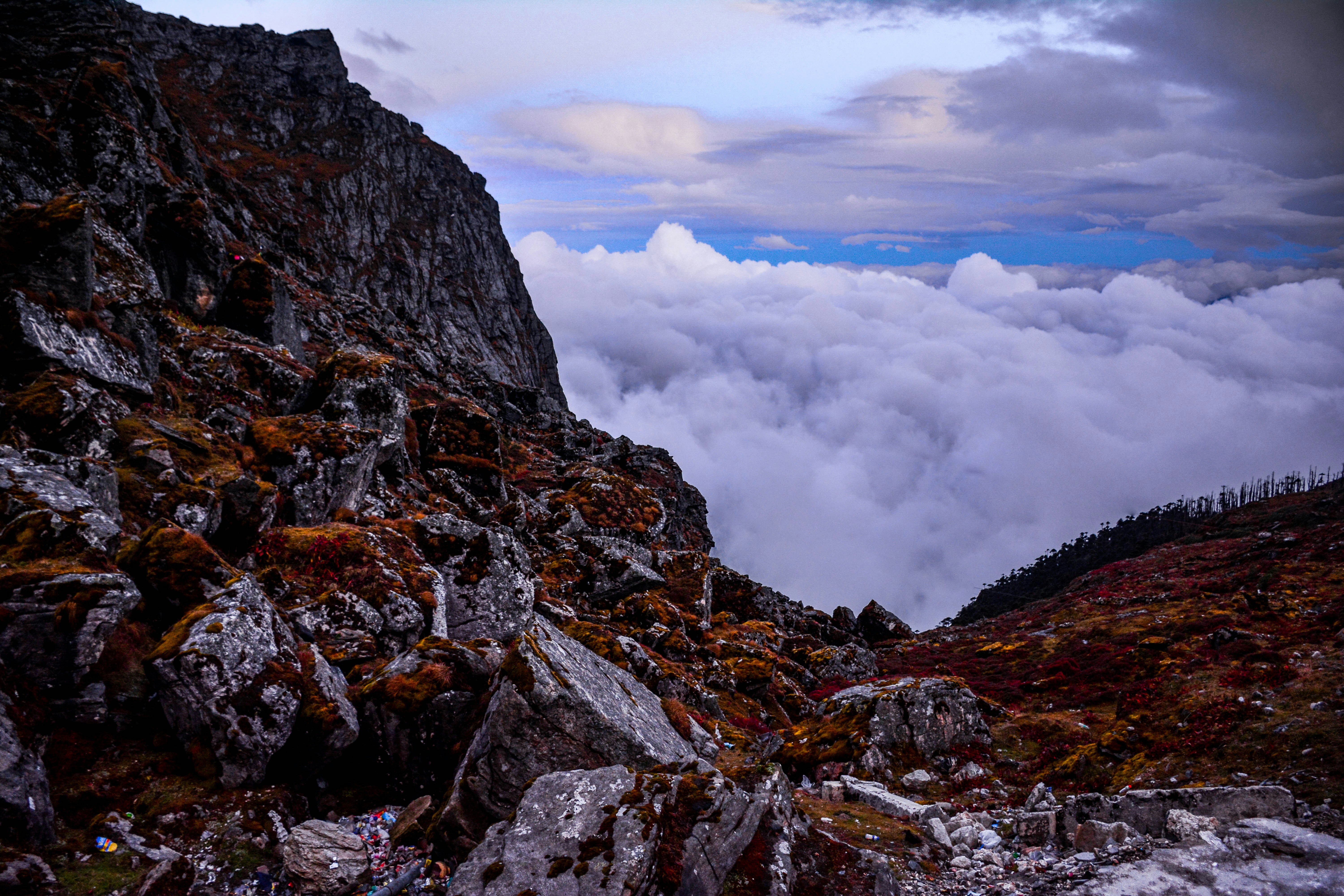
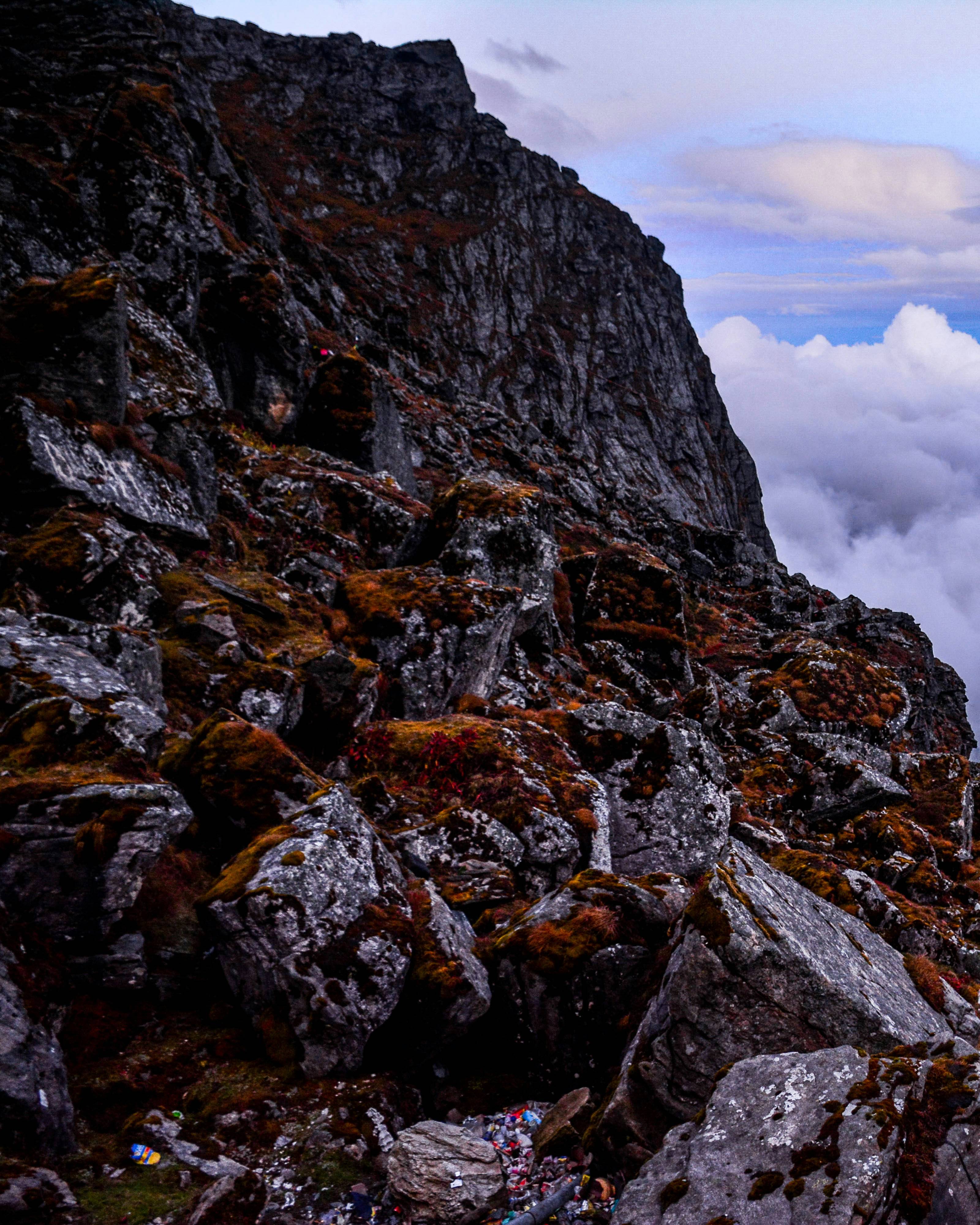
Land of the Dawn-Lit Mountains, where pristine Himalayan peaks meet vibrant tribal traditions and untouched wilderness.
Explore Arunachal Pradesh travel facts including visa basics, climate, best time to visit, trip duration, and expert planning tips by Bayard Vacations.
The Essentials
Best Time
Oct - Apr
Currency
INR (₹)
Climate
Alpine to Subtropical
Time Zone
UTC+5:30 (IST)
Languages
Tibeto-Burman, Tai
Permit
Inner Line Permit (ILP)
Capital
Itanagar
Population
≈1.38M
Calling Code
+91 (370 Itanagar, 371 Papum Pare)
Power Plug
Type A, B, C, D, M (230V, 50Hz)
Tipping
₹20-50 appreciated (not mandatory)
Emergency
100 (Police), 101 (Fire), 102 (Ambulance)
History & Heritage
Arunachal Pradesh, literally meaning 'Land of the Dawn-Lit Mountains' (Arun = dawn, Achal = mountain), is India's easternmost state with a history spanning millennia of diverse tribal kingdoms and spiritual traditions, making it a key focus in any things to do in Arunachal Pradesh search. Monyul Kingdom From the ancient Monyul (Lhomon) kingdom through Tibetan Buddhist influence to modern statehood (1987), Arunachal Pradesh embodies resilience, cultural richness, and the defiant preservation of indigenous identity against modernization pressures. Home to 26+ indigenous tribes, each with distinct language, culture, and governance systems, Arunachal Pradesh has remained one of India's most pristine, least developed regions—intentionally preserved to protect tribal heritage.
Ancient Kingdom of Monyul/Lhomon (500 BC – 600 AD)
The Monpa people trace their presence to the ancient kingdom of Monyul (also called Lhomon, meaning 'Dark Valley' in Tibetan), which ruled the Tawang region for over 1,000 years.[web:1000][web:1003] Archaeological evidence confirms continuous human habitation in the region spanning at least this period. Monyul represented an early organized tribal governance system, distinct from lowland Indian kingdoms.[web:1000][web:1003]
Early Buddhist Influence & Bon Syncretism (8th-17th Century)
In the 8th century, Guru Padmasambhava, the Indian Buddhist saint, visited the Tawang region, introducing Buddhism to indigenous populations then following the Bon (pre-Buddhist Tibetan) religion.[web:1000][web:1003][web:1006] The Monpa gradually syncretized Buddhist doctrines with existing beliefs, creating a unique religious-cultural hybrid. This process laid groundwork for future Gelugpa Buddhism establishment.[web:994][web:1000]
Tawang Monastery & Gelugpa Buddhism (1680–1681)
Merak Lama Lodre Gyatso established the iconic Tawang Monastery (Ganden Namgey Lhatse) in 1680–1681 with the 5th Dalai Lama's blessings, marking a watershed moment in Arunachal's spiritual landscape.[web:994][web:997][web:1003][web:1006] The monastery became a center of Gelugpa Buddhism learning, housing 500+ monks and ancient texts (Kangyur, Tengyur). Known as 'Second Lhasa', Tawang Monastery transformed the region into a major Buddhist pilgrimage site, cementing Tibetan Buddhist identity in Arunachal.[web:997][web:1000][web:1003]
Tribal Diversity & Independent Kingdoms (15th-19th Century)
While Tawang came under Tibetan-Buddhist influence, the rest of Arunachal Pradesh remained home to 26+ distinct tribal groups—each governed by independent clan-based kingdoms with unique languages, traditions, and belief systems.[web:996][web:999][web:1001] Adi, Apatani, Nyishi, Mishmi, Naga groups maintained fierce autonomy, resisting external control. This tribal polarity—Buddhist west vs. animist/Christian east—remains defining.[web:996][web:999]
British Colonial Rule & Inner Line Permit System (1873-1947)
The British established the Inner Line Permit system in 1873 to demarcate the northeastern frontier and protect indigenous tribes from external exploitation.[web:1010][web:1013][web:1016] The British classified the region as the 'North-East Frontier Agency' (NEFA)—a heavily controlled, restricted zone designed to preserve tribal autonomy and prevent cultural erosion through migration.[web:1001] This paternalistic protection, while controversial, inadvertently preserved Arunachal's tribal heritage in near-pristine form.[web:1010][web:1013]
India's Independence & Union Territory Status (1947-1987)
After Indian independence (1947), Arunachal Pradesh remained NEFA—a union territory under direct central governance.[web:1001] On February 20, 1987, NEFA officially became the state of Arunachal Pradesh, gaining semi-autonomous status while retaining ILP restrictions to protect tribal populations.[web:1001] The permit system, though archaic, was preserved to prevent uncontrolled migration and cultural dilution.[web:1010][web:1013]
Modern Arunachal Pradesh: Tourism Boom & Cultural Preservation (1987-Present)
Post-statehood, Arunachal Pradesh has opened selectively to tourism (domestic visitors grew from ~5 lakh pre-COVID to 1+ million in 2023-2024).[web:982][web:984][web:987] The government pursues a deliberate 'preservation through controlled development' strategy—easing permits for domestic Indian tourists while maintaining strict restrictions for foreigners (PAP required, group-only).[web:1010][web:1013] This balancing act aims to generate revenue while protecting tribal identity from external pressure. Modern infrastructure (airport, railway, highways) now connects the state while ILP remains ironically intact—a living anachronism serving preservationist goals.[web:1001][web:1009]
Climate & Weather
Arunachal Pradesh spans from tropical lowlands (Caspian-like, 100m) to Alpine peaks (Tawang 3,500m+), featuring 9+ climate zones within its borders.[web:983][web:985][web:988][web:992] Weather varies dramatically by altitude and season. Monsoons (July-September) bring 2,000-3,000mm rainfall; winters bring snow in highlands; spring blooms rhododendrons.[web:983][web:985][web:992] Peak season is October-April (clear skies, moderate temps); off-season is July-August (monsoon intensity).[web:983][web:988]
Time Zone
IST (Indian Standard Time) UTC+5:30
Same as all of India; no regional offset
Best Months
October, November, March, April (peak season); December-February also good (snowy highlands)
Spring (Bahar)
Mar – Apr
10–20°C (highlands); 20–30°C (lowlands)
Monastery visits peak (Losar celebrations Feb-Mar). Rhododendrons, orchids, wildflowers bloom spectacularly in highlands. Clear skies, perfect hiking weather. Fewer crowds before peak summer. Ideal treks to Tawang, Dirang.[web:985][web:991]
Summer (Bahar/Garm)
May – Jun
15–30°C (varied by altitude)
Road trips, trekking, cultural travel ideal.[web:985] Snowmelt creates waterfalls in highlands. Warm, dry weather in most regions. Long daylight. Adventure activities (mountaineering, rock climbing) peak. Ziro plateau beautiful; Apatani tribal culture accessible.[web:985][web:991]
Monsoon (Varsha)
Jul – Sep
18–25°C (moderate despite rain)
Heavy, continuous rainfall (2,000-3,000mm in parts).[web:992] Dense green beauty; landscapes lush. Landslides frequent; road blockages common.[web:988][web:991] Off-season, budget-friendly. Lower regions (Ziro, Itanagar) manageable for leisure travel. Adventure tourism minimal due to safety concerns. Monsoon mystique attracts offbeat travelers.[web:988][web:991][web:992]
Autumn (Pateez/Jharhai)
Oct – Nov
8–20°C (highlands colder)
Peak tourist season begins.[web:988] Clear, fresh weather; excellent visibility for mountain photography. Scenic views at maximum. Adi festivals (Solung, Etor) celebrated. Trekking ideal; snow beginning in extreme highlands. Fewer crowds than December-February.[web:988][web:991]
Winter (Sheeta)
Dec – Feb
-10 to 15°C (highlands); 10–20°C (lowlands)
Peak season (December-February warmest in winter).[web:988][web:991] Tawang monastery Losar (Feb) major draw. Heavy crowds. Snow in highlands (Tawang, Dirang); rare in lowlands. Extreme cold in remote areas; moderate in capitals. Festivals, monasteries, unique cultural experiences. Snowy peaks, clear skies for photography.[web:988][web:991]
Seasonal Packing List
Language Guide
Official Language
English (administrative); Hindi (link language); 50+ tribal languages
Arunachal Pradesh is a 'linguistic museum'—home to 50+ distinct languages belonging to Tibeto-Burman and Tai language families.[web:999][web:1002] Major languages: Adi, Nyishi, Galo, Apatani (Tani group), Monpa, Mishmi (Bodic group), Nocte, Wancho, Tangsa.[web:999][web:1002][web:1005] English and Hindi function as link languages; many children grow up trilingual or quadrilingual.[web:1002] Tribal languages face endangerment; government now promotes mother-tongue education and script preservation.[web:1002][web:1008]
Local Signage
Useful Phrases
Hello
nah-mah-STAY / ah-DAHB
Namaste / Adab
Thank You
SHOO-kree-yah / dhan-ya-VAHD
Shukriya / Dhanyavaad
Goodbye
ahl-VEE-dah / FEER mil-EN-geh
Alvida / Phir Milenge
Yes / No
HAHN / nah-HIN
Haan / Nahin
Please
meh-her-BAH-nee KIJ-ee-eh
Meherbani kijiye
Excuse Me
mah-FEE KIJ-ee-eh
Maafi kijiye
How Much?
KIT-nah hay?
Kitna hai?
Where is...?
...kah-HAHN hay?
...kahan hai?
Also Commonly Spoken
English
Official administrative language; widely understood in cities (Itanagar, Guwahati approach); growing among youth.[web:1002]
Hindi
Pan-Indian link language; understood across Arunachal; primary medium in schools & business.[web:1002][web:1008]
Tribal Languages
50+ distinct languages spoken at home; Adi, Nyishi, Apatani, Monpa dominant in respective regions.[web:999][web:1002]
Assamese
Understood in southern lowlands (Pasighat, Assam border areas) due to proximity.[web:999]
Currency & Money
Official Currency
Indian Rupee
₹ (INR) — ₹1 = 100 Paise
Banknotes
₹10, ₹20, ₹50, ₹100, ₹200, ₹500, ₹2000
Coins
₹1, ₹2, ₹5, ₹10
ATMs & Cash Withdrawal
ATMs available in major towns (Itanagar, Guwahati, Tawang, Pasighat, Ziro).[web:1009][web:1015] Rural areas lack ATMs; carry sufficient cash beforehand. Withdrawal fees minimal (₹5-15). Most international cards accepted (Visa, Mastercard). Withdraw early; rural villages cash-only.
Credit & Debit Cards
Cards accepted in hotels, restaurants, shops in major towns.[web:1009] Remote villages, bazaars, homestays cash-only. Contactless payment (UPI, Google Pay) increasingly common in urban areas; rural areas lag. Carry emergency cash (₹5,000-10,000).
Tipping Culture
Tipping not mandatory but appreciated (₹20-50 for good service). Hotels, guides: ₹50-100 daily appreciation. Restaurants: 10% if service exceptional (rarely included in bill). Taxi drivers: round up or ₹10-20 appreciated. Conservative with tipping—less formalized than Western countries.
Daily Budget Estimates
Budget Traveler
₹1,500-2,500 (~$18-30 USD)
Mid-Range Traveler
₹3,000-5,000 (~$36-60 USD)
Luxury Traveler
₹8,000-15,000+ (~$96-180+ USD)
Visa & Entry
For Indians: Visit https://eilp.arunachal.gov.in/ and fill online form (Aadhaar/voter ID required).[web:1013][web:1016][web:1022]
Upload passport-sized photo (4x6cm); provide basic travel dates/destination.[web:1016][web:1022]
Download eILP PDF immediately (auto-approval common); print 2-3 copies.[web:1013][web:1022]
Carry printed copies at entry points (checkpoints at borders); hotels verify.[web:1013][web:1016]
For Foreigners: Book with government-registered tour operator; operator files PAP application.[web:1013][web:1019]
PAP requires group (minimum 2 foreigners); individual applications not permitted.[web:1013]
Operator provides PAP approval 2-4 weeks pre-travel; tour itinerary pre-approved.[web:1013]
Carry multiple copies of PAP, passport, Indian visa, travel permit.[web:1010][web:1013]
Registration
Present permit at checkpoints (entry gates), hotels, attractions. No separate registration needed.
ILP/PAP serves as registration; hotels cross-check permits against national database.
Penalty: Traveling without permit: fines (₹500-5,000), deportation, entry ban possible.
Visa Extension
Apply online (eilp.arunachal.gov.in) or at Resident Commissioner office 5-7 days before expiration.
Cost: Free (no extension fee)
Requirements
- • For Indians: Government-issued ID (Aadhaar, Voter ID, Passport).[web:1013][web:1016][web:1022]
- • Passport-sized photo (4x6cm, color).[web:1013][web:1016][web:1022]
- • Basic travel dates & destination (even rough plans acceptable).[web:1016][web:1022]
- • For Foreigners: Valid Indian visa (tourist or business).[web:1019]
- • Passport (valid for 6+ months).[web:1010][web:1019]
- • Booking with government-registered tour operator.[web:1013][web:1019]
- • Travel insurance (recommended).[web:1019]
Getting There & Around
Intercity Travel
APSTS Long-Distance Buses
Itanagar to district HQs: Tawang (20h), Pasighat (10h), Bomdila (12h), Ziro (12h).[web:1009][web:1018] Comfortable (semi-luxury) available. ₹400-1,500 depending on distance/class. Mountains slow travel; road blockages during monsoon.[web:1009]
Private Bus Operators
Competitive fares; often faster/newer vehicles than APSTS. Bookable online or direct from bus terminals.[web:1009]
Trains (Limited)
New Delhi-Naharlagun Arunachal Express (twice-weekly).[web:1009] Guwahati-Naharlagun Intercity Express (local, daily).[web:1009] Scenic but slow.[web:1009]
Flights (Limited)
Hollongi to Guwahati/Delhi; Tezu to Guwahati (sporadic). Expensive; few flights/week. Book well ahead.[web:1009][web:1015]
Shared Taxi/Car
Private drivers available through hotels. ₹2,000-5,000/day for group (4-6 people). Best for Tawang, Ziro, Bomdila circuits.[web:1009]
Culture & Local Life
Tribal Pride & Spiritual Serenity: Ancient Traditions Meet Gentle Hospitality
Arunachal Pradesh pulses with the proud heritage of 26+ independent tribal nations, each maintaining distinct languages, customs, belief systems, and governance.[web:996][web:999][web:1001][web:1002] Unlike homogenized Indian states, Arunachal represents living tribal autonomy—communities fiercely protective of identity, yet warm and welcoming to respectful visitors.[web:999][web:1001] Spiritual depth runs through both Buddhist (west: Gelugpa monasticism) and animist/Christian (east: tribal nature-worship) traditions, creating unique syncretism. Contemporary culture balances ancient tribal practices (warrior traditions, festivals, oral histories) with modern development pressures—a careful, sometimes tense equilibrium.[web:994][web:996][web:999]
Losar Festival: Tibetan New Year in Tawang
Celebrated in February across Monpa communities and Buddhist monasteries, especially Tawang.[web:996][web:1003] Monks perform masked Cham dances (ritual dances with spiritual significance), blow ceremonial horns, recite prayers. Butter sculptures (tormas) created as offerings. Pilgrims circumambulate monasteries. Fireworks, feasting follow rituals. Losar represents renewal, purification, spiritual renewal—an intimate fusion of Tibetan Buddhism and Monpa identity.[web:996][web:1003]
Solung: Adi Harvest Gratitude Festival
Celebrated in September by Adi tribes across central Arunachal.[web:996][web:999] Five-day festival of music, dance, feasting, and gratitude for harvest. Young men perform traditional dances (Rego, etc.); women sing harvest songs. Archery competitions, communal meals, agricultural offerings to deities.[web:996] Represents deep connection between tribe and land; collective gratitude replacing individual commercialism.[web:996][web:999]
Sangken Water Festival: Universal Blessing
Celebrated by Khamti Buddhists (Theravada sect) on April 14, Sangken features water-splashing rituals believed to deliver blessings and wash away negativity.[web:996][web:999] Communities gather; water splashing spreads joy irrespective of religion/caste. Reflects core Theravada Buddhist principle of universal compassion and renewal through water purification.[web:996]
Tribal Marriage Rituals: Kinship & Reciprocity
Marriage ceremonies vary by tribe but share common protocols: groom's family 'visits' bride's family over 4 nights; sacred yellow bamboo chains exchange hands; offerings of smoked fish and sticky rice follow.[web:999] Rituals emphasize reciprocal kinship between families, blessing by elders, symbolic union. Celebrations involve community participation, feasting, and dances reflecting tribe's martial/peaceful heritage.[web:999]
Gifting Etiquette
Offer gifts respectfully with both hands. Small crafts, books on home culture, tea appreciated. Avoid knives (symbolize cutting relationships), clocks (death symbolism in some cultures), sharp objects. Wrap gifts neatly. Unwrap in giver's presence. Sincere, thoughtful gifts from home country valued over expensive items.
Business Etiquette
Monks/guides addressed respectfully (add 'Lama' prefix if Buddhist guide). Business meetings relaxed, relationship-first. Punctuality increasingly valued in urban areas; village contexts more flexible. Direct communication appreciated; long-winded formality unnecessary. Humor common; don't misinterpret bluntness as rudeness.
Dining Etiquette
Food shared communally; accepting offered meals shows respect. Monasteries require meat avoidance; many regions practice vegetarian meals. Tribal meals feature rice, fish, meat, wild vegetables. Eat with hands or utensils as locals do. Compliment cook's effort warmly. Finishing all food shows appreciation. Alcohol common in tribal celebrations; respectful decline acceptable.
Food & Drink
Arunachali cuisine reflects tribal diversity—each ethnic group maintains distinct culinary traditions rooted in local ingredients (bamboo, wild game, river fish, indigenous grains), making it a key topic in any Arunachal Pradesh food search. Bamboo Shoot Curry Staple rice paired with hearty meat/vegetable curries, fermented foods, spicy chutneys. Food preparation methods (smoking, fermenting, slow-cooking) reflect historical preservation techniques and spiritual beliefs. Thukpa also reflects broader Himalayan culinary influence in the region. Meals are communal, ceremonial events celebrating tribe, harvest, and kinship. Contemporary Arunachali cuisine blends ancient traditions with modern adaptations, though purist communities maintain ancestral practices.
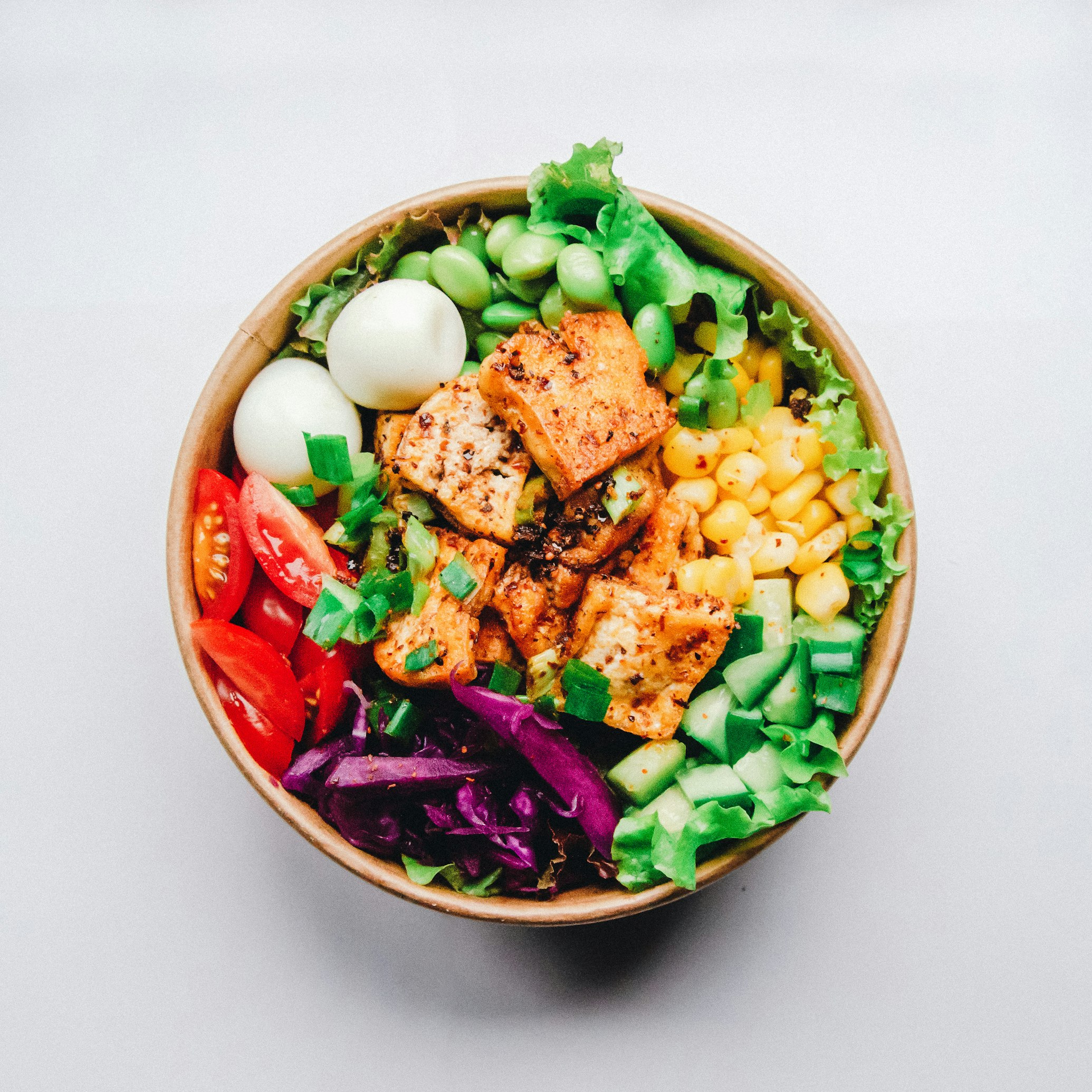
Thukpa
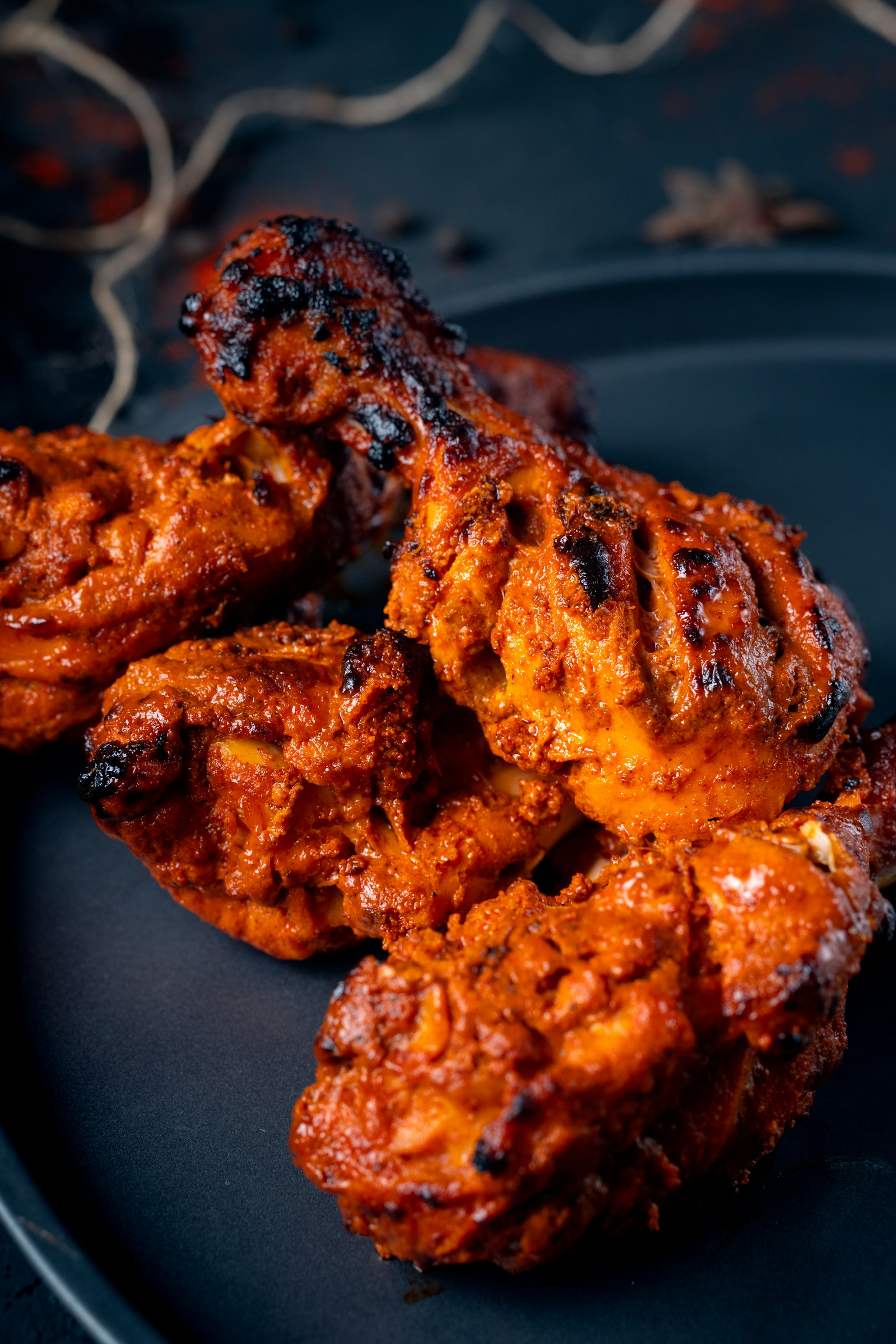
Pika Pila

Bamboo Shoot Fry (Takem)
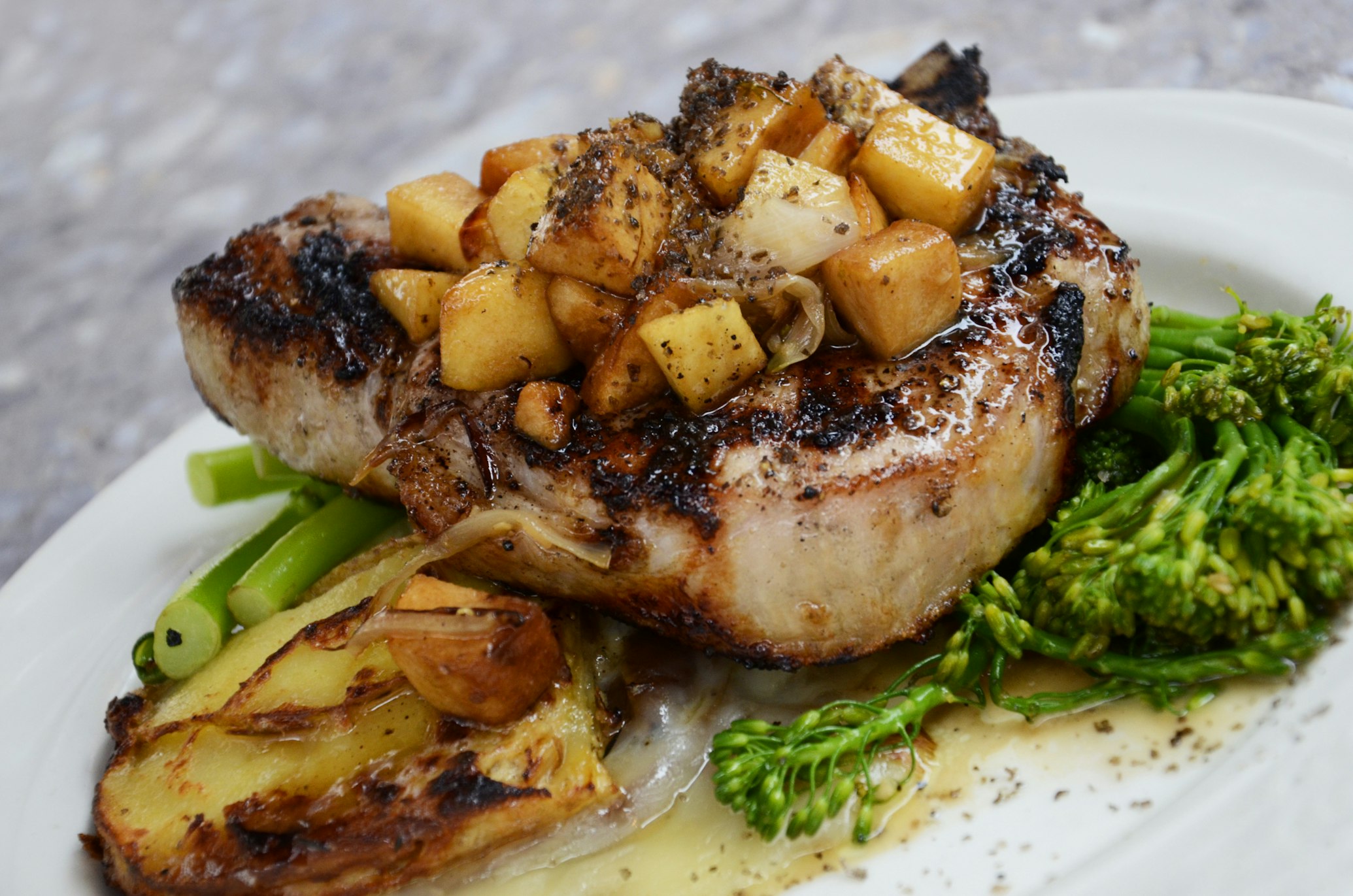
Smoked Meat (Zan or Lukter)

Gyapa Khazi

Apong (Rice Beer)
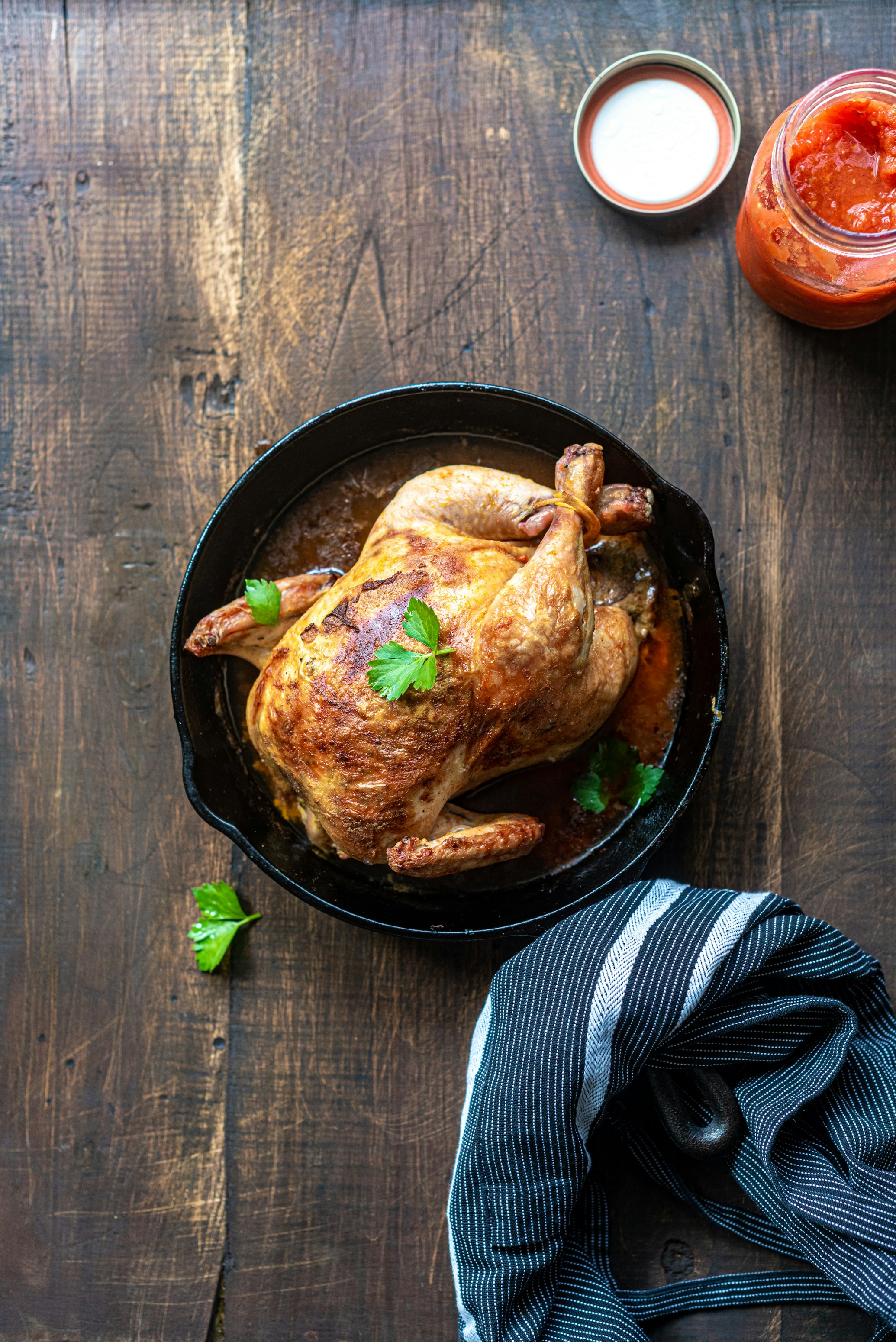
Poora Haah
Dining Etiquette
- • Meals communal; sharing food symbolizes kinship and trust.[web:999]
- • Accept offered food graciously; refusal considered disrespectful.[web:999]
- • Rice central staple; eat with hands or utensils as locals do.[web:999]
- • Tribal meals feature meat prominently (hunting tradition); vegetarian options available but less common.[web:353][web:986]
- • Compliment cook's effort warmly; food preparation taken seriously.[web:999]
- • Finishing all food shows appreciation and respect for effort.[web:999]
- • Apong (rice beer) offered in celebrations; accept one serving as cultural gesture.[web:986]
- • Smoking, loud behavior during meals impolite in spiritual contexts (monasteries).[web:999]
Signature Drinks
Shop & Bring Home
Arunachali shopping celebrates tribal craftsmanship—bamboo/cane products, handwoven textiles, wood carvings, beadwork jewelry, and Buddhist artifacts reflect centuries-old artisanal traditions.[web:1011][web:1014][web:1017] Each item carries cultural significance; purchasing directly from artisans supports community livelihoods and incentivizes heritage preservation.[web:1011][web:1014] Shopping spans from government emporiums (fixed prices, certified quality) to village artisan workshops (authentic, negotiable) to bustling markets (atmospheric, eclectic).[web:1011][web:1014][web:1017]
Bamboo & Cane Crafts
₹200-5,000+ (baskets ₹300-800, furniture ₹2,000-8,000)
- Bamboo baskets (storage, decor)
- Mats & placemats
- Bamboo furniture
- Cane containers
- Bamboo hats (traditional)
Abundant bamboo; eco-friendly; handcrafted. Ziro region famous; available in Itanagar, tourist markets.[web:1011][web:1014]
Handwoven Textiles
₹500-8,000 (scarves ₹500-2,000, shawls ₹2,000-5,000, blankets ₹3,000-8,000)
- Monpa shawls (Tawang, Monpa weavers)
- Idu Mishmi wraps (eastern textiles)
- Tribal scarves (natural dyes)
- Blankets & quilts
- Wall hangings
All-handwoven on traditional looms; natural dyes (indigo, turmeric, plants). Each piece unique.[web:1011][web:1014]
Wood Carvings & Masks
₹500-10,000+ (masks ₹1,000-5,000, figurines ₹500-3,000)
- Ritual masks (Cham dances, Buddhist)
- Wooden figurines (deities, animals)
- Decorative panels
- Tribal artifacts
Monpa artisans (Tawang) renowned. Spiritual significance; many used in rituals.[web:1011][web:1014]
Beadwork & Tribal Jewelry
₹300-5,000 (necklaces ₹500-2,000, ornaments ₹1,000-4,000)
- Beaded necklaces (Nocte, Wancho tribes)
- Silver ornaments (Mishmi)
- Brass accessories
- Traditional tribal crowns/headgear
Each tribe has distinct beadwork patterns & colors. Signifies cultural identity, worn during festivals.[web:1011][web:1014]
Buddhist Artifacts & Thangkas
₹500-20,000+ (thangkas ₹2,000-10,000, prayer wheels ₹500-3,000)
- Thangkas (religious paintings on cloth)
- Prayer wheels (Tibetan Buddhist)
- Carved prayer beads
- Manuscripts (religious texts)
- Altar decorations
Spiritual significance; obtained from monasteries, artisan centers. Hand-painted thangkas especially valuable.[web:1011][web:1014]