
Hungary
Imperial splendor and thermal waters in Hungary. Explore customizable packages tailored for romantic European city breaks and architectural tours.
About Hungary
The thermal heart of Europe, where Austro-Hungarian grandeur meets contemporary sophistication, all cradled by the legendary Danube River.
Hungary, a Central European nation of extraordinary cultural richness, boasts a history spanning nearly a millennium. From its medieval Kingdom (1000–1526) through the Austro-Hungarian Empire (1867–1918) to modern democracy, Hungary evolved into Europe's intellectual and artistic powerhouse. Budapest, the "Pearl of the Danube," epitomizes imperial elegance transformed into vibrant contemporary culture. Indian tourism to Hungary shows promising growth: 29,000+ visitors in H1 2024 (+14% YoY), with 26,000+ staying in Budapest, spending nearly 2.17 billion HUF (₹530M+). Hungary targets becoming a year-round destination beyond a transit stopover, with strategic focus on India as a high-potential market.[web:890]
Why Choose Hungary?
Austro-Hungarian Imperial Legacy
The Austro-Hungarian Empire (1867–1918) represented Central European grandeur. Vienna and Budapest became imperial capitals of unparalleled sophistication. Belle Époque architecture, Romantic composers (Liszt, Bartók), and fin-de-siècle culture flourished. Hungarian nobility, intellectuals, and artists shaped imperial governance and culture. Though dissolved post-WWI, Austro-Hungarian heritage permeates Budapest's palaces, opera houses, and elegant cafés—a golden age preserved in memory.
Danube River—Europe's Lifeblood
The Danube River flows through Hungary, dividing Budapest into Buda (west, hillside) and Pest (east, plains). For millennia, the Danube served as trade route, defensive barrier, and cultural corridor. Roman legions, Ottoman fleets, and merchant caravans traversed its waters. Today, the Danube defines Budapest's iconic landscape—Chain Bridge, Parliament Building, Buda Castle overlook its flowing majesty. UNESCO World Heritage panorama celebrates Danube's historical significance.
Thermal Bath Culture—Ancient Tradition
Hungary's abundant geothermal resources birthed legendary thermal baths (fürdő). Romans built bath houses; Ottomans expanded the tradition. Today, iconic baths (Széchenyi, Gellért, Rudas) symbolize Hungarian wellness culture. Thermal waters reach 77°C; rich mineral composition treats arthritis, skin conditions. Winter/summer, locals & tourists immerse in steaming pools beneath Art Nouveau architecture—an ancient ritual modernized.
Cultural Renaissance—Music & Arts
Hungary produced world-renowned composers (Liszt, Bartók, Kodály), writers (Molnár, Koestler), philosophers, and scientists. Budapest's Opera House hosted premiere performances of masterworks. Fin-de-siècle Art Nouveau flourished; Secession style defined Budapest's architecture. Post-communist Hungary embraces contemporary arts: museums, galleries, festivals celebrate medieval heritage alongside cutting-edge creativity.
Must-Experience Attractions
Hungary Packages


Signature Collections
Handpicked signatures and top-rated escapes in Hungary

We Are Bayard Vacations
Not just another travel company. We're dreamweavers, adventure architects, and memory makers.
Explore

Meet Bayard Buddy – Advanced AI Chatbot for Everyday Help

Hungarian Parliament Building illuminated at night reflecting in the Danube
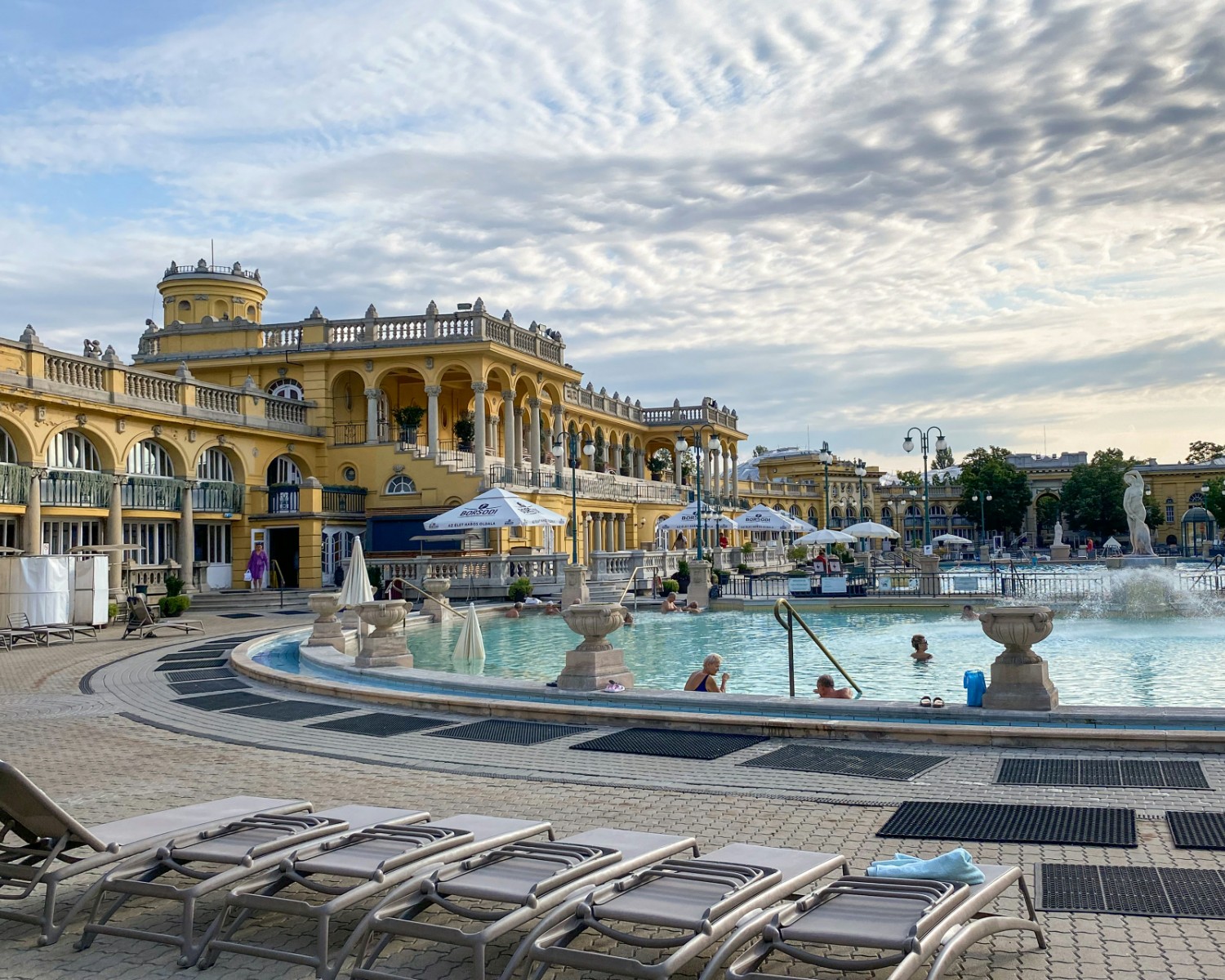
Széchenyi Thermal Bath outdoor pools with steam rising in winter
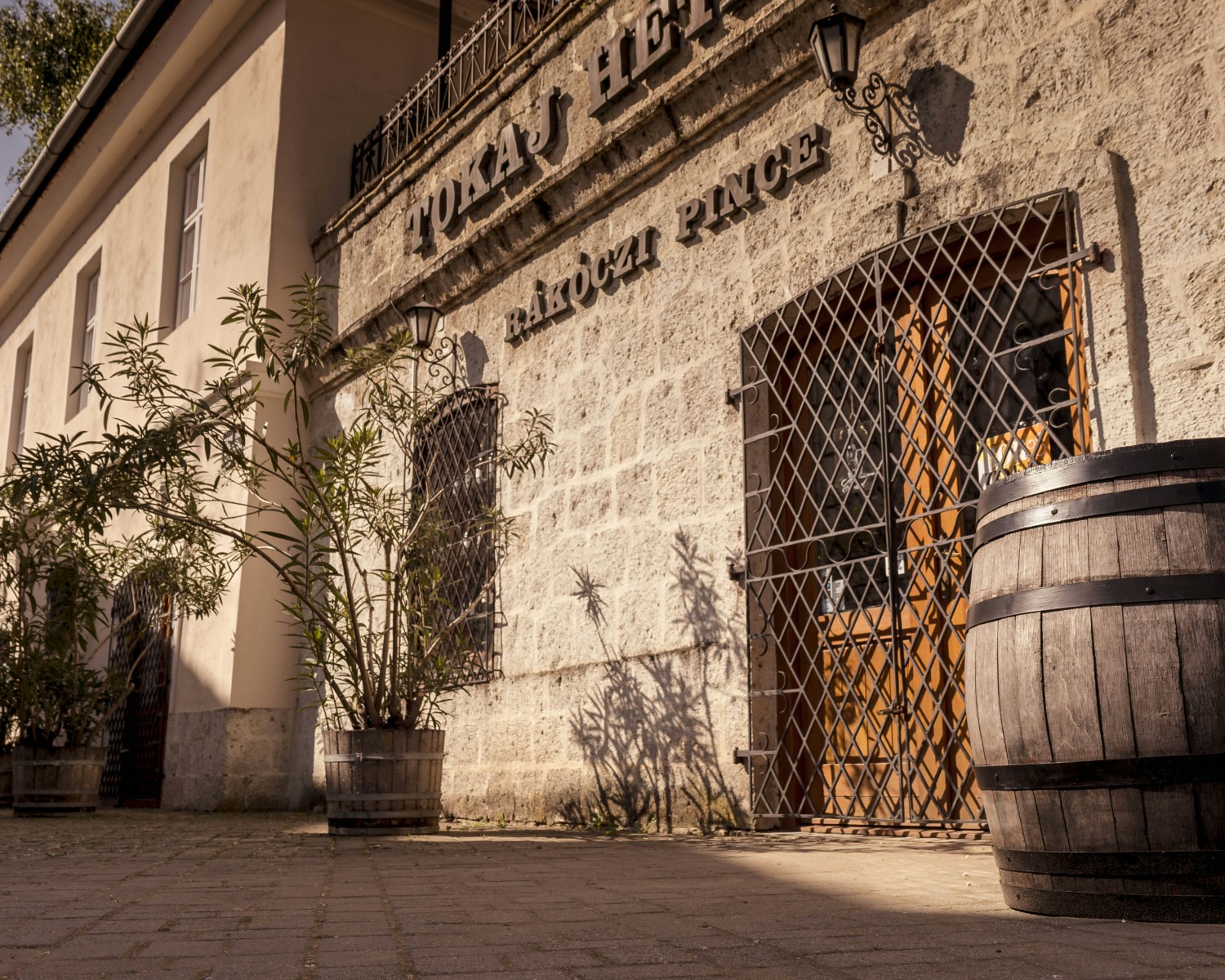
Traditional wine cellars carved into volcanic bedrock
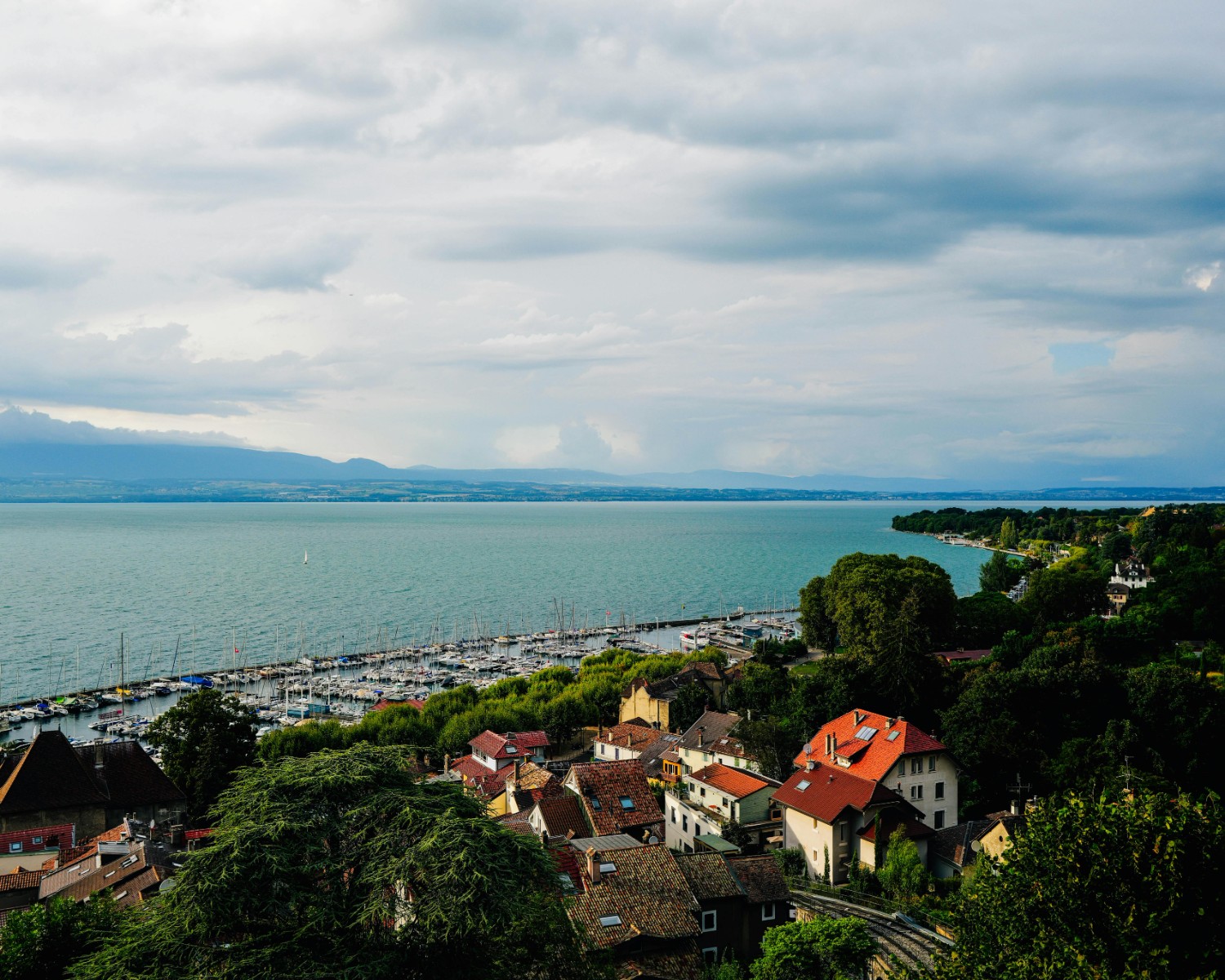
Lake Balaton panorama with vineyards cascading to the water
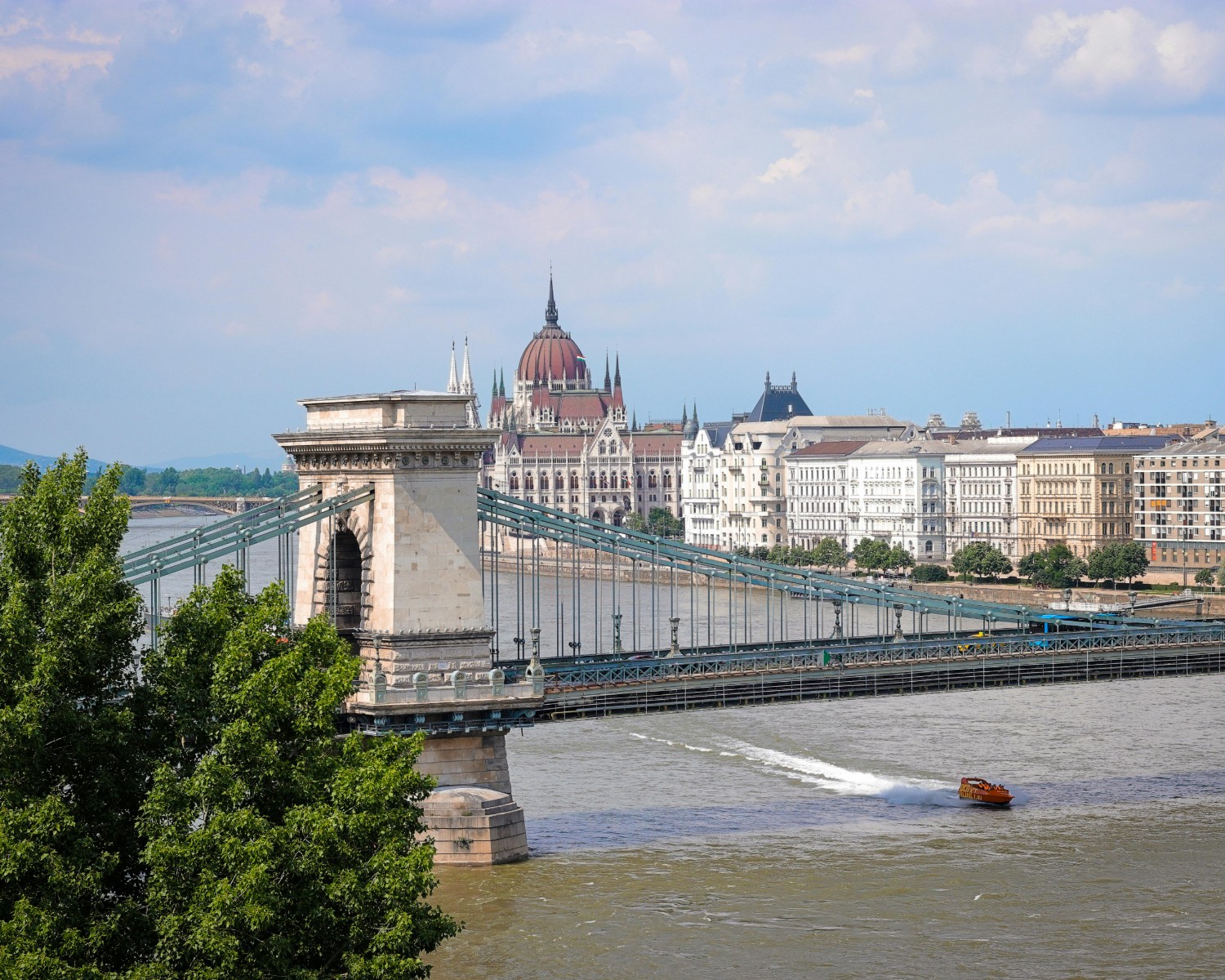
Danube River cruise past Hungarian Parliament Building at night
Guest Stories
Join 25,000+ happy travelers who explored Hungary with us.
You Might Also Like
Discover more incredible destinations and experiences tailored for you