
Sikkim
Witness majestic Himalayan vistas in Sikkim. Find tailor made mountain packages crafted for nature lovers and Himalayan adventurers.
About Sikkim
Land of the Guardian Mountain: Where Snow-Capped Peaks Embrace Buddhist Serenity, Biodiversity Whispers Ancient Secrets, and Himalayan Magic Awaits.
Sikkim’s history is a remarkable tapestry of Sikkim tourism, spiritual devotion, and political transformation. Today, Gangtok serves as a vibrant capital for those seeking North East India packages, while the state leads in organic farming and conservation. From the ancient Silk Route to the biodiversity of Kanchenjunga National Park, Sikkim continues to attract travelers interested in Buddhist monasteries, Nathu La Pass, and the unique culture of Sikkim.
Why Choose Sikkim?
Mount Kanchenjunga: The Guardian Deity
Kanchenjunga ('five treasures of eternal snow'), the third-highest mountain in the world, stands as Sikkim's spiritual guardian and cultural symbol. Sacred in Buddhism and Hinduism, the mountain's five peaks represent treasures of enlightenment. The Kanchenjunga National Park (UNESCO World Heritage Site, 2005) encompasses 1,784 sq km of pristine biodiversity. The peak features in Sikkim's coat of arms; reverence toward Kanchenjunga defines Sikkimese identity. The annual Phang Lhabsol festival celebrates the mountain's protective powers, with thousands gathering in Gangtok for spiritual rituals and devotion.
The Namgyal Dynasty: 334 Years of Buddhist Rule
From 1641 to 1975, the Namgyal dynasty ruled Sikkim as a Buddhist kingdom. Phuntsog Namgyal's coronation at Yuksom established hereditary monarchy grounded in Tibetan Buddhist principles. Successive Chogyals built monasteries, patronized arts, and maintained Sikkim's spiritual integrity through regional conflicts. The dynasty navigated colonial pressures, diplomatic challenges, and evolving power dynamics while preserving Buddhist traditions. In 1975, through democratic consensus, Sikkimese chose to end monarchy voluntarily—a unique transition reflecting the dynasty's acceptance of popular will and commitment to the kingdom's welfare over dynastic perpetuation.
Multi-Ethnic Harmony: Five Communities, One State
Sikkim's defining characteristic is harmonious coexistence of five ethnic groups: Lepchas (indigenous), Limbus, Bhutias, Sikkimese (mixed heritage), and Nepalese migrants. Each community contributes languages, festivals, cuisines, and crafts. Lepcha bamboo weaving, Bhutia Buddhist traditions, Limbu agricultural practices, and Nepali cultural expressions blend seamlessly. This pluralistic society—rare in India—demonstrates peaceful multiculturalism. Constitutional provisions protect minority rights; state symbols reflect shared identity. The harmony emerged from geography (isolated mountain valleys encouraged interdependence) and spiritual principles (Buddhist tolerance; Hindu syncretism; tribal animism; Muslim acceptance).
Organic Agriculture Revolution: Healing the Mountains
In 2002, Sikkim became India's first fully organic state—banning chemical pesticides, synthetic fertilizers, and GMO seeds. This pioneering decision transformed agriculture from extractive to regenerative practices. Farmers shifted to organic certification, engaging 67,000+ producers. Soil health improved; water sources purified; biodiversity flourished; farmers' incomes grew through premium organic pricing. International recognition followed; organic certification bodies opened offices in Gangtok. This ecological transformation proved economic viability of sustainability, inspiring states nationwide. Sikkim's organic movement demonstrates that development need not compromise environmental integrity.
Must-Experience Attractions
Sikkim Tour Packages
Packages start at ₹15,500 per person and run to ₹31,000 for a seven-day circuit. Gangtok and the monasteries, Tsomgo Lake and Nathu La on the old trade route to Tibet, Pelling under Kanchenjunga, and Darjeeling’s tea gardens and toy train across the state line.
Two things to sort before you book. Indian travellers need no permit at all to enter Sikkim but you do need a Protected Area Permit for Tsomgo, Nathu La and North Sikkim, and it cannot be issued on your Aadhaar card. And Nathu La is closed every Monday and Tuesday, which decides what your dates can include.
Below: exactly which permits you need and which ID works, how the Sikkim and Darjeeling circuit fits together, what the altitude means, and when to go.
Get a Sikkim quote →
Sikkim trip at a glance
Field | Detail |
Ideal duration | 4–5 nights for Gangtok with Tsomgo and Nathu La; 5–6 for Gangtok and Darjeeling together; 7 nights for the full Gangtok–Pelling–Namchi–Darjeeling circuit |
Cost | ₹15,500–₹31,000 per person on our packages |
Best season | March to May and October to early December. Monsoon brings landslide risk; deep winter closes the high roads |
Permits — Indians | None to enter Sikkim. A Protected Area Permit is required for Tsomgo, Nathu La, Zuluk and North Sikkim. We arrange them |
Permits foreign passports and OCI | A Restricted Area Permit is needed simply to enter Sikkim, plus a PAP for permitted areas. Nathu La, Gurudongmar and Zuluk are closed to foreign nationals |
ID for permits | Voter ID, passport or driving licence with passport photos. Aadhaar and PAN are NOT accepted |
Nathu La | Open Wednesday to Sunday. Closed Monday and Tuesday. Indian nationals only |
Getting there | Bagdogra (IXB) or New Jalpaiguri, then 2.5–3.5 hours by road to Gangtok |
Permits: what Indian travellers actually need
If you are an Indian citizen, you need no permit whatsoever to enter Sikkim. Gangtok, Pelling, Namchi, Ravangla and most of the state are open to you with nothing more than a photo ID. A great deal of published guidance says otherwise and it is wrong.
What you do need a permit for
A Protected Area Permit, for the border areas — which is where most of the famous attractions are:
• Tsomgo (Changu) Lake and Baba Mandir
• Nathu La Pass
• Zuluk and the Old Silk Route
• All of North Sikkim beyond Chungthang — Lachen, Lachung, Yumthang, Zero Point and Gurudongmar Lake
Three things about these permits that catch people out
• They are route-specific. A permit for Tsomgo does not cover Lachung or Yumthang. Each protected area needs its own, issued for named destinations and a set number of days.
• They must go through a registered tour operator with a registered vehicle. You cannot hire an ordinary Gangtok taxi and drive to Tsomgo, however confidently the driver tells you otherwise — the vehicle itself has to be permitted.
• Aadhaar is not accepted. Neither is a PAN card. You need a Voter ID, passport or driving licence, plus passport-size photographs. This is the single most common reason a permit fails on the day, because almost everyone reaches for Aadhaar first.
We arrange all of this as part of the package and tell you exactly which documents to bring before you leave home.
If anyone in your group holds a foreign passport or an OCI card
The position is different and more restrictive. Foreign nationals and OCI holders need a Restricted Area Permit simply to enter Sikkim, plus a separate Protected Area Permit for the areas they are allowed into. And three of the best-known destinations are closed to them entirely: Nathu La, Gurudongmar Lake and Zuluk. Tsomgo and Yumthang are permitted with a PAP.
Tell us at the enquiry stage if this applies to anyone travelling, because it changes which itinerary is even possible.
Nathu La: the closure days that decide your dates
Nathu La is open Wednesday to Sunday. It is closed every Monday and every Tuesday. It is also open to Indian nationals only.
This matters more than it sounds, because Nathu La is usually done as a single long day from Gangtok combined with Tsomgo Lake and Baba Mandir, and a four-night trip does not have many spare days in it. If your dates only allow a Monday or Tuesday for that excursion, it cannot happen — and we would rather move your dates than sell you the disappointment.
The permit carries a small government charge of around ₹200 per person on top of the Tsomgo arrangements, and it needs applying for the day before. The pass sits at about 4,310 metres, which is the other reason it is not a casual add-on see the altitude note below.
Altitude: what to know before Tsomgo, Nathu La and North Sikkim
Gangtok sits at about 1,650 metres, which is comfortable for almost everyone. The famous excursions do not.
Place | Altitude | What that means |
Gangtok | About 1,650m | Your base. No issues for most travellers |
Tsomgo Lake | About 3,753m | A day trip, and a significant gain from Gangtok. Some people feel it |
Nathu La Pass | About 4,310m | Higher still, on the same day. Short stops only |
Yumthang Valley | About 3,564m | North Sikkim, with a night at Lachung below it |
Gurudongmar Lake | About 5,430m | Higher than most of Ladakh’s passes. Reached and left the same morning |
Sikkim Tourism’s own guidance recommends consulting a doctor about altitude before visiting Gurudongmar and Tsomgo, and that is sound advice. If anyone travelling has a heart or lung condition, uncontrolled blood pressure, or is pregnant, please talk to your doctor before booking — and tell us, so we can build the itinerary sensibly.
Practical points that make a real difference: do not schedule Tsomgo and Nathu La for your first full day if you have flown in from sea level; go slowly and drink water; keep the stop at Nathu La short; and tell your driver immediately if anyone develops a headache that does not respond to rest. Coming down is the answer, and Gangtok is only a couple of hours away.
Sikkim and Darjeeling: why they go together
Most of our Eastern Himalayan trips cover both, and it is worth explaining why rather than leaving you to work it out from the itinerary.
Bagdogra airport and New Jalpaiguri station serve both. Darjeeling is roughly three hours from the airport and Gangtok about four, and they are around four hours apart from each other. So a single arrival covers two very different hill destinations which is why a five or six-night trip taking in both is better value and more varied than either alone.
• Sikkim gives you Buddhist monasteries, the high-border excursions to Tsomgo and Nathu La, Pelling’s Kanchenjunga views and a distinctly Himalayan culture.
• Darjeeling gives you the tea gardens, the Tiger Hill sunrise over Kanchenjunga, the Darjeeling Himalayan Railway a UNESCO World Heritage Site in its own right — and a Raj-era hill town.
• Kalimpong sits between them and adds nurseries, monasteries and a quieter pace.
If you have four nights, pick one. If you have five or more, do both and that is what most of our packages are built around.
Our Sikkim and Darjeeling packages
Package | Duration | Covering | Price (per person) |
Gangtok Himalayan Getaway | 4D / 3N | Gangtok, Tsomgo, Nathu La | ₹15,500 |
Darjeeling Himalayan Escape with Mirik | 4D / 3N | Darjeeling, Mirik | ₹17,000 |
Twin Jewels of the Eastern Himalayas | 5D / 4N | Gangtok, Darjeeling | ₹19,500 |
Bengal Hills to Sikkim Mountains | 6D / 5N | Darjeeling, Kalimpong, Gangtok | ₹23,999 |
Mystical Himalayas | 6D / 5N | Gangtok, Darjeeling | ₹26,000 |
The Complete Himalayan Triangle | 7D / 6N | Gangtok, Pelling, Namchi, Darjeeling | ₹27,500 |
Peaks, Monasteries & Tea Gardens | 7D / 6N | Gangtok, Darjeeling | ₹31,000 |
North Sikkim ask us
Lachung, Lachen, Yumthang and Gurudongmar are the most spectacular part of the state and we do not currently list a fixed package for them. They need separate permits, a registered vehicle, at least two nights in the high valleys and real attention to the altitude. Tell us it is what you want and we will build it for your dates.
Get a fixed quote for your dates →
When to go
Months | What it’s like | Verdict |
March–May | Rhododendrons in flower, mild days, good visibility. Yumthang at its best in April and May | Excellent, and the flowering season is a genuine reason to choose these months |
June–September | Monsoon. Green and dramatic, but landslide risk is real on the hill roads and views are often lost in cloud | We would generally steer families and fixed-date travellers away |
October–early December | The clearest skies of the year, crisp air and the best Kanchenjunga views. Comfortable everywhere | Our usual recommendation, and the best month for photography |
Mid-December–February | Cold and beautiful, with snow. North Sikkim roads may be closed and high excursions are weather-dependent | Fine for Gangtok and Darjeeling. Not the window for North Sikkim |
A note on the mountain
Kanchenjunga is visible from Tiger Hill, from Pelling and on a clear morning from Gangtok but it is a mountain and it makes its own weather. October and November give you the best odds by a distance. We build the viewpoint mornings early and, where the itinerary allows, leave more than one chance at it.
Gangtok
The base for most trips. MG Marg is a pedestrian street where the whole town walks in the evening, and there is no litter and no spitting Sikkim takes that seriously. Rumtek Monastery, the seat of the Karma Kagyu lineage, is a short drive out; the Namgyal Institute of Tibetology holds one of the best collections of Tibetan Buddhist texts and artefacts outside Tibet; and the ropeway and Tashi Viewpoint give you the valley.
Tsomgo Lake and Nathu La
The full-day excursion east from Gangtok, on the old trade road to Tibet. Tsomgo is a glacial lake at 3,753 metres, frozen in winter and ringed by prayer flags. Baba Mandir sits beyond it. Nathu La, at 4,310 metres, is the border post itself open Wednesday to Sunday, Indian nationals only, and a genuinely strange and moving place to stand.
Pelling and West Sikkim
The Kanchenjunga views, and quieter than Gangtok. Pemayangtse Monastery is one of the oldest in Sikkim; the Rabdentse ruins are the old royal capital; and Yuksom, where the first Chogyal was crowned in 1641, is the starting point for the Goecha La trek. The skywalk at Pelling is newer and popular with families.
Namchi and South Sikkim
The Char Dham complex and the Samdruptse statue, plus tea gardens at Temi the only tea estate in Sikkim and a lovely, underrated stop.
Darjeeling and Kalimpong
Tiger Hill for the sunrise on Kanchenjunga, the Darjeeling Himalayan Railway, the tea estates, and the Mall. Kalimpong is quieter, with nurseries, monasteries and long views over the Teesta.
North Sikkim
Lachung and Lachen as village bases, Yumthang’s flower valley and hot springs, and Gurudongmar at 5,430 metres one of the highest lakes in the world, sacred to Buddhists, Hindus and Sikhs alike, and about five kilometres from the Chinese border. It is the most extraordinary part of the state and the most demanding.
Practical notes
The greenest state in India, and it shows
Sikkim was the first Indian state to go fully organic, completing the transition in 2016 after more than a decade of work, and it has banned single-use plastics including packaged drinking water bottles. Carry a reusable bottle refill points are widely available and you will be asked to. It is a small thing that makes the place what it is.
Roads and driving
Sikkim’s roads are winding and the distances take longer than the map suggests. Bagdogra to Gangtok is 2.5 to 3.5 hours, Gangtok to Darjeeling about four, and Gangtok to Lachung five to six. Landslides do close roads in monsoon and after heavy rain at any time of year. We build the driving days sensibly and leave buffer where the itinerary allows.
Food
Very good for vegetarians. Momos, thukpa and gundruk everywhere, plenty of Indian food in Gangtok and Darjeeling, and Sikkimese cooking is worth trying on its own terms. Tell us about Jain requirements at booking so we can plan the hill-town days.
Cash and connectivity
ATMs are fine in Gangtok and Darjeeling and sparse beyond them. Mobile coverage drops off in North Sikkim and at the high excursions, and postpaid connections generally work better than prepaid in the border areas.
Common mistakes to avoid
• Believing you need an entry permit for Sikkim. Indians do not.
• Carrying only Aadhaar. It is not accepted for Protected Area Permits.
• Planning Nathu La on a Monday or Tuesday.
• Booking a Nathu La day for a group that includes a foreign passport or OCI holder — they cannot go.
• Assuming a Tsomgo permit covers North Sikkim. It does not.
• Hiring an ordinary taxi for a protected-area day. The vehicle has to be registered too.
• Doing Tsomgo and Nathu La on your first full day after flying in from sea level.
• Planning North Sikkim in deep winter or heavy monsoon.
What’s included in a Bayard Sikkim package
Included | Not included |
Hotel stays in Gangtok, Pelling, Namchi, Darjeeling and Kalimpong as your itinerary requires | Airfare to Bagdogra or rail to New Jalpaiguri, unless bundled |
Daily breakfast, with some meals included depending on the package | Meals not listed in your itinerary |
Bagdogra or NJP transfers and all sightseeing transport in registered vehicles | Optional activities: ropeway, paragliding, pony rides, river rafting |
Protected Area Permits arranged for Tsomgo, Nathu La and any protected areas in your plan | Toy train tickets unless specifically included |
Monastery and viewpoint entries as specified | Personal expenses, shopping and tips |
On-trip assistance and a local contact number | Anything not in your confirmed itinerary |
Why book Sikkim with Bayard Vacations
• We handle the Protected Area Permits, in registered vehicles, and tell you which ID to bring because Aadhaar will not work and almost everyone brings it.
• We plan around the Nathu La closure days rather than discovering them on the morning.
• We are straight about altitude. Tsomgo and Nathu La on day two after a sea-level flight is a bigger ask than most pages admit.
• We tell you honestly when a foreign passport in the group changes what the trip can include.
• Sikkim and Darjeeling planned as one circuit, because they share an airport and they complement each other.
• Viewpoint mornings built early and, where possible, more than once Kanchenjunga does not appear on demand.
Talk to us about Sikkim →
Sikkim package FAQs
Do Indians need a permit to visit Sikkim?
No permit is needed to enter Sikkim or to visit Gangtok, Pelling, Namchi or Ravangla. What you do need is a Protected Area Permit for the border areas Tsomgo Lake, Nathu La, Zuluk and all of North Sikkim beyond Chungthang. A lot of published guidance gets this backwards.
Is Aadhaar accepted for the Sikkim permit?
No. Aadhaar and PAN are not accepted for Protected Area Permits. You need a Voter ID, passport or driving licence, plus passport-size photographs. This is the most common reason a permit fails on the day, because almost everyone brings Aadhaar first.
Which places in Sikkim need a Protected Area Permit?
Tsomgo (Changu) Lake and Baba Mandir, Nathu La Pass, Zuluk and the Old Silk Route, and everything in North Sikkim beyond Chungthang Lachen, Lachung, Yumthang, Zero Point and Gurudongmar. Permits are route-specific, so one does not cover another.
Can I take a normal taxi to Tsomgo Lake?
No. Protected-area trips must be made in a vehicle registered for the purpose, arranged through a registered operator. An ordinary Gangtok taxi will be turned back at the check post regardless of what the driver tells you.
Which days is Nathu La open?
Wednesday to Sunday. It is closed every Monday and Tuesday. It is also open to Indian nationals only. If your dates only allow a Monday or Tuesday for that excursion, we will tell you before you book rather than after.
Can foreign nationals visit Nathu La or Gurudongmar?
No. Both are closed to foreign passport holders and OCI cardholders, as is Zuluk. Foreign nationals also need a Restricted Area Permit simply to enter Sikkim, plus a Protected Area Permit for the areas they can visit Tsomgo and Yumthang among them. Tell us early if this applies to anyone in your group.
How high is Gurudongmar Lake?
About 5,430 metres higher than most of the passes in Ladakh and roughly five kilometres from the Chinese border. Sikkim Tourism recommends consulting a doctor about altitude before visiting Gurudongmar or Tsomgo, and we would echo that for anyone with a heart or lung condition or who is pregnant.
Will I feel the altitude at Tsomgo and Nathu La?
Possibly. Gangtok is at about 1,650 metres, Tsomgo at 3,753 and Nathu La at 4,310 that is a big gain in one day. Most people are fine, but we would not schedule it for your first full day if you have flown in from Bengaluru or Chennai, and we keep the stop at the pass short.
Why do your Sikkim packages include Darjeeling?
Because they share an airport and they complement each other. Bagdogra is about three hours from Darjeeling and four from Gangtok, and the two are four hours apart. Sikkim gives you monasteries and the high border excursions; Darjeeling gives you tea gardens, Tiger Hill and the toy train. On five nights or more, doing both is the better trip.
How many days do I need?
Four nights for Gangtok with the Tsomgo and Nathu La day, or four for Darjeeling alone. Five or six to do both properly. Seven for the full Gangtok, Pelling, Namchi and Darjeeling circuit. North Sikkim needs its own trip on top of that.
Do you offer North Sikkim packages?
Not as a fixed package at present. Lachung, Lachen, Yumthang and Gurudongmar need separate permits, a registered vehicle, at least two nights in the high valleys and careful attention to altitude. Tell us it is what you want and we will build it for your dates.
When is the best time to visit Sikkim?
March to May for the rhododendrons and mild weather, and October to early December for the clearest Kanchenjunga views. Monsoon carries genuine landslide risk on the hill roads, and deep winter can close the North Sikkim roads.
How much does a Sikkim trip cost?
Our packages run from ₹15,500 per person for four days to ₹31,000 for seven. How many centres you cover, hotel category, whether Darjeeling is included and which protected-area excursions you add are what move the number.
Is Sikkim good for elderly travellers?
Gangtok, Pelling, Namchi and Darjeeling are comfortable and the pace is gentle. The consideration is the high excursions Tsomgo, Nathu La and especially anything in North Sikkim. Tell us the ages and any health conditions and we will build the trip around what is sensible rather than what fits.
What is included in a Bayard Sikkim package?
Hotels across your circuit, daily breakfast with some meals depending on the package, Bagdogra or NJP transfers and all sightseeing in registered vehicles, Protected Area Permits arranged, monastery and viewpoint entries as specified, and on-trip support. Airfare, optional activities, toy train tickets unless listed and personal expenses are separate.
Planning a Sikkim trip?
Tell us your dates, your city and who is travelling. We’ll sort the permits, tell you which ID to bring, work around the Nathu La closure days, and be honest about the altitude.
Enquire now · WhatsApp · Call
Sikkim Packages


Signature Collections
Handpicked signatures and top-rated escapes in Sikkim

We Are Bayard Vacations
Not just another travel company. We're dreamweavers, adventure architects, and memory makers.
Explore

Meet Bayard Buddy – Advanced AI Chatbot for Everyday Help
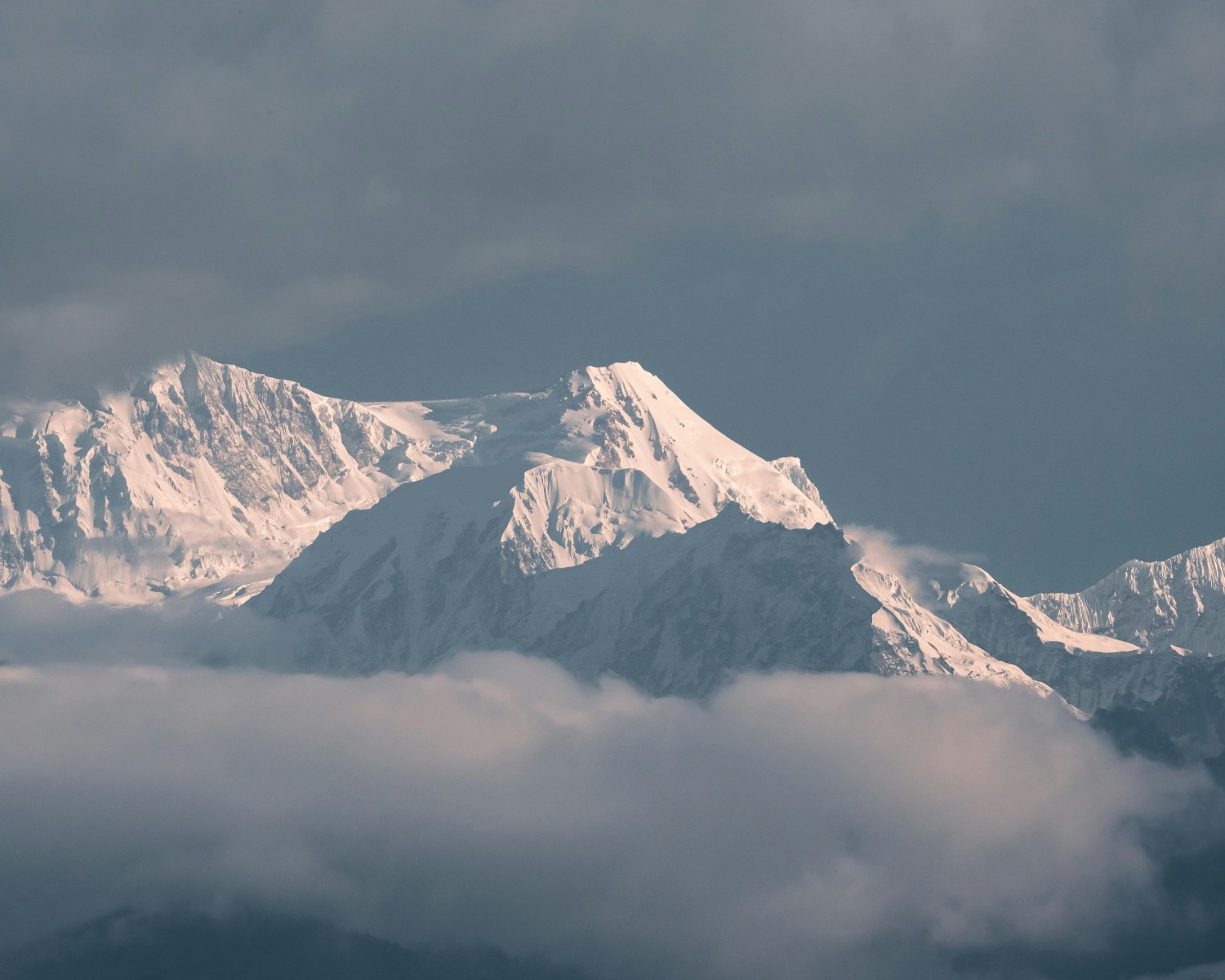
Alpine meadows and glacial landscapes of Kanchenjunga National Park
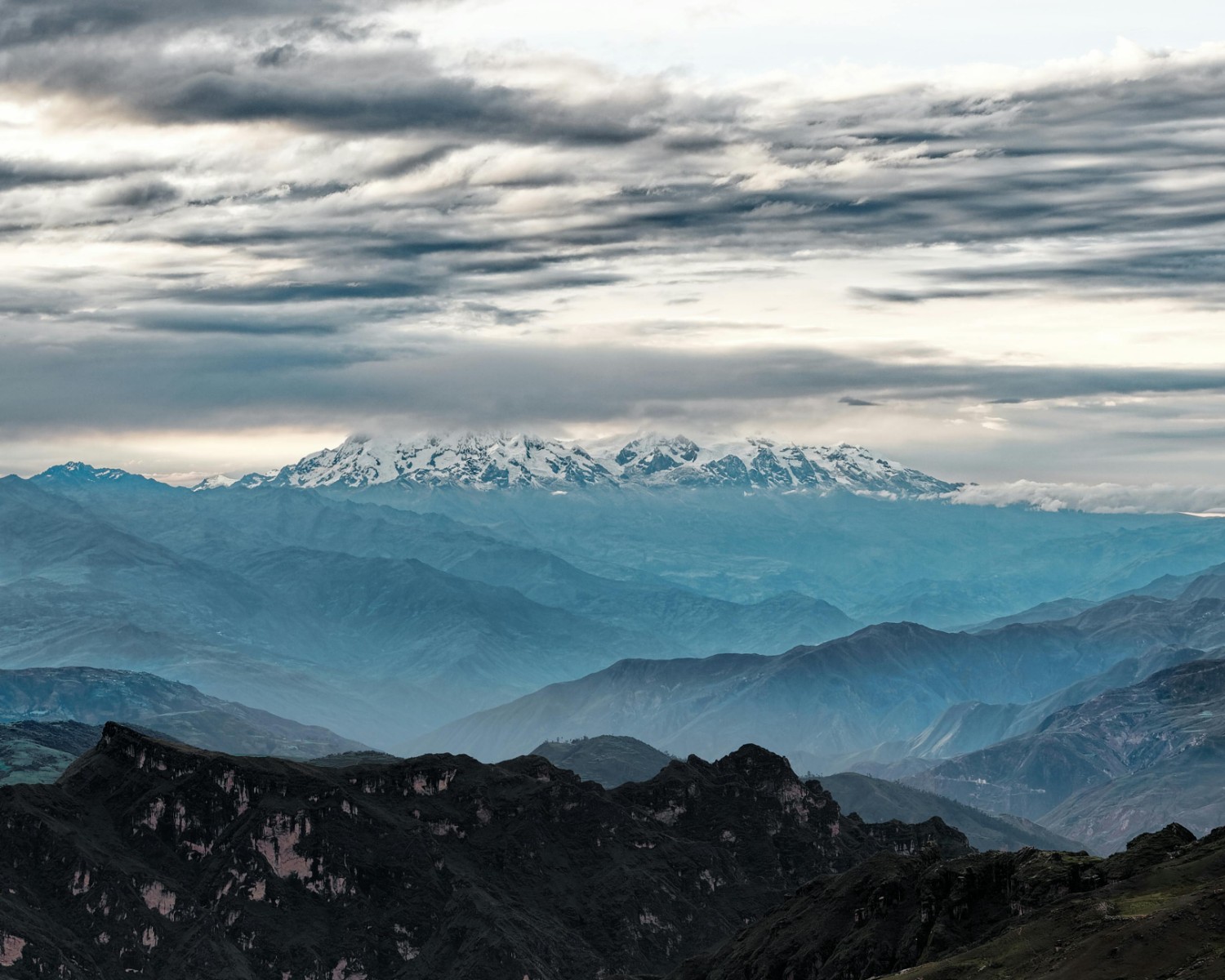
Dzongri sunrise over Kanchenjunga peaks
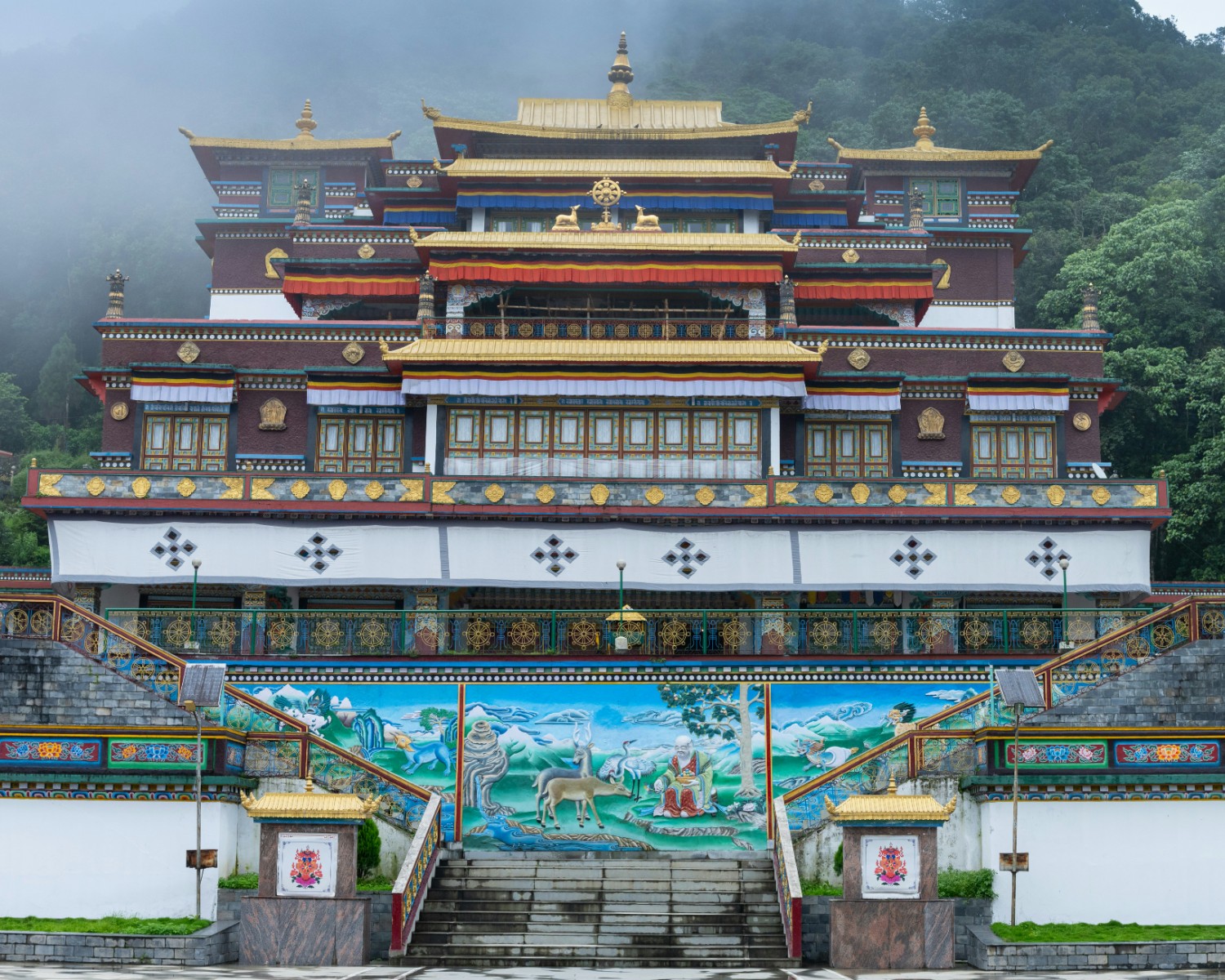
Ornate Tibetan Buddhist architecture and assembly hall
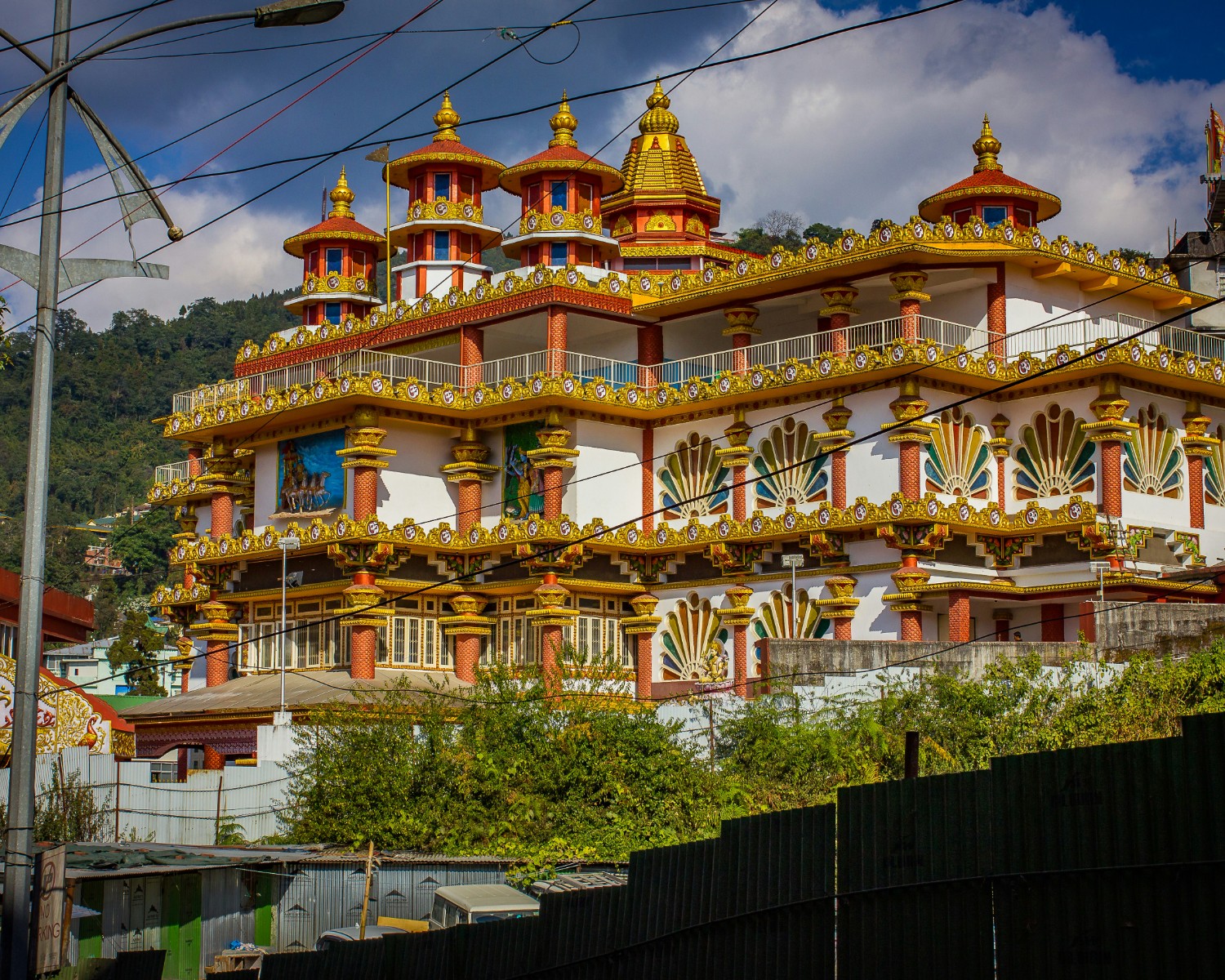
Gangtok cityscape with mountain backdrop
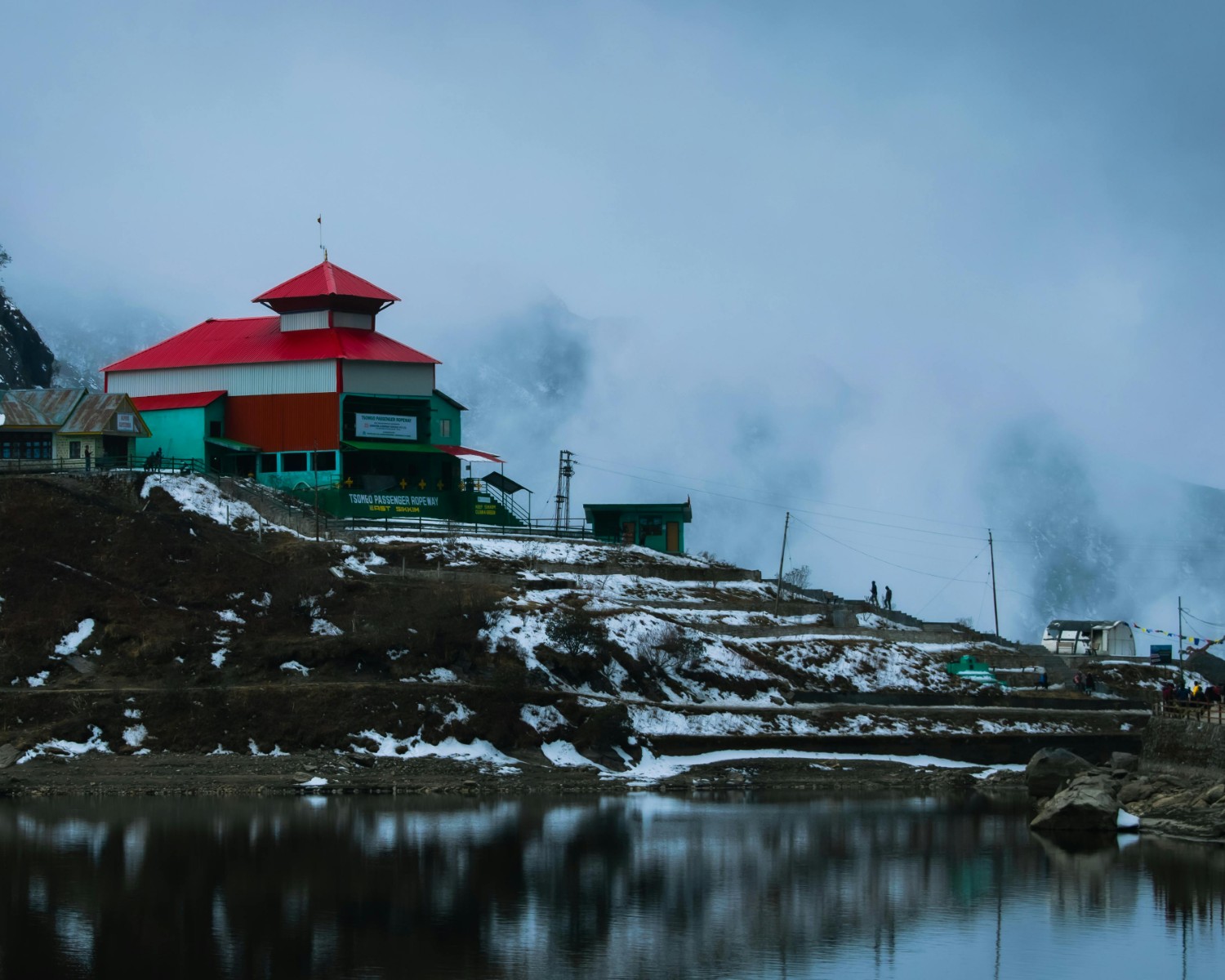
Tsomgo Lake emerald waters and snow-capped reflections
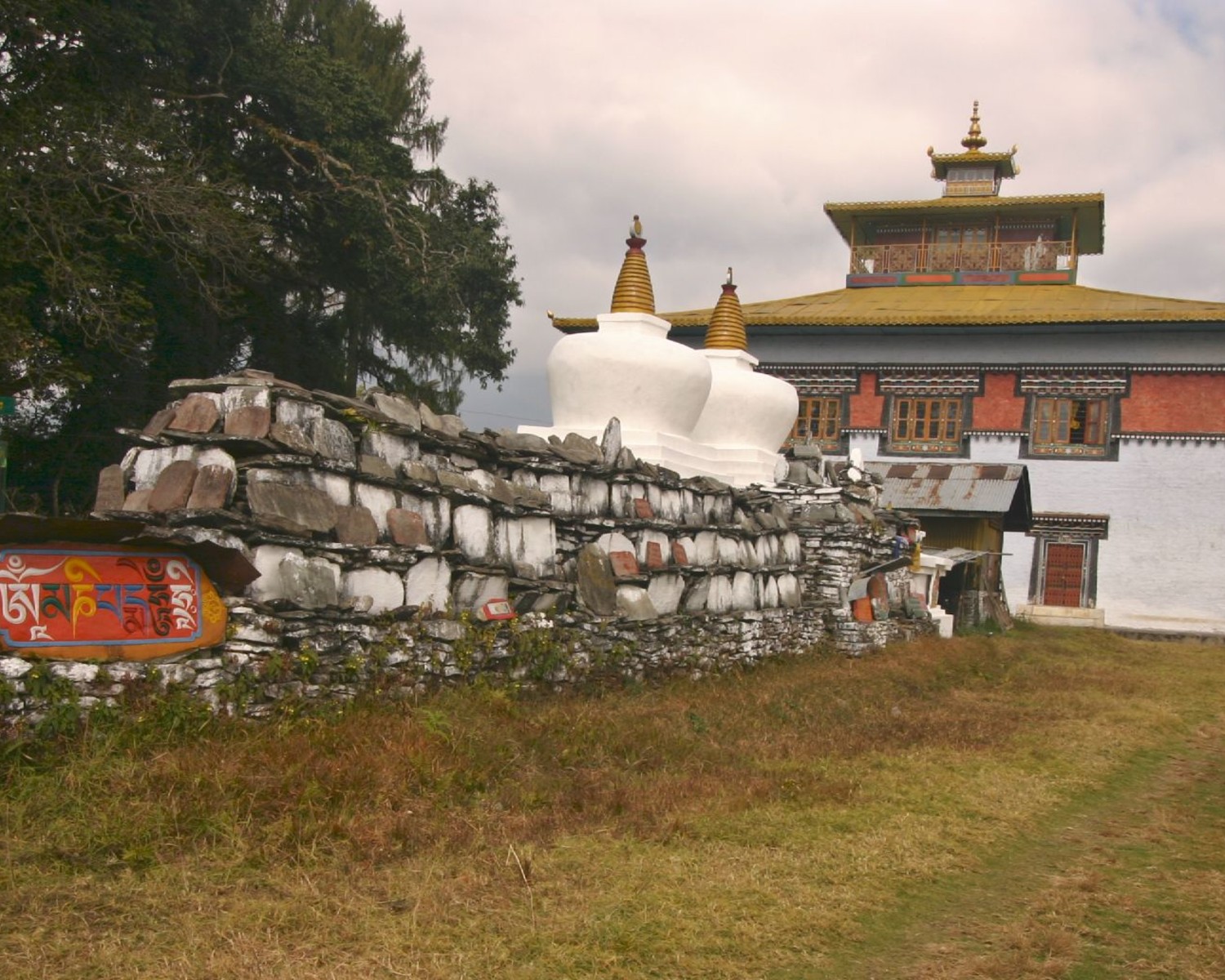
Tashiding Monastery's clifftop location and golden spires
Travel Stories & Tips
Get inspired for your next adventure to Sikkim


Guest Stories
Join 25,000+ happy travelers who explored Sikkim with us.
You Might Also Like
Discover more incredible destinations and experiences tailored for you