
Belgium
Discover canals and medieval architecture in Belgium. Choose expertly planned itineraries covering Belgium’s artistic and culinary heritage.
About Belgium
Medieval majesty meets modern Europe in a land of chocolate, beer, and timeless architecture.
The history of Belgium dates back to the era of the ancient Celts and Romans until the medieval period. As one of the regions in Charlemagne’s empire, it grew into a strong trading hub under the reign of Burgundy. Throughout its history, ranging from Spanish domination to Austrian control, French occupancy to Belgian sovereignty in 1830, this tiny country has had an immense influence on European history. Belgium represents the promise of peaceful continental unity and remains a top European travel destination.
Why Choose Belgium?
Burgundian Renaissance
The 15th century under Duke Philip the Good and Charles the Bold transformed Belgium into a European powerhouse. Brussels, as the capital, became the stage for magnificent ceremonies, artistic patronage, and elaborate court life. This era produced masterpieces of Early Netherlandish painting by artists like Jan van Eyck.
Medieval Trade Empires
Bruges, Ghent, and Ypres became wealthy trading cities through the wool trade. Bruges, in particular, rivaled Venice as a commercial hub. Ornate guildhalls, merchant houses, and canals still reflect this maritime prosperity and mercantile glory from medieval times.
European Union Pioneer
Belgium played a founding role in the European Union, hosting its institutions since the 1950s. Brussels became the de facto capital of Europe, symbolizing Belgium's commitment to continental peace and cooperation. The Treaty of Rome (1957) was signed in Brussels, establishing the Common Market.
Language & Cultural Identity
Belgium's three official languages—Dutch, French, and German—reflect centuries of cultural cross-pollination between Germanic and Latin Europe. This linguistic diversity has shaped a unique national identity: a small nation that honors regional identity while embracing European unity.
Must-Experience Attractions
Belgium Tour Packages from India
Belgium packages with Bayard start at ₹65,000 per person, which makes it the least expensive way into Europe we sell. Medieval Bruges and its canals, the Grand-Place in Brussels one of the most beautiful squares in Europe Ghent’s three towers, and some of the best chocolate, beer and chips anywhere, in a country you can cross in two hours.
Two honest things about Belgium. It is a three-to-four-day country, not a two-week one and that is a feature, because it makes it either a genuinely affordable first European trip or the best-placed stop on a bigger circuit. Brussels is about an hour and twenty minutes from Paris and two hours from Amsterdam by fast train, which is why so many European itineraries run through it.
Below: what a Belgium trip costs, how many days you actually need, when to go, and the Schengen visa question that catches most people out including which country you should apply to, which may not be Belgium.
Get a Belgium quote →
Belgium trip at a glance
Field | Detail |
Ideal duration | 3–4 nights for Brussels, Bruges and Ghent. 6–8 nights if you are combining Belgium with Amsterdam and Paris, which is how most of our travellers do it |
Cost from India | ₹65,000–₹90,000 per person for Belgium-only trips; ₹1,44,999 upward for the Amsterdam–Brussels–Paris circuits. See the cost section below |
Best season | May to September for long days and outdoor cafés. December for the Christmas markets in Brussels and Bruges. Belgium is grey and wet in winter — plan around it rather than ignoring it |
Entry for Indians | Schengen visa (Type C) required. Important: on a multi-country trip you may need to apply through a country other than Belgium — see the visa section |
At the border | The EU Entry/Exit System replaced passport stamping across Schengen in April 2026. Expect a photo and fingerprints on your first entry |
Getting there | One stop from Indian cities to Brussels via a European or Gulf hub. Many travellers fly into Amsterdam or Paris instead and reach Brussels by train |
Getting around | Trains, and they are short. Brussels to Bruges is about an hour, Brussels to Ghent about half an hour, Brussels to Paris 1h20 and to Amsterdam around two hours |
Schengen visa and the question most people get wrong
Belgium is in the Schengen Area, so Indian passport holders need a short-stay Schengen visa (Type C) before travelling. It allows up to 90 days in any rolling 180-day period across all 29 Schengen countries.
Which country should you apply to?
This is the part that catches people out, and it matters more on a Belgium trip than almost anywhere else. You apply at the consulate of your main destination — the country where you will spend the most nights. If the nights are equal, you apply at your first point of entry.
Belgium is a small country and most trips through it are circuits. If you are doing Amsterdam, Brussels and Paris with two nights in Brussels and four in Paris, you apply through France — not Belgium, even though Belgium is where you found this page. Applying to the wrong consulate is one of the most common reasons Schengen applications are refused, and a refusal goes on record and affects future applications, including to other countries.
We work this out for you before you apply. If your itinerary means applying through the Netherlands or France, we will tell you, prepare the documentation for that consulate, and explain why.
The practical details
• Apply through VFS Global, which has centres in Bengaluru, Chennai, Hyderabad, Kochi and most other major Indian cities. Applications are forwarded to the Belgian Embassy in New Delhi for a decision.
• Processing is typically 15 to 30 calendar days, counted from when the consulate receives your file rather than when VFS collects it — which adds a few days to most timelines. Allow four to six weeks.
• Appointment lead times vary by city rather than decision speed. Bengaluru, Chennai and Hyderabad are usually faster to get an appointment than Delhi or Mumbai in peak season, and the decision team is the same either way.
• Biometrics are valid for 59 months, so if you have given them for a Schengen visa in the last five years you may not need to again.
• You will need travel insurance with at least €30,000 of medical cover, valid across the Schengen area.
What changed at the border in 2026
The EU Entry/Exit System became fully operational across all 29 Schengen countries on 10 April 2026. Passports are no longer stamped — instead, on your first entry you are registered with a facial image and fingerprints, and your entries and exits are recorded automatically. Allow extra time at your first border crossing, and note that your 90-in-180 days are now calculated by the system rather than estimated from stamps.
And a word on ETIAS
ETIAS is a pre-travel authorisation for visa-exempt nationalities — US, UK, Japanese and similar passports. Indian passport holders are visa-required and still need the full Schengen visa. If a website offers to sell you an ETIAS for your Indian passport, it is not helping you.
Confirm the current visa fee, processing times and border procedures before booking these have changed more than once recently.
What a Belgium trip costs
Belgium is the least expensive European destination we sell, starting at ₹65,000 per person for a four-day Brussels and Bruges trip. If Europe has been sitting on your list on cost grounds, this is the realistic way in.
Package | Duration | Covering | Price (per person) |
Classic Belgium Escape | 4D / 3N | Brussels and Bruges | ₹65,000 |
Complete Belgium Tour | 5D / 4N | Brussels and Bruges | ₹80,000 |
Best of Benelux | 6D / 5N | Confirm actual coverage before publishing | ₹90,000 |
Amsterdam, Brussels & Paris | 7D / 6N | Amsterdam, Brussels, Paris | ₹1,44,999 |
Amsterdam to Paris (extended) | 8D / 7N | Amsterdam, Brussels, Paris | ₹1,64,999 |
Amsterdam to Switzerland | 10D / 9N | Amsterdam, Brussels, Paris, Lucerne, Zurich | ₹1,99,999 |
Before publishing: the three Belgium cards currently show identical coverage and near-identical highlights, so each row needs a line saying what the extra nights buy. And the Benelux product’s name and coverage tag contradict each other resolve that first. See Defects 7 and 8 in Step 1.
What moves the price
• How many countries. A Belgium-only short break and an Amsterdam–Brussels–Paris circuit are different holidays at different budgets, not two versions of the same one.
• Hotel category and location. Central Brussels and central Bruges carry a premium, and in Bruges it is genuinely worth paying the old town empties in the evening once the day-trippers leave, and staying inside it is the best part of the trip.
• Season. May to September and the December market weeks are peak. November and January to March are noticeably cheaper.
• Whether international flights are bundled, and whether you fly into Brussels or into Amsterdam or Paris and come by train.
Beyond the package
Budget for the Schengen visa and VFS service charges, travel insurance (which the visa requires anyway), Brussels city accommodation tax added to hotel bills, and meals outside your plan. Belgium is not a cheap country day to day but the trip is short, which is what keeps the total down.
How many days do you actually need?
Three or four nights. We would rather say that plainly than stretch it.
• Brussels - two nights. The Grand-Place, the Royal Palace and the Atomium, the Art Nouveau houses Victor Horta built, the European Quarter, and a serious amount of chocolate. One full day covers it comfortably; two lets you slow down.
• Bruges - one or two nights. About an hour from Brussels. The canals, the Markt and the Belfry, and the reason to stay over rather than day-trip: the town belongs to about six people once the coaches leave at five.
• Ghent - half a day to a day. Between Brussels and Bruges, about thirty minutes from Brussels, and quieter and more lived-in than Bruges. If you have a fourth day, spend it here.
• Antwerp - a day, if you have one. Rubens, the diamond district and the best shopping in the country.
• Beyond that, add a country rather than more Belgian cities. Brussels is 1h20 from Paris and about two hours from Amsterdam, which is why our most popular products through Belgium are circuits.
Choose your itinerary
Belgium Short Break - 4 Days / 3 Nights
Best for a first European trip, and for anyone testing the water on cost
• Day 1: Arrive Brussels, transfer, evening at the Grand-Place - it is lit at night and worth seeing then first.
• Day 2: Brussels - Royal Palace, the Atomium, the European Quarter, Manneken Pis, and a chocolate tasting that is better than it sounds.
• Day 3: Train to Bruges - the Markt, the Belfry, a canal boat, and an evening in the old town after the day visitors have gone.
• Day 4: Departure, with Ghent as a stop on the way back if timings allow.
Customize this itinerary →
Brussels, Bruges & Ghent - 5 Days / 4 Nights
Best for seeing Belgium properly rather than quickly
The short break with Ghent given a day of its own and a second night in Bruges. Ghent is the one most people miss and the one most people say they liked best a working city with a medieval centre rather than a preserved one.
Amsterdam, Brussels & Paris - 7 to 8 Days
Best for a first Europe trip that wants more than one country
The classic circuit, and the shape of most of our bookings through Belgium. Amsterdam for the canals and the museums, Brussels and Bruges in the middle, Paris to finish, with fast trains linking all three and no internal flights. Note the visa point above: on this itinerary you will usually apply through the Netherlands or France rather than Belgium, and we will tell you which.
Amsterdam to Switzerland - 10 Days / 9 Nights
Best for a longer first European trip
Adds Lucerne and Zurich to the Amsterdam–Brussels–Paris route. More transit, more countries, and a substantially higher budget — worth it if this is a once-in-a-while trip and you want breadth over depth.
Plan a European circuit →
When to go
Months | What it’s like | Verdict |
May–June and September | Mild, long days, café terraces open, and fewer people than midsummer | The best window. Our usual recommendation |
July–August | Warmest and busiest, with everything open and Bruges at its most crowded | Fine, but book Bruges accommodation early and expect company |
Late November–December | Christmas markets in Brussels and Bruges, lights on the Grand-Place, cold and dark by four | Genuinely lovely, and a different trip. Book well ahead |
January–March | Grey, wet and cold, but cheap and quiet, and the museums and chocolate shops do not mind the weather | Good value for a city break if the weather does not bother you |
An honest note on the weather: Belgium is grey and rainy for a good part of the year, and no amount of marketing changes that. It matters less than you would think, because this is an indoor-friendly destination museums, cafés, chocolate shops, breweries — but pack for rain in any month and you will not be disappointed.
Brussels
The Grand-Place is the reason to come a square of gilded guildhalls and a Gothic town hall, rebuilt after the French bombardment of 1695 and a UNESCO World Heritage Site. Add the Royal Palace, the Atomium, the European Quarter where the EU institutions sit, and the Art Nouveau houses Victor Horta designed at the turn of the century. And the chocolate, which is not a cliché.
Bruges
A medieval trading city that stopped growing when its harbour silted up, and so survived intact. Canals, the Markt, the Belfry you can climb, and the Groeningemuseum for Early Netherlandish painting. Stay the night if you can it is a different and much better town in the evening.
Ghent
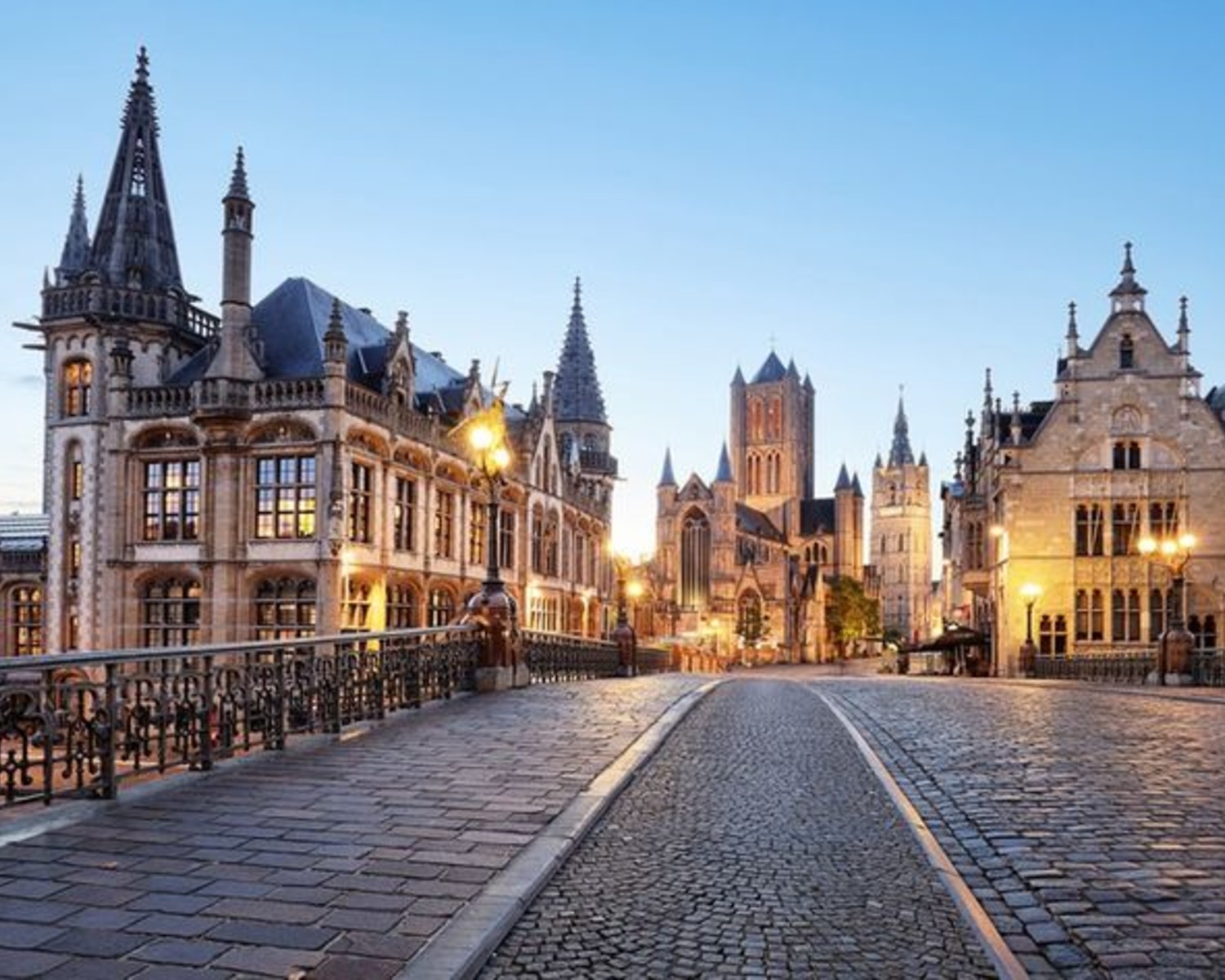
Half an hour from Brussels, and the city most visitors skip and then wish they had not. Three medieval towers, a castle in the middle of town, the Van Eyck altarpiece in St Bavo’s Cathedral, and a student population that keeps it feeling like a real place rather than a museum.
Antwerp
Rubens’ city, the world’s diamond trading centre, and the best shopping and design in Belgium. Worth a day on a longer trip.
Practical notes for Indian travellers
Trains
Belgian domestic trains are frequent and short Brussels to Ghent about thirty minutes, to Bruges about an hour, and you rarely need to book ahead. The international ones are different: Brussels to Paris and Brussels to Amsterdam are high-speed services where advance fares are much cheaper than walk-up. We book those with your package.
Languages
Belgium has three official languages. Flanders in the north is Dutch-speaking, Wallonia in the south is French-speaking, and Brussels is officially bilingual. English is widely spoken everywhere a visitor goes, and this is not something you need to worry about but it is why the same city has two names on signs (Bruges/Brugge, Ghent/Gent, Antwerp/Antwerpen).
Money and food
Euros, and cards work almost everywhere. On food, Belgium is more vegetarian-friendly than its reputation chips, waffles, chocolate and a strong café culture, plus Indian restaurants in Brussels and Antwerp. Tell us about Jain or strict vegetarian requirements at booking so we can brief the hotels.
Common mistakes to avoid
• Applying for your Schengen visa through Belgium when Belgium is not where you are spending the most nights. This is the big one, and it causes refusals.
• Leaving the visa to the last month. Fifteen to thirty calendar days is the processing window, and it is counted from when the consulate receives the file.
• Paying a third-party site for an ETIAS. It does not apply to Indian passports.
• Day-tripping Bruges and missing the evening, which is the best part of it.
• Skipping Ghent because it is not in the photographs.
• Trying to stretch Belgium to a week. Add a country instead.
• Booking walk-up fares on the Brussels–Paris or Brussels–Amsterdam trains.
What’s included in a Bayard Belgium package
Included | Not included |
Centrally located hotels in Brussels and Bruges, and other cities where your itinerary includes them | International flights from India, unless bundled |
Daily breakfast | The Schengen visa fee and VFS service charges — though we prepare your documentation and advise which consulate to apply to |
Airport transfers and rail tickets between cities as listed in your itinerary | Travel insurance, which the visa requires in any case |
Sightseeing and entrance tickets as specified — Grand-Place walking tour, Bruges canal cruise, museum entries | Lunches, dinners and optional tours not listed |
English-speaking guides where applicable, and on-trip support | Brussels city accommodation tax, chocolate and beer tastings beyond those included, and personal expenses |
Why book Belgium with Bayard Vacations
• We tell you which country to apply to for your Schengen visa. On a Belgium-inclusive circuit that is often not Belgium, and getting it wrong is one of the commonest causes of refusal.
• We prepare the itinerary, flight and hotel documentation your application needs, for whichever consulate is the right one.
• Honest advice on length. Belgium is three or four days - we will tell you that, and then tell you what to add rather than padding the itinerary.
• Rail booked in advance on the international routes, where the difference between advance and walk-up fares is substantial.
• Hotels chosen for where they are, not just what they cost - particularly in Bruges, where staying inside the old town is most of the point.
• The most affordable European trip we sell, from ₹65,000, with no pretence that it is something bigger.
Talk to a Belgium specialist →
Belgium package FAQs
Do Indians need a visa for Belgium?
Yes. Belgium is in the Schengen Area, so Indian passport holders need a short-stay Schengen visa (Type C) arranged before travel. It allows up to 90 days in any rolling 180-day period across all 29 Schengen countries.
Should I apply for my Schengen visa through Belgium?
Only if Belgium is where you will spend the most nights. On a multi-country trip — Amsterdam, Brussels and Paris, for example you apply at the consulate of your main destination, which is usually France or the Netherlands rather than Belgium. Applying to the wrong consulate is a common cause of refusal, and refusals go on record. We work this out for you before you apply.
How long does the Schengen visa take?
Typically 15 to 30 calendar days, counted from when the consulate receives your file rather than when VFS collects it so allow a few days more than the headline figure. Start four to six weeks before travel, and earlier for summer or December departures.
Where do I apply from in South India?
VFS Global has centres in Bengaluru, Chennai, Hyderabad and Kochi among others. The decision is made by the same consulate team wherever you submit, but appointment availability is usually better outside Delhi and Mumbai in peak season, which can save you a couple of weeks.
Do I need ETIAS?
No. ETIAS is for visa-exempt nationalities such as US, UK and Japanese passport holders. Indian passport holders are visa-required and still need the full Schengen visa. Anyone selling you an ETIAS for an Indian passport is not helping you.
What is the new biometric border system?
The EU Entry/Exit System replaced passport stamping across all 29 Schengen countries on 10 April 2026. On your first entry you are registered with a facial image and fingerprints, and entries and exits are then recorded automatically. Allow extra time at your first border crossing.
How much does a Belgium trip cost from India?
Our Belgium packages start at ₹65,000 per person for four days covering Brussels and Bruges, rising to ₹90,000 for a longer version. Amsterdam–Brussels–Paris circuits start around ₹1,44,999. It is the least expensive European destination we sell.
How many days do I need in Belgium?
Three or four nights covers Brussels, Bruges and Ghent comfortably. Belgium is a small country and we would rather tell you that than stretch the itinerary. If you have more time, add Amsterdam or Paris rather than more Belgian cities.
Is Belgium worth visiting on its own?
For a short first European trip, yes it is affordable, compact and easy, and Bruges alone justifies the journey. For a longer holiday it works better as part of a circuit, which is why most of our Belgium travellers combine it with Amsterdam and Paris.
What is the best time to visit Belgium?
May, June and September for mild weather and long days. December for the Christmas markets in Brussels and Bruges. Belgium is grey and wet for much of the rest of the year — it is an indoor-friendly destination, but pack for rain whenever you go.
Should I day-trip to Bruges or stay overnight?
Stay overnight if you can. Bruges receives a very large number of day visitors, and the old town becomes a genuinely different and much quieter place after about five in the evening. It is the best hour of the trip.
Is Ghent worth including?
Yes, and it is the city most people skip. Half an hour from Brussels, three medieval towers, the Van Eyck altarpiece in St Bavo’s, and a student population that keeps it feeling like a working city rather than a preserved one.
How do I get around Belgium?
By train, and the distances are short — Brussels to Ghent is about thirty minutes and to Bruges about an hour, with frequent services you rarely need to pre-book. The international trains to Paris and Amsterdam are different: book those in advance, because walk-up fares are much higher.
Is Belgium good for vegetarians?
Better than expected. Chips, waffles, chocolate and a strong café culture give you plenty, and Brussels and Antwerp both have good Indian restaurants. Tell us at booking, particularly for Jain requirements.
What is included in a Bayard Belgium package?
Centrally located hotels, daily breakfast, airport transfers, rail tickets between cities as listed, sightseeing and entrance tickets as specified, and on-trip support. International flights, the Schengen visa fee, travel insurance, city tax and personal expenses are separate.
Planning a Belgium trip?
Tell us your city, your dates and who’s travelling. We’ll send back a costed itinerary, tell you honestly how many days Belgium needs, and — importantly — work out which consulate your Schengen application should go to.
Enquire now · WhatsApp · Call
Belgium Packages


Signature Collections
Handpicked signatures and top-rated escapes in Belgium

We Are Bayard Vacations
Not just another travel company. We're dreamweavers, adventure architects, and memory makers.
Explore

Meet Bayard Buddy – Advanced AI Chatbot for Everyday Help
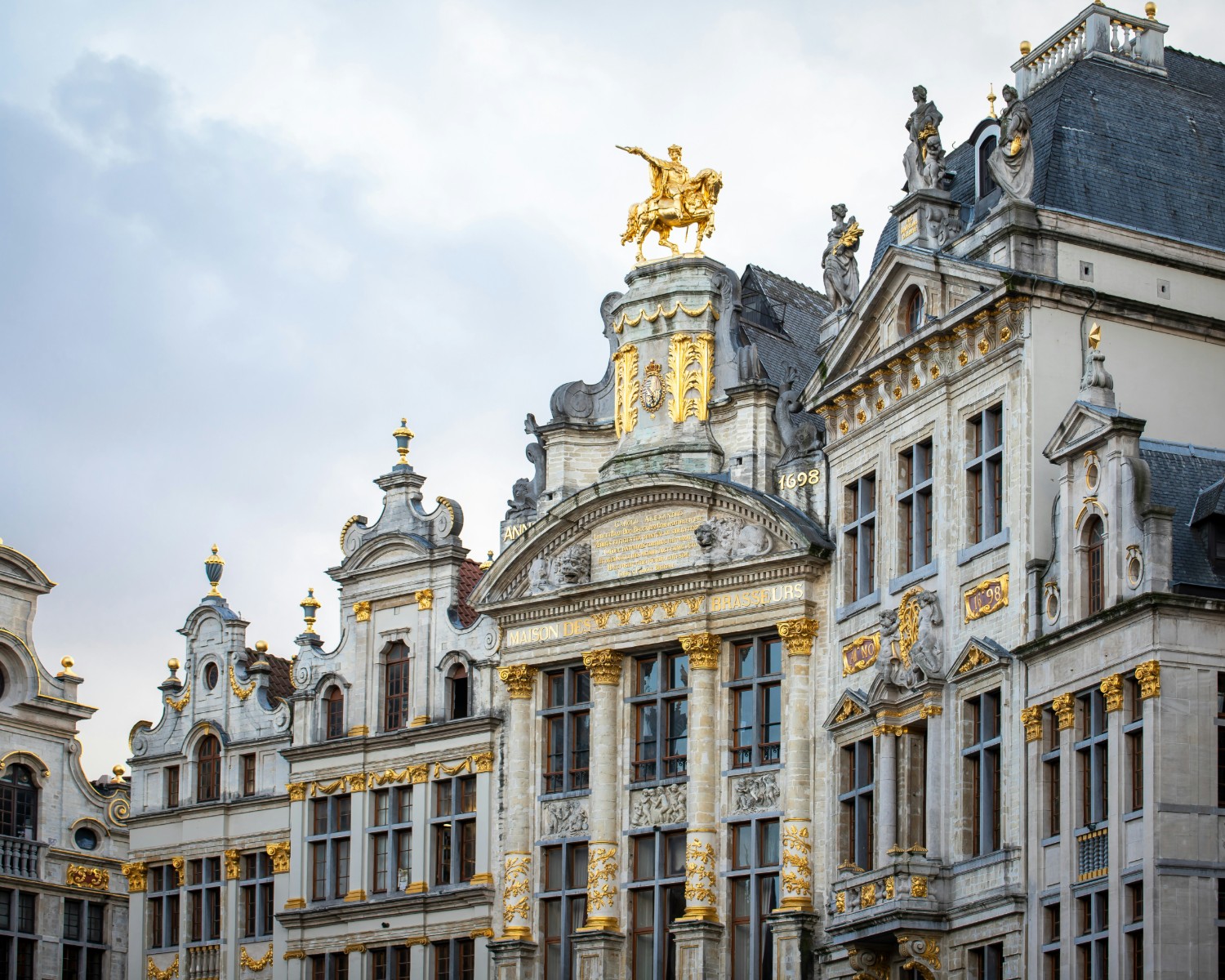
Grand-Place Brussels with Gothic Town Hall and Baroque guildhalls
Belfry Tower and Markt Square in Bruges' historic center
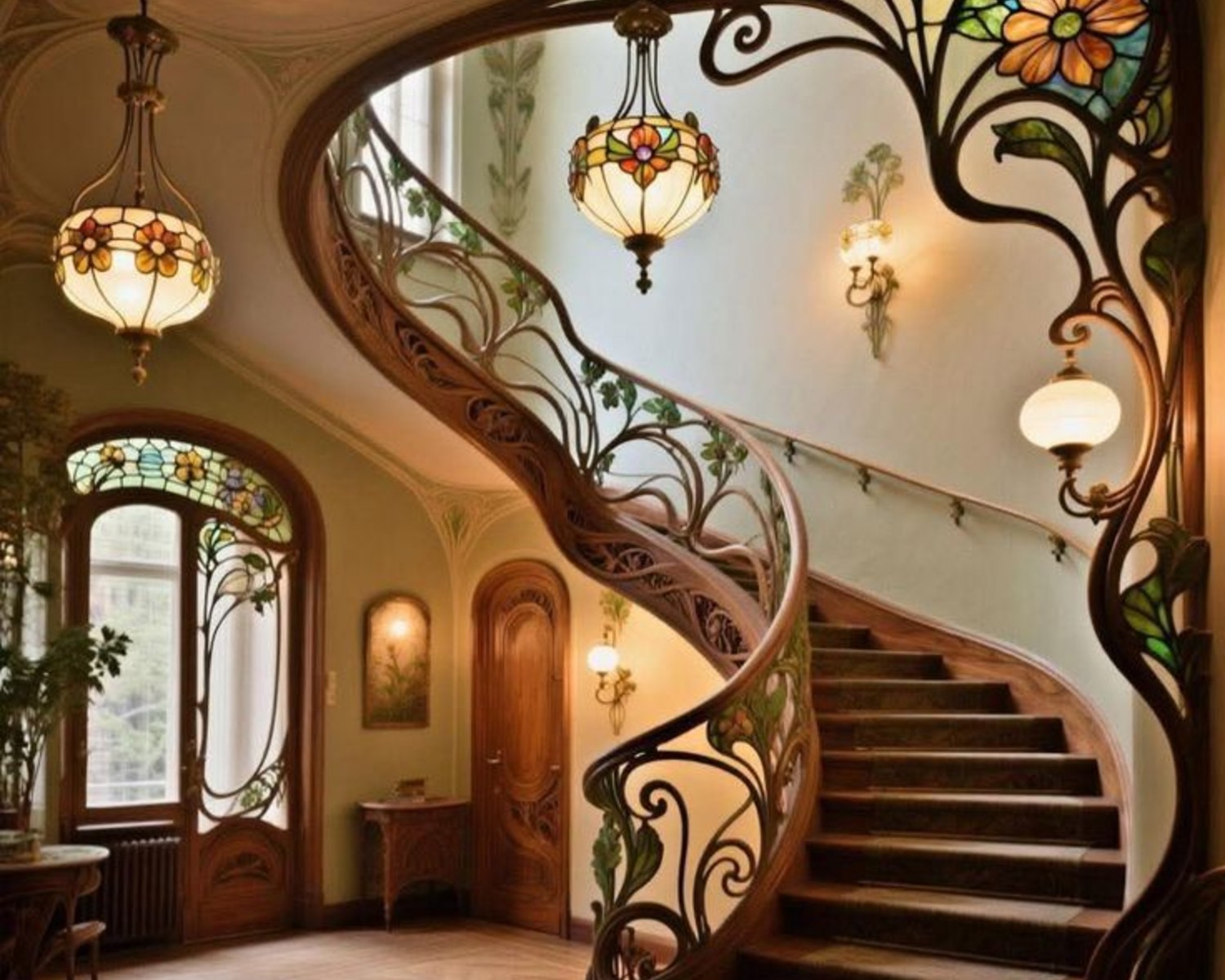
Victor Horta's Art Nouveau masterpiece with flowing organic lines
Traditional Belgian cafe with extensive beer selection
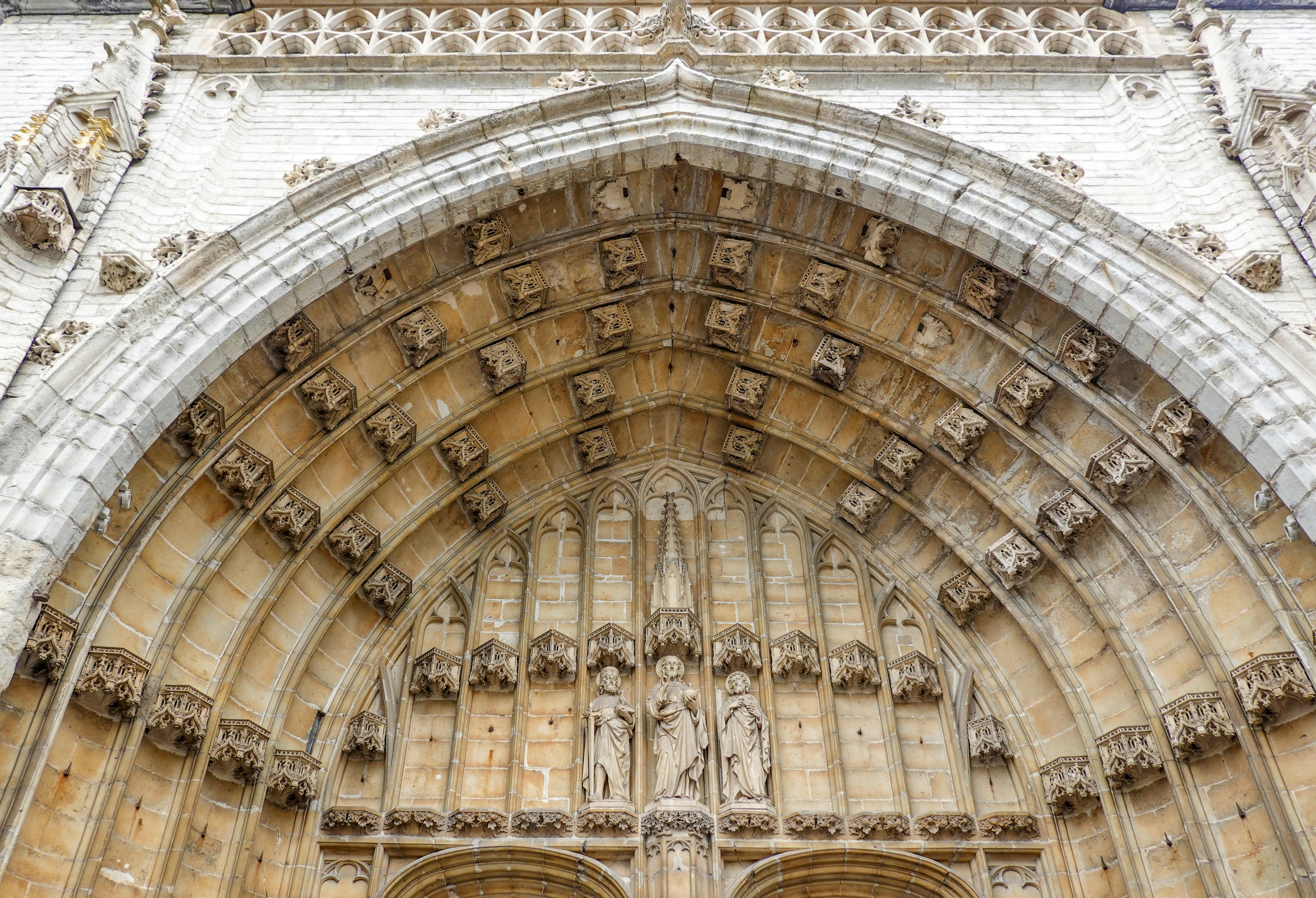
Ghent's three towers and medieval architecture along canals
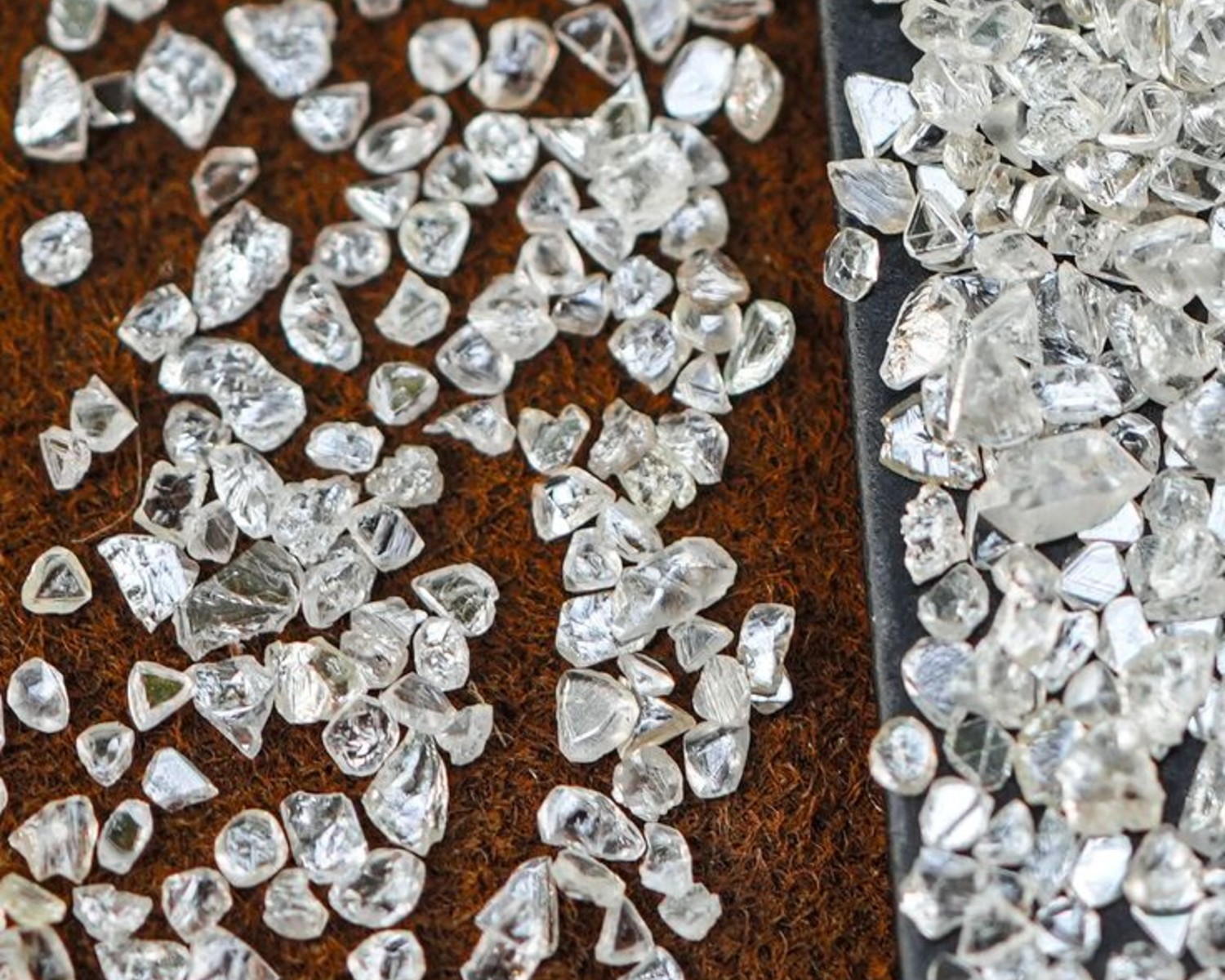
Diamond District—world's diamond trading center
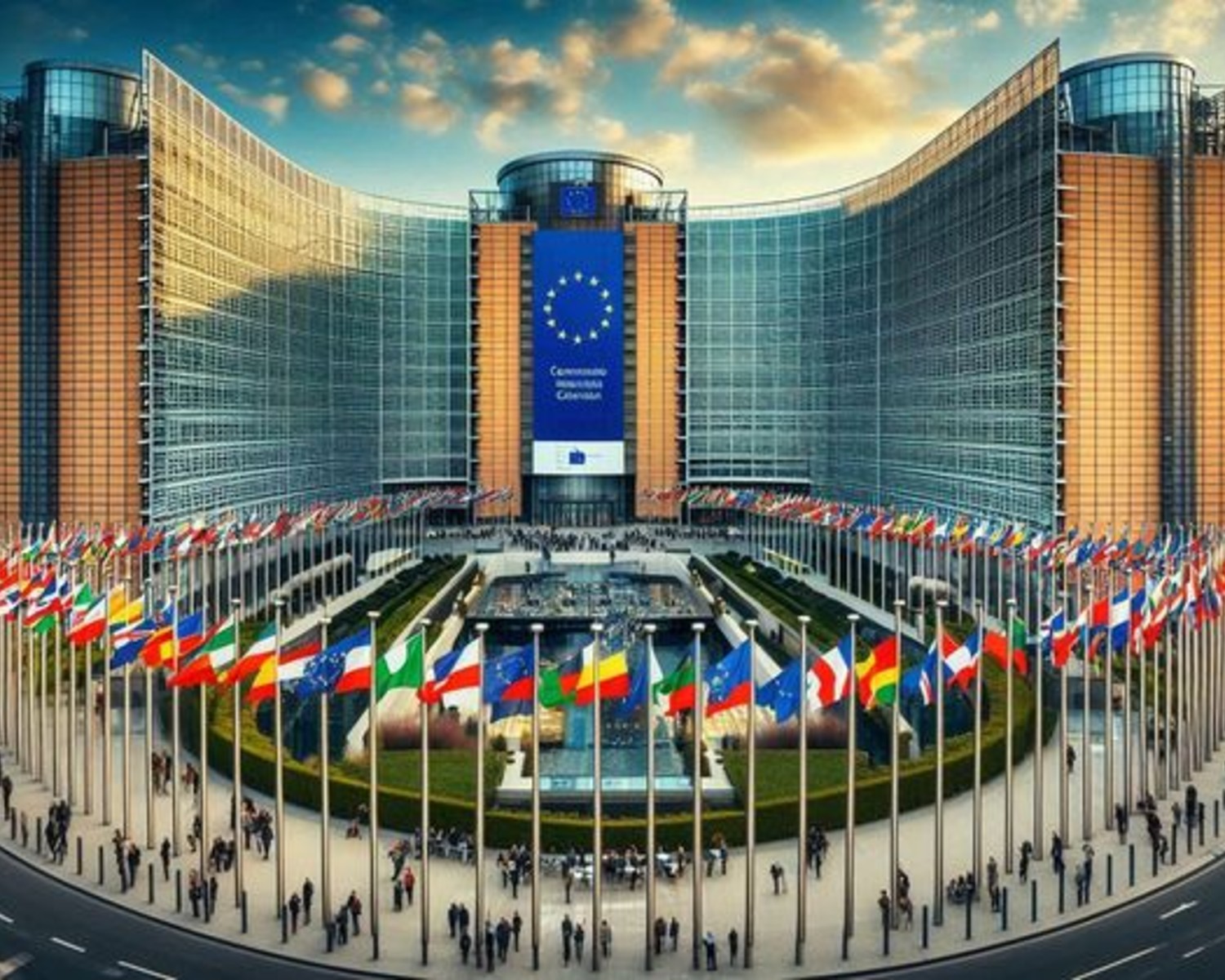
European Quarter with EU Parliament and modern architecture

Moules-frites—Belgium's iconic national dish
Guest Stories
Join 25,000+ happy travelers who explored Belgium with us.
You Might Also Like
Discover more incredible destinations and experiences tailored for you
