
Philippines
Hop across hidden lagoons and coral atolls in the Philippines. Explore tropical island packages featuring crystal clear waters and private beach retreats.
About Philippines
7,600 islands of pristine beaches, vibrant culture, world-class diving, and tropical paradise living.
The Philippines, an archipelago of 7,600 islands, has a rich tapestry of history spanning indigenous Austronesian cultures, Spanish colonialism (1565–1898), American occupation (1898–1946), and modern independence. Today, it stands as the only predominantly Christian nation in Asia with a unique blend of Malay, Spanish, American, and Chinese influences. From world-class natural beauty to thriving urban centers, the Philippines represents one of Asia's most dynamic and welcoming destinations for Indian travelers.
Why Choose Philippines?
Tropical Paradise Biodiversity
The Philippines is one of the world's most biodiverse countries, home to countless endemic species found nowhere else on Earth. From Palawan's underground rivers to Banaue's rice terraces (UNESCO World Heritage), tropical rainforests to world-class coral reefs, the islands represent nature's masterpiece.
Spanish Colonial Heritage
333 years of Spanish rule left indelible architectural marks: Intramuros fortress in Manila, baroque churches, colonial mansions, and Spanish-influenced cuisine (adobo, lechon). Vigan City, UNESCO World Heritage site, remains one of Asia's best-preserved colonial towns with cobblestone streets and ancestral homes.
World's Unique Christian Asian Nation
The Philippines is Asia's largest and most predominantly Christian nation—97% Catholic. This unique religious identity shapes culture, festivals (Holy Week processions), cuisine, and social values, creating a distinct Asian experience unlike any other country in the region.
Island Archipelago Paradise
With 7,600 islands (only ~2,000 named), the Philippines offers unparalleled island-hopping experiences. From Boracay's white-sand beaches to Palawan's limestone cliffs and underground caves, each island has distinct character. Island biodiversity and crystal-clear waters make it a diver's and backpacker's dream.
Must-Experience Attractions
Philippines Tour Packages from India
A Philippines package from India costs roughly ₹42,000 to ₹95,000+ per person, and two things have changed recently that make this a much easier trip than it used to be: Indian passport holders can now enter visa-free for up to 14 days with no application and no fee, and Air India flies nonstop from Delhi to Manila — India's first-ever direct service to the Philippines, launched in late 2025 and now running daily.
Most Bayard travellers choose a 5-night Manila-and-one-island trip, a 6-night Cebu and Bohol pairing, or a 7-night route that adds Palawan. Below, we explain exactly how the visa-free rule works (including the one free form you must complete before you fly), which flight routing actually makes sense from your city, how many islands you can realistically fit into your days, and what the quoted price does and doesn't include.
Get a Philippines quote →
Philippines trip at a glance
Field | Detail |
Ideal duration | 5–6 nights for Manila plus one island; 7–9 nights if you want to add Palawan or a third island. Keep the total inside your visa-free allowance |
Cost from India | ₹42,000–₹95,000+ per person depending on how many islands you include — the number of internal flights matters more than hotel category. See the breakdown below |
Best season | November–May for the most reliable island-hopping weather; June–October is wetter, cheaper, quieter and carries real typhoon disruption risk |
Entry for Indians | Visa-free for 14 days for all Indian passport holders; 30 days if you hold a current US, Japan, Australia, Canada, Schengen, Singapore or UK visa or residence permit. Neither can be extended. One mandatory free step: eTravel registration within 72 hours before you fly. Last verified 2 September 2026 — full section below |
Flight from India | Direct daily Delhi–Manila with Air India, about 7 hours. From Bengaluru, Chennai, Hyderabad, Kochi and Mumbai, one-stop via Singapore, Kuala Lumpur or Bangkok, or connect through Delhi |
Main entry points | Manila (Ninoy Aquino International) is the primary gateway; Cebu (Mactan–Cebu) is a useful alternative if you are heading straight to Bohol or the Visayas |
Do Indians need a visa for the Philippines in 2026?
For most holidays, no. Every Indian passport holder can enter the Philippines visa-free for up to 14 days for tourism — no application, no fee, no embassy visit. This has been the rule since June 2025 and it applies to you whether or not you hold visas for any other country.
If you hold a current visa or residence permit for the United States, Japan, Australia, Canada, any Schengen country, Singapore or the United Kingdom, you get 30 days visa-free instead of 14.
Two things to know before you plan:
• Neither the 14-day nor the 30-day allowance can be extended or converted once you are in the country. If you want a longer trip, you need to apply for a tourist visa at the Philippine Embassy before you travel.
• Fourteen days is comfortable for almost every itinerary on this page, but it is a hard ceiling — build your return date around it rather than assuming flexibility.
The one thing you do need to do: eTravel registration
• Every traveller must register individually through the Philippine government's eTravel portal at etravel.gov.ph within 72 hours before arrival.
• It is completely free, takes under ten minutes in a browser, and asks for your passport, flight and accommodation details. Any site charging you for this is not the official one.
• You will get a QR code — save or print it. You may be asked for it at check-in and at immigration in Manila.
• It replaced the old paper arrival card, so there is no form to fill in on the plane.
What else to carry:
A passport valid for at least six months beyond your arrival date, a confirmed return or onward ticket departing within your allowed stay, confirmed accommodation for your full trip, and proof of funds if asked.
Visa and eTravel requirements were correct at the time of writing and can change — recheck immediately before booking, and see the review cadence in Step 4.
Philippines package cost from India — what the price does and doesn't include
Bayard's Philippines packages run from ₹42,000 per person for a five-day Manila-and-surrounds trip to ₹95,000+ per person for a week across Cebu, Palawan and El Nido. On this destination, the biggest single driver of price is not hotel category — it is how many islands you visit, because each one adds a domestic flight and a set of transfers.
The costs most Philippines quotes are vague about
• Domestic flights and boat transfers. A three-island route needs two or three internal sectors. Always confirm whether these are inside your quoted price — with Bayard they are itemised in your itinerary rather than left as a surprise.
• Island environmental and terminal fees, collected locally in cash. Boracay charges an environmental fee of around ₱300 plus a ₱150 terminal fee each way at the Caticlan jetty; El Nido's Eco-Tourism Development Fee is around ₱400 and is valid for ten days; Coron collects around ₱200. Across a two- or three-island trip, budget roughly ₱1,500 per person.
• Permit-controlled sites. The Puerto Princesa Underground River admits a limited number of visitors per day and needs a permit secured in advance — it is not a walk-up attraction.
One cost you will not pay
You may see the Philippine travel tax of ₱1,620 mentioned on other travel sites. It does not apply to you: foreign visitors staying under one year are exempt. The only thing to watch is if you buy a return ticket issued inside the Philippines, where it is sometimes added automatically and has to be reclaimed.
Philippines package price by travel style
Travel style | Typical duration | What's included | Approx. price (per person) |
Manila and surrounds | 4 nights | Manila hotel, city and day-trip sightseeing, transfers, breakfast | ₹42,000–₹53,000 |
Manila plus one island | 4 nights | Manila plus Boracay, Cebu, Palawan or El Nido, one domestic sector, breakfast | ₹53,000–₹61,000 |
Two-island pairing | 5 nights | Cebu and Bohol, or Cebu and Boracay, with island-hopping and transfers | ₹60,000–₹73,000 |
Multi-island route | 6–7 nights | Three regions, multiple domestic sectors, more island-hopping and activities | ₹78,000–₹95,000+ |
Confirm every figure, and any packages beyond those shown here, against Bayard's current package sheet before publishing — see Defect 4 in Step 1.
Get a fixed, all-in price for your dates →
How many islands should you actually visit?
This is the decision that shapes a Philippines trip more than any other, and it is worth thinking about before you compare prices.
• One region, 5–6 days. Manila plus a single island, or Cebu paired with neighbouring Bohol. You get real beach time, one internal flight at most, and no day spent in transit. This is the right choice for a first Philippines trip and for anyone travelling with children or older parents.
• Two regions, 6–8 days. Enough for a city-and-beach contrast — Manila and Boracay, or Cebu and Boracay — with one or two internal flights. Comfortable, and still inside a 14-day visa allowance with room to spare.
• Three regions, 8 days or more. Manila, Palawan and Cebu or Boracay is the full "tropical explorer" trip and delivers the most dramatic scenery, especially El Nido and Coron. The trade-off is real: each hop costs a domestic flight, two airport transfers and usually half a day. It works well if you have the days; it is frustrating if you try to compress it into six.
• The rule of thumb we give clients: one island per two full days, plus a day either side for arrival and departure. If your itinerary is tighter than that, drop an island rather than rushing all of them.
Choose your Philippines itinerary
Manila & Boracay — 5 Days / 4 Nights
Best for first-time visitors wanting a city-and-beach mix
• Day 1: Arrive in Manila, check in, evening at Baywalk or the Bay Area.
• Day 2: Manila city tour — Intramuros, Fort Santiago, Rizal Park and the colonial quarter.
• Day 3: Fly to Boracay, transfer to your resort, sunset on White Beach.
• Day 4: Island-hopping and snorkelling, or free time for water sports and beachfront cafés.
• Day 5: Departure via Manila.
Customise this itinerary →
Cebu & Bohol — 5 Days / 4 Nights
Best for active travellers and families who want more than one beach
• Day 1: Arrive in Cebu, evening free.
• Day 2: Cebu city sights — Magellan's Cross, Basilica del Santo Niño, hilltop viewpoints.
• Day 3: Transfer to Bohol for the Chocolate Hills, the Tarsier Sanctuary and the Loboc River cruise.
• Day 4: Panglao beaches, or island-hopping and snorkelling off Balicasag.
• Day 5: Departure via Cebu.
Manila, Cebu & Boracay — 7 Days / 6 Nights
Best for travellers who want variety without a punishing schedule
A light city stop in Manila, activity and countryside around Cebu, and a classic beach finish in Boracay. Two internal flights, and enough time in each place to unpack.
Manila, Palawan & Cebu — 8 Days / 7 Nights
Best for honeymooners and anyone who wants the scenery the Philippines is famous for
Palawan — El Nido's lagoons and hidden beaches, or Coron's wreck sites and limestone islands — is the highlight of most Philippines trips. This route gives it proper time rather than a rushed overnight, and pairs it with Cebu. Expect two to three internal sectors.
Build a multi-island Philippines trip →
Getting to the Philippines from your city
There is now a direct flight from India to the Philippines. Air India flies Delhi–Manila nonstop in about seven hours — India's first-ever direct service to the country, launched in October 2025 and now operating daily, with a larger aircraft going onto the route from late October 2026. From other Indian cities the practical routing is one stop, usually via Singapore, Kuala Lumpur or Bangkok, with a total journey of roughly 11–15 hours including the layover.
From (India) | Routing | Approx. journey time |
Delhi | Air India nonstop to Manila | About 7 hours, daily |
Bengaluru | One stop via Singapore, Kuala Lumpur or Bangkok, or connect via Delhi | About 11–14 hours including layover |
Chennai | One stop via Singapore, Kuala Lumpur or Bangkok | About 11–14 hours including layover |
Hyderabad | One stop via Singapore, Kuala Lumpur or Bangkok | About 12–15 hours including layover |
Kochi | One stop via Singapore or Kuala Lumpur | About 12–15 hours including layover |
Mumbai | One stop via Singapore, Kuala Lumpur or Bangkok | About 11–14 hours including layover |
A routing tip most pages miss
If your trip is focused on Cebu, Bohol or the Visayas rather than Boracay or Palawan, ask us to price a one-stop routing into Cebu (Mactan–Cebu) instead of Manila. It can remove an entire domestic flight from your itinerary, which usually saves both money and half a day.
Air connectivity between India and the Philippines is expanding quickly, with additional carriers announcing plans for the coming winter schedule. Ask us what is actually flying on your dates.
Get a quote for your city →
Best time to visit the Philippines
For most Indian travellers, the best window is November to May.
Months | What it's like | Verdict |
November–May | Drier and calmer across Boracay, Cebu, Bohol and Palawan; the most reliable conditions for island-hopping and boat trips | Best overall. Also the busiest and priciest window |
June–October | Wetter and windier, and this is the western Pacific typhoon season | Cheaper and much quieter, but see the note below before booking |
Christmas–New Year, Easter, Holy Week | Peak domestic and international demand | Books out earliest and costs the most — plan several months ahead |
An honest note about typhoon season
The Philippines sits in one of the most storm-exposed regions in the world, and June to October is when that matters. The practical risk for a package traveller is not rain it is that domestic flights get cancelled and ferry services get suspended, which can strand you between islands rather than simply keeping you indoors. If you are travelling in this window, we will usually steer you toward a single-island itinerary with fewer internal connections, build slack into your return date, and strongly recommend travel insurance that covers weather disruption. Plenty of people have excellent wet-season trips to the Philippines but they are planned differently, not just booked cheaper.
Top places to include in your Philippines package
Manila
The main gateway, and best treated as a one- or two-night stop at the start or end of your trip rather than a destination in itself. Intramuros and Fort Santiago give you the Spanish colonial layer that makes the Philippines unlike anywhere else in Asia, and Rizal Park and the Bay Area fill an easy afternoon. Best for: history, a soft landing, and a comfortable first night after a long flight.
Boracay
The country's most famous beach island, and the easiest sell — four kilometres of powder-white sand, a walkable beachfront, and reliably good island-hopping and snorkelling. Best for: couples, friends and families who want a classic beach holiday with cafés, sunsets and some nightlife. Note that access is via Caticlan jetty with environmental and terminal fees paid locally in cash.
Cebu & Bohol
The strongest combination for travellers who want to do things rather than lie still. Cebu gives you city sights, Kawasan Falls canyoneering and the Moalboal sardine run — a genuinely extraordinary free-diving and snorkelling sight that has nothing to do with whale sharks despite often being mentioned in the same breath. Bohol adds the Chocolate Hills, the Tarsier Sanctuary, the Loboc River and the beaches of Panglao. Best for: active travellers, groups and families with older children.
Palawan — El Nido & Coron
For most people this is the highlight. El Nido's Big and Small Lagoons, hidden beaches and limestone cliffs are among the best island-hopping in Southeast Asia; Coron adds world-class wreck diving and snorkelling. Puerto Princesa's Underground River is a UNESCO site with a permit system and a daily visitor cap, so it has to be booked well in advance. Best for: honeymooners, photographers and anyone willing to spend a domestic flight to get somewhere genuinely cinematic.
A word on whale sharks
You will see Oslob, in southern Cebu, promoted everywhere as a guaranteed whale-shark encounter. It is worth knowing why it is guaranteed: the animals are hand-fed daily to keep them in the bay, a practice that marine researchers and responsible-tourism organisations have criticised on welfare and behavioural grounds, and whose legality has been debated within the Philippines. Donsol in Sorsogon runs the alternative — a seasonal, non-provisioned operation where sightings depend on natural aggregations and are not guaranteed. It is further from the usual Cebu circuit and needs planning. We will tell you honestly what each involves and let you decide; we would rather you choose knowingly than find out afterwards.
Practical notes for Indian travellers
Currency
The Philippine Peso (PHP) is the only currency you can spend. There is no direct INR–PHP exchange worth using, so carry US Dollars to convert on arrival or use a card — cards are widely accepted in Manila, Cebu and resort areas, less so on smaller islands. Keep cash for island fees, tricycles and boat crews, who will not take cards.
Language
English is an official language and is genuinely widely spoken, including by drivers, boat crews and hotel staff. For an Indian traveller this makes the Philippines noticeably easier to navigate independently than Vietnam, Thailand or Indonesia.
Getting around
Domestic flights connect Manila and Cebu to every major island and are the backbone of any multi-island trip; ferries and speedboats cover shorter hops. Build buffer time around internal flights, particularly in the wet season — a tight same-day connection onto an international departure is the most common way a Philippines itinerary goes wrong.
Food
Vegetarian travellers should plan a little. Filipino cuisine is heavily meat- and seafood-based, and pure-veg options outside Manila and the big resorts can be limited. Tell us in advance and we will factor it into hotel and restaurant choices rather than leaving you to improvise.
Common mistakes to avoid
• Assuming there is no direct flight. There is — Delhi to Manila, daily, about seven hours. A lot of published travel content has not caught up.
• Assuming visa-free means nothing to do in advance. eTravel registration is separate, mandatory and must be completed within 72 hours of your flight.
• Planning a trip longer than 14 days on the standard visa-free entry, which cannot be extended once you arrive.
• Adding a third or fourth island to a six-day trip. You will spend more of your holiday in airports than on beaches.
• Budgeting only the package price and forgetting cash for island environmental fees, terminal fees and tips.
• Booking the Underground River on the assumption you can turn up — it is permit-controlled with a daily cap.
• Booking tight same-day connections between a domestic flight and your international departure, especially between June and October.
What's included in a Bayard Philippines package
Included | Not included |
Hotel or resort stays in Manila and your chosen islands | International airfare from India, unless you ask us to bundle it |
Daily breakfast, and selected meals during tours where specified | Island environmental and terminal fees, collected locally in cash |
Domestic flights, ferries and speedboat transfers as listed in your itinerary | Premium activities: diving, private boat charters, motorised water sports |
Airport and inter-island transfers as per the plan | Travel insurance — strongly recommended, especially June–October |
Guided sightseeing and island-hopping tours as specified | Personal expenses: tips, shopping, extra meals, drinks and resort incidentals |
On-trip support and coordination with local partners | Visa fees, if you need a tourist visa for a stay beyond your visa-free allowance |
Why book the Philippines with Bayard Vacations
• Routing is the whole game on this destination. We sequence your islands and internal flights so you are not losing half a day to a badly timed domestic connection — the single biggest cause of a disappointing Philippines trip.
• Current, correct entry advice: what visa-free actually covers for you, the 14-day ceiling, and the free eTravel form most operators do not mention.
• Honest guidance on how many islands fit your days, including telling you when to drop one.
• Straight answers on the choices that have a right and a wrong version for you — Boracay or Palawan, Cebu or Bohol, Oslob or Donsol — rather than selling you the longest itinerary we can.
• Wet-season planning that actually accounts for typhoon disruption, with buffer days and insurance built in rather than bolted on.
Talk to a Philippines specialist →
Philippines package FAQs
Do Indians need a visa for the Philippines?
For most holidays, no. All Indian passport holders can enter visa-free for up to 14 days for tourism, with no application and no fee. If you hold a current US, Japan, Australia, Canada, Schengen, Singapore or UK visa or residence permit, you get 30 days instead. Neither can be extended once you arrive.
What is eTravel, and do I have to do it?
Yes. eTravel is the Philippine government's mandatory online registration, completed at etravel.gov.ph within 72 hours before your flight. It is free, takes under ten minutes, and produces a QR code you show at check-in and immigration. It replaced the old paper arrival card.
Are there direct flights from India to the Philippines?
Yes. Air India flies Delhi–Manila nonstop daily in about seven hours — the first direct service between the two countries, launched in October 2025. From other Indian cities the routing is one stop via Singapore, Kuala Lumpur or Bangkok, or a connection through Delhi. Additional carriers have announced India–Philippines plans, so ask us what is flying on your dates.
How much does a Philippines trip cost from India?
Bayard's Philippines packages run from around ₹42,000 per person for a five-day Manila trip to ₹95,000+ for a week across multiple islands. The biggest cost driver is how many islands you include, because each one adds a domestic flight and transfers.
Do I have to pay the Philippine travel tax?
No. The ₱1,620 travel tax you may see mentioned applies to Filipino citizens and long-term foreign residents. Foreign visitors staying under a year are exempt. The only thing to watch is a return ticket issued inside the Philippines, where it is occasionally added automatically and has to be reclaimed.
What extra fees should I budget for?
Island environmental and terminal fees, collected locally in cash: around ₱300 plus ₱150 each way for Boracay, around ₱400 for El Nido, around ₱200 for Coron. Across a multi-island trip, budget roughly ₱1,500 per person, plus cash for tips and small transfers.
How many days do I need for the Philippines?
Five to six nights is comfortable for Manila plus one island, or Cebu with Bohol. Seven to nine nights lets you add Palawan properly. As a rule of thumb, allow two full days per island plus a day either side for arrival and departure.
How many islands can I realistically visit?
One or two on a five- or six-day trip, and up to three if you have eight days or more. Every extra island costs a domestic flight, two airport transfers and usually half a day. If your plan is tighter than that, it is almost always better to drop an island than to rush all of them.
Boracay or Palawan — which should I choose?
Boracay is the easier, more relaxed choice: one long white-sand beach, walkable, good food and nightlife, and simple to reach. Palawan is the more dramatic one — El Nido and Coron have the lagoons and limestone scenery the Philippines is famous for, but need more internal travel. First trip and short on days, choose Boracay. Honeymoon or scenery-led trip with the time to spare, choose Palawan.
What is the best time to visit the Philippines from India?
November to May for the most reliable island-hopping weather. June to October is cheaper and much quieter, but it is typhoon season — plan a single-island trip, leave buffer around your return date, and take insurance that covers weather disruption.
Is it safe to travel during typhoon season?
It can be, with the right itinerary. The real risk is not rain but cancelled domestic flights and suspended ferries, which can leave you stuck between islands. We plan wet-season trips with fewer internal connections and more slack in the schedule.
Should I do the Oslob whale shark tour?
That is a decision worth making with the facts. Oslob guarantees sightings because the whale sharks are hand-fed daily, a practice criticised by marine researchers and responsible-tourism bodies over animal welfare. Donsol in Sorsogon offers a seasonal, non-feeding alternative where sightings are natural and not guaranteed. Tell us which matters more to you and we will plan accordingly.
Do I need to book the Puerto Princesa Underground River in advance?
Yes. It is a permit-controlled UNESCO site with a cap on daily visitors, so it needs securing well ahead of your travel dates and can still be affected by weather on the day.
What currency should I carry?
Philippine Pesos are the only usable currency. Carry US Dollars to convert on arrival or rely on cards, which work well in Manila, Cebu and resorts but less so on smaller islands. Keep cash for island fees, tricycles and boat crews.
Is English widely spoken?
Yes, English is an official language and is spoken by hotel staff, drivers, guides and boat crews. It is one of the easiest Southeast Asian destinations for an Indian traveller to navigate.
What is included in a Bayard Philippines package?
Hotels, daily breakfast, domestic flights and transfers as listed in your itinerary, guided sightseeing and island-hopping as specified, and on-trip support. International airfare, island fees, premium activities, insurance and personal expenses are quoted separately unless bundled.
Planning a Philippines holiday?
Tell us your city, your dates and who's travelling. We'll send back a costed itinerary that uses the best current routing from your airport, fits comfortably inside your visa-free allowance, and tells you plainly which internal flights and fees are inside the price and which are not.
Enquire now · WhatsApp · Call
Philippines Packages


Signature Collections
Handpicked signatures and top-rated escapes in Philippines

We Are Bayard Vacations
Not just another travel company. We're dreamweavers, adventure architects, and memory makers.
Explore

Meet Bayard Buddy – Advanced AI Chatbot for Everyday Help
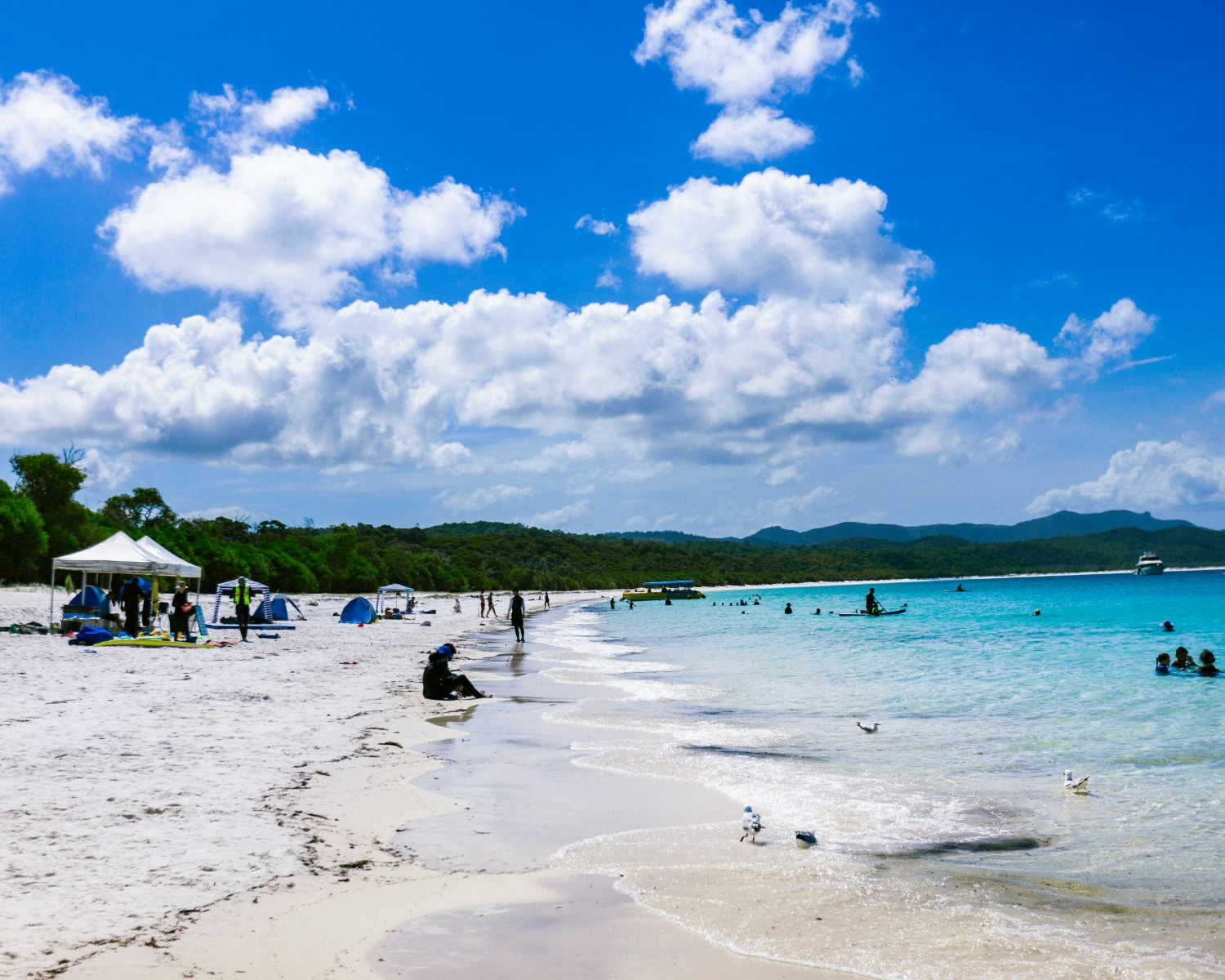
Boracay White Beach with powdery white sand and sailboats
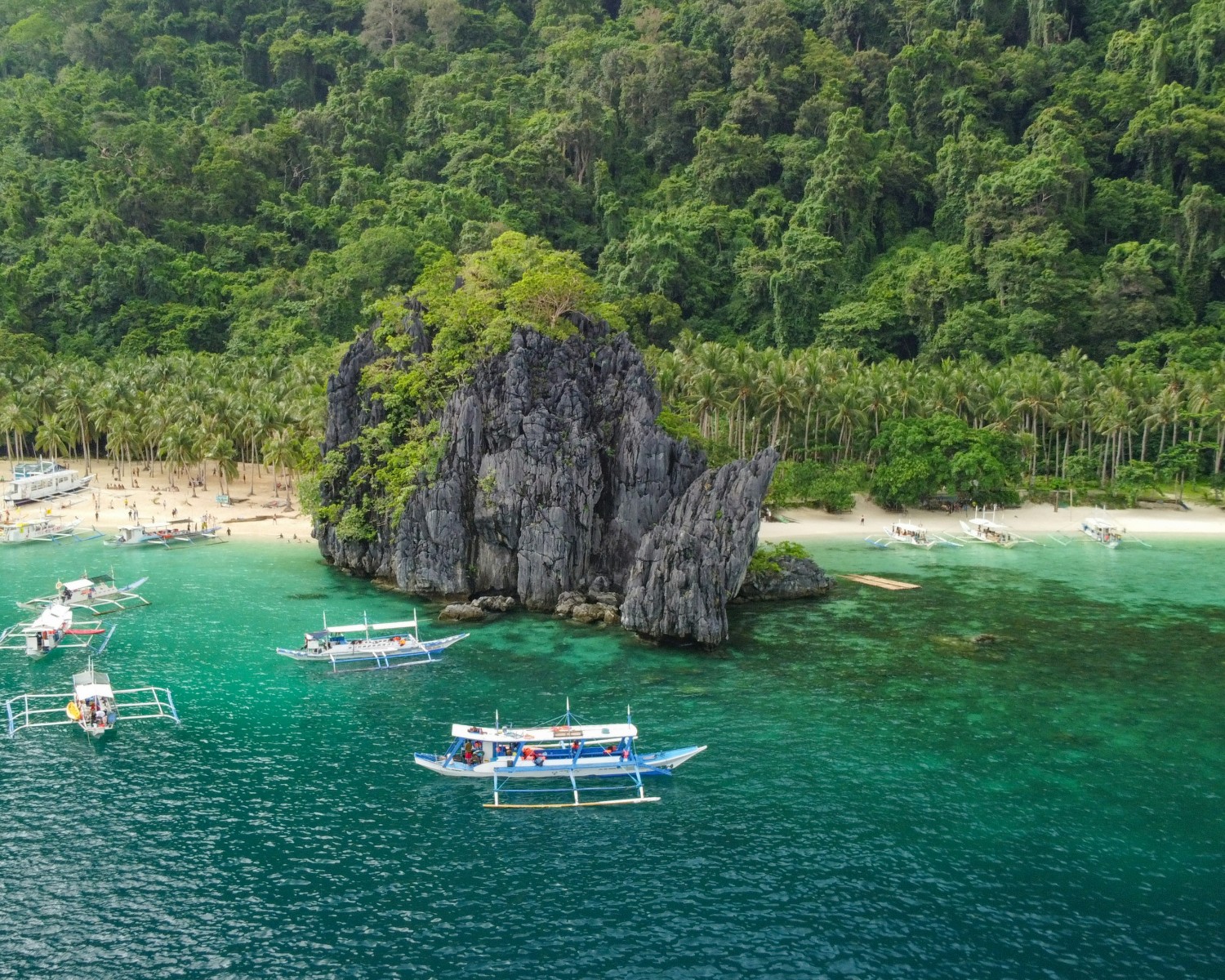
El Nido Big Lagoon with limestone cliffs and kayaking
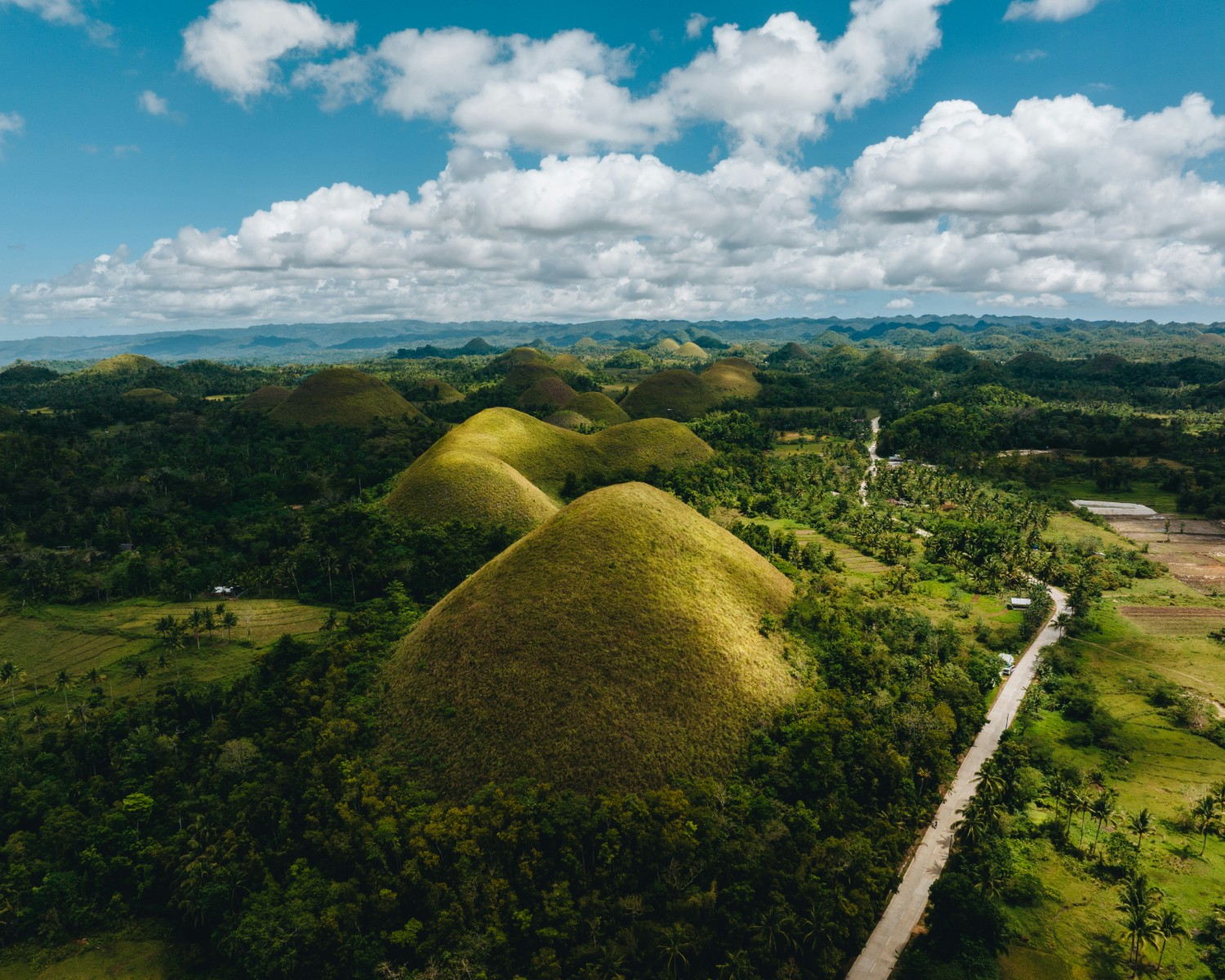
Chocolate Hills panoramic view with 1,200+ cone hills

Intramuros walled city with Spanish colonial architecture Manila
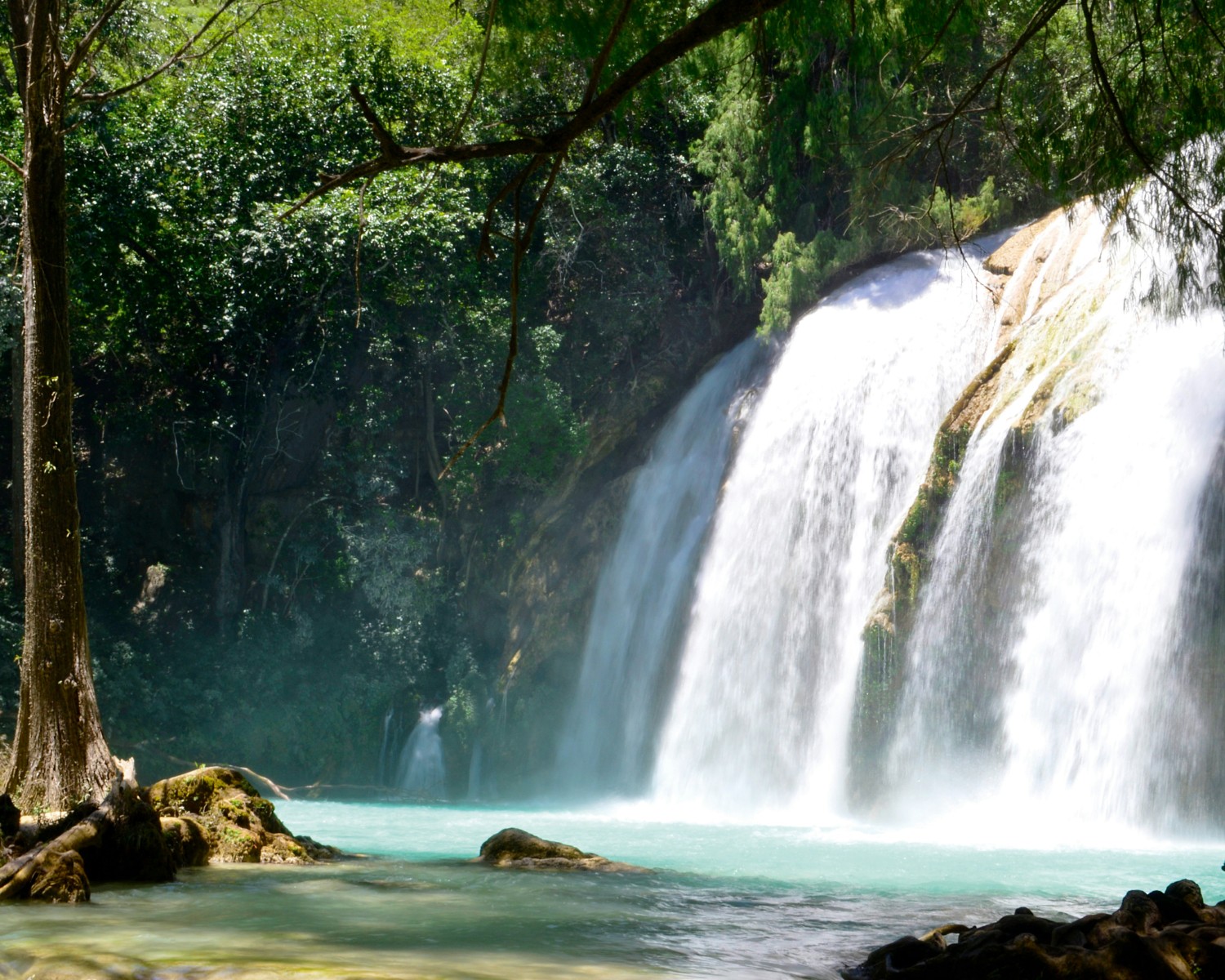
Kawasan Falls turquoise waters canyoneering adventure Cebu

Cloud 9 surf break boardwalk pier Siargao Philippines
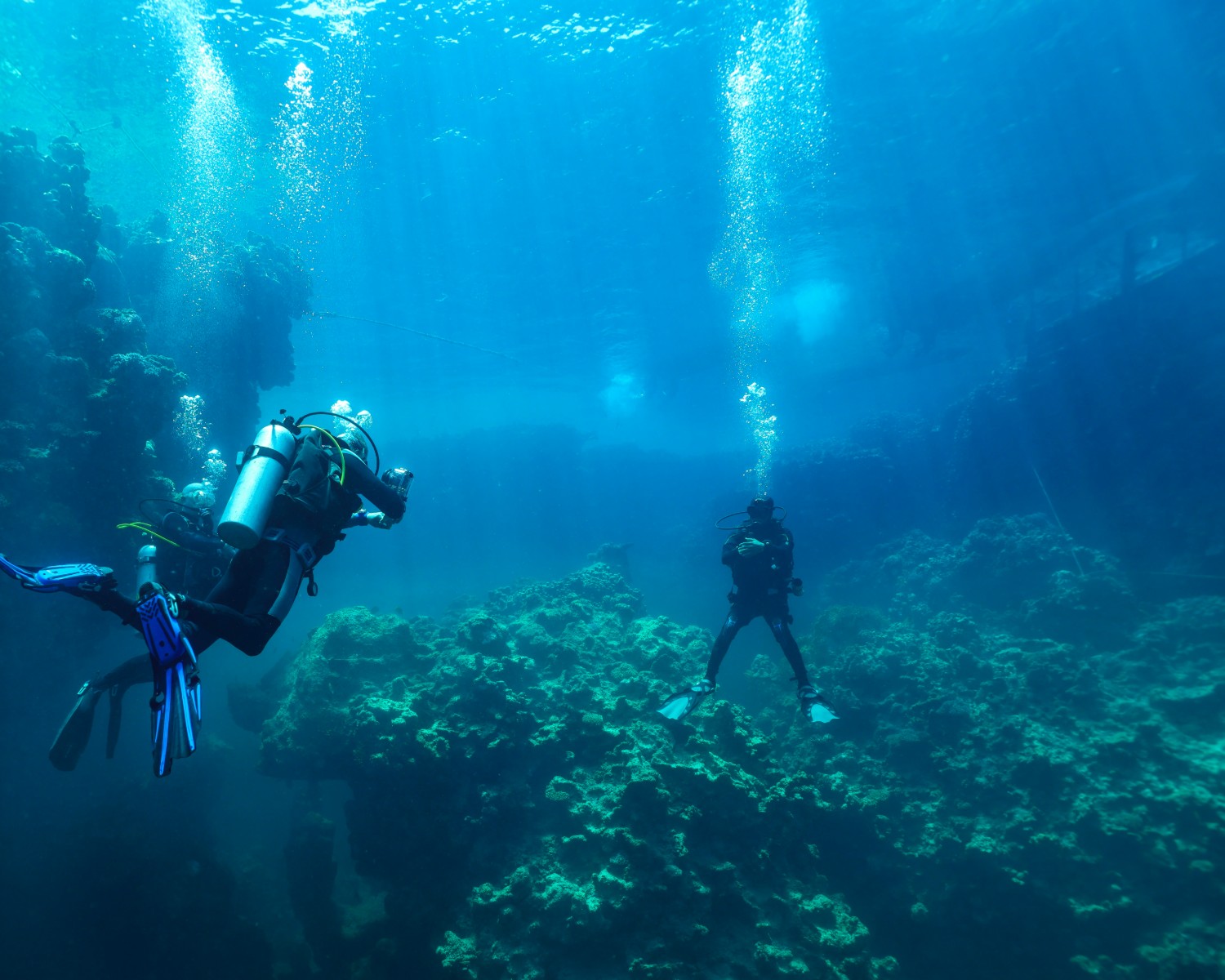
Coron WWII shipwreck diving Japanese cargo ship underwater
Travel Stories & Tips
Get inspired for your next adventure to Philippines


Guest Stories
Join 25,000+ happy travelers who explored Philippines with us.
You Might Also Like
Discover more incredible destinations and experiences tailored for you


