
Greece
Sail into sun drenched aegean horizons in Greece. Choose classical heritage packages tailored for couples, families, and history enthusiasts.
About Greece
The cradle of Western civilization where ancient temples stand eternal, sun-soaked islands beckon, and azure seas inspire timeless romance beneath Mediterranean skies.
Greece is the best destination for Mediterranean travelers who want to visit such attractions as Athens Acropolis and the Parthenon, which were established by ancient Greeks who invented democracy and philosophy. With Greek Islands vacation packages, tourists can experience Santorini’s volcanic scenery, Mykonos nightlife, and Crete turquoise beaches.
Why Choose Greece?
Ancient Democracy & Philosophical Enlightenment
In 5th-century BCE Athens, Cleisthenes invented direct democracy—citizens voted directly on laws, not through representatives.[web:835] This revolutionary system inspired all modern democracies.[web:835] Simultaneously, Socrates, Plato, and Aristotle revolutionized philosophy, asking fundamental questions about truth, justice, and human nature that philosophers still grapple with today.[web:822] This golden age made Athens the intellectual capital of the ancient world.[web:822]
The Acropolis: Architectural & Spiritual Masterpiece
The Acropolis of Athens—meaning 'high city'—stands as humanity's most influential architectural achievement.[web:835] Built during Pericles' Golden Age (450 BCE), it houses the Parthenon, the Temple of Athena Nike, and the Erechtheion, all dedicated to Athena, goddess of wisdom.[web:835] These structures represent the apex of Classical Greek architecture, inspiring neoclassical buildings worldwide (Capitol, Supreme Court, British Museum).[web:835][web:841]
Alexander the Great: Conqueror & Hellenizer
Alexander (356–323 BCE), tutored by Aristotle, conquered the Persian Empire and spread Greek civilization from Egypt to India in just 13 years.[web:822] His conquests created the Hellenistic era, blending Greek and Eastern cultures into the most cosmopolitan civilization of antiquity.[web:822] Although he died at 32, his legacy permanently shaped Western, Middle Eastern, and South Asian cultures.[web:822]
Byzantine Heritage: The Orthodox Christian Legacy
When Rome fell (476 CE), the Byzantine Empire centered on Constantinople (Greece's capital conceptually) preserved Greek language, classical knowledge, and Christian orthodoxy for 1,000 years.[web:829] This continuity prevented the 'Dark Ages' from erasing Greek-Roman civilization.[web:829] Today, Greek Orthodox traditions remain central to Greek identity, evident in iconic blue-domed churches across islands and mainland.[web:827]
Must-Experience Attractions
Greece Tour Packages from India
A Greece package from Bayard costs from ₹1,39,999 per person, and getting there just got easier: since January 2026, IndiGo flies nonstop from Delhi and Mumbai to Athens on the A321XLR around 8 hours 45 minutes, and the first direct service any Indian airline has ever operated to Greece.
Most Bayard travellers choose a 6–7 night Athens-and-Santorini trip, or an 8–9 night Athens–Santorini–Mykonos island itinerary. Below, we explain what the Schengen visa actually costs once every fee is counted, which consulate to apply to if you’re adding Italy, the nightly tourist tax you’ll pay at your hotel rather than online, and two honest warnings about summer the Acropolis closes in extreme heat, and the meltemi wind cancels ferries.
Get a Greece quote →
Greece trip at a glance
Ideal duration | 6–7 nights for Athens and one island; 8–9 nights for Athens plus two islands; 10+ if adding Italy |
Cost from India | From ₹1,39,999 per person, depending on island choice, hotel category and whether you take ferries or internal flights — full breakdown below |
Best season | May–June and September–October for the best balance of weather, prices and crowds. July–August is peak: hottest, busiest, priciest, and the window when heat closures and ferry cancellations are most likely |
Entry for Indians | Schengen visa required in advance — €90 per adult, but budget ₹11,000–₹16,000 per person all-in with VFS charges and mandatory insurance. Apply to the country where you’ll spend the most nights. Last verified 2 September 2026 — full section below |
Flight from India | Nonstop to Athens from Delhi and Mumbai on IndiGo. Bengaluru, Chennai, Hyderabad and Kochi connect with one stop, usually via a Gulf hub |
Main entry point | Athens International Airport (Eleftherios Venizelos), then a domestic flight or ferry to the islands |
Do Indians need a visa for Greece in 2026?
Yes. Every Indian passport holder needs a Schengen short-stay visa, applied for and approved before you fly. Greece is a full Schengen member, there is no visa on arrival, and the visa allows up to 90 days in any rolling 180-day period.
What it actually costs
The consular fee is €90 for adults, €45 for children aged 6–11, and free for children under 6. But that is only one of three costs. Add VFS Global’s service charge and the mandatory travel insurance, and the realistic all-in figure per adult applying from India is ₹11,000 to ₹16,000. All of it is non-refundable if your application is refused. For a family of four, budget around ₹40,000–₹55,000 for the visas alone.
The one rule that catches people out: apply to the right country
Under Schengen rules you must apply to the consulate of the country where you will spend the most nights. For a Greece-only trip, that’s Greece. But if you’re combining Greece with Italy or another Schengen country, the answer depends on your actual night count and applying to the wrong consulate is a documented cause of refusal. It also changes which VFS centre, which service charge and which appointment queue applies. Tell us your full itinerary before you apply and we’ll tell you which consulate it should go to.
Insurance is mandatory, not optional
You must show travel insurance with at least €30,000 of medical cover, valid across the whole Schengen area for your full stay, including emergency treatment, hospitalisation and repatriation. Weak or incomplete cover is a refusal reason on its own.
What’s changed at the border: there are no more passport stamps
Since 10 April 2026, the EU’s Entry/Exit System has been fully operational across all 29 Schengen countries. What this means for you in practice:
• On your first entry, you’ll be registered biometrically — four fingerprints and a facial photograph — at a kiosk or booth.
• Your entries and exits are now recorded digitally instead of stamped in your passport. Your 90-days-in-180 count is tracked automatically.
• Allow extra time on arrival at Athens, particularly in summer. First-time registration takes longer than an old-style stamp.
• Greece has kept the option to revert to manual stamping when queues get long, so you may or may not get a stamp on any given day. Either way is normal.
Apply early. Standard processing plus appointment availability means you should start at least eight weeks before departure, and earlier for May–September travel when appointment slots in Indian cities get scarce.
Greece trip cost from India the real, all-in picture
Bayard’s Greece packages start at ₹1,39,999 per person. Here’s what sits outside the package price, and what most Greece quotes don’t spell out.
The costs that don’t appear in your booking total
• The visa: ₹11,000–₹16,000 per adult, all-in, non-refundable, per person.
• Greece’s nightly tourist tax. Officially the Climate Crisis Resilience Fee, it’s charged on every night of accommodation roughly €1.50 to €15 per room per night depending on your hotel’s official star rating and the season, with the higher band running April–October. It’s charged per room, not per person, so a couple pays once. The catch: it isn’t included in the price shown by any booking platform. You pay it at the property, usually at check-in or check-out, and you should ask for the separate receipt.
• Site tickets. The Acropolis is €30 in summer (€15 in winter), on a timed slot. Delphi, the Acropolis Museum, Knossos and the Santorini sites are each separate. A couple doing Athens properly will spend €100–€150 on entry tickets alone.
• Internal transport between islands. Ferries and domestic flights are quoted separately unless bundled and the choice between them matters more than price alone (see the ferry section below).
Greece package price by travel style
Travel style | Typical duration | What’s included | Approx. price (per person) |
Athens & Santorini | 6–7 nights | Athens base with Acropolis and Acropolis Museum, ferry or flight to Santorini, caldera-area hotel, breakfast | From ₹1,39,999 |
Athens, Santorini & Mykonos | 8–9 nights | Three-centre island itinerary, inter-island ferries or flights, breakfast, key site tickets | On request |
Greece with Delphi or Meteora | 8–9 nights | Athens, a mainland heritage day trip, and one island; slower pace | On request |
Greece + Italy | 10–12 nights | Two countries, internal flights, 4-star hotels — note the visa applies to the country of longest stay | On request |
Only the first row corresponds to a currently bookable package card. Confirm every figure, and build or remove the other rows, before publishing — see Defect 2 in Step 1.
Get a fixed, itemised price for your dates →
Getting to Greece from your city
India now has a nonstop to Greece for the first time. IndiGo has flown Delhi–Athens and Mumbai–Athens since January 2026, three times a week on each route, on the Airbus A321XLR roughly 8 hours 45 minutes and no connection to miss.
From (India) | Routing to Athens | Approx. journey |
Delhi | IndiGo nonstop, 3x weekly | About 8h 45m nonstop |
Mumbai | IndiGo nonstop, 3x weekly | About 8h 45m nonstop |
Bengaluru | One stop — Gulf hub (Dubai, Doha, Abu Dhabi) or Istanbul | Typically 12–15 hours total |
Chennai | One stop — Gulf hub or Istanbul | Typically 12–15 hours total |
Hyderabad | One stop — Gulf hub or Istanbul | Typically 12–15 hours total |
Kochi, Trivandrum, Coimbatore | One stop — Gulf hub | Typically 13–16 hours total |
Flying from Delhi or Mumbai
Take the nonstop if the dates work. Three weekly departures means it won’t fit every itinerary, so tell us your dates early and we’ll build around the flying days rather than forcing a connection.
Flying from Bengaluru, Chennai, Hyderabad or Kerala
There’s no nonstop from South India, and in most cases a one-stop routing through Dubai, Doha or Abu Dhabi will be cheaper, better-timed and shorter overall than backtracking to Delhi to catch the IndiGo nonstop. Book it as a single through-ticket rather than two separate ones, so the carrier carries the responsibility if your first leg runs late.
Get a quote for your city →
Best time to visit Greece
For most Indian travellers, May–June and September–October are the sweet spot warm enough for the islands, cool enough to walk around Athens, and noticeably cheaper and quieter than high summer.
Months | What it’s like | Verdict |
April–May | Mild (18–25°C), wildflowers, islands opening up for the season | Excellent value. Some island hotels and ferries run reduced schedules in early April |
June | Warm (25–30°C), long days, before the true crush | Arguably the best single month for a first Greece trip |
July–August | Peak season. Hottest (30–40°C in Athens), busiest, most expensive | Best for a pure beach holiday. Worst for Athens sightseeing, and the window when heat closures and ferry cancellations are most likely |
September | Still warm, sea at its warmest, crowds thinning after mid-month | The best value-to-weather ratio of the year |
October | Mild (20–26°C), quiet, some island services winding down | Good for Athens and the bigger islands; check that your island is still operating |
November–March | Cool and wet, most island tourism closed, Athens quiet and cheap | Athens and the mainland only. Not an island trip |
Two honest warnings about July and August
The Acropolis closes in extreme heat. On the hottest days, the Greek Ministry of Culture has repeatedly shut the site during the hottest hours — typically midday to 5pm — announced at short notice. If you’re travelling in high summer, an early-morning slot isn’t just more comfortable, it’s insurance.
The meltemi cancels ferries. See the island-hopping section below.
Choose your Greece itinerary
Athens & Santorini - 7 Days / 6 Nights
Best for first-time visitors, couples and honeymooners
• Day 1: Arrive in Athens, transfer, evening in Plaka or Monastiraki.
• Day 2: Acropolis on an early-morning timed slot, then the Acropolis Museum, the Ancient Agora, and dinner in Plaka.
• Day 3: Delphi day trip the ancient sanctuary below Mount Parnassus returning to Athens.
• Day 4: Fly or ferry to Santorini, check in, sunset at Oia.
• Day 5: Santorini caldera villages, Akrotiri archaeological site, a winery, and the volcanic beaches.
• Day 6: Free day, or a caldera boat trip to the volcano and hot springs.
• Day 7: Departure.
Customize this itinerary →
Athens, Santorini & Mykonos - 9 Days / 8 Nights
Best for travellers who want two very different islands
Athens and Delphi as above, then Santorini for the caldera and Mykonos for the beaches and the town. We build a buffer night into any itinerary that ends with a ferry, so that a cancelled sailing costs you a beach afternoon rather than your flight home.
Greece & Italy - 10 to 12 Days
Best for travellers who want two countries in one Schengen trip
Athens and one or two Greek islands, then Rome and optionally Florence or Venice. One Schengen visa covers both countries but it must be applied for at the consulate of whichever country you spend the most nights in. Tell us your split before you apply.
Build a Greece and Italy trip →
Island hopping: what nobody tells you about the ferries
Greek island hopping is genuinely one of the great travel experiences. It is also the part of a Greece trip most likely to go wrong, and we would rather you heard this from us than at the port.
The meltemi is real. From mid-July through August, a strong northerly wind blows across the Aegean. When it’s up, the Hellenic Coast Guard issues sailing bans and everything stops. The Santorini–Mykonos crossing is one of the most exposed routes in the Cyclades, and the high-speed catamarans most tourist itineraries use are suspended at lower wind thresholds than the big conventional ferries.
Here’s the part that costs money: when a sailing is cancelled because of a weather ban, the ferry company is generally excused from compensating you or covering your hotel, your missed transfer or your rebooked flight. That’s the legal position across Greek coastal shipping, not a customer-service failure. Separately, ferry strikes happen, most often around Orthodox Easter.
How we plan around it
• A buffer night before your international flight, always. Never a ferry on the same day you fly home.
• A domestic flight instead of a ferry on the legs where it matters Athens–Santorini and Santorini–Mykonos both have air options, and in peak meltemi weeks the extra cost buys real certainty.
• A conventional ferry over a high-speed catamaran when conditions are marginal slower, but far less likely to be cancelled.
• Someone to call. If your sailing is banned at 7am, you have one person to contact rather than three websites to argue with.
Top experiences to include in a Greece package
The Acropolis & Acropolis Museum, Athens
The Parthenon, the Erechtheion and the Temple of Athena Nike, on the rock above the city. Entry is on hourly timed slots with a daily cap of 20,000 visitors in June to August the good morning slots sell out one to two weeks ahead, and there is no shade at the top. The Acropolis Museum below holds the original Caryatids and much of the Parthenon frieze, and is a separate ticket. Book the 8am slot; do the museum in the afternoon.
Santorini’s caldera
Oia and Fira on the cliff edge, the sunset that everyone comes for, Akrotiri’s preserved Bronze Age town, and the volcanic red and black beaches. The main decision is hotel location: a caldera-view room is a genuinely different experience and a genuinely different price. Best for couples, honeymooners and photographers.
Mykonos
Chora’s whitewashed lanes, Little Venice, the windmills, and beaches that range from family-quiet (Ornos, Platis Gialos) to famously loud (Paradise, Super Paradise). Best for couples and friends’ groups. Worth being clear with us about which end of that range you want.
Delphi
A day trip from Athens to the sanctuary of the Oracle, below Mount Parnassus. Best for history travellers and anyone who wants one substantial mainland day without committing to a second base.
Meteora
Monasteries built on top of vertical rock pillars in central Greece visually the most extraordinary thing in the country and the most under-visited by Indian travellers. It needs an overnight from Athens rather than a day trip. Best for photographers and travellers on a second Greece visit.
Crete & Knossos
The Minoan palace at Knossos, Heraklion’s archaeological museum, and the Samaria Gorge. Crete is big enough to be its own trip treat it as an alternative to a two-island Cyclades itinerary, not an addition to one.
Practical notes for Indian travellers
Money
Greece uses the euro. Cards are widely accepted in Athens and on the main islands, but carry some cash: small tavernas, island buses, some ferry ports and importantly your hotel’s tourist tax may all want it.
Vegetarian food
Greece is easier than most of Southern Europe for vegetarians. Greek cooking has a whole tradition of meat-free dishes built around vegetables, pulses and cheese, and Orthodox fasting periods mean vegan options are genuinely common. Jain travellers should still brief us in advance, as onion and garlic are near-universal.
Heat and walking
Athens and the island towns involve a lot of uneven stone, steps and slopes, with very little shade. Grippy shoes matter more than you’d expect on the Acropolis rock, which is polished smooth. In July and August, plan sightseeing for before 10am and after 5pm.
Common mistakes to avoid
• Assuming a Schengen visa is a formality. It’s a full application with a real refusal rate, and the fee is non-refundable.
• Applying to the wrong consulate on a Greece + Italy trip. It’s the country of the most nights, not the first arrival.
• Budgeting only the €90 visa fee. The realistic all-in cost is ₹11,000–₹16,000 per adult.
• Expecting your booking total to include the nightly tourist tax. It won’t — you’ll pay it at the property.
• Turning up at the Acropolis without a timed ticket in summer. The daily cap is real and slots do sell out.
• Booking a midday Acropolis slot in July or August, when heat closures are most likely.
• Putting a ferry on the same day as your flight home.
• Assuming Mykonos or Santorini can fly you back to India. They can’t — you’ll route through Athens.
What’s included in a Bayard Greece package
Included | Not included |
Hotel accommodation in the category specified, in Athens and on your chosen islands | International flights from India, unless you ask us to bundle them |
Daily breakfast; other meals as specified in your itinerary | Schengen visa costs the €90 fee, VFS service charges and mandatory insurance |
Airport and port transfers, and inter-island ferries or flights as per your itinerary | Greece’s Climate Crisis Resilience Fee, paid per room per night at your accommodation |
Named site tickets Acropolis, Acropolis Museum, Delphi and others as per your plan | Sites and tours not named in your itinerary; beach clubs and water sports |
On-trip support, including rebooking help if a ferry is cancelled | Personal expenses: shopping, tips, SIM or eSIM, and optional excursions |
Why book your Greece trip with Bayard Vacations
• We know India now has a nonstop and we’ll tell you honestly whether it’s worth routing via Delhi from your city, or whether a Gulf connection serves you better
• The Schengen visa handled properly, including the main-destination rule that decides which consulate your Greece + Italy application goes to
• An itemised budget covering the visa, the nightly tourist tax and the site tickets, instead of a headline price that grows at the counter
• Ferry-aware itineraries with a buffer before your flight home, and a real person to call when the meltemi shuts the port
• Acropolis slots booked early, in the morning, before they sell out
Talk to a Greece specialist →
Greece package FAQs
Do Indians need a visa for Greece?
Yes. Greece is a Schengen country and every Indian passport holder needs a Schengen short-stay visa approved before travel. There is no visa on arrival. It allows up to 90 days in any rolling 180-day period.
How much does the Schengen visa cost from India?
The consular fee is €90 per adult (€45 for children 6–11, free under 6). Once VFS Global’s service charge and the mandatory travel insurance are added, budget ₹11,000–₹16,000 per adult all-in. None of it is refunded if the application is refused.
I’m visiting Greece and Italy. Which country do I apply to?
The one where you’ll spend the most nights. Applying to the wrong consulate is a known cause of refusal, so send us your night-by-night itinerary before you apply and we’ll confirm it.
Is travel insurance mandatory for a Greece visa?
Yes. You must show at least €30,000 of medical cover valid across the Schengen area for your entire stay, including hospitalisation and repatriation.
Are there direct flights from India to Greece?
Yes, for the first time. IndiGo has flown nonstop from Delhi and Mumbai to Athens since January 2026, three times weekly on each route, taking about 8 hours 45 minutes. From Bengaluru, Chennai, Hyderabad and Kochi you’ll connect, usually through a Gulf hub.
Why didn’t I get a passport stamp when I arrived in Greece?
Because the EU stopped stamping. Since 10 April 2026 the Entry/Exit System records entries and exits digitally instead. On your first Schengen entry you’ll give fingerprints and a facial photo at the border, so allow extra time on arrival.
What is Greece’s tourist tax, and is it in my package price?
It’s the Climate Crisis Resilience Fee, charged per room per night roughly €1.50 to €15 depending on your hotel’s category and the season. It is not included in booking-platform prices and is collected at the property, usually in cash. Ask for the receipt.
Do I need to book Acropolis tickets in advance?
In summer, yes. Entry runs on hourly timed slots with a daily cap of 20,000 visitors, and the good morning slots sell out one to two weeks ahead in June–August. Summer admission is €30.
Can the Acropolis close because of heat?
Yes. On extreme-heat days the site has repeatedly closed during the hottest hours, usually midday to 5pm, announced at short notice. Book the earliest slot you can in July and August.
Will my island ferry definitely run?
Usually, but not always. The meltemi wind in mid-July and August triggers sailing bans, and Santorini–Mykonos is one of the most exposed crossings. If a sailing is cancelled for weather, the ferry company generally isn’t liable for your hotel or missed flight — which is why we build a buffer night in before your international departure.
How many days do I need in Greece?
Six to seven nights covers Athens and one island comfortably. Eight to nine lets you add a second island or a mainland trip to Delphi or Meteora. Ten or more if you’re adding Italy.
When is the best time to visit Greece from India?
May–June and September–October. July and August are peak hottest, busiest and most expensive, and the window when heat closures and ferry cancellations are most likely.
Planning a Greece trip?
Tell us your city, your dates and who’s travelling. We’ll send back a costed itinerary that already accounts for the nonstop where it helps, the real all-in visa cost, the tourist tax you’ll pay at the hotel, and a ferry plan that won’t put your flight home at risk.
Enquire now · WhatsApp · Call
Greece Packages

Signature Collections
Handpicked signatures and top-rated escapes in Greece

We Are Bayard Vacations
Not just another travel company. We're dreamweavers, adventure architects, and memory makers.
Explore

Meet Bayard Buddy – Advanced AI Chatbot for Everyday Help
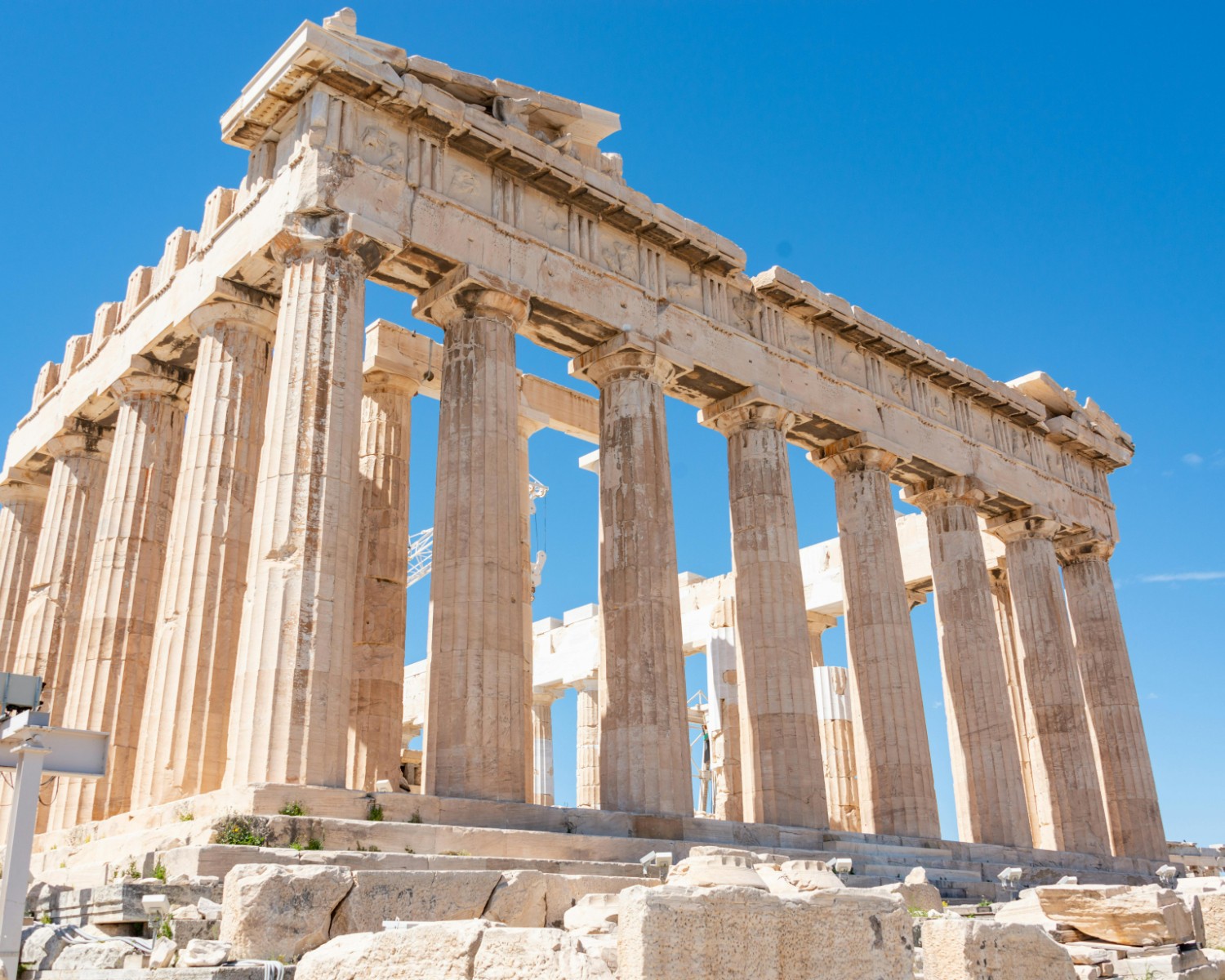
Evening illumination of Parthenon creating magical atmosphere
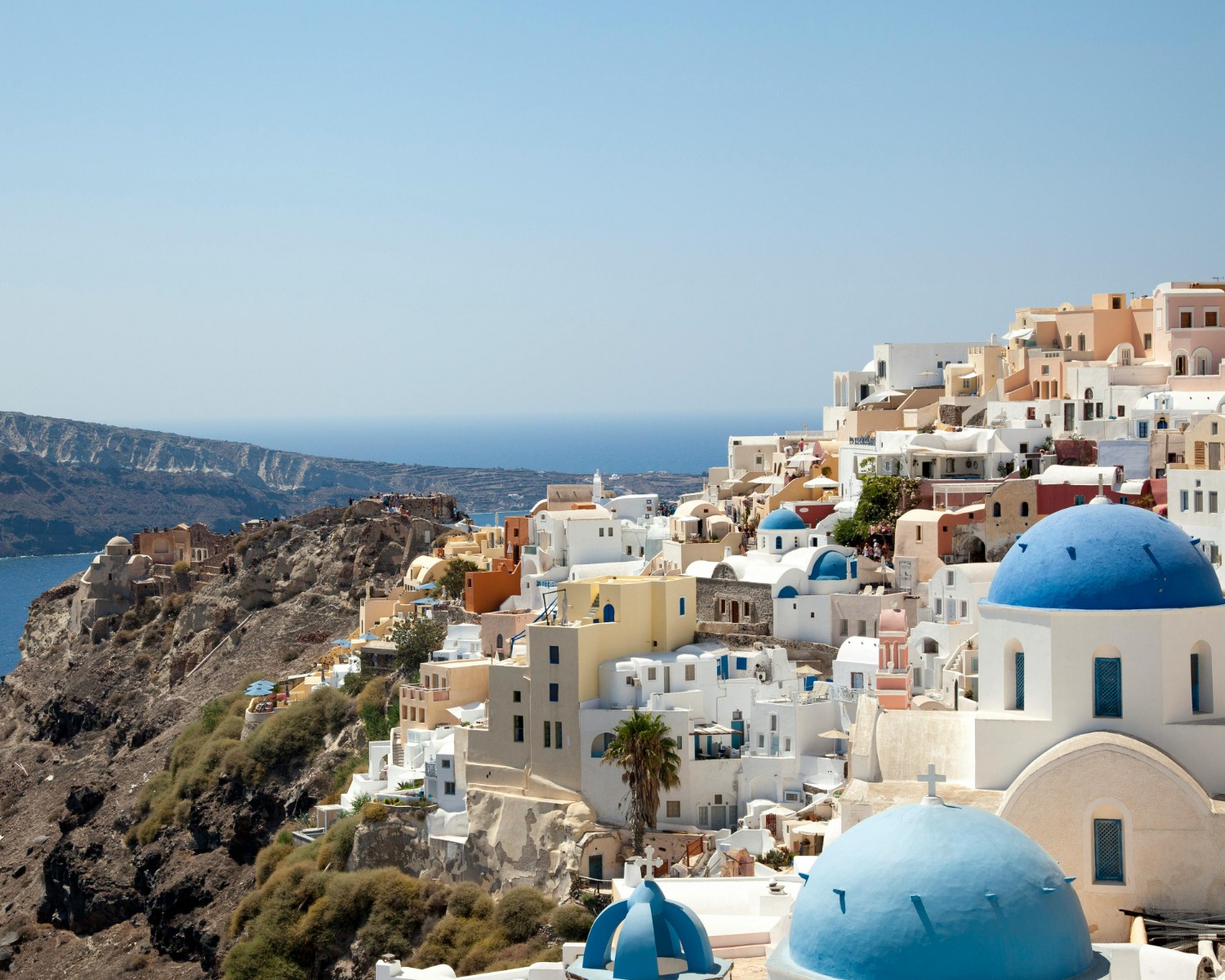
Legendary Santorini sunset over the caldera
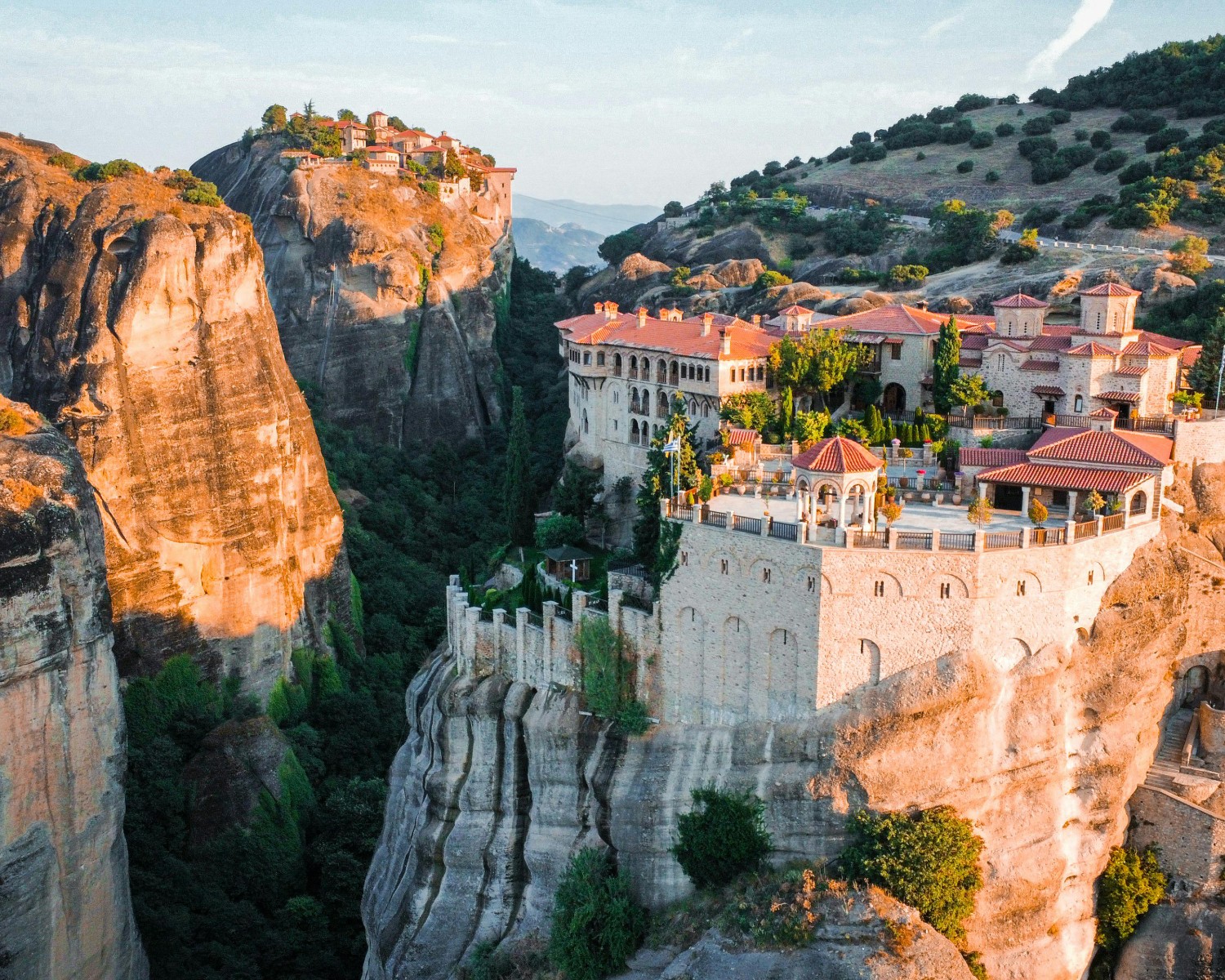
Monasteries impossibly balanced atop Meteora rock pillars
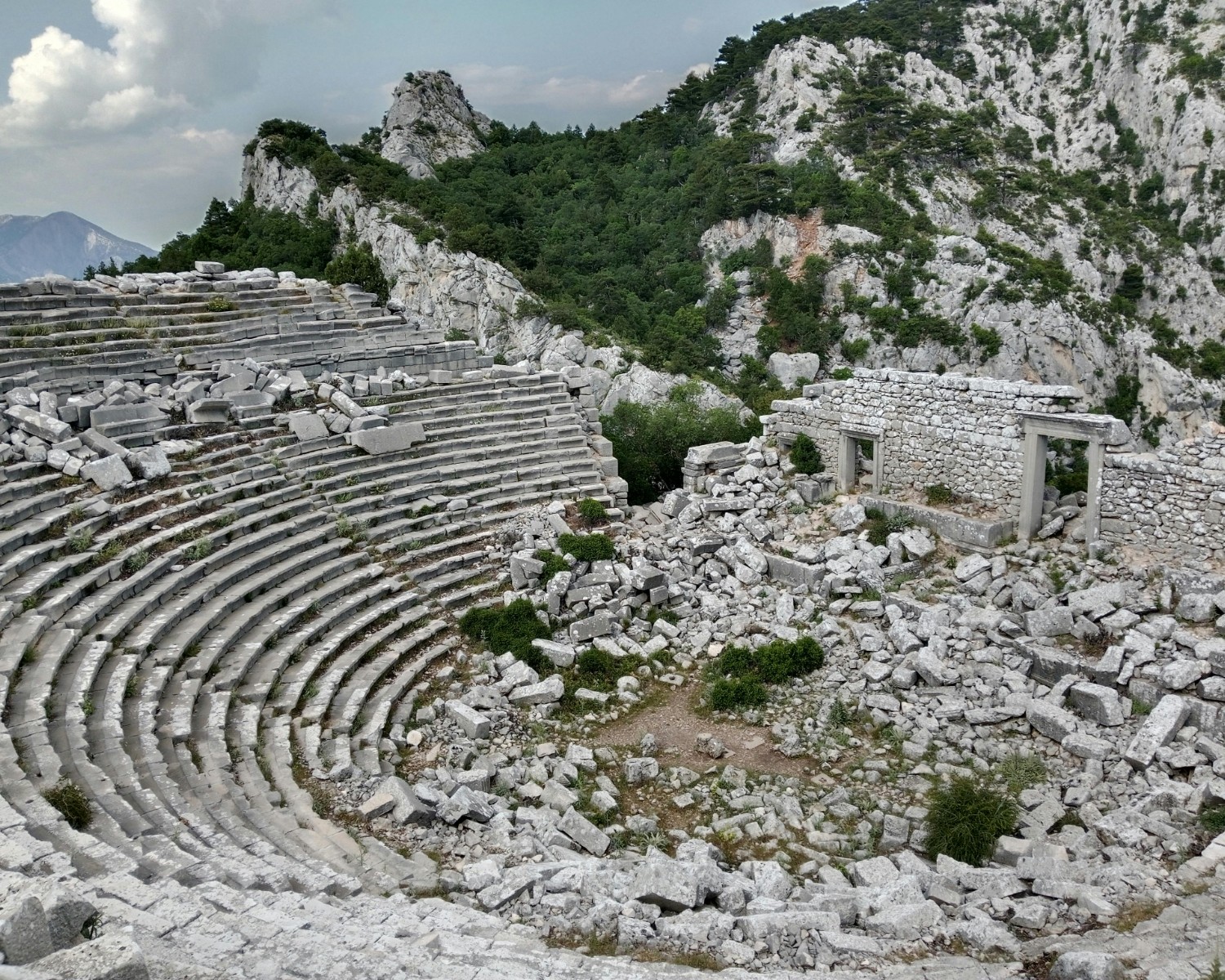
Ancient theater and Mount Parnassus landscape
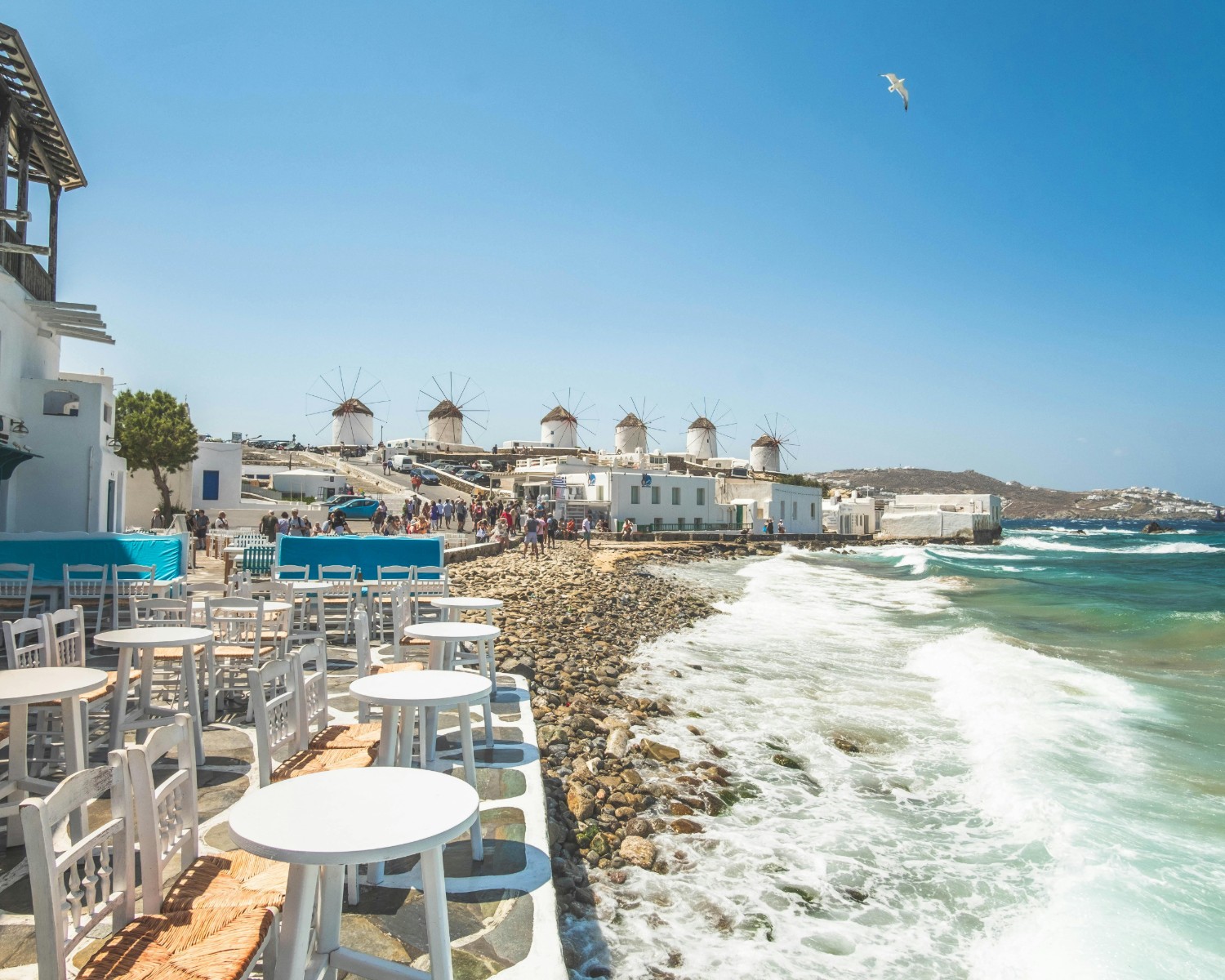
Mykonos beaches with turquoise Aegean waters
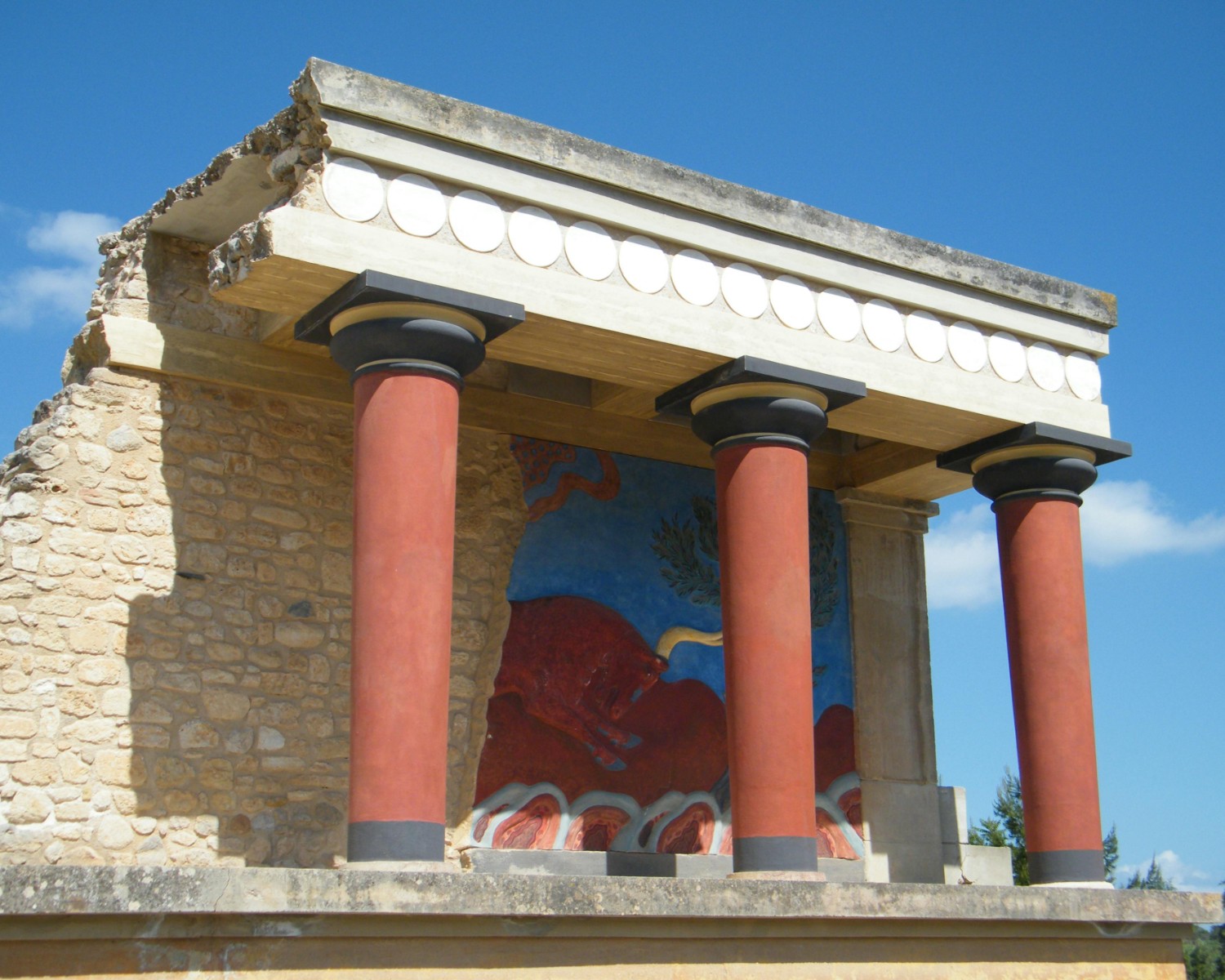
Knossos Palace—ancient Minoan sophistication
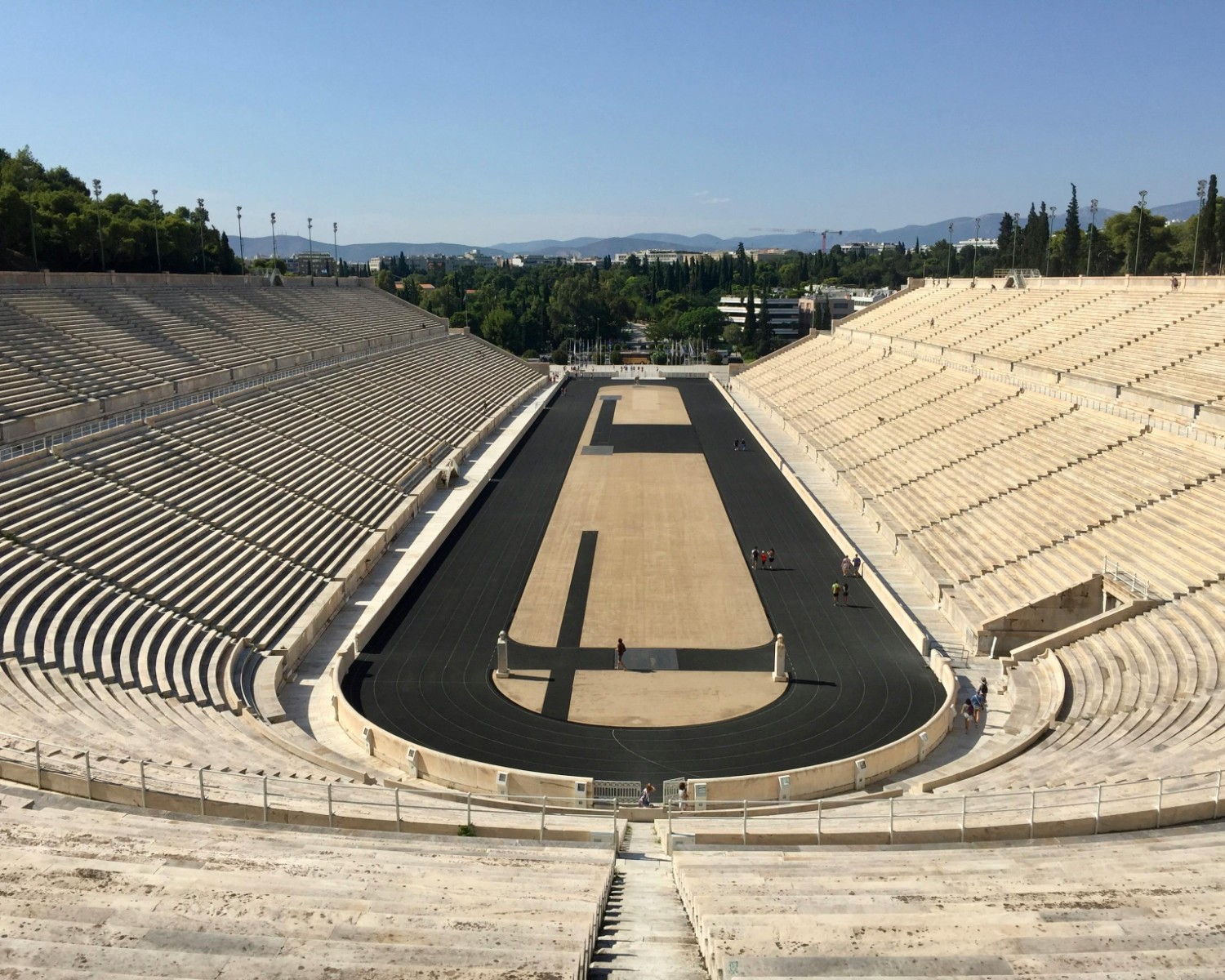
Ancient Olympic stadium—2,800 year history
Guest Stories
Join 25,000+ happy travelers who explored Greece with us.
You Might Also Like
Discover more incredible destinations and experiences tailored for you