
Himachal Pradesh
Breathtaking mountain escapes across Himachal. Immerse in snow capped peaks, scenic valleys, and colonial-era hill towns.
About Himachal Pradesh
Where snow-capped peaks meet verdant valleys, ancient temples embrace modernity, and adventure thrives in the lap of the Himalayas.
Himachal Pradesh—'Land of Gods'—spans 4,000 years of history: ancient Hindu kingdoms, Buddhist monasteries, colonial hill stations, and modern adventure tourism. Many travelers choose Himachal Pradesh tour packages to explore how mountain valleys have preserved tribal traditions, Sanskrit learning centers, and pilgrimage sites. Today, British-era architecture coexists with contemporary Himalayan culture, offering a unique glimpse into India's vibrant past and present.
Why Choose Himachal Pradesh?
Ancient Hindu Temples & Sacred Pilgrimage
Himachal Pradesh—'Devbhumi' (land of gods)—hosts 3,000+ temples; 10 major pilgrimage sites. Kangra Devi Temple (120 AD), Baijnath Temple (1204), Hadimba Temple (Manali, 16th century) architectural marvels. Buddhist monasteries: Tabo Monastery (10th century, world's oldest continuously functioning monastery). Sacred geography: belief system sanctifies landscape. Pilgrimage integral to Himachali identity.
Pahari Painting School & Classical Arts
Kangra painting style (18th–19th century) UNESCO-recognized classical art form. Miniature paintings: intricate detail, Persian-Hindu fusion, romantic themes. Masters: artists preserved in royal courts (Kangra, Chamba). Handicrafts: wooden artifacts, woolens, shawls handcrafted. Classical music centers: Ravi Shankar's guru studied in Himachal. Arts = integral identity, tourist attraction.
Adventure Tourism & Outdoor Capital
Himachal transformed into adventure paradise (last 30 years): trekking (350+ routes), mountaineering (Kinnaur peaks), skiing (Auli), paragliding (Bir-Billing world's best), white-water rafting, rock climbing, mountain biking. Young adventure culture; international competitions hosted. Eco-tourism emphasis; sustainable practices promoted. Adventure = modern economic driver.
Himalayan Geography & Biodiversity Hotspot
Himachal contains diverse ecosystems: subtropical foothills (600m) to alpine peaks (6,000m+). 31% forest cover; endemic species (Himalayan musk deer, snow leopard, red panda). 2,000+ medicinal plant species. Sacred groves (traditional conservation model): Kinnaur sacred forests, tribal forest management. Biodiversity conservation = economic, cultural, ecological significance.
Must-Experience Attractions
Himachal Pradesh Tour Packages
Himachal packages with Bayard start at ₹15,000 per person and run to ₹40,000 for an eleven-day circuit. Shimla’s colonial ridge, Manali and the Solang valley, Dharamshala and McLeodganj’s Tibetan quarter, and if you have the days Spiti’s high desert.
One thing to understand before you plan. Himachal is a road-time destination. Shimla to Manali is seven to eight hours of mountain driving, Delhi to Manali is twelve to fourteen, and Rohtang Pass needs a permit that is capped daily and not issued at all on Tuesdays. Getting these right is most of what makes a Himachal trip good rather than exhausting.
Below: honest driving times, how the permits work, which route into Spiti is open when, and what the monsoon does to the roads.
Get a Himachal quote →
Himachal trip at a glance
Field | Detail |
Ideal duration | 4–5 days for Manali or Shimla alone; 6–7 days for Shimla, Kullu and Manali together; 8–11 days to add Dharamshala, Dalhousie and Amritsar; 7–10 days for Spiti |
Cost | ₹15,000–₹40,000 per person on our packages, land only |
Best season | April–June and September–November for the hill stations. December–February for snow. July–August is monsoon — see the seasonal section |
Entry | Domestic. A valid government photo ID is all Indian travellers need |
Rohtang Pass | Needs an online permit, around ₹550. Daily cap of 1,200 vehicles. Closed every Tuesday. Vehicles over ten years old not accepted |
Getting there | Fly to Delhi or Chandigarh, then road. Bhuntar (Kullu-Manali) and Gaggal (Kangra) airports can cut 8–10 hours of driving |
Road times | Chandigarh–Shimla 3.5h; Chandigarh–Manali 8–9h; Shimla–Manali 7–8h; Delhi–Manali 12–14h. These matter more than anything else on this page |
Road times: the thing that decides whether your trip works
Himachal looks compact on a map and drives slowly. The roads wind, they climb, and in season they are busy. Almost every disappointing Himachal trip is a trip with too many towns in it.
Route | Approx. driving time | What it means |
Chandigarh to Shimla | About 3.5 hours | Comfortable. The standard way in to the Shimla side |
Chandigarh to Manali | About 8–9 hours | A full travel day |
Delhi to Manali | About 12–14 hours | Usually done overnight. Not a morning drive |
Shimla to Manali | About 7–8 hours | The leg most itineraries underestimate |
Manali to Dharamshala | About 7–8 hours | Another full day |
Dharamshala to Dalhousie | About 4–5 hours | Manageable |
The honest conclusion: a five-day trip does Shimla or Manali properly, not both. Six or seven nights does both without living in the car. Anything covering Shimla, Manali, Dharamshala and Dalhousie needs nine nights or more, which is why our full circuit is eleven days.
A practical note: these are winding mountain roads and motion sickness is common, particularly with children and older travellers. Tell us who is travelling and we will break the long legs, plan the stops and seat people accordingly.
Permits: Rohtang, the Atal Tunnel, and which one you need
You need no permits at all for Shimla, Kullu, Manali, Dharamshala, McLeodganj or Dalhousie - a photo ID is enough. Rohtang is the exception, and it is the one people get wrong.
Rohtang Pass
• An online permit is required, applied for through the Kullu district portal. There is no arrangement at the pass on the day.
• Cost is around ₹550 for a car, jeep or motorcycle — a ₹500 permit plus a ₹50 congestion charge. Buses are around ₹600.
• There is a daily cap of 1,200 tourist permits — 800 petrol and 400 diesel — enforced under National Green Tribunal orders. They sell out on May, June and October weekends.
• Rohtang is closed to all tourist vehicles every Tuesday for maintenance, and no permits are issued for that day at all.
• Vehicles more than ten years old are not accepted.
• The pass is closed through winter for snow clearance and reopens when the road is cleared — in 2026 that was 17 May. The date moves every year.
The Atal Tunnel — the alternative most people do not know about
The Atal Tunnel runs beneath the Rohtang massif and reaches the Lahaul valley without crossing the pass. It needs no Rohtang permit, saves three to four hours, and stays open through the winter months when Rohtang itself is closed. Since it opened in 2020 it has changed how this region is travelled.
If your goal is Sissu, Keylong, Spiti or Leh, the tunnel is the sensible route. If your goal is the Rohtang experience itself — the snow walls, the summit, the view — then it is the pass, and you need the permit.
One thing worth knowing: entering Lahaul-Spiti through the tunnel runs on a separate e-permit system from the Rohtang sightseeing permit. Booking the wrong one is reportedly the most common permit mistake made here, and people discover it at the barrier. We handle both.
Foreign nationals
Indian travellers need no permit for Spiti or Kinnaur. Foreign nationals need a Protected Area Permit for the restricted zones around Kaza, Tabo and the border areas, obtained before entering. Tell us if anyone in your group holds a foreign passport.
Our Himachal packages
Package | Duration | Route | Price (per person) |
Explore the Beauty of Haven | 4D / 3N | Manali, via Chandigarh | ₹15,000 |
Shimla, Kullu & Manali | 6D / 5N | Shimla, Kullu, Manali, via Chandigarh | ₹20,000 |
Amritsar, Dalhousie & Dharamshala | 5D / 4N | Amritsar, Dalhousie, Dharamshala | ₹21,000 |
Amritsar, Manali & Shimla | 7D / 6N | Amritsar, Manali, Shimla | ₹30,000 |
The Full Circuit | 11D / 10N | Shimla, Manali, Dharamshala, Dalhousie, Amritsar | ₹40,000 |
What moves the price
• Hotel category, and location within the towns. In Manali and Shimla, walking distance to the Mall carries a premium and is usually worth it.
• How many towns. Each additional base means a driving day, and driving days are the real cost of a Himachal itinerary.
• Season. April to June and the December snow weeks are peak. September and October are noticeably better value for very similar weather.
• Whether adventure activities paragliding, rafting, zorbing, ski hire are bundled or paid locally.
• Whether airfare to Delhi or Chandigarh is included.
Get a fixed quote for your dates →
Himachal with Amritsar: the circuit most people do not think of
Three of our five Himachal itineraries begin or end in Amritsar, and it is a genuinely good pairing that few travellers consider until someone suggests it.
Amritsar sits on the natural road route into the Dharamshala and Dalhousie side of Himachal, and it adds something the hill stations cannot: the Golden Temple, which is worth the journey on its own, particularly at dawn or after dark; Jallianwala Bagh; and the Wagah border ceremony in the evening.
It suits a slightly different traveller from the Shimla–Manali honeymoon crowd — families, older couples, and anyone who wants the trip to have some weight to it as well as scenery. If that sounds like your group, the five-day Amritsar–Dalhousie–Dharamshala route is the place to start.
Explore the Amritsar circuit →
Spiti: which route, and when
Spiti is the most rewarding trip in Himachal and the one with the most constraints. Two things decide whether it is possible on your dates.
Which route
• From Manali, over Kunzum Pass. Shorter and more dramatic, and a summer-only road it is under snow for a good part of the year and opens late.
• From Shimla, through Narkanda, Rampur, Reckong Peo and Kinnaur. Longer, but open far more of the year, and it is the winter entry to Spiti. It also gains altitude more gradually, which matters.
• The classic answer, when the season allows, is in from Shimla and out through Manali you gain height slowly and come down the dramatic side.
Altitude
Kaza sits at around 3,800 metres and Kunzum La at roughly 4,590. That is real altitude, and coming up quickly from Manali is how people get altitude sickness. We build acclimatisation into Spiti itineraries as standard — usually a night at a middle elevation before going high — and we would rather add a day than have someone spend three of them feeling ill.
Chandra Tal
The lake is accessible for a narrower window than the road itself, and the season varies year to year. If it is the reason you are going, tell us and we will confirm access for your dates before you book anything.
When to go
Months | What it’s like | Verdict |
April–June | Warm days, clear skies, everything open. Rohtang typically opens mid-May. Peak season for families and honeymooners, so busy and pricier | The main window. Book Rohtang permits well ahead for weekends |
July–August | Monsoon. Landslides and road closures are a real risk, particularly on the Manali, Kinnaur and Spiti roads. Green, quiet and cheap | We would steer most travellers away. See the note below |
September–November | Clear air, autumn colour, comfortable roads and far fewer people. Our usual recommendation | The best value window, with much of the same weather as May |
December–February | Snow in Shimla, Manali and Solang, and the winter-sports season. Higher passes closed; the Atal Tunnel keeps Lahaul reachable | For snow. Manageable roads on the main routes, with delays after heavy falls |
An honest note on the monsoon
July and August in Himachal carry a genuine landslide and road-closure risk, and it affects the routes this page sells the roads to Manali, into Kinnaur and towards Spiti most of all. Closures can last hours or days and they are not predictable.
Himachal in the rain is beautiful and very cheap, and plenty of people have good trips in it. But if you are travelling with children or older parents, or on fixed return dates, we will suggest a different month rather than sell you the risk quietly.
Shimla
The Ridge, Mall Road, Christ Church and the Viceregal Lodge British India’s summer capital from 1864 to 1947, and it still looks the part. Kufri and Fagu are the easy day trips. The Kalka–Shimla railway that gets you there is a UNESCO World Heritage Site, part of the Mountain Railways of India, and the journey is genuinely one of the best things about a Shimla trip seats are limited in season and we book them ahead.
Manali, Kullu and Solang
The Hadimba temple among the deodars, Vashisht’s hot springs, the cafés of Old Manali, and the Solang valley for paragliding, zorbing and winter snow. Kullu adds the river valley and the rafting. This is the adventure end of Himachal and the reason most first-time visitors come.
Dharamshala and McLeodganj
The seat of the Tibetan government-in-exile and the Dalai Lama’s residence, with the Tsuglagkhang complex, Namgyal Monastery, Bhagsu Nag and Bhagsu waterfall. Slower, greener and more contemplative than Manali, with the Dhauladhar range directly overhead. The cricket stadium is worth seeing even if you do not follow the game.
Dalhousie and Khajjiar
Colonial-era Dalhousie, founded in 1854, and Khajjiar’s meadow ringed by deodar forest often called India’s Switzerland, which is overselling it slightly and it is still lovely. Quieter than Shimla and easier with older travellers.
Bir Billing
One of the best paragliding sites in the world, and host of the Paragliding World Cup. Tandem flights run twenty to thirty minutes over the Kangra valley with the Dhauladhar behind. The season is roughly October to June, weather permitting, and it is not something to leave to the day.
Spiti and Lahaul
High desert, thousand-year-old monasteries at Tabo and Key, villages at Kibber and Hikkim, and Chandra Tal. Completely different from the rest of Himachal — no forests, no hill stations, just rock and sky. Seven to ten days, and see the route and altitude notes above.
Practical notes
Getting there from South India
Most Himachal trips route through Delhi or Chandigarh and then go by road. From Chandigarh, Shimla is three and a half hours and Manali eight to nine. From Delhi, Manali is twelve to fourteen, usually done overnight.
There is another option worth asking about: Himachal has its own airports at Bhuntar for Kullu-Manali and Gaggal for Kangra and Dharamshala. Connecting onward to either removes eight to ten hours of mountain road from each end of your trip. They are small, weather-sensitive airports and delays happen, so we will tell you honestly whether it is the right call for your dates.
Health and comfort
The mountain roads are winding and motion sickness is common. Carry what you normally would, sit forward in the vehicle, and tell us if anyone in the group is prone to it so we can plan the long legs sensibly. If your trip goes above 3,000 metres — Rohtang, Lahaul, Spiti — take the altitude seriously: go up slowly, drink water, and do not push through a headache.
Weather and clothing
Himachal is colder than most South Indian travellers expect, at every time of year. Evenings in Shimla and Manali are cool even in June, and Solang and Rohtang are genuinely cold. Layers, a proper jacket and closed shoes make more difference to the trip than almost anything else.
Food
Straightforward for vegetarians, with good North Indian food everywhere and Tibetan food around McLeodganj that is worth seeking out. South Indian food is available in the bigger towns but not reliably in the smaller ones — tell us if it matters and we will plan around it.
Common mistakes to avoid
• Planning Rohtang for a Tuesday. The pass is closed to tourist vehicles and no permits are issued.
• Assuming a Rohtang permit can be arranged on the day. It is online, capped at 1,200 vehicles daily, and sells out on peak weekends.
• Booking a vehicle more than ten years old for a Rohtang trip.
• Confusing the Rohtang sightseeing permit with the separate permit for the Atal Tunnel and Lahaul-Spiti.
• Planning Spiti from Manali outside the summer window, when Kunzum Pass is closed.
• Gaining altitude too fast on a Spiti itinerary.
• Fitting Shimla, Manali and Dharamshala into five days. That is roughly twenty hours of driving.
• Travelling in July or August on fixed return dates without allowing for road closures.
What’s included in a Bayard Himachal package
Included | Not included |
Hotel stays in Shimla, Manali, Dharamshala, Dalhousie, Amritsar or Kaza as your itinerary requires | Airfare to Delhi or Chandigarh, unless specifically bundled |
Daily breakfast, with some meals included depending on the package | Rohtang and Lahaul-Spiti permits where not specified — ask us, and we will book them |
All road transfers between towns, with driving legs paced sensibly | Optional adventure activities: paragliding, rafting, zorbing, ski hire |
Local sightseeing as listed in your itinerary | Kalka–Shimla toy train tickets unless specifically included |
On-trip assistance and a local contact number | Meals outside your plan, shopping, tips and personal expenses |
Why book Himachal with Bayard Vacations
• We handle the Rohtang permit — capped at 1,200 vehicles a day, sold online only, and not issued on Tuesdays. We also know when the tunnel is the better answer.
• We quote real driving hours rather than listing towns. Shimla to Manali is seven to eight hours and we will say so before you book, not after.
• Spiti planned around which route is actually open on your dates, with acclimatisation built in rather than bolted on.
• Honest seasonal advice, including telling you when July travel is a bad idea for your group.
• The Amritsar circuit, if the Golden Temple and Wagah appeal alongside the hills — three of our five itineraries include it.
• Prices that compare well. Our four-day trip is ₹15,000 and our eleven-day circuit ₹40,000, both comfortably below typical market rates for the same durations.
Talk to us about Himachal →
Himachal package FAQs
Do I need a permit for Rohtang Pass?
Yes. Rohtang requires an online permit obtained through the Kullu district portal around ₹550 for a car or motorcycle, ₹600 for a bus. There is no arrangement at the pass on the day. We book it as part of your package.
Is Rohtang Pass really closed on Tuesdays?
Yes. It is closed to all tourist vehicles every Tuesday for maintenance and no permits are issued for that day at all. It is a fixed rule, not a weather call, and it catches a lot of people out. We plan around it.
Can I just get a Rohtang permit on the day?
No. Permits are online only and capped at 1,200 vehicles a day 800 petrol and 400 diesel under National Green Tribunal orders. They sell out on May, June and October weekends. Vehicles more than ten years old are not accepted either.
When does Rohtang Pass open?
After the winter snow is cleared, usually some time in May in 2026 it was 17 May. The date moves every year and depends on snowfall. If Rohtang matters to your trip, ask us before fixing your dates.
What is the Atal Tunnel and do I need it?
It runs beneath the Rohtang massif and reaches the Lahaul valley without crossing the pass no Rohtang permit needed, three to four hours saved, and open through winter when the pass is not. If your goal is Sissu, Keylong, Spiti or Leh, take the tunnel. If your goal is Rohtang itself, take the pass. Note the tunnel route uses a separate permit system for Lahaul-Spiti entry, and booking the wrong one is a common mistake.
How long is the drive from Shimla to Manali?
Seven to eight hours on a winding mountain road. Chandigarh to Shimla is about three and a half, Chandigarh to Manali eight to nine, and Delhi to Manali twelve to fourteen. These times are the single most important thing to plan a Himachal trip around.
How many days do I need in Himachal?
Four or five for Manali or Shimla properly, not both. Six or seven for Shimla, Kullu and Manali together. Nine or more to add Dharamshala and Dalhousie our full circuit is eleven days. Seven to ten for Spiti.
When is the best time to visit Himachal?
April to June and September to November for the hill stations, with September and October the better value of the two. December to February for snow. July and August are monsoon and carry real landslide and road-closure risk.
Is it safe to travel in the monsoon?
Himachal in July and August carries genuine landslide and road-closure risk, particularly on the routes to Manali, Kinnaur and Spiti. Closures can last hours or days. It is beautiful and cheap, and plenty of people have good trips but if you have children, older parents or fixed return dates, we will suggest another month.
When can I visit Spiti?
It depends on the route. From Manali over Kunzum Pass is a summer-only road. From Shimla through Kinnaur is open far longer and is the winter entry. The classic plan, in season, is in from Shimla and out via Manali. Tell us your dates and we will tell you which is open.
Do I need to worry about altitude in Spiti?
Yes. Kaza is around 3,800 metres and Kunzum La about 4,590. Coming up quickly from Manali is how people get altitude sickness. We build acclimatisation into Spiti itineraries as standard — a night at middle elevation before going high.
Are there airports in Himachal?
Three Bhuntar for Kullu-Manali, Gaggal for Kangra and Dharamshala, and Jubbarhatti for Shimla. Connecting to Bhuntar or Gaggal removes eight to ten hours of road at each end. They are small and weather-sensitive, so we will advise honestly whether it suits your dates.
Why do some of your Himachal packages include Amritsar?
Because it works. Amritsar sits on the natural road route into the Dharamshala and Dalhousie side, and it adds the Golden Temple, Jallianwala Bagh and the Wagah ceremony to a hill trip. Three of our five itineraries include it, and it suits families and older travellers particularly well.
Is the Kalka–Shimla toy train worth doing?
Yes. It is a UNESCO World Heritage Site as part of the Mountain Railways of India, the journey takes around five hours through 100-plus tunnels, and it is one of the best parts of a Shimla trip. Seats are limited in season, so we book ahead.
What is included in a Bayard Himachal package?
Hotels, daily breakfast with some meals depending on the package, all road transfers with the driving legs sensibly paced, local sightseeing as listed, and on-trip support. Airfare, optional adventure activities, toy train tickets unless specified and personal expenses are separate. Ask us about Rohtang permits and we will book them.
Planning a Himachal trip?
Tell us your dates, your city and who is travelling. We’ll tell you honestly how many towns your days can carry, sort the permits, and let you know if Rohtang is open when you want to go.
Enquire now · WhatsApp · Call
Himachal Pradesh Packages


Signature Collections
Handpicked signatures and top-rated escapes in Himachal Pradesh

We Are Bayard Vacations
Not just another travel company. We're dreamweavers, adventure architects, and memory makers.
Explore

Meet Bayard Buddy – Advanced AI Chatbot for Everyday Help
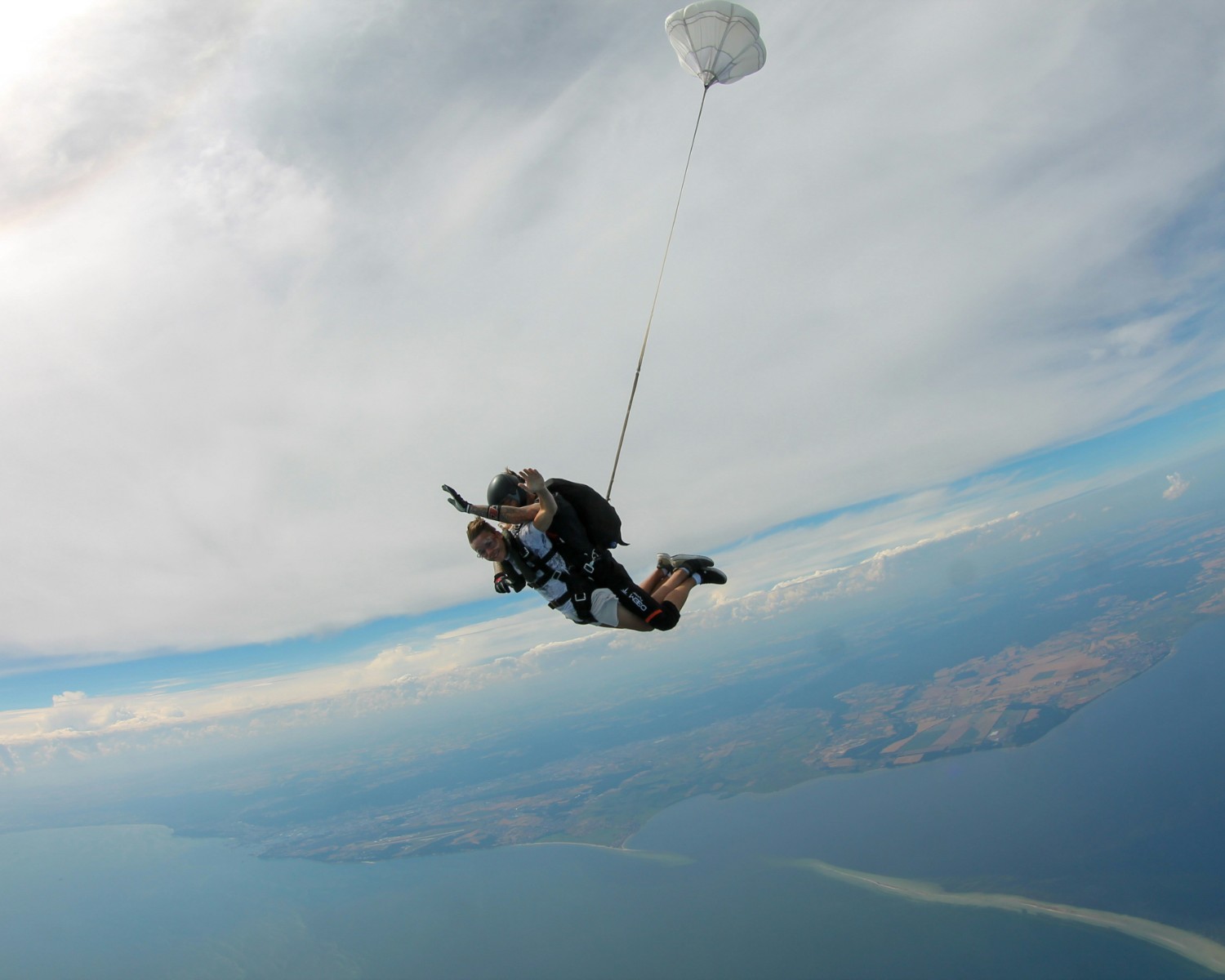
Tandem paraglider soaring over Kangra Valley with Dhauladhar range backdrop
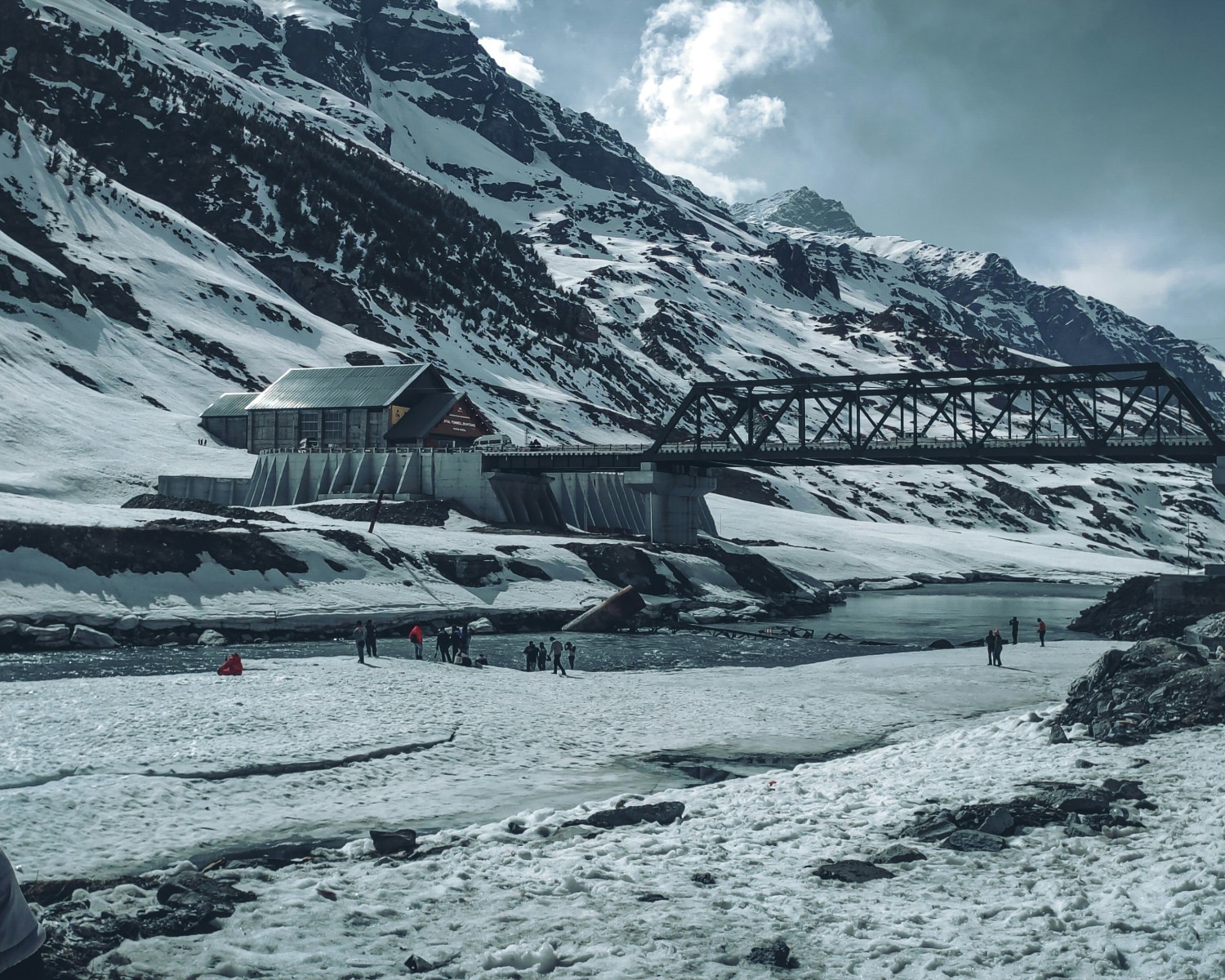
Manali's snow-covered landscape with Himalayan peaks backdrop
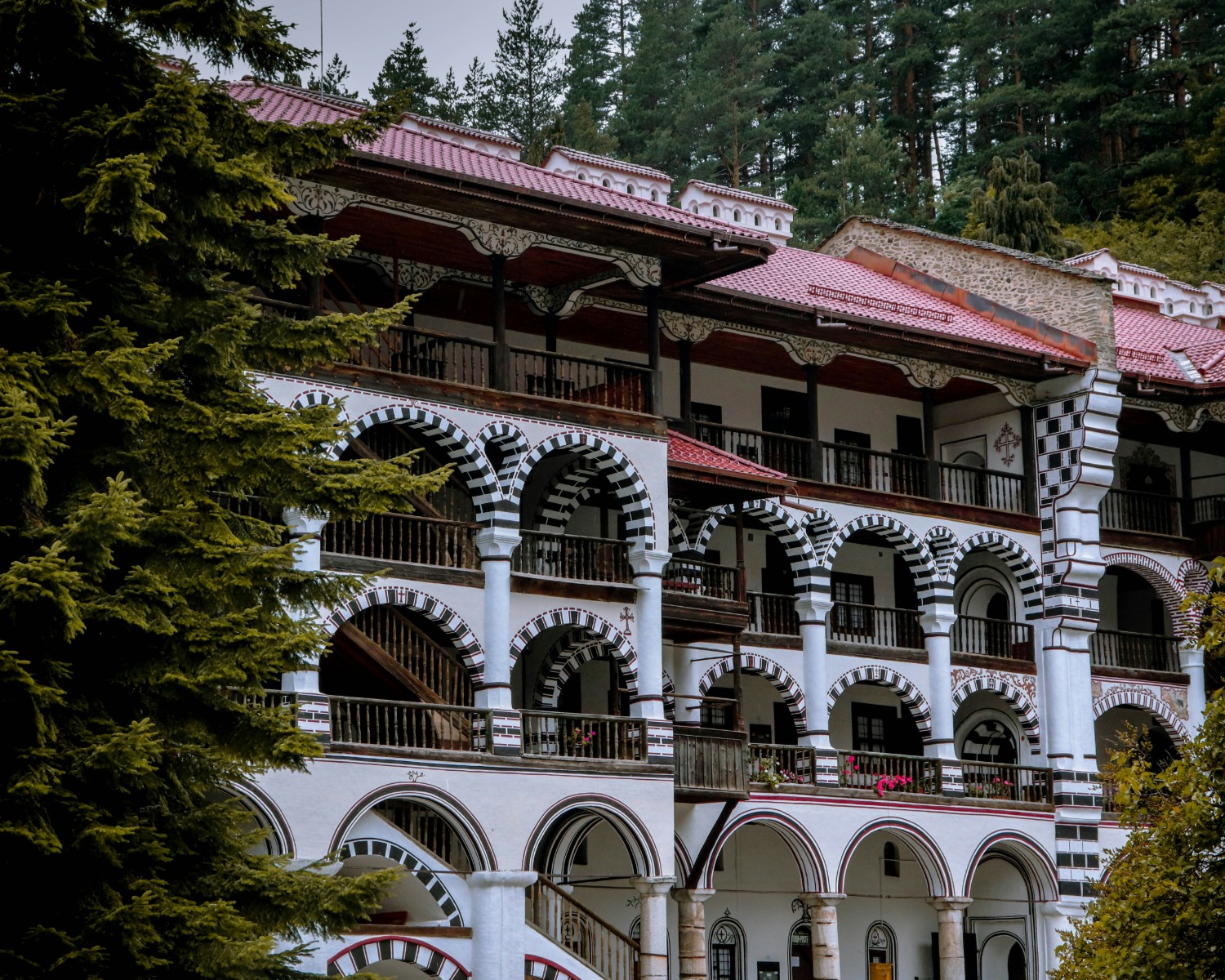
Shimla's Ridge with panoramic Himalayan valley views
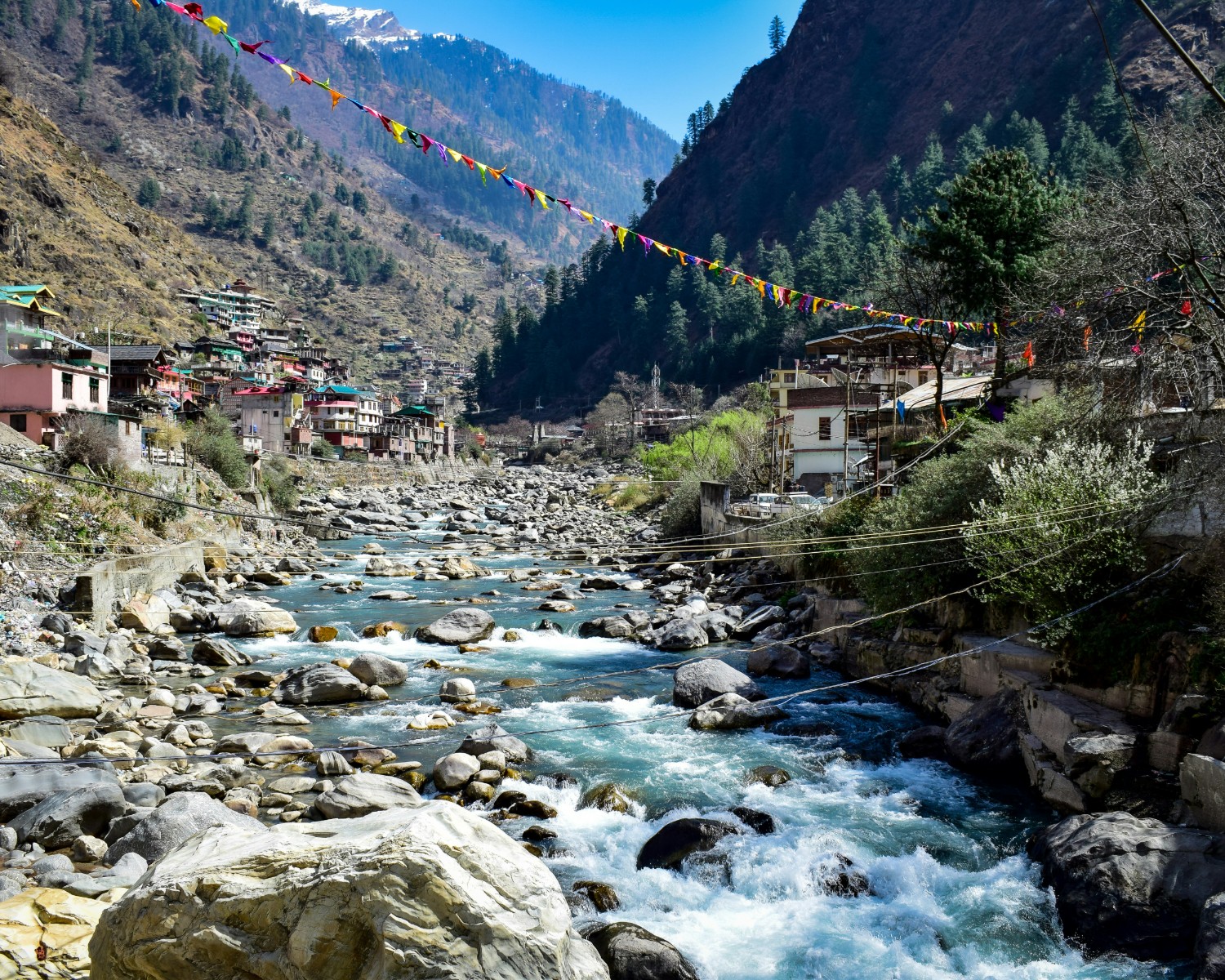
Kasol village cafe culture and backpacker community
Travel Stories & Tips
Get inspired for your next adventure to Himachal Pradesh


.png&w=2560&q=75)


.png&w=2560&q=75)
Guest Stories
Join 25,000+ happy travelers who explored Himachal Pradesh with us.
You Might Also Like
Discover more incredible destinations and experiences tailored for you