
Malaysia
Experience city heights and tropical islands in Malaysia. Find diverse tour packages that highlight Southeast Asia's culinary capitals, theme parks, and island retreats.
About Malaysia
A multicultural melting pot where ancient temples meet gleaming skyscrapers, diverse cuisines blend seamlessly, and nature thrives in rainforests and island paradises.
Malaysia’s rich history weaves together ancient kingdoms, colonial rule, and a remarkable post-independence transformation. From early tin-mining settlements to the gleaming Petronas Twin Towers in Kuala Lumpur, the nation has evolved into a prosperous, multicultural destination that seamlessly bridges East and West—making it one of the best cultural tourism destinations and fast-growing economies in Southeast Asia.
Why Choose Malaysia?
Melting Pot of Cultures
Malaysia's true strength lies in its multicultural fabric. Malays, Chinese, Indians, and indigenous groups coexist, each bringing distinct traditions, languages, cuisines, and festivals. This diversity—evident in street food hawker centers where Malay satay stalls sit beside Chinese noodle vendors and Indian mamak restaurants—defines Malaysia's identity.
Trade & Prosperity
Positioned on crucial maritime trade routes since antiquity, Malaysia has always been a meeting point for commerce. The Malacca Sultanate dominated Southeast Asian trade; British colonial rule brought tin and rubber booms; today, Malaysia is a major palm oil, electronics, and petrochemical exporter, driving regional prosperity.
Islamic Heritage & Religious Harmony
Islam is the official religion and central to Malay-Muslim identity, yet Malaysia practises constitutional religious pluralism. Stunning mosques like the Blue Mosque stand alongside Hindu temples, Buddhist shrines, and Christian churches—all respected and protected, creating a unique model of religious coexistence in a Muslim-majority nation.
The Petronas Vision
The 1998 Petronas Twin Towers represented Malaysia's boldest aspiration—to rank among world-class modern nations. For eight years, they were Earth's tallest buildings. They symbolize Malaysian ambition, engineering prowess, and determination to merge Islamic values with contemporary modernity—two 88-story steel-and-glass icons soaring above Kuala Lumpur's skyline.
Must-Experience Attractions
Malaysia Tour Packages from India
A Malaysia tour package from India costs roughly ₹25,000 to ₹45,000 per person for a 4–5 night land-only trip, or ₹45,000 to ₹75,000 per person with return flights included. That makes it one of the best-value international holidays reachable from India, and the cheapest of the popular Southeast Asian destinations for a family.
Indians currently travel to Malaysia visa-free for up to 30 days — no fee, no application, just the free Malaysia Digital Arrival Card filed before you fly. Most travellers pick one of three routes: Kuala Lumpur with Genting Highlands for a short family trip, Kuala Lumpur with Langkawi for a beach holiday, or a longer route that adds Penang. Bayard Vacations builds all of them from Bengaluru, Chennai, Hyderabad, Delhi, Mumbai, Kochi and Kolkata.
Malaysia trip at a glance
Ideal duration | 4–5 nights for Kuala Lumpur and Genting; 5–6 nights adding Langkawi; 6–7 nights for a KL–Penang–Langkawi route |
Cost from India | ₹25,000–₹45,000 per person land-only; ₹45,000–₹75,000 per person with flights |
Best season | November to March for the west coast — Kuala Lumpur, Langkawi and Penang |
Visa for Indians | Visa-free for up to 30 days, currently until 31 December 2026. Malaysia Digital Arrival Card required before arrival |
Flight time | About 4h from Chennai and Kolkata, 4h 15m from Bengaluru, 4h 30m from Hyderabad, 5h 15m from Mumbai, 5h 30m from Delhi |
Main entry airport | Kuala Lumpur International Airport (KUL), with terminals KLIA1 and KLIA2 |
Best for | Families, couples, honeymooners, first-time international travellers, groups |
Currency | Malaysian Ringgit (MYR). Cards widely accepted; carry cash for hawker stalls and night markets |
Is Malaysia visa-free for Indians in 2026?
Yes. Indian passport holders can enter Malaysia without a visa for tourism and social visits, for a stay of up to 30 days per entry. There is no fee and no application to file in advance. What you do need is the free Malaysia Digital Arrival Card (MDAC), submitted online before you travel.
The date every Indian traveller should know
The visa exemption for Indian nationals currently runs to 31 December 2026. It has been extended twice already — the scheme began in December 2023, lapsed at the end of 2024, and was renewed. But it remains a fixed-term arrangement rather than a permanent policy.
Worth knowing, because most pages do not mention it: when Malaysia renewed the scheme in 2025, Chinese nationals received a five-year extension while Indian nationals received an extension only to the end of 2026. No further extension for India has been announced at the time of writing.
In practice this means two things. If you are planning a Malaysia trip for 2026, the visa-free position is settled and you can book with confidence. If you are planning for 2027, check the position before you commit to non-refundable bookings — and we will check it for you at the time of quoting. Malaysia has renewed the scheme each time it has come up, and Visit Malaysia 2026 gives the government a strong reason to keep going, but a renewal that has not happened yet is not a renewal.
The Malaysia Digital Arrival Card (MDAC)
Visa-free does not mean requirement-free. Every traveller must submit the MDAC online, free of charge, and the submission window is the three days immediately before your arrival — not earlier. Filing it a week ahead does not work, which is the mistake most travellers make. You will need your passport details, flight number and Malaysian accommodation address.
Save the confirmation to your phone. Immigration officers at KLIA check it, and arriving without it means completing the form at the counter while the queue builds behind you. Bayard sends every traveller the link, the accommodation address they will need, and a reminder timed to open the three-day window.
What you need to carry
• Passport valid for at least 6 months from your date of arrival
• Confirmed return or onward air ticket
• Hotel booking confirmation for your stay
• Malaysia Digital Arrival Card, submitted within the three days before arrival
• Proof of sufficient funds — officers can ask, and on the visa-free route they sometimes do
The visa exemption covers tourism, social visits, business meetings and conferences. Work and study still require the appropriate visa, and the 30-day Social Visit Pass issued on arrival cannot be extended inside Malaysia.
Malaysia tour package cost from India
A 4–5 night Malaysia package costs ₹25,000 to ₹45,000 per person land-only, and ₹45,000 to ₹75,000 per person with return flights. Malaysia is genuinely the cheapest of the popular Southeast Asian destinations for Indian travellers, and the zero visa cost is part of why.
Here is what you are actually paying for, per person, on a typical 4–5 night trip:
Component | Typical range (per person) | What moves the number |
Return international flight | ₹18,000 – ₹32,000 | Chennai, Kolkata and Bengaluru are the cheapest sectors. Delhi and Mumbai run higher. Low-cost carriers make a real difference here |
Visa | ₹0 | Indians travel visa-free. Budget nothing here |
Hotels, 4–5 nights | ₹10,000 – ₹28,000 | Kuala Lumpur hotels are excellent value. Langkawi beachfront and Genting resorts cost more |
Domestic flight to Langkawi or Penang | ₹3,000 – ₹9,000 | Only needed if your itinerary leaves the KL region. Short and cheap on low-cost carriers |
Transfers and sightseeing | ₹5,000 – ₹10,000 | KL city tour, the Genting day trip, Langkawi island hopping |
Attraction tickets | ₹4,000 – ₹10,000 | Petronas Skybridge, KL Tower, Genting SkyWorlds, the Langkawi cable car |
Meals beyond breakfast | ₹700 – ₹1,800 per day | Hawker stalls and food courts at the low end, mall and hotel dining at the high end |
Ringgit cash for shopping and tips | ₹6,000 – ₹15,000 | Night markets, Central Market and Bukit Bintang. Discretionary but routinely underestimated |
Malaysia package price by travel style
Travel style | Duration | What's included | Per person, land only |
Budget | 3–4 nights | 3-star hotel, breakfast, shared transfers, KL city tour and Batu Caves | ₹22,000 – ₹32,000 |
Budget–mid | 4–5 nights | 3–4 star hotel, KL city tour, full-day Genting Highlands, some attraction tickets | ₹32,000 – ₹45,000 |
Mid-range | 5–7 nights | 4-star hotels, KL with Langkawi or Penang, domestic flight, island hopping, private transfers | ₹50,000 – ₹75,000 |
Premium / honeymoon | 6–9 nights | 4–5 star or Langkawi beachfront resort, private transfers throughout, curated experiences | ₹90,000 – ₹1,50,000+ |
Add roughly ₹18,000 to ₹32,000 per person for return flights from most Indian metros. Prices are indicative for 2026 and move with season, airfare and hotel category. Bayard quotes a fixed per-person price against your exact dates before you pay anything.
Popular Malaysia itineraries
Four routes cover almost every Malaysia booking we handle. All of them start in Kuala Lumpur, which is the only sensible entry point for an Indian itinerary.
Kuala Lumpur and Genting Highlands — 5 Nights / 6 Days
From ₹39,000 per person (land only) · Best for families and first-time visitors
The most-booked Malaysia format for Indian travellers, and the right choice for a first trip. City, culture and a hill station, with no domestic flights and one hotel.
• Day 1 — Arrive Kuala Lumpur, check in, evening at Bukit Bintang or the KLCC park fountain show
• Day 2 — KL city tour: Petronas Twin Towers and the Skybridge, Merdeka Square, the National Mosque, and Batu Caves with its 272 steps and the Lord Murugan statue
• Day 3 — Full day at Genting Highlands: the Awana SkyWay cable car, Chin Swee Caves Temple, and Genting SkyWorlds or the Skytropolis indoor theme park
• Day 4 — Free day for shopping at Suria KLCC, Pavilion and Central Market, or add KL Tower, Aquaria KLCC or a Putrajaya half-day
• Day 5 — Departure from Kuala Lumpur
Why this one works: Genting is an hour from the city, sits at around 1,800 metres so it is genuinely cool, and gives you a theme-park day without a domestic flight. For mixed-age family groups this is the easiest international itinerary we sell.
Kuala Lumpur and Langkawi — 5 Nights / 6 Days
From ₹40,000 per person (land only) · Best for couples and honeymooners
City first, then the beach. Langkawi is a duty-free island in the Andaman Sea with good resorts at prices that would not buy you the same in Phuket or Bali.
• Days 1–3 — Kuala Lumpur: city tour, Batu Caves, shopping, optional Genting day trip
• Day 4 — Short flight to Langkawi, check in at Pantai Cenang or Datai Bay
• Day 5 — Langkawi Cable Car and the Sky Bridge at Gunung Machinchang, then island hopping to Pulau Dayang Bunting and Beras Basah
• Day 6 — Mangrove tour through the Kilim Geoforest Park, or a free beach day, then departure
Honeymoon add-ons we arrange: private villas at Datai Bay or Tanjung Rhu, sunset dinner cruises, private island-hopping boats and spa days.
Worth knowing: Langkawi is duty-free, which makes it noticeably cheaper for alcohol and chocolate than the rest of Malaysia, and the flight from KL is under an hour.
Plan a Malaysia honeymoon →
Kuala Lumpur, Genting and Langkawi — 6 to 7 Days
From ₹55,000 per person (land only) · Best for families wanting the full first-time trip
The complete first Malaysia holiday: city, highlands and island in one route, without stretching the trip past a week.
• Days 1–2 — Kuala Lumpur: city tour, Batu Caves, Petronas Twin Towers, shopping
• Day 3 — Full-day Genting Highlands with the cable car and theme park
• Day 4 — Fly to Langkawi, afternoon at Pantai Cenang
• Days 5–6 — Langkawi Cable Car and Sky Bridge, island hopping, mangrove tour, beach time
• Day 7 — Departure
This is the itinerary we recommend most often for families travelling in the April–May or December school holidays, when you have the days to justify all three.
Kuala Lumpur, Penang and Langkawi — 6 Nights / 7 Days
From ₹60,000 per person (land only) · Best for food lovers and repeat Southeast Asia travellers
Swap the theme parks for heritage and food. Penang is the most interesting place in Malaysia and the one most Indian itineraries skip entirely.
• Days 1–2 — Kuala Lumpur: city tour, Batu Caves, Petronas Twin Towers
• Days 3–4 — Penang: George Town's UNESCO heritage zone, the street art trail, Kek Lok Si Temple, Penang Hill funicular, and a proper hawker crawl through Gurney Drive and Chulia Street
• Days 5–6 — Langkawi: cable car, Sky Bridge, island hopping, beaches
• Day 7 — Departure
Why Penang is worth the extra days: George Town is a genuinely preserved colonial trading port, its street food is regarded as among the best in Asia, and its Little India and Sri Mahamariamman Temple give it a familiarity most Indian travellers find unexpected. If you have done Kuala Lumpur before, this is the trip to book next.
Plan a Penang and Langkawi trip →
Malaysia packages from your city
Malaysia is one of the best-connected international destinations from India, helped by low-cost carriers serving routes that full-service airlines do not. Every city below has direct service to Kuala Lumpur.
From | Approx. nonstop flight time to Kuala Lumpur |
Chennai | About 4 hours |
Kolkata | About 4 hours |
Bengaluru | About 4 hours 15 minutes |
Kochi | About 4 hours 15 minutes |
Hyderabad | About 4 hours 30 minutes |
Mumbai | About 5 hours 15 minutes |
Delhi | About 5 hours 30 minutes |
Ahmedabad | About 5 hours 30 minutes |
Malaysia packages from Bangalore
About four and a quarter hours nonstop, with daily service across carriers. Bengaluru is Bayard's home base and where most of our Malaysia groups depart from. Low-cost carrier competition on this route keeps fares among the lowest of any international sector from the city — a Malaysia trip from Bengaluru often costs less in airfare than a domestic flight to Delhi in peak season.
Travellers from Mysore, Mangalore and elsewhere in Karnataka depart from Bengaluru, and we build the package around it.
Malaysia packages from Chennai
About four hours nonstop, one of the shortest and cheapest India–Malaysia sectors, with high frequency. Chennai's long-standing Tamil connection to Malaysia means the route is well served year-round and unusually well priced. Travellers from Coimbatore, Madurai and Trichy connect through Chennai, and Trichy itself has direct low-cost service to Kuala Lumpur.
Malaysia packages from Hyderabad, Delhi and Mumbai
Hyderabad runs about four and a half hours nonstop. Delhi and Mumbai are around five and a half and five and a quarter respectively, with the widest choice of carriers and timings but the highest fares — book eight to ten weeks earlier from these cities than you would from Chennai or Bengaluru.
Malaysia packages from Kolkata and Kochi
Kolkata is about four hours and consistently among the cheapest India–Malaysia sectors. Kochi is roughly four and a quarter hours with direct service. Both are well suited to a short four-night trip because the flight barely eats into your holiday.
Who Malaysia suits best
Malaysia for families
One of the strongest family destinations in Southeast Asia, and the cheapest. Genting Highlands gives you a theme park and cooler weather an hour from the capital, Kuala Lumpur has Aquaria KLCC and the Bird Park, and Langkawi adds beaches and a cable car. No visa to arrange, English widely spoken, Indian food everywhere, and hotel rooms large enough for extra beds without the surcharge you would pay in Singapore.
Malaysia for honeymoons
Langkawi is the honeymoon destination, and it is materially better value than Phuket or Bali for the same standard of resort. Three nights in Kuala Lumpur and three at Datai Bay or Tanjung Rhu, with private island-hopping and a sunset cruise, runs ₹90,000 to ₹1,30,000 per person at the premium end. Book November to March for the best beach conditions.
Malaysia for Hindu temple visits and pilgrimage
Malaysia has one of the largest Hindu communities outside India, and its temples are a genuine reason to visit rather than a footnote. Batu Caves, with its 272 rainbow steps and 42-metre Lord Murugan statue, is the most visited Murugan temple outside India. Sri Mahamariamman Temple in Kuala Lumpur is the country's oldest Hindu temple. Penang's Sri Mahamariamman Temple in George Town and the Nattukkottai Chettiar Temple are both central to Penang's Tamil heritage.
Thaipusam at Batu Caves is one of the largest Hindu festivals outside India, drawing well over a million people. It falls in late January or February, with dates shifting each year. If you want to be there for it, tell us early — flights and Kuala Lumpur hotels fill months ahead, and it is not a trip to plan at short notice. We can also build a quieter temple-focused itinerary at any other time of year.
Malaysia for food and slower travel
Penang, George Town and Malacca reward travellers who care more about eating than about attractions. Char kway teow, assam laksa, nasi kandar, cendol and Nyonya cooking — a fusion of Chinese and Malay that exists nowhere else. If you have done the standard Southeast Asian circuit and want something with more texture, this is the version of Malaysia to book.
Malaysia for first-time international travellers
Alongside Thailand, the easiest first trip abroad from India — and cheaper than both Thailand and Singapore. No visa to apply for, a four-hour flight, English on every sign, Indian food in every neighbourhood, and a large Indian-origin population that makes the whole country feel less foreign than its neighbours.
Best time to visit Malaysia from India
November to March is the best window for most Indian itineraries, because almost all of them are on the west coast — Kuala Lumpur, Langkawi and Penang. Malaysia is tropical and warm year-round, so this is about rain and sea conditions rather than temperature.
Region | Best months | What to know |
West coast — Kuala Lumpur, Langkawi, Penang | November – March | Driest and calmest, with the best sea conditions for Langkawi island hopping. This is where 95% of Indian itineraries go |
East coast islands — Redang, Perhentian, Tioman | March – October | Closed for much of the northeast monsoon. See the warning below |
Highlands — Genting, Cameron Highlands | Year-round | Cool and often misty whatever the month. Genting sits around 1,800 metres and can be 10°C cooler than Kuala Lumpur |
The east coast island closure most pages get wrong
Malaysia's east coast islands largely shut down from November to February. The northeast monsoon brings heavy rain and rough seas to Redang, the Perhentians and Tioman, ferry services suspend, and most resorts close entirely for the season — not reduced hours, closed.
This is the opposite of the west coast, where November to March is the best time. A great many travel pages state a single monsoon season for the whole country, which is wrong and leads people to plan east coast island trips in exactly the months they are impossible. If your dates fall between November and February, your beach options are Langkawi and Penang, and we will route you there.
When to book
Six to eight weeks ahead for most dates. Ten to twelve weeks for the April–May and December Indian school holidays and for Thaipusam, when both flights and Kuala Lumpur hotels fill early. 2026 is Visit Malaysia Year, and the campaign is expected to push arrivals up across the board — book earlier than you normally would this year.
Where to go in Malaysia
Kuala Lumpur
The entry point for every Malaysia itinerary and a genuinely good city in its own right. The Petronas Twin Towers and the Skybridge, KL Tower for the better view, Merdeka Square, the National Mosque, and Batu Caves half an hour north. Then the eating and shopping: Jalan Alor's night food street, Central Market, Chinatown's Petaling Street, and the Bukit Bintang malls. Two days is right; three if you are shopping.
Genting Highlands
An hour from Kuala Lumpur and around 1,800 metres up, which makes it substantially cooler than the city. The Awana SkyWay cable car, the Chin Swee Caves Temple on the way up, Genting SkyWorlds outdoor theme park and Skytropolis indoors, plus a large resort and entertainment complex. The single best family day trip from Kuala Lumpur, and the reason the KL–Genting format sells so well.
Langkawi
A duty-free archipelago in the Andaman Sea and Malaysia's best beach destination. The Langkawi Cable Car up Gunung Machinchang to the curved Sky Bridge, island hopping to Pulau Dayang Bunting's freshwater lake, mangrove tours through the Kilim Geoforest Park, and the beaches at Pantai Cenang for activity or Datai Bay and Tanjung Rhu for quiet. Under an hour by air from Kuala Lumpur.
Penang
George Town is a UNESCO World Heritage site and the most characterful place in the country — colonial shophouses, the Ernest Zacharevic street art trail, clan jetties, Kek Lok Si Temple, the Penang Hill funicular, and street food widely considered the best in Southeast Asia. Its Little India and Sri Mahamariamman Temple make it particularly rewarding for Indian travellers.
Malacca
Two hours south of Kuala Lumpur by road and doable as a day trip. Another UNESCO site, layered with Portuguese, Dutch and British history: the red Christ Church and Stadthuys, A Famosa fort, Jonker Street's weekend night market, and Nyonya cooking you will not find outside the Straits.
Cameron Highlands
Malaysia's tea country, three to four hours north of Kuala Lumpur — terraced plantations, strawberry farms, mossy forest trails and cool air. A worthwhile alternative to Genting for travellers who want scenery rather than theme parks, and an easy add-on for anyone with an extra two days.
What's included in a Bayard Malaysia package
Included
• Hotel stays in Kuala Lumpur, Genting Highlands, Langkawi or Penang as per your itinerary
• Daily breakfast, with additional meals on selected packages
• All airport and inter-city transfers
• Domestic flights or ferry arrangements where your itinerary includes Langkawi or Penang
• Sightseeing and entry tickets — KL city tour, Batu Caves, Genting cable car, Langkawi Cable Car and Sky Bridge, island hopping
• MDAC guidance and a reminder timed to the submission window
• On-trip assistance and local support
Not included
• International airfare from India, unless you have asked us to bundle it
• Lunches, dinners and optional paid activities not listed in your itinerary
• Travel insurance (strongly recommended, and we can arrange it)
• Personal expenses: shopping, tips, minibar and laundry
• Any visa fee, should Malaysia's visa-free arrangement for Indians change during your booking window
Malaysia, Thailand or Singapore — which should you pick?
These three are the standard shortlist for an Indian family's first or second international trip. Here is the honest comparison.
Pick Malaysia if budget matters most and you want city, highlands and beach in one country. It is the cheapest of the three on almost every line — hotels, food, transport and flights — and the only one where a theme-park day sits an hour from the capital. It is also the easiest for Indian food and Hindu temple visits.
Pick Thailand if you want better beaches and more polish. Thailand's islands are objectively better than Langkawi, its tourism infrastructure is more developed, and it is also visa-free for Indians. It costs somewhat more than Malaysia but not dramatically so.
Pick Singapore if you want the smoothest possible trip and the best attractions, and you are willing to pay for it. Singapore is materially more expensive than either, requires a visa, and has no beaches worth the name — but Universal Studios, the Singapore Oceanarium and Night Safari are a step above anything in Malaysia.
A note on combining them: Kuala Lumpur and Singapore are close enough to pair in one trip, and Singapore–Malaysia combinations are among the most popular multi-country formats from India. That gets you Singapore's attractions and Malaysia's prices in the same holiday, and it is often better value than either country alone.
We plan all three, individually and combined. Tell us your dates and budget and we will price them side by side.
Compare Malaysia, Thailand and Singapore →
Practical things worth knowing
Money and cards
The Malaysian Ringgit is the only currency worth carrying. Cards work in hotels, malls and larger restaurants, but hawker stalls, night markets and Batu Caves vendors are cash. Budget ₹6,000 to ₹15,000 per person in Ringgit for a 4–5 night trip. Exchange rates in Malaysia are better than at Indian airports, and Kuala Lumpur's money changers in Bukit Bintang and Central Market offer better rates than the airport.
Food, including vegetarian and Jain
Among the easiest countries in the world for Indian dietary requirements. Malaysia has a large Tamil population, so South Indian vegetarian restaurants are everywhere in Kuala Lumpur, Penang and most towns — banana-leaf meals, dosa and idli are ordinary local food rather than tourist provision. Jain and no-onion-no-garlic options are available in Little India and Brickfields. Nearly all local food is halal, which also means no pork in most restaurants. Tell us your requirements and we will pick hotels within walking distance of the right options.
Getting around
Grab works across Malaysian cities exactly as it does in India and is the easiest option. Kuala Lumpur has an integrated LRT, MRT and monorail network that is cheap and covers the city centre well. The KLIA Ekspres train runs airport to KL Sentral in about half an hour. Langkawi and Penang are best covered by taxi, Grab or a hired car with driver.
Local customs worth respecting
Malaysia is a Muslim-majority country and dress standards are more conservative than Thailand's, particularly outside Kuala Lumpur and Langkawi. Cover shoulders and knees at mosques and temples — Batu Caves enforces this and rents sarongs at the entrance. Alcohol is available but expensive and taxed, except in duty-free Langkawi. During Ramadan, many local restaurants close during daylight hours, though hotels and tourist areas are unaffected.
What to pack
Light cottons and a rain layer — tropical showers arrive most afternoons and pass quickly. Something warm for Genting and Cameron Highlands, which are genuinely cool and catch out travellers who packed only for the tropics. Modest clothing for temples and mosques. Comfortable shoes for the 272 steps at Batu Caves.
Why book Malaysia with Bayard Vacations
Malaysia is easy to visit and easy to get wrong. The common mistakes are booking an east coast island in monsoon season, adding a domestic flight the itinerary did not need, and staying in a Kuala Lumpur hotel that looks central on a map but is a twenty-minute walk from the nearest station.
• Seasonal routing that actually reflects the two coasts. We will not send you to an east coast island in December, because it will be closed.
• Hotel location chosen against the transit map, not the map of the city — an LRT-adjacent hotel beats a nominally central one most of the time.
• Domestic flights only where the itinerary needs one. Genting does not need one. Langkawi does.
• Dietary requirements planned for, not improvised — vegetarian, Jain and no-onion-no-garlic handled at the itinerary stage, which in Malaysia is easy if someone thinks about it.
• Temple and Thaipusam itineraries built properly, with the booking lead time those dates actually require.
• Entry position confirmed for every booking, including the visa-free status for your travel dates and an MDAC reminder before you fly.
Talk to a Malaysia specialist →
Malaysia package FAQs
Is Malaysia visa-free for Indians?
Yes. Indian passport holders can enter Malaysia visa-free for tourism for up to 30 days per entry, currently until 31 December 2026. There is no fee and no application, but you must submit the free Malaysia Digital Arrival Card online before you arrive.
When does Malaysia's visa-free entry for Indians expire?
The current exemption runs to 31 December 2026. It has been renewed twice before and Visit Malaysia 2026 gives the government reason to extend again, but no further extension has been announced. Check the position before booking non-refundable travel for 2027.
What is the Malaysia Digital Arrival Card?
The MDAC is a free online form every traveller must submit, and the window is the three days immediately before arrival — not earlier. You will need passport details, flight number and your Malaysian accommodation address. Immigration officers at KLIA check it.
How much does a Malaysia trip cost from India?
A 4–5 night Malaysia package costs ₹25,000 to ₹45,000 per person land-only, or ₹45,000 to ₹75,000 per person with return flights. Premium and honeymoon itineraries with Langkawi beachfront resorts run ₹90,000 to ₹1,50,000 per person.
How many days are enough for Malaysia?
Four to five nights covers Kuala Lumpur and Genting Highlands comfortably. Five to six nights lets you add Langkawi. Six to seven nights covers Kuala Lumpur, Penang and Langkawi. Under four nights, stay in the Kuala Lumpur region.
What is the best time to visit Malaysia from India?
November to March for the west coast, which covers Kuala Lumpur, Langkawi and Penang and accounts for almost all Indian itineraries. The east coast islands are best from March to October. The highlands are cool year-round.
Are the east coast islands open in December?
Mostly no. Redang, the Perhentians and Tioman largely close from November to February during the northeast monsoon, when ferries suspend and most resorts shut for the season. If you are travelling in those months, Langkawi and Penang are your beach options.
Is Malaysia good for a family holiday?
Yes, and it is the cheapest good option in Southeast Asia. Genting Highlands gives you a theme park an hour from the capital, Kuala Lumpur has Aquaria KLCC and the Bird Park, and Langkawi adds beaches. No visa, English widely spoken, and Indian food everywhere.
Is Langkawi good for a honeymoon?
Yes, and it is better value than Phuket or Bali for a comparable resort. Three nights in Kuala Lumpur and three in Langkawi at Datai Bay or Tanjung Rhu, with private island hopping and a sunset cruise, runs ₹90,000 to ₹1,30,000 per person.
Are there direct flights from India to Malaysia?
Yes, from every major metro. Chennai and Kolkata are the shortest at about four hours, followed by Bengaluru, Kochi and Hyderabad. Delhi, Mumbai and Ahmedabad are around five and a half hours. Low-cost carriers keep fares low on most routes.
Is vegetarian food easy to find in Malaysia?
Extremely easy. Malaysia has a large Tamil population, so South Indian vegetarian restaurants are ordinary local food rather than tourist provision. Banana-leaf meals, dosa and idli are everywhere in Kuala Lumpur and Penang, and Jain options exist in Little India and Brickfields.
Can I visit Batu Caves and other Hindu temples in Malaysia?
Yes. Batu Caves, with its 272 steps and 42-metre Lord Murugan statue, is the most visited Murugan temple outside India and is half an hour from Kuala Lumpur. Sri Mahamariamman Temple in KL and Penang's Tamil temples are also worth including.
When is Thaipusam at Batu Caves?
Thaipusam falls in late January or February, with dates shifting each year. It draws well over a million people and is one of the largest Hindu festivals outside India. Flights and Kuala Lumpur hotels fill months ahead, so plan early rather than at short notice.
Is Malaysia cheaper than Thailand?
Yes, on most lines — hotels, food, local transport and often flights. Both are visa-free for Indians. Thailand has better beaches and more developed tourism infrastructure; Malaysia is easier for Indian food and Hindu temple visits, and costs less.
How much cash should I carry to Malaysia?
Budget ₹6,000 to ₹15,000 per person in Malaysian Ringgit for a 4–5 night trip. Cards work in hotels, malls and larger restaurants, but hawker stalls, night markets and temple vendors are cash. Exchange in Malaysia rather than at an Indian airport.
Can I combine Malaysia with Singapore?
Yes, and it is one of the most popular multi-country formats from India. Kuala Lumpur and Singapore are close enough to pair comfortably in six to eight days. Note that Singapore requires a visa for Indians even though Malaysia does not.
What is included in a Bayard Malaysia package?
Hotels, daily breakfast, all transfers, domestic flights or ferries where needed, sightseeing with entry tickets, MDAC guidance and on-trip support. International flights are quoted separately unless you ask us to bundle them.
How far in advance should I book a Malaysia trip?
Six to eight weeks for most dates. Ten to twelve weeks for the April–May and December school holidays and for Thaipusam. 2026 is Visit Malaysia Year and arrivals are expected to rise across the board, so book earlier than usual this year.
Planning a Malaysia holiday? Tell us your city, your dates and who is travelling. We will send back a costed itinerary routed for the season you are actually travelling in — not a template.
Enquire now · WhatsApp · Call
Malaysia Packages


Signature Collections
Handpicked signatures and top-rated escapes in Malaysia

We Are Bayard Vacations
Not just another travel company. We're dreamweavers, adventure architects, and memory makers.
Explore

Meet Bayard Buddy – Advanced AI Chatbot for Everyday Help
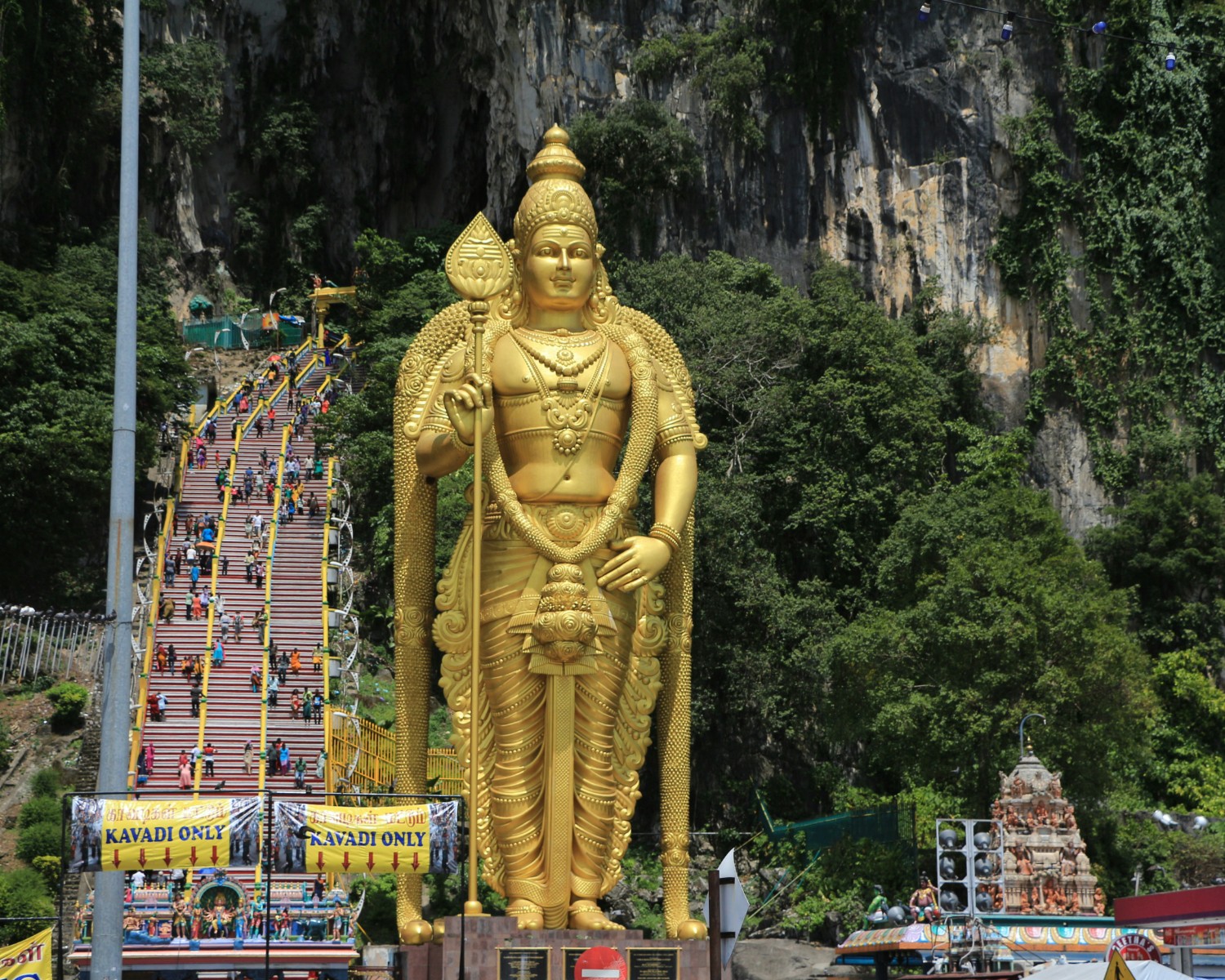
Batu Caves golden statue and colorful rainbow steps
Golden Lord Murugan statue with 272 colorful rainbow steps
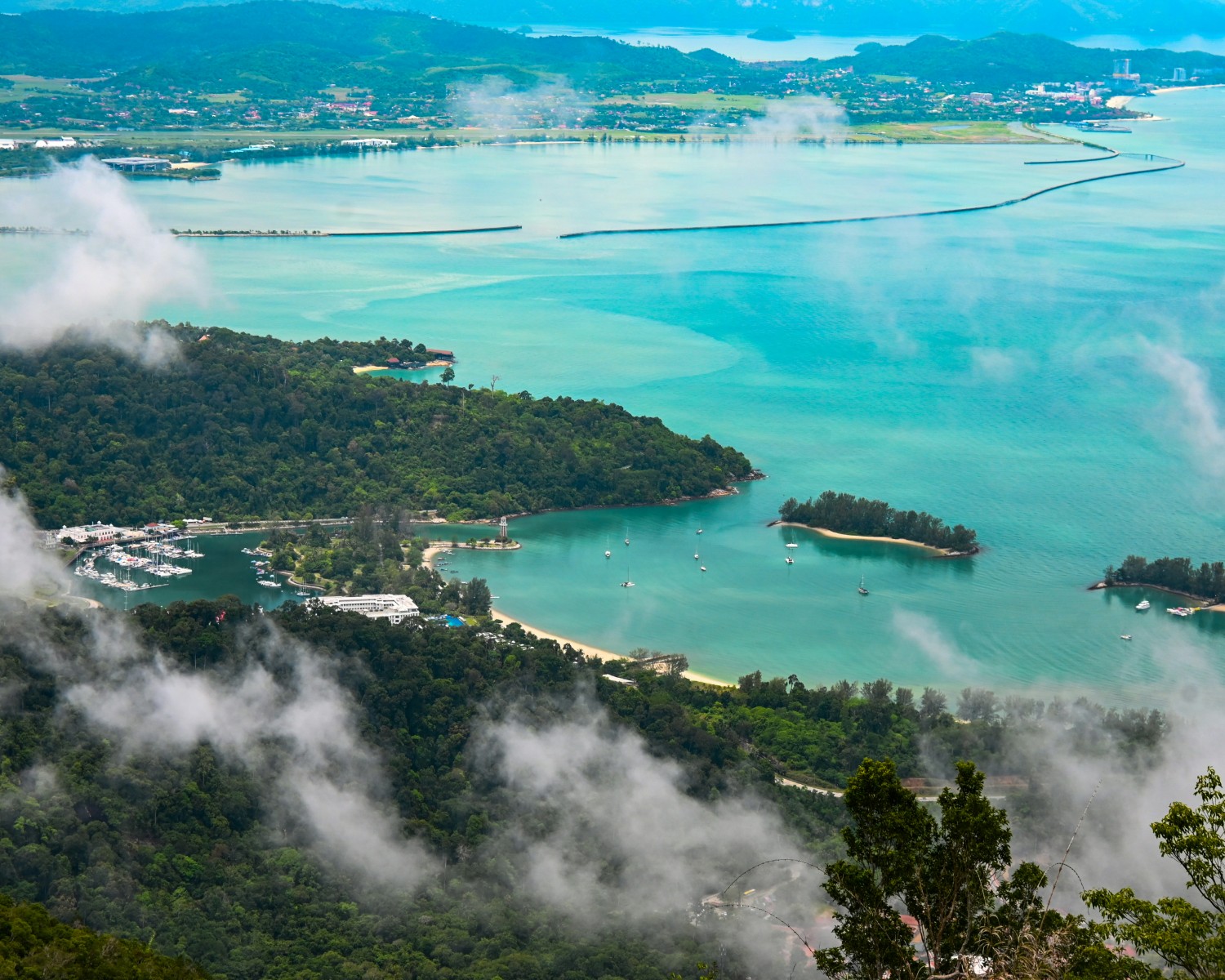
Langkawi Sky Bridge curved walkway above rainforest canopy
Georgetown street art mural 'Kids on Bicycle' by Ernest Zacharevic
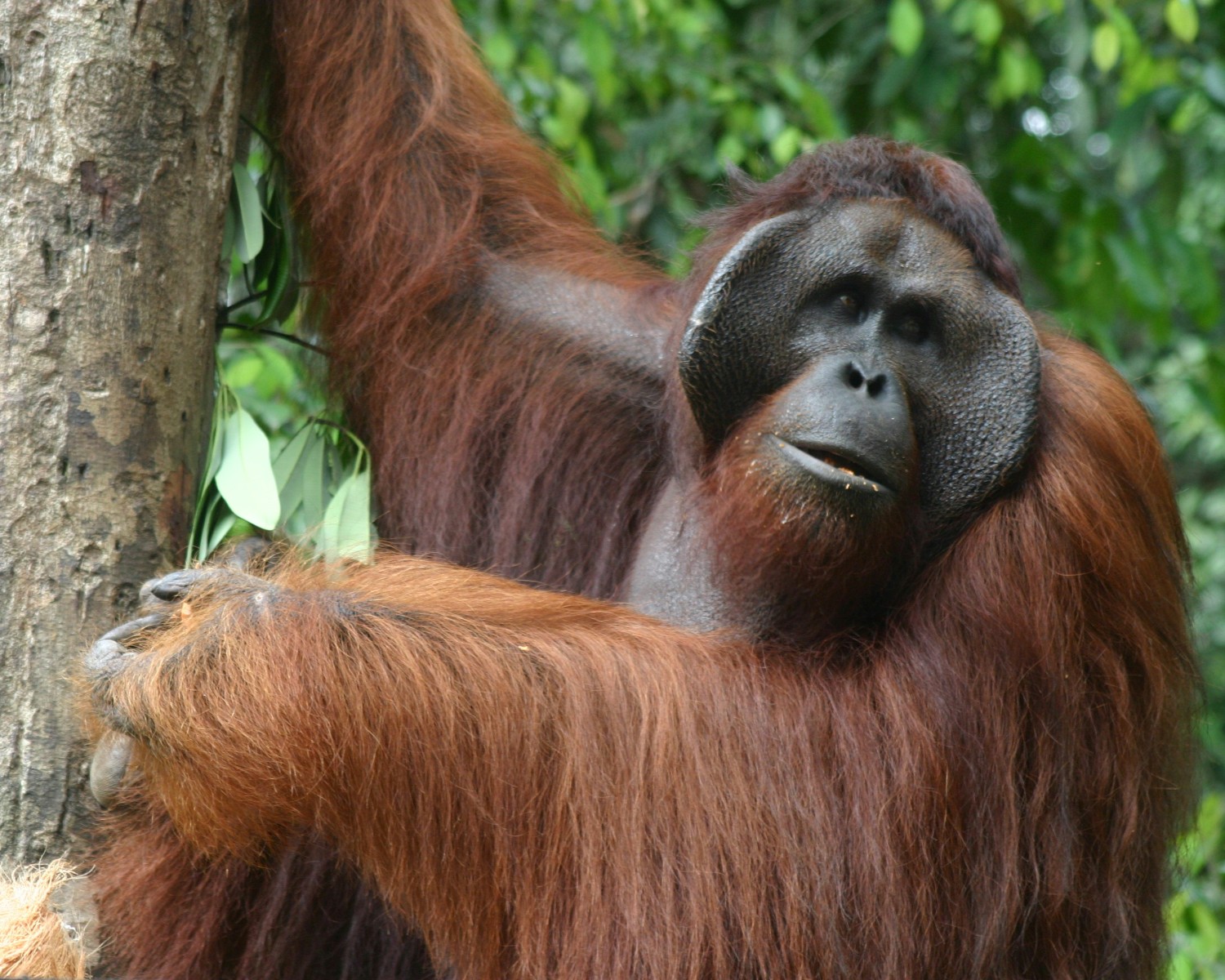
Proboscis monkey with distinctive large nose in Borneo mangroves
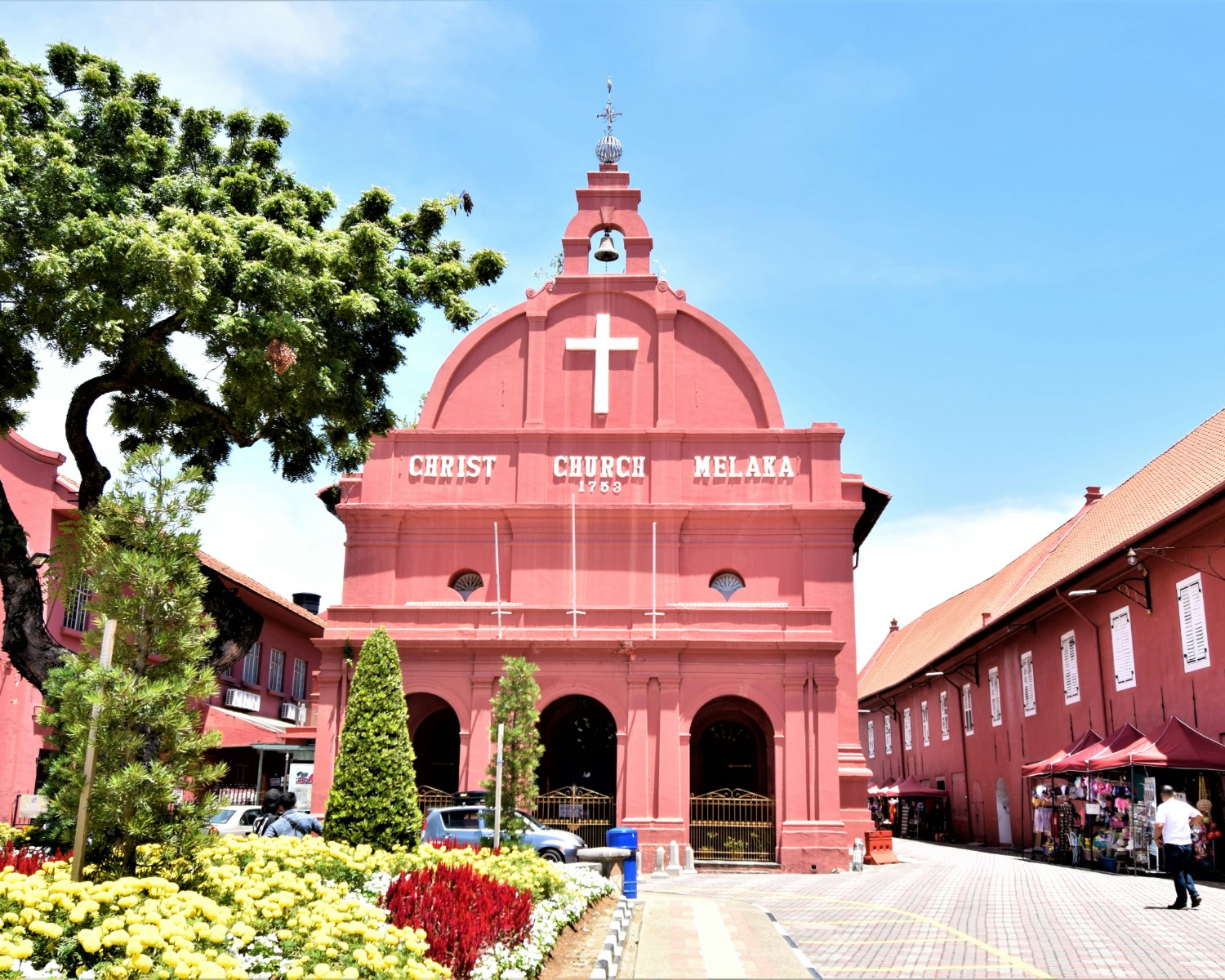
Dutch Square Red Stadthuys and Christ Church in Malacca
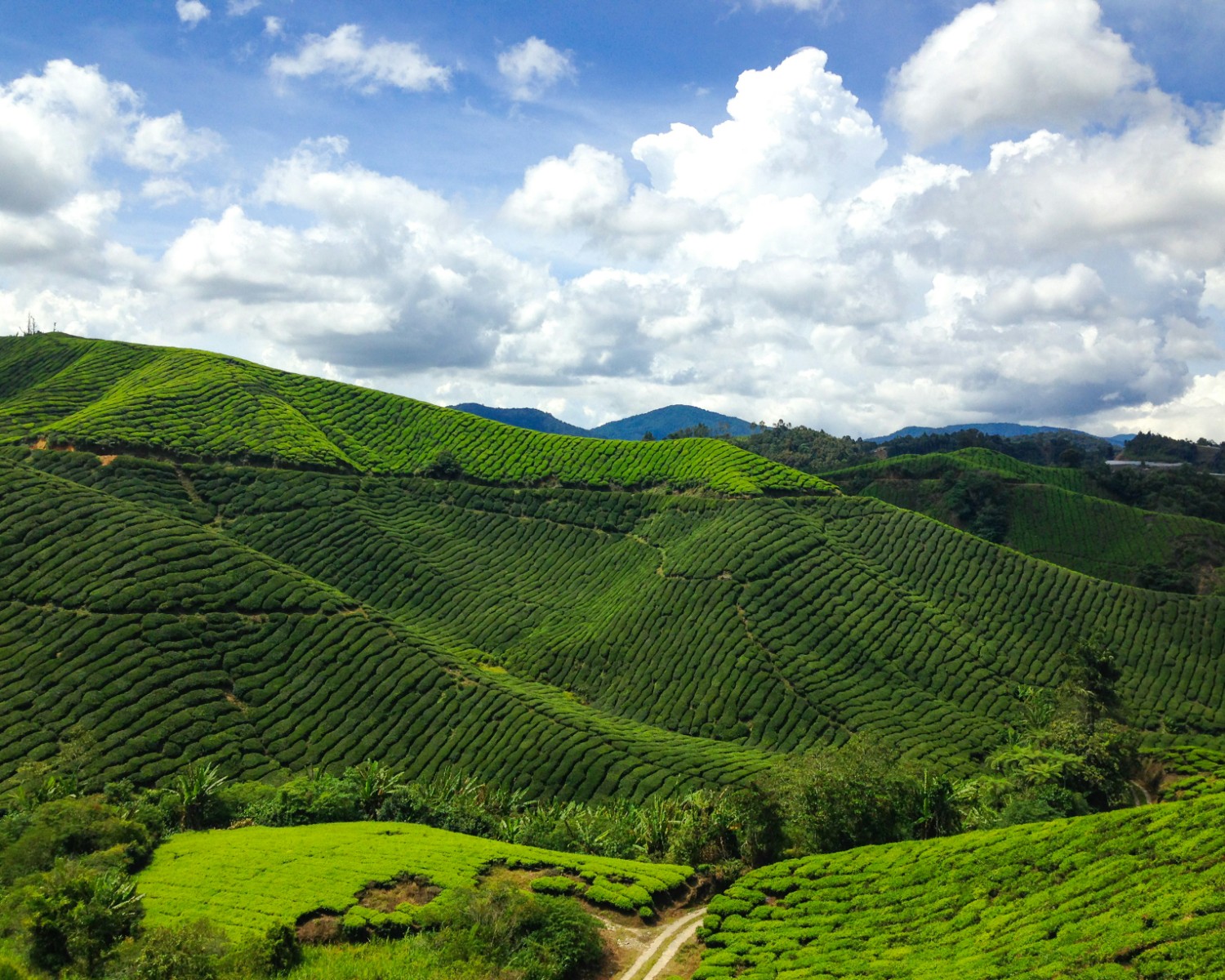
Strawberry farm with pick-your-own experience Cameron Highlands
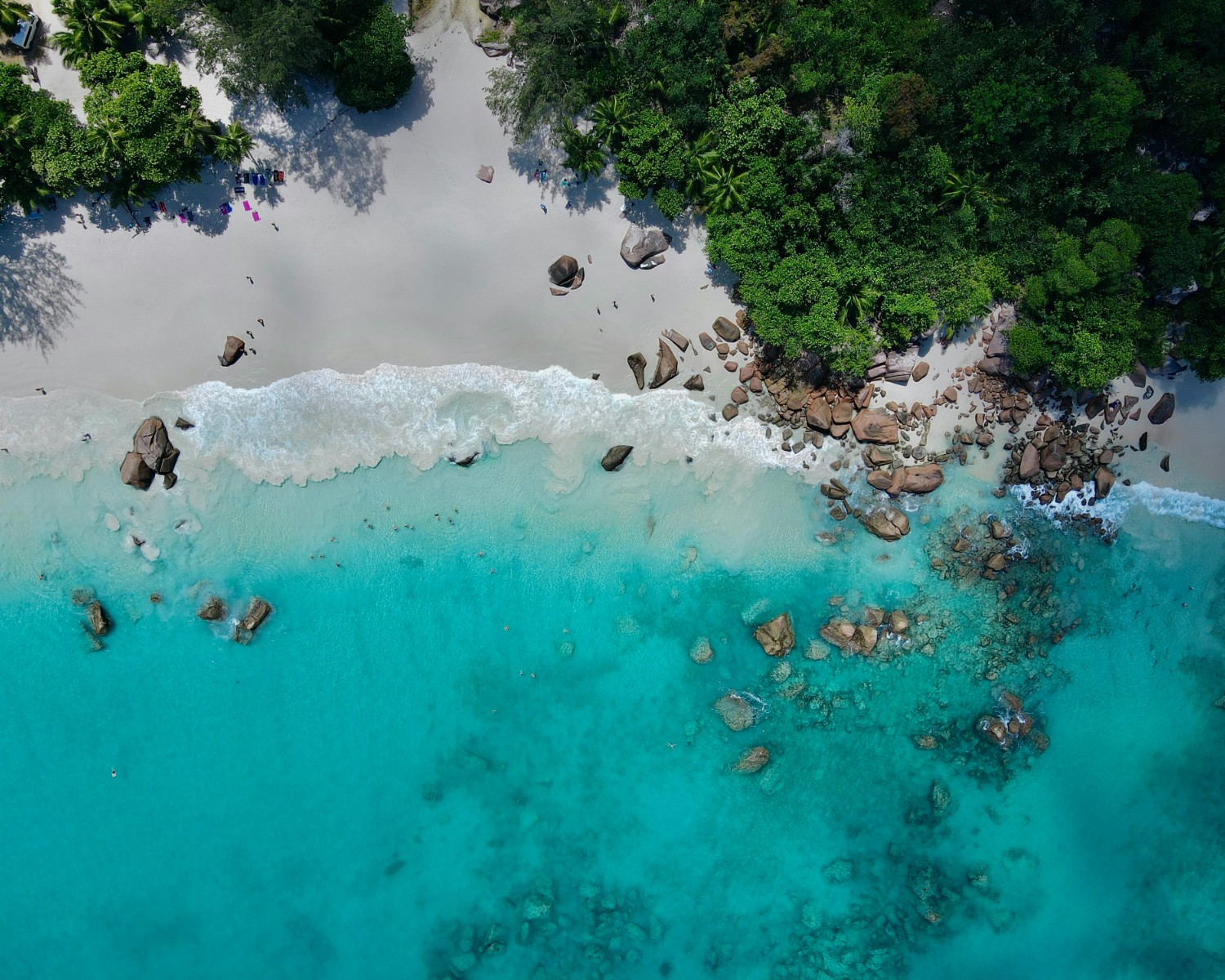
Perhentian Islands crystal-clear turquoise waters and white sand
Travel Stories & Tips
Get inspired for your next adventure to Malaysia


Guest Stories
Join 25,000+ happy travelers who explored Malaysia with us.
You Might Also Like
Discover more incredible destinations and experiences tailored for you


