Himachal Pradesh
factsheet
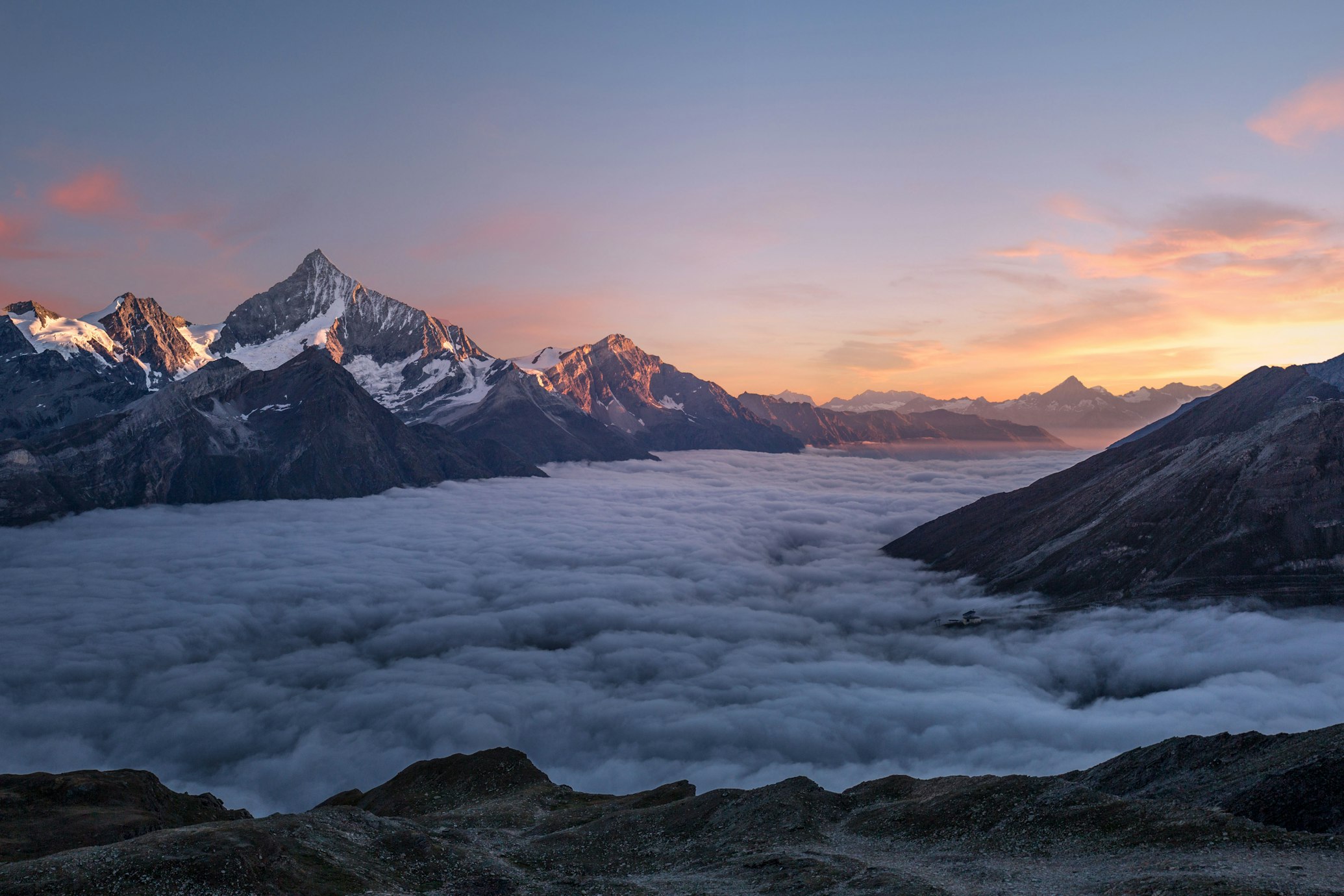
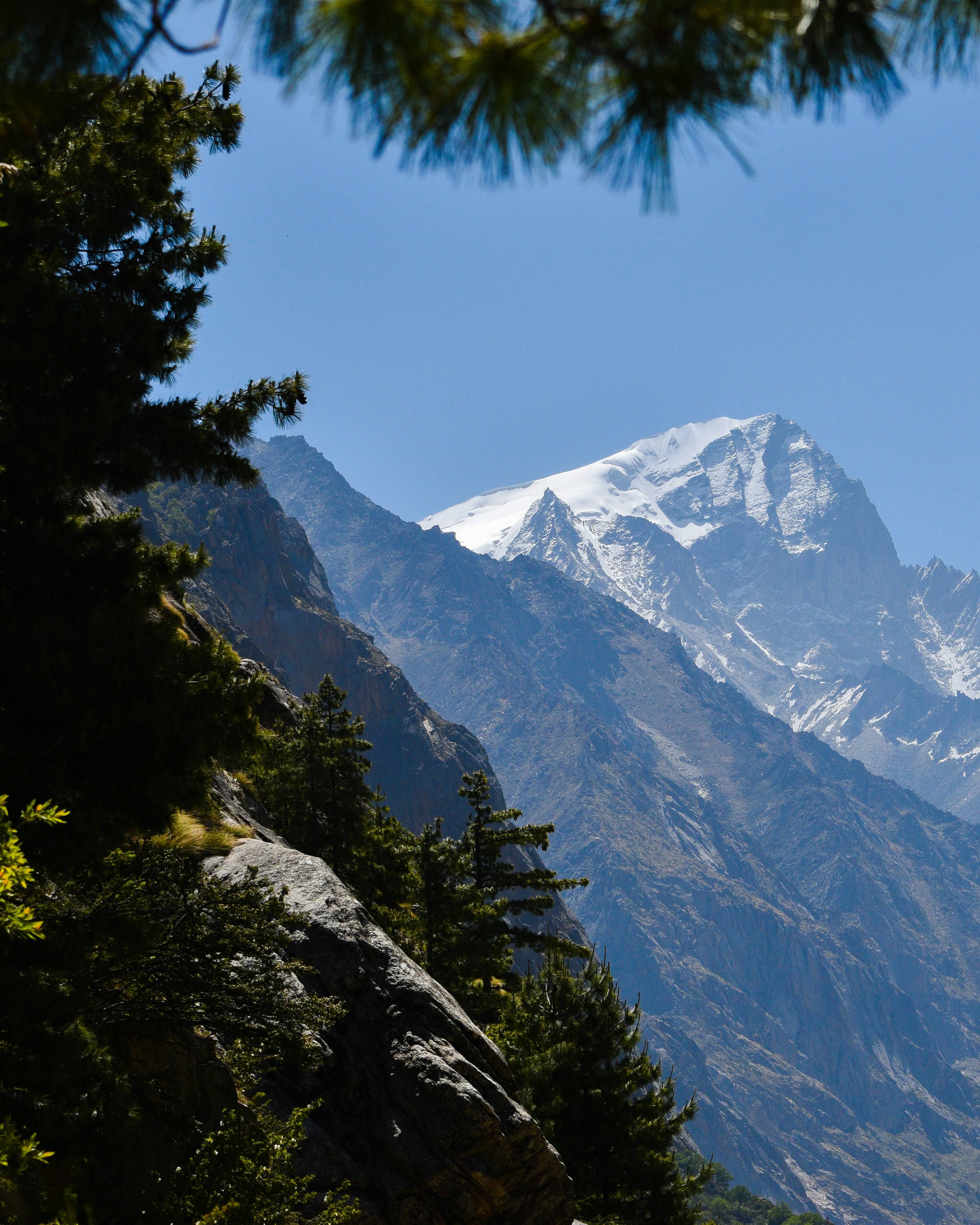
Where snow-capped peaks meet verdant valleys, ancient temples embrace modernity, and adventure thrives in the lap of the Himalayas.
Key travel facts for Himachal Pradesh – visa basics, climate, best time to visit, suggested trip duration and planning tips by Bayard Vacations.
The Essentials
Best Time
Mar - Jun, Sep - Nov
Currency
INR (₹)
Climate
Alpine to Subtropical
Time Zone
IST (UTC+5:30)
Language
Pahari, Hindi, English
Travel Pass
Indian Passport / Visa
Capital
Shimla
Population
6.9M
STD Code
+91-177 (Shimla), +91-1902 (Manali)
Power Plug
Type A, C, D, M (230V)
Tipping
Optional (₹50-100 appreciated)
Emergency
100 (Police), 101 (Fire), 102 (Ambulance)
History & Heritage
Himachal Pradesh—'Land of Gods'—spans 4,000 years of history: ancient Hindu kingdoms, Buddhist monasteries, colonial hill stations, and modern adventure tourism. Many travelers choose Himachal Pradesh tour packages to explore how mountain valleys have preserved tribal traditions, Sanskrit learning centers, and pilgrimage sites. Today, British-era architecture coexists with contemporary Himalayan culture, offering a unique glimpse into India's vibrant past and present.
Pre-Classical & Ancient Period (3000 BC–5th Century AD)
Vedic civilization flourished; Pahari (hill) kingdoms emerged: Trigarta, Kulgiri, Jalandhar. Sacred geography: Kangra Valley temples, Kinnaur shrines. Ancient trade routes connected Himachal to Tibet, China, Silk Road. Archaeological evidence: Neolithic settlements, early agrarian societies. Hindu mythology sanctified region: Kailash Kanya (Himachal = abode of gods).
Medieval Period—Hindu Kingdoms (5th–12th Centuries)
Independent hill kingdoms prospered: Kangra, Kullu, Rampur, Chamba kingdoms. Architecture: Kangra Fort (700 AD), Baijnath Temple (1204), Tira Sujanpur; Hindu temple construction peak. Patronage of arts, crafts, local governance. Trade prosperity; cultural centers developed. Mughal expansion (13th century) limited to foothills; mountains maintained autonomy.
Mughal & Sikh Era (13th–18th Centuries)
Mughal influence limited; mountain kingdoms maintained independence. Sikh Gurus traversed Himachal; Kangra Gurdwara built. Local rulers (rajas) held power; tributary relationships negotiated. Art, music, handicrafts flourished; Pahari painting school emerged. Kangra paintings (miniature art) world-renowned; Persian-Hindu fusion aesthetic.
British Colonial Period (1815–1947)
East India Company conquered foothills (1815); hills annexed through treaties. British established hill stations (Shimla 1822, Dalhousie 1850) for summer refuge. Colonial administration: Shimla became British India's summer capital (1864–1947). Infrastructure: railways, roads, schools, hospitals developed. Tea plantations (Kangra tea), timber harvesting initiated. Local population marginalized; tribal lands appropriated.
Independence & Statehood (1947–1971)
Himachal Pradesh union territory (1948); merged states (Kangra, Kullu, Mandi, Chamba, Sirmour). Independence movement strong; freedom fighters honored. Statehood achieved (1971); administrative reorganization completed. Modern era: hydroelectric projects, road infrastructure, education expansion. Tourism emerging as major industry.
Modern Era—Adventure & Tourism (1971–Present)
Himachal transformed into adventure tourism capital: trekking, mountaineering, skiing, paragliding, rafting. Infrastructure development: Manali-Leh Highway (strategic importance), airports (Shimla helipad), improved roads. Environmental consciousness growing; sustainable tourism promoted. Tech startups emerging (Shimla becoming IT hub). Agriculture modernized; horticulture (apples, berries) export-oriented.
Climate & Weather
Himachal Pradesh climate varies dramatically by altitude: subtropical foothills (600m); temperate mid-hills (1,500–2,500m); alpine zones (3,000m+). Monsoon dominates (June–September); winters bring heavy snowfall (3,000m+). Spring wildflower blooms, autumn clear skies ideal for tourism.
Time Zone
IST (Indian Standard Time, UTC+5:30)
Same timezone throughout India
Best Months
March–June (Spring/Early Summer), September–November (Autumn)
Spring (Vasant)
Mar – May
15–25°C (lowlands); 5–15°C (hills)
Wildflower blooms (rhododendrons, orchids). Longer daylight, pleasant weather. Fruit blossoms (apples, cherries). Adventure season begins. Perfect hiking, trekking. Clear mountain views. Festival season (Holi celebrations).
Summer (Garmi)
Jun – Aug
20–30°C (foothills); 10–20°C (hills)
Peak tourism season. Monsoon rains (lush green landscapes). Adventure activities peak (trekking, mountaineering). Alpine meadows blooming. Paragliding season. Fewer clear days (clouds, rain). Landslides possible; roads damaged.
Autumn (Sharad)
Sep – Oct
18–28°C (lowlands); 8–18°C (hills)
Ideal season; clear skies, crisp air. Golden landscapes. Apple harvest season. Visibility excellent (Himalayas stunning). Trekking optimal; weather stable. Fewer tourists than summer. Festivals (Diwali preparations).
Winter (Sardi)
Nov – Feb
5–15°C (lowlands); -10 to 5°C (hills); below -15°C (high altitude)
Heavy snowfall (3,000m+). Skiing season (Auli, Narkanda). Lower hill stations mild; foothills pleasant. Snow tourism. Many high passes, trekking routes closed. Roads treacherous; travel risky. Budget accommodations cheaper.
Seasonal Packing List
Language Guide
Official Language
Hindi (official); Pahari (regional); English widely understood
Pahari language family: Himachali, Nepali dialects unique to region. Hindi lingua franca (union language). English prevalent (colonial legacy, tourism, education). Sanskrit learning centers preserve classical language. Local Pahari dialects endangered; preservation efforts active.
Local Signage
Useful Phrases
Hello
nah-mah-STAY / shoo-KREE-yah
Namaste / Shukriya
Thank you
dahn-YAH-vahd / shoo-KREE-yah
Dhannyavaad / Shukriya
Goodbye
PEER mil-EN-gay / ahl-VEE-dah
Phir Milenge / Alvida
Yes / No
HAHN / NAH-hee
Haan / Nahi
Please
KRIP-ah-yah / MEHR-bah-nee say
Kripaya / Mehrbani se
Excuse me
KSHA-mah kee-JEE-yay / MAAF kee-JEE-yay
Kshama kijiye / Maaf kijiye
How much?
KIT-nah hai / KYA kee-MAHT hai
Kitna hai? / Kya kimat hai?
Where is...?
KAH-hahn hai
...kahan hai?
Also Commonly Spoken
Hindi
Official language; widely understood. Pahari speakers bilingual. Education medium in schools.
English
Colonial legacy; widely understood (educated population, tourism sector). Hotels, restaurants, guides speak English. Younger generation fluent.
Pahari
Regional language family; dialects vary by district (Kangri, Kullui, Mandeali). Endangered; preservation efforts active. Not widely understood outside Himachal.
Nepali
Understood in border areas (Himachal-Nepal boundary). Small Nepali community (Darjeeling migration).
Currency & Money
Official Currency
Indian Rupee
₹ (INR) — ₹1 = 100 paise
Banknotes
₹10, 20, 50, 100, 200, 500, 2,000
Coins
₹1, 2, 5, 10
Cash & ATMs
Cash preferred in Himachal Pradesh. ATMs abundant in major towns (Shimla, Manali, Dharamshala). Rural/trekking areas: carry cash (limited ATM access). ICICI, SBI, HDFC networks reliable. Withdraw ₹10,000–15,000 for multi-day treks.
Digital Payments (UPI)
UPI revolution (Google Pay, PhonePe, Paytm) prevalent in towns; penetrating rural areas. Many merchants, guesthouses accept QR codes. Adventure operators increasingly digital-friendly. Highly convenient in tourist hubs.
Credit & Debit Cards
Hotels, restaurants (upscale), malls accept cards. Rural areas, adventure operators, street vendors cash-only. Card infrastructure developing; not universal. Carry backup cash always.
Daily Budget Estimates
Budget Traveler (Backpacker)
₹1,200–2,000 (~USD$14–24)
Mid-Range Traveler
₹2,500–4,500 (~USD$30–54)
Luxury Traveler
₹6,000+ (~USD$72+)
Visa & Entry
For Indians: Carry state photo ID (Aadhaar, Driving License, Voter ID, Passport).
For International visitors: Apply Indian visa at embassy/consulate or e-visa portal (indianvisaonline.gov.in).
For border areas (Kinnaur, Spiti): permits obtainable from Deputy Commissioner's office (Shimla, Kinnaur). Tour operators assist; tourism streamlines process.
Register at hotels/accommodations (auto-registered by management).
Inner Line Permit (ILP): NOT required for Himachal Pradesh (unlike Arunachal Pradesh, Mizoram, Nagaland).
Registration
Arrive at police station (usually automatic via hotel); provide passport copy, accommodation details.
Registration not required for stays under 14 days. Longer stays: register at local police station (hotels usually handle).
Penalty: Non-registration no serious consequences for tourists; legally enforceable for visa overstay.
Visa Extension
Submit application 7 days before expiration; provide justification (medical, force majeure).
Cost: Extension fees: typically ₹500–2,000.
Requirements
- • Valid passport (international travelers; 6+ months validity).
- • Passport photos (digital copy; specifications per visa type).
- • Completed visa application form.
- • Employment proof/student ID.
- • Travel itinerary, hotel bookings.
- • Bank statements (proving financial capacity).
- • Return flight ticket.
- • For border areas: employer/school letter (if required by permit authority).
Getting There & Around
Intercity Travel
Buses (Government & Private)
Himachal Road Transport Corporation (HRTC), private coaches. Delhi–Shimla (8h), Shimla–Manali (10h, scenic), Manali–Dharamshala (10h). ₹300–1,000 depending on comfort, route. Frequent, scenic routes.
Shared Minibuses & Sumo
Local transport between towns; shared seats. Cheap (₹100–400). Depart when full; unpredictable schedules. Authentic local experience; chaotic.
Taxis & Private Cabs
Tourist-oriented service. Fixed rates negotiated. ₹2,000–5,000 per day depending on distance, vehicle. Comfortable; flexible timing; recommended for comfort.
Car Rental & Self-Driving
International license required. Mountain roads treacherous (hairpin turns, narrow passes). Rental: ₹1,500–3,000 daily. Professional drivers safer (hire driver separately: ₹800–1,500 daily).
Getting Around
City Buses (HRTC, Private)
Government, private buses; local routes. Crowded during peak hours. Basic amenities. ₹10–30 per journey. Frequent, unreliable timing. Cash payment.
Taxis (Ola, Local Apps, Rickshaws)
Ola dominant in Shimla, Manali. ₹100–250 for city journeys. Apps recommended; negotiation-free. Auto-rickshaws cheaper (₹50–120); negotiate fare.
Walking & Hiking
Hill stations walkable; scenic walks integral. Hilly terrain challenging; comfortable shoes essential. Altitude adjustment needed. Hiking culture strong.
Cable Car / Ropeway
Shimla: Mall Ropeway (scenic cable car ride). Manali: Auli ropeways (skiing gateway). Tourist attractions; memorable experiences. ₹100–300 per ride.
Culture & Local Life
Mountain Simplicity with Deep Spiritual Roots & Adventure Spirit
Himachali culture blends ancient Hindu-Buddhist traditions, tribal heritage, British colonial influences, and contemporary adventure ethos. This unique heritage is best experienced through Himachal Pradesh sightseeing tours, where warm hospitality ('Atithi Devo Bhava'—guest is god) and strong community bonds remain central. For those looking to immerse themselves in these traditions, Himachal family tour packages offer a perfect way to explore seasonal festivals, mountain simplicity, and the timeless spiritual connection that defines this beautiful region.
Diwali & Seasonal Festivals
Diwali (October/November): lights, fireworks, family gatherings. Holi (March): color festival, bonfire rituals. Baisakhi (April): harvest festival, community celebrations. Lohri (January): bonfire, traditional songs. Shimla Summer Festival, Kullu Dussehra showcase regional culture.
Pahari Food & Tea Culture
Pahari cuisine: momos (dumplings), thukpa (noodle soup), dhal-bhaat (lentils-rice), local vegetables. Chai (tea) ritual: strong, spiced, milk-based. Afternoon tea culture; social bonding. Hospitality: guests served best available.
Temple Pilgrimage & Spiritual Life
Pilgrimage integral; 'Devbhumi' (land of gods) identity. Temple fairs (melas): Kangra Devi Mela, Chintpurni Mela annual pilgrimages. Bathing rituals (sacred rivers): Sutlej, Satluj spiritual significance. Monasteries: Buddhist pilgrimage centers (Dharamshala, Tabo).
Mountain Monasteries & Buddhist Practice
Tibetan monasteries (Dharamshala—Dalai Lama residence): meditation centers, learning hubs. Tabo Monastery (10th century): continuous Buddhist practice. Nuns, monks visible in communities; respectful interaction. Prayer wheels, prayer flags, mantras integral landscape.
Gifting Etiquette
Avoid knives (cutting friendship), clocks (death symbolism), leather (Hindu culture). Wrap gifts simply. Odd numbers preferred; even numbers (4, 6) inauspicious. Handmade, local items appreciated. Open gifts immediately.
Business Etiquette
Business cards exchanged respectfully. Handshakes firm. First names used after invitation. Meetings begin with tea. Personal relationships = trust foundation. Punctuality valued (increasingly in towns).
Dining Etiquette
Eat/drink with right hand (left unclean). Wait for elders/honored guests to start. Finish food (waste insulting; 'Anna Brahma' = food is sacred). Rice, dal, vegetables staple. Compliment cook's skills. Meals leisurely; rushing disrespectful.
Food & Drink
Himachali cuisine reflects mountain geography: locally grown vegetables (potatoes, beans, leafy greens), local grains, minimal spice. Momos (Tibetan dumplings), thukpa (noodle soup), dal-bhaat staples. Organic, seasonal, fresh. Tea culture central; hospitality rituals around meals.
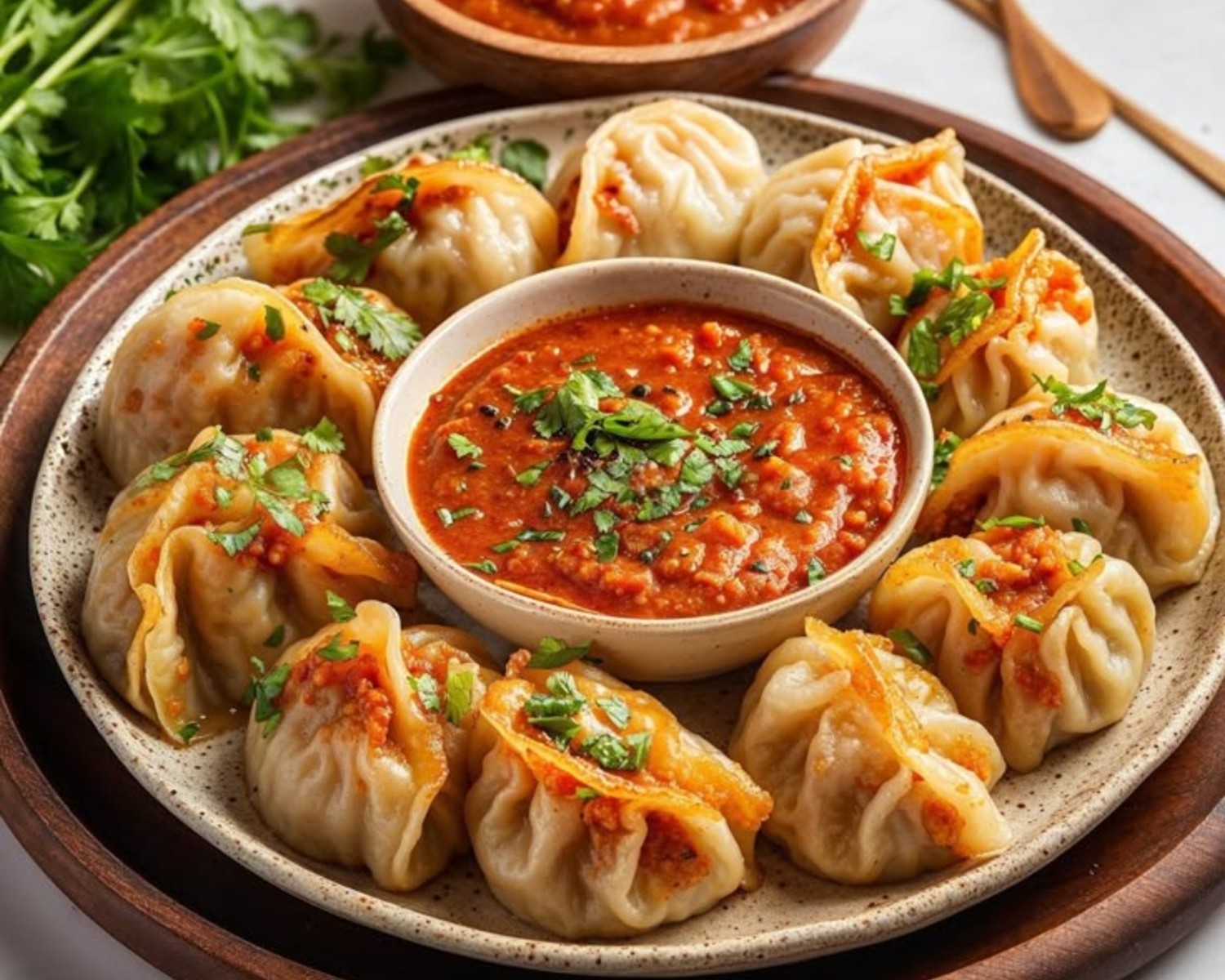
Momos (Dumplings)
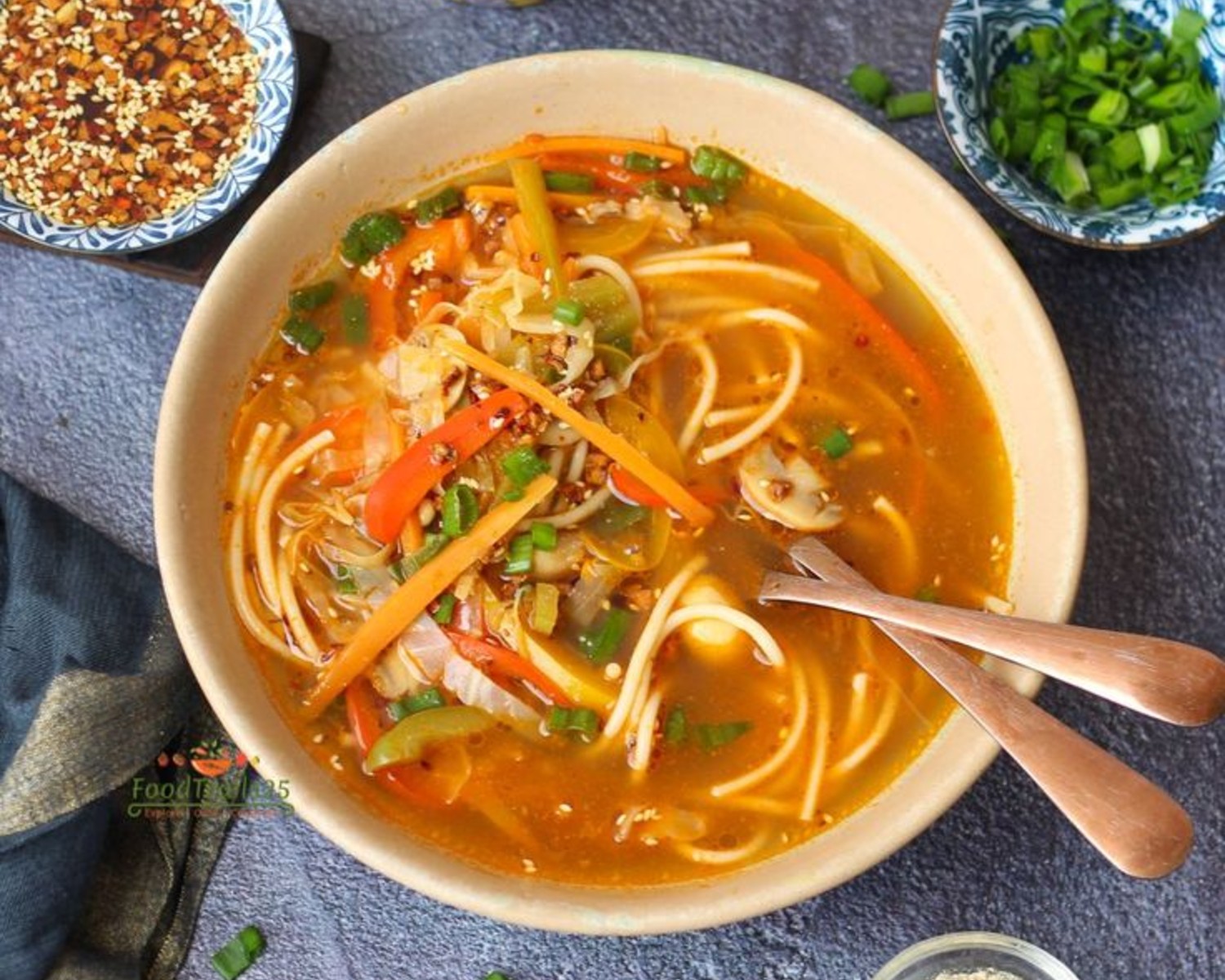
Thukpa (Noodle Soup)
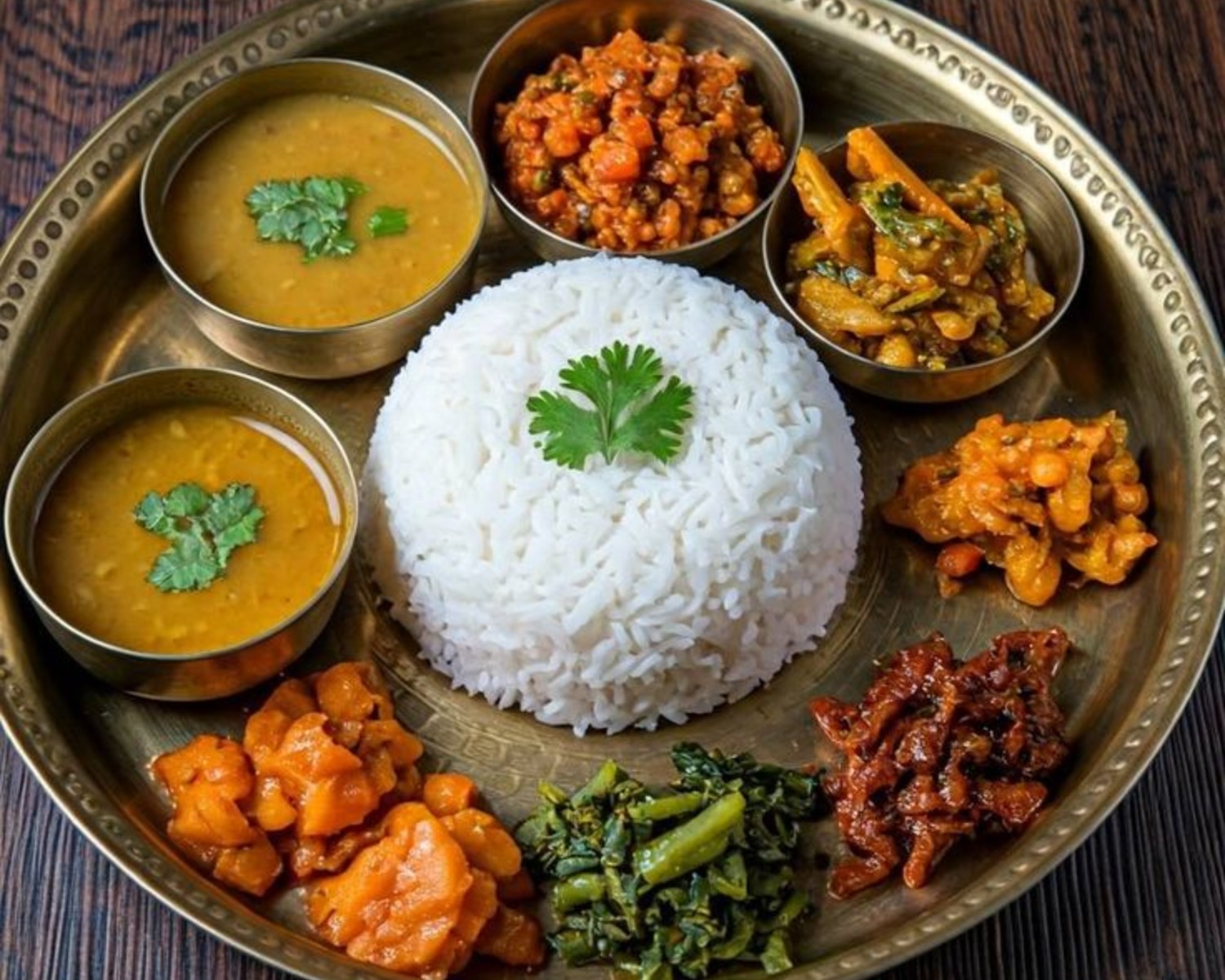
Dal-Bhaat (Lentils & Rice)
Chikhalwali (Local Bread)
Bhey (Bean Curry)
Trout (Mountain Fish)
Apple & Fruit Desserts
Dining Etiquette
- • Eat/drink with right hand (left unclean; left-handed travelers politely allowed exception).
- • Wait for elders/honored guests to start eating.
- • Finish all food on plate (waste insulting; 'Anna Brahma' = food is sacred).
- • Compliment cook's skills generously.
- • Meals leisurely; rushing disrespectful.
- • Rice/dal staple; vegetables seasonal accompaniment.
- • Tea ritual: accept offered tea (refuse insulting).
- • Tipping: not customary; rounding up appreciated (₹20–50 per meal).
Signature Drinks
Shop & Bring Home
Himachal Pradesh offers unique handicrafts, wool textiles, Pahari art, local honey, apples, and handmade items. Shimla offers curio shops, Manali handicraft markets. Shopping blends artisanal craftsmanship with modern convenience; ethical sourcing emphasized.
Handicrafts & Pahari Art
₹200–15,000+
- Pahari miniature paintings (Kangra style)
- Wooden artifacts (carved boxes, masks, figurines)
- Handwoven shawls, scarves (wool, pashmina-blend)
- Metalware (copper, brass, silver items)
Authentic Pahari art; investment-grade pieces available. Support local artisans; ethical sourcing important.
Organic Produce & Local Products
₹100–1,000+ (apples), ₹300–2,000 (honey per jar)
- Himachali apples (red, sweet, famous)
- Local honey (organic, pure, medicinal)
- Tea, spices (ginger, turmeric, cinnamon)
- Jams, preserves (locally made, seasonal)
Organic, sustainable products. Direct from farms affordable; gift-worthy quality.
Wool & Textile Items
₹500–8,000+
- Himachali blankets, shawls (handwoven, authentic)
- Pashmina-blend scarves, stoles
- Sweaters, cardigans (local wool)
- Carpets, rugs (traditional designs)
Quality varies; authentic items premium-priced. Support weavers directly; fair trade important.
Souvenirs & Collectibles
₹50–2,000
- Wooden artifacts (coasters, boxes)
- Local art prints, photographs
- Mountain-themed merchandise
- Traditional musical instruments
Tourist-friendly items; quality varies. Bazaars offer authentic; malls offer modern.