
Madhya Pradesh
factsheet
The Heart of India: Where Temples Whisper Ancient Secrets, Royal Heritage Echoes Through Valleys, and Tribal Art Breathes Life into Every Canvas.
Madhya Pradesh: Oct-Mar best, INR, tropical climate, Khajuraho Sanchi Bhopal tigers, tribal art & tips.
The Essentials
Best Time
Oct - Mar
Currency
₹ INR
Climate
Subtropical to Temperate
Time Zone
IST (UTC+5:30)
Language
Hindi/Marathi/English
Entry
Domestic Travel
Capital
Bhopal
Population
88.2M
Area
308,350 sq km - 2nd Largest State
Power Plug
Type D & M (230V)
Tipping
10% appreciated (optional)
Emergency
100/101/102
History & Heritage
Madhya Pradesh, the geographical and cultural heart of India, has been the cradle of civilizations for millennia. From the rise of the Mauryan Empire under Ashoka to the architectural grandeur influenced by Mughal-era rulers, from the warrior kingdoms of Rajput clans to the prosperity under Maratha dynasties, the region has continually shaped India’s historical and cultural identity.It is home to extraordinary heritage sites such as Khajuraho Group of Monuments, the Buddhist stupas of Sanchi Stupa, and the prehistoric rock art of Bhimbetka Rock Shelters, making it one of the richest cultural landscapes in the world and a key focus for a Madhya Pradesh historical places tour package.After India’s independence and the state’s formation in 1956, Madhya Pradesh evolved into a modern administrative and cultural hub while preserving its ancient traditions, blending heritage, spirituality, wildlife, and development into a uniquely balanced identity.
Ancient Era: Nanda, Maurya & Gupta Empires (6th Century BC - 6th Century AD)
Madhya Pradesh's ancient history begins with the Nanda Empire, followed by Ashoka's Mauryan dynasty (3rd century BC), who built the legendary Sanchi Stupa—one of Buddhism's holiest monuments. Emperor Ashoka's rock edicts found in MP exemplify ancient India's spiritual and administrative grandeur. The Gupta Empire (4th-5th centuries AD) brought India's 'Golden Age,' with Vakataka dynasty as southern neighbors. Bhimbetka Rock Shelters, with 40,000+ engravings dating back 40,000 years, prove continuous human habitation. This era established MP as a center of learning, art, and spirituality.
Medieval Period: Rajput Kingdoms & Sultanates (6th-15th Centuries)
The medieval period saw the rise of powerful Rajput clans: the Paramaras of Malwa and legendary Chandelas of Bundelkhand. The Chandelas (10th-12th centuries) built the magnificent Khajuraho temples—85 sanctuaries adorned with intricate carvings—showcasing Hindu architectural brilliance. After Chahamana and Ghurid invasions ended Chandela power (13th century), the Malwa Sultanate emerged, ruling from Mandu with distinctive Indo-Islamic architecture (Jahaz Mahal, Hindola Mahal). This era blended Hindu, Islamic, and Jain traditions, creating a unique syncretic culture.
Mughal Dominance: Akbar's Integration (1556-1605)
Emperor Akbar conquered most of Madhya Pradesh during his reign (1556-1605), integrating the region into the Mughal Empire. Akbar's policy of religious tolerance and administrative integration transformed MP. Gwalior became a center for classical music—the legendary Gwalior Gharana tradition emerged here, influencing Indian classical music forever. Mughal architecture, Persian-influenced art, and courtly traditions blended with local cultures. MP became a prosperous Mughal province, connecting the empire's western and eastern territories. This period lasted until Aurangzeb's death (1707), after which Mughal power weakened.
Maratha Era: Semi-Autonomous Prosperity (1720-1818)
After Mughal decline, Maratha confederates conquered most of MP (1720-1760), establishing semi-autonomous states: Holkars ruled Malwa (Indore capital), Scindias controlled northern parts (Gwalior), Bhonsles dominated Mahakoshal-Gondwana, and Pawars ruled Dewas-Dhar. Queen Ahilyabai Holkar (1767-1795), Indore's visionary ruler, established Maheshwar as a textile hub, inviting weavers from across India—creating the legendary Maheshwari sari tradition. The Maratha era brought local prosperity, architectural development, and cultural flourishing. This golden age lasted until British military interventions disrupted Maratha confederacies.
British Conquest & Colonial Rule (1818-1947)
Following the Third Anglo-Maratha War (1818), British armies defeated Maratha forces. By 1854, all of MP fell under British control. The Scindia and Holkar dynasties retained nominal power under British paramountcy, ruling as 'Princely States' with tribute payments. British introduced railways, English education, and administrative systems, while extracting natural resources and agricultural surplus. Colonial policies disrupted traditional economies and social structures. However, MP remained economically significant for mineral wealth and agricultural production. Independence in 1947 liberated MP from colonial rule.
Modern State Formation & Contemporary Development (1947-Present)
After India's independence (1947), the princely states of Gwalior, Indore, Bhopal, and other territories merged with India. Madhya Pradesh was formed as a state in 1956, becoming India's 2nd-largest state by area. In 2000, Chhattisgarh was carved out from MP, reducing its territory. Modern MP transformed into a rapidly developing state with significant industrial, agricultural, and tourism sectors. GSDP of ₹14.5 lakh crore (~$175 billion) reflects substantial economic growth. With 134.1 million tourist arrivals in 2024 (526% growth since 2020), MP has emerged as one of India's fastest-growing tourism destinations.
Climate & Weather
Madhya Pradesh, located at India's geographic heart, experiences four distinct seasons with temperature variations across altitudes. The vast state has subtropical plains, temperate valleys, and forested highlands. Winter (October-March) brings pleasant temperatures perfect for exploration. Summer (April-June) becomes intensely hot, except at Panchmarhi (only hill station). Monsoon (July-September) transforms landscapes to vibrant green. Spring offers wildflower blooms and comfortable trekking conditions.
Time Zone
IST (Indian Standard Time) UTC+5:30
Same as India national time; no offset from IST
Best Months
October-February (winter peak season); July-September (monsoon alternate)
Winter (Shita)
Oct – Mar
5–27°C
BEST SEASON FOR TOURISM. Cool, crisp weather; perfect for sightseeing and outdoor activities. Wildflower blooms (Feb-Mar). December-January coldest; chilly mornings/nights. Festivals and celebrations peak. Heritage sites fully accessible. Low humidity. Ideal for Khajuraho, Sanchi, wildlife safaris. Peak tourism rush; book accommodations early.
Summer (Grishm)
Apr – Jun
22–45°C
INTENSE HEAT (45°C+ on peak days). Panchmarhi (hill station) offers respite at moderate temperatures. Best season for wildlife spotting (animals congregate near water sources). Most plains become uncomfortably hot. Occasional dust storms. Not recommended for general tourism except wildlife enthusiasts. Air-conditioned accommodations essential. Stay hydrated; sunscreen vital. April-May most scorching.
Monsoon (Varsha)
Jul – Sep
22–38°C
LUSH GREEN PARADISE. Moderate rainfall (not excessive); humid but refreshing. Forests, waterfalls, rivers vibrant with water. Photography stunning; landscape photographers' favorite. Budget travelers enjoy 30-50% discounts. Some forest areas may close due to muddy trails. Roads occasionally washed; travel delays possible. Fewer tourists; serene atmosphere. Adventure activities (rafting, trekking) in select areas. Spiritual energy heightened.
Spring (Vasant)
Feb – Mar
10–30°C
TRANSITIONAL BEAUTY. Mild, pleasant weather; comfortable for exploration. Wildflower blooms across meadows; gardens in full color. Festivals celebrated (Holi in March). Clear skies; excellent visibility. Perfect hiking/trekking conditions. Some areas still chilly early mornings. Humidity remains low. Tourist season begins; prices rising. Between peak winter and peak summer; balanced crowds.
Seasonal Packing List
Language Guide
Official Language
Hindi (official); Marathi, Gujarati, English widely spoken
Hindi is the primary official language of MP, spoken by majority population. Marathi prevalent in southern MP (Indore region). Gujarati common in western MP. English increasingly used in tourism, education, business sectors. English language proficiency varies: urban areas fluent, rural areas limited. Young generation (under 30) increasingly bilingual (Hindi-English). Tourism signage in English, Hindi, regional languages. Learning basic Hindi phrases shows respect to local culture.
Local Signage
Useful Phrases
Hello/Goodbye (Hindi)
nah-mah-STAY / nah-mas-KAHR
Namaste / Namaskar
Thank you (Hindi)
dhan-yah-VAHD
Dhanyavaad
Yes / No (Hindi)
hahn / nah-HEE
Haan / Nahi
Please (Hindi)
mehr-bah-NEE seh
Mehrbani se
Excuse me (Hindi)
kshuh-MAH kee-JEE-ey
Ksama kijiye
How much? (Hindi)
KIT-nah hai
Kitna hai?
Where is...? (Hindi)
kah-HAHN hai
...kahaan hai?
What is this? (Hindi)
yeh kyah hai
Yeh kya hai?
Also Commonly Spoken
Hindi
Primary language; spoken by 82% population. Essential for daily interactions outside tourist areas. Hindi-English mix common in cities.
English
Growing fast in tourism, hospitality, education sectors. Most hotels, tour guides, tourist sites staff speak English. Young professionals fluent.
Marathi
Prevalent in Indore region (southern MP); influenced by neighboring Maharashtra. Some hotels/vendors bilingual Hindi-Marathi.
Gujarati
Spoken in western MP (Khargone, Burhanpur regions). Adjacent to Gujarat state; commercial connections create linguistic overlap.
Currency & Money
Official Currency
Indian Rupee
₹ (INR) — ₹1 = 100 Paisa
Banknotes
₹10, ₹20, ₹50, ₹100, ₹200, ₹500, ₹2000
Coins
₹1, ₹2, ₹5, ₹10 (coins less common in circulation)
ATMs & Withdrawal
Widely available in Indore, Bhopal, Gwalior, Jabalpur, Khajuraho, other major cities. Most accept international cards (Visa/Mastercard). Minimal fees (₹20-30). Limited in remote villages/hill areas. Withdraw in main cities before remote travel.
Credit & Debit Cards
Accepted in hotels, restaurants, malls, tourist sites in urban areas. Cash essential for local markets, street food vendors, small shops, temples. Digital payments (Google Pay, PhonePe) rapidly expanding in cities but less reliable in rural areas.
Tipping Culture
Tipping optional, not mandatory (unlike Western countries). 10% appreciated at restaurants/hotels for good service. Small tips (₹20-50) for guides, housekeeping, street service providers. Not expected at street stalls. Rounding up bills customary. Tipping supports modest service worker incomes.
Daily Budget Estimates
Budget Traveler
₹1,500-2,500 (~$18-30)
Mid-Range Traveler
₹3,000-6,000 (~$36-72)
Luxury Traveler
₹8,000+ (~$96+)
Visa & Entry
Indian Citizens: Present valid government-issued photo ID (Aadhaar, Passport, Voter ID, Driving License) at airport/railway/bus station.
Foreign Tourists via e-Visa: Visit indianvisaonline.gov.in; complete online form; upload documents; pay ₹2,000-2,500 (~USD 25-30); receive email approval within 96 hours.
Foreign Tourists via Regular Visa: Visit Indian Visa Application Center (VAC) in home country; submit documents; attend interview if required; collect visa within 4-5 working days.
At Airport: Show printed/digital e-Visa; immigration stamps passport; proceed to baggage claim.
Registration
Hotels handle guest registration automatically. Keep hotel confirmation, receipt. Checkpoints may request ID verification; carry passport copy.
Indian citizens: No registration. Foreign tourists: No registration for stays under 180 days.
Penalty: Overstaying visa has severe consequences: fines (₹500-2,000), deportation risk, future visa denial (5-10 years). India tracks all arrivals/departures biometrically.
Visa Extension
Apply at Foreigners Regional Registration Office (FRRO) in Bhopal/Indore. Extensions for medical emergencies, compassionate reasons, or unforeseen circumstances. Processing: 2-4 weeks.
Cost: Extension fees variable; typically ₹500-2,000 depending on duration and circumstances.
Requirements
- • For Indian Citizens: Valid government-issued photo ID (Aadhaar most common; PAN, Voter ID, Driving License, Student ID also acceptable).
- • For Foreign Tourists: Valid passport (issued within 10 years, valid minimum 6+ months from travel date).
- • Passport-size color photograph (4cm x 4cm, white background, taken within 6 months).
- • Completed visa application form (online for e-Visa; paper for regular visa).
- • Return flight ticket (proof of onward travel).
- • Hotel booking confirmation or accommodation proof.
- • Proof of sufficient funds (bank statements 3-6 months; credit cards, travelers checks).
- • Travel insurance (recommended, especially for adventure activities/high-altitude areas)
Getting There & Around
Intercity Travel
Flights
IndiGo, Air India, SpiceJet, Vistara operate. Indore-Bhopal (40 min, ₹3,000-15,000); Bhopal-Delhi (90 min); quick option for long distances. Book 2-3 weeks in advance for best prices.
Trains
Central Railway (Delhi-Chennai route), West Central Railway (Mumbai-Calcutta route) pass through MP. Comfortable coaches; scenic routes. Indore-Bhopal (5 hrs); Bhopal-Delhi (12 hrs); reliable, frequent.
Buses (MPSRTC & Private)
2,000+ buses daily between major cities. Budget-friendly. Indore-Bhopal (189 km, 4 hrs, ₹200-1,200); comfortable coaches from private operators. Slightly unpredictable schedules.
Private Taxis/Cars
Best for customized itineraries, small groups. Hotel arrangement or apps (Ola/local agents). ₹1,500-3,000/day depending on vehicle. Flexible timings.
Getting Around
Auto-Rickshaws
Three-wheeled taxis abundant in cities. Yellow-black vehicles (Indore) or auto-colored (Bhopal, Gwalior). Meter system; fares ₹30-150 depending on distance. Negotiate fares beforehand or request meter usage.
Buses (MPSRTC & Private)
Extensive urban network. Affordable (₹10-40 per journey). Crowded during peak hours. MPSRTC (state transport); comfortable private operators also available.
Taxis/Ola-Uber
Recommended for safety, convenience. ₹80-300 for city journeys depending on distance. Non-app taxis cheaper but negotiate fares before entry.
Walking
Bhopal Lakes promenade, Indore CBD, Gwalior Fort areas walkable. Scenic routes; comfortable shoes essential. Narrow temple streets involve stairs/slopes.
Bicycles/Cycles
Limited bike-sharing programs in major cities. Rentals available; ₹50-100/day. Not recommended for non-cyclists or heavy traffic areas.
Culture & Local Life
Spiritual Pluralism with Tribal Heritage & Royal Grandeur
Madhya Pradesh embodies India's spiritual, artistic, and cultural essence. A harmonious blend of Hindu temples, Islamic architecture, Buddhist monuments, and tribal traditions coexist peacefully. The state's DNA reflects millennia of civilizations: Mauryan administration, Mughal refinement, Maratha prosperity, and British colonial influence. Guests are treated with reverence (Hindu hospitality principle 'Atithi Devo Bhava'—Guest is God). Tribal communities preserve ancestral wisdom through art and sustainable practices. Wazwan-style elaborate feasting in Mughlai regions, Poha-Jalebi breakfast rituals, Holi celebrations—all reflect cultural richness. Contemporary MP balances spiritual traditions with modern development. Despite rapid urbanization, cultural roots remain firmly planted.
Poha-Jalebi Breakfast Ritual
Iconic breakfast pairing: savory poha (flattened rice with spices) paired with sweet jalebi (syrup-soaked spiral pastry). Particularly celebrated in Indore. Breakfast eaten leisurely; community activity. Street vendors serve with tea. Represents MP's unique food culture blending savory-sweet. Morning ritual reflects daily life rhythm.
Temple & Pilgrimage Spirituality
Temple visits are daily spiritual practice; pilgrimage sacred journey. Ujjain (Mahakaleshwar Temple)—attracts millions annually. Chitrakoot—pilgrimage destination with 1+ crore annual visitors. Khajuraho temples—architectural pilgrimage. Temple bells ringing, flower offerings, ritual prayers—define spiritual rhythm. Pilgrimage sustains local economies; families save for years to participate.
Tribal Art & Cultural Expression
Gond, Baiga, Bhil communities preserve ancestral art traditions through paintings, sculptures, textiles. Nature-inspired motifs; cosmic symbolism; ecological wisdom embedded in art. Contemporary tribal art movements elevate ancient traditions to global platforms. Museums showcase tribal crafts. Living traditions connect modern society to ancestral knowledge.
Festival Celebrations & Social Bonding
Holi (Festival of Colors)—celebrated with colored powders, sweets, family gatherings. Diwali (Festival of Lights)—lamps, firecrackers, new clothes. Regional temple fairs (Zatras)—community celebrations blending spirituality, commerce, entertainment. Festival seasons bring family reunions, community feasting, spiritual renewal.
Gifting Etiquette
Avoid knives (symbolize cutting friendship), clocks (death association), or handkerchiefs (tears). Books, chocolates, spices, items from your country appropriate. Wrap gifts beautifully. Business gifting less formal than South India. Gifts should reflect thoughtfulness, not expense. Odd-numbered items auspicious.
Business Etiquette
Business meetings often begin with tea. Handshakes standard. First names used relatively quickly. Punctuality valued in modern urban settings; more relaxed in villages. Hierarchy respected in formal settings. Patience, warmth, relationship-building important. Long-term relationships valued over quick transactions.
Dining Etiquette
Wait for eldest/honored guest to start eating. Bread sacred; never waste or place upside down. Compliment cook generously; hospitality valued. Finishing meals optional; leaving small portions acceptable. Communal dining emphasizes sharing, togetherness. Accept tea/beverages multiple times—refusing insulting. Eat with right hand (left considered unclean traditionally).
Food & Drink
Madhya Pradesh's cuisine reflects its position at India's heart—a fusion of Mughlai royalty, tribal authenticity, vegetarian traditions, and street food culture. Poha-Jalebi (savory rice + sweet syrup) defines breakfast culture. Dal Bafla (wheat dumplings + lentil curry) represents rustic village traditions. Bhopali Gosht Korma showcases Mughlai influence. Cuisine emphasizes community dining, ritual preparation, respect for ingredients. From elaborate royal feasts (Wazwan-style) to humble street vendor fare, food embodies cultural values. Spice use refined; flavors complex. Regional variations reflect local agriculture: wheat, lentils, millets, vegetables, seasonal fruits. Vegetarian options abundant; meat-based dishes equally celebrated.
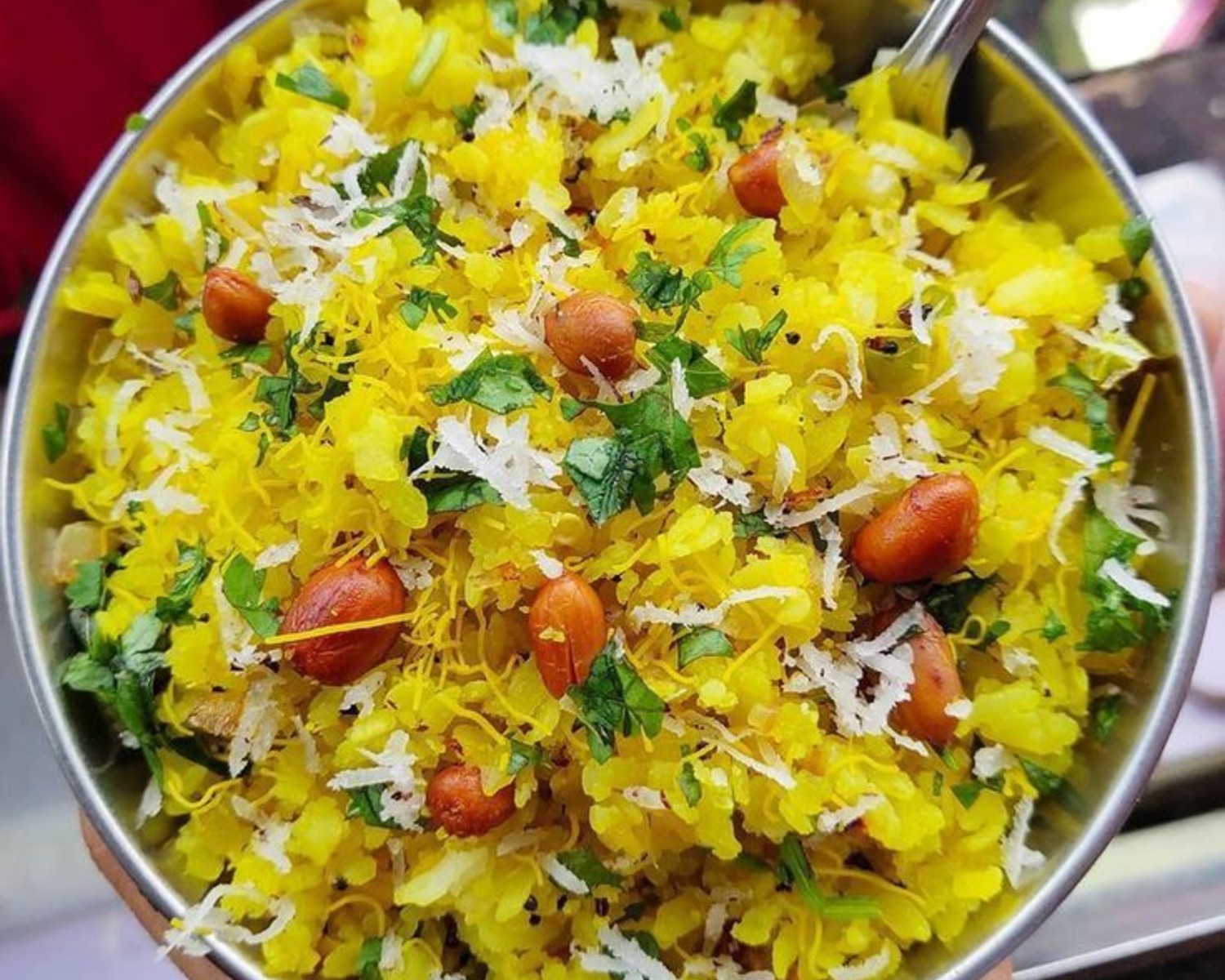
Poha
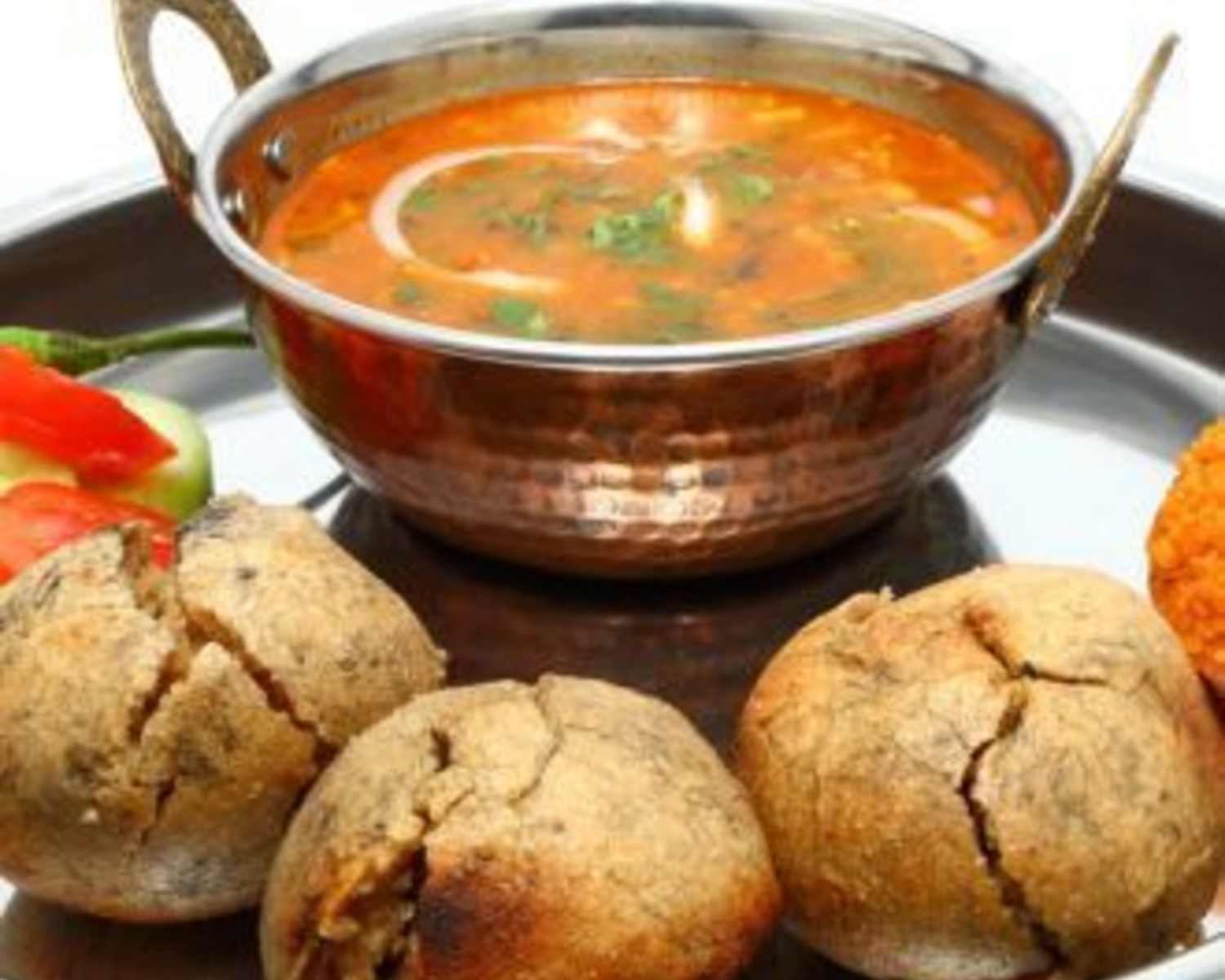
Dal Bafla
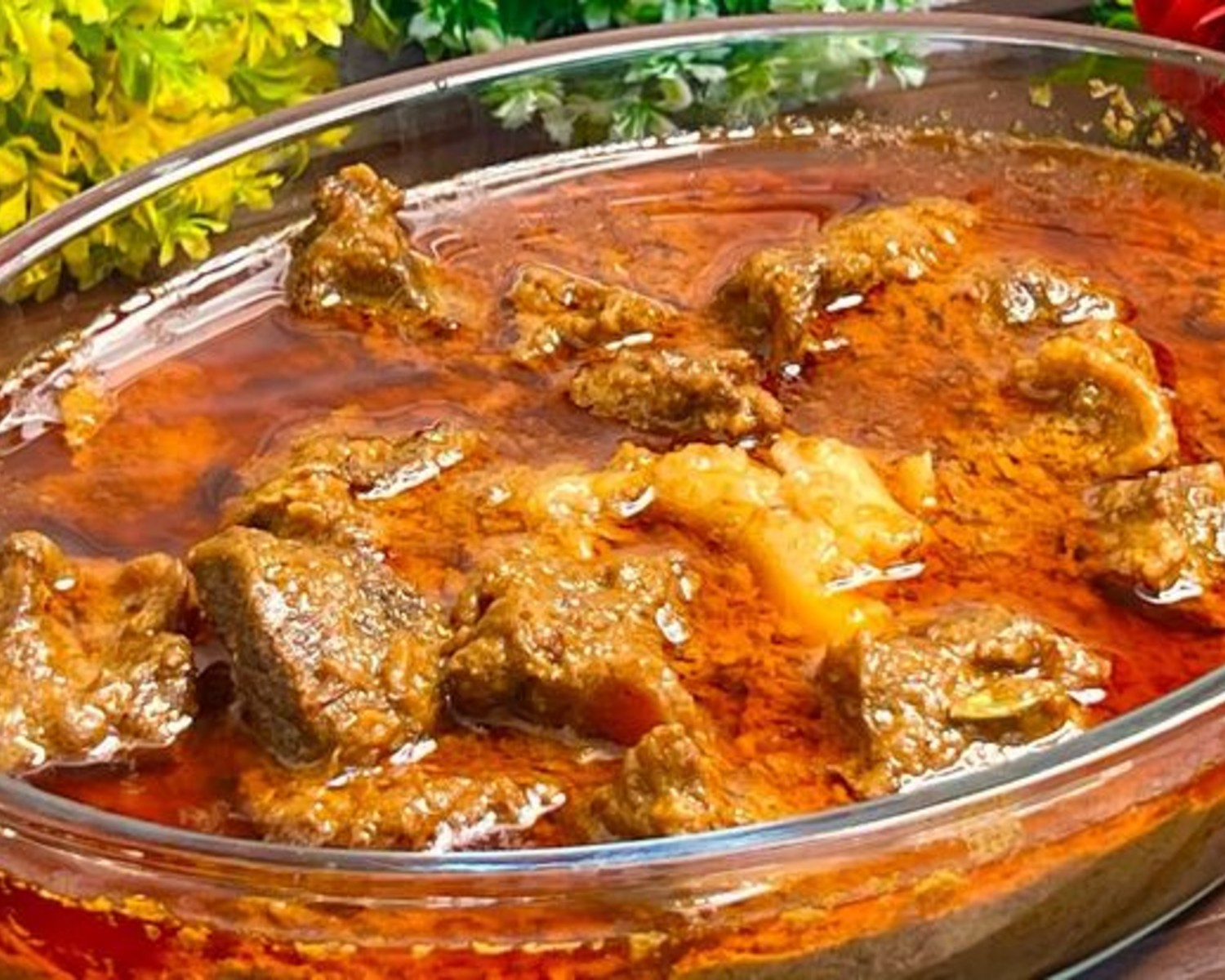
Bhopali Gosht Korma

Bhutte Ka Kees

Khopra Pattice (Coconut Fritters)
Malpua (Sweet Fried Bread)
Jalebi (Spiral Sweet)
Dining Etiquette
- • Meals are social events; rushing considered rude. Take your time, enjoy, converse.
- • Bread sacred (roti, naan); never waste, place upside down, or disrespect bread.
- • Guests served best portions; hosts may serve themselves last (hospitality principle).
- • Tipping: 10% appreciated at restaurants; not mandatory. Additional ₹20-50 for exceptional service.
- • Peak dining hours: lunch 12-2 PM, dinner 7-9 PM.
- • Vegetarian options abundant; inform restaurants of dietary restrictions in advance.
- • Water served complimentary; ask before refilling glasses (conservative water use appreciated).
- • Meat dishes available; Islamic dietary laws respected (Halal meat common).
- • Eating with right hand traditional; left hand considered unclean historically (though changing).
- • Street food generally safe but hygiene varies; ask locals for recommendations.
Signature Drinks
Shop & Bring Home
MP shopping reflects centuries of artistic tradition: Maheshwari sarees (cotton-silk blend, geometric temple-inspired patterns), Chanderi fabric (sheer, lightweight, nature motifs), tribal Gond art (nature-inspired paintings), handwoven textiles, copperware, pottery. Markets range from temple bazaars (spiritually charged, local prices) to modern malls (fixed prices, international brands). Indore, Bhopal, Gwalior have vibrant shopping districts. Bargaining expected in traditional bazaars; malls have fixed prices. Quality handicrafts represent generational artisan skills; purchasing supports livelihoods.
Maheshwari & Chanderi Sarees
₹2,000-15,000+ per saree
- Maheshwari sarees (cotton-silk blend, geometric patterns)
- Chanderi sarees (sheer, lightweight, nature motifs)
- Handwoven textiles (pure silk/cotton variations)
- Sari embroidery (golden zari borders)
- Dupatta (scarves) in traditional patterns
Authentic handwoven sarees investment pieces; counterfeits exist. Buy from certified weavers/established shops; request authenticity certificates. Maheshwari glossy finish distinctive. Chanderi feather-light sheer.
Tribal Arts & Crafts
₹500-10,000+
- Gond paintings (nature-inspired, cosmic themes)
- Madhubani art (geometric patterns)
- Tribal sculptures & figurines
- Hand-painted pottery
- Embroidered textile hangings
Support tribal artisans directly; UNESCO-recognized. Each piece unique; quality varies. Authentic art from community cooperatives. Contemporary tribal artists gaining global recognition.
Pottery & Ceramics
₹200-5,000+
- Hand-thrown pottery (cups, bowls, vases)
- Blue pottery (Indigo-dyed ceramics)
- Traditional earthenware (cooking vessels)
- Decorative ceramic tiles
- Tribal ceramic art
Traditional pottery techniques centuries old. Sustainable, eco-friendly products. Support local artisans. Fragile; wrap securely for transport.
Spices, Sweets & Local Products
₹100-2,000
- Poha rice (breakfast staple)
- Jalebi (sweets)
- Malpua (fried sweet bread)
- Local honey & jams
- Spice blends (garam masala, regional blends)
Authentic local products; gift options for families. Sealed packages safe for international travel. Bazaars best prices; quality assured.