New Zealand
factsheet
Land of the Long White Cloud: Where Māori Heritage, Adventure Sports, and Breathtaking Natural Wonders Converge in Paradise.
Everything you need to know for your New Zealand trip | Visa Basics, Ideal Weather, and Suggested Durations. Start planning your perfect itinerary today.
The Essentials
Best Time
Dec - Mar
Currency
NZD ($)
Climate
Temperate
Time Zone
UTC+12/+13
Language
English/Māori
Visa
Visitor Visa
Capital
Wellington
Population
5.3M
Calling Code
+64
Power Plug
Type I (230V)
Tipping
Optional (10-15% appreciated)
Emergency
111 (all services)
History & Heritage
New Zealand's history is one of indigenous Polynesian settlement, European colonization, and the evolution of a bicultural nation honoring Māori heritage, making it a key topic in any New Zealand history search. From the legendary voyages across the Pacific (~1200 AD) to the pivotal Treaty of Waitangi (1840), New Zealand has forged a unique identity. Known as 'Aotearoa' (Land of the Long White Cloud) in Māori, it is celebrated for its innovative spirit, egalitarian values, and breathtaking natural landscapes shaped by dramatic geological forces.
Polynesian Arrival (c. 1200 AD)
Māori ancestors, master navigators from Hawaiki (likely Tahitian origin), arrived via great ocean-going canoes (waka). These extraordinary voyagers navigated using stars, ocean currents, and traditional wayfinding. Seven primary canoes are said to have brought the first settlers, establishing tribal iwi (groups) throughout the islands. This arrival represents one of humanity's greatest maritime achievements—settling the most remote inhabited islands on Earth.
Pre-European Māori Civilization (1200-1769)
Over 600 years, Māori developed sophisticated societies with complex tribal structures, intricate art forms (carving, weaving), agricultural systems adapted to new lands, and unique spiritual traditions. Pākeha (European) first arrived with explorers like Abel Tasman (1642), who encountered Māori resistance. Long isolation created a distinct Māori culture—language, customs, and worldview—completely separate from European influence.
European Exploration & Early Settlement (1769-1840)
Captain James Cook's voyages (1769-1770) mapped New Zealand and reported favorably on its potential. European settlers, missionaries, and traders arrived gradually. The Bay of Islands became a crucial trading hub where Māori and Europeans exchanged goods (timber, flax, whale products). However, uncontrolled European settlement and unfair land dealings created tensions, prompting British intervention to establish order and protect Māori interests.
Treaty of Waitangi (February 6, 1840)
The founding document of modern New Zealand. Captain William Hobson, representing the British Crown, negotiated with approximately 540 Māori rangatira (chiefs). The Treaty promised Māori land rights, citizenship, and British protection in exchange for Crown sovereignty. However, critical differences between English and Māori versions created ongoing disputes over interpretation—a tension that persists today. Despite its complications, Waitangi Day (Feb 6) is now celebrated as New Zealand's national day.
British Colony & Land Wars (1840-1900)
New Zealand became a British Colony (1841). Rapid European settlement followed, leading to conflicts over land. The New Zealand Land Wars (1845-1872) saw Māori resist European land confiscation. Although Māori were ultimately outnumbered militarily, their resilience and leadership (chiefs like Te Kooti and Rauparaha) became legendary. By century's end, European institutions dominated, but Māori culture survived through whānau (family) traditions and community bonds.
Dominion Status & Modern Development (1900-1945)
New Zealand became a Dominion (1907), gaining greater autonomy from Britain. The country pioneered progressive social policies: women's suffrage (1893—first nation globally), old-age pensions, labor rights, and social welfare. However, Māori remained marginalized, dispossessed of most land and culturally suppressed. World War participation (both wars) cemented New Zealand's international identity, though at great cost to young men and Māori.
Contemporary Nation & Cultural Renaissance (1945-Present)
Post-WWII, New Zealand experienced immigration, economic growth, and social change. A pivotal moment came in 1987 when Māori language (Te Reo Māori) was declared an official language alongside English. The 1990s-2000s saw growing recognition of Māori rights, cultural revival, and the international success of New Zealand cinema (Lord of the Rings, etc.). Today, New Zealand balances modernization with bicultural respect, indigenous recognition, and environmental stewardship as defining values.
Climate & Weather
New Zealand's Southern Hemisphere location means opposite seasons from Northern Hemisphere. Spring-to-summer (Sep-Feb) is peak tourist season with warm weather and long daylight. Autumn (Mar-May) offers crisp, clear days perfect for exploration. Winter (Jun-Aug) brings cooler temperatures and snow to mountains—ideal for skiing but quieter in coastal regions. The country experiences dramatic weather variations; 'four seasons in one day' is common due to rapid weather systems.
Time Zone
NZST (New Zealand Standard Time) UTC+12, or NZDT (Daylight Saving Time) UTC+13 (late September - early April)
16.5-17.5 hours ahead of IST (India Standard Time)
Best Months
December, January, February (summer); November & March (shoulder season)
Summer (Raumati)
Dec – Feb
18–27°C (64–81°F)
Peak season: beach weather, long golden days (sunset ~9 PM), perfect hiking, coastal swimming. Extremely busy; accommodation booked months ahead. School holidays (mid-Dec to late-Jan) chaotic. Ideal for North Island exploration.
Autumn (Ngahuru)
Mar – May
13–24°C (55–75°F)
Golden season: crisp mornings, warm afternoons, fall foliage, fewer crowds, excellent hiking. April-May particularly stunning. Shoulder season pricing. Perfect for photography. Occasional rain increases (especially May).
Winter (Hōikoukou)
Jun – Aug
8–18°C (46–64°F)
Ski season peak: Whakapapa, Cardrona, Treble Cone resorts active. Coastal/urban areas mild, quiet. Crisp, clear starry nights. Southern lights (aurora) possible in far south. Lakes freeze in South Island. Budget prices in non-ski areas.
Spring (Koanga)
Sep – Nov
10–21°C (50–70°F)
Renewal season: wildflowers bloom, wildlife active, hiking trails clear, temperatures gradually warming. September-October cool, November warm. Weather unpredictable ('four seasons in one day'). Late-season skiing possible. Spring break school holidays mid-September.
Seasonal Packing List
Language Guide
Official Language
English and Te Reo Māori (both official since 1987)
English is the primary language, widely spoken and the business/government lingua franca. Te Reo Māori (Māori language) was nearly extinct in 1980s but has experienced remarkable revival since official recognition in 1987. Today ~150,000 people speak Te Reo fluently; immersion schools (kura kaupapa Māori) are thriving. Place names, cultural terms, and greetings increasingly use Te Reo. Visitors encounter Māori language in official contexts, signage, and cultural experiences. Understanding basic Te Reo phrases shows respect for indigenous culture. New Zealand English has distinctive accent and vocabulary ('Kiwi English').
Local Signage
Useful Phrases
Hello (English)
huh-LOH
Hello / Hi
Hello (Māori)
kee-ah OH-rah
Kia ora
Thank you (English)
THANK you
Thank you
Thank you (Māori)
kah PIE
Ka pai
Goodbye (English)
good-BYE
Goodbye
Goodbye (Māori)
kee-ah KAH-hah
Kia kaha
Yes / No (English)
yes / noh
Yes / No
Welcome (Māori)
hah-ree-KOH-ah
Harikoa
Also Commonly Spoken
English
Fluently spoken by nearly all New Zealanders. Kiwi accent distinct but easily understood by English speakers. Business, tourism, and daily communication conducted in English.
Te Reo Māori
Official language since 1987. Revival underway; younger generation increasingly bilingual. Cultural contexts (marae, ceremonies, education) use Te Reo. Learning basic phrases appreciated and respected.
Pasifika Languages
Samoan, Tongan, Cook Islands Māori spoken by Pacific Island communities, particularly in Auckland and Wellington.
Other Languages
Mandarin, Hindi, Korean spoken by recent immigrant communities, particularly in Auckland.
Currency & Money
Official Currency
New Zealand Dollar
$ (NZD) — $1 NZD = 100 Cents
Banknotes
$5, $10, $20, $50, $100 NZD
Coins
10c, 20c, 50c, $1, $2 NZD
ATMs & Withdrawal
Ubiquitous in cities and towns. Most accept international cards (Visa/Mastercard). Fees minimal (typically NZD 2-3). Bank opening hours: Mon-Fri 9:30 AM-4:30 PM. Withdraw in main centers; remote areas may lack ATMs. 24-hour ATMs available in city centers.
Credit & Debit Cards
Widely accepted in hotels, restaurants, supermarkets, malls, and tourist sites. Contactless payments very common and preferred. EFTPOS (electronic funds transfer) system universal. Many small rural shops and cafés prefer cash. Notify bank of travel to avoid blocks.
Tipping Culture
Tipping is optional and not culturally expected (unlike USA). 10-15% appreciated for exceptional service at restaurants, but not mandatory. Service charge rarely added. Taxi drivers: rounding up customary but not required. Tour guides: NZD 5-10 appreciated. Housekeeping/hospitality: small donations accepted but voluntary.
Daily Budget Estimates
Budget Traveler
NZD 60-100 (~$36-60 USD)
Mid-Range Traveler
NZD 150-250 (~$90-150 USD)
Luxury Traveler
NZD 400+ (~$240+ USD)
Visa & Entry
Visit Immigration New Zealand website (immigration.govt.nz) or use approved visa center.
Complete online Visitor Visa application form (Form INZ 1015).
Gather required documents (listed below).
Pay visa fee online (NZD 190) via credit/debit card.
Submit biometric data (fingerprints, photograph) at visa center if required.
Wait 5-15 business days for processing (most approved within 1 week).
Receive approval/decision via email with visa attached to passport.
Note: Digital visa not accepted; visa label affixed in passport upon arrival.
Registration
Keep visa in passport, accommodation confirmations, and receipts as proof of legal presence.
No formal registration required for short-term visitor visa.
Penalty: Overstaying results in fines (NZD 1,000+), deportation, and potential ban from re-entry (5-10 years). INZ tracks entry/exit automatically.
Visa Extension
Apply at Immigration New Zealand office in New Zealand (before current visa expires). Processing 1-2 weeks. Requires justification (study, special circumstances, family visit extension).
Cost: Extension fees vary; typically NZD 100-200 depending on duration.
Requirements
- • Valid passport (issued within 10 years, valid minimum 3 months beyond departure date).
- • Completed Visitor Visa application form (INZ 1015).
- • Passport-size color photograph (35mm x 45mm, white background, ICAO standards, taken within last 6 months).
- • Proof of financial capacity (NZD 400-500/week, ~₹22,000-27,000/week, or sponsorship letter from host in NZ with proof of income NZD 3,500+/month).
- • Return ticket (proof of planned departure).
- • Accommodation booking (hotel confirmation or letter from host).
- • Travel itinerary (intended activities, duration, regions to visit).
- • Employment/student documentation (letter from employer/university confirming leave, student ID).
- • Health: Generally not required unless stated. No mandatory vaccinations for Indians.
- • Character: Police clearance certificate if stay exceeds 3 months or if requested (rare).
Getting There & Around
Intercity Travel
InterCity Buses
National long-distance operator. Auckland-Wellington (~12 hours), Auckland-Rotorua (~4 hours), Queenstown routes. NZD 30-120 depending on distance. Comfortable, onboard amenities. Book advance for discounts.
Scenic Trains
TranzAlpine (Christchurch-Greymouth, 4.5 hours): Alpine scenery. Coastal Pacific (Picton-Christchurch): South Island coast. Northern Explorer (Auckland-Wellington): Countryside. NZD 100-250 depending on class.
Ferry Services
Interislander Ferry (Wellington-Picton, 3.5 hours): Main North-South link. Bluebridge Ferry (alternative). Scenic journey through Marlborough Sounds. NZD 60-150 depending on booking/vehicle.
Rental Car & Self-Drive
International license required. Drive left side of road (difference from India). Roads well-maintained but winding in mountains. Scenic drives (Milford Sound road, Central Otago wine routes) iconic. Petrol: NZD 2.20-2.50/liter. NZD 40-100/day rental.
Getting Around
Metro/Trains
Auckland: Limited rail network (commuter trains to suburbs). Wellington: Cable car (funicular) is iconic; trains/buses extensive. Christchurch: Limited network.
Buses
Extensive urban networks. AT Hop Card (Auckland), Snapper Card (Wellington) required for best fares. NZD 3-12 per journey depending on distance. Frequent in cities, less so rurally. Real-time tracking apps available.
Taxis / Ride Apps
Uber, Zoomy operate in major cities. NZD 15-30 typical urban journey. Official taxi stands available. Apps transparent pricing; preferred by visitors.
Bikes & E-Bikes
Bike lanes expanding in cities. Bike rentals: NZD 20-40/day. E-bike share systems (Auckland Lime bikes, etc.). Helmets provided/required by law. Scenic option for urban exploration.
Walking
Cities highly walkable. Flat in some areas (Wellington hills steep). Scenic waterfront walks common (Auckland Waterfront, Wellington Waterfront). Coastal paths offer spectacular views.
Culture & Local Life
Laid-Back Egalitarianism with Adventure Spirit
New Zealand culture blends relaxed informality with ambitious innovation, Māori heritage with European pragmatism, and conservation ethics with thrill-seeking adventure, making it a key highlight in any New Zealand culture search. Kiwis are famously friendly, unpretentious, and inclusive. The 'No. 8 wire' mentality—creative problem-solving with limited resources—defines character. Respect for nature, bicultural commitment to honoring Māori traditions, and embrace of diversity characterize contemporary society. Social equality valued; tall-poppy syndrome (cutting down those seen as arrogant) discourages hierarchies. Outdoor lifestyle is central to identity.
Haka & Kapa Haka
Haka is iconic ceremonial dance—powerful, rhythmic, performed at gatherings, sports events, and celebrations. Famous for body slapping, loud chanting, stamping, and tongue-sticking. All Blacks (national rugby team) perform haka before every match. Kapa haka groups perform traditional dances; Te Matatini Festival showcases Māori cultural performances annually.
Hangi (Earth Oven Cooking)
Traditional Māori cooking method: pit dug, lined with heated stones, food wrapped and placed on stones, covered with earth/foil to cook slowly (2-4 hours). Produces tender, smoky-flavored food. Family/community event, often weekend gathering. Tourist experiences widely available. Symbolizes hospitality, sharing, and connection to land.
Māori Greeting Protocols
Hongi: pressing of noses (Māori greeting showing respect and sharing life force—wairua). Formal marae visits involve specific protocols: shoes removed, waiting to be welcomed, acceptance of kai (food). Speaking in marae contexts expected to include acknowledgment of ancestors and connection to whenua (land).
Waitangi Day & Matariki
Waitangi Day (Feb 6): National holiday celebrating Treaty of Waitangi; celebrations mix pride with protests/discussions about bicultural nation. Matariki (Māori New Year, June): Marked by star cluster Pleiades rising. Increasingly recognized as official celebration; marae host gatherings, cultural performances, feasts marking harvest end and agricultural year start.
Gifting Etiquette
Avoid knives (cutting friendship), clocks, or chrysanthemums (funeral flowers). Wine, chocolates, small crafts, or items from your country appropriate. Gifts opened immediately (appreciated gesture). Business: modest gifts (NZD 20-50 value) acceptable; nothing too personal. Thoughtfulness matters more than expense.
Business Etiquette
Casual dress (smart-casual) acceptable in most business contexts. First names used immediately. Handshakes firm but not aggressive. Punctuality important for meetings; lateness frowned upon. Direct communication valued; get to point quickly. Consensus-building preferred over top-down decisions. Egalitarian approach—don't be overtly hierarchical.
Dining Etiquette
No strict formality; casual dress acceptable most places. Compliment food. Ask before reaching across table. Dessert/coffee common after meals. Leaving small amount of food acceptable (no obligation to finish). Alcohol available; no pressure to drink. Tipping optional (~10% for excellent service). BYOB at many cafés (bring own wine); corkage fees modest. Split bills common among friends.
Food & Drink
New Zealand cuisine reflects bicultural heritage and Pacific location. Traditional Māori kai (food) emphasizes fresh seafood, native plants (kumara, puha), and earth-oven cooking (hangi). British colonial influence brought meat pies, fish & chips, and roasts. Contemporary 'Kiwi' cuisine blends local produce, Asian influences, European techniques, and innovative chefs. Fresh ingredients—lamb, beef, seafood (greenlipped mussels, Bluff oysters, crayfish), cheese, wine—define modern New Zealand dining. The country punches above its weight in wine production (Marlborough Sauvignon Blanc particularly renowned), farm-to-table dining, and award-winning restaurants.
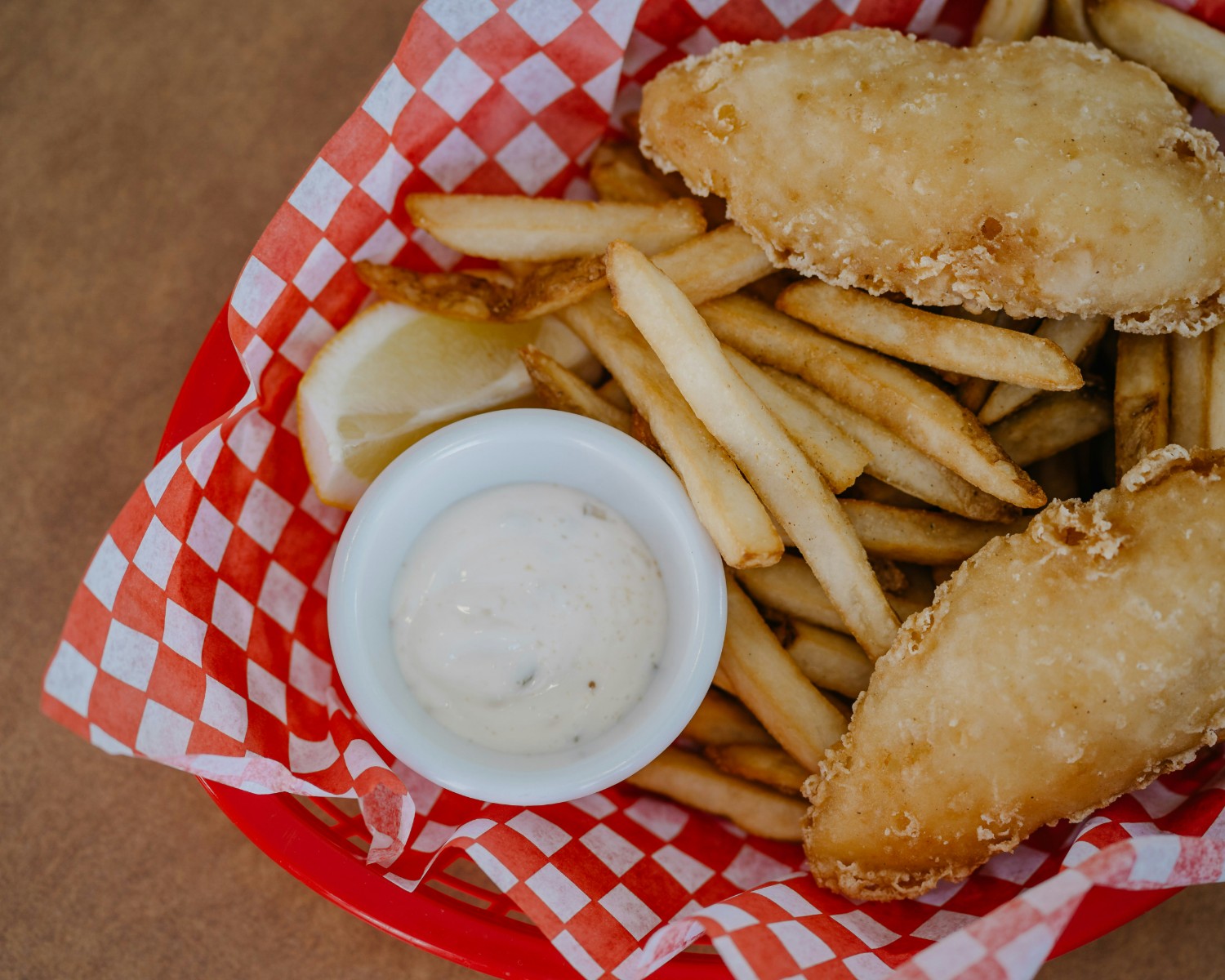
Fish & Chips
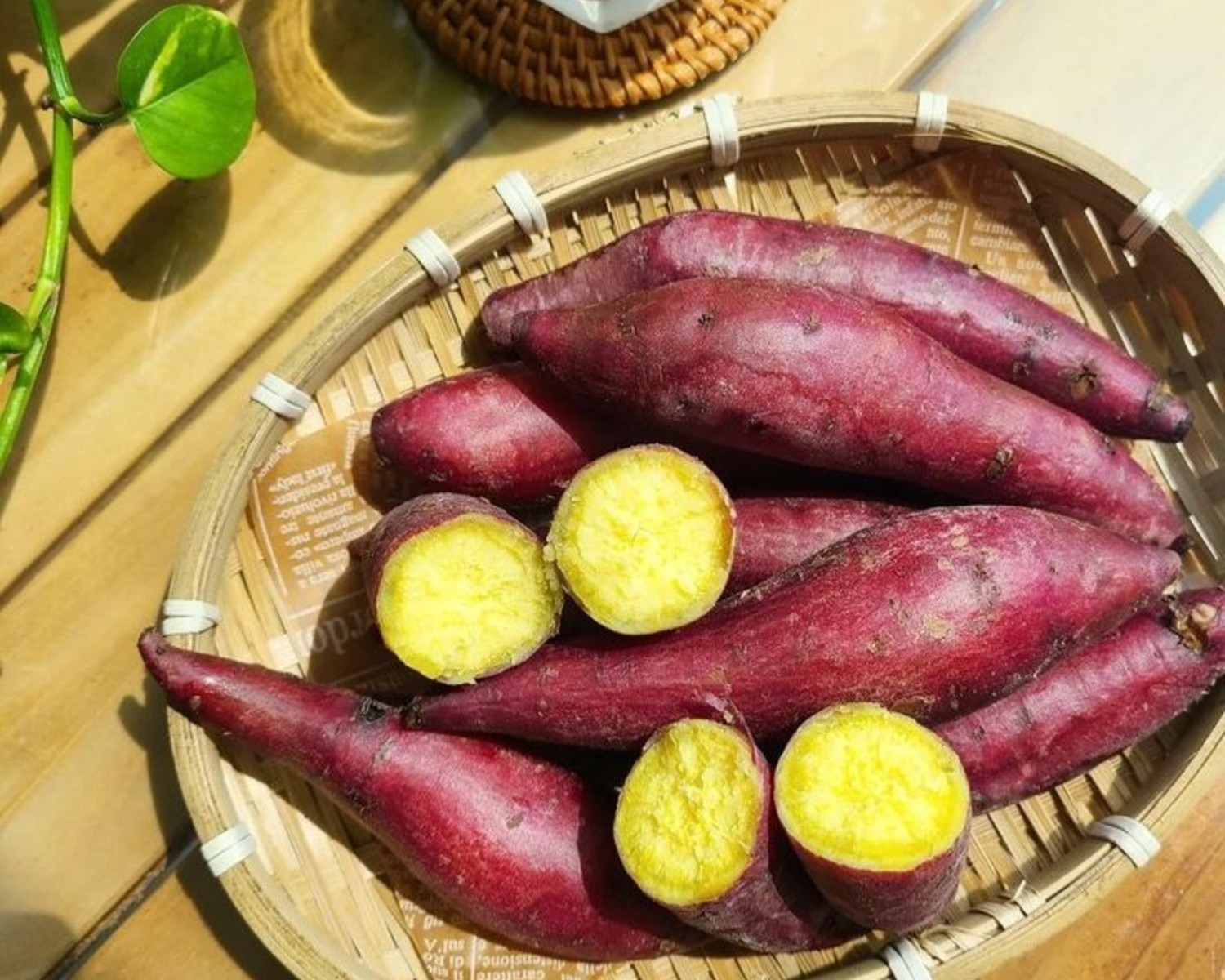
Kumara
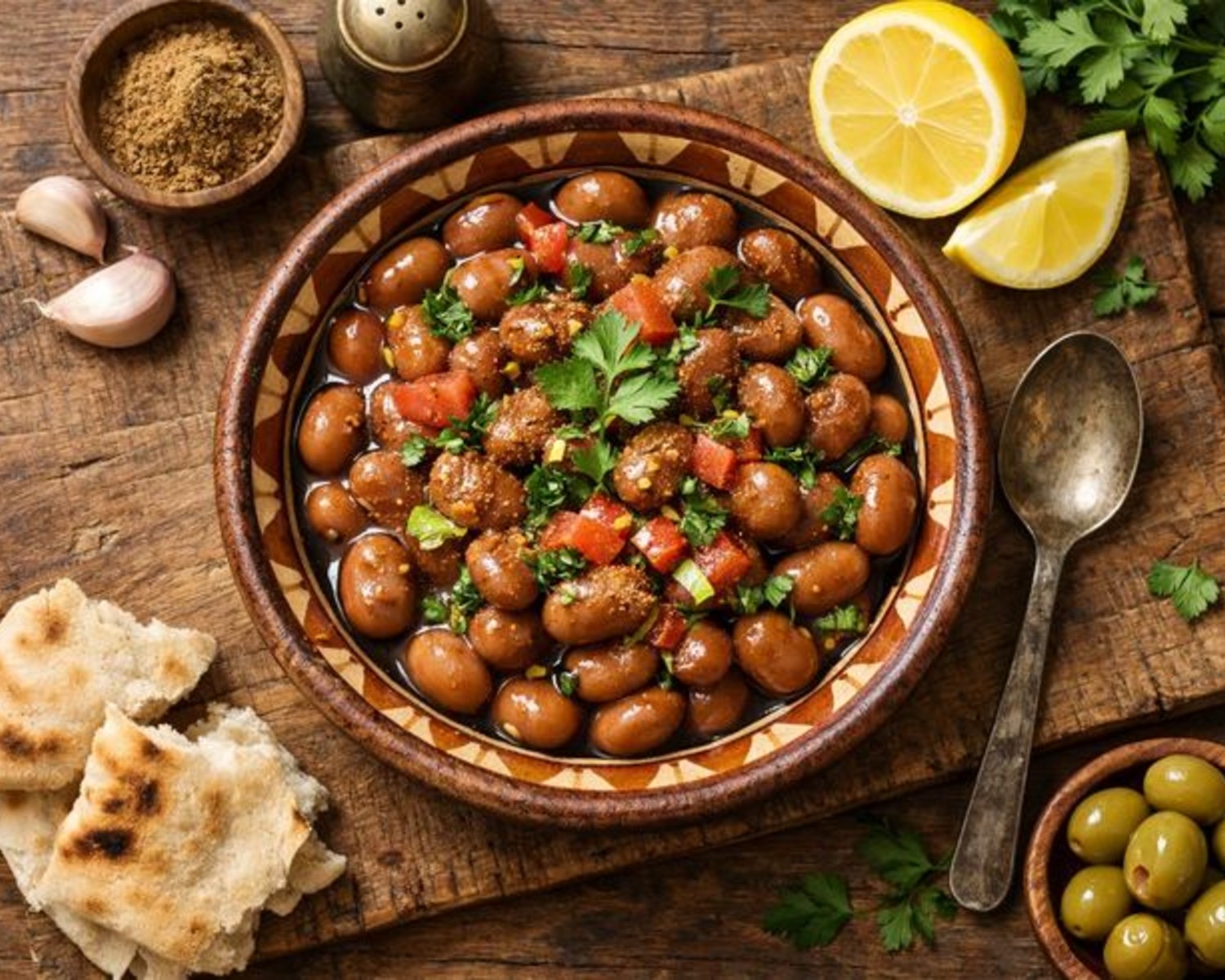
Hangi (Earth-Oven Meal)
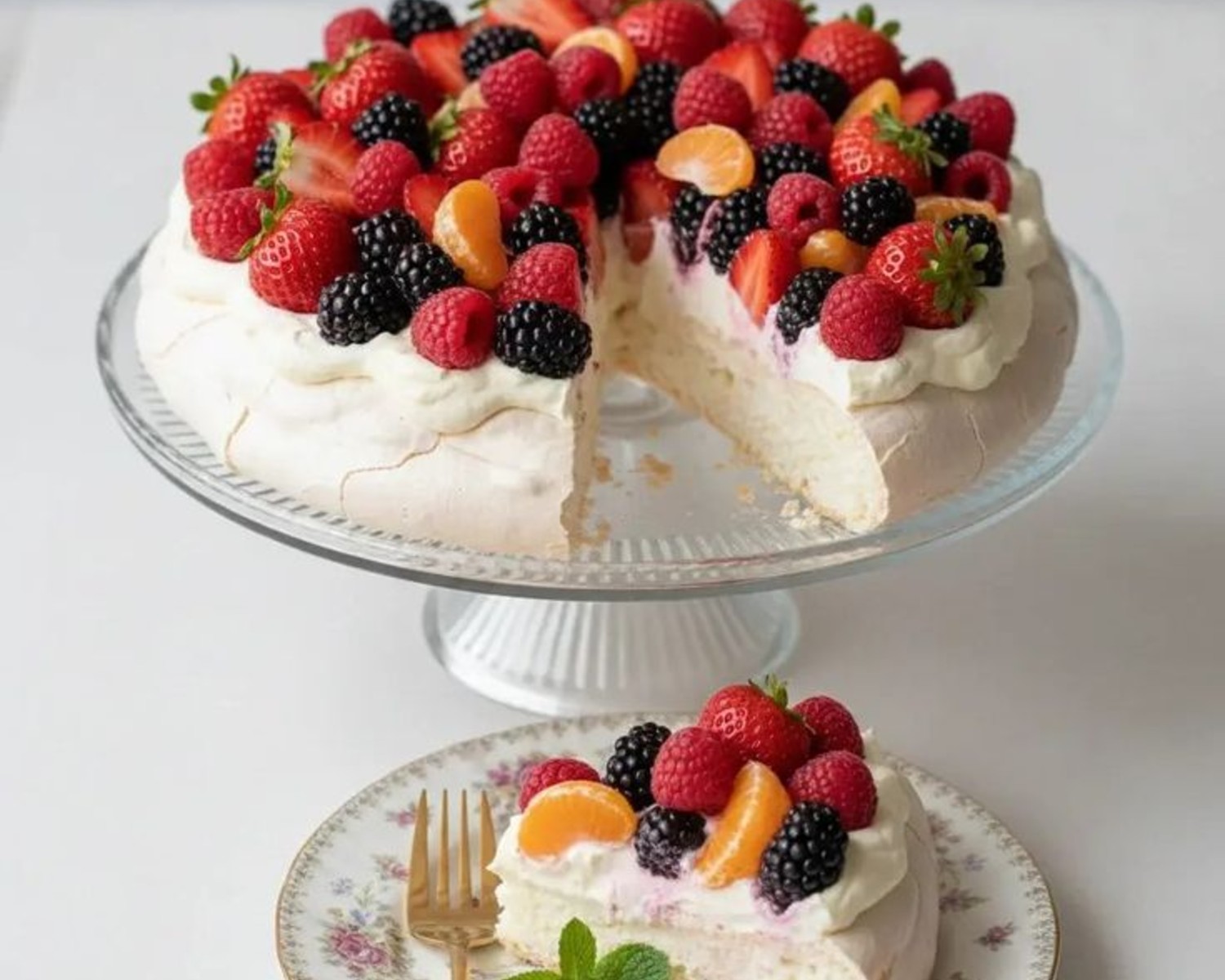
Pavlova
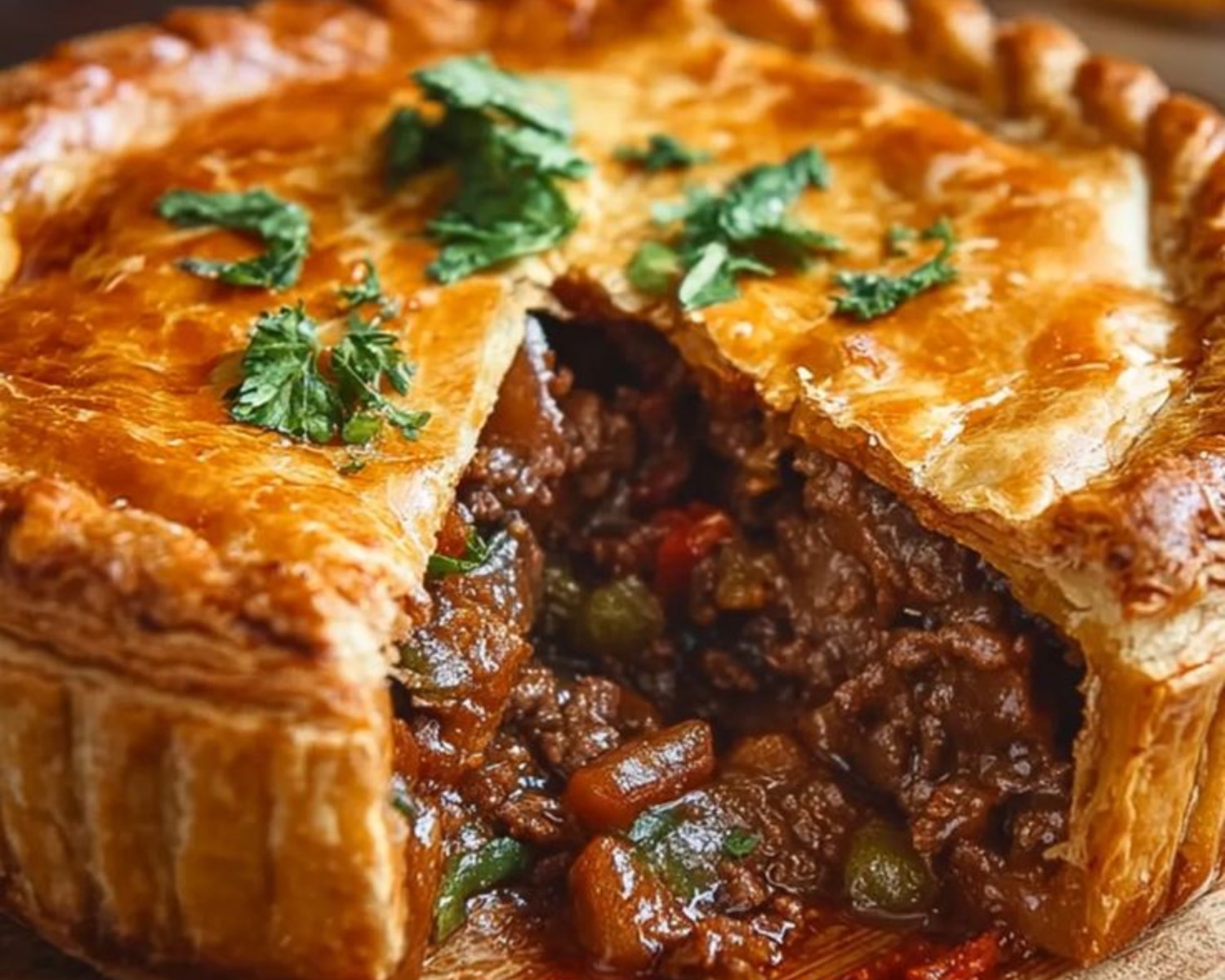
Meat Pie

Bluff Oysters
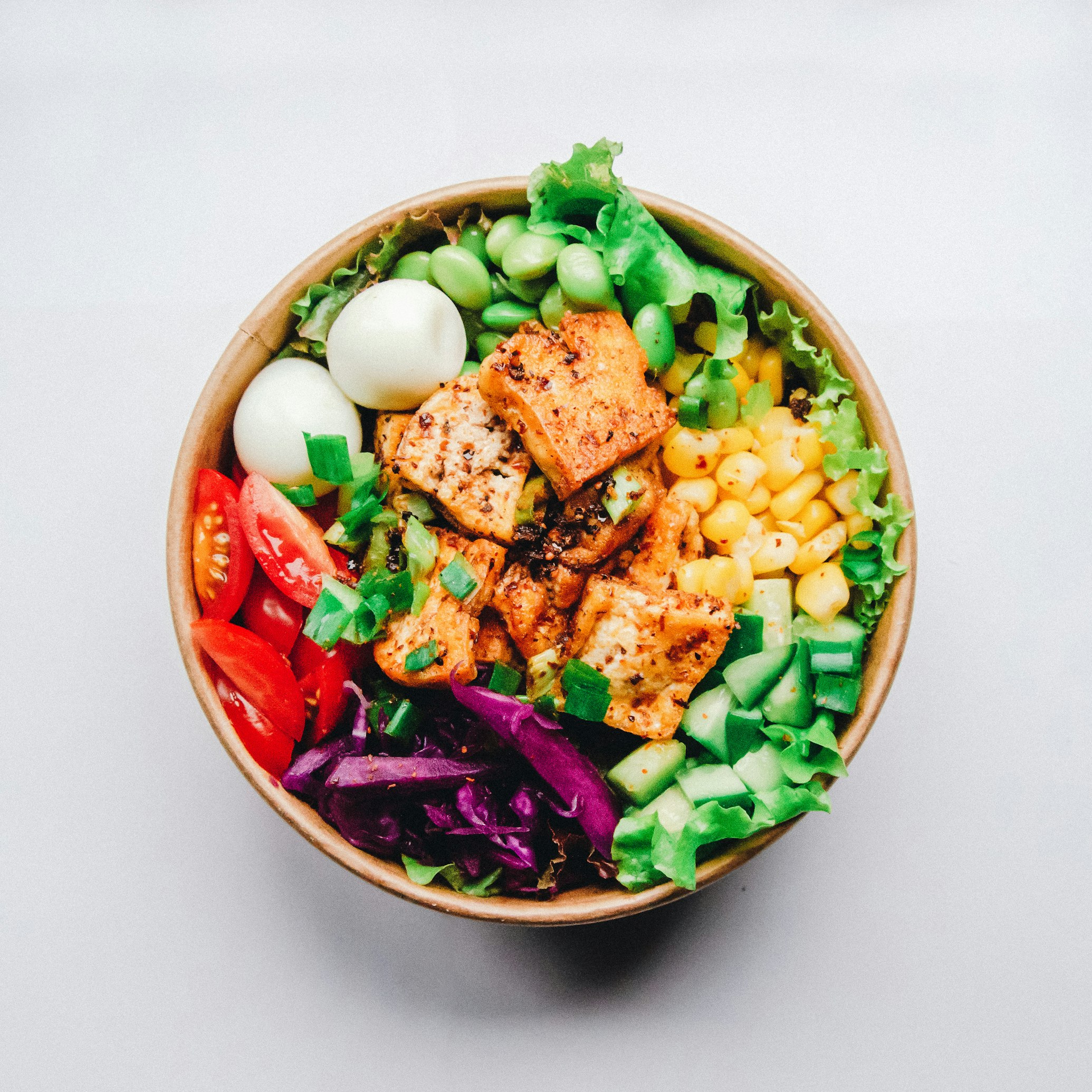
Greenlipped Mussel (Pāua)
Dining Etiquette
- • Meals typically: breakfast 7-9 AM, lunch 12-1 PM, dinner 6-8 PM. Outside these windows, options limited.
- • Casual dress acceptable in most restaurants; smart-casual for fine dining.
- • Tipping optional (~10% for good service); not expected.
- • BYO (Bring Your Own alcohol): Many cafés/restaurants allow customers to bring wine; modest corkage fee (NZD 5-10) charged.
- • Dietary requirements: Vegetarian options widely available; inform restaurant in advance for other restrictions.
- • Compliment food/chef generously; Kiwis take pride in cuisine.
- • Fish & chips eaten by hand while walking acceptable and encouraged.
- • Finishing all food optional; leaving small amount not rude.
- • Alcohol (beer, wine, spirits) available; no pressure to drink.
- • Weekend brunch culture strong; bookings recommended popular cafés.
Signature Drinks
Shop & Bring Home
New Zealand shopping reflects bicultural heritage, artisan craftsmanship, and outdoor lifestyle. Māori-inspired art (carvings, jewelry, weaving), local wines, and contemporary fashion dominate. Major cities (Auckland, Wellington, Christchurch) have modern malls alongside boutique districts. Markets, art galleries, and craft cooperatives throughout the country offer authentic local goods. Quality over quantity philosophy means fewer mass-market stores; craftsmanship valued. Prices higher than Asia due to small population and remote location, but unique items make purchases special.
Māori Art & Crafts
NZD 30-500+
- Greenstone (pounamu) jewelry (pendants, earrings)
- Carved wooden items (whakairo—intricate designs)
- Woven baskets & textiles (flax weaving—kete)
- Ta moko designs (tattoo-inspired art), Bone carvings
Authentic pieces reflect tribal origins and craftsmanship. Cheaper tourist versions widely available; seek certified artisan work for investment pieces. Museums often feature finest examples.
Wine & Local Produce
NZD 20-100 per bottle (wine); honey NZD 15-100
- Marlborough Sauvignon Blanc, Central Otago Pinot Noir
- Manuka Honey (premium: NZD 40-100/jar; medicinal rated 10+)
- Feijoa products (jam, juice, fresh fruit)
- Pavlova/chocolate (local artisan makers), Paua shells
Wine direct from wineries cheaper than retail. Manuka honey prized globally; counterfeit versions common—buy from official sources. Feijoa seasonal (Feb-May).
Outdoor & Adventure Gear
NZD 80-300+
- Merino wool clothing (Icebreaker, Smartwool brands originated here)
- Outdoor footwear (quality hiking boots)
- Camping/tramping equipment
- Native fern-design apparel & accessories
New Zealand brands world-renowned for outdoor gear. Merino wool expensive but exceptional quality. Outlet stores offer discounts (20-40%).
Contemporary Fashion & Design
NZD 50-300+
- Local fashion designers (Karen Walker, Lonely Hearts)
- Contemporary art & photography
- Design home goods (ceramics, furniture)
- Vintage clothing & antiques
Auckland's High Street, Wellington's Cuba Street offer designer boutiques. Art galleries scatter throughout; quality exceptional. Vintage fashion thriving in major cities.