South Africa
factsheet
The Rainbow Nation where wildlife roams freely, dramatic landscapes inspire awe, diverse cultures celebrate unity, and adventure meets luxury.
Expert travel tips for South Africa. Discover the best time to visit, climate details, and visa basics to help you plan your ideal itinerary today.
The Essentials
Best Time
May - Sep
Currency
ZAR (R)
Climate
Temperate Mediterranean
Time Zone
UTC+2 (SAST)
Language
English, 11 Official Languages
Visa
E-Visa / ETA (2025)
Capital
Pretoria (Admin)
Population
60.14M
Calling Code
+27
Power Plug
Type M (Round 3-pin, 220V)
Tipping
10-15% standard (R50-100 appreciated)
Emergency
10177 (Police), 177 (Medical)
History & Heritage
South Africa, officially the Republic of South Africa, is a nation of stunning contrasts—a country that has emerged from a troubled past to become Africa's economic powerhouse and a global tourism leader. The 'Rainbow Nation,' a term capturing South Africa's racial and cultural diversity, has transformed from apartheid oppression (1948–1994) to a democratic, inclusive society. Today, South Africa represents hope, resilience, and unity. With natural wonders (Kruger National Park, Cape Town), world-class infrastructure, and warm hospitality, South Africa attracts millions of travelers looking for the best places to visit in South Africa. Indian tourists represent the 7th largest overseas source market, with 75,000 visitors in 2024 and ambitious targets for 2.5 million from India by 2030.
Early Human History & Indigenous Peoples (2 Million BC–1600s AD)
South Africa has the oldest evidence of human habitation outside Africa—Homo erectus fossils date back 2+ million years. San hunter-gatherers and Khoikhoi herders inhabited the region for millennia before Bantu migrations (1st century AD). The San's rock art in Drakensberg Mountains remains iconic testament to their presence.
European Colonization (1652–1910)
Dutch East India Company established Cape Colony in 1652, introducing slavery and European settlement. British colonization followed (1795–1815), leading to conflicts (Boer Wars). The discovery of diamonds (1867) and gold (1886) transformed South Africa's economy and colonial dynamics. By 1910, the Union of South Africa was formed under British dominion.
Union of South Africa & Segregation (1910–1948)
South Africa gained dominion status. Racial segregation laws intensified, particularly affecting Black and Indian populations. The Native Lands Act (1913) restricted Black land ownership. Indian community, including Mahatma Gandhi's activism, resisted discriminatory laws.
Apartheid Era (1948–1994)
Afrikaner National Party implemented apartheid ('separate development'), institutionalizing racial segregation. Black South Africans faced brutal oppression; townships like Soweto became resistance centers. Nelson Mandela's imprisonment (1962–1990) symbolized struggle. International sanctions mounted. Anti-apartheid activists (Desmond Tutu, Steve Biko) became global icons.
Transition to Democracy (1989–1994)
Nelson Mandela's release (February 1990) catalyzed change. Negotiations led to the end of apartheid. First multiracial democratic elections (April 1994) made Mandela president. South Africa adopted 'Truth and Reconciliation Commission' (1995–2002) to heal historical wounds—a globally emulated model.
Modern Democratic Era (1994–Present)
Democratic South Africa has become Africa's largest economy, a BRICS member, and global tourism leader. Indian tourists have surged from 79,700 (2023) to 75,000–100,000 (2024–2025), with South Africa targeting 2.5 million from India by 2030. The upcoming ICC T20 Cricket World Cup (2027) and ETA introduction (2025) position South Africa for accelerated Indian tourism growth.[web:780][web:783][web:786]
Climate & Weather
South Africa's climate varies dramatically by region. The country is in the Southern Hemisphere, so seasons are reversed. Winter (May–September) brings cool, dry weather perfect for wildlife viewing and sightseeing. Summer (November–February) is warm but can be hot and humid in some regions. Cape Town has a Mediterranean climate; Kruger has subtropical. Spring (September–November) and autumn (March–May) offer mild temperatures and fewer crowds.[web:782][web:785][web:788][web:791]
Time Zone
UTC+2 (SAST - South African Standard Time)
2.5 hours ahead of IST (India Standard Time)
Best Months
May, June, July, August, September
Winter (May–Aug)
May – Aug
8–25°C (Cape Town); 6–27°C (Kruger)
Peak safari season: cooler weather, animals congregate at water sources, vegetation thin—optimal game viewing. May & September ideal temperatures (mild). Fewer tourists, lower prices. Clear skies, low rainfall. Perfect for trekking, hiking, outdoor activities.[web:782][web:785][web:788][web:791]
Spring (Sep–Nov)
Sep – Nov
16–29°C
Mild, pleasant weather. Spring flowers bloom (August–September). Breeding season for birds; exceptional birdwatching. September ideal. Shoulder season: moderate crowds, good prices. Wildflowers in Namaqualand spectacular. Less ideal for wildlife (dispersed due to water availability).[web:782][web:785][web:788][web:791]
Summer (Dec–Feb)
Dec – Feb
20–32°C (Cape Town); 22–33°C (Kruger)
Peak season: warm, sunny weather. Cape Town vibrant. December–January crowded (school holidays), highest prices. Hot but not unbearable. Afternoon rains possible. Beaches perfect for swimming. Whale watching (Jul–Nov), but best in June–November. Humidity high in coastal areas.[web:782][web:785][web:788][web:791]
Autumn (Mar–May)
Mar – May
12–30°C
Moderate season: mild weather, golden landscapes, grape harvesting (wine region). Ideal conditions similar to spring. Fewer crowds post-school holidays. Rainfall increases gradually but seldom disruptive. Beautiful for Cape Winelands, Garden Route exploration. Comfortable for all activities.[web:782][web:785][web:788][web:791]
Seasonal Packing List
Language Guide
Official Language
English (primary for tourism); 11 Official Languages (Zulu, Xhosa, Afrikaans, etc.)
English is the lingua franca for tourism, business, and education—widely spoken by young generations and in urban areas. Afrikaans (Dutch-derived) prevalent in Western Cape; Zulu dominant in KwaZulu-Natal. 11 official languages reflect post-apartheid inclusion. For Indian travelers, English fluency makes South Africa exceptionally accessible. Learning basic phrases in local languages deeply appreciated.[web:780]
Local Signage
Useful Phrases
Hello
MOH-low / HOW-zit
Molo / Howzit
Thank you
ngyah-BOH-nah / DAHN-kee
Ngiyabonga / Dankie
Goodbye
SAH-lah NTL-eh / TOH-shuns
Sala ntle / Totsiens
Yes / No
AY-weh / CHAH
Ewe / Cha
Excuse me
oo-HLOW / JAH-mer
Uxolo / Jammer
How much?
lee-mah-LEE-nee
Limalini? / Hoeveel kos dit?
Where is...?
KOO-fee
Kuphi...? / Waar is...?
Please
ngyah-SAY-lah
Ngiyacela / Asseblief
Also Commonly Spoken
English
Widely spoken in tourism sector, cities, hotels, restaurants, attractions. Most signs bilingual (English + Afrikaans/Local). Extremely convenient for Indian travelers. Very high English proficiency.[web:780]
Zulu
KwaZulu-Natal dominant language. 'Hello' (Molo) appreciated. Widely understood in Durban, coastal areas.
Xhosa
Eastern Cape language with click consonants. Cape Town region. Learning basics shows cultural respect.
Afrikaans
Western Cape common language. Dutch-derived. Older generations fluent; younger speak English. Many signs bilingual.
Currency & Money
Official Currency
South African Rand
R (ZAR) — 1 ZAR = 100 Cents
Banknotes
10, 20, 50, 100, 200 ZAR
Coins
1, 2, 5 cents; 10, 20, 50 cents; 1, 2, 5 rand
ATMs & Cash Withdrawal
ATMs abundant in major cities (Johannesburg, Cape Town, Durban) and tourist areas. Most accept Visa/Mastercard. Withdrawal fees typically 5–10 ZAR per transaction. Limited ATM access in remote areas; withdraw adequate cash. Airport exchanges available 24/7.
Credit & Debit Cards
Accepted in upscale hotels, malls, restaurants, and tourist attractions in major cities. Cash essential for markets, street food, local eateries, taxis, and small vendors. Digital payments (Apple Pay, Google Pay) growing but not universal. Many local businesses cash-only.
Tipping Culture
Tipping customary in restaurants (10–15% for good service). Hotel staff, tour guides, parking attendants, and taxi drivers appreciate tips (R20–100). Rounding up bills polite. Service charge sometimes included; verify before tipping. Small change (R1–5 coins) often given to street children/beggars.
Daily Budget Estimates
Budget Traveler
R600–1,000 (~$32–54)
Mid-Range Traveler
R1,200–2,000 (~$65–108)
Luxury Traveler
R2,500+ (~$135+)
Visa & Entry
Visit official South African Home Affairs e-visa portal (evisa.gov.za) or VFS Global website
Complete online application form with passport, travel details, accommodation info
Upload scanned documents: passport biodata page, color photo, proof of funds, accommodation booking, return flight
Pay visa fee via online transfer or VFS Global center
Receive e-visa via email (5–10 working days); can print or save digital copy
Present e-visa and passport at South African airport immigration upon arrival
From October 2025, Indians can apply for ETA through automated AI system for faster processing
Registration
Immigration processes registration at airport entry.
Tourist visa registration automatic upon arrival; no separate registration needed.
Penalty: Overstays incur daily fines (R500+ per day), deportation for serious violations, future entry bans.
Visa Extension
Apply through Department of Home Affairs or VFS Global before expiration.
Cost: Extension typically costs R500–1,000; fees vary.
Requirements
- • Valid Indian passport (minimum 30 days validity beyond departure date)
- • Completed online visa application form
- • Passport-size color photo (45mm x 35mm, recent)
- • Proof of funds (bank statements showing R10,000+ equivalent)
- • Hotel booking confirmation or travel itinerary
- • Return or onward flight ticket
- • Yellow fever vaccination certificate (if traveling from endemic countries; not required directly from India but required if transiting through endemic countries)
- • Travel insurance (recommended but not mandatory)
Getting There & Around
Intercity Travel
Domestic Flights
Airlink, Mango, Flysafair budget airlines. JNB–Cape Town, JNB–Durban: 1–2 hours. R500–2,000 depending on booking. Fast but least adventurous.
Long-Distance Buses
Greyhound, Intercape, Baz Bus operate routes between cities. Comfortable, scenic. R300–800 depending on distance. Slower but immersive.
Hired Car / Self-Drive
Adventurous travelers: rent car (international license required). Roads excellent; drive on left. Petrol abundant. R400–800/day depending on vehicle.
Private Driver
Hotels arrange; ideal for safety, local expertise. R600–1,500/day with driver. Flexible itineraries; cultural insights.
Culture & Local Life
Warm Hospitality with Ubuntu Philosophy & Diverse Traditions
South Africa's culture is a vibrant tapestry woven from multiple traditions: Zulu warrior heritage, Xhosa resilience, Afrikaner history, Indian community legacy, and British colonial influence. The philosophy of 'Ubuntu' ('I am because we are') emphasizes community, compassion, and mutual support. Post-apartheid South Africa celebrates diversity; equality and dignity are constitutional values. Braai (barbecue) culture brings communities together. South Africans are known for warmth, humor, and genuine hospitality—tourists consistently cite this as a highlight, adding to the richness of the many things to do in South Africa. Contemporary society balances tradition with modernity; respect for elders and community bonds remain paramount.
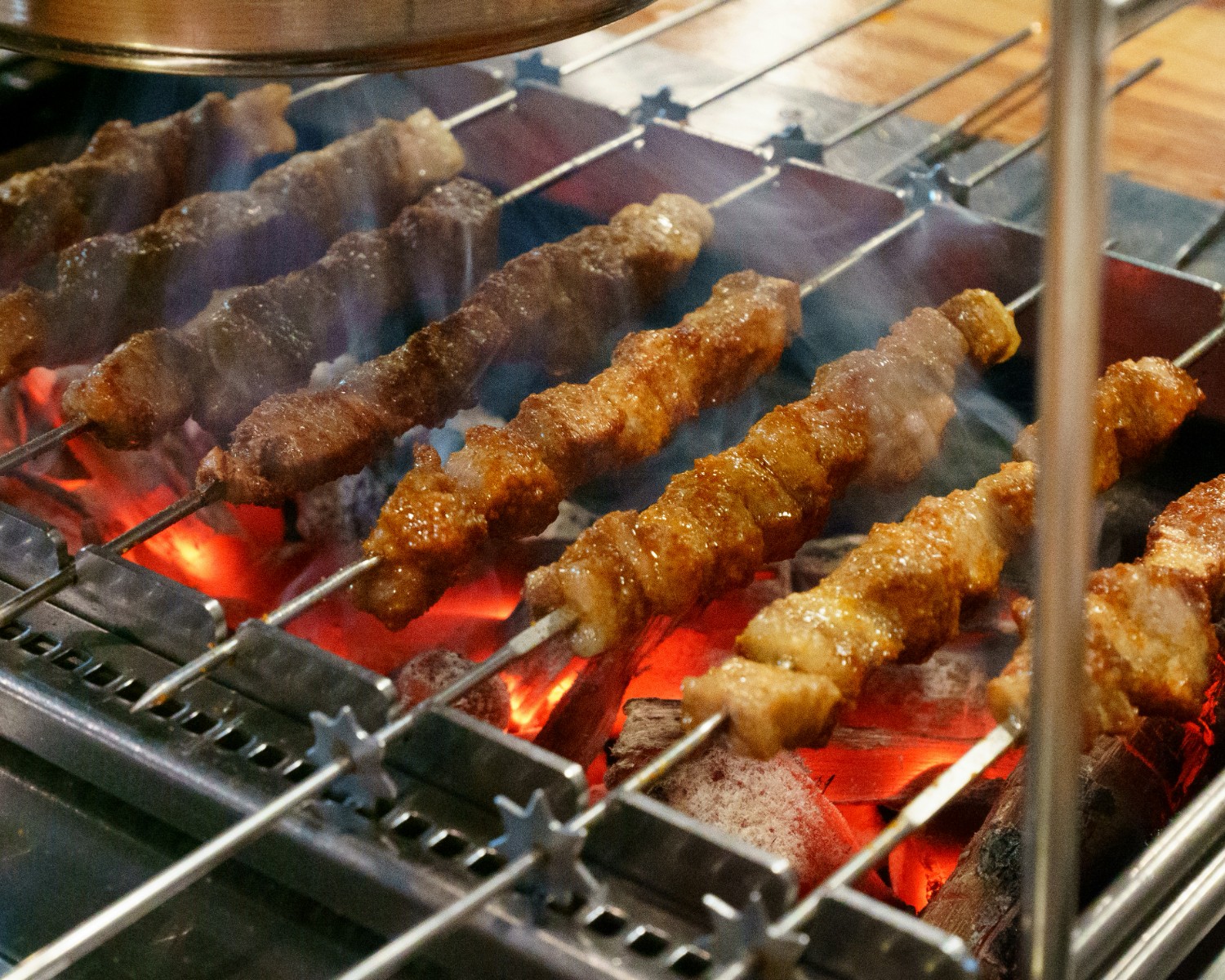
Braai (Barbecue)
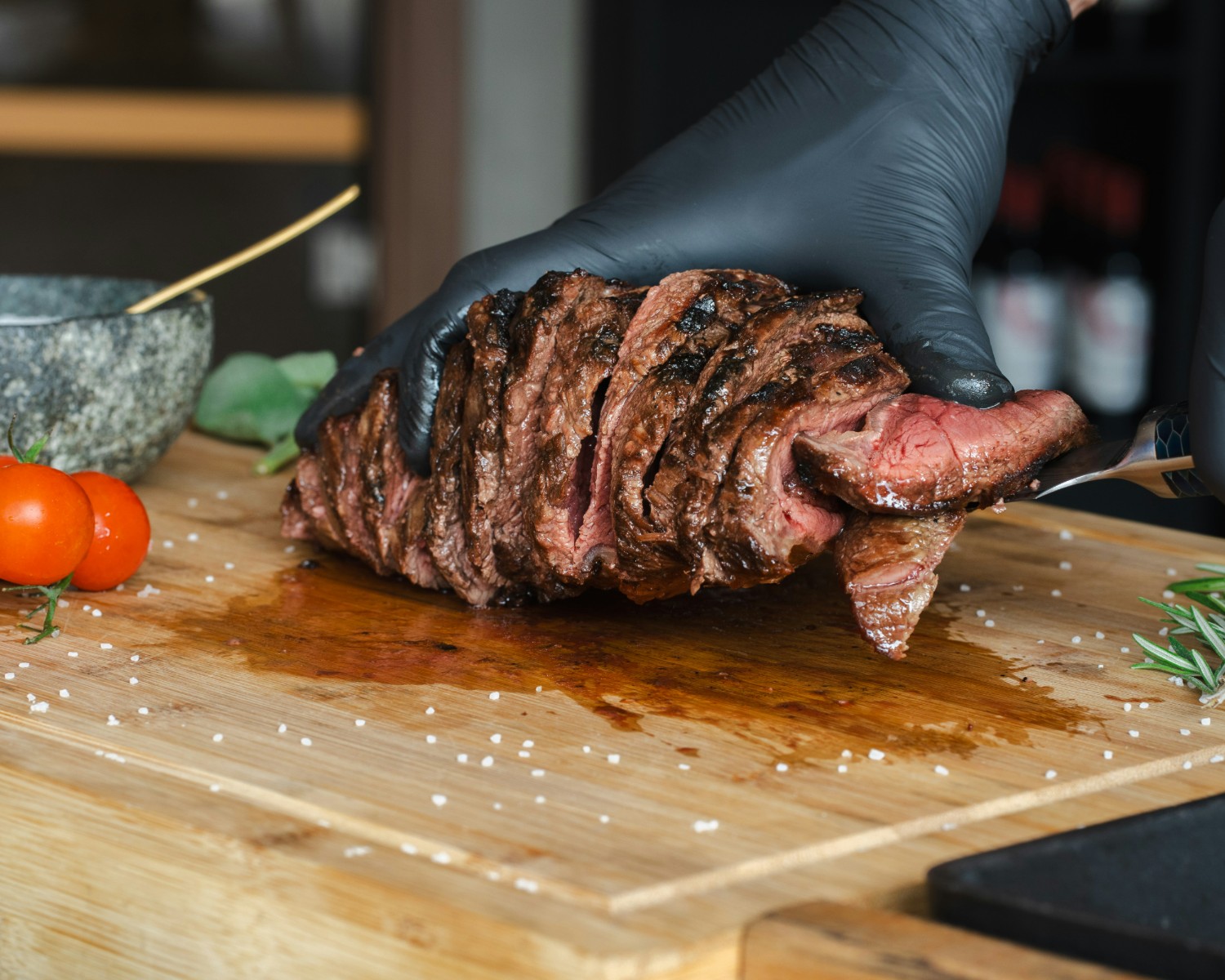
Iconic South African social gathering where meat is grilled communally. More than cooking, braai is cultural tradition uniting all races/classes. 'Braai Day' (Sept 24) celebrates South African identity. Bringing firewood, meat, or drinks as contribution is expected.
Ubuntu Philosophy
'I am because we are.' Core African philosophy emphasizing interdependence, community care, and collective well-being. Manifests in sharing, hospitality, and communal decision-making. Essential to understanding South African values post-apartheid.
Zulu Warrior Heritage
Zulu culture celebrates warrior traditions, beadwork, dance (Gumboot Dance), and oral history. Kraals (traditional settlements) showcase architecture. Zulu beadwork colors carry meaning. Rich musical heritage with drums, chanting. UNESCO recognized cultural importance.
Truth & Reconciliation
Post-apartheid South Africa pioneered Truth and Reconciliation Commission (1995–2002), enabling victims to testify, perpetrators to confess, and nation to heal without vengeance. Model globally emulated. Museums (Apartheid Museum, District Six) preserve memory.
Gifting Etiquette
Small gifts appreciated (wine, chocolate, flowers). Avoid knives or cutting tools (cutting friendship symbolism). Gifts presented/received with both hands. Wrap neatly. Opening immediately shows appreciation. Thoughtful gifts valued over expensive ones.
Business Etiquette
Business cards exchanged formally with both hands. Meetings begin with pleasantries, coffee/tea. Respect hierarchies; address people by titles until invited otherwise. Punctuality increasingly valued in modern South Africa; rural areas more relaxed. Firm handshakes, direct eye contact important.
Dining Etiquette
Wait for host/honored guest to start. European cutlery in formal settings; traditional meals eaten with hands. Compliment the cook; finish most of your plate (waste disrespectful). Braai etiquette: bring contribution, engage in grilling, socialize. Tipping 10–15% standard.
Food & Drink
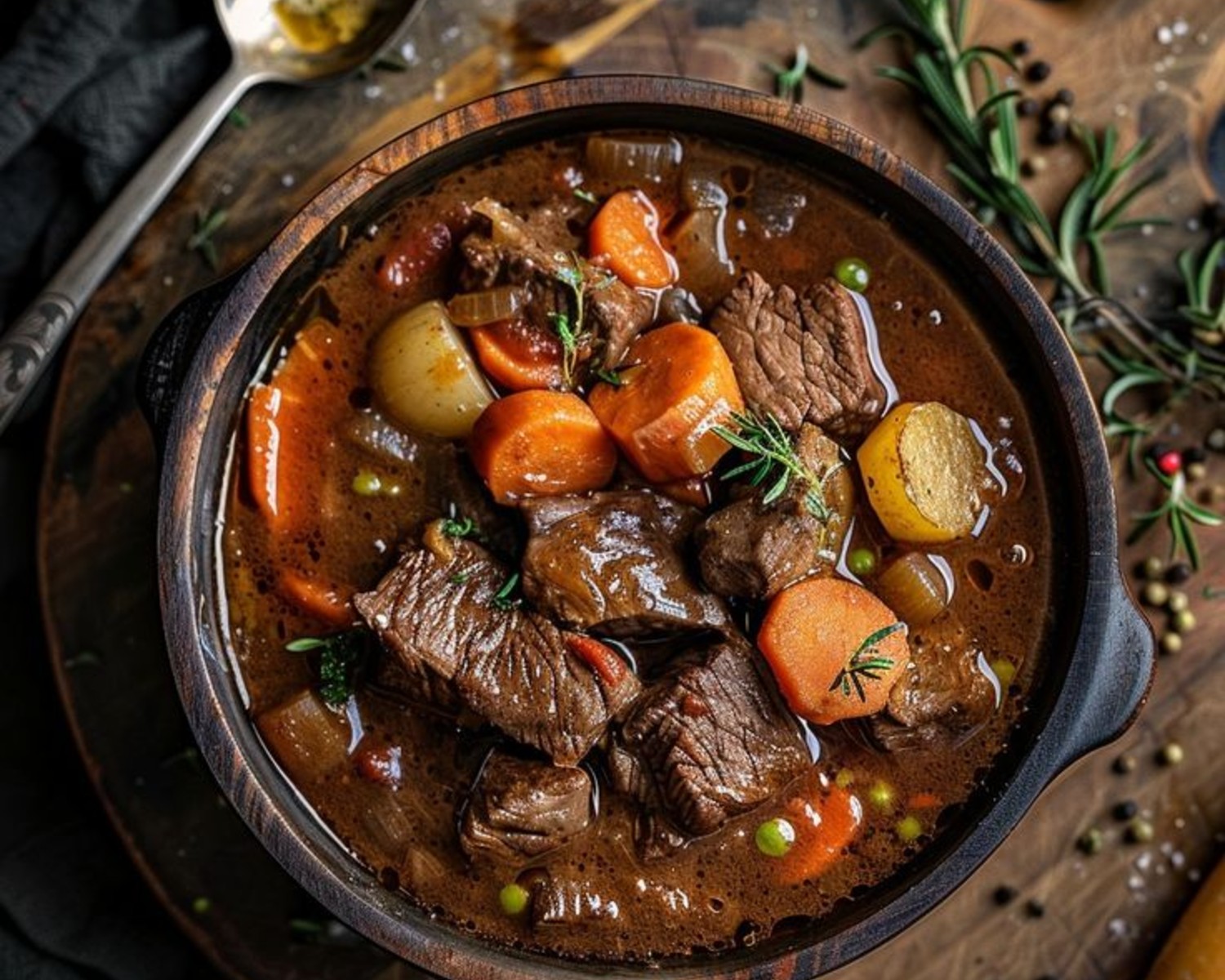
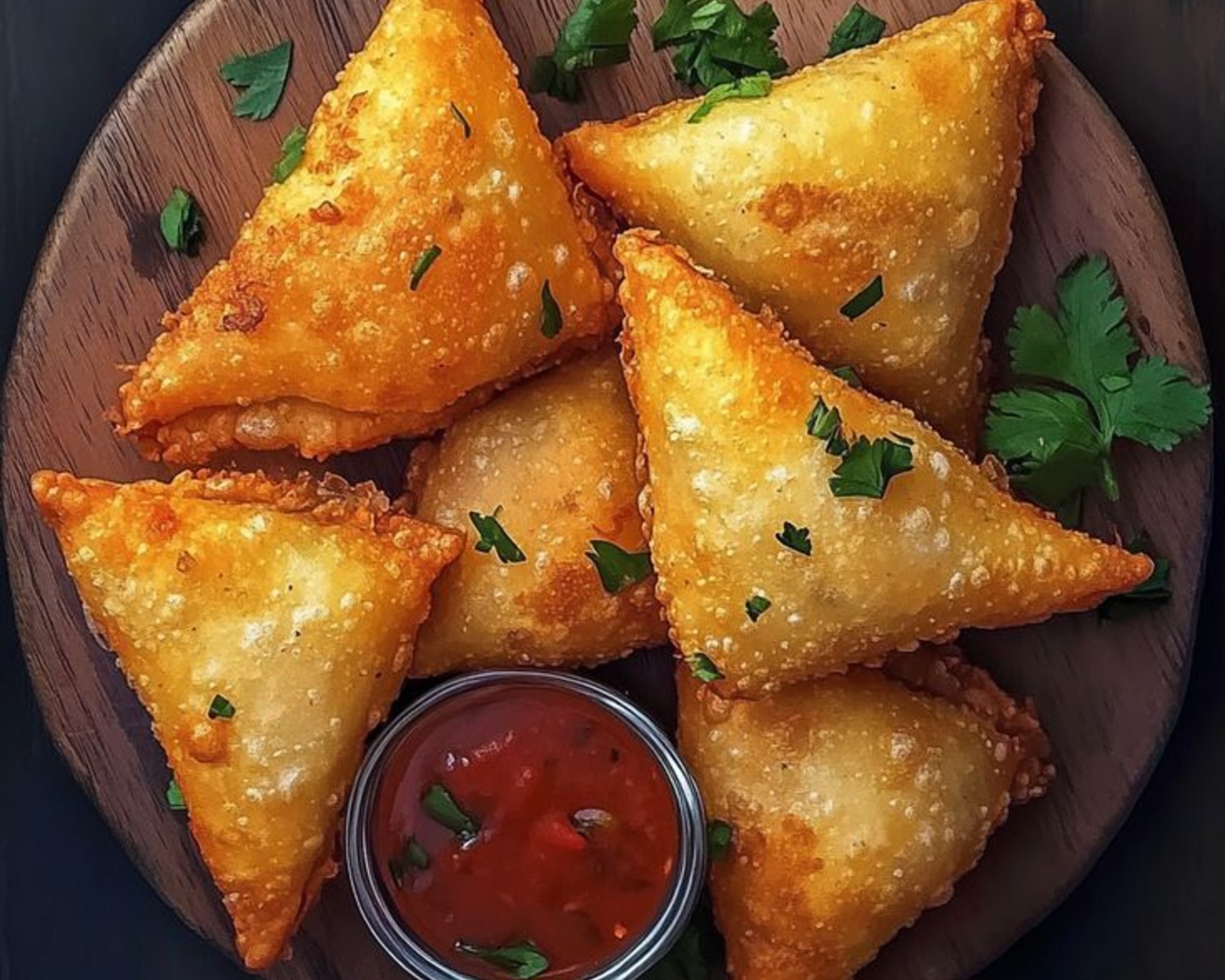
South African cuisine is a fusion of indigenous African, Malay, Indian, Dutch, and British influences—reflecting centuries of migration and cultural exchange. Meals are social, communal events; braai (grilled meat) dominates social gatherings. Traditional staples include maize, legumes, game meat, and fresh seafood. Braai culture, street food, township eateries, and fine dining coexist. For Indian travelers, South African food shares communal dining values and spice appreciation (Durban's curry culture reflects Indian heritage). Vegetarian options increasingly available; meat-centric cuisine historically predominates.
Braai (Grilled Meat)
Bobotie
Biltong
Potjiekos
Sago (Samoosa/Samosa)
Pap & Relish
Dining Etiquette
- • Braai is communal; bring contribution (meat, drinks, firewood, salad)
- • Wait for host/honored guest to begin eating in formal settings
- • Compliment the cook/braai master generously
- • Use knife and fork in formal dining; traditional meals eaten by hand is acceptable in casual settings
- • In braai settings, use right hand when eating with hands (cultural norm)
- • Finish most food on your plate (waste disrespectful); small amount leaving shows abundance
- • Don't refuse offered food—it's insulting to host's hospitality
- • Slurping drinks/soups acceptable in casual settings; more restrained in formal
- • Tip 10–15% in restaurants; round up at casual eateries
Signature Drinks
Shop & Bring Home
South Africa offers diverse shopping: ultra-modern malls (Johannesburg's Sandton City), traditional African markets, artisan craft villages, luxury brands, and unique local goods. Cape Town and Johannesburg are shopping hubs. Craft markets offer authentic handmade items; bustling markets provide local flavor and bargaining culture. Wildlife-themed souvenirs, African art, beadwork, wine, and modern fashion coexist. Shopping culture integral to South African tourism.
African Art & Crafts
R200–5,000+
- Hand-carved wooden sculptures
- Beadwork & jewelry
- Woven baskets & textiles
- Traditional masks & shields
Support local artisans by buying directly from craft markets or cooperatives; ethical shopping.
Wildlife & Nature Souvenirs
R100–2,000
- Safari-themed artwork
- Stone carvings (animals)
- Photography prints (Big Five)
- Kruger National Park merchandise
Verify no endangered species materials; ethical souvenirs only.
Wine & Local Products
R50–500
- Cape Winelands wines
- Rooibos tea
- Biltong & spice blends
- Honey & jams
Cape Winelands offer tastings, vineyard tours; excellent value. Export restrictions on some items.
Fashion & Contemporary
R200–3,000
- Local designer clothing
- African print fabrics
- Leather goods
- Shwe Shwe (traditional fabric) items
South African fashion increasingly global; unique designs reflect local culture.