Sri Lanka
factsheet
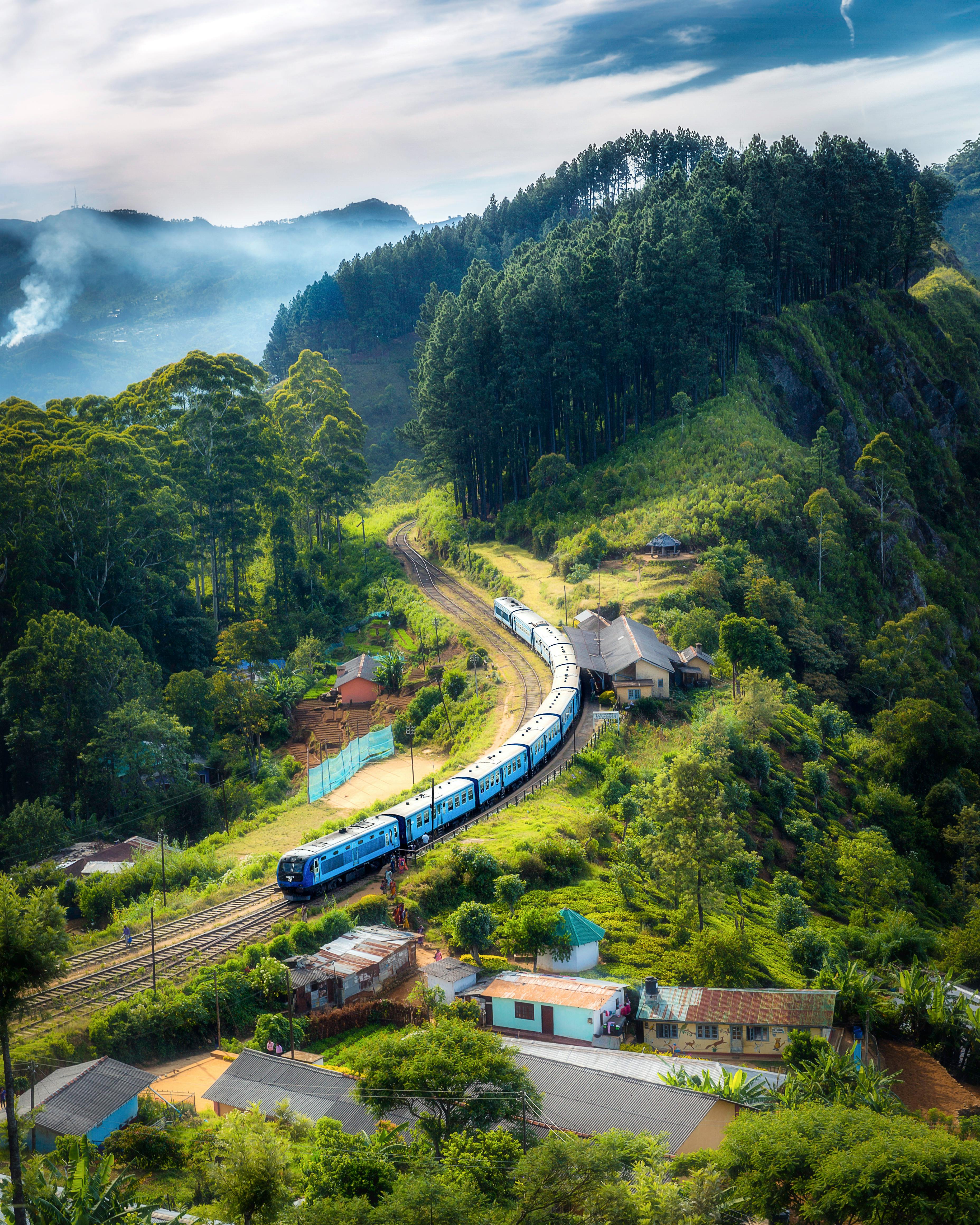
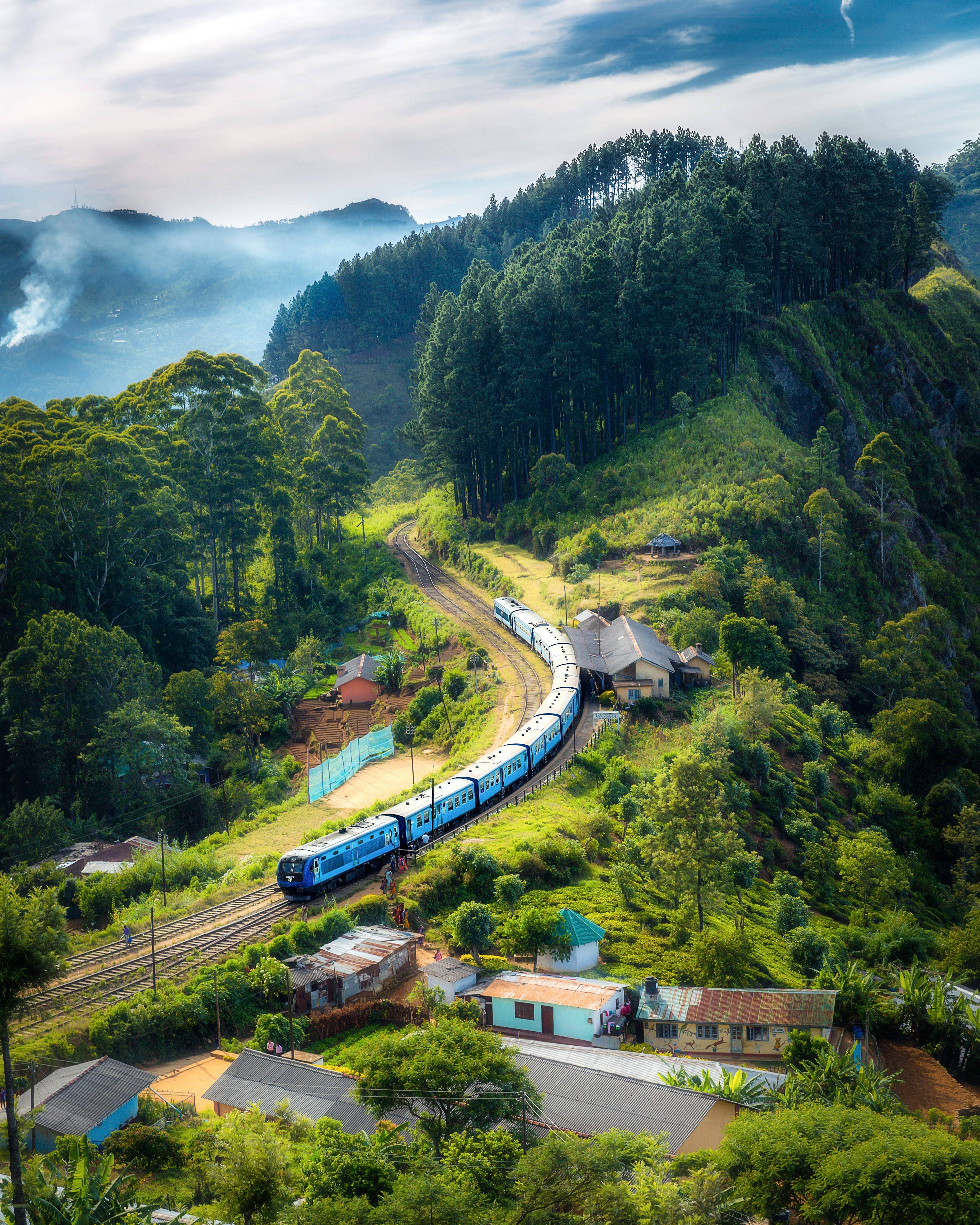
A teardrop island of misty mountains, ancient temples, pristine beaches, and warm hearts—where every moment blends spiritual serenity with tropical adventure.
Planning a trip to Sri Lanka? Find everything you need to know about visas, seasonal weather patterns, and ideal trip durations in our expert travel guide.
The Essentials
Best Time
Dec - Apr, Sep - Nov
Currency
LKR (₨)
Climate
Tropical & Subtropical
Time Zone
UTC+5:30 (IST)
Language
Sinhala, Tamil, English
Visa
Free ETA / Tourist Visa
Capital
Colombo
Population
≈22M
Calling Code
+94
Power Plug
Type D & M (230V)
Tipping
10% in restaurants; appreciated but not mandatory
Emergency
119 Police | 118 Fire | 110 Ambulance
History & Heritage
Sri Lanka's history spans over 3,000 years of documented civilization, marked by the rise and fall of ancient Buddhist kingdoms, the arrival of the sacred Tooth Relic of Buddha, colonial domination, and eventual independence, making it a key focus in any Sri Lanka history search. Sri Lankan independence Known as 'Serendib' by ancient traders and 'Ceylon' during colonial times, this island nation has preserved a unique blend of Hindu, Buddhist, Islamic, and Christian traditions while maintaining cultural continuity unmatched in South Asia.
Early Settlement & Vijaya's Arrival (543-500 BCE)
According to the Mahavamsa chronicle, Prince Vijaya, a North Indian prince, arrived on Sri Lanka's shores around 543 BCE, establishing the first Sinhalese kingdom.[web:627] Archaeological evidence confirms early human settlements dating back millennia, making Sri Lanka one of humanity's ancient habitats with continuous occupation.
Anuradhapura Kingdom: Golden Age of Buddhism (437 BCE–1017 CE)
The ancient city of Anuradhapura became the cradle of Theravada Buddhism and served as Sri Lanka's first capital for 1,500 years.[web:621][web:627] Under King Devanampiya Tissa in the 3rd century BCE, the sacred Tooth Relic of Buddha arrived, transforming Sri Lanka into a global Buddhist pilgrimage center.[web:618] The kingdom flourished as a hydraulic civilization with advanced reservoir systems, intricate temple architecture, and scholarly traditions that attracted monks and pilgrims across Asia.[web:621][web:627]
Polonnaruwa Period: Medieval Prosperity (1017–1235 CE)
After Anuradhapura's decline, the capital shifted to Polonnaruwa, which became another center of Buddhist learning and artistry.[web:621] This period witnessed remarkable architectural achievements and administrative innovations that influenced regional kingdoms.
Kandy Kingdom: Final Fortress (1469–1815 CE)
As southern and western regions fell to colonial powers, the Kandyan kingdom in the central highlands remained independent for over three centuries.[web:625] The Temple of the Sacred Tooth Relic in Kandy became Buddhism's holiest shrine in Sri Lanka, with the annual Esala Perahera procession—featuring 100 elephants and thousands of dancers—remaining a living testament to this era.[web:625]
Colonial Era: Portuguese, Dutch & British (1505–1948)
European colonial powers transformed Sri Lanka into a plantation economy focused on cinnamon, tea, and rubber.[web:655] Unlike India, Sri Lanka retained religious and cultural autonomy in the highlands, allowing ancient Buddhist traditions to survive while coastal regions absorbed colonial influences.
Modern Independence & Democracy (1948–Present)
Sri Lanka gained independence in 1948 as a fully-functioning democracy.[web:621] The nation has evolved into a multi-ethnic, multi-religious society with Buddhism deeply embedded in national identity while respecting Hindu, Muslim, and Christian minorities.[web:649]
Climate & Weather
Sri Lanka experiences two distinct monsoon seasons and enjoys tropical to subtropical climates depending on altitude and region.[web:604][web:607][web:610] The small island's geography creates micro-climates—beaches can be sunny while mountains experience rain simultaneously, allowing year-round travel with strategic planning.[web:607]
Time Zone
UTC+5:30 (Same as IST - India Standard Time)
No time difference from India
Best Months
December–April (Southwest Coast & Central) | September–November (East Coast)
Peak Season (Dry Southwest)
Dec – Apr
25–32°C (average 28°C)
Perfect weather for west/south coasts (Colombo, Galle, Mirissa, Nuwara Eliya). Ideal for beaches, trekking, and wildlife safaris.[web:607][web:610] Minimal rainfall. Clear skies and maximum sunshine. Peak tourist season—book accommodations in advance.[web:604]
Southwest Monsoon (Wet Southwest)
May – Sep
23–31°C
Southwest coast experiences heavy rainfall (May–June are wettest).[web:604][web:607] However, this is the BEST season for the east coast (Arugam Bay, Trincomalee, Kalpitiya) which remains dry.[web:604] Lush green landscapes, fewer tourists, lower prices, and excellent for surfing on the east coast.[web:610] Suitable for jungle treks and wildlife watching in eastern parks.[web:604]
Inter-Monsoon: Short Dry Window
Sep – Oct & Nov
24–29°C
Brief transition periods between monsoons.[web:604][web:610] Can be unpredictable with sporadic showers and occasional thunderstorms anywhere on the island.[web:604] However, fewer crowds offer great value for budget travelers. Late September–October often dry. Good for adventurous travelers willing to accept some rain.[web:610]
Northeast Monsoon (Dry East)
Nov – Feb
24–28°C
East coast reaches its prime (November–February).[web:607][web:610] North and east regions dry and clear. Perfect for Trincomalee, Jaffna, and Kalpitiya whale-watching and dolphin-spotting.[web:607] January is the driest month overall.[web:607] Ideal for all-island travel, but slightly cooler in highlands.
Seasonal Packing List
Language Guide
Official Language
Sinhala (Sinhalese) & Tamil
Sinhala is the primary language spoken by 70% of the population, predominantly in western, southern, and central regions, while Tamil (spoken by 18% in northern and eastern regions) and English (widely understood in tourist sectors) facilitate communication.[web:640][web:655] English proficiency is high in Colombo and tourist areas but more limited in rural villages.[web:640]
Local Signage
Useful Phrases
Hello / May You Live Long
ah-yu-bo-wahn
Ayubowan (අයුබෝවන්)
Good Morning
soo-bah oo-day-sah-nahk
Subha Udesanak
Thank You
bo-ho-mah stoo-thi
Bohoma Sthuthi (බොහෝ ස්තුතියි)
Excuse Me / Sorry
sah-mah ven-nah
Samaa Venna (සමා වෙන්න)
Yes / No
o-wu / nay
Owu / Nae (ඔවු / නෑ)
Please
kah-roo-nah kah-rah
Karuna Kara (කරුණා කරා)
How much?
key-ah-dah
Keeyada? (කීයද?)
Where is...?
ko-hay-dah
Koheda? (කොහෙද?)
Also Commonly Spoken
Sinhala
Primary language; essential for rural areas and authentic interactions. Most signage and official documents in Sinhala script.[web:640]
Tamil
Widely spoken in northern and eastern regions (Jaffna, Trincomalee) and by Tamil minorities. Official in those regions; important for cultural respect.[web:640]
English
Widely understood in Colombo, hotels, restaurants, tourist sites, and among youth under 35.[web:640] Less prevalent in rural villages and remote areas; learning basic Sinhala helps.
Hindi
Increasing presence due to growing Indian diaspora and popularity of Indian films/media, though not officially spoken.[web:640]
Currency & Money
Official Currency
Sri Lankan Rupee
₨ (LKR) — ₨1 = 100 Cents
Banknotes
₨10, 20, 50, 100, 200, 500, 1,000, 2,000, 5,000
Coins
₨1, 2, 5, 10, 25, 50
ATMs & Cash Withdrawal
ATMs widely available in Colombo, major cities, and tourist destinations; accept Visa, Mastercard, and international Maestro cards.[web:633][web:639] Withdrawal limits range from ₨25,000–200,000 depending on bank; fees up to ₨1,000 per transaction but some offer fee-free withdrawals.[web:639] Best ATMs: Bank of Ceylon, Hatton National Bank, DFCC Bank, Commercial Bank.[web:639]
Credit & Debit Cards
Widely accepted in hotels, restaurants, malls, and tourist sites in Colombo and major cities.[web:639] Cash essential for bazaars, small shops, street food, taxis, and rural areas.[web:635][web:639] Contactless payments growing but not universal. Dynamic Currency Conversion at ATMs offers unfavorable rates; always choose local currency (LKR).[web:633]
Tipping Culture
10% service charge usually included in restaurant bills at mid-range and upscale establishments.[web:620] Additional tips of ₨200–500 appreciated for exceptional service, guides, and porters. Tipping not mandatory but deeply appreciated, especially for tour guides and hospitality staff. Rounding up taxi fares is customary.[web:620]
Daily Budget Estimates
Budget Traveler
₨2,500–4,000 (~$7–12 USD)
Mid-Range Traveler
₨6,000–10,000 (~$18–30 USD)
Luxury Traveler
₨12,000+ (~$36+ USD)
Visa & Entry
Visit official ETA portal (eta.gov.lk) or authorized travel agents.[web:626][web:629]
Fill online application with passport details, travel dates, accommodation info.[web:626]
Upload scanned documents: passport biodata page, passport-size photo (4×6 cm).[web:626]
Select ETA type: Tourist (leisure), Business, or Transit (2 days, free).[web:620][web:626]
Pay processing fee online (if any) via credit/debit card; Indian nationals pay ₨0.[web:620][web:626]
Receive ETA approval via email within 1 business day (usually instant).[web:626]
Print or save digital copy; present at immigration upon arrival.[web:626]
Alternatively, apply for ETA on arrival at Bandaranaike International Airport (additional fee may apply; not recommended).[web:626]
Registration
For short-term tourists (under 30 days), no additional registration needed. Hotels handle ETA documentation.
Stays exceeding 30 days automatically require work permit; tourist ETA covers 30 days only.
Penalty: Overstaying ETA without extension results in fines (₨5,000+) or deportation.
Visa Extension
Apply for extension 5–7 days before expiration. Contact immigration office or accommodation provider.
Cost: Extension fees typically ₨1,000–3,000 depending on duration.
Requirements
- • Valid Indian passport (must be valid for at least 6 months beyond planned departure date).[web:620][web:626]
- • Passport-size color photo (digital, 4×6 cm).[web:626]
- • Hotel booking confirmation or accommodation proof.[web:626]
- • Return flight ticket or confirmed onward travel.[web:626]
- • Travel insurance (recommended but not mandatory).[web:626]
- • Proof of sufficient funds for stay (bank statements, traveler's checks).[web:626]
Getting There & Around
Intercity Travel
Long-Distance Buses
From Central Bus Station (Pettah, Colombo) to all parts of island.[web:641][web:644] ₨200–1,500 per route depending on distance.[web:647] Depart regularly; often crowded. AC coaches available for longer routes; sleeper buses for overnight journeys.[web:641]
Trains
Scenic alternatives to buses; major routes: Colombo–Kandy, Kandy–Ella, Ella–Mirissa.[web:641][web:647] Reserve seats in advance, especially high season. ₨500–3,000 depending on class (3rd, 2nd, 1st).[web:647] Delays common; experience over punctuality.[web:641]
Private Drivers & Car Rentals
Best for multi-day tours and remote areas.[web:641] Private driver: ₨2,500–3,500 per day for car + driver.[web:647] Car rental: ₨1,500–3,000 per day; international driver's license required. Roads improving but variable quality.[web:641]
Domestic Flights
Limited routes; mainly Colombo–Jaffna & Colombo–Trincomalee.[web:641] Expensive relative to buses/trains. Use only for time-sensitive travel or far north.
Getting Around
Taxis (Metered & Non-Metered)
Metered taxis in Colombo; elsewhere negotiate fares beforehand.[web:641][web:643] Cost: ₨60–100 per km (~$0.18–0.30 USD).[web:641] Non-metered white taxis cheaper if negotiated; hotels can arrange. Safe and affordable.[web:641]
Tuk-Tuks (Auto-Rickshaws)
Three-wheeled taxis; fun, iconic, and budget-friendly.[web:643][web:641] Negotiate fares; ₨100–300 typical short rides. Perfect for short distances and local experience. Not allowed at airport pickup area but walkable distance outside.[web:644]
Buses (Public Transport)
Colorful, crowded, affordable network covering entire island.[web:641][web:647] ₨20–150 per ride depending on distance.[web:647] No unified card system; pay conductor cash. Crowded during rush hours; avoid peak times if possible.[web:641]
Trains
Scenic, reliable, affordable network. Kandy–Ella–Mirissa routes world-famous.[web:641][web:647] Tickets ₨200–1,500+ depending on class and distance.[web:647] Advance booking recommended. Delays common; leave time buffer.[web:641]
Culture & Local Life
Spiritual Warmth, Buddhist Mindfulness, & Genuine Hospitality
Sri Lankan culture is rooted in Theravada Buddhism, with 70% of the population practicing the ancient faith that shapes daily rituals, festivals, and values.[web:649][web:652] The phrase 'Atithi Devo Bhava' (inherited from Indian culture) resonates deeply—guests are treated as blessings, welcomed into homes with tea and meals, and shown utmost respect.[web:649][web:652] Respect for elders, family unity, and spiritual devotion define social interactions, while colonial history and multi-religious coexistence (Buddhism, Hinduism, Islam, Christianity) create a uniquely tolerant society.[web:649][web:652]
Vesak: Buddhist New Year & Birth of Buddha (May)
Sri Lanka's most important festival celebrates Buddha's birth, enlightenment, and death.[web:649][web:661] For a month, thousands of Dansala (donation stalls) appear across the island offering free meals, drinks, and snacks to all. Temples illuminate with colorful lanterns, and locals eagerly invite travelers to participate—refusing is considered impolite.[web:661] Devout Buddhists fast, meditate, and visit temples.[web:649]
Kandy Esala Perahera: Elephant Procession (July–August)
This 1,500-year-old festival features 100 elephants, 5,000+ drummers, dancers, and fire-breathers parading through Kandy's streets in a midnight procession centered around the Temple of the Tooth Relic.[web:625][web:619] The festival blends Hindu and Buddhist traditions, making it a unique spiritual and cultural celebration visible nowhere else in the world.[web:625]
Tea Ceremony: Daily Ritual of Hospitality
Tea (locally called 'chai') is offered throughout the day as an expression of welcome and friendship. Whether in homes, shops, or trekking lodges, refusing tea is culturally inappropriate and breaks the bond of hospitality. Ceylon Tea is national pride; tasting locally-grown varieties is a cultural immersion essential to the Sri Lankan experience.[web:652]
Poya Days: Monthly Buddhist Observances
Each full moon is a Poya Day—a national holiday dedicated to significant events in Buddha's life.[web:649][web:652] Temples fill with devotees, alcohol sales are restricted, and the atmosphere becomes deeply spiritual. Visitors should dress modestly and respect the sacred atmosphere during these days.[web:649]
Gifting Etiquette
Bring small gifts (sweets, tea, flowers) when invited to homes—appreciated as a sign of respect.[web:649][web:658] Gifts should be presented with both hands. Wrap beautifully if possible. Flowers other than white chrysanthemums (associated with death) are appropriate.[web:658]
Business Etiquette
Business cards exchanged formally. Meetings begin with tea. Respect hierarchy and decision-making authority. Punctuality appreciated in modern Colombo; rural areas more relaxed about time. Use formal titles and surnames until invited otherwise.[web:649]
Dining Etiquette
Meals are social events; eat slowly and converse.[web:649] Wait for elders to start eating. Accept food when offered—finishing plates shows appreciation.[web:661] Using hands is traditional and respected; forks/spoons are for formal business settings.[web:661] Never waste food or place bread upside down.
Food & Drink
Sri Lankan cuisine is a symphony of bold spices, coconut milk, aromatic curry leaves, and fiery chilies—reflecting centuries of trade routes, cultural fusion, and tropical abundance.[web:605][web:608][web:611] Rice and curry form the foundation of every meal; street food like kottu roti and hoppers represent Sri Lanka's culinary soul, beloved equally by locals and travelers.[web:605][web:611] Meals are social celebrations, traditionally eaten with the right hand, sharing communal platters.[web:661]
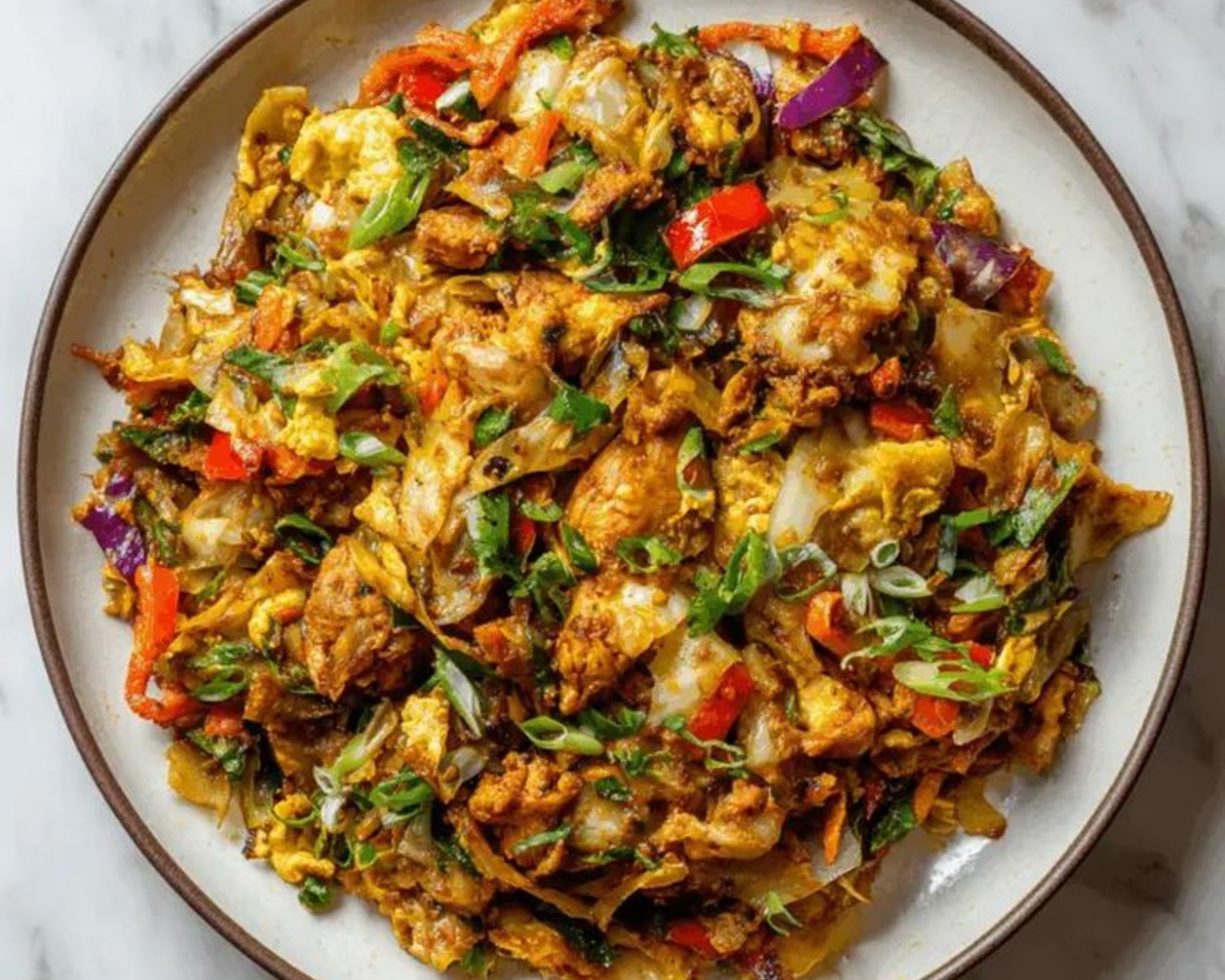
Kottu Roti (Kottu)
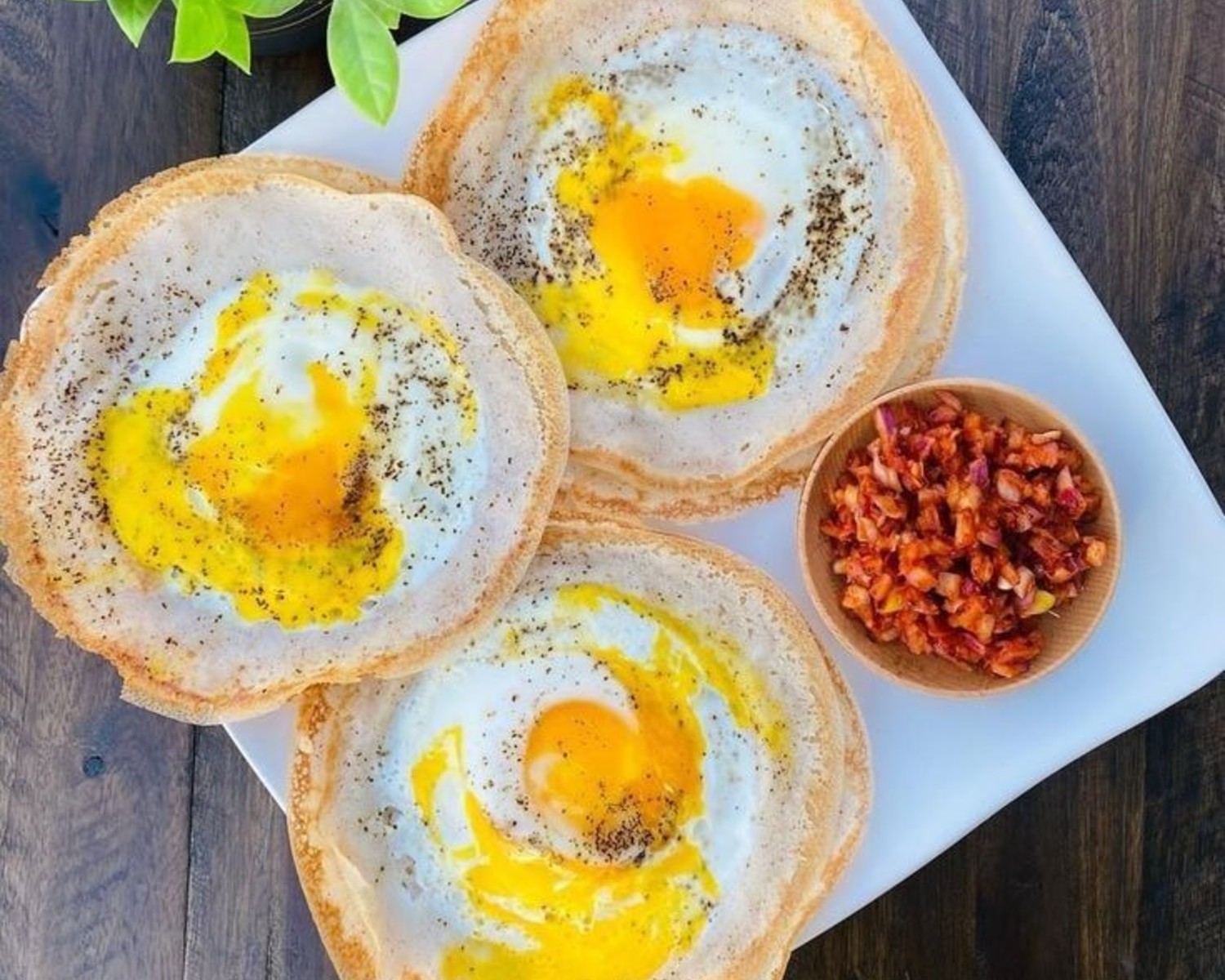
Hoppers (Appam)
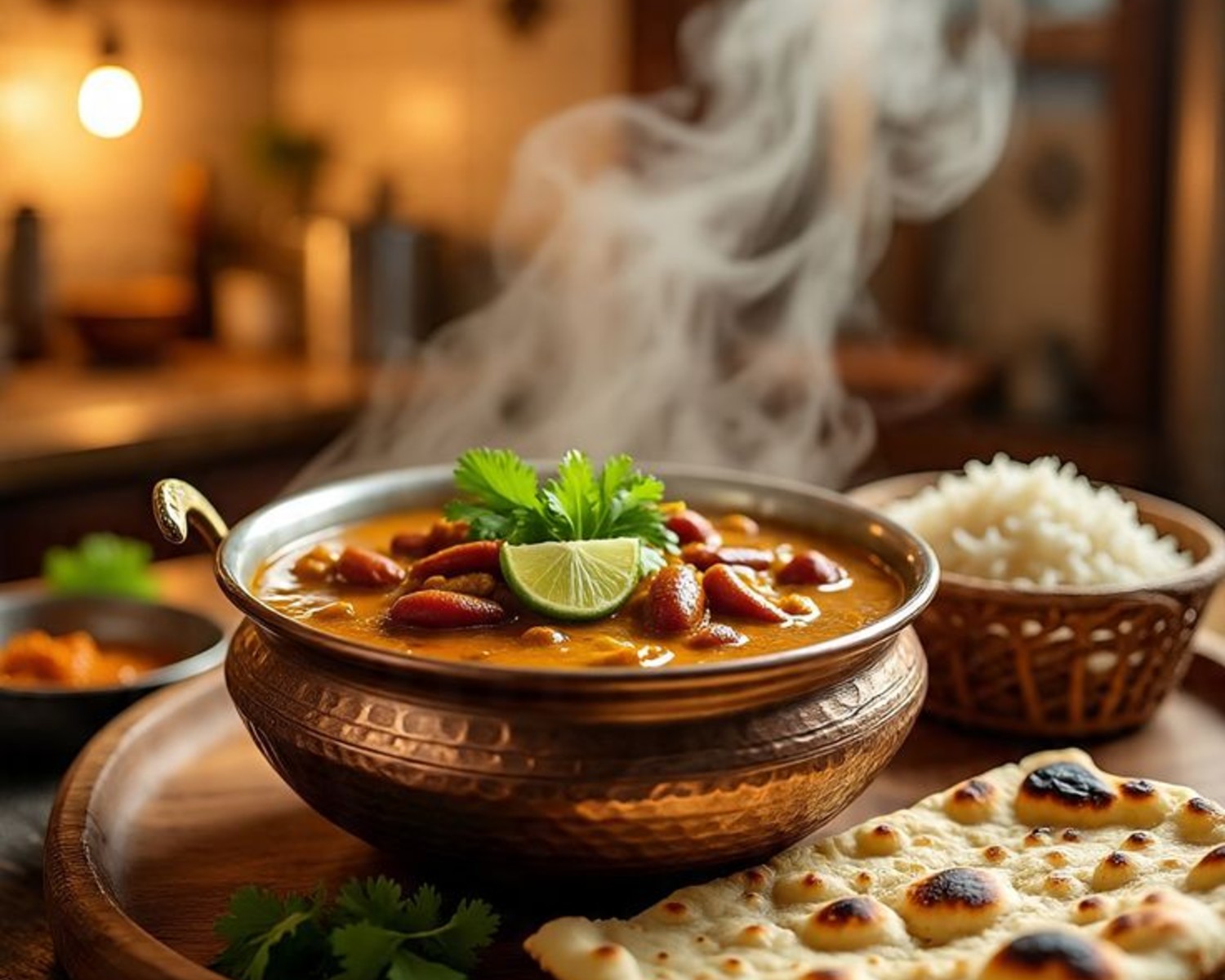
Rice & Curry
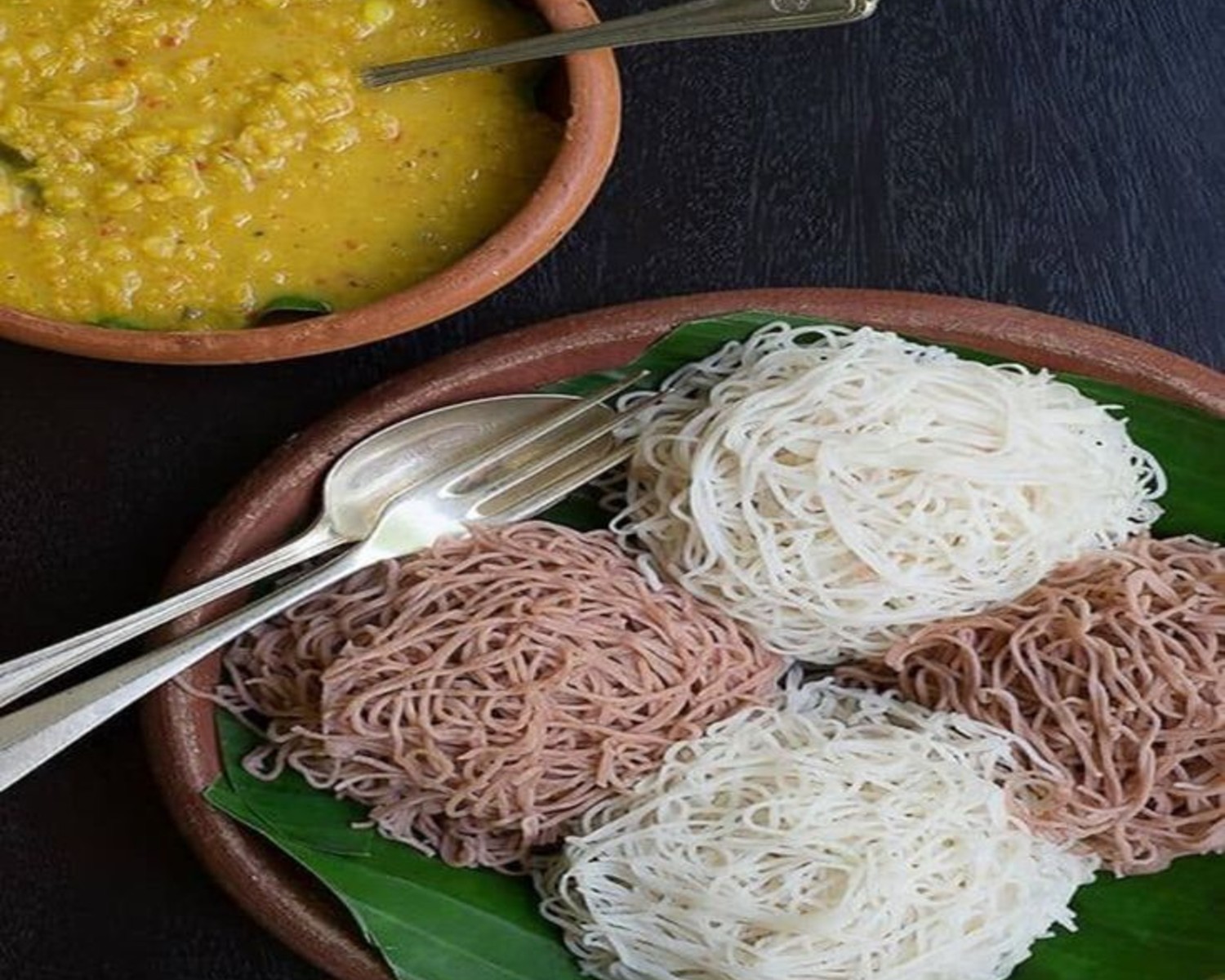
String Hoppers (Idiyappam)
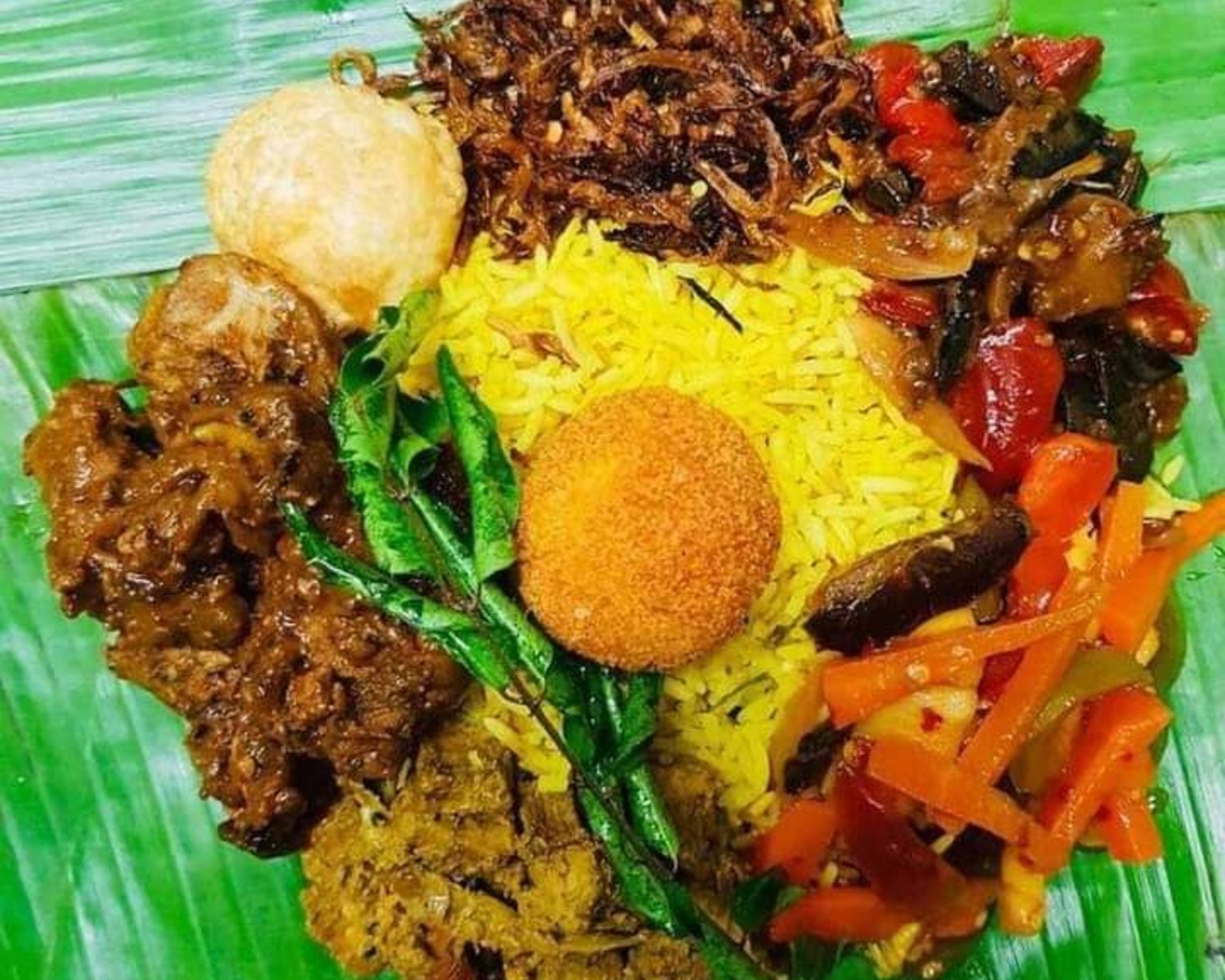
Lamprais
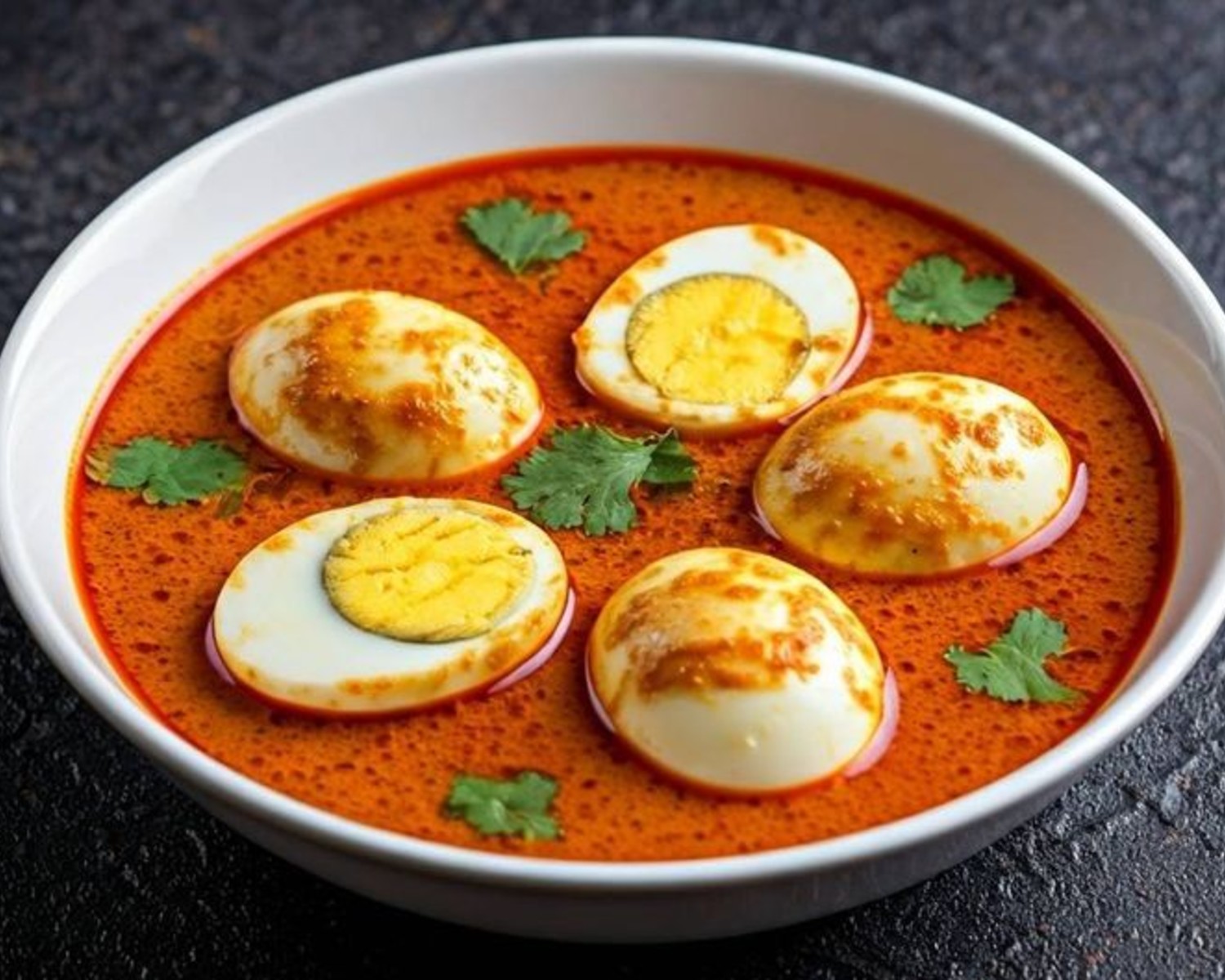
Deviled Curry
Lamprais & Wambatu Curry
Dining Etiquette
- • Meals are social events—eating slowly while conversing is normal; rushing is rude.[web:661][web:649]
- • Eat with right hand traditionally; cutlery reserved for formal business settings.[web:661]
- • Accept all food offered; finishing plates shows deep appreciation to hosts.[web:661][web:649]
- • Never waste rice or bread; both are sacred in Sri Lankan culture.[web:661]
- • Guests receive the best portions; hosts serve themselves last.[web:649]
- • Tipping: 10% service charge usually included; additional ₨200–500 appreciated.[web:620]
- • Most restaurants open 11 AM–10 PM; smaller cafés from 6–7 AM.
- • Vegetarian options available but meat-dominant; inform restaurants of dietary restrictions.[web:649]
- • Alcohol (beer, arrack, toddy) served in restaurants/beach shacks; enforcement varies.[web:608]
Signature Drinks
Shop & Bring Home
Sri Lanka offers unique handcrafted items, precious gemstones, world-renowned tea, aromatic spices, and vibrant batik fabrics—each reflecting centuries of craftsmanship and island traditions.[web:648][web:654][web:660]
Batik & Textiles
₨500–15,000+ (varies by size and artist)
- Hand-painted Batik Fabrics (scarves, sarongs, wall hangings)
- Handlooms & Linens
- Traditional Sarongs
- Kelaghayi (decorative headscarves)
Batik Gallery (Galle) and Kandygs Handlooms (Kandy) for authentic pieces; artisans allow studio visits.[web:651][web:654]
Gems & Jewelry
₨2,000–100,000+
- Sapphires (blue, pink, yellow)
- Rubies
- Semi-precious Stones (amethyst, garnet)
- Gemstone Jewelry
Ratnapura Gem Market and Laksala offer certified, fairly-priced gems.[web:648][web:654] Request certificates of authenticity; negotiate prices.
Ceylon Tea & Spices
₨200–5,000 per item
- Ceylon Black Tea (Orange Pekoe, BOP)
- Cinnamon Sticks
- Cardamom, Cloves
- Nutmeg
- Vanilla
Best prices at Pettah Market; quality guaranteed at Galle Fort.[web:651][web:654] Tea estates in Kandy offer plantation-fresh varieties at good prices.
Handicrafts & Masks
₨500–10,000
- Wooden Masks (traditional dance masks)
- Wooden Carvings & Statues
- Lacquerware
- Coconut Shell Crafts
- Buddha Statues
Laksala (state-run emporium) guarantees authenticity and fair pricing.[web:654] Galle boutiques and beachside markets also quality sources.[web:651][web:654]
Souvenirs & Local Art
₨100–2,000
- Hand-painted Art & Postcards
- Pottery & Ceramics
- Beaded Jewelry
- Tourist Magnets & Miniatures
- CDs of Traditional Music
Galle Fort streets lined with boutique shops; Colombo malls for modern Sri Lankan design.[web:651][web:654]