Tamil Nadu
factsheet
Where ancient Dravidian temples touch the sky, classical arts enchant the soul, and 2,000 years of unbroken civilization whisper timeless wisdom.
Key travel facts for Tamil Nadu – visa basics, climate, best time to visit, suggested trip duration and planning tips by Bayard Vacations.
The Essentials
Best Time
Oct - Mar
Currency
INR (₹)
Climate
Tropical, Semi-Arid
Time Zone
IST (UTC+5:30)
Language
Tamil, English, Hindi
Visa
No Visa (Indian Citizens)
Capital
Chennai
Population
7.2M (Chennai)
Calling Code
+91
Power Plug
Type A, B, C (230V)
Tipping
Optional (₹20-100 appreciated)
Emergency
100 (Police), 101 (Fire), 102 (Ambulance)
History & Heritage
Tamil Nadu, home of the Dravidian civilization, is home to over 2,000 years of Tamil culture from the era of Sangam to the period when the architecture was perfected by the Choas. It is one of the most popular tourist spots in South India with an industrial sector that manufactures vehicles and clothes. Making up 8% of the country’s gross domestic product, it boasts of modern innovations as well as its rich Tamil culture which happens to be the oldest living language in the world.
Sangam Age (600 BC - 300 AD)
The Golden Age of Tamil literature and civilization. Three Sangam assemblies (poetic academies) produced the Sangam literature—including Tolkappiyam, Silappatikaram, and Manimekalai. These ancient texts prove Tamil's sophistication, social complexity, and literary excellence 2,000+ years ago. Tamil literature predates most world languages in recorded form.
Chola Empire (9th-13th Century AD)
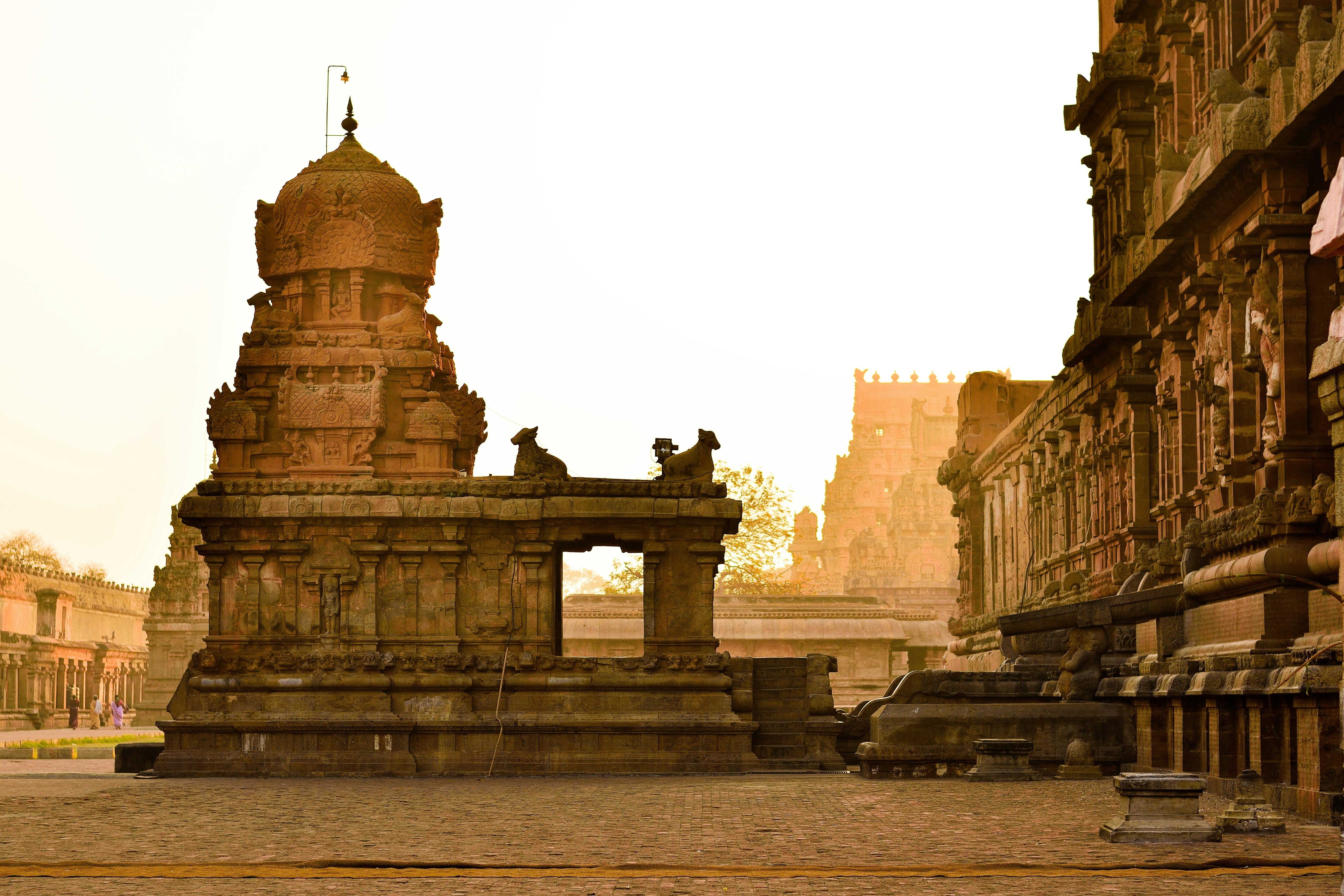
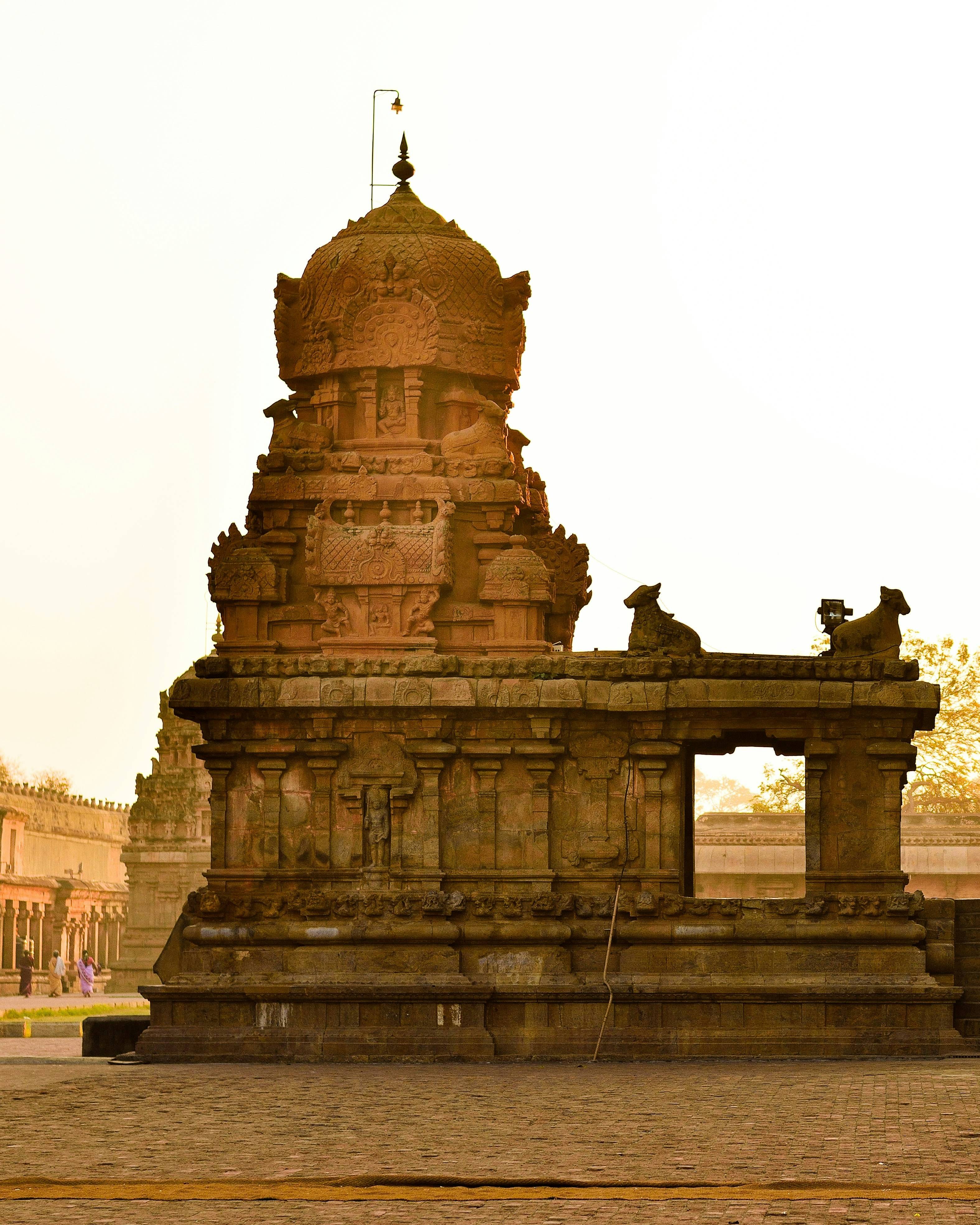
The Chola dynasty created the greatest maritime empire of South Asia. Under Raja Raja I (985-1014), Cholas conquered Southeast Asia, established trade routes to China, and built the Brihadisvara Temple—a UNESCO World Heritage Site representing architectural brilliance. Chola administration, art, and administration influenced Southeast Asian cultures profoundly.
Pandya & Pallava Dynasties (4th-9th Century)
The Pandyas (maritime traders, Madurai) and Pallavas (cultural patrons, Kanchipuram) ruled Tamil Nadu for centuries. Pallava dynasty commissioned magnificent rock-cut temples (Mahabalipuram) and advanced Dravidian architecture. Pandyas ruled maritime trade routes and spread Tamil culture across Indian Ocean.
European Colonial Era (1500s-1947)
Portuguese arrived in Chennai (1522), followed by French and British. British East India Company established Madras (1639), making it India's premier colonial port. British rule lasted 200+ years, introducing railways, ports, and English education. Independence (1947) marked Tamil Nadu's emergence as a modern state with distinct cultural identity.
Modern Tamil Nadu (1956-Present)
After independence, the Dravida Kazhagam movement championed Tamil identity and self-respect. Tamil Nadu became a manufacturing hub—automobiles, textiles, leather, pharmaceuticals, IT. Today, it contributes 8%+ to India's GDP (second only to Maharashtra), leads automotive production, and preserves Dravidian culture with pride.
Cultural Renaissance (20th-21st Century)
Tamil Nadu preserved classical arts (Bharatanatyam dance, classical music), literature, and temple traditions while modernizing. Bharatanatyam, once restricted to temples, became world-renowned classical dance form. Tamil Nadu's film industry (Kollywood) rivals Bollywood. The state balances tradition and progress uniquely.
Climate & Weather
Tamil Nadu features diverse climates—coastal tropical (Chennai, coastal districts), inland semi-arid (Salem, Coimbatore), and cooler hill stations (Nilgiris, Kodaikanal). The Arabian Sea influences weather patterns. Monsoons bring rainfall; summers are hot but manageable in hill stations. Winter offers ideal conditions for exploration with pleasant temperatures.
Time Zone
IST (UTC+5:30) - Indian Standard Time
Same as all India (synchronized across entire nation)
Best Months
October, November, December, January, February, March
Monsoon (Kaarkaalam)
Jun – Sep
26–32°C
Southwest monsoon brings heavy rainfall to coastal areas and Western Ghats. Waterfalls cascade (Courtallam, Hogenakkal). Nilgiris lush and green. Rice fields flooded. Budget-friendly; fewer tourists. High humidity in coastal regions.
Post-Monsoon (Mankai)
Oct – Nov
24–32°C
Best season begins. Clear skies, pleasant weather. Northeast monsoon brings rain to coastal Tamil Nadu. Perfect for temple visits, trekking, coastal exploration. Harvest season begins. Festivals (Deepavali) celebrated.
Winter (Munpani)
Dec – Feb
15–28°C
Ideal weather. Cool mornings, warm afternoons. Peak tourist season. Chennai comfortable (20-28°C). Hill stations cool (10-20°C). Perfect for all outdoor activities. Heritage site exploration comfortable. Beach season. Festivals: Pongal, Tamil New Year preparations.
Summer (Ilaveni)
Mar – May
30–42°C
Hot and humid along coast; extremely hot inland (inland plains 40-45°C). Hill stations (Kodaikanal, Nilgiris, Ooty) offer cooler refuge (15-25°C). Beach activities early morning. Indoor attractions (museums, temples) preferable. Mango season (Banganapalli, Alphonso varieties).
Seasonal Packing List
Language Guide
Official Language
Tamil (Tamizhum)
Tamil is spoken by 70+ million people globally. A Dravidian language unrelated to Indo-Aryan languages (Hindi, Sanskrit), Tamil has 2,000-year literary continuity. English widely understood in cities; Hindi understood but less prevalent than North India. Tamil language carries deep cultural identity—resistance to Hindi imposition led to linguistic pride movements.
Local Signage
Useful Phrases
Hello
vah-NAH-khum
Vanakkam
Thank you
NAN-dree
Nandri
Goodbye
vah-NAH-kah
Vanakka
Yes / No
AHM / IL-eye
Aam / Illai
Please
THAH-lie-vay
Thalaivaey
Excuse me
man-NEEP-poo-gal
Mannippugal
How much?
EV-lo kee-LAH-yoo
Evlo kilayu?
Where is...?
ENG-ay EE-ruk-kum
...engey irukkum?
Also Commonly Spoken
English
Widely spoken in Chennai, Coimbatore, major cities. Business language. High proficiency among youth and professionals.
Hindi
Understood but less prevalent than North India. Tamil pride resisted Hindi imposition. Younger generation increasingly learns Hindi.
Kannada
Spoken in border regions (Nilgiris) and by migrant communities. Similar to Tamil in script and grammar.
Malayalam
Spoken in border regions with Kerala. Mutual intelligibility with Tamil exists due to geographic proximity.
Currency & Money
Official Currency
Indian Rupee
₹ (INR) — ₹1 = 100 Paisa
Banknotes
₹10, ₹20, ₹50, ₹100, ₹200, ₹500, ₹2,000
Coins
₹1, ₹2, ₹5, ₹10
ATMs & Withdrawal
Abundant in cities (Chennai, Coimbatore, Madurai, Tiruppur). All ATMs accept international cards (Visa/Mastercard). No withdrawal fees; local bank charges minimal. Limited ATMs in rural areas and Western Ghats villages—withdraw in cities.
Credit & Debit Cards
Widely accepted in cities, hotels, restaurants, malls, shops. Cash essential for street food, local transport, small vendors, temple donations. Digital payments (UPI, Google Pay, Paytm) extremely popular in urban Tamil Nadu.
Tipping Culture
Not mandatory but appreciated. ₹50-100 for good service in restaurants. ₹200-500 for tour guides and drivers. Rounding up auto/taxi fares customary. Service workers welcome tips graciously.
Daily Budget Estimates
Budget Traveler
₹2,500-₹4,000 (~$29-47 USD)
Mid-Range Traveler
₹7,000-₹12,000 (~$82-141 USD)
Luxury Traveler
₹20,000+ (~$235+ USD)
Visa & Entry
For Indian Citizens: Book flights and accommodation directly. No visa processing needed.
For Foreigners: Apply for Indian visa through official portal or embassy.
Standard Indian e-Visa valid for 30/1 year multiple entry.
Passport valid for 6+ months beyond intended stay required.
No special permits needed for temples, beaches, hills—open to all registered visitors.
Extended stays (>2 months): Register with Foreigners Regional Registration Office (FRRO) in Chennai.
Registration
Hotels handle foreigner registration automatically. Provide passport copy at check-in.
Not required for Indian citizens. Foreigners staying >180 days should register with FRRO (Chennai office).
Penalty: Minimal—casual enforcement for short-term tourists. Long-term stays require registration.
Visa Extension
Contact local FRRO office in Chennai or apply online through official Indian government portal.
Cost: Extension fees vary; typically ₹500-₹2,000 for foreigners.
Requirements
- • Valid identity proof (Aadhaar, PAN, Passport, Driving License) for Indian citizens
- • Passport (for foreigners) with 6+ months validity
- • Proof of accommodation (hotel booking or guesthouse address)
- • Contact details of accommodation provider
- • No visa fee for Indian citizens within India
Getting There & Around
Intercity Travel
Indian Railways
Trains to Madurai (6h), Trichy (5h), Coimbatore (7h), Ooty (8h). Comfortable sleeper/AC classes. Book in advance. ₹500-₹2,500 depending on class.
State Transport Buses (SETC)
Affordable inter-city travel. Sleeper buses available. Routes to all Tamil Nadu cities and Kerala/Karnataka. ₹400-₹1,500 per route.
Private Drivers
Best for customized temple tours, hill station visits, Nilgiris exploration. Hotels arrange. ₹2,500-₹4,000/day depending on destination.
Car Rental
International license recognized. Drive on left. Roads excellent (Tamil Nadu among best road infrastructure in India). ₹2,500-₹5,000 daily.
Culture & Local Life
Spiritual Devotion with Classical Refinement
Tamil Nadu's culture pulses with spiritual devotion, classical artistry, and linguistic pride. Temple traditions remain central to daily life—not historical artifacts but living practices. Bharatanatyam dance, classical music (Carnatic), and Tamil literature represent unbroken artistic traditions spanning millennia. The state celebrates its Dravidian identity distinctly from North India. From elaborately dressed temple festivals to the simplicity of morning prayers, from formal classical performances to street-side flower garland sellers—Tamil Nadu balances tradition with modernity uniquely. Family values, respect for elders, and spiritual practice remain paramount.
Temple Festivals (Teppotsavam, Chariot Festival)
Grand annual celebrations marking temple deity's birth/significance. Elaborate processions, decorated chariots, music, dance, thousands gathering. Temples light up (especially during Diwali). Spiritual fervor and community celebration merge. Major festivals: Meenakshi Chariot Festival (Madurai), Arangani Temple Festival.
Bharatanatyam Classical Dance
Ancient temple dance form now world-renowned classical art. Precise movements (hastas/mudras), facial expressions, rhythm. Performed in temples, concert halls, international stages. Tamil Nadu produces world-class dancers. Represents spiritual devotion expressed through body movement.
Pongal Festival (Tamil New Year)
Harvest celebration (January 14-17). Families cook pongal (sweetened rice) in new pots, mark cattle with turmeric, exchange gifts. Represents gratitude for harvest and new beginnings. Traditional games (Jallikattu bull sport, though controversial). Multi-day celebration uniting families and communities.
Daily Temple Worship (Puja Traditions)
Millions perform daily prayers at temples—not just tourists visiting, but spiritual practitioners. Morning rituals (bathing, flower offerings, circumambulation) form daily rhythm. Temple bells signal prayer times. Prasad (blessed food) distribution. Unbroken spiritual continuity for 2,000+ years.
Gifting Etiquette
Avoid knives, clocks, or shoes (symbolize broken relationships). Wrap gifts beautifully. Coconut, flowers, fruits safe choices. Accept gifts with right hand. Odd numbers auspicious (123 rupees, not 100).
Business Etiquette
Business cards exchanged formally. English widely spoken in professional settings. Punctuality increasingly valued in modern Chennai/Coimbatore. Building relationships precedes transactions. Entrepreneurship deeply respected—Tamil Nadu IT, automotive, textile industries globally recognized.
Dining Etiquette
Right hand for eating. Thali meals (complete offerings): rice/bread, curries, vegetables, sambar, rasam, pickles. Vegetarian meals form cultural basis—meat consumption less prevalent. Finishing all food shows appreciation. Southern hospitality: hosts provide abundant portions.
Food & Drink
Tamil Nadu cuisine represents South India's culinary excellence—authentic, vegetable-focused, intensely flavored with spices. From the famous idli-dosa breakfast culture to elaborate rice meals (sambhar, rasam, pickle), from coastal seafood curries to temple-offered dishes (prasad)—Tamil cuisine balances simplicity with sophistication. Coconut, tamarind, and spices create flavor profiles distinct from North India. Every meal reflects cultural values: vegetarianism (60%+ vegetarian), community sharing (meals served on banana leaves in temples), and respect for food as sacred offering.
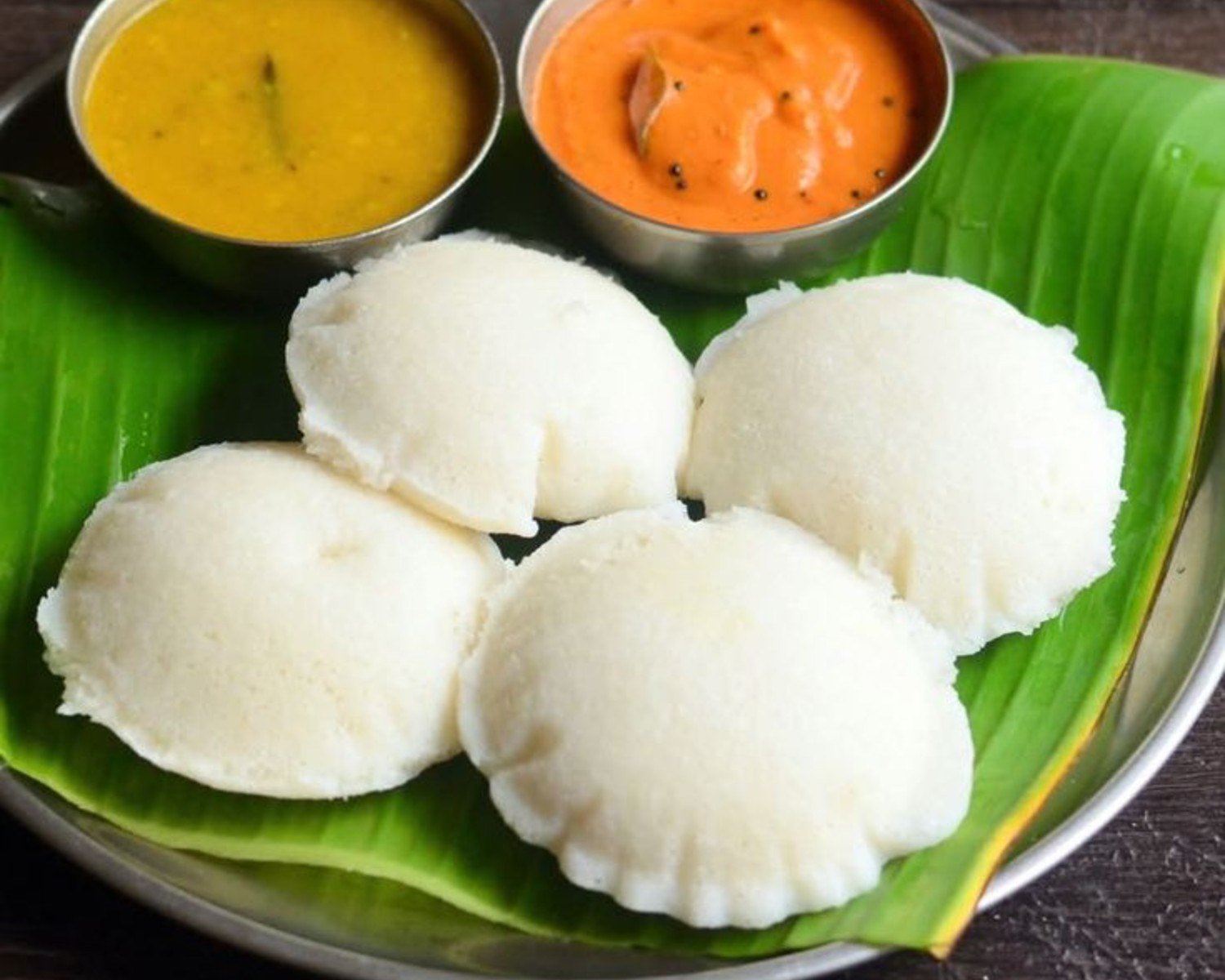
Idli

Dosa
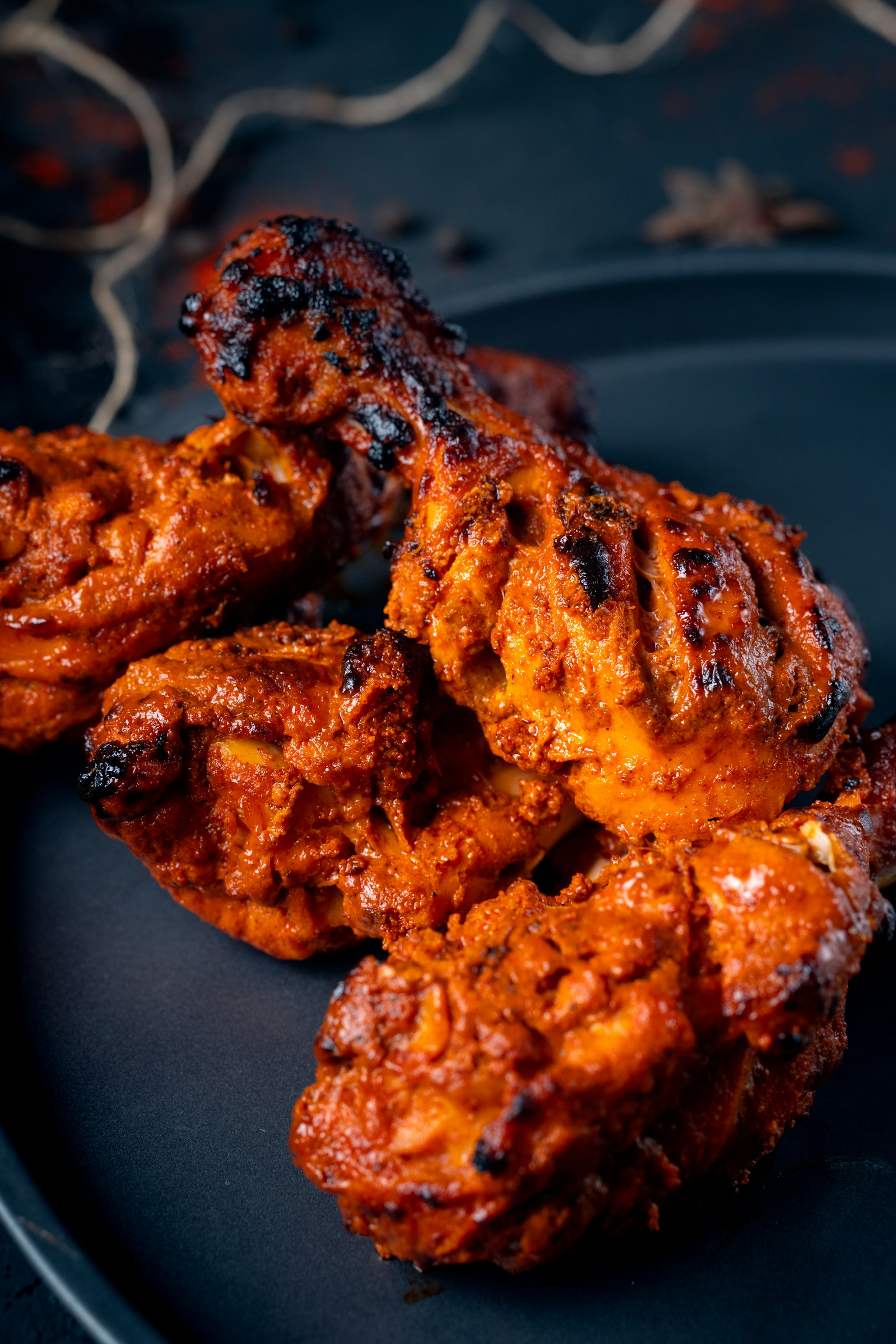
Sambar
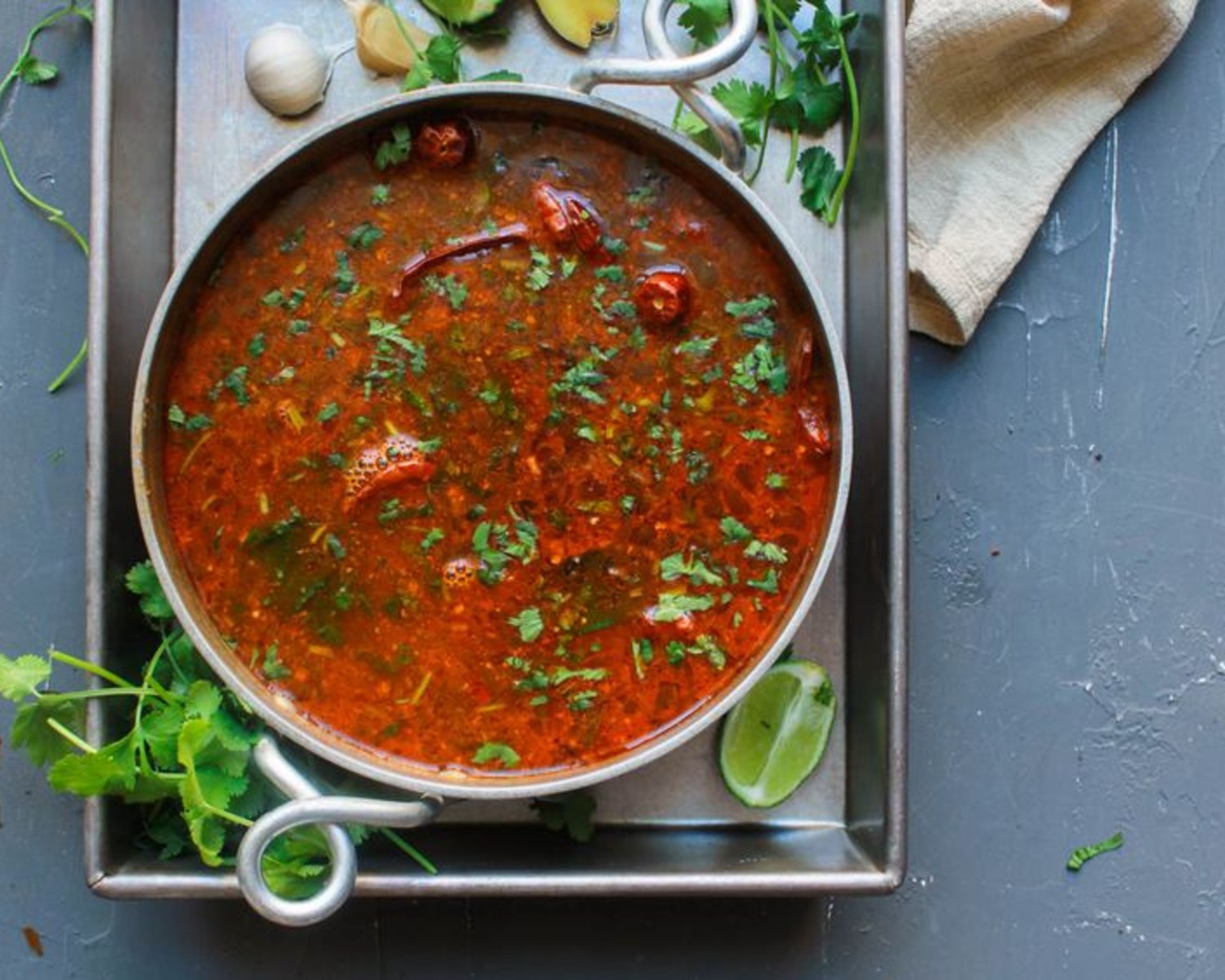
Rasam
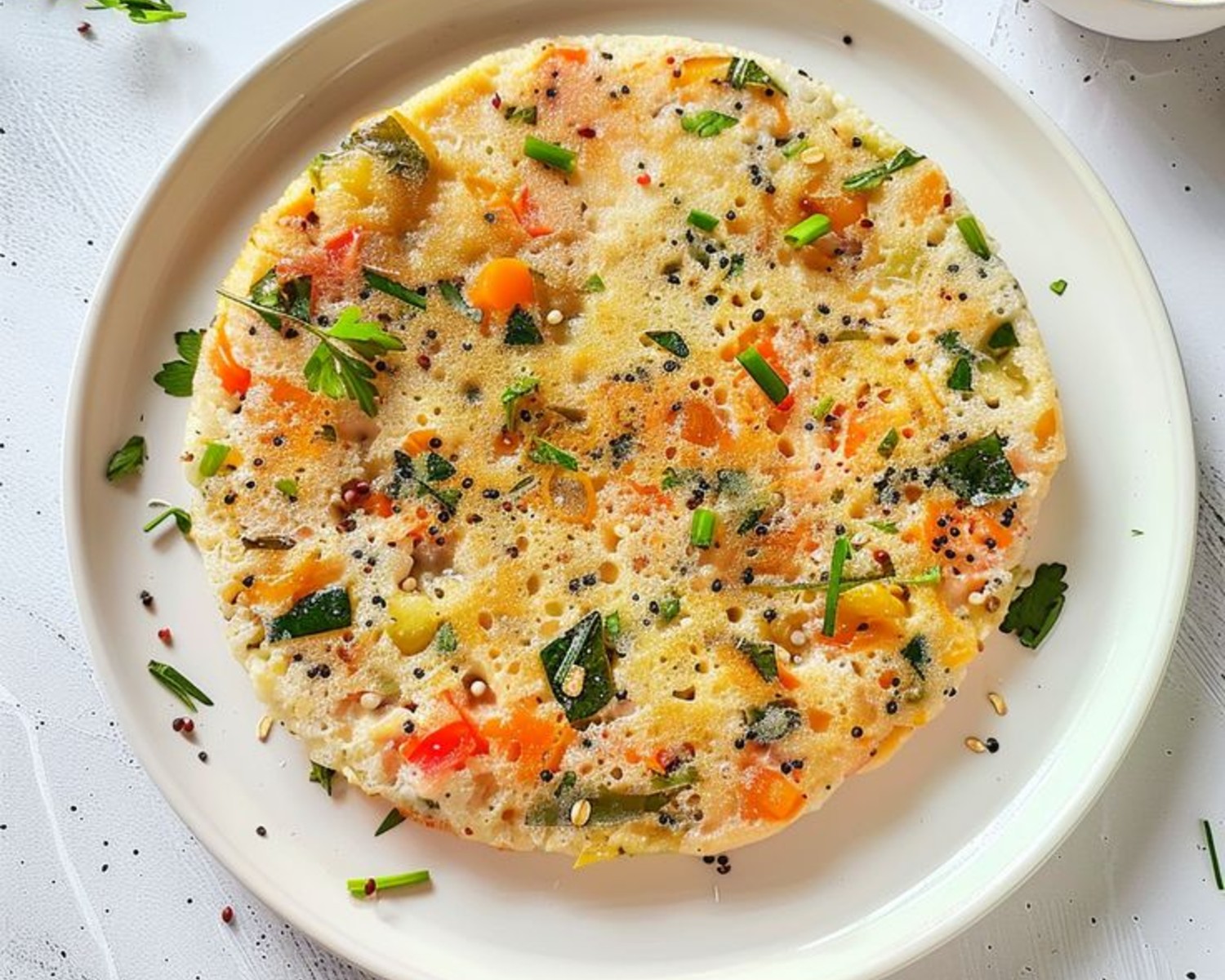
Uttapam

Chettinad Chicken Curry
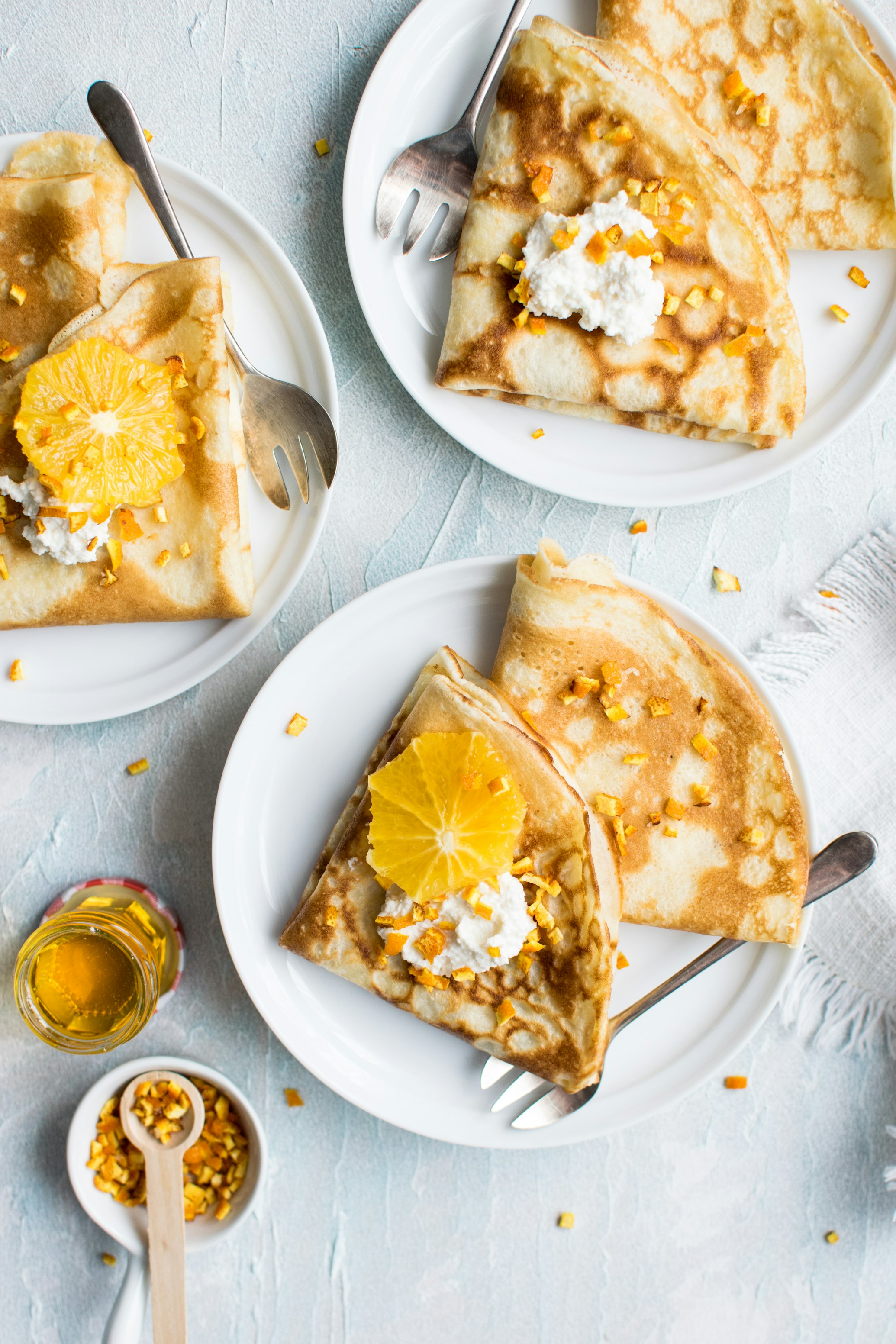
Payasam
Dining Etiquette
- • South Indian meals sacred experience—respect the ritual and flavors.
- • Right hand for eating. Rice mixed with sambar, rasam, pickle forms complete meal.
- • Thali meals: rice/bread base with multiple curries, vegetables, sambar, rasam, pickles. Dessert (payasam) at meal's end.
- • Tipping not mandatory but ₹50-100 appreciated for good service.
- • Vegetarian meals (60%+ of region) form cultural basis—widespread vegetarian restaurants.
- • Temple meals (prasad) offered freely—accept with gratitude. Banana leaf dining traditional.
- • Most eateries open 6 AM-10 PM; breakfast rush 6-10 AM, dinner rush 7-9 PM.
- • Spice levels adjustable—inform restaurants if you prefer mild.
Signature Drinks
Shop & Bring Home
Tamil Nadu shopping reflects ancient craftsmanship, temple art, and modern commerce—handwoven silk sarees (Kanchipuram, Madurai), Chikhalwari embroidery, bronze sculptures, terracotta, leather goods, and spices. From bustling textile markets to quiet temple shops, from air-conditioned malls to open-air bazaars—Tamil Nadu offers treasures for every traveler. Shopping is cultural immersion—negotiation, crowds, colors, and discoveries.
Silk & Textiles
₹500-₹1,00,000+ for authentic pieces
- Kanchipuram Silk Sarees (hand-woven)
- Madurai Silk Sarees
- Cotton Sarees
- Dhoti & Veshti (traditional menswear)
- Ethnic Dress & Fabrics
Authentic Kanchipuram sarees are investments (₹8,000-₹1,00,000+). Support weaver cooperatives directly.
Art & Handicrafts
₹500-₹25,000
- Bronze Sculptures (Chola-style)
- Terracotta Pottery
- Stone Carvings
- Tanjore Paintings (gold foil art)
- Wooden Handicrafts
Support artisan communities. Each piece represents heritage craftsmanship perfected over centuries.
Spices & Food Products
₹200-₹2,000
- Black Pepper (Peppercorn)
- Cloves, Cinnamon, Cardamom
- Jaggery & Palm Sugar
- Tamarind, Coconut
- Traditional Spice Powders (sambar powder, rasam powder)
Spice markets offer wholesale prices. Authentic Tamil Nadu flavors. Buy from certified vendors.
Jewelry & Accessories
₹300-₹10,000+
- Temple Jewelry (Navaratna stones)
- Traditional Earrings (Jimikki)
- Bindi & Kumkum
- Bangles (Glass, Lac, Metal)
- Traditional Ornaments
Temple jewelry worn daily in Tamil culture. Authentic pieces from Madurai markets.