When most people think of Ancient Egypt, they picture towering pyramids, mysterious pharaohs, and golden treasures hidden inside ancient tombs. Yet Egypt's influence extends far beyond its monuments. Thousands of years after the fall of the pharaohs, the innovations, ideas, and cultural achievements of Ancient Egypt continue to shape the world we live in today.
From architecture and engineering to medicine, mathematics, writing, and government systems, Ancient Egypt laid foundations that influenced civilizations across centuries. Modern societies often celebrate Greek and Roman contributions, but many of those advancements were inspired by knowledge that originated along the banks of the Nile.
In this guide, we'll explore how Ancient Egypt shaped the modern world and why its legacy remains relevant in the 21st century.
The Rise of One of History's Greatest Civilizations
Ancient Egypt emerged around 3100 BCE when Upper and Lower Egypt were united under a single ruler. Thanks to the fertile Nile River, Egyptian civilization flourished for more than three thousand years.
During this period, Egyptians developed advanced systems of governance, architecture, agriculture, engineering, medicine, and record-keeping that were remarkably sophisticated for their time.
Their achievements created a blueprint that influenced neighboring civilizations and, eventually, the modern world.
Revolutionary Advances in Architecture and Engineering
Perhaps the most visible contribution of Ancient Egypt is its architecture.
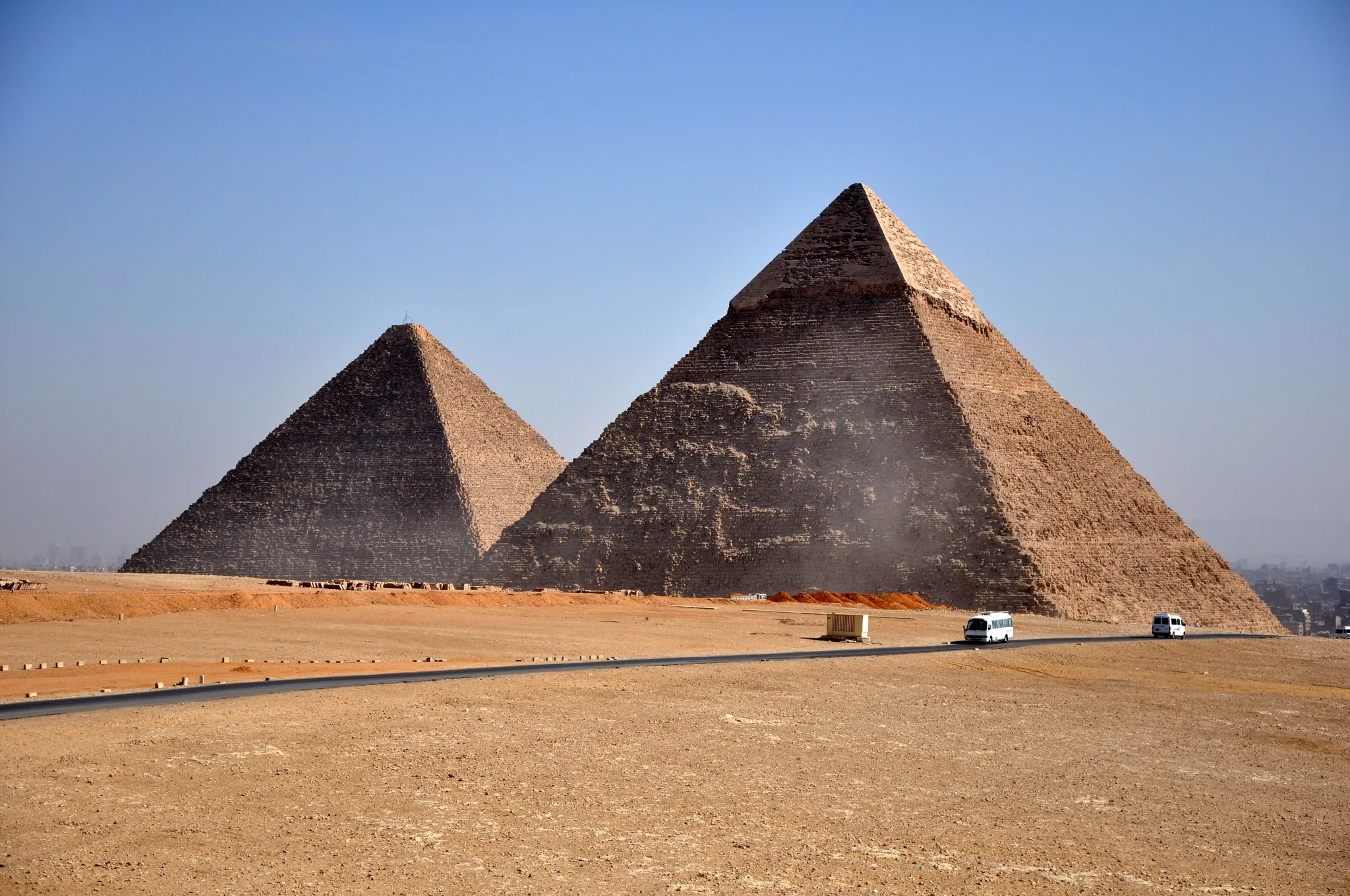
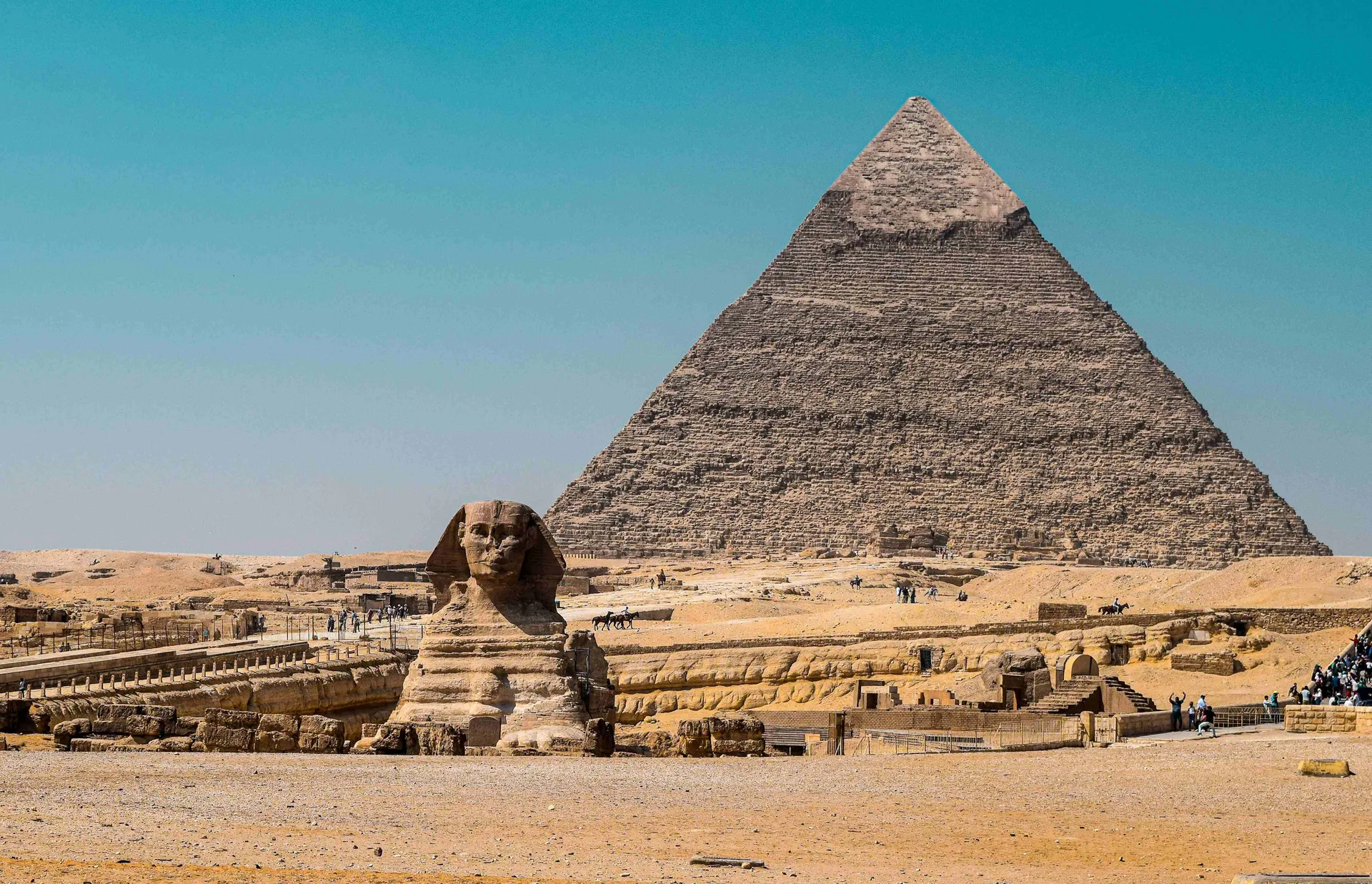
The Great Pyramid of Giza, built over 4,500 years ago, remains one of the greatest engineering achievements in human history. Without modern machinery, Egyptians transported massive stone blocks, developed precise measurements, and created structures that continue to withstand the test of time.
Modern Lessons from Egyptian Engineering
Ancient Egyptian builders introduced concepts still relevant today:
Precise surveying techniques
Large-scale project management
Advanced construction planning
Structural durability principles
Urban organization methods
Modern architects and engineers continue to study Egyptian construction techniques to understand how such massive projects were completed with limited technology.
Many government buildings, museums, memorials, and monuments around the world also borrow design elements inspired by ancient Egyptian architecture, including columns, obelisks, and symmetrical layouts.
The Birth of Organized Government
Ancient Egypt was among the first civilizations to establish a highly organized centralized government.
The pharaoh ruled the kingdom, but beneath him existed a structured administration of officials, tax collectors, governors, and scribes. This system helped manage agriculture, trade, military operations, and public works projects across vast territories.
Influence on Modern Governance
Many principles seen in modern governments can trace similarities to Egyptian administration:
Organized taxation systems
Census records
Legal frameworks
Public infrastructure planning
Bureaucratic administration
The idea that a government should maintain records, collect taxes, and oversee public projects became a model later adopted by many civilizations.
The Development of Writing and Record Keeping
One of Ancient Egypt's most important contributions was the development of writing.
Egyptian hieroglyphics emerged around 3200 BCE and became one of the world's earliest writing systems.
Writing allowed Egyptians to:
Record historical events
Manage trade transactions
Document laws
Preserve religious texts
Store scientific knowledge
Why Writing Changed the World
Without written records, civilizations struggle to preserve knowledge across generations.
The Egyptian commitment to documentation helped establish the importance of record-keeping, archives, and written communication that remains essential today.
Modern governments, businesses, schools, and institutions all rely on systems of documentation that evolved from these early practices.
Mathematics That Built Empires
Ancient Egyptian civilization relied heavily on mathematics.
Their mathematicians developed practical methods for:
Measuring land
Calculating taxes
Designing buildings
Managing agricultural production
Tracking harvests
Contributions to Modern Mathematics
Egyptians used:
Basic geometry
Fractions
Area calculations
Volume measurements
Many of these mathematical concepts became foundational for later Greek and Roman scholars, who further expanded them into the systems we use today.
Without early Egyptian mathematics, many engineering and architectural achievements throughout history would not have been possible.
Medical Knowledge Ahead of Its Time
Ancient Egyptian medicine was surprisingly advanced.
Medical papyri discovered by archaeologists reveal that Egyptian physicians understood anatomy, injuries, and various diseases far better than many people realize.
Egyptian Medical Achievements
They practiced:
Bone setting
Surgical procedures
Wound treatment
Dental care
Herbal medicine
Doctors often specialized in specific areas of treatment, a concept similar to modern medical specialization.
Lasting Impact
Many medicinal plants used by Egyptians remain important in natural medicine today. Their systematic observation of symptoms and treatments helped establish the foundations of medical science.
The Importance of the Egyptian Calendar
The ancient Egyptians created one of history's earliest solar calendars.
By observing the annual flooding cycle of the Nile and tracking astronomical events, they developed a calendar consisting of 365 days.
Why This Matters Today
The Egyptian calendar influenced later calendar systems used by:
Greeks
Romans
Early Christians
The modern calendar we use today evolved through several stages that were partly influenced by these early Egyptian observations.
Agriculture and Food Production
Ancient Egypt's success depended on agriculture.
The Nile River flooded annually, enriching the soil and enabling large-scale farming.
Egyptians developed sophisticated agricultural practices including:
Irrigation systems
Crop rotation methods
Water management
Grain storage systems
Modern Agricultural Influence
Many irrigation and water-management concepts first used in Egypt continue to influence farming techniques worldwide.
Their ability to store food surpluses also demonstrated the importance of long-term resource planning, something still crucial for modern food security.
Trade Networks and Economic Systems
Ancient Egypt maintained extensive trade relationships with neighboring regions.
Merchants exchanged:
Gold
Papyrus
Linen
Grain
Precious stones
Luxury goods
Influence on Modern Commerce
Egypt helped demonstrate the value of:
International trade
Economic specialization
Transportation networks
Commercial partnerships
These principles remain fundamental to the global economy today.
Art, Design, and Cultural Influence
Ancient Egyptian art remains instantly recognizable.
Their artistic traditions emphasized:
Symbolism
Balance
Symmetry
Storytelling
Modern Impact
Egyptian motifs continue to influence:
Fashion design
Interior decoration
Jewelry
Architecture
Film and entertainment
Major museums around the world dedicate entire sections to Egyptian artifacts because of their enduring cultural significance.
Religion and Spiritual Influence
Ancient Egypt's religious beliefs shaped many later societies.
Their concepts of:
The afterlife
Moral judgment
Divine kingship
Sacred rituals
influenced neighboring cultures and contributed to broader discussions about spirituality and human existence.
While modern religions differ significantly, historians recognize Ancient Egypt's role in developing complex religious systems that influenced future civilizations.
Ancient Egypt's Influence on Education
The Egyptians highly valued knowledge and learning.
Scribes underwent extensive education to master reading, writing, mathematics, and administration.
Lasting Legacy
The idea of specialized education and professional training continues today through:
Schools
Universities
Professional certifications
Government training programs
Their emphasis on preserving knowledge helped shape educational traditions across centuries.
Famous Egyptian Sites That Showcase This Legacy
Visitors can still witness Ancient Egypt's achievements firsthand.
Site | Location | Why It's Important |
Great Pyramid of Giza | Giza | Engineering masterpiece |
Sphinx | Giza | Symbol of Egyptian civilization |
Karnak Temple | Luxor | Religious and architectural achievement |
Valley of the Kings | Luxor | Burial site of pharaohs |
Abu Simbel | Aswan | Monumental rock-cut architecture |
Egyptian Museum | Cairo | Preserves thousands of artifacts |
These landmarks continue to attract millions of visitors annually and provide valuable insights into the civilization's achievements.
Practical Tips for Travelers Exploring Ancient Egypt
If you're interested in learning more about Ancient Egypt, consider these travel tips:
Visit During Cooler Months
October to April offers more comfortable temperatures for sightseeing.
Hire Knowledgeable Guides
Expert guides can bring historical sites to life with stories and context.
Explore Beyond the Pyramids
Don't miss Luxor, Aswan, Abu Simbel, and the Valley of the Kings.
Allow Enough Time
Egypt's history spans thousands of years, and many sites deserve more than a quick visit.
style?
Frequently Asked Questions
1. Why is Ancient Egypt important to world history?
Ancient Egypt contributed significantly to architecture, mathematics, medicine, government, and writing systems that influenced later civilizations.
2. What is Ancient Egypt's greatest achievement?
Many historians consider the construction of the pyramids among humanity's greatest engineering accomplishments.
3. Did Ancient Egypt influence modern medicine?
Yes. Egyptians practiced surgery, wound treatment, and specialized healthcare long before many other civilizations.
4. How did Ancient Egypt contribute to mathematics?
They developed geometry, fractions, measurement systems, and practical calculations used in construction and agriculture.
5. What can travelers learn from visiting Egypt today?
Visitors gain insight into one of humanity's most influential civilizations through its monuments, temples, museums, and archaeological sites.
6. Which Egyptian site should first-time visitors prioritize?
The Great Pyramids of Giza remain the most iconic attraction, but Luxor and the Valley of the Kings are equally rewarding.
7. How many days are ideal for an Egypt trip?
Most travelers need 7–10 days to explore Cairo, Luxor, Aswan, and a few major historical sites.
8. Is Egypt suitable for family travel?
Yes. Egypt offers educational experiences, historical attractions, and family-friendly guided tours.
9. What is the best time to visit Egypt?
October through April provides the most comfortable weather for sightseeing and outdoor exploration.
10. Why does Ancient Egypt continue to fascinate people today?
Its monumental architecture, mysterious history, remarkable achievements, and enduring cultural legacy continue to inspire curiosity worldwide.
Discover Egypt Beyond the Textbooks
Ancient Egypt isn't just a chapter in history—it is a civilization whose ideas continue to influence modern society. Whether it's architecture, medicine, mathematics, administration, or cultural expression, traces of Egyptian innovation can be found all around us.
For travelers who want to experience these remarkable sites firsthand, a carefully planned itinerary can make all the difference.
At Bayard Vacations, we create Egypt journeys that go beyond the standard tourist checklist. Whether you're dreaming of standing before the Great Pyramids, cruising the Nile between Luxor and Aswan, exploring ancient temples, or uncovering lesser-known historical treasures, our itineraries are designed around your interests and travel style.
Our Egypt experiences can include:
Guided visits to iconic historical landmarks
Nile River cruise experiences
Cultural and heritage-focused itineraries
Flexible travel plans tailored to your schedule
Expert local insights for a deeper understanding of Egypt's history
Want an Egypt itinerary designed around your dates, interests, and travel style?
Start Your Adventure
Our travel experts are ready to plan your next dream vacation.
No spam, only pure inspiration.