Tanzania
Where Kilimanjaro's peaks meet Serengeti plains. Mount Africa's roof towers above safari dreams, and book a Tanzania safari package
About Tanzania
Where the Serengeti's Great Migration Roars, Kilimanjaro Touches the Clouds, and Swahili Culture Meets Pristine Island Paradise.
Tanzania is often called the 'Cradle of Humanity' with some of the oldest human fossils discovered at Olduvai Gorge. Its history spans ancient trade routes, powerful Swahili city-states, European colonization, and a peaceful transition to independence. When you choose to book our Tanzania holiday packages with our expert travel planners, you will find it stands as one of Africa's most stable nations, famous for its wildlife conservation, cultural diversity, and unforgettable wildlife safaris.
Why Choose Tanzania?
The Cradle of Humanity
Olduvai Gorge and Laetoli contain the oldest evidence of human ancestors, including footprints preserved in volcanic ash. This makes Tanzania fundamentally important to understanding human evolution. The discoveries by the Leakey family transformed our understanding of human origins.
Swahili Coast: Africa's Gateway
For centuries, the Swahili Coast was the center of Indian Ocean trade. Stone towns like Kilwa and Zanzibar's Stone Town show architectural fusion of African, Arab, and Persian influences. Swahili language and culture became the coastal identity that now unites much of East Africa.
Maji Maji: Resistance & Unity
The Maji Maji Rebellion (1905-1907) was one of Africa's most significant anti-colonial wars. Though brutally suppressed by German forces, it demonstrated early Pan-African unity as over 20 different ethnic groups fought together. The rebellion became a symbol of resistance and national identity.
Nyerere's Vision: Unity & Education
Julius Nyerere, 'Mwalimu' (teacher), created one of Africa's most stable nations through his vision of Ujamaa and education. His emphasis on Swahili as a national language and investment in primary education gave Tanzania high literacy rates and strong national identity rare in post-colonial Africa.
Must-Experience Attractions
Tanzania Safari Packages from India
Tanzania is the safari destination other safari destinations are measured against. The Serengeti and the wildebeest migration, the Ngorongoro Crater with its own enclosed ecosystem, elephant herds among the baobabs at Tarangire, and then Zanzibar an hour's flight away and an entirely different holiday at the end of it.
Three things worth understanding before you plan, because they decide what your trip costs and what you see: Tanzania has the highest park fees in East Africa and they are charged per person per day, so we tell you exactly what yours will be. The migration moves through the year, so the month you travel decides where in the Serengeti you should stay. And Zanzibar requires its own mandatory travel insurance, separate from your visa, that a lot of travellers only discover at the airport.
Get a Tanzania quote →
Tanzania trip at a glance
Field | Detail |
Ideal duration | 5–6 nights for Serengeti and Ngorongoro; 8–9 nights to add Zanzibar; Kilimanjaro is a separate trip, not an add-on |
Cost from India | [Insert from Bayard package sheet.] Park fees are a large, separate line — see the cost section below, where we set them out in full |
Best season | June–October is the classic dry season. But the migration moves all year, so the better question is where you should be in your month — see the migration section |
Entry for Indians | Visa required. The eVisa is the standard route, currently USD 50 for a single entry with 90 days' validity. Last verified 2 September 2026 |
Zanzibar | Requires separate mandatory inbound travel insurance, currently USD 44 per person, bought online before travel. Your own policy does not substitute |
Health | Malaria risk across the safari circuit and Zanzibar — prophylaxis starts before you travel. Yellow fever certificate needed for the journey home, and possibly outbound depending on your routing |
Getting there | One stop from Indian cities to Kilimanjaro (JRO) or Zanzibar (ZNZ) via a Gulf hub, Nairobi or Addis Ababa — typically 12–17 hours in total |
Getting around | Road safari from Arusha, or fly-in by light aircraft. The choice affects both cost and how many days you actually spend on game drives |
Entry and health: what to sort, and when
The visa
• Indian passport holders need a visa. The ordinary tourist eVisa is the standard route currently USD 50 for single entry, valid 90 days applied for online through the Tanzanian immigration portal.
• Allow two to ten working days for processing, and apply three to four weeks before travel so there is room for a query.
• Visa on arrival is available at Kilimanjaro, Dar es Salaam and Zanzibar airports, but queues can be long and approval is at the officer's discretion. We recommend applying in advance.
• One visa covers both the mainland and Zanzibar but Zanzibar has its own separate insurance requirement, below.
Zanzibar's mandatory insurance
If your trip includes Zanzibar, every traveller must buy inbound travel insurance from the Zanzibar Insurance Corporation before flying currently USD 44 per person. It is compulsory, it is separate from your visa, and your existing travel insurance policy does not replace it. You will be asked for the QR code on arrival. Buy it only from the official portal, and print a copy as well as saving it to your phone.
Yellow fever check your routing and your return
Two separate things, and most pages only mention one. Tanzania may require a yellow fever certificate if you arrive from or transit a yellow-fever risk country and Nairobi and Addis Ababa, two of the most common connecting hubs on this route, are exactly that. Separately, India requires a certificate from travellers arriving from Tanzania, so you need it for the journey home regardless of how you fly out.
The certificate is only valid ten days after the injection, so this is a two weeks before departure task, not a last-week one. We flag it when you book.
Malaria
Tanzania carries malaria risk across the safari circuit and on Zanzibar, and unlike South Africa there is no malaria-free alternative route. Prophylaxis courses usually start before you travel speak to your doctor, and we will tell you exactly which areas your itinerary covers so you can have that conversation properly.
Entry and health requirements change. Confirm current rules before booking, and see the review cadence in Step 4.
What a Tanzania safari actually costs including the part most quotes hide
Tanzania is the most expensive safari destination in East Africa, and the reason is park fees. They are set by the park authorities, they are not negotiable, and they are charged per person for every 24 hours you are inside a park. Most operators fold them invisibly into a total, which is why two Tanzania quotes can differ by 40% for what looks like the same trip.
Here is what they are, for 2026, for non-resident adults:
Fee | Approximate 2026 rate |
Serengeti National Park | USD 70–83 per person per 24 hours, plus 18% VAT |
Ngorongoro Conservation Area | Around USD 70.80 per person per day |
Ngorongoro Crater descent | USD 295 per vehicle per descent, charged on top of the conservation fee |
Concession fee (lodges inside a park) | Around USD 60 per person per night in peak season |
Tarangire and Lake Manyara | USD 47–60 per person per 24 hours |
Vehicle fee | Charged separately by vehicle weight |
Three rules that catch people out
• Fees run 24 hours from the moment you enter, so an overnight stay counts as a full day.
• They are non-refundable in every circumstance illness, weather, a broken vehicle or a change of plan.
• You pay the Ngorongoro conservation fee even if you are only driving through on the way to the Serengeti, without stopping for a game drive.
For a couple on a six-night Serengeti and Ngorongoro circuit, park and crater fees alone come to somewhere around USD 900-1,300 roughly ₹80,000 to ₹115,000 before a single night's accommodation. We tell you your exact figure for your itinerary and your dates before you book, and we show it as its own line rather than burying it.
The other things that move the price
• Road safari or fly-in. Arusha to the Serengeti is a full day by road or about an hour by light aircraft. Flying costs more and gives you back two days of a six-day trip.
• Inside the park or on the boundary. Lodges inside a park carry that concession fee on top; properties just outside do not, at the cost of a longer drive to the gate each morning.
• Season. June to October is peak for both availability and price. The green season is substantially cheaper.
• Whether Zanzibar is included, and whether international flights are bundled.
Get a fixed, all-in price with park fees itemised →
The Great Migration: when to go, and where to be
Most pages will tell you the migration is between June and October. That is half an answer, and it is the half that causes disappointment.
The migration is a continuous circuit, not an event. Nearly two million wildebeest and zebra move around the Serengeti ecosystem all year, and where they are decides where you need to sleep. Booking the right camp for your month matters more than booking a more expensive camp in the wrong part of the park.
Months | Where the herds generally are | What you would see |
January–March | Southern Serengeti and the Ndutu plains | Calving season — hundreds of thousands of births in a few weeks, and the highest predator activity of the year |
April–May | Moving north and west through the central Serengeti | Green season. Lush, quiet, cheapest, with some difficult roads |
May–June | Western Corridor and the Grumeti river | The Grumeti crossings — dramatic, and far less crowded than the northern ones |
July–October | Northern Serengeti and the Mara River | The famous river crossings. Peak season, peak prices, and where "June to October" actually points |
Being honest about crossings
River crossings happen when the herds decide, sometimes days apart, and nobody can guarantee one any operator who does is not being straight with you. If a crossing is the reason for your trip, the answer is more nights in the northern Serengeti between July and October rather than more parks in the itinerary, and a camp positioned close to the river. We will tell you honestly what your odds look like for your dates.
And if your dates fall in February, do not think of it as second best. Calving season in the southern Serengeti is arguably the better wildlife spectacle, with more predator action than any river crossing it is simply a different trip, in a different part of the park.
Choose your Tanzania itinerary
Serengeti & Ngorongoro Safari - 6 Days / 5 Nights
Best for a first Tanzania safari
• Day 1: Arrive Kilimanjaro (JRO), transfer to Arusha, briefing.
• Day 2: Tarangire National Park — elephant herds and baobabs — then on towards the Ngorongoro highlands.
• Day 3: Descend into the Ngorongoro Crater for a full game drive on the crater floor.
• Days 4–5: Serengeti National Park, positioned for wherever the migration is in your month.
• Day 6: Return to Arusha or fly out from the Serengeti airstrip.
Customize this itinerary →
Safari & Zanzibar - 9 Days / 8 Nights
Best for honeymooners, and the trip most first-time visitors actually want
Five nights on the northern safari circuit, then a short flight east to Zanzibar for three or four nights of white sand, Stone Town and spice farms. A safari is more tiring than people expect, and finishing on a beach rather than on a plane is the difference between a great trip and an exhausting one. Remember the mandatory Zanzibar insurance we sort it with you at booking.
Green Season Safari 6 to 7 Nights
Best for photographers, and for travellers who want the calving season
January to March in the southern Serengeti and Ndutu: calving season, dramatic predator activity, green landscapes and noticeably lower prices than the July-to-October peak. Fewer vehicles at every sighting. If your dates are flexible and you are not set on a river crossing, this is often the better trip.
Talk to us about green season →
A note on Kilimanjaro
Kilimanjaro is a serious undertaking and not a safari add-on. A Machame climb needs seven days on the mountain to give you a fair chance of the summit; Lemosho is usually eight. The shorter itineraries you will see advertised have markedly lower success rates, and the reason is acclimatisation the days on the mountain are what get you to the top safely, not fitness alone.
We plan Kilimanjaro as its own trip with honest durations. If you want to combine it with a safari, budget sixteen days or more. We would rather tell you that now than sell you a compressed climb.
Getting to Tanzania from India
There are no nonstop flights from India to Tanzania. Every routing involves one stop, and the hub you choose matters for more than convenience.
From (India) | Routing | Approx. journey time |
Mumbai | One stop via Dubai, Doha, Nairobi or Addis Ababa to Kilimanjaro or Zanzibar | About 12–16 hours including layover |
Bengaluru | One stop via a Gulf hub, or via Nairobi or Addis Ababa | About 13–17 hours including layover |
Chennai | One stop via a Gulf hub, or connect through Mumbai | About 13–17 hours including layover |
Hyderabad | One stop via a Gulf hub | About 13–17 hours including layover |
Delhi | One stop via a Gulf hub, Nairobi or Addis Ababa | About 12–16 hours including layover |
Kochi | One stop via a Gulf hub | About 14–18 hours including layover |
Two routing points that matter
Nairobi and Addis Ababa are often the fastest connections, and both are yellow-fever risk countries so routing through them can trigger a certificate requirement on entry to Tanzania. A Gulf routing generally does not. We check this when we price your flights.
Which airport you fly into also matters. Kilimanjaro (JRO) is the safari gateway, about an hour from Arusha where most safaris begin. Zanzibar (ZNZ) has good direct connections from Nairobi, Doha and Dubai, and on a safari-and-beach trip it is usually better to fly out from Zanzibar than to backtrack to the mainland.
Inside Tanzania
Road safari in a 4x4 from Arusha, or fly-in by light aircraft to the park airstrips. Arusha to the Serengeti is a full day on the road; it is about an hour in the air. On a six-day trip flying buys back two days of game viewing, which often justifies the cost. Fly-in safaris carry strict luggage limits usually around 15kg in a soft bag, because hard cases do not fit the holds.
Get a quote for your city →
Where to go
Serengeti National Park
Fourteen thousand square kilometres of plains, and the reason most people come to Tanzania. Big cats in exceptional density, the migration somewhere within it year-round, and a sense of scale that photographs do not convey. Where you stay within it should be decided by your travel month.
Ngorongoro Conservation Area
Not a national park but a conservation area, run by its own authority, where Maasai communities live alongside the wildlife. The crater is a collapsed caldera roughly twenty kilometres across with a resident population of around 25,000 large animals, including some of Tanzania's last black rhino. The descent is charged separately, per vehicle, and there is a time limit on the crater floor one full morning is the standard and it is enough.
Tarangire National Park
Enormous elephant herds and ancient baobabs, and much quieter than the Serengeti. Best in the dry season when animals concentrate along the Tarangire River. Usually the first stop on a northern circuit and often the one people are most surprised by.
Lake Manyara
A compact park under the Rift Valley escarpment, known for tree-climbing lions and, when water levels suit, large flamingo congregations. A good half-day on the way between Arusha and the highlands.
Zanzibar
An hour's flight and a completely different country in feel. Stone Town is a UNESCO World Heritage Site of Omani, Indian and African architecture, with a genuine Indian Ocean trading history that Indian visitors often find unexpectedly familiar. The east coast has the white sand and turquoise water; the north has the best swimming at all tides. Spice farms, dhow sunsets and some of the best seafood in East Africa.
Practical notes for Indian travellers
Money
The Tanzanian Shilling (TZS) for everyday spending, but US Dollars are widely used and are what park fees, tips and larger transactions are priced in. Bring clean, newer dollar notes — older bills are sometimes refused. Cards work at lodges and in Stone Town, less reliably elsewhere.
Tipping
Expected, and a meaningful part of a safari guide's income. Guides, camp staff and drivers all customarily receive tips, and the amounts are not obvious to a first-time visitor. We give you a simple briefing with numbers before you travel.
Language and food
Swahili is the national language and English is widely spoken in tourism. Indian food is easier to find than you might expect, particularly in Zanzibar and Dar es Salaam, where the Indian Ocean trading history left a lasting community and cuisine. Safari lodges cater well for vegetarians with notice tell us at booking, especially for Jain requirements.
Safety
Tanzania has a strong safety record in the safari areas and on Zanzibar, and receives well over a million international visitors a year. Ordinary urban caution applies in Dar es Salaam. There was political unrest around the October 2025 elections, and we monitor the Indian government advisory as a matter of routine if anything on your dates warrants a change of plan, we will tell you rather than wait to be asked.
Common mistakes to avoid
• Budgeting the package price without park fees. They can add ₹80,000 or more per couple on a six-night circuit.
• Booking a Serengeti camp on price without checking where the migration is in your month.
• Treating a river crossing as guaranteed. It is not, at any price.
• Forgetting the Zanzibar insurance, which is mandatory, separate from your visa, and checked on arrival.
• Leaving the yellow fever vaccination too late it is only valid ten days after the injection, and you need it to get back into India.
• Trying to add Kilimanjaro to a safari-and-beach trip in under a fortnight.
• Packing a hard suitcase for a fly-in safari.
• Assuming the Ngorongoro crater descent is included in the conservation fee. It is a separate charge, per vehicle.
What's included in a Bayard Tanzania package
Included | Not included |
Lodge or tented camp accommodation across your itinerary, and beach accommodation on Zanzibar | International airfare from India, unless bundled |
Full board on safari; meal plan as specified on Zanzibar | The Tanzania eVisa and the mandatory Zanzibar inbound insurance |
Game drives in 4x4 safari vehicles with a professional guide | Yellow fever vaccination and malaria prophylaxis |
National park entry, conservation and crater fees where specified — always confirm, as these are substantial | Balloon safaris, night drives and activities beyond the itinerary |
All road transfers, and light-aircraft flights on fly-in itineraries | Tipping for guides and camp staff — we brief you on customary amounts |
On-trip support and coordination | Travel insurance, drinks, shopping and personal expenses |
Why book Tanzania with Bayard Vacations
• We itemise park fees rather than burying them. On Tanzania that is the difference between a quote you can compare and one you cannot.
• We position your Serengeti camp for where the migration actually is in your month, not for where the brochure photograph was taken.
• We sort the Zanzibar insurance with you, and flag the yellow fever timing early enough to act on it.
• We check whether your flight routing triggers a yellow fever requirement, which depends on your connection rather than your destination.
• Honest advice on road versus fly-in, and on staying inside a park versus on the boundary both are real money and both change the trip.
• Straight talk on Kilimanjaro durations, and on what can and cannot be seen on your dates.
Talk to a Tanzania specialist →
Tanzania package FAQs
Do Indians need a visa for Tanzania?
Yes. The ordinary tourist eVisa is the standard route currently USD 50 for a single entry, valid 90 days applied for online before travel. Allow two to ten working days and apply three to four weeks ahead. Visa on arrival exists at Kilimanjaro, Dar es Salaam and Zanzibar airports, but queues can be long and we recommend applying in advance.
Does the Tanzania visa cover Zanzibar?
Yes, one visa covers both the mainland and Zanzibar. But Zanzibar has a separate mandatory insurance requirement, which the visa does not cover.
What is the Zanzibar travel insurance requirement?
Every visitor to Zanzibar must buy inbound travel insurance from the Zanzibar Insurance Corporation before travelling currently USD 44 per person. It is compulsory, separate from your visa, and your own travel insurance does not substitute. You show the QR code on arrival. Buy only from the official portal.
How much are Tanzania park fees?
They are the largest cost after your flight. For 2026, non-resident adults pay roughly USD 70–83 per person per 24 hours in the Serengeti plus 18% VAT, around USD 70.80 per day in the Ngorongoro Conservation Area, and USD 295 per vehicle for the crater descent on top. Lodges inside a park add a concession fee of around USD 60 per person per night. A couple on a six-night circuit can pay USD 900–1,300 in fees alone.
Are park fees included in my package?
Ask us and we will tell you plainly for your itinerary, and show them as a separate line. This is the first question to put to any Tanzania operator, including us it is the main reason two quotes for the same trip can differ enormously.
When is the best time to see the Great Migration?
It depends what you want to see, because the herds move all year. Calving in the southern Serengeti and Ndutu around January to March; the Grumeti crossings around May and June; the Mara River crossings in the northern Serengeti roughly July to October. The month decides where in the park you should stay.
Will I see a river crossing?
Nobody can promise one. Crossings happen when the herds decide and can be days apart. If it is the reason for your trip, spend more nights in the northern Serengeti between July and October at a camp close to the river, rather than adding more parks. We will tell you honestly what your odds look like.
Is the green season worth considering?
Very much so. January to March in the southern Serengeti is calving season hundreds of thousands of births and exceptional predator activity at noticeably lower prices and with far fewer vehicles. It is a different trip from the river crossings, not a lesser one.
Do I need malaria tablets?
Tanzania carries malaria risk across the safari circuit and on Zanzibar, and there is no malaria-free alternative route as there is in South Africa. Prophylaxis usually starts before you travel speak to your doctor, and we will tell you which areas your itinerary covers.
Do I need a yellow fever certificate?
Two separate things. Tanzania may require one if you arrive from or transit a yellow-fever risk country Nairobi and Addis Ababa both are, and both are common connecting hubs. And India requires one from travellers returning from Tanzania, so you need it for the journey home regardless. It is only valid ten days after the injection, so plan about two weeks ahead.
Should I do a road safari or fly in?
Arusha to the Serengeti is a full day by road or about an hour by light aircraft. On a six-day trip, flying buys back two days of game viewing and often justifies the cost. Fly-in safaris carry a soft-bag luggage limit of around 15kg. We price both so you can decide.
Is it better to stay inside a park or just outside?
Lodges inside a park carry a concession fee of around USD 60 per person per night on top of entry fees; properties on the boundary do not, but you drive to the gate each morning. On a longer stay the saving is real; on a short one the extra game-viewing time usually wins. We will show you both.
Can I climb Kilimanjaro as part of a safari trip?
Not comfortably. A Machame climb needs seven days on the mountain and Lemosho usually eight, because acclimatisation days are what get you to the summit safely. Adding a safari and Zanzibar means sixteen days or more. We plan Kilimanjaro as its own trip with honest durations rather than compressing it.
Kenya or Tanzania which safari is better?
Tanzania has the Serengeti, the Ngorongoro Crater and Zanzibar, and is the more expensive of the two, largely because of park fees. Kenya is cheaper, easier to reach and works well for a shorter trip. Many travellers do both. We sell both, so ask us and we will give you a straight answer for your dates and budget.
What is included in a Bayard Tanzania package?
Accommodation, full board on safari, game drives with a professional guide, transfers or light-aircraft flights as listed, and on-trip support. The eVisa, Zanzibar insurance, vaccinations, tipping, travel insurance and personal expenses are separate. Park fees vary by package always confirm.
Planning a Tanzania safari?
Tell us your city, your dates and who's travelling. We'll send back a costed itinerary with park fees itemised, your Serengeti camp positioned for the migration in your month, and clear reminders on the Zanzibar insurance and vaccination timings.
Enquire now · WhatsApp · Call
Tanzania Packages

Signature Collections
Handpicked signatures and top-rated escapes in Tanzania

We Are Bayard Vacations
Not just another travel company. We're dreamweavers, adventure architects, and memory makers.
Explore

Meet Bayard Buddy – Advanced AI Chatbot for Everyday Help
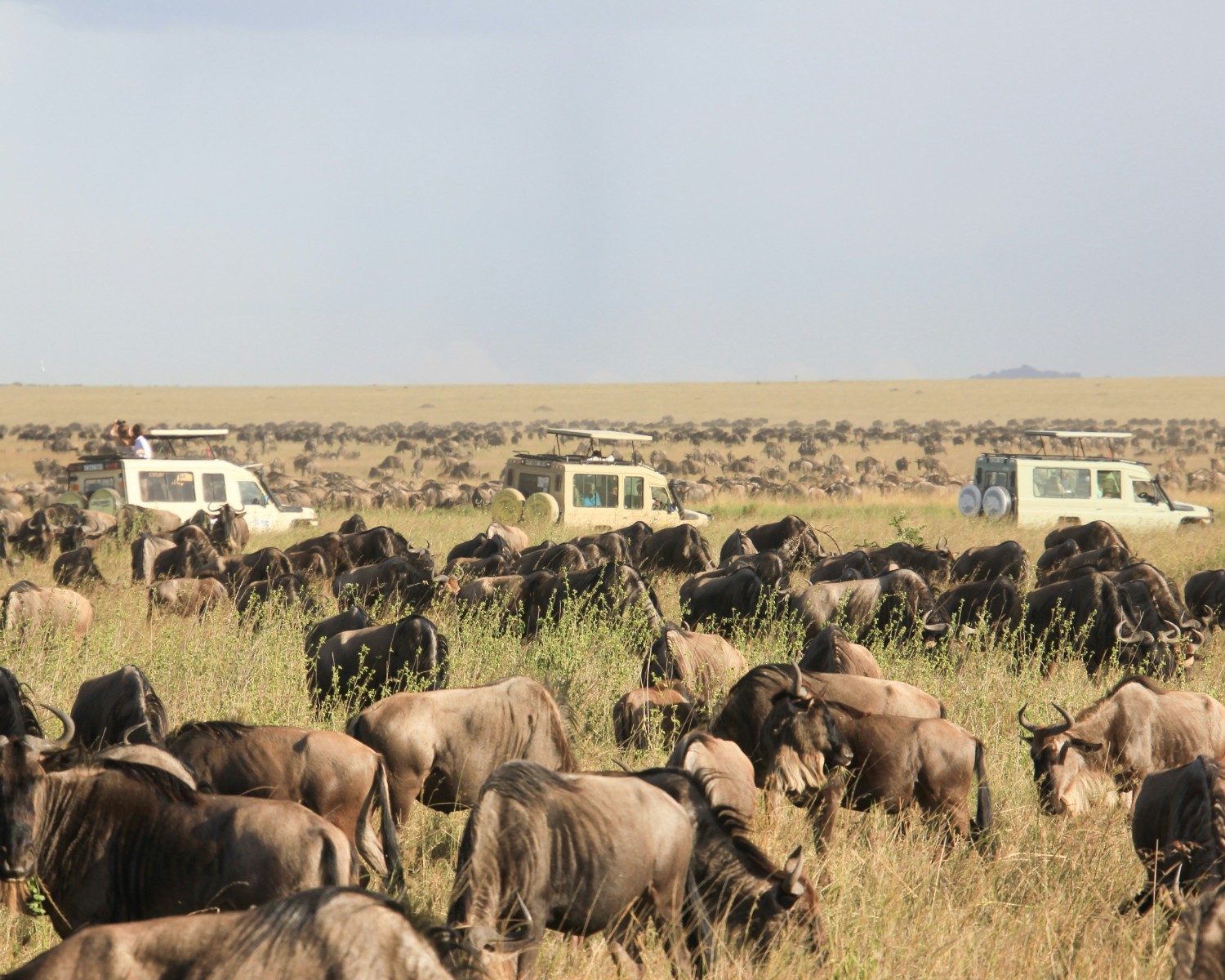
Wildebeest herds crossing the Serengeti plains during the Great Migration
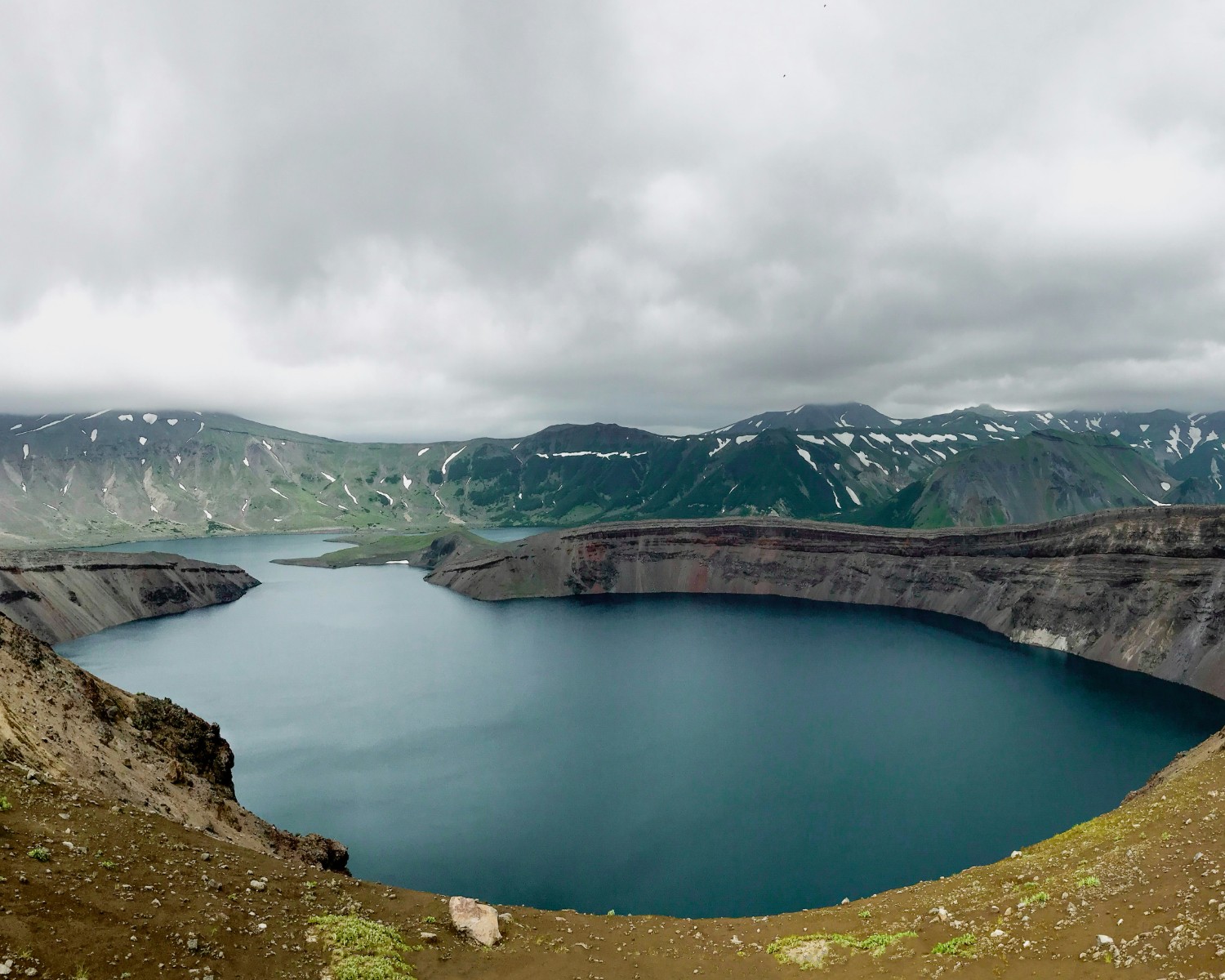
Ngorongoro Crater rim and floor from above showing enclosed ecosystem
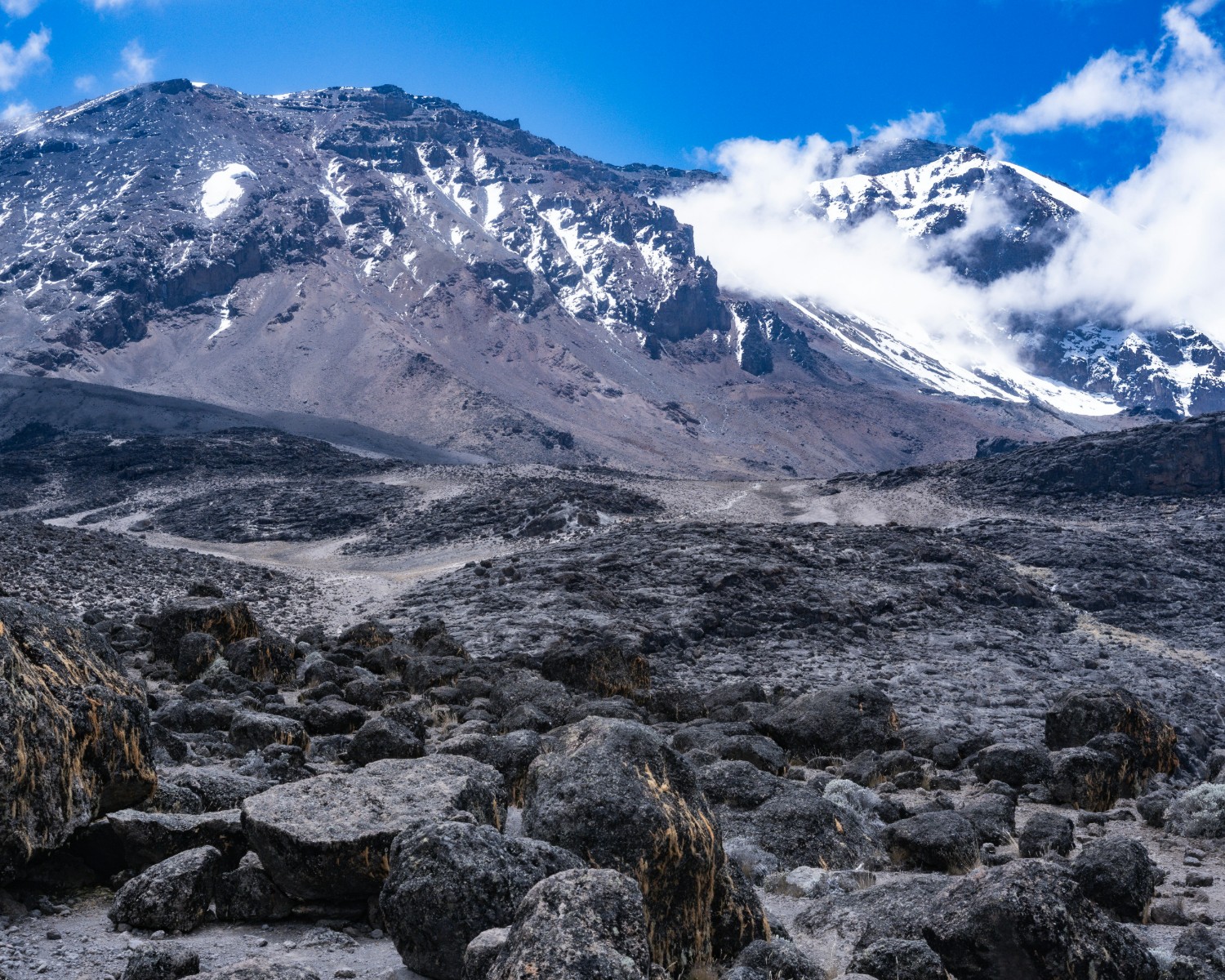
Kilimanjaro's slopes with glaciated peak visible
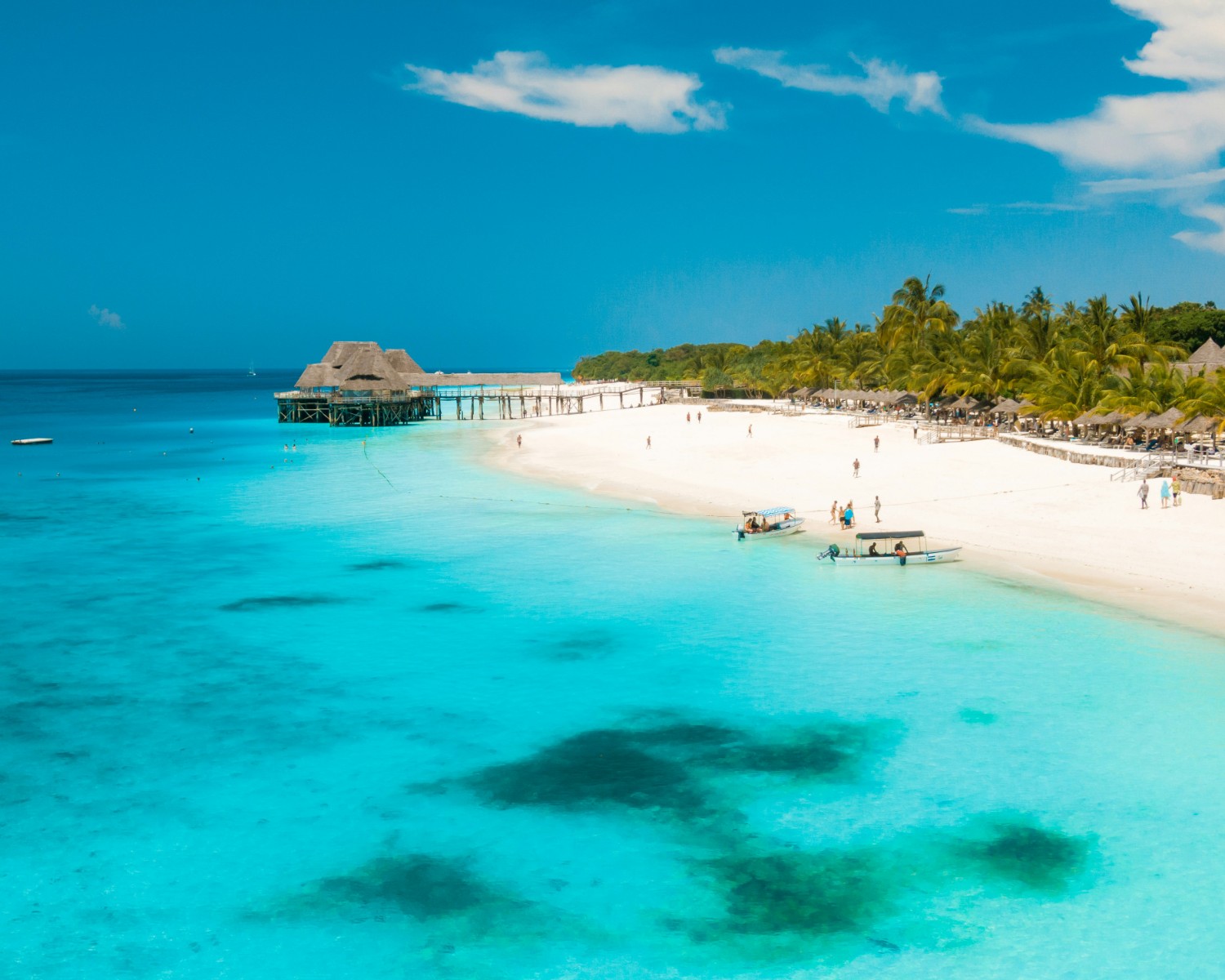
Pristine Zanzibar beaches with turquoise waters and palm trees
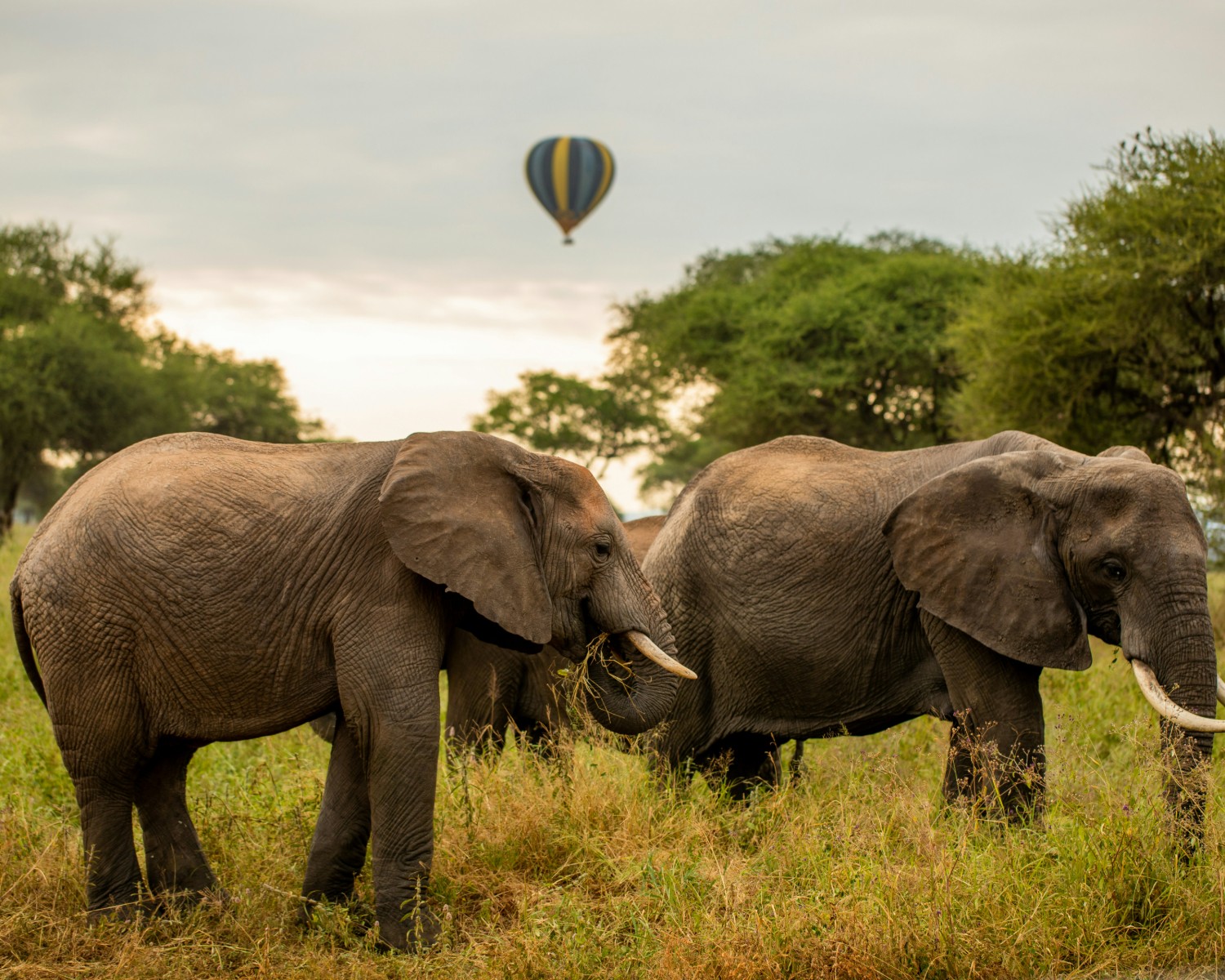
Massive elephant herds gathering at Tarangire River
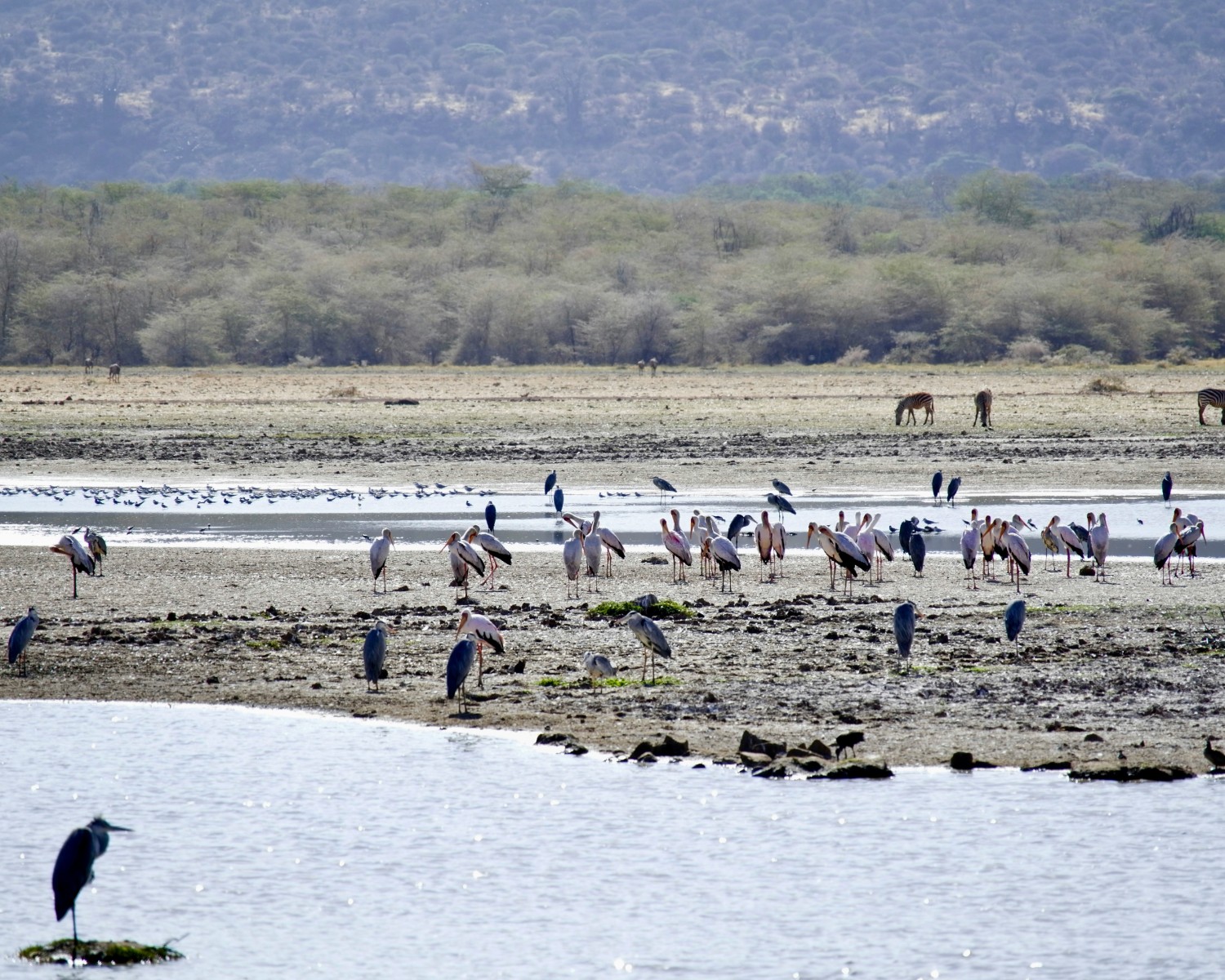
Massive flamingo congregations turning Lake Manyara pink
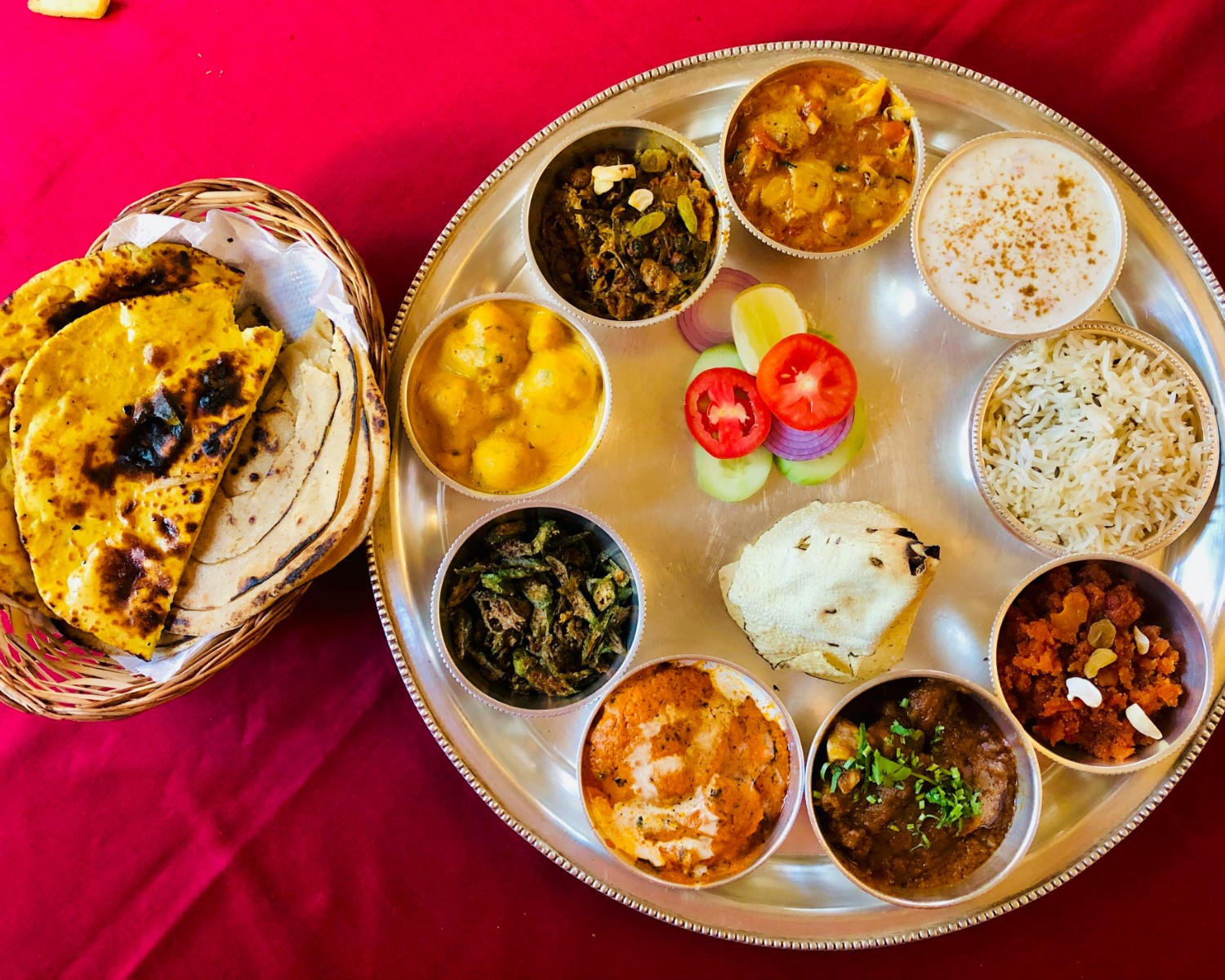
Traditional Swahili cuisine and cultural dining experience
Travel Stories & Tips
Get inspired for your next adventure to Tanzania


Guest Stories
Join 25,000+ happy travelers who explored Tanzania with us.
You Might Also Like
Discover more incredible destinations and experiences tailored for you