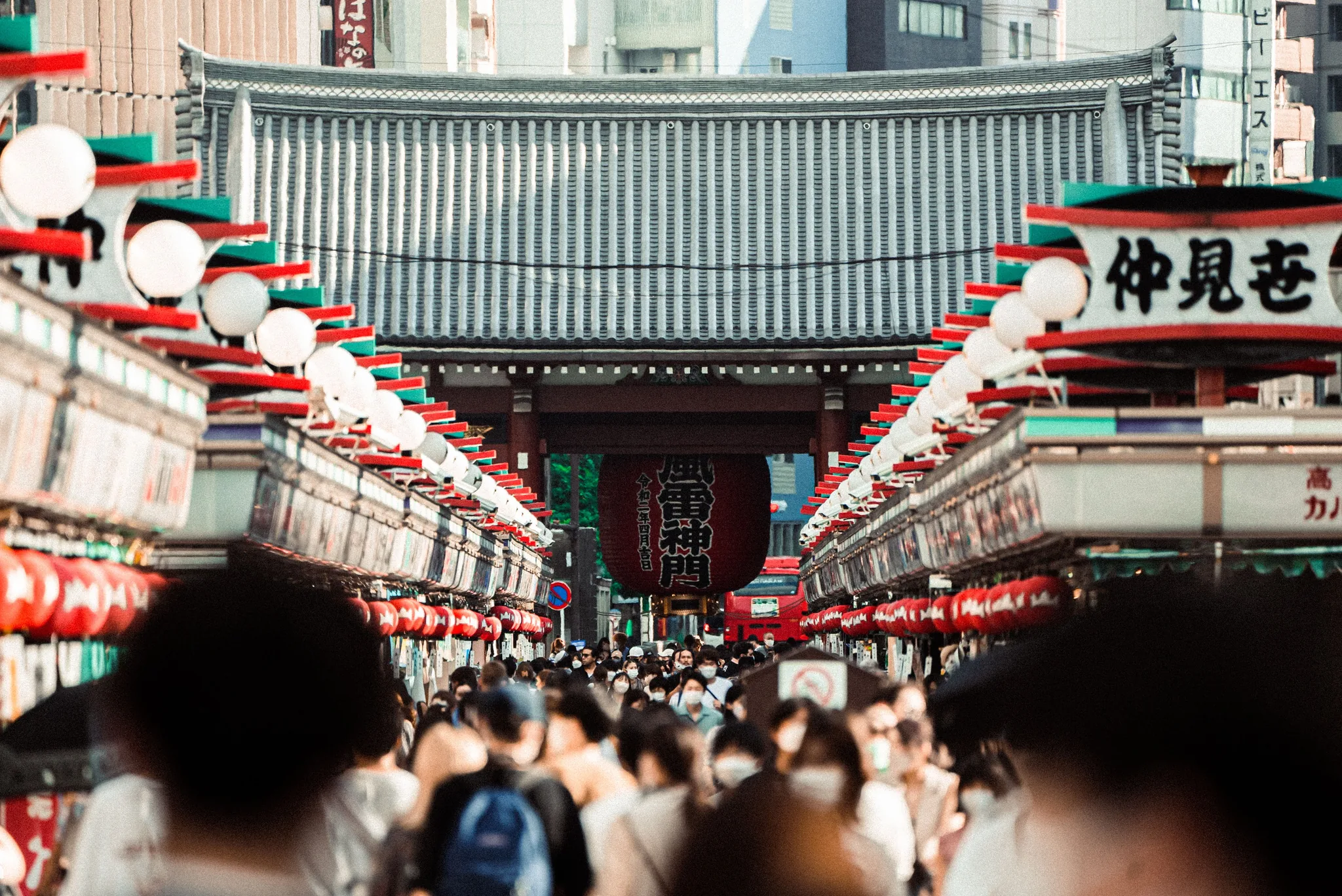
Japan tour package is often celebrated for its futuristic cities, high-speed bullet trains, and cutting edge technology. Yet beyond the modern skyline lies a world where centuries-old traditions continue to thrive. One of the best ways to experience authentic Japanese culture is by exploring its traditional markets. These vibrant marketplaces are more than shopping destinations they are places where history, craftsmanship, and local flavors come together.
From bustling seafood markets and historic shopping streets to artisan craft markets and lively morning bazaars, Japan's traditional markets offer visitors an opportunity to connect with local communities and discover the country's rich cultural heritage.
Whether you're searching for handcrafted souvenirs, fresh seafood, traditional sweets, or regional delicacies, these markets provide unforgettable experiences that go beyond the usual tourist attractions.
In this blog, we'll explore some of the best traditional markets in Japan and share practical tips to help you make the most of your visit.
Why Visit Traditional Markets in Japan?
Traditional markets offer an authentic glimpse into everyday Japanese life. Unlike shopping malls, these markets preserve local traditions, support small businesses, and showcase regional specialties.
Visitors can enjoy:
Fresh local produce and seafood
Traditional Japanese street food
Handmade crafts and souvenirs
Local interaction with friendly vendors
Historic shopping streets
Seasonal products unique to each region
Many markets have existed for decades, with some dating back hundreds of years, making them an important part of Japan's cultural identity.
Tsukiji Outer Market – Tokyo's Food Paradise
Although the wholesale fish auction moved to Toyosu Market, Tsukiji Outer Market remains one of Tokyo's most popular culinary destinations.
The market is filled with small restaurants, seafood vendors, and specialty food shops serving some of the freshest ingredients in Japan.
Don't miss:
Fresh sushi and sashimi
Grilled scallops
Japanese omelets (Tamagoyaki)
Matcha desserts
Traditional Japanese knives
Morning is the best time to visit when the market is at its busiest and freshest.
Nishiki Market – Kyoto's Kitchen
Known as "Kyoto's Kitchen," Nishiki Market stretches over 400 meters and features more than 100 shops selling local food, traditional snacks, spices, seafood, and handcrafted products.
Visitors can sample Kyoto's famous specialties, including:
Yuba (tofu skin)
Matcha sweets
Pickled vegetables
Fresh seafood
Traditional Japanese tea
The market beautifully reflects Kyoto's culinary heritage while maintaining its historic charm.
Omicho Market – Kanazawa's Fresh Seafood Hub
For seafood lovers, Omicho Market is one of Japan's finest destinations.
Operating for over 300 years, the market features hundreds of vendors offering:
Fresh crab
Oysters
Sea urchin
Seasonal fish
Local fruits and vegetables
Several restaurants inside the market prepare seafood bowls using ingredients purchased fresh that same morning.
It's an excellent place to experience Japan's coastal cuisine.
Top Traditional Markets in Japan
Market | Location | Famous For |
Tsukiji Outer Market | Tokyo | Seafood, sushi, street food |
Nishiki Market | Kyoto | Traditional Kyoto cuisine |
Omicho Market | Kanazawa | Fresh seafood and local produce |
Kuromon Market | Osaka | Street food and seafood |
Asaichi Morning Market | Takayama | Local crafts and fresh produce |
Hakodate Morning Market | Hokkaido | Seafood and king crab |
Each market offers a unique glimpse into Japan's regional culture and culinary traditions.
Kuromon Market – Osaka's Street Food Heaven
Osaka is often called Japan's food capital, and Kuromon Market is one of its most famous culinary destinations.
Stretching nearly 600 meters, the market features hundreds of food stalls selling freshly prepared local delicacies.
Popular foods include:
Takoyaki
Grilled scallops
Kobe beef skewers
Fresh sushi
Japanese desserts
The lively atmosphere makes Kuromon Market a favorite among both locals and international travelers.
Takayama Morning Market – A Taste of Rural Japan
Located in the historic mountain town of Takayama, the morning markets offer a completely different experience compared to the larger city markets.
Local farmers and artisans sell:
Fresh vegetables
Homemade pickles
Handcrafted souvenirs
Traditional snacks
Local sake
The relaxed atmosphere allows visitors to interact directly with local vendors while learning about regional traditions.
Hakodate Morning Market – Seafood at Its Freshest
Situated near Hakodate Station in Hokkaido, this market is famous for serving some of Japan's freshest seafood.
Visitors can enjoy:
Live squid
King crab
Salmon roe bowls
Sea urchin
Fresh oysters
Many restaurants prepare seafood immediately after purchase, ensuring exceptional freshness.
For seafood enthusiasts, Hakodate is an unforgettable culinary destination.
More Than Shopping: A Cultural Experience
Traditional markets are not simply places to buy goods, they are living cultural spaces.
Visitors often witness:
Traditional cooking methods
Local food preparation
Seasonal celebrations
Family-run businesses
Regional specialties unavailable elsewhere
Walking through these markets offers valuable insight into Japanese daily life and hospitality.
Many vendors are happy to explain their products, making the experience both educational and enjoyable.
Best Time to Visit Japanese Markets
Most traditional markets are busiest during the morning hours when vendors display their freshest products.
Season | Why Visit |
Spring (March–May) | Seasonal produce and cherry blossom treats |
Summer (June–August) | Fresh fruits and vibrant festivals |
Autumn (September–November) | Mushrooms, chestnuts, and regional specialties |
Winter (December–February) | Seafood, hot snacks, and festive foods |
Visiting early in the day allows you to avoid crowds and enjoy the widest variety of products.
Helpful Tips for Visiting Traditional Markets
To make the most of your market experience:
Arrive early for the freshest food.
Carry cash, as smaller vendors may not accept cards.
Try local specialties unique to each region.
Respect local customs and avoid blocking walkways.
Ask permission before photographing vendors.
Bring a reusable shopping bag for souvenirs.
These simple tips help ensure a smooth and enjoyable visit.
Why Traditional Markets Should Be Part of Every Japan Itinerary
Traditional markets reveal a side of Japan that many visitors overlook. While iconic landmarks and modern attractions are certainly worth exploring, local markets provide a deeper connection to the country's culture, traditions, and people.
From tasting freshly prepared street food in Osaka to discovering handcrafted souvenirs in Takayama, every market tells a unique story about the region it serves.
Whether you're a food lover, history enthusiast, photographer, or cultural traveler, exploring Japan's traditional markets is one of the most rewarding experiences you can have.
Plan Your Authentic Japan Journey with Bayard Vacations
Discovering Japan's traditional markets becomes even more enjoyable with expert travel planning.
Talk to Our Travel Experts to find the best local markets, cultural attractions, food tours, and personalized travel experiences based on your interests and budget.
Bayard Vacations specializes in creating customized Japan tour packages that combine famous attractions with authentic local experiences. From exploring Kyoto's historic streets and Tokyo's vibrant food markets to discovering hidden cultural gems across Japan, their travel experts help you design a memorable and hassle-free journey.
Whether you're visiting Japan for the first time or returning to explore beyond the major cities, Bayard Vacations ensures you experience the country's rich traditions in the most authentic way.
Frequently Asked Questions (FAQs)
1. Which is the most famous traditional market in Japan?
Tsukiji Outer Market in Tokyo is one of Japan's most famous traditional markets, known for its fresh seafood and street food.
2. What can I buy at traditional Japanese markets?
You can buy fresh seafood, regional delicacies, handmade crafts, Japanese sweets, tea, spices, ceramics, and souvenirs.
3. What is Kyoto's famous traditional market?
Nishiki Market, often called "Kyoto's Kitchen," is famous for traditional Kyoto cuisine, snacks, and local products.
4. Are traditional markets in Japan suitable for tourists?
Yes. Most markets welcome international visitors and many vendors are accustomed to serving tourists.
5. What is the best time to visit Japanese markets?
Morning is the best time, as vendors display their freshest products and the markets are most lively.
6. Is cash required at traditional markets?
While some shops accept cards, carrying cash is recommended since many small vendors prefer cash payments.
7. Which Japanese market is best for seafood lovers?
Omicho Market in Kanazawa and Hakodate Morning Market in Hokkaido are excellent choices for fresh seafood.
8. Can I try street food at traditional markets?
Yes. Most traditional markets offer a wide variety of freshly prepared Japanese street food and regional specialties.
9. Are traditional markets family-friendly?
Absolutely. Families can enjoy local food, cultural experiences, and shopping together in a vibrant atmosphere.
10. How can Bayard Vacations help plan a Japan trip?
Bayard Vacations offers customized Japan tour packages, accommodation bookings, sightseeing tours, cultural experiences, and expert travel guidance to help you explore Japan's traditional markets and beyond with ease.
Explore Japan Packages
Start Your Adventure
Our travel experts are ready to plan your next dream vacation.
No spam, only pure inspiration.