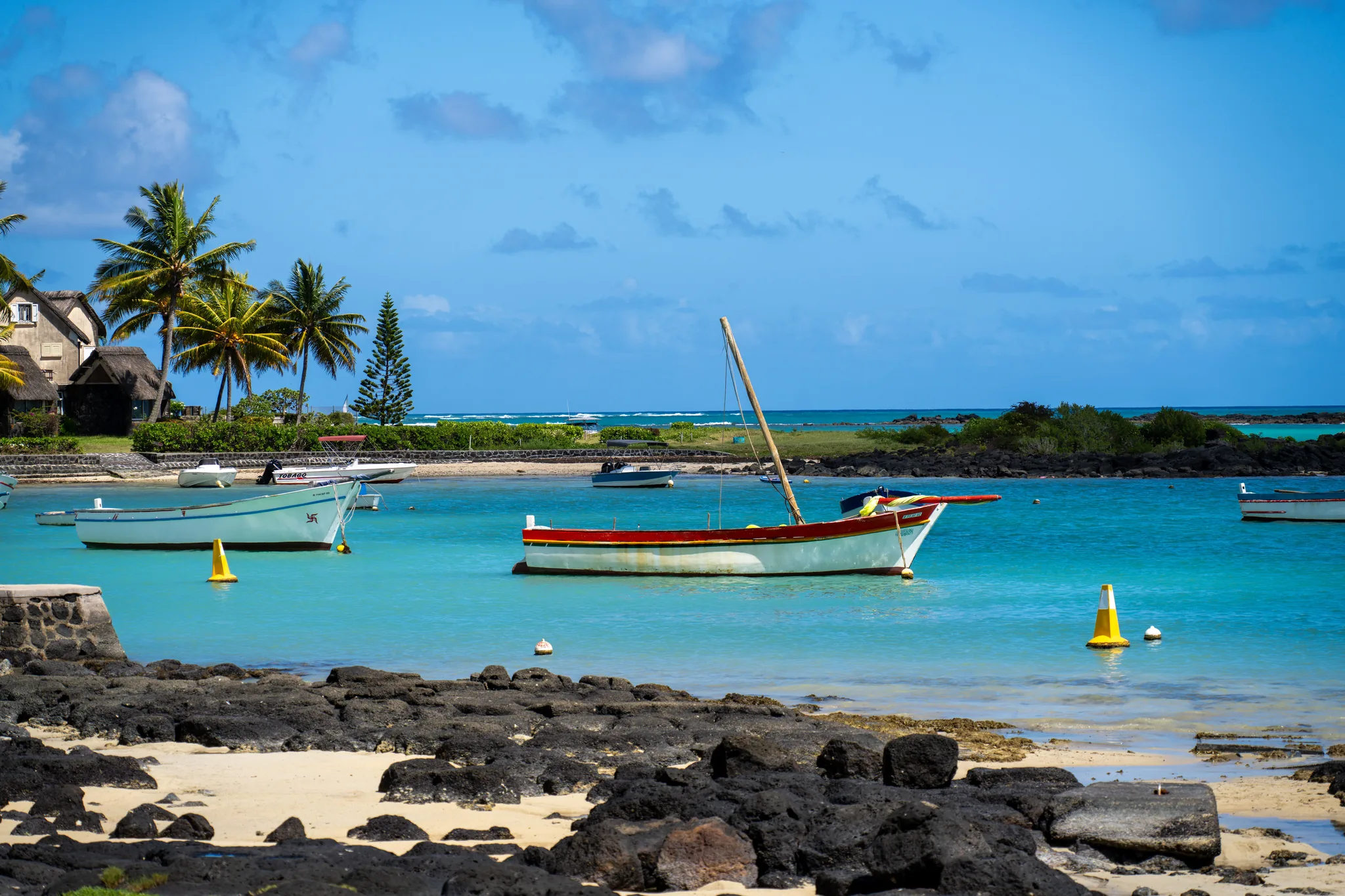
Mauritius is often celebrated for its crystal clear lagoons, white sand beaches, and luxury resorts, but beyond its tropical beauty lies one of the world's most culturally diverse island nations. Over centuries, people from India, Africa, China, France, and Europe have shaped Mauritius into a vibrant melting pot of traditions, languages, religions, festivals, cuisine, music, and architecture. Every village, market, temple, and local celebration tells a story of unity and heritage.
For travelers who want more than a beach holiday, Mauritius offers countless opportunities to connect with its people and traditions. Whether you're exploring colorful temples, tasting authentic Creole dishes, strolling through bustling markets, or joining lively cultural festivals, you'll discover that the island's greatest treasure is its people.
If you're planning a Mauritius holiday, these unforgettable cultural experiences deserve a place on your itinerary.
Why Mauritius Is a Cultural Paradise
Few destinations in the world showcase such remarkable cultural harmony. Despite their diverse backgrounds, the people of Mauritius have created a society where different religions, customs, and traditions coexist peacefully.
Visitors will notice this diversity everywhere from Hindu temples standing beside churches and mosques to Chinese pagodas and colonial buildings. Festivals from different communities are celebrated across the island, creating an atmosphere of warmth and inclusiveness that leaves a lasting impression.
This multicultural identity makes Mauritius much more than a beach destination it is a place where every journey becomes a cultural discovery.
Visit the Grand Bassin (Ganga Talao)
One of the most sacred places in Mauritius is Grand Bassin, also known as Ganga Talao. Nestled in the lush highlands, this volcanic crater lake is considered a holy pilgrimage site for the island's Hindu community.
Towering statues of Lord Shiva and Goddess Durga welcome visitors, while beautifully decorated temples surround the peaceful lake. During Maha Shivaratri, thousands of devotees walk for miles carrying decorated offerings to the lake, creating one of the country's most significant spiritual events.
Even outside festival season, Grand Bassin offers a tranquil atmosphere where visitors can admire the architecture, learn about local beliefs, and enjoy the surrounding natural beauty.
Explore the Vibrant Central Market in Port Louis
No cultural journey through Mauritius is complete without visiting the lively Central Market in Port Louis. This bustling marketplace provides an authentic glimpse into everyday island life.
As you wander through its colorful stalls, you'll find fresh tropical fruits, aromatic spices, handmade souvenirs, textiles, local teas, and traditional snacks. Friendly vendors are often happy to share stories about their products, making shopping an engaging cultural experience rather than just a transaction.
The nearby streets are equally fascinating, with colonial era buildings, cafés, and local eateries reflecting the island's French and British influences.
Discover the Heritage of Aapravasi Ghat
A visit to Aapravasi Ghat, a UNESCO World Heritage Site, offers insight into one of the most important chapters in Mauritian history.
Following the abolition of slavery, thousands of indentured laborers from India arrived here during the nineteenth century to work on sugar plantations. Their arrival transformed Mauritius culturally, socially, and economically.
Today, the preserved immigration depot and museum tell powerful stories of resilience, migration, and cultural identity. Interactive exhibits and historical displays help visitors understand how Mauritius evolved into the multicultural nation it is today.
Experience Traditional Mauritian Cuisine
Food is one of the best ways to understand Mauritian culture. Influenced by Indian, Creole, Chinese, and French traditions, the island's cuisine is incredibly diverse.
Popular dishes include:
Dholl Puri
Farata
Rougaille
Fish Vindaye
Octopus Curry
Mine Frit
Briyani
Gateaux Piments
Street food is equally famous, offering delicious local flavors at affordable prices. Sampling fresh tropical fruits, sugarcane juice, and traditional desserts adds another layer to the culinary journey.
Dining in Mauritius is not just about eating it is about experiencing the island's multicultural identity through every meal.
Attend Local Festivals
Mauritius celebrates numerous religious and cultural festivals throughout the year, each reflecting the island's remarkable diversity.
Festival | Community | Highlights |
Maha Shivaratri | Hindu | Pilgrimage to Grand Bassin |
Diwali | Hindu | Oil lamps and celebrations |
Chinese New Year | Chinese | Dragon dances and fireworks |
Eid-ul-Fitr | Muslim | Family gatherings and feasts |
Christmas | Christian | Island-wide celebrations |
Cavadee | Tamil | Colorful religious procession |
Regardless of your background, visitors are often welcomed warmly and encouraged to observe these vibrant celebrations respectfully.
Visit Colonial Heritage Sites
Mauritius' colonial past is reflected in its architecture and historic landmarks.
One of the finest examples is Eureka House, a beautifully preserved nineteenth-century Creole mansion surrounded by lush gardens and waterfalls. Walking through its elegant rooms offers a glimpse into life during the colonial era.
Other historic attractions include government buildings, churches, and charming old streets in Port Louis and Mahébourg, where French and British influences remain visible today.
Learn About Sugar and Rum Production
Sugar has played a central role in Mauritius history for centuries.
The L'Aventure du Sucre Museum explains how sugar transformed the island's economy while showcasing old machinery, historical photographs, and interactive exhibits.
Many visitors also enjoy touring local rum distilleries in Mauritius, where they can learn about traditional production methods and sample premium Mauritian rum crafted from locally grown sugarcane.
These experiences provide fascinating insights into two industries that continue to shape the island's identity.
Enjoy Traditional Music and Dance
Music is woven into everyday life in Mauritius.
The island's most famous musical style is Sega, a lively dance and rhythm that originated among enslaved African communities. Today, Sega performances are held during festivals, cultural shows, beach events, and hotel entertainment programs.
Accompanied by traditional instruments such as the ravanne, maravanne, and triangle, Sega performances invite visitors to join the celebration and experience the joyful spirit of Mauritian culture.
Explore Local Villages
Beyond the popular tourist areas, Mauritius' villages reveal the island's authentic character.
Walking through villages like Mahébourg or Triolet allows travelers to experience daily life, visit family run shops, admire colorful homes, and interact with welcoming locals.
Village markets, roadside food stalls, and community festivals offer meaningful opportunities to connect with the island beyond its famous beaches.
Visit Religious Landmarks
Mauritius is home to a remarkable variety of places of worship, reflecting its multicultural society.
Notable landmarks include:
Grand Bassin Temple
Notre-Dame Auxiliatrice Church in Cap Malheureux
Jummah Mosque in Port Louis
Chinese Pagodas
Tamil Temples
Each site offers unique architectural styles and insights into the island's religious harmony.
Shop for Local Handicrafts
Mauritius offers excellent opportunities to purchase authentic handmade products.
Popular souvenirs include:
Model ships
Handmade jewelry
Local textiles
Woven baskets
Vanilla products
Spices
Artisan soaps
Buying directly from local artisans supports small businesses while giving visitors meaningful keepsakes to remember their journey.
Best Time to Experience Mauritian Culture
Cultural experiences can be enjoyed year-round, but visiting during major festivals adds an extra dimension to your holiday.
Months | Cultural Highlights |
January–February | Chinese New Year, Cavadee |
February–March | Maha Shivaratri |
October–November | Diwali |
December | Christmas celebrations |
These events showcase Mauritius at its most colorful and festive.
Travel Tips for a Meaningful Cultural Experience
Respect local customs by dressing modestly when visiting temples and religious sites. Ask permission before photographing people or ceremonies, and remove your shoes where required. Learning a few words in Creole or French is always appreciated, and supporting local artisans, guides, and family-owned restaurants helps preserve the island's rich cultural heritage.
Taking time to interact with residents often leads to the most memorable travel experiences.
Discover the Soul of Mauritius with Bayard Vacations
While Mauritius is famous for its beaches, its culture is what truly makes the island unforgettable.
At Bayard Vacations, we believe every journey should go beyond sightseeing. Our thoughtfully designed Mauritius tour packages combine iconic attractions with authentic cultural experiences, allowing travelers to explore historic landmarks, vibrant markets, traditional villages, local cuisine, and breathtaking natural beauty—all at a comfortable pace.
Whether you're planning a honeymoon, family vacation, or island getaway, talk to our travel experts to create a personalized Mauritius itinerary that reflects your interests and helps you experience the true spirit of this remarkable destination.
Frequently Asked Questions (FAQs)
1. What makes Mauritius culturally unique?
Mauritius is a multicultural nation influenced by Indian, African, Chinese, French, and European traditions, creating a unique blend of languages, religions, food, and festivals.
2. What is the most famous cultural attraction in Mauritius?
Grand Bassin (Ganga Talao) is one of the island's most important cultural and spiritual landmarks.
3. Which UNESCO World Heritage Site should I visit?
Aapravasi Ghat in Port Louis offers a fascinating insight into Mauritius' immigration history and cultural evolution.
4. What traditional food should I try?
Don't miss Dholl Puri, Rougaille, Fish Vindaye, Mine Frit, Briyani, Gateaux Piments, and fresh tropical fruits.
5. What is Sega?
Sega is Mauritius' traditional music and dance, known for its lively rhythms and joyful performances.
6. Are visitors welcome at local festivals?
Yes. Visitors are generally welcome to observe festivals respectfully and experience Mauritius' vibrant cultural celebrations.
7. Where can I buy authentic souvenirs?
The Central Market in Port Louis and local artisan shops offer handmade crafts, spices, textiles, model ships, and locally produced gifts.
8. What is the best time for cultural travel in Mauritius?
The island offers cultural experiences year-round, while festival seasons between January and November provide especially memorable experiences.
9. Can I combine cultural sightseeing with beach activities?
Absolutely. Mauritius makes it easy to combine heritage attractions, local experiences, and beach relaxation within the same itinerary.
10. How can Bayard Vacations help plan a Mauritius holiday?
Bayard Vacations offers customized Mauritius tour packages that combine beaches, sightseeing, cultural experiences, comfortable accommodations, and personalized itineraries, helping travelers experience the very best of the island.
Explore Mauritius Packages
Start Your Adventure
Our travel experts are ready to plan your next dream vacation.
No spam, only pure inspiration.