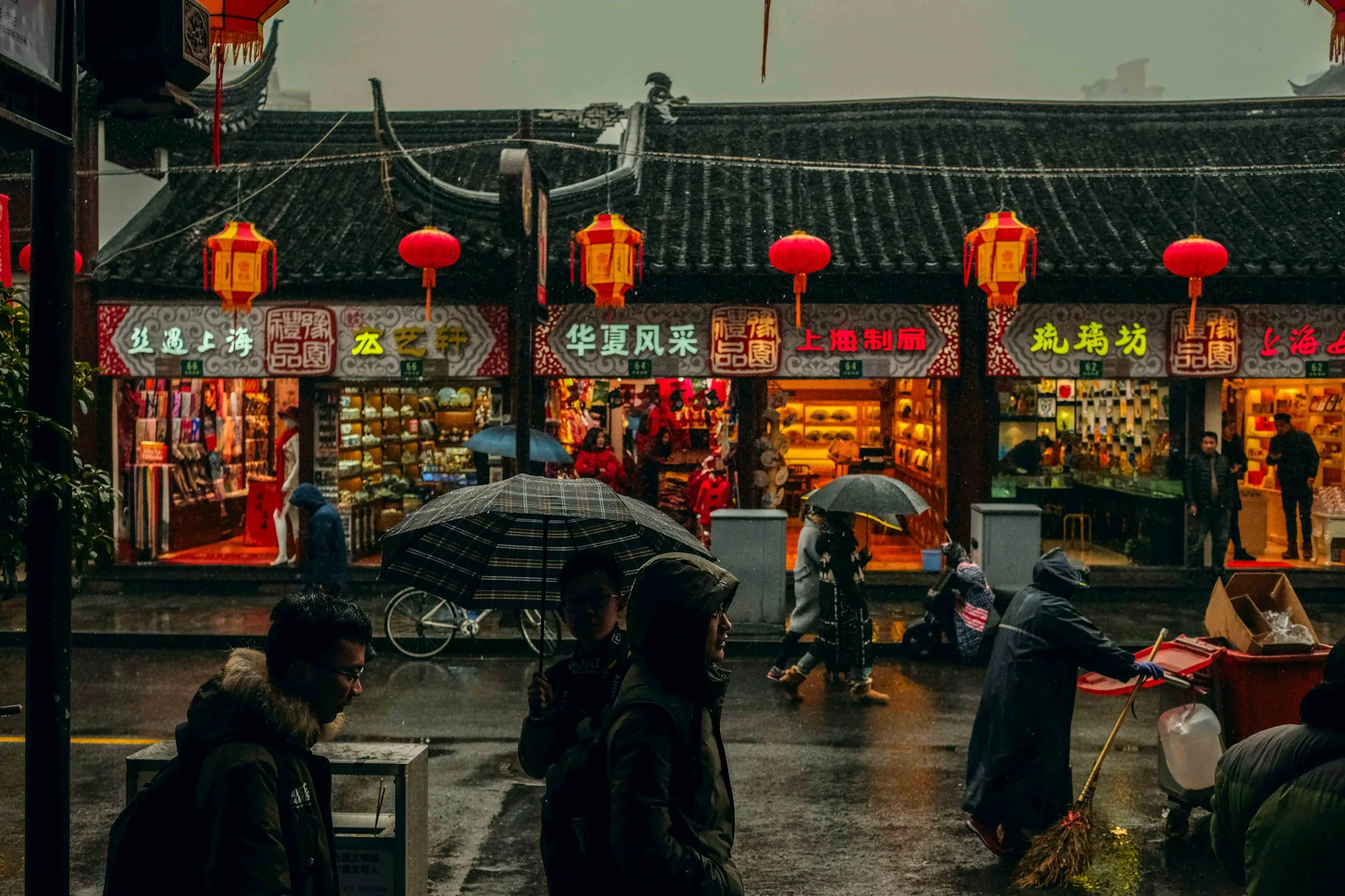
China is a country where the past and future exist side by side in remarkable harmony. One moment, you can find yourself walking through a centuries-old temple surrounded by traditional architecture, and the next, standing beneath futuristic skyscrapers illuminated by cutting-edge technology. This fascinating blend of ancient heritage and modern innovation is one of the reasons China continues to captivate travelers from around the world.
As one of the world's oldest civilizations and one of its fastest-growing economies, China offers a unique travel experience unlike any other destination. From the historic wonders of Beijing and Xi'an to the ultra-modern skylines of Shanghai and Shenzhen, the country showcases an extraordinary contrast between old and new.
In this guide, we'll explore how China successfully preserves its rich cultural heritage while embracing rapid moderni zation, and why this contrast makes it one of the most exciting countries to visit today.
A Nation Rooted in Thousands of Years of History
China's history spans more than 5,000 years, making it one of the oldest continuous civilizations in the world.
Ancient dynasties, philosophical traditions, and cultural practices continue to influence modern Chinese society. Historical landmarks remain an important part of daily life, attracting millions of visitors each year.
Some of China's most iconic historical attractions include:
The Great Wall of China
The Forbidden City
The Terracotta Army
The Temple of Heaven
Ancient Water Towns
These sites offer visitors a glimpse into China's remarkable past and the foundations of its cultural identity.
Modern Cities Redefining the Future
While China's historical sites showcase its past, its cities demonstrate its vision for the future.
Major urban centers such as Shanghai, Beijing, Shenzhen, and Guangzhou have transformed into global hubs for business, technology, and innovation.
Modern China is known for:
High-speed rail networks
Smart city infrastructure
Futuristic architecture
Digital payment systems
Advanced transportation
Cities that once reflected traditional lifestyles now stand among the most technologically advanced destinations in the world.
For travelers, this creates a unique opportunity to witness both ancient traditions and modern progress within a single journey.
Old China vs New China
Old China | New China |
Ancient temples and palaces | Futuristic skyscrapers |
Traditional markets | Modern shopping malls |
Historic Silk Road heritage | Global business centers |
Classical architecture | Smart city technology |
Traditional tea houses | Digital lifestyles |
This coexistence of old and new is what makes China such a fascinating destination.
Beijing: Where Imperial History Meets Modern Development
No city represents China's dual identity better than Beijing.
As the nation's capital, Beijing is home to some of the country's most important historical landmarks while also serving as a center of political and economic development.
Visitors can spend the morning exploring the Forbidden City and the afternoon visiting modern architectural icons such as the Bird's Nest Stadium.
The city's traditional hutongs—narrow alleyways lined with courtyard homes—continue to survive alongside modern highways and skyscrapers.
This balance between preservation and progress reflects China's broader transformation.
Shanghai: China's Modern Face
If Beijing represents China's history, Shanghai symbolizes its future.
The city's skyline, dominated by the Shanghai Tower, Oriental Pearl Tower, and other architectural marvels, is among the most recognizable in the world.
Yet beneath its modern appearance lies a rich history influenced by international trade and cultural exchange.
The contrast is especially visible along The Bund, where colonial-era buildings stand across the river from Pudong's futuristic skyline.
For many travelers, Shanghai offers the clearest example of China's remarkable evolution.
Ancient Traditions That Continue Today
Despite rapid modernization, many traditional customs remain deeply embedded in Chinese society.
These include:
Chinese New Year celebrations
Tea culture
Traditional medicine
Calligraphy
Martial arts
Ancestor worship
Families continue to honor traditions passed down through generations, ensuring that cultural heritage remains relevant in modern life.
Visitors often find that China's traditions are not preserved solely for tourism but continue to play a meaningful role in everyday society.
Technology Transforming Daily Life
One of the biggest surprises for international travelers is the role technology plays in China.
Many aspects of daily life have become highly digitalized.
Common experiences include:
Mobile payments
QR-code transactions
Smart transportation systems
AI-powered services
High-speed internet connectivity
In many cities, visitors can go days without using cash.
China's rapid adoption of technology demonstrates how quickly the country has embraced innovation while maintaining cultural continuity.
Traditional Cuisine Meets Modern Dining
Food offers another fascinating example of China's contrast between old and new.
Traditional dishes developed centuries ago continue to be enjoyed across the country.
Popular culinary experiences include:
Peking Duck in Beijing
Dim Sum in Guangdong
Hot Pot in Sichuan
Dumplings in Northern China
Street food markets
At the same time, modern restaurants, fusion cuisine, and luxury dining establishments are becoming increasingly popular in major cities.
The result is a vibrant food scene that honors tradition while embracing creativity.
China's Most Famous Historical and Modern Attractions
Historical Attraction | Modern Attraction |
Great Wall of China | Shanghai Tower |
Forbidden City | Beijing CBD |
Terracotta Army | Shenzhen Skyline |
Temple of Heaven | Hong Kong's Modern Waterfront |
Ancient Water Towns | High-Speed Rail Network |
These attractions highlight the incredible diversity of experiences available throughout China.
Why Travelers Find China So Fascinating
Few destinations offer such dramatic contrasts within a single trip.
Travelers can:
Explore ancient palaces
Ride one of the world's fastest trains
Visit traditional villages
Experience futuristic cityscapes
Discover centuries-old customs
Enjoy modern entertainment districts
This blend creates a sense of discovery that keeps visitors constantly engaged.
China feels simultaneously ancient and futuristic, familiar and surprising.
Best Time to Explore China
The ideal time to visit depends on the regions you plan to explore.
Generally, the most comfortable seasons are:
Spring (March–May)
Autumn (September–November)
These months offer pleasant temperatures and excellent sightseeing conditions.
Travelers visiting multiple cities often find spring and autumn provide the best balance for exploring both historical sites and urban attractions.
Travel Tips for First-Time Visitors
A little preparation can greatly enhance your China experience.
Some useful tips include:
Download translation apps before arrival.
Carry your passport when sightseeing.
Learn a few basic Mandarin phrases.
Use reliable transportation apps.
Plan extra time for major attractions.
Understanding local customs and travel logistics helps create a smoother and more enjoyable journey.
Why the Contrast Between Old and New Defines China
China's greatest strength lies in its ability to embrace the future without forgetting its past.
While rapid development has transformed cities and lifestyles, cultural traditions continue to shape national identity.
The coexistence of ancient temples and modern skyscrapers, traditional values and technological innovation, creates a travel experience unlike anywhere else in the world.
Whether you're interested in history, architecture, culture, technology, or food, China offers endless opportunities for exploration and discovery.
Frequently Asked Questions (FAQs)
1. Why is China known for its contrast between old and new?
China combines thousands of years of history with rapid modernization, creating a unique blend of tradition and innovation.
2. Which city best represents old and new China?
Beijing is often considered the best example, with ancient landmarks existing alongside modern infrastructure.
3. What are the most famous historical attractions in China?
The Great Wall, Forbidden City, Terracotta Army, and Temple of Heaven are among the most famous.
4. Which city is considered China's most modern destination?
Shanghai and Shenzhen are widely recognized as China's most modern cities.
5. Is traditional culture still important in modern China?
Yes, traditions such as festivals, tea culture, and family customs remain important parts of daily life.
6. What is China's biggest technological advancement for travelers?
Its high-speed rail network and widespread digital payment systems are among the most impressive.
7. When is the best time to visit China?
Spring (March–May) and autumn (September–November) offer the most comfortable weather.
8. Can travelers experience both history and modern attractions in one trip?
Absolutely. Most major cities offer a mix of historical sites and modern experiences.
9. Is China suitable for first-time international travelers?
Yes, especially with proper planning and guidance.
10. How can Bayard Vacations help plan a China trip?
Bayard Vacations provides customized itineraries, accommodation recommendations, sightseeing plans, and expert travel assistance for a seamless China experience.
Plan Your China Journey with Bayard Vacations
Exploring China's incredible blend of history and modernity becomes even more rewarding with expert guidance.
Talk to Our Travel Experts to discover the best itineraries, cultural experiences, and must-visit destinations tailored to your interests and budget.
Bayard Vacations helps travelers create customized China holidays featuring historical landmarks, modern city experiences, cultural attractions, and comfortable accommodations. Their travel experts can recommend the ideal travel routes, sightseeing opportunities, and local experiences to ensure a seamless journey.
Whether you're walking along the Great Wall, exploring the Forbidden City, or admiring Shanghai's futuristic skyline, China offers a travel experience that beautifully connects the past and the future.
Explore China Packages
Start Your Adventure
Our travel experts are ready to plan your next dream vacation.
No spam, only pure inspiration.