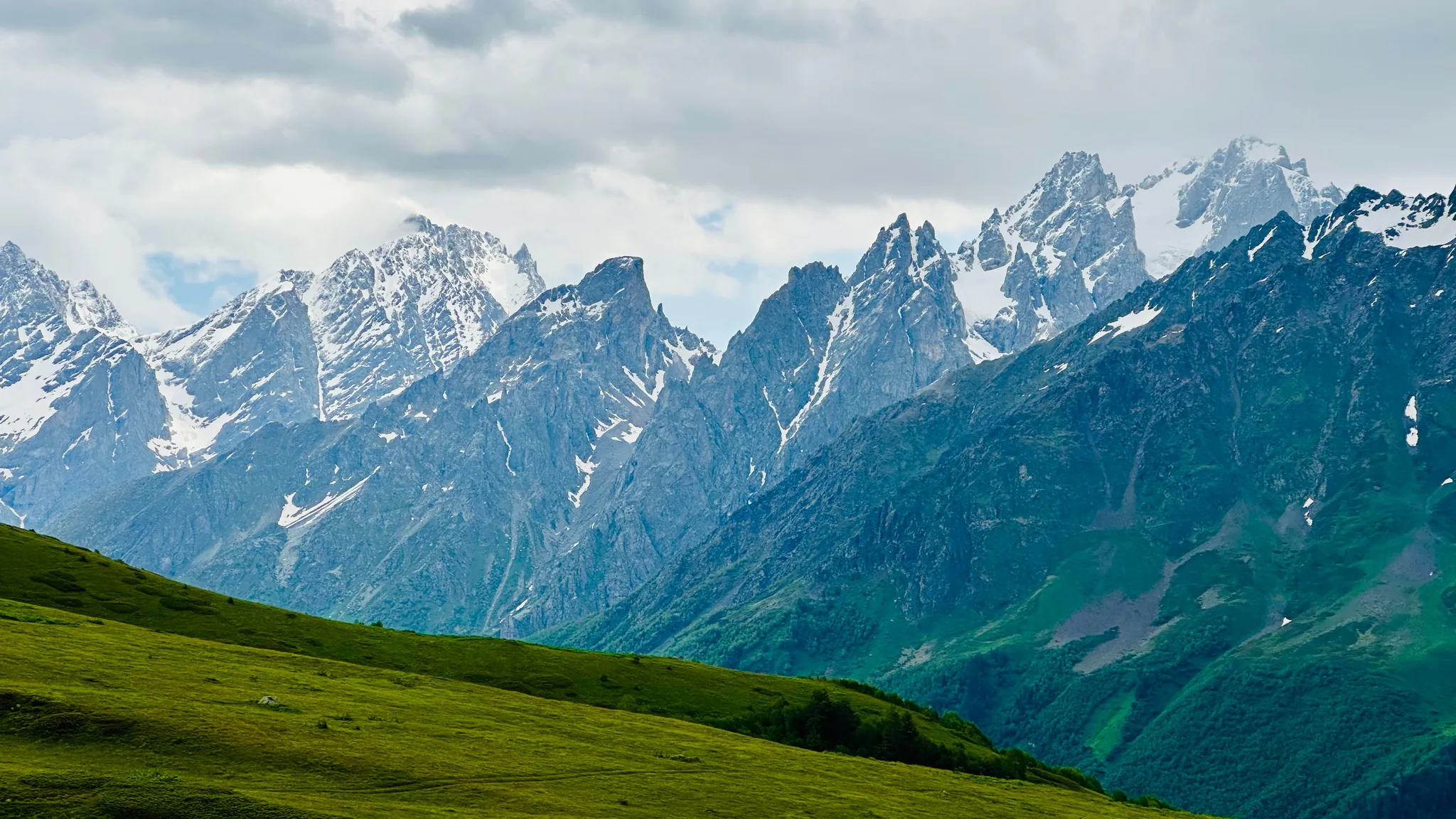
In a rapidly changing world where globalization is reshaping traditions and lifestyles, Bhutan stands out as a country that has successfully preserved its rich cultural heritage while embracing modern development. Nestled in the Eastern Himalayas, Bhutan is renowned not only for its breathtaking landscapes but also for its unwavering commitment to protecting its identity, customs, and values.
Unlike many nations that have prioritized rapid urbanization and modernization, Bhutan has carefully balanced progress with cultural preservation. From traditional architecture and colorful festivals to national dress and Buddhist traditions, every aspect of Bhutanese life reflects a deep respect for its heritage.
Whether you're visiting ancient monasteries, exploring peaceful valleys, or interacting with local communities, you'll quickly discover that Bhutan's culture isn't confined to museums it's a living tradition practiced every day.
In this guide, we'll explore how Bhutan preserves its culture in a modern world and why it remains one of the world's most authentic travel destinations.
A Nation Guided by Gross National Happiness
Bhutan's approach to development is unique. Instead of measuring success purely through economic growth, the country follows the philosophy of Gross National Happiness (GNH).
This national vision emphasizes:
Cultural preservation
Environmental conservation
Sustainable development
Good governance
Every major policy, including tourism and education, is designed to protect Bhutan's traditions while improving the quality of life for its people.
This philosophy has helped Bhutan modernize without losing its cultural identity.
Traditional Architecture Is Carefully Protected
One of the first things visitors notice in Bhutan is its distinctive architecture.
Government regulations require new buildings to incorporate traditional Bhutanese design elements, including:
Intricate wooden carvings
Decorative windows
Whitewashed walls
Colorful murals
Sloping roofs
Even modern hotels, offices, and public buildings follow these architectural guidelines, ensuring that cities and villages maintain their traditional appearance.
Walking through places like Paro, Punakha, and Thimphu feels like stepping into a living cultural heritage site.
National Dress Remains Part of Everyday Life
Bhutan is one of the few countries where traditional clothing is still widely worn.
The national dress includes:
Gho for men
Kira for women
Government employees, students, and many locals wear these traditional garments daily, especially in schools, offices, and public institutions.
This practice helps preserve cultural identity while fostering national pride.
Visitors also appreciate seeing traditional attire as an authentic part of everyday life rather than something reserved only for festivals.
Buddhism Continues to Shape Daily Life
Buddhism plays a central role in Bhutanese society.
Monasteries, temples, and prayer flags can be found throughout the country, reflecting the deep spiritual beliefs of its people.
Daily life often includes:
Morning prayers
Temple visits
Prayer wheel rituals
Religious ceremonies
Meditation
Buddhist values such as compassion, respect, mindfulness, and harmony continue to influence education, family life, and community relationships.
Festivals Keep Traditions Alive
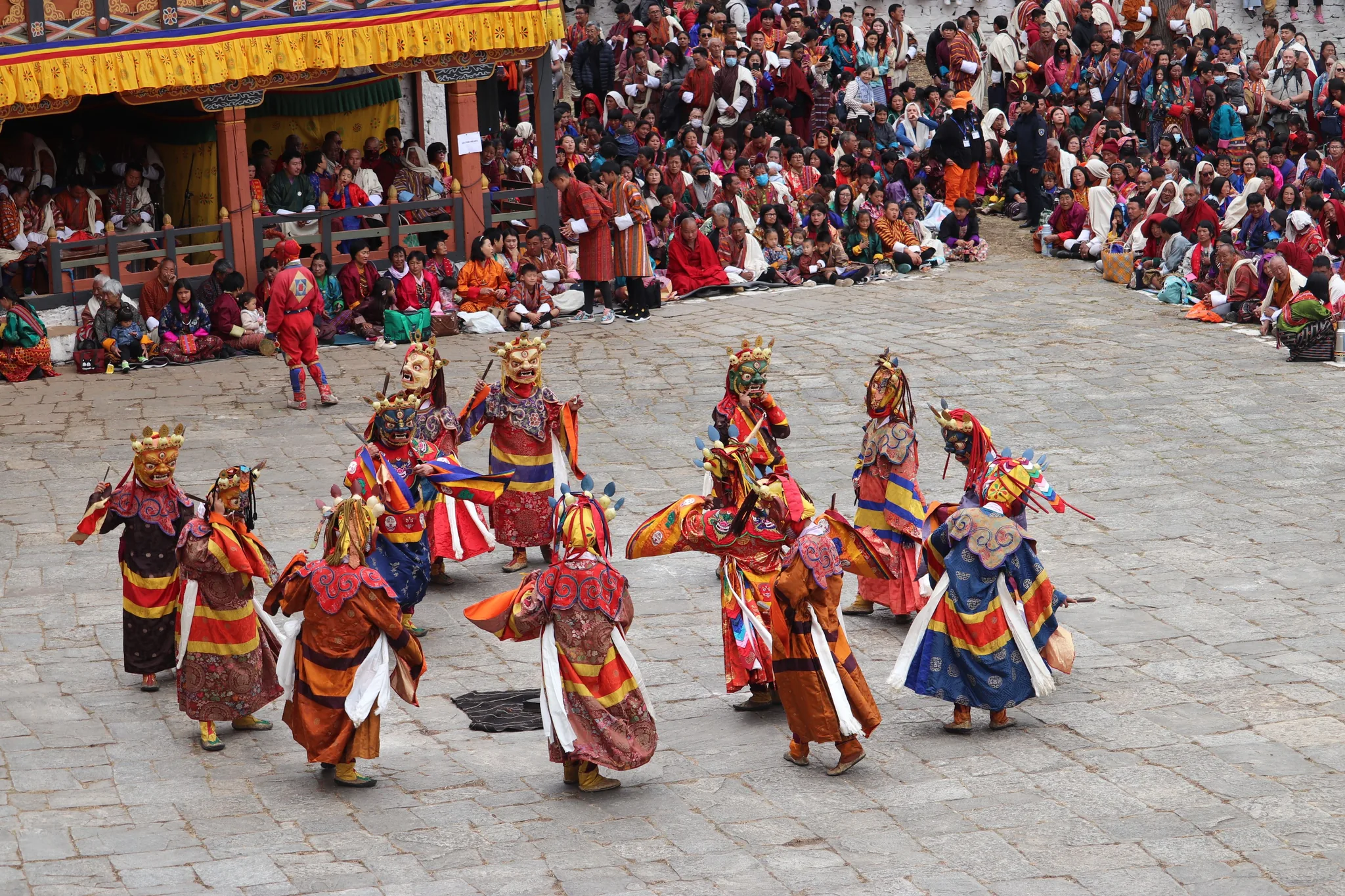
Bhutan's colorful Tshechu festivals are among the country's most treasured cultural celebrations.
Held at monasteries and dzongs across the country, these festivals feature:
Masked dances
Traditional music
Religious performances
Community gatherings
Cultural rituals
Thousands of locals attend these events wearing traditional clothing, creating vibrant celebrations that preserve centuries-old customs.
For travelers, Tshechus provide an unforgettable opportunity to experience Bhutanese culture firsthand.
Cultural Highlights Across Bhutan
Cultural Experience | Why It's Special |
Paro Tshechu | Bhutan's most famous religious festival |
Punakha Dzong | Historic fortress showcasing traditional architecture |
Tiger's Nest Monastery | Sacred Buddhist pilgrimage site |
Traditional Villages | Authentic Bhutanese lifestyle and customs |
Local Handicraft Markets | Handmade textiles, woodwork, and crafts |
National Dress | Daily symbol of Bhutanese identity |
These experiences allow visitors to connect with Bhutan's living heritage beyond sightseeing.
Protecting Traditional Arts and Crafts
Bhutan places great importance on preserving its traditional arts.
The country's 13 traditional arts and crafts, known as Zorig Chusum, continue to be taught in specialized institutes.
These include:
Wood carving
Painting
Weaving
Sculpture
Metalwork
Embroidery
Many travelers purchase locally made handicrafts, directly supporting artisans and helping preserve these centuries-old skills.
Education Balances Tradition and Modern Learning
Bhutan's education system combines modern subjects with cultural values.
Students learn:
Bhutanese history
National language (Dzongkha)
Traditional etiquette
Environmental awareness
Buddhist values
This balanced approach ensures younger generations remain connected to their heritage while preparing for the future.
Sustainable Tourism Supports Cultural Preservation
Bhutan's tourism policy plays a major role in protecting its culture.
The country's High Value, Low Volume tourism strategy encourages responsible travel rather than mass tourism.
This approach helps:
Protect historical sites
Support local communities
Preserve traditions
Reduce environmental impact
Promote authentic cultural experiences
Visitors are encouraged to respect local customs, dress modestly at religious sites, and support local businesses during their stay.
Best Time to Experience Bhutanese Culture
Culture can be experienced throughout the year, but some seasons offer especially memorable events.
Season | Months | Cultural Highlights |
Spring | March – May | Festivals, pleasant weather, blooming landscapes |
Summer | June – August | Green valleys and peaceful sightseeing |
Autumn | September – November | Major Tshechu festivals and clear mountain views |
Winter | December – February | Quiet monasteries and traditional village life |
Spring and autumn are ideal for travelers interested in festivals and cultural experiences.
Tips for Respectful Cultural Travel
When visiting Bhutan, a few simple practices help create meaningful experiences:
Dress modestly at monasteries and temples.
Remove shoes before entering religious buildings.
Ask permission before photographing local people.
Support local artisans and family-owned businesses.
Follow guidance from local guides.
Respect religious ceremonies and traditions.
These small gestures show appreciation for Bhutan's culture and hospitality.
Why Bhutan's Culture Continues to Thrive
While many countries face challenges preserving their traditions in a rapidly modernizing world, Bhutan has shown that development and cultural preservation can coexist.
By integrating heritage into daily life, education, architecture, tourism, and government policy, Bhutan has created a society where traditions remain vibrant and relevant.
Visitors often leave Bhutan inspired by its peaceful atmosphere, strong community values, and genuine respect for history and spirituality.
It's this careful balance between progress and preservation that makes Bhutan one of the world's most unique travel destinations.
Plan Your Cultural Journey with Bayard Vacations
Exploring Bhutan's rich cultural heritage becomes even more rewarding with expert guidance.
Talk to Our Travel Experts to discover the best monasteries, festivals, traditional villages, scenic valleys, and personalized itineraries based on your interests and budget.
Bayard Vacations specializes in creating customized Bhutan tour packages that combine cultural experiences, breathtaking Himalayan landscapes, and authentic local interactions. Whether you're attending a vibrant Tshechu festival, exploring the historic Punakha Dzong, hiking to the iconic Tiger's Nest Monastery, or discovering traditional Bhutanese villages, their travel experts can help you plan a seamless and memorable journey.
From ancient traditions and spiritual landmarks to stunning mountain scenery, Bayard Vacations ensures you experience the very best of Bhutan while connecting with its timeless cultural heritage.
Frequently Asked Questions (FAQs)
1. Why is Bhutan known for preserving its culture?
Bhutan protects its traditions through government policies, education, architecture, tourism regulations, and the philosophy of Gross National Happiness.
2. What is Gross National Happiness (GNH)?
Gross National Happiness is Bhutan's development philosophy that prioritizes cultural preservation, environmental conservation, sustainable development, and good governance.
3. What is the traditional dress of Bhutan?
Men wear the Gho, while women wear the Kira, both of which are commonly worn in schools, offices, and public events.
4. What are Tshechu festivals?
Tshechus are annual Buddhist festivals featuring masked dances, traditional music, and religious ceremonies held across Bhutan.
5. Why is Bhutanese architecture unique?
Government regulations require buildings to follow traditional Bhutanese architectural styles, preserving the country's cultural identity.
6. What are Bhutan's traditional arts?
Bhutan preserves 13 traditional arts and crafts known as Zorig Chusum, including painting, weaving, wood carving, sculpture, and embroidery.
7. What is the best time to experience Bhutan's culture?
Spring (March–May) and autumn (September–November) are ideal for cultural festivals, sightseeing, and pleasant weather.
8. How does tourism help preserve Bhutan's culture?
Bhutan's "High Value, Low Volume" tourism policy supports local communities, protects heritage sites, and promotes authentic cultural experiences.
9. What cultural etiquette should tourists follow in Bhutan?
Visitors should dress modestly at religious sites, respect local customs, remove shoes before entering temples, and ask permission before taking photographs.
10. How can Bayard Vacations help plan a Bhutan cultural tour?
Bayard Vacations offers customized Bhutan tour packages, including festival experiences, monastery visits, sightseeing, accommodations, and expert travel guidance for an unforgettable cultural journey.
Explore Bhutan Packages
Start Your Adventure
Our travel experts are ready to plan your next dream vacation.
No spam, only pure inspiration.