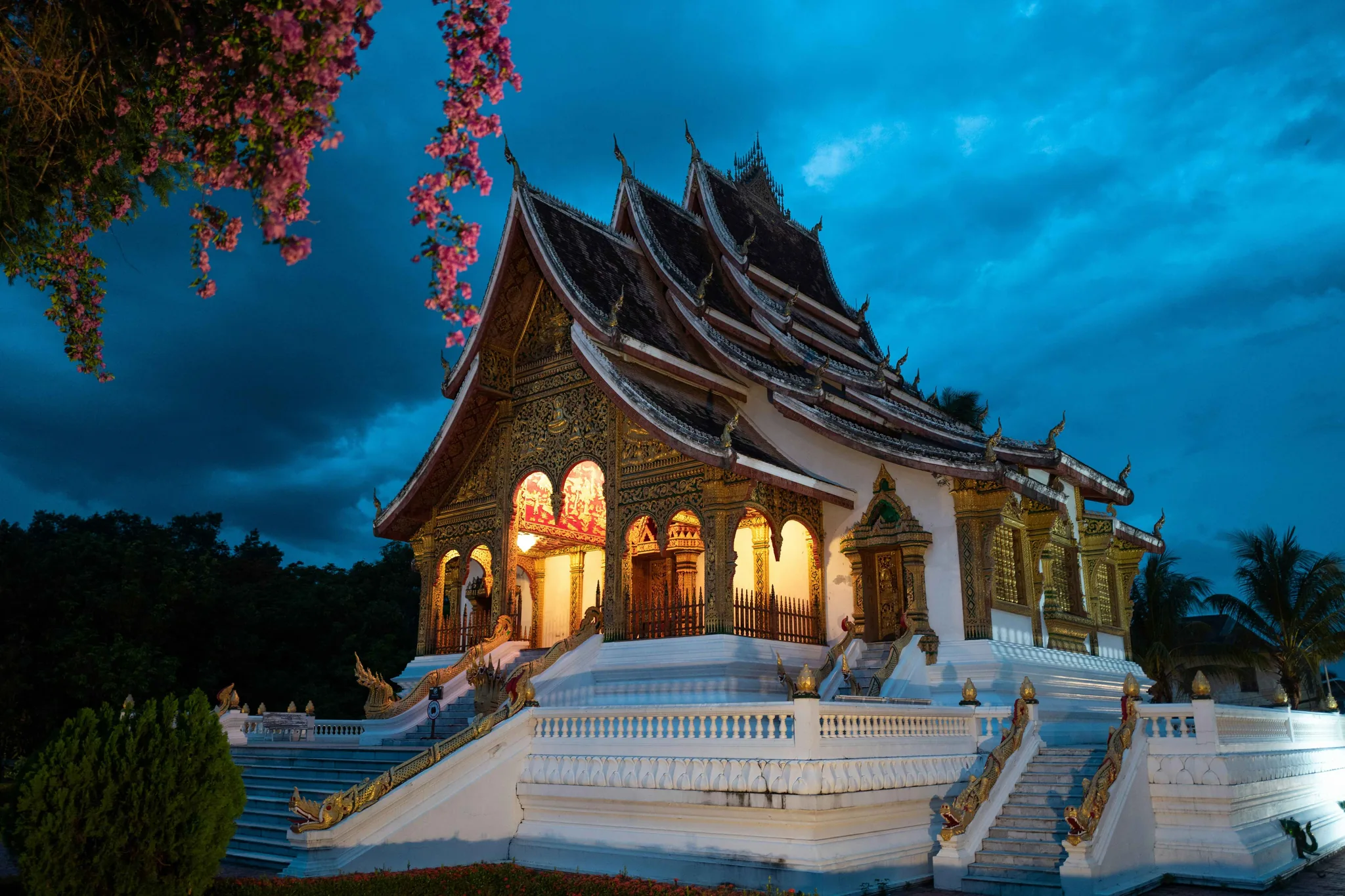
Laos is often described as one of Southeast Asia's most peaceful and culturally rich destinations. While its stunning landscapes, ancient temples, and laid-back atmosphere attract travelers from around the world, the true heart of Laos lies in its deep connection to Buddhism.
For centuries, Theravada Buddhism has shaped the country's culture, traditions, values, and daily routines. Unlike many places where religion is primarily confined to places of worship, Buddhism in Laos is woven into everyday life. From the early morning alms-giving ceremonies to major festivals and family traditions, Buddhist teachings continue to influence how people live, work, and interact with one another.
Whether you're wandering through the temple-lined streets of Luang Prabang or exploring rural villages along the Mekong River, you'll quickly notice that Buddhism is not just a religion in Laos—it's a way of life.
In this guide, we'll explore how Buddhism shapes daily life in Laos and why understanding these traditions can enrich your travel experience.
The Role of Buddhism in Lao Society
Approximately two-thirds of Laos' population practices Theravada Buddhism, making it the dominant religion in the country.
Buddhist principles such as compassion, mindfulness, respect, humility, and generosity play an important role in shaping social values. These teachings influence family relationships, community interactions, education, and cultural celebrations.
Temples, known locally as Wats, serve not only as religious centers but also as gathering places for education, community activities, and cultural preservation.
Visitors quickly discover that Buddhism forms the foundation of Lao identity and cultural heritage.
The Daily Alms-Giving Tradition
One of the most iconic Buddhist traditions in Laos is the Tak Bat ceremony, commonly seen in Luang Prabang.
Every morning before sunrise, monks walk silently through the streets collecting food offerings from local residents.
Families prepare sticky rice, fruits, and other foods to place into the monks' alms bowls.
This centuries-old ritual symbolizes:
Generosity and gratitude
Spiritual merit-making
Community connection
Respect for monastic life
For travelers, witnessing Tak Bat offers a meaningful glimpse into how Buddhist traditions remain deeply rooted in modern Lao society.
Temples at the Center of Community Life
Throughout Laos, temples are far more than places of worship.
They serve as important centers for:
Religious ceremonies
Community gatherings
Cultural education
Festivals and celebrations
Social support activities
Whether located in bustling cities or remote villages, temples remain essential parts of daily life.
Many Lao children spend time learning Buddhist teachings at local temples, helping preserve traditions for future generations.
The Tradition of Becoming a Monk
In Laos, many young men spend part of their lives as novice monks.
This tradition is considered both a religious and cultural milestone.
Some remain monks for only a few weeks or months, while others continue for many years.
The experience teaches:
Discipline
Respect
Spiritual values
Community service
Personal responsibility
Families often view temporary ordination as an important rite of passage.
This practice helps strengthen the connection between Buddhism and everyday life across generations.
Buddhist Festivals and Celebrations
Buddhist festivals play a major role in Laos' cultural calendar.
These celebrations bring communities together and provide opportunities for prayer, merit-making, and cultural expression.
Major Buddhist Festivals in Laos
Festival | Month | Significance |
Pi Mai (Lao New Year) | April | Cleansing, renewal, and blessings |
Visakha Bousa | May | Celebrates Buddha's birth, enlightenment, and passing |
Boun Khao Phansa | July | Beginning of Buddhist Lent |
Boun Ok Phansa | October | End of Buddhist Lent |
That Luang Festival | November | National religious celebration |
These festivals are marked by temple visits, candlelight processions, traditional performances, and family gatherings.
For visitors, they offer an excellent opportunity to experience authentic Lao culture.
How Buddhist Values Influence Daily Behavior
The influence of Buddhism extends beyond religious rituals.
Many aspects of daily behavior in Laos reflect Buddhist teachings.
Visitors often notice:
Politeness and patience
Respect for elders
Calm and gentle communication
Strong community bonds
Generosity toward others
The concept of avoiding conflict and maintaining social harmony is deeply rooted in Buddhist philosophy.
This contributes significantly to the friendly and welcoming atmosphere that Laos is known for.
Meditation and Mindfulness in Everyday Life
Mindfulness is an important aspect of Buddhist practice.
While not everyone participates in formal meditation, many Lao people incorporate mindfulness into daily routines through prayer, reflection, and temple visits.
The slower pace of life often observed in Laos reflects these values.
Rather than focusing solely on productivity and material success, many people prioritize balance, family, spirituality, and personal well-being.
This perspective often leaves a lasting impression on international visitors seeking a more peaceful way of living.
Exploring Laos' Most Important Buddhist Sites
Travelers interested in understanding Buddhism in Laos should visit some of the country's most significant religious landmarks.
Must-Visit Buddhist Sites
Site | Location | Highlights |
Wat Xieng Thong | Luang Prabang | Historic temple and intricate architecture |
Pha That Luang | Vientiane | National symbol of Laos |
Wat Si Saket | Vientiane | Ancient Buddha statues |
Pak Ou Caves | Near Luang Prabang | Thousands of Buddha images |
Wat Phou | Champasak | UNESCO World Heritage Site |
These sites offer valuable insights into the country's spiritual traditions and architectural heritage.
Respecting Buddhist Customs as a Visitor
Understanding local customs can help travelers engage respectfully with Lao culture.
When visiting temples:
Dress modestly
Remove shoes before entering
Speak quietly
Avoid touching monks
Ask permission before taking photographs
Participating respectfully in local traditions allows visitors to gain a deeper appreciation for the role Buddhism plays in everyday life.
Small gestures of respect often lead to more meaningful cultural experiences.
Best Time to Experience Buddhist Culture in Laos
While Laos can be visited year-round, certain seasons offer particularly rewarding cultural experiences.
The dry season from November to February provides comfortable weather and excellent sightseeing conditions.
Travelers interested in festivals may wish to visit during:
Pi Mai (April)
Boun Khao Phansa (July)
Boun Ok Phansa (October)
That Luang Festival (November)
These celebrations showcase the strong connection between Buddhism and community life throughout the country.
Practical Tips for Cultural Travelers
Experiencing Buddhism in Laos is about more than visiting temples.
Take time to observe local customs, interact respectfully with residents, and participate in cultural activities where appropriate.
Joining guided temple tours, learning about Buddhist history, and attending local festivals can provide valuable context and deeper understanding.
Travel slowly and remain open to new experiences.
Often, the most memorable moments come from simple interactions and observations rather than major tourist attractions.
Why Buddhism Remains the Soul of Laos
Modernization has brought significant changes to Laos, but Buddhism continues to serve as a guiding force in society.
It influences how people celebrate, educate their children, care for their communities, and navigate daily life.
The country's peaceful atmosphere, strong sense of community, and welcoming spirit are deeply connected to Buddhist values.
For travelers, understanding this spiritual foundation transforms a simple vacation into a meaningful cultural journey.
Beyond the beautiful temples and ceremonies lies a philosophy that continues to shape the lives of millions of people across Laos.
Frequently Asked Questions (FAQs)
1. What type of Buddhism is practiced in Laos?
Theravada Buddhism is the dominant form of Buddhism practiced throughout Laos.
2. Why is Buddhism important in Laos?
Buddhism influences Lao culture, traditions, values, education, festivals, and daily life.
3. What is the Tak Bat ceremony?
Tak Bat is a daily alms-giving ritual where monks collect food offerings from local residents.
4. Which city is best for experiencing Buddhist culture in Laos?
Luang Prabang is considered the best destination for experiencing Buddhist traditions and temple culture.
5. Can tourists participate in the alms-giving ceremony?
Yes, but visitors should follow local guidelines and participate respectfully.
6. What should I wear when visiting temples in Laos?
Modest clothing that covers shoulders and knees is recommended.
7. What is the most important Buddhist festival in Laos?
Pi Mai (Lao New Year) and That Luang Festival are among the country's most significant Buddhist celebrations.
8. Are there famous Buddhist landmarks in Laos?
Yes. Popular sites include Wat Xieng Thong, Pha That Luang, Wat Si Saket, Pak Ou Caves, and Wat Phou.
9. How does Buddhism influence everyday life in Laos?
Buddhist values encourage kindness, patience, generosity, mindfulness, and respect for others.
10. How can Bayard Vacations help plan a trip to Laos?
Bayard Vacations offers customized itineraries, cultural experiences, accommodation recommendations, and expert travel advice for exploring Laos' rich Buddhist heritage.
Plan Your Cultural Journey with Bayard Vacations
Exploring the spiritual and cultural heritage of Laos becomes even more rewarding with expert guidance. From witnessing the famous alms-giving ceremony in Luang Prabang to visiting ancient temples and participating in local festivals, thoughtful planning helps travelers experience the authentic side of Laos.
Talk to Our Travel Experts to discover the best cultural experiences, hidden gems, and personalized travel recommendations that match your interests and budget.
Bayard Vacations helps travelers create customized Laos itineraries based on their interests, travel style, and budget. Their travel experts can recommend the best cultural destinations, accommodations, and experiences to help you connect with the country's rich Buddhist heritage.
Whether you're interested in history, spirituality, photography, or cultural immersion, Laos offers a unique journey that leaves a lasting impression.
Explore Laos Packages
Start Your Adventure
Our travel experts are ready to plan your next dream vacation.
No spam, only pure inspiration.