Cambodia is a country where ancient history, spiritual traditions, and vibrant culture come together to create an unforgettable travel experience. While the magnificent Angkor Wat often steals the spotlight, Cambodia's cultural heritage extends far beyond its iconic temples. From centuries-old dance forms and traditional crafts to Buddhist customs and colorful festivals, the country has worked hard to preserve its unique identity despite centuries of change.
Today, Cambodia is not only rebuilding and developing but also ensuring that its traditions remain an important part of everyday life. Visitors can witness this dedication through its UNESCO World Heritage Sites, thriving artisan communities, historic monuments, and warm local hospitality.
Whether you're exploring the temples of Siem Reap, strolling through Phnom Penh, or visiting rural villages, you'll discover that Cambodia's cultural heritage is alive in every corner of the country. In this guide, we'll explore how Cambodia preserves its rich cultural heritage and why it continues to inspire travelers from around the world.
Why Cambodia's Cultural Heritage Is So Important
Cambodia's history spans more than a thousand years, with the Khmer Empire leaving behind one of the world's greatest architectural and cultural legacies. Despite facing wars and political challenges in the past, the country has made remarkable efforts to protect its heritage for future generations.
Today, Cambodia's culture is reflected in:
Ancient temples and monuments
Traditional Khmer dance
Buddhist practices
Local handicrafts
Historic architecture
Cultural festivals
These traditions continue to shape the country's identity while attracting millions of visitors each year.
Angkor Wat: The Symbol of Cambodia
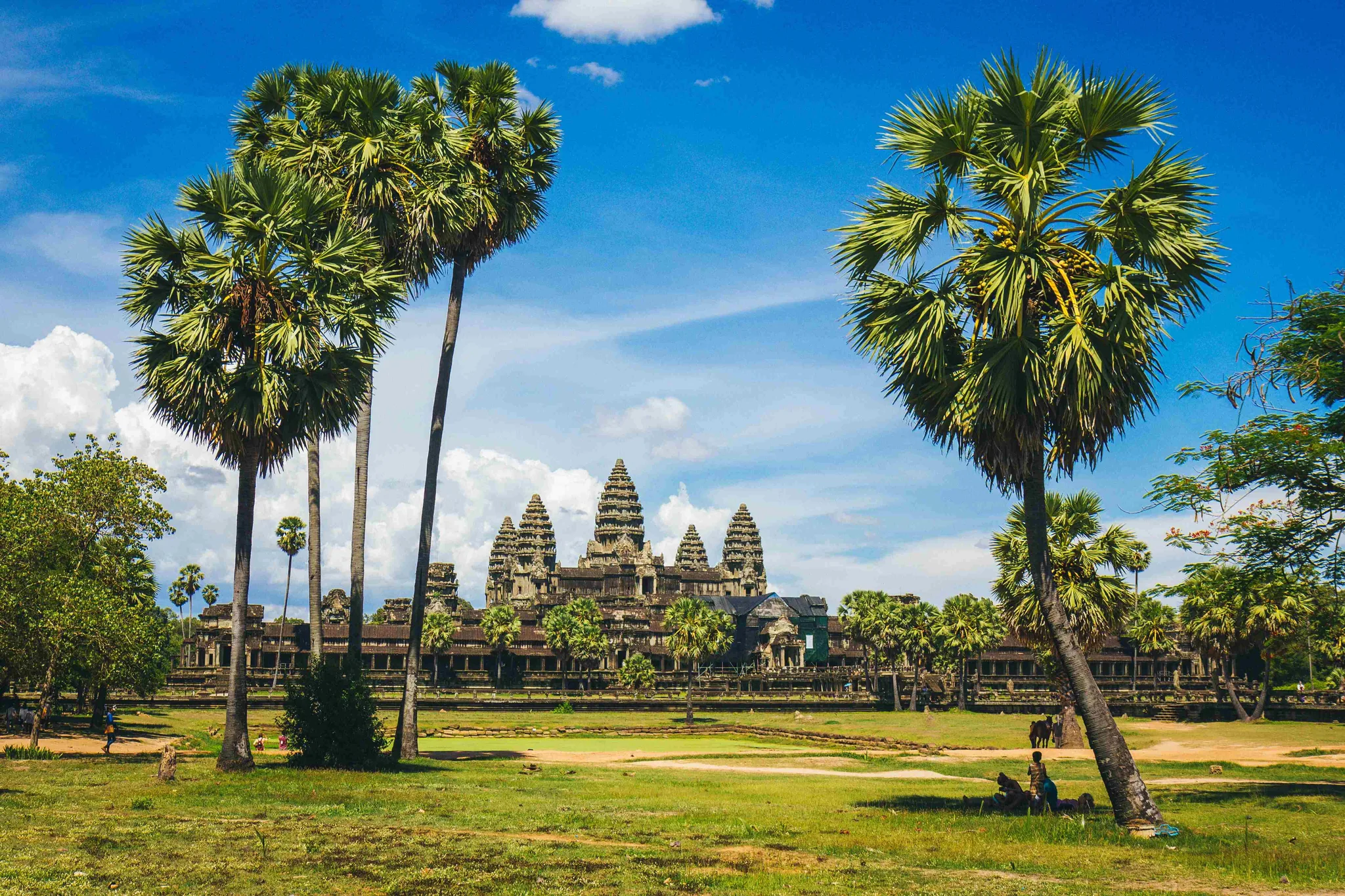
No discussion about Cambodia's heritage is complete without mentioning Angkor Wat, the world's largest religious monument and a UNESCO World Heritage Site.
Originally built in the 12th century, Angkor Wat showcases the brilliance of Khmer architecture and engineering. Intricate carvings, towering spires, and vast temple complexes make it one of the most admired historical landmarks in the world.
Nearby attractions include:
Angkor Thom
Bayon Temple
Ta Prohm
Banteay Srei
Preah Khan
Together, these monuments offer an extraordinary glimpse into Cambodia's glorious past.
Buddhism Remains at the Heart of Cambodian Life
Theravada Buddhism is the dominant religion in Cambodia and continues to influence daily life.
Across the country, visitors will find:
Beautiful Buddhist temples
Peaceful monasteries
Monks in saffron robes
Prayer ceremonies
Religious festivals
Buddhist teachings promote compassion, respect, and community values, helping preserve traditions across generations.
Many Cambodians visit temples regularly for prayer, meditation, and important family ceremonies.
Traditional Khmer Dance and Performing Arts
Cambodia has worked tirelessly to revive its traditional performing arts after years of conflict.
The Royal Ballet of Cambodia, also known as Khmer Classical Dance, is recognized by UNESCO as an Intangible Cultural Heritage.
These graceful performances feature:
Elegant costumes
Hand gestures that tell stories
Ancient myths
Traditional Khmer music
Watching a live performance is one of the most memorable cultural experiences for visitors.
Preserving Traditional Arts and Handicrafts
Cambodian artisans continue to keep centuries-old craftsmanship alive.
Popular traditional crafts include:
Silk weaving
Stone carving
Wood carving
Silverwork
Pottery
Lacquerware
Many workshops in Siem Reap and Phnom Penh train young artisans while supporting local communities.
Buying handmade souvenirs helps preserve these valuable traditions.
Cambodia's Cultural Highlights
Cultural Attraction | Why Visit |
Angkor Wat | World's largest religious monument |
Bayon Temple | Famous for its smiling stone faces |
Royal Palace, Phnom Penh | Traditional Khmer architecture |
National Museum | Khmer art and historical artifacts |
Apsara Dance Show | Cambodia's classical dance performance |
Artisan Workshops | Traditional silk, wood, and stone crafts |
These destinations offer a deeper understanding of Cambodia's remarkable cultural heritage.
Festivals That Keep Traditions Alive
Festivals play an essential role in preserving Cambodian culture.
Some of the country's biggest celebrations include:
Khmer New Year (April) – Family gatherings, temple visits, and traditional games.
Pchum Ben (September/October) – Honoring ancestors through Buddhist ceremonies.
Water Festival (Bon Om Touk) – Celebrating the reversal of the Tonlé Sap River with colorful boat races.
Royal Ploughing Ceremony – Marking the beginning of the agricultural season.
These festivals bring communities together while passing traditions from one generation to the next.
Protecting Historical Landmarks
The Cambodian government, together with international organizations such as UNESCO, continues to restore and protect historical monuments.
Conservation efforts focus on:
Temple restoration
Archaeological research
Heritage education
Sustainable tourism
Cultural preservation projects
These initiatives ensure future generations can continue to appreciate Cambodia's rich history.
Local Communities Play a Vital Role
Preserving culture isn't limited to monuments—it also depends on local communities.
Across Cambodia, families continue to practice:
Traditional cooking
Folk music
Village ceremonies
Handicraft making
Religious customs
Community-based tourism allows visitors to experience authentic Khmer life while supporting local livelihoods.
Best Time to Experience Cambodia's Culture
Cambodia offers cultural experiences throughout the year, but certain seasons are particularly rewarding.
Season | Months | Highlights |
Cool Season | November – February | Pleasant weather for sightseeing and temple visits |
Summer | March – May | Khmer New Year celebrations and cultural events |
Monsoon | June – October | Lush landscapes and fewer tourists |
The cooler months are ideal for exploring heritage sites comfortably.
Tips for Respectful Cultural Travel
When visiting Cambodia:
Dress modestly at temples.
Remove hats when entering religious sites.
Ask permission before photographing monks or locals.
Support local artisans by purchasing handmade products.
Follow local customs and respect sacred spaces.
Learn a few Khmer greetings to connect with local people.
Small gestures of respect make your travel experience more meaningful.
Why Cambodia's Heritage Continues to Inspire
Cambodia's ability to preserve its cultural heritage while embracing modern development is truly remarkable.
Ancient temples, vibrant festivals, traditional arts, and strong Buddhist values continue to shape the country's identity. Visitors are not only welcomed by magnificent historical landmarks but also by communities proud to share their customs and traditions.
Beyond the beauty of Angkor Wat lies a nation rich in stories, resilience, and cultural pride. Exploring Cambodia offers more than sightseeing—it provides an opportunity to connect with one of Southeast Asia's most fascinating civilizations.
Frequently Asked Questions (FAQs)
1. Why is Cambodia famous for its cultural heritage?
Cambodia is known for its ancient Khmer civilization, Angkor Wat, Buddhist traditions, classical dance, and historic architecture.
2. What is the most famous cultural site in Cambodia?
Angkor Wat is Cambodia's most famous cultural landmark and a UNESCO World Heritage Site.
3. What religion is practiced in Cambodia?
Theravada Buddhism is the dominant religion and plays an important role in Cambodian culture and daily life.
4. What traditional arts is Cambodia known for?
Cambodia is famous for Apsara dance, silk weaving, stone carving, wood carving, pottery, and silverwork.
5. When is the best time to visit Cambodia for cultural experiences?
The best time is from November to February, when the weather is cooler and ideal for sightseeing.
6. What are Cambodia's major cultural festivals?
Khmer New Year, Pchum Ben, Water Festival (Bon Om Touk), and the Royal Ploughing Ceremony are among the country's biggest celebrations.
7. Are there UNESCO World Heritage Sites in Cambodia?
Yes. Angkor Archaeological Park is Cambodia's most famous UNESCO World Heritage Site.
8. How can tourists respect Cambodian culture?
Dress modestly, respect religious customs, support local artisans, and ask permission before photographing people or sacred sites.
9. Why are traditional crafts important in Cambodia?
They preserve centuries-old skills, support local communities, and help keep Khmer artistic traditions alive.
10. How can Bayard Vacations help plan a Cambodia trip?
Bayard Vacations offers customized Cambodia tour packages, including accommodation, sightseeing, cultural tours, transportation, and expert travel planning for a memorable and hassle-free holiday.
Plan Your Cambodia Journey with Bayard Vacations
Discovering Cambodia's cultural heritage becomes even more rewarding with expert guidance.
Talk to Our Travel Experts to explore ancient temples, cultural landmarks, traditional villages, local festivals, and personalized travel experiences tailored to your interests and budget.
Bayard Vacations specializes in creating customized Cambodia tour packages that combine history, culture, and unforgettable sightseeing. Whether you're exploring the magnificent Angkor Wat, watching a traditional Apsara dance performance, visiting Phnom Penh's historic attractions, or discovering authentic Khmer villages, their travel experts can help you plan a seamless and memorable journey.
From timeless temples to vibrant cultural experiences, Bayard Vacations ensures you experience the very best of Cambodia while uncovering its rich and enduring heritage.
Explore Cambodia Packages
Start Your Adventure
Our travel experts are ready to plan your next dream vacation.
No spam, only pure inspiration.