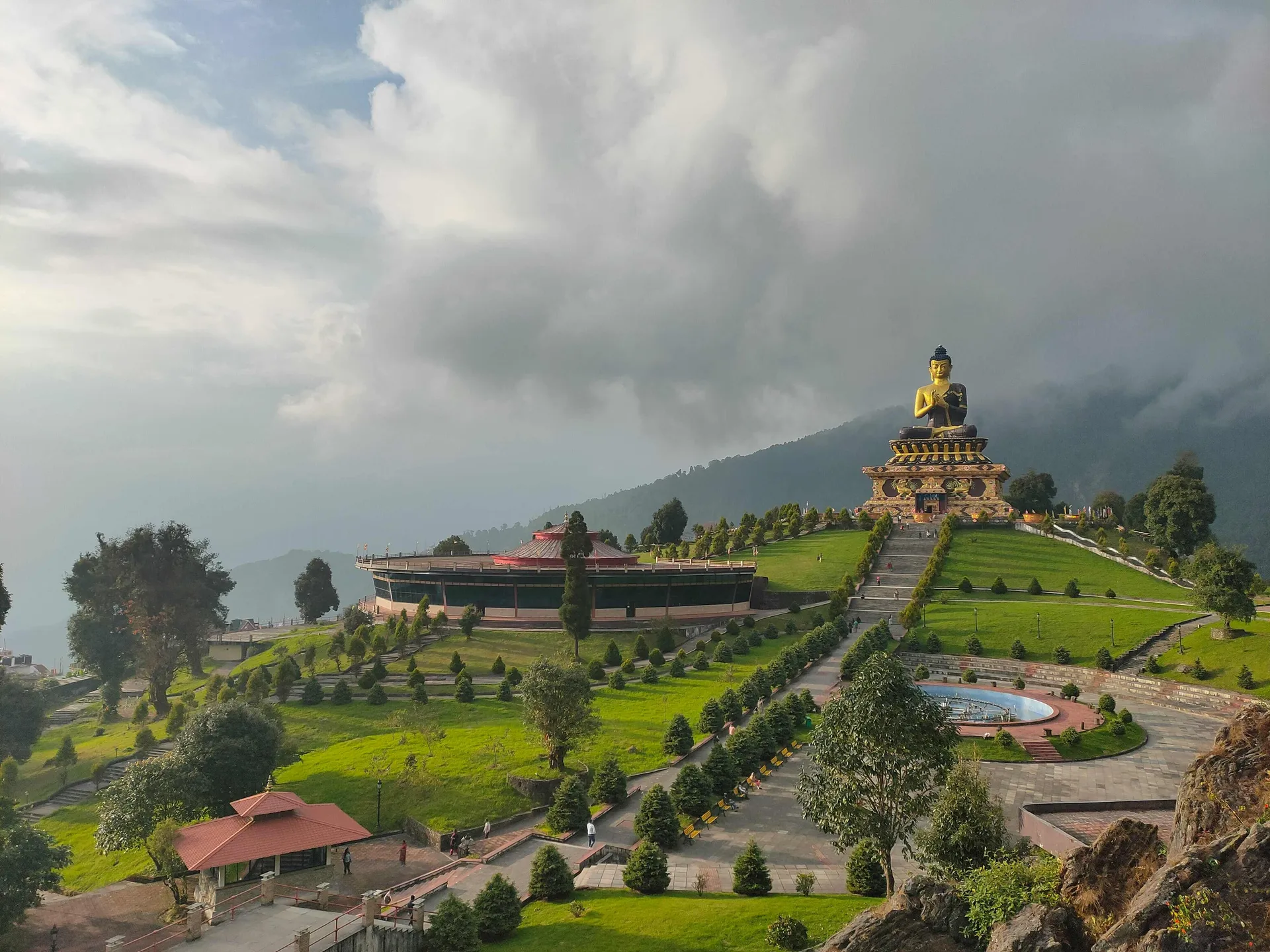
Sikkim, nestled in the lap of the Eastern Himalayas, is often celebrated for its breathtaking mountains, pristine lakes, colorful monasteries, and rich biodiversity. But beyond its scenic beauty lies an even more remarkable achievement—Sikkim has earned a reputation as India's cleanest and greenest state.
From becoming the first fully organic state in India to implementing strict environmental policies and promoting sustainable tourism, Sikkim has set an example for the rest of the country. Visitors are often amazed by the state's spotless roads, pollution-free environment, and the strong environmental consciousness among local communities.
So, how did this small Himalayan state achieve what many larger regions are still striving for? Let's explore the inspiring journey of Sikkim's transformation into India's environmental success story.
The Foundation of a Green Vision
Sikkim's journey toward sustainability did not happen overnight. The state's environmental policies are the result of decades of planning, public participation, and government commitment.
Recognizing the ecological sensitivity of the Himalayan region, the government introduced measures aimed at protecting forests, wildlife, water resources, and agricultural lands. These efforts were supported by local communities who understood the importance of preserving their natural heritage.
Unlike rapid urbanization seen in many regions, Sikkim chose a development model that balanced economic growth with environmental conservation.
India's First Fully Organic State
One of Sikkim's most significant achievements was becoming India's first fully organic state in 2016.
The state government gradually phased out chemical fertilizers and pesticides while encouraging farmers to adopt organic farming methods. Over the years, thousands of farmers transitioned to sustainable agricultural practices.
Benefits of Organic Farming in Sikkim
Improved soil fertility and health
Reduced water contamination
Enhanced biodiversity
Healthier food production
Increased demand for organic produce
Today, organic farming is not just an environmental initiative but also a major attraction for eco-conscious travelers interested in sustainable agriculture and rural tourism.
Ban on Plastic and Waste Reduction Initiatives
Long before plastic pollution became a national concern, Sikkim implemented strict measures to reduce plastic waste.
The state introduced bans on plastic bags and single-use plastic products, helping to keep streets, markets, trekking routes, and tourist destinations clean.
Key Waste Management Measures
Ban on plastic carry bags
Restrictions on disposable plastic products
Public awareness campaigns
Community-led cleanliness drives
Waste segregation programs
As a result, visitors often notice that even popular tourist destinations remain remarkably clean compared to many other hill stations in India.
Forest Conservation and Biodiversity Protection
Nearly half of Sikkim's geographical area is covered by forests, making conservation a top priority.
The state has protected its natural resources through:
Strict forest protection laws
Wildlife conservation programs
Expansion of protected areas
Community-based forest management
Sikkim is home to incredible biodiversity, including:
Red Panda (State Animal)
Snow Leopard
Himalayan Black Bear
Musk Deer
Hundreds of bird species
Thousands of flowering plants and orchids
The conservation of these ecosystems has played a major role in maintaining environmental balance and preserving the state's green cover.
Sustainable Tourism: A Key Contributor
Tourism is one of Sikkim's most important industries. However, instead of promoting mass tourism, the state focuses on responsible and sustainable tourism practices.
Many tourism operators encourage travelers to:
Respect local culture
Avoid littering
Use reusable water bottles
Follow eco-friendly trekking guidelines
Support local businesses
Popular destinations like Gangtok, Tsomgo Lake, Yumthang Valley, Pelling, and Lachung are maintained through a combination of government regulation and community participation.
Travelers increasingly choose Sikkim because it offers a cleaner and more environmentally responsible travel experience.
Community Participation Makes the Difference
One of the biggest reasons behind Sikkim's success is the active involvement of local communities.
Environmental conservation is deeply embedded in daily life. Residents participate in:
Cleanliness campaigns
Tree plantation drives
Waste management initiatives
Sustainable farming practices
Schools also play a crucial role by educating students about environmental responsibility from a young age.
This collective effort has created a culture where protecting nature is viewed as a shared responsibility rather than solely a government task.
Effective Environmental Policies
Several government policies have contributed to Sikkim's green transformation.
Major Environmental Initiatives
Plastic Ban
Sikkim was among the earliest Indian states to restrict plastic usage.
Organic Mission
The state's long-term organic farming mission transformed agriculture while reducing environmental damage.
Eco-Tourism Promotion
Tourism development focuses on minimizing environmental impact while supporting local livelihoods.
Afforestation Programs
Tree plantation and forest restoration projects continue to strengthen the state's ecological resilience.
Water Resource Protection
Efforts to protect rivers, lakes, and mountain springs help maintain clean water sources across the region.
Clean Cities and Villages
Gangtok, the capital city, is frequently praised for its cleanliness and efficient urban management.
Visitors often notice:
Well-maintained roads
Organized waste collection systems
Minimal littering
Clean public spaces
Beautiful landscaping
Similarly, villages across Sikkim maintain high standards of cleanliness, reflecting the environmental values embraced throughout the state.
Renewable Energy and Green Development
Sikkim has also invested in cleaner energy solutions and sustainable infrastructure.
Key initiatives include:
Hydropower development
Energy-efficient public infrastructure
Green building practices
Promotion of sustainable transportation
Although challenges remain, the state continues to explore environmentally friendly alternatives that align with its sustainability goals.
Challenges Along the Way
Despite its impressive achievements, Sikkim faces several environmental challenges.
Climate Change
Changing weather patterns and glacier retreat threaten the Himalayan ecosystem.
Tourism Pressure
Increasing tourist arrivals can strain local resources if not managed carefully.
Waste from Growing Urbanization
As towns expand, maintaining efficient waste management systems becomes increasingly important.
Infrastructure Development
Balancing development needs with ecological preservation remains an ongoing challenge.
However, the state's proactive approach gives it a strong foundation to address these issues effectively.
Lessons Other States Can Learn from Sikkim
Sikkim's success offers valuable lessons for other regions across India.
Long-Term Planning Works
Environmental transformation requires consistent efforts over many years.
Community Involvement Is Essential
Government policies become more effective when citizens actively participate.
Sustainable Tourism Creates Lasting Benefits
Protecting natural resources helps attract responsible travelers and supports local economies.
Organic Farming Is Viable
Sikkim demonstrates that large-scale organic agriculture can be both environmentally and economically successful.
Top Green Attractions in Sikkim
If you're planning a trip, these destinations showcase the state's natural beauty and conservation success.
Tsomgo Lake
A pristine glacial lake surrounded by snow-capped mountains.
Yumthang Valley
Often called the "Valley of Flowers," famous for its alpine landscapes and biodiversity.
Khangchendzonga National Park
A UNESCO World Heritage Site known for its rich flora and fauna.
Pelling
Offers stunning Himalayan views and eco-friendly tourism experiences.
Ravangla
A peaceful destination surrounded by forests and scenic landscapes.
Lachung and Lachen
Picturesque mountain villages known for sustainable tourism practices.
Why Travelers Love Visiting Sikkim
Modern travelers are increasingly seeking destinations that prioritize sustainability, cleanliness, and authentic experiences.
Sikkim offers:
Pollution-free mountain air
Clean roads and public spaces
Organic food experiences
Rich cultural heritage
Responsible tourism opportunities
Spectacular Himalayan scenery
These qualities make it one of India's most desirable travel destinations.
Frequently Asked Questions (FAQs)
1. Why is Sikkim called India's cleanest state?
Sikkim is known as India's cleanest state because of its strict environmental policies, effective waste management systems, plastic bans, organic farming initiatives, and strong community participation in maintaining cleanliness and sustainability.
2. When did Sikkim become a fully organic state?
Sikkim officially became India's first fully organic state in 2016 after successfully converting all its agricultural land to organic farming and eliminating the use of chemical fertilizers and pesticides.
3. What makes Sikkim the greenest state in India?
Sikkim's extensive forest cover, biodiversity conservation efforts, organic agriculture, eco-friendly tourism practices, and environmental awareness programs contribute to its reputation as one of India's greenest states.
4. Is plastic banned in Sikkim?
Yes. Sikkim was one of the first Indian states to implement strict bans on plastic bags and several single-use plastic products to reduce pollution and protect its fragile Himalayan ecosystem.
5. How does organic farming benefit Sikkim?
Organic farming improves soil health, preserves water quality, protects biodiversity, reduces chemical pollution, and helps farmers produce healthier crops while supporting sustainable agriculture.
6. What are the major environmental initiatives in Sikkim?
Some key environmental initiatives include organic farming, forest conservation, plastic bans, eco-tourism promotion, wildlife protection programs, afforestation projects, and sustainable waste management systems.
7. What are the best eco-tourism destinations in Sikkim?
Popular eco-tourism destinations include Gangtok, Yumthang Valley, Tsomgo Lake, Pelling, Ravangla, Lachung, Lachen, and Khangchendzonga National Park, a UNESCO World Heritage Site.
8. How does Sikkim manage tourism sustainably?
Sikkim promotes responsible tourism by encouraging eco-friendly travel practices, regulating tourist activities in sensitive areas, supporting local communities, and maintaining clean public spaces and natural attractions.
9. What wildlife can be found in Sikkim?
Sikkim is home to diverse wildlife, including the Red Panda, Snow Leopard, Himalayan Black Bear, Musk Deer, and hundreds of bird species, making it one of India's biodiversity hotspots.
10. Why should travelers visit Sikkim?
Travelers visit Sikkim for its stunning Himalayan landscapes, clean environment, organic food, rich Buddhist culture, adventure activities, and unique sustainable tourism experiences.
11. What is the best time to visit Sikkim?
The best time to visit Sikkim is from March to May and October to December, when the weather is pleasant, skies are clear, and major attractions are easily accessible.
12. How can travel experts help plan a Sikkim trip?
Travel experts can help with itinerary planning, hotel bookings, transportation, permits, sightseeing recommendations, and seasonal travel advice. Companies like Bayard Vacations assist travelers in creating customized Sikkim experiences based on their preferences and travel dates.
Planning Your Sikkim Trip
The best time to visit Sikkim generally depends on your interests:
March to May: Pleasant weather and blooming flowers
October to December: Clear mountain views and ideal sightseeing conditions
December to February: Snowfall in higher-altitude regions
June to September: Lush landscapes during the monsoon season
For a seamless experience, many travelers prefer consulting experienced travel professionals who can help design customized itineraries based on weather conditions, permits, accommodation preferences, and sightseeing goals.
Travel companies such as Bayard Vacations assist travelers in planning well-organized Sikkim journeys, helping visitors explore destinations like Gangtok, Pelling, Lachung, Lachen, and Tsomgo Lake while ensuring a comfortable and hassle-free travel experience. Speaking with travel experts before your trip can help you discover hidden gems, choose the best travel season, and make the most of your Himalayan adventure.
Explore Sikkim Packages
Start Your Adventure
Our travel experts are ready to plan your next dream vacation.
No spam, only pure inspiration.