Introduction
While the misty hills, intricate living root bridges, and cascading waterfalls of Meghalaya often dominate conversations around the state, its culture is equally as captivating as its scenery.
Home to the Khasi, Jaintia, and Garo tribes, Meghalaya is one of the few places in the world that has a living matrilineal society, where the mother’s line is used to pass down property, name, and lineage. Sprinkle in age-old sacred groves, lively tribal festivals, and a rich culinary tradition shaped by the native people, and Meghalaya tour packages cultural immersion that extends well beyond its visual allure.
This guide delves into the traditions, tribes, festivals, and customs that make up the culture of Meghalaya, and provides ways for travelers to engage with them respectfully.
1. Khasi, Jaintia, and Garo Tribes: Meghalaya's Cultural Foundation
Three major tribal groups form the backbone of Meghalaya's indigenous population - the Khasi and Jaintia reside in the eastern and central parts of the state, respectively, while the Garo tribe is based in the west.
Although they have distinct languages, social norms, and ways of life, all three communities share a deep reverence for nature, strong traditions of oral storytelling, and systems of community governance that continue to exist alongside the modern administrative setup.
2. A Rare Matrilineal Society
Contrary to prevalent traditions in many parts of India, both Khasi and Jaintia tribes in Meghalaya follow a matrilineal social system.
Under this arrangement, children assume their mother’s surname, property and inheritance is traditionally passed on to the youngest daughter, and women play a central role in family affairs.
Visiting Meghalaya to witness this rare social structure can offer visitors a unique and alternative perspective on Indian society, questioning conventional gender roles in traditional communities.
3. Preserving Nature Through Faith: Sacred Groves
Meghalaya's landscape is dotted with sacred groves – areas of forest protected for centuries owing to their religious significance.
These areas, such as Mawphlang Sacred Forest near Shillong, are considered sacred to the local tribes and guarded by deities; even plucking a single leaf from a tree here is strictly prohibited. More than places of worship, these groves are a testament to the state’s tradition of indigenous conservation.
A visit with a local guide can shed light on how the intertwining of faith and environmental stewardship shapes life in Meghalaya.
4. Festivals that Reflect Meghalaya's Culture
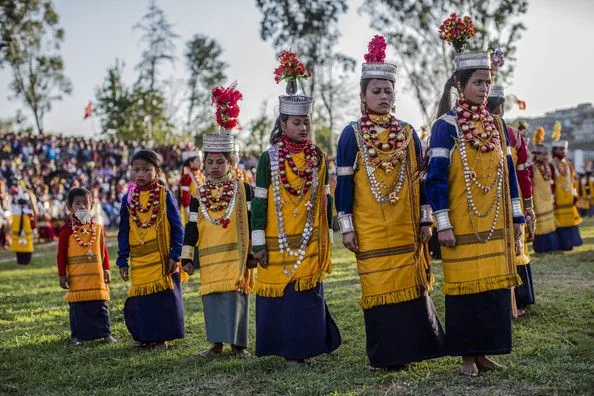
Shad Suk Mynsiem - A Khasi thanksgiving dance festival held in Shillong every April, marked by elaborately dressed dancers moving in circular formations to traditional music.
Wangala Festival - Celebrated by the Garo tribe in November, this post-harvest festival features the iconic "100 Drums" performance, along with traditional dance and music.
Behdeinkhlam - A Jaintia festival held in Jowai around July, involving symbolic rituals to drive away evil spirits and disease, along with a distinctive mud football match.
Timing a trip around one of these festivals adds a layer of cultural immersion that's difficult to replicate through sightseeing alone.
5. Traditional Cuisine as a Cultural Expression
Meghalaya’s food is as much a reflection of tribal traditions as are its festivals.
The state’s cuisine offers a delicious glimpse into its history dishes like:
Jadoh (rice cooked with pork)
Tungrymbai (a fermented soybean dish)
Nakham Bitchi (a soup made from smoked fish).
These recipes are passed down through generations, and sampling them at a local restaurant, as opposed to a typical tourist hub, provides an authentic taste of Meghalaya’s culture.
6. Music, Dance, and Oral Tradition
Oral stories, folk songs, and traditional dances continue to be an integral part of Khasi and Garo life, performed primarily during tribal festivals and community events.
Accompanied by instruments like the duitara (a stringed instrument) and various types of drums, these performances are transmitted orally through generations, with many narratives linked to local legends that explain the origins of the hills, rivers, or living root bridges of Meghalaya.
7. Local Markets: Everyday Culture in Action
Outside of the well-trodden paths of tourist attractions, Meghalaya’s local markets such as Bara Bazaar in Shillong and the Friday market in Jowai offer a realistic glimpse into the day-to-day life of the local tribes.
You can find traditional woven textiles, intricate bamboo handicrafts, local agricultural products, and, of course, betel nuts, a common social accompaniment among the Khasi community.
Experiencing Meghalaya's Culture Respectfully
Visit sacred groves and villages with a local guide, who can explain customs and any restrictions. (such as not removing anything from sacred forests)
Ask before photographing people, especially at religious or community events.
Support local, tribal-owned homestays and eateries rather than exclusively tourist-oriented establishments.
Time your visit around a festival if cultural experience is a priority, keeping in mind that accommodation should be booked well in advance during these periods.
Conclusion
Meghalaya's culture - its matrilineal traditions, sacred groves, tribal festivals, and distinctive cuisine is as much a reason to visit as its famous landscapes.
Engaging with it thoughtfully, ideally with local guidance, turns a scenic trip into a genuinely enriching one.
FAQ’s
1. What tribes live in Meghalaya?
Meghalaya is home to three main indigenous tribes - the Khasi, the Jaintia, and the Garo - each with distinct languages, customs, and traditions.
2. What is unique about Meghalaya's social structure?
Meghalaya's Khasi and Jaintia communities follow a matrilineal system, where children take their mother's surname and inheritance passes through the youngest daughter — a rarity in India.
3. What are sacred groves in Meghalaya?
Sacred groves are forest patches protected for generations due to their religious significance, believed to be guarded by local deities; Mawphlang Sacred Forest near Shillong is among the most well-known.
4. What are the major festivals of Meghalaya?
Key festivals include Shad Suk Mynsiem (Khasi, April), Wangala (Garo, November), and Behdeinkhlam (Jaintia, July), each showcasing distinct music, dance, and rituals.
5. What food should I try to experience Meghalaya's culture?
Traditional dishes like Jadoh, Tungrymbai, and Nakham Bitchi reflect Khasi and Jaintia culinary heritage and are best experienced at local, tribal-owned eateries.
Want to experience Meghalaya's culture firsthand?
Bayard Vacations' curated Meghalaya packages include local guides, village visits, and festival-aligned itineraries designed to help you experience the state beyond its landscapes.
Explore Meghalaya Packages
Start Your Adventure
Our travel experts are ready to plan your next dream vacation.
No spam, only pure inspiration.