Spain is a country that knows how to make a holiday memorable.
From the lively streets of Barcelona and Madrid to the sun-drenched beaches of the Costa del Sol, Spain combines history, culture, food, architecture, nature, and vibrant local traditions in a way few destinations can match.
One day, you could be admiring Gaudí's extraordinary architecture in Barcelona. The next, you might be wandering through the historic streets of Seville, enjoying tapas in Granada, relaxing on a Mediterranean beach, or exploring a peaceful mountain village.
What makes Spain particularly appealing is its diversity. Every region has its own character, traditions, cuisine, landscapes, and experiences.
Whether you're planning a romantic getaway, family holiday, cultural adventure, beach vacation, or your first trip to Europe, this Spain travel guide will help you discover the best of the country and plan an unforgettable journey.
Why Spain Should Be on Your Travel List
Spain offers an impressive variety of experiences within one country.
Travelers can explore ancient castles, grand cathedrals, historic old towns, modern art museums, beautiful islands, dramatic mountains, vineyards, and coastal villages.
Spain is also famous for its relaxed lifestyle. Long lunches, late dinners, lively plazas, evening walks, and social gatherings are all part of the experience.
Some of the biggest reasons to visit Spain include:
Fascinating history
World-famous architecture
Beautiful Mediterranean beaches
Delicious regional cuisine
Vibrant festivals
Historic cities
Scenic countryside
Island escapes
Art and museums
Outdoor adventures
Barcelona: Architecture, Culture and Mediterranean Charm
Barcelona is one of Spain's most recognizable destinations.
Located along the Mediterranean coast, the city combines historic neighborhoods, beaches, art, architecture, food, and a lively urban atmosphere.
The biggest attraction is the extraordinary work of Antoni Gaudí.
Places to visit in Barcelona
Sagrada Família
Park Güell
Casa Batlló
Gothic Quarter
La Rambla
Barceloneta Beach
Montjuïc
Barcelona is also an excellent city for food lovers. Explore local markets, traditional tapas bars, and restaurants serving Catalan specialties.
Don't limit your experience to the main attractions. Spend time wandering through the city's neighborhoods and enjoying its relaxed Mediterranean atmosphere.
Best for: Architecture, culture, couples, families, beaches, and first-time visitors.
Madrid: The Vibrant Capital of Spain
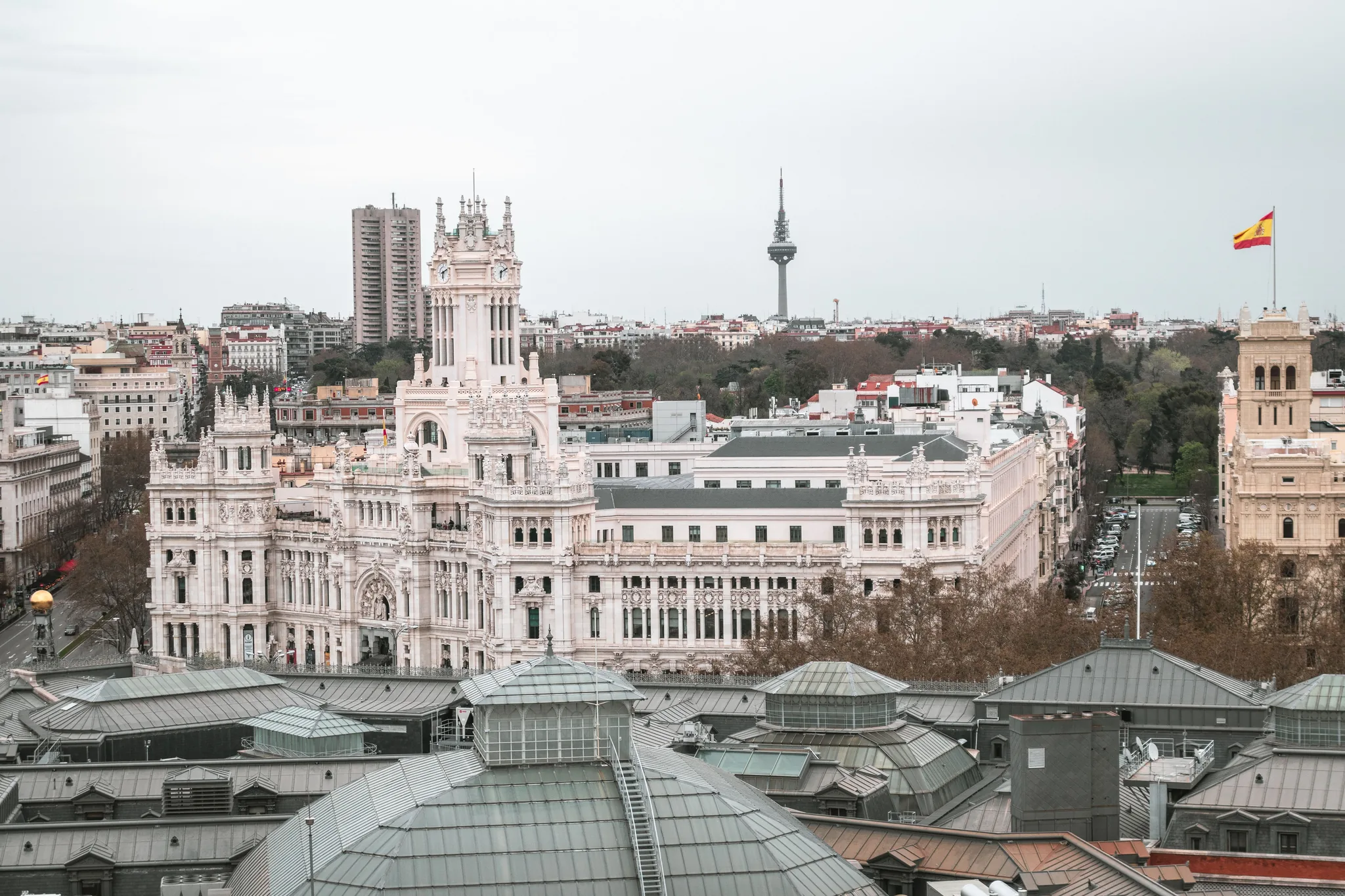
Madrid is the heart of Spain and a fantastic destination for travelers who enjoy culture, art, food, and nightlife.
The city is home to some of Europe's most impressive museums, including the Prado Museum.
Madrid highlights
Royal Palace of Madrid
Prado Museum
Retiro Park
Plaza Mayor
Puerta del Sol
Gran Vía
Mercado de San Miguel
Madrid is also famous for its evening atmosphere. Locals often enjoy dinner later than visitors might expect, followed by drinks or a leisurely walk through the city.
For a taste of traditional Spanish life, explore the neighborhoods beyond the major tourist attractions.
Best for: Art, history, nightlife, shopping, and food.
Seville: The Soul of Andalusia
Seville is one of Spain's most atmospheric cities.
Located in Andalusia, the city is known for flamenco, orange trees, historic architecture, lively plazas, and beautiful courtyards.
The city has a distinctly Andalusian character that makes it feel different from Madrid or Barcelona tour packages.
Don't miss in Seville
Seville Cathedral
Giralda Tower
Royal Alcázar
Plaza de España
Santa Cruz neighborhood
Triana district
Watching a live flamenco performance is one of the best ways to experience Seville's culture.
The city is particularly beautiful in spring when orange blossoms fill the streets with fragrance.
Best for: Culture, romance, architecture, history, and food.
Granada: Discover the Alhambra
Granada is home to one of Spain's most famous landmarks: the Alhambra.
This magnificent palace and fortress complex sits against the backdrop of the Sierra Nevada mountains and reflects centuries of Islamic and Spanish history.
Beyond the Alhambra, Granada's historic neighborhoods are worth exploring.
The Albaicín district is famous for its narrow streets, traditional houses, and spectacular views toward the Alhambra.
Granada is also known for its tapas culture, making it a great destination for food lovers.
Best for: History, architecture, culture, photography, and food.
Valencia: Where History Meets the Sea
Valencia offers a wonderful balance between city attractions and beach life.
Located on Spain's eastern coast, the city is known for its historic center, modern architecture, gardens, and Mediterranean beaches.
Things to do in Valencia
Explore the Old Town
Visit the City of Arts and Sciences
Relax at Malvarrosa Beach
Walk through Turia Gardens
Visit the Central Market
Try authentic paella
Valencia is considered one of the best places to experience traditional paella, making it an essential stop for food lovers.
Best for: Families, beaches, food, architecture, and relaxed city breaks.
Málaga: Gateway to the Costa del Sol
Málaga is an excellent choice for travelers who want a combination of beaches, culture, and sunshine.
Located on the Costa del Sol, the city offers beautiful waterfront areas, historic attractions, museums, and easy access to other coastal destinations.
Visitors can explore:
Alcazaba
Málaga Cathedral
Picasso Museum
Málaga Port
Historic center
Costa del Sol beaches
Málaga is also a convenient base for exploring southern Spain.
Best for: Beaches, families, culture, food, and coastal holidays.
Córdoba: A Journey Through History
Córdoba is one of the most fascinating destinations in Andalusia.
The city reflects the influence of different civilizations and is particularly famous for the extraordinary Mezquita-Catedral.
The historic center features narrow streets, whitewashed buildings, flower-filled courtyards, and traditional restaurants.
Spring is an especially beautiful time to visit because of Córdoba's famous courtyard traditions and colorful flowers.
Best for: History, architecture, photography, and cultural experiences.
San Sebastián: A Food Lover's Paradise
Located in northern Spain, San Sebastián is famous for its beautiful beaches and exceptional culinary scene.
The city combines elegant architecture with a relaxed coastal atmosphere.
Food lovers can explore pintxos bars, where small dishes are served in a social and casual setting.
La Concha Bay is another major attraction, offering one of the city's most beautiful seaside views.
Best for: Foodies, couples, beaches, and luxury travelers.
Mallorca: Island Beauty in the Mediterranean
Mallorca is one of Spain's most popular island destinations.
The island offers sandy beaches, turquoise waters, mountain landscapes, charming villages, and historic towns.
Travelers can combine relaxation with outdoor adventures.
Mallorca experiences
Explore Palma
Visit mountain villages
Enjoy Mediterranean beaches
Take a boat trip
Hike in the Tramuntana Mountains
Discover hidden coves
Enjoy local cuisine
Mallorca is ideal for travelers who want both beach relaxation and exploration.
Best for: Couples, families, beaches, nature, and luxury holidays.
Tenerife: Beaches, Mountains and Adventure
Tenerife, part of Spain's Canary Islands, offers a completely different landscape.
The island is famous for volcanic scenery, beaches, hiking trails, and outdoor activities.
Mount Teide is one of its most spectacular attractions.
Travelers can enjoy:
Hiking
Whale watching
Beach days
Scenic drives
Volcano landscapes
Water activities
Tenerife is particularly appealing to travelers looking for sunshine and adventure.
Best for: Adventure, families, beaches, and nature lovers.
The Costa Brava: Spain's Scenic Coastline
The Costa Brava stretches along northeastern Spain and is famous for rugged cliffs, hidden coves, fishing villages, and beautiful Mediterranean scenery.
It's an excellent destination for travelers who want to combine beach time with coastal exploration.
Small towns and villages offer a more relaxed atmosphere than Spain's larger resort destinations.
Couples can enjoy seaside dinners, scenic walks, and boat trips along the coast.
Best for: Couples, beaches, photography, and road trips.
Discover the Spanish Islands
Spain's islands offer some of the country's most beautiful holiday experiences.
Balearic Islands
Mallorca, Menorca, Ibiza, and Formentera offer beaches, coastal scenery, nightlife, and island culture.
Canary Islands
Tenerife, Gran Canaria, Lanzarote, and Fuerteventura offer volcanic landscapes, beaches, outdoor adventures, and year-round sunshine.
Each island has a different personality, so choosing the right one depends on your travel style.
Spanish Food You Must Try
Food is an essential part of any Spain vacation.
Spanish cuisine varies significantly from one region to another.
Be sure to try:
Paella
Tapas
Pintxos
Tortilla española
Gazpacho
Jamón ibérico
Churros
Patatas bravas
Regional cheeses
Fresh seafood
Don't be afraid to try local specialties wherever you travel.
A dish that is popular in Valencia may be completely different from what you'll find in Galicia, Andalusia, or the Basque Country.
Experience Spain's Flamenco Culture
Flamenco is one of Spain's most recognizable cultural traditions.
It combines music, singing, rhythm, and expressive dance.
Andalusia is particularly associated with flamenco, with Seville and Granada offering opportunities to watch live performances.
A small traditional venue can provide a more intimate experience than a large tourist show.
Festivals and Celebrations in Spain
Spain is famous for its festivals, and attending one can add a completely different dimension to your holiday.
Popular celebrations include:
La Tomatina
Semana Santa
Feria de Abril
San Fermín
Las Fallas
Festival dates and celebrations can vary, so check schedules when planning your trip.
If you plan to visit during a major festival, book accommodation and transportation well in advance.
Adventure and Outdoor Experiences in Spain
Spain isn't only about cities and beaches.
The country offers excellent opportunities for outdoor adventures.
Travelers can enjoy:
Hiking
Cycling
Surfing
Sailing
Scuba diving
Mountain activities
Kayaking
Paragliding
The Pyrenees, Sierra Nevada, Canary Islands, and northern coast offer particularly diverse landscapes for outdoor activities.
Best Time to Visit Spain
Spain can be visited throughout the year, but the ideal season depends on your itinerary.
Spring: March to May
Spring is one of the best seasons for exploring Spanish cities and Andalusia. Temperatures are generally comfortable, and many landscapes are colorful.
Summer: June to August
Summer is ideal for beaches, islands, coastal resorts, and outdoor activities. Popular destinations can be crowded during this period.
Autumn: September to November
Autumn offers comfortable temperatures, fewer crowds in many destinations, and excellent conditions for food and cultural trips.
Winter: December to February
Winter is a good time for city breaks and southern Spain. Northern mountain regions can also offer winter sports.
How Many Days Do You Need in Spain?
Spain is a large and diverse country, so trying to see everything in one trip isn't realistic.
5–7 Days
Focus on Madrid and Barcelona tour package, or choose one region such as Andalusia.
8–10 Days
Combine Madrid, Seville, Granada, and Barcelona or focus on a specific region.
12–14 Days
A two-week trip allows you to combine major cities, coastal destinations, and cultural experiences at a more relaxed pace.
If you're visiting Spain for the first time, it's usually better to explore fewer destinations properly rather than spend most of your holiday traveling between cities.
Getting Around Spain
Spain has an excellent transportation network.
High-speed trains connect many major cities, making rail travel a convenient option for longer journeys.
Domestic flights can be useful when traveling between distant regions or islands.
For smaller towns and scenic areas, renting a car provides greater flexibility.
The best transportation method depends on your itinerary.
Spain Travel Tips for First-Time Visitors
A little preparation can make your Spanish holiday much smoother.
Book popular attractions in advance during busy seasons. Wear comfortable shoes because historic neighborhoods are often best explored on foot.
Remember that meal times in Spain can be later than what many international visitors are accustomed to.
Learn a few basic Spanish phrases. Even simple greetings and expressions can make interactions more enjoyable.
Don't rush through meals. Food is an important part of Spanish culture, and dining is often about enjoying time together rather than simply eating.
Most importantly, leave some space in your itinerary for spontaneous discoveries.
Suggested Spain Itinerary for First-Time Visitors
If you're planning a 10-day trip, consider an itinerary such as:
Days 1–2: Madrid
Days 3–4: Seville
Day 5: Cordoba
Days 6–7: Granada
Days 8–10: Barcelona
For a beach-focused holiday, replace one or two city stays with Mallorca, Costa Brava, or Málaga.
For a slower trip, choose one region and explore it in greater depth.
Plan Your Spain Holiday with Bayard Vacations
Spain is more than a destination; it's a collection of experiences.
It's the sound of flamenco in Seville, the architecture of Barcelona, the history of Granada, the food of Valencia, the beaches of Mallorca, and the lively streets of Madrid.
At Bayard Vacations, we help travelers turn these experiences into carefully planned holidays. Whether you're looking for a romantic Spain getaway, family vacation, cultural tour, beach escape, or multi-city European adventure, our travel experts can help create an itinerary around your interests, travel dates, and budget.
From accommodation and sightseeing to transportation and destination planning, our experts can help manage the important details so you can focus on enjoying your journey.
Talk to the Bayard Vacations travel experts today and start planning your unforgettable Spain vacation.
Frequently Asked Questions
1. What is the best city to visit in Spain for the first time?
Madrid and Barcelona are excellent starting points. Madrid is ideal for history, museums, food, and Spanish culture, while Barcelona combines architecture, beaches, and Mediterranean charm.
2. How many days are enough for Spain?
A week is enough for a focused regional trip, while 10 to 14 days allows you to experience several major destinations without rushing too much.
3. What is the best time to visit Spain?
Spring and autumn are excellent for sightseeing because of generally comfortable temperatures. Summer is ideal for beaches and islands.
4. Is Spain good for a family vacation?
Yes. Spain offers beaches, museums, theme parks, cultural attractions, outdoor activities, and family-friendly cities.
5. Which part of Spain is best for couples?
Andalusia, Barcelona, Mallorca, Costa Brava, and San Sebastián are excellent options for romantic trips.
6. What food is Spain famous for?
Spain is famous for paella, tapas, pintxos, tortilla española, jamón ibérico, gazpacho, churros, and many regional specialties.
7. Is Spain easy to travel around?
Yes. Spain has an extensive railway network, including high-speed trains connecting many major cities.
8. What are the best beach destinations in Spain?
Mallorca, Costa Brava, Málaga, the Canary Islands, and Spain's Mediterranean coastline offer excellent beach experiences.
9. Where can I experience authentic flamenco?
Andalusia, particularly Seville and Granada, is one of the best regions for experiencing traditional flamenco.
10. How can Bayard Vacations help plan a Spain holiday?
Bayard Vacations can create customized Spain tour packages based on your interests, budget, travel dates, and preferred destinations, with assistance for itinerary planning, accommodations, sightseeing, and transportation.
Explore Spain Packages
Start Your Adventure
Our travel experts are ready to plan your next dream vacation.
No spam, only pure inspiration.