Andaman & Nicobar Factsheet
factsheet
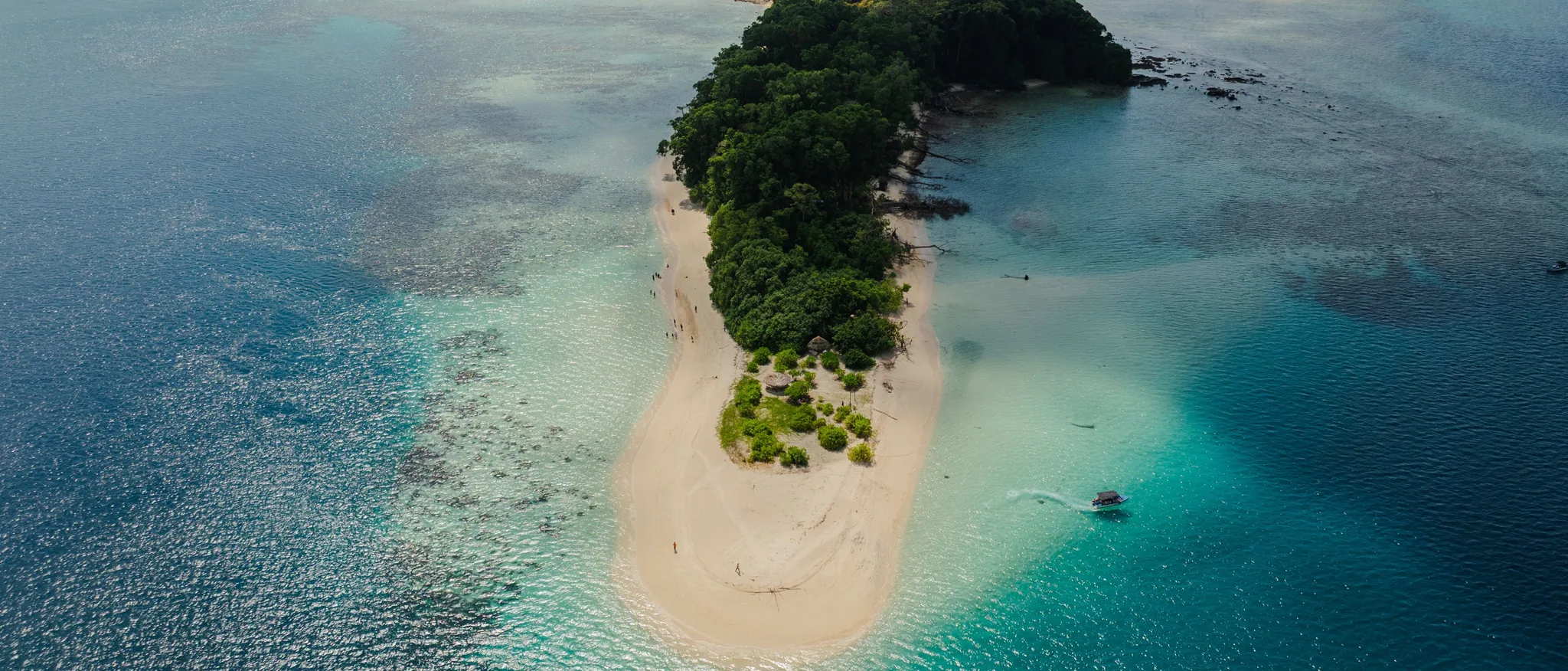
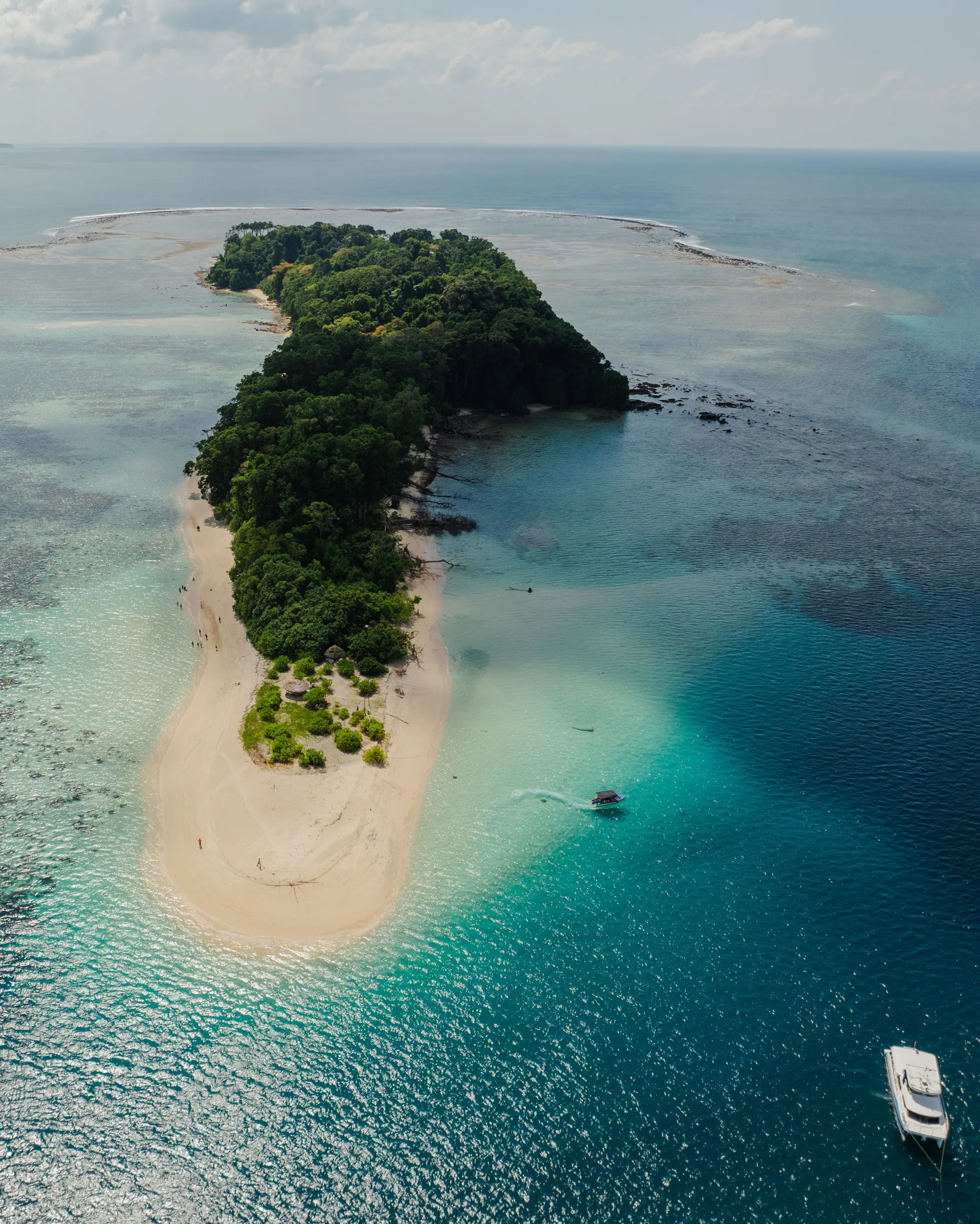
Where turquoise seas, living reefs and a storied past meet at India's far eastern edge.
Complete Andaman & Nicobar travel factsheet covering climate, entry permits, currency, culture, food and transport for Indian travellers.
The Essentials
Capital
Port Blair (Sri Vijaya Puram)
Population
~3.8 lakh (2011 Census)
Calling Code
+91
Power Plug
Type C, D & M (230V)
Tipping
Optional; ₹100–500 for guides and drivers
Emergency
112
Best Time
Oct – May
Currency
Indian Rupee (₹)
Climate
Tropical, 23–31°C
Entry
No permit for Indians
Time Zone
UTC+5:30 (IST)
Language
Hindi, Bengali, Tamil, English
History & Heritage
The Andaman and Nicobar Islands are an archipelago of more than 570 islands in the Bay of Bengal, home to some of the world's oldest indigenous communities and one of India's most important freedom-struggle sites. From ancient sea routes to colonial penal settlements, the islands have evolved into India's premier tropical getaway while protecting their tribal heritage and fragile ecosystems.
Ancient Inhabitants (Prehistoric)
The Great Andamanese, Onge, Jarawa and Sentinelese in the Andamans, and the Nicobarese and Shompen in the Nicobars, have lived here for thousands of years. Their lifeways are legally protected today.
Maritime Crossroads (Ancient–Medieval)
The islands lay on old sea routes linking India and Southeast Asia, and appear in accounts by early travellers and traders.
British Settlement (1789)
The British established an early settlement at Port Blair, later abandoned and re-established after 1857.
Penal Colony (1858 onwards)
After the 1857 uprising, the islands became a penal settlement for freedom fighters and convicts.
Cellular Jail (1896–1906)
This colonial prison, now a national memorial, symbolises the sacrifices of India's freedom struggle.
Nicobar Transfer (1868)
The Nicobar Islands passed from Danish to British administration.
Island Renaming (2018)
Ross, Havelock and Neil Islands were renamed Netaji Subhas Chandra Bose Dweep, Swaraj Dweep and Shaheed Dweep.
Tsunami & Recovery (2004)
The islands rebuilt after the Indian Ocean tsunami and emerged as a leading tourist destination.
Climate & Weather
Andaman & Nicobar has a warm, humid tropical climate with little variation in temperature through the year. The main differences are in rainfall and sea conditions, with monsoon months bringing heavy showers and rougher seas.
Time Zone
UTC+5:30 (IST)
Same as IST (no difference from mainland India). Note: sunrise is around 5 AM and sunset around 5 PM.
Best Months
November, December, January, February, March & April
Peak Season
Nov – Feb
23–30°C
Calm seas, clear skies and the best diving visibility. Ideal for beaches and water sports. Book early.
Summer
Mar – May
25–32°C
Hot and humid with glassy seas, great for snorkelling and island hopping. Fewer crowds.
Monsoon
Jun – Sep
24–30°C
Heavy rain and rough seas, with occasional ferry and water-sport cancellations. Lush greenery and budget-friendly rates.
Post-Monsoon
Oct – Dec (early)
24–30°C
Occasional showers, with conditions improving quickly. Good value for money.
Seasonal Packing List
Rain can occur in any month, but the heaviest falls come during the southwest monsoon (roughly May to September). Ferries and water activities may be suspended in rough weather, so keep flexibility in your itinerary.
Language Guide
Official Language
Hindi, English
The islands are a "mini-India" where settlers from across the country have made Hindi, Bengali, Tamil and Telugu widely spoken. English is understood in hotels and tourist services. Nicobarese and other indigenous languages are spoken within tribal communities.
Local Signage
Useful Phrases
nuh-mus-TAY
Namaste
Hello
dhun-yuh-VAAD
Dhanyavaad
Thank you
ul-VEE-dah
Alvida
Goodbye
HAAN / nuh-HEEN
Haan / Nahin
Yes / No
KRIP-yah
Kripya
Please
KIT-nah HOO-ah
Kshama kijiye
Excuse me
kuh-HAAN hai
...kahan hai?
Where is...?
Also Commonly Spoken
Currency & Money
Official Currency
Indian Rupee
₹ (INR) — Not applicable (domestic destination)
No currency exchange is needed for Indian travellers. Foreign visitors can exchange currency in Port Blair, but options are limited on other islands. Cards are accepted at most hotels, resorts and larger restaurants in Port Blair and Havelock. Small shops, local eateries, autos and some dive shops may be cash-only.
Banknotes
₹10, 20, 50, 100, 200, 500
Coins
₹1, 2, 5, 10, 20
ATMs
Reliable in Port Blair. Limited on Havelock and Neil, and machines can run out of cash. Withdraw enough in Port Blair.
Credit / Debit Cards
Accepted at hotels, resorts and larger restaurants.
UPI
Widely used, but network issues can cause failures on remote islands. Keep a cash backup.
Cash
Essential for autos, small eateries, local markets and boat rides.
Daily Budget Estimates
Budget
₹2,500 – 4,000
Mid-Range
₹5,000 – 9,000
Luxury
₹12,000+
Visa & Entry
Book your flights or ship tickets to Port Blair.
Carry a valid government photo ID (Aadhaar, passport, driving licence or voter ID) for every traveller.
Foreign nationals should carry a passport and a valid Indian visa, and confirm current permit rules before travel.
Present ID at airport or jetty counters and at some check posts (for example Baratang).
Your hotel will record your ID at check-in.
Follow all forest, marine park and tribal reserve rules during your stay.
Registration
Hotels record traveller ID at check-in.
Yes, at hotels (standard ID entry). No separate registration for Indian tourists.
Penalty: Entering tribal reserves or photographing tribal communities is a punishable offence and can lead to prosecution.
Visa Extension
Not applicable for Indian nationals. Foreign permit extensions are handled through local immigration authorities in Port Blair.
Cost: Not applicable for Indian nationals.
Getting There & Around
Intercity Travel
Valid government photo ID for all travellers
Confirmed flight or ship tickets
Hotel booking confirmation
Forest department passes for select parks and sites (arranged by your operator)
Travel insurance (recommended)
Passport and Indian visa (foreign nationals only)
Getting Around
🚕 Taxis & Cabs
Best for sightseeing in Port Blair. Fixed-fare arrangements via your operator work well.
🛺 Auto-rickshaws
Available in Port Blair, Havelock and Neil. Agree the fare beforehand.
🛵 Scooter Rentals
Popular on Havelock and Neil. Carry your driving licence.
🚲 Bicycles
Ideal on Neil Island for relaxed beach hopping.
🚶 On Foot
Most beach and town areas are compact and walkable.
Culture & Local Life
Island Mosaic
A "mini-India" where settlers from Bengal, Tamil Nadu, Andhra Pradesh, Kerala, Punjab and beyond live side by side.
Indigenous Heritage
The islands' first peoples live under strict legal protection. Contact, photography and gifting are prohibited.
Freedom-Struggle Reverence
Cellular Jail and Ross Island are places of remembrance. Visitors are expected to behave respectfully.
Festivals
Durga Puja, Pongal, Onam, Christmas and Eid are widely celebrated, along with the government-run Island Tourism Festival (usually held around January ⚠️).
Island Pace
Life moves slowly, and shops and eateries close early. Ferry schedules follow the weather.
Tribal Areas Etiquette Etiquette
Never enter tribal reserves or attempt contact. Do not photograph or film indigenous people. Do not stop vehicles or offer food along the Andaman Trunk Road. Maintain the 5 km exclusion around North Sentinel Island.
Beach & Marine Etiquette Etiquette
Do not collect shells, corals or sand. Never touch or stand on coral. Use reef-safe sunscreen. Avoid feeding fish or wildlife.
Dress Etiquette Etiquette
Beachwear is fine at beaches and resorts. Dress modestly at the memorials, temples and towns.
- • Carry a reusable bottle and avoid single-use plastic
- • Take your rubbish back with you
- • Follow guide and boatmen instructions on water activities
- • Ask permission before photographing local residents
- • Keep noise down at beaches at night and avoid beach camping
Food & Drink
Andaman cuisine is a coastal blend of fresh-caught seafood, coconut-rich curries and the settler traditions of Bengal, Tamil Nadu and beyond. Meals here are unhurried, often eaten at beachside shacks with the sea in view. From grilled fish and lobster to simple fish curry and rice, the islands reward anyone who eats local.
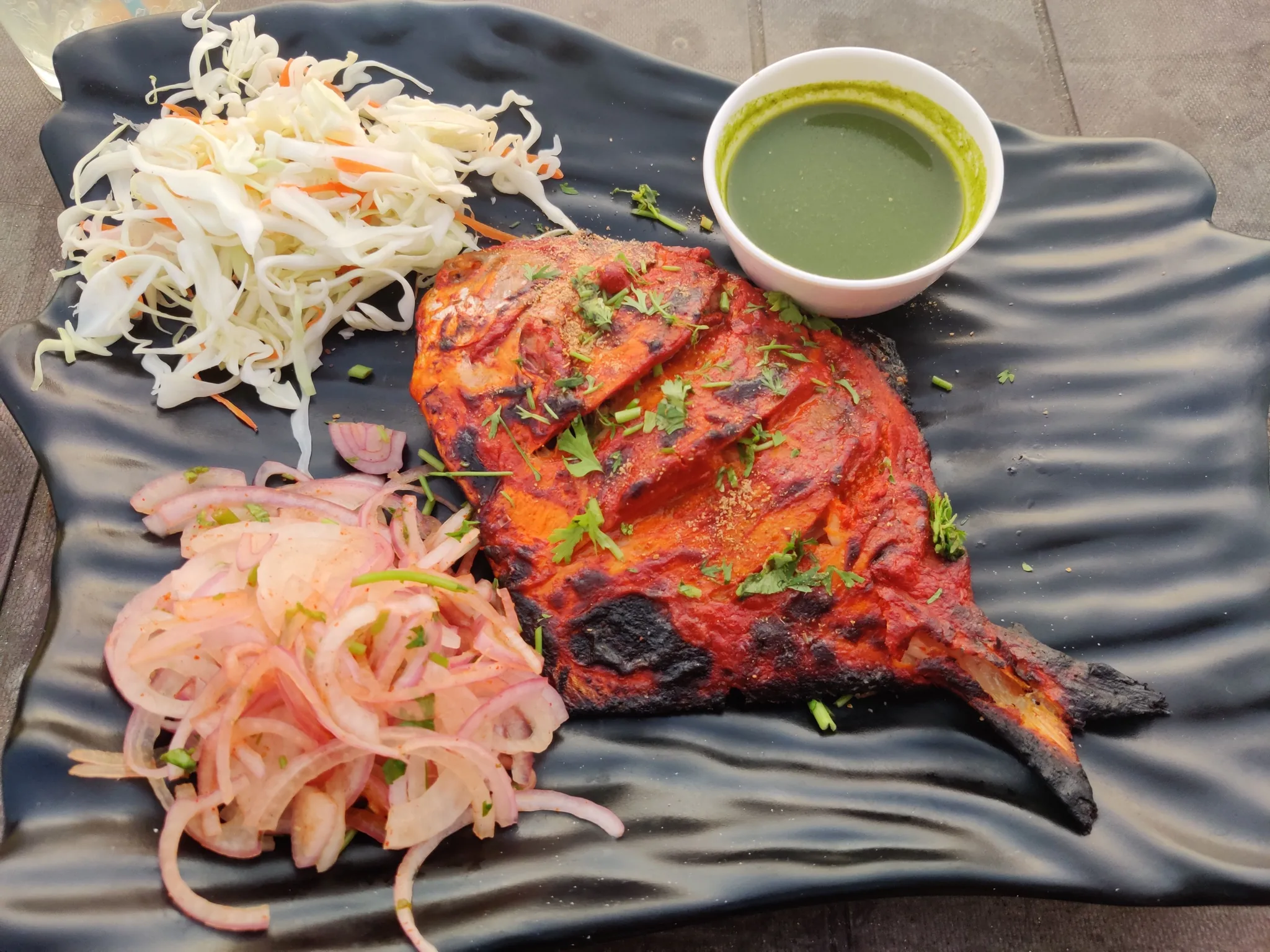
Grilled / Tandoori Fish
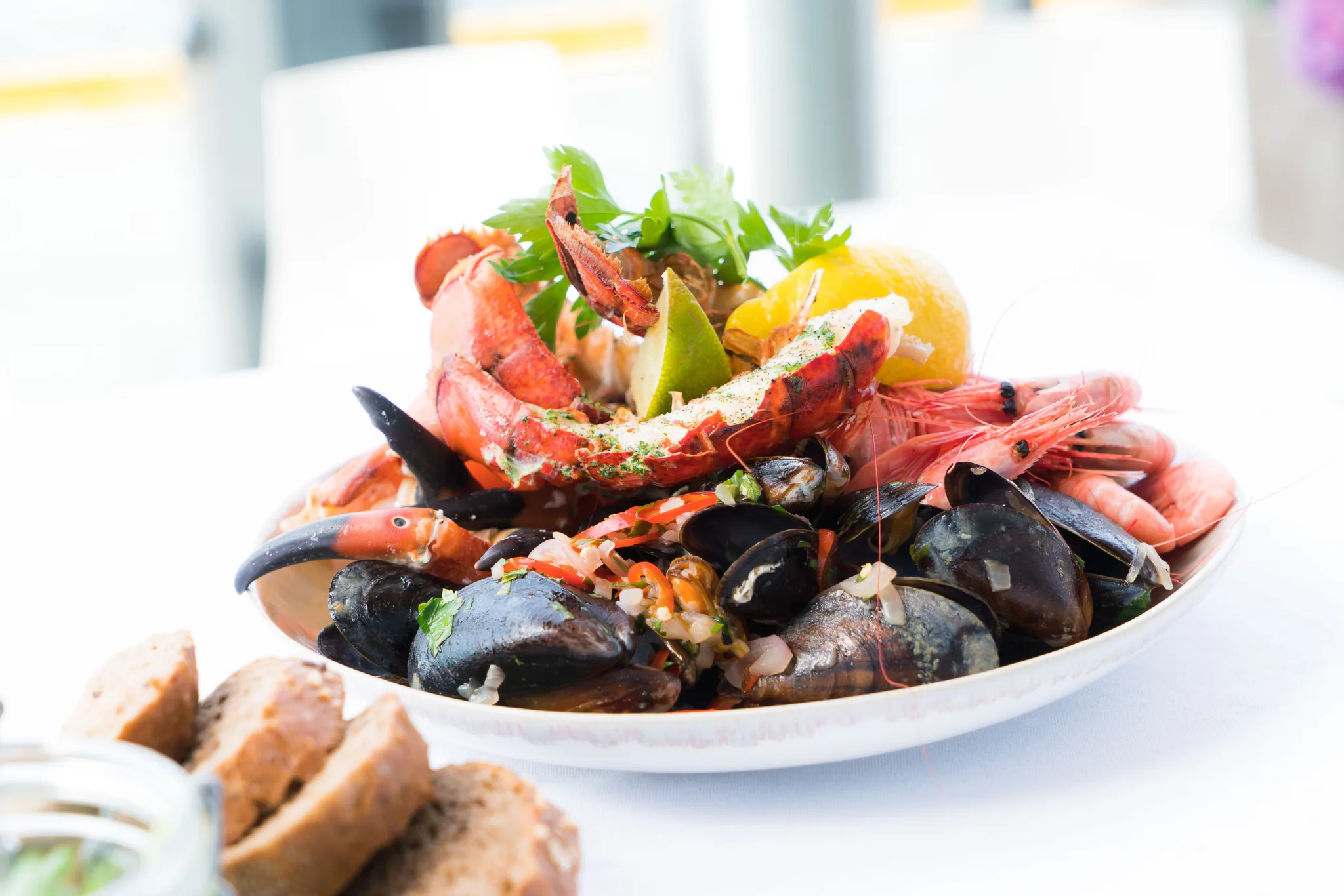
Lobster & Crab
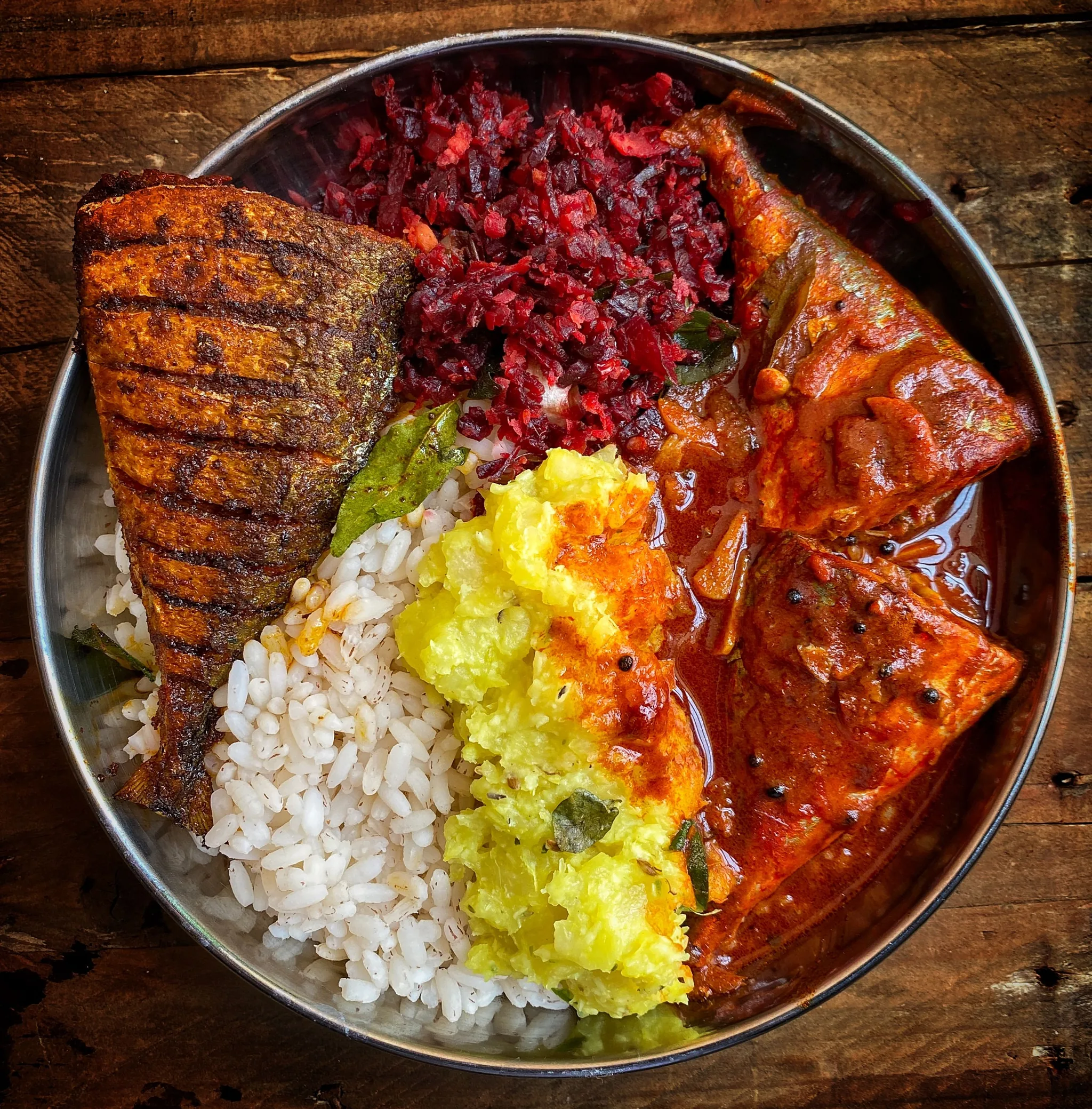
Fish Curry & Rice
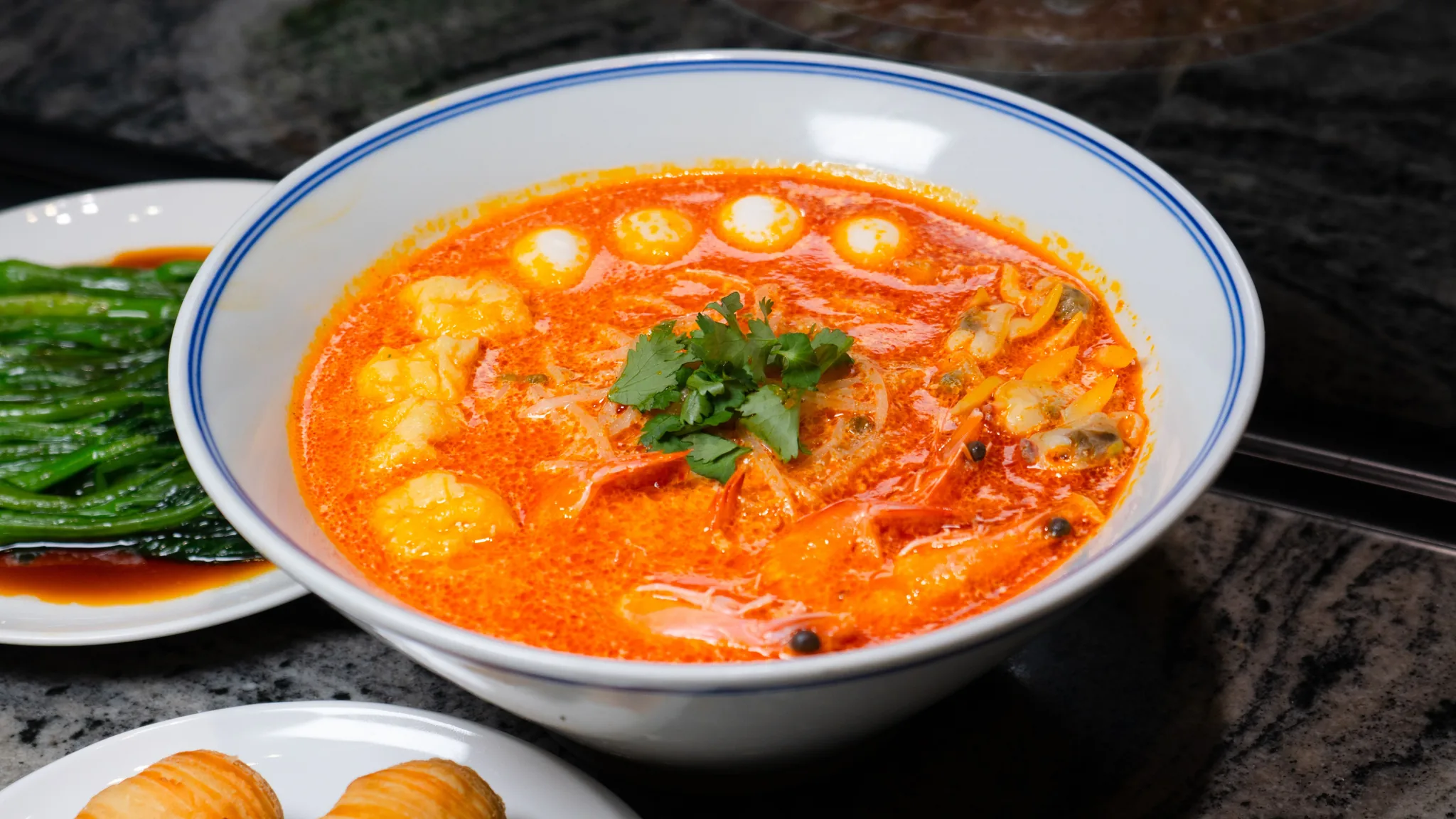
Prawn Curry
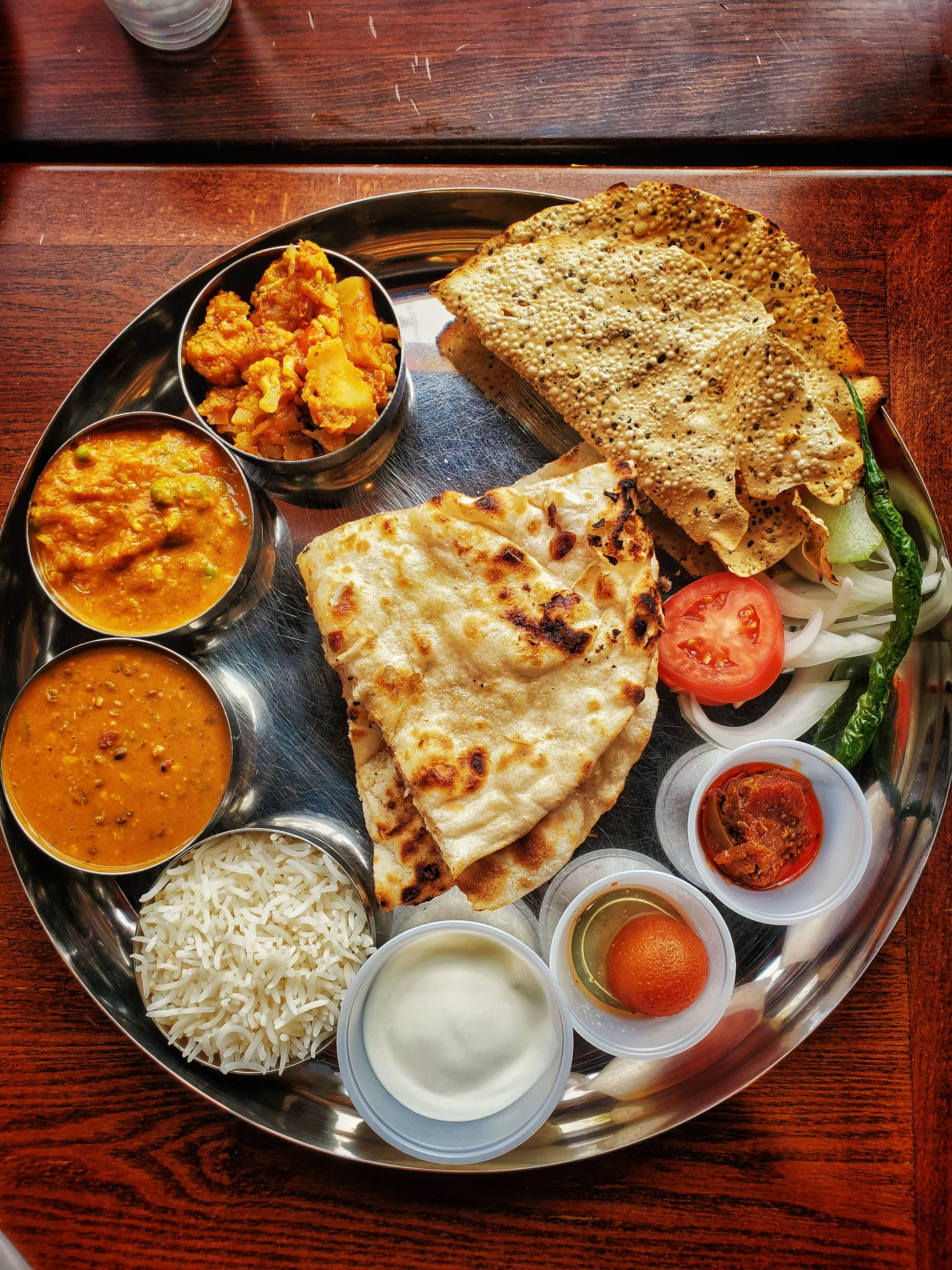
Bengali & South Indian Thalis

Coconut Sweets
Dining Etiquette
- • Seafood is the star, but vegetarian options are readily available in Port Blair and more limited on smaller islands.
- • Many kitchens close by 9–10 PM, especially on Havelock and Neil.
- • Prices are higher on outer islands as supplies come from the mainland.
- • Alcohol is available at licensed outlets, but choices on smaller islands are limited.
- • Alcohol is available at licensed outlets, but choices on smaller islands are limited.
- • Inform restaurants in advance about dietary restrictions.
Signature Drinks
Shop & Bring Home
Shopping in the Andaman Islands is about local craftsmanship and island flavours rather than big-brand malls. Look for wooden handicrafts, coconut-shell and cane items, pearl jewellery and packaged coconut products, ideally from government-approved emporiums where authenticity is assured. Shell and coral items are illegal to trade or carry, so keep memories, not marine life.
Wooden Handicrafts
₹200 – 10,000
Carvings, figurines, decor and furniture in local wood ⚠️
Coconut-Shell & Cane Crafts
₹100 – 1,500
Lamps, bowls, decor items
Pearl Jewellery
₹500 – 20,000+
Buy from licensed government-approved shops
Local Products
₹50 – 500
Coconut oil, coconut candy, packaged seafood snacks
Where to Shop
Traveler Insights
Capital
Port Blair (Sri Vijaya Puram)
Population
~380,000 (2011 Census)
Area Sq Km
8,249
Total Islands
572 (approx.)
Inhabited Islands
~37
Status
Union Territory (since 1956)
Calling Code
+91