Australia
factsheet
The Land Down Under where ancient Aboriginal cultures, iconic wildlife, stunning beaches, and vast red deserts create unforgettable adventures.
Plan your perfect trip with Bayard Vacations. Get essential facts on Australian visas, climate patterns, the best time to visit, and expert itinerary tips.
The Essentials
Best Time
Sep - Nov / Mar - May
Currency
AUD ($)
Climate
Tropical to Temperate
Time Zone
UTC+8 to +10
Language
English & Aboriginal
Visa
ETA/Visitor (600)
Capital
Canberra
Population
26.1M
Calling Code
+61
Power Plug
Type I (220V)
Tipping
10-15% optional (culturally accepted)
Emergency
000 / 112
History & Heritage
Australia, the world's oldest continuous culture, was inhabited for 65,000+ years by Aboriginal and Torres Strait Islander peoples before European contact (1788). British colonization—first as a penal colony, then settlement—transformed the continent dramatically. Today, Australia ranks as world's #2 developed nation (GDP per capita), attracting 7.7M international visitors annually (YE March 2025). India emerged as #5 source market (443,000+ visitors YE May 2025, +10% growth), with AUD 2.6B spending (AUD 6,200 per capita—highest globally). Direct flights (19 weekly) and streamlined visas drive Indian tourism boom; target demographic: high-yielding travelers aged 24–44 staying 8+ days, exploring beyond Sydney/Melbourne, and researching the best time to visit Australia.
Indigenous Civilization (c. 65,000–50,000 BCE–1788 CE)
Aboriginal Australians and Torres Strait Islanders developed Earth's oldest continuous culture over 65,000+ years. Approximately 750,000–1 million Indigenous people inhabited the continent at first European contact (1788), organized into ~600 nations/tribes speaking 250+ languages. Complex societies: hunter-gatherers with sophisticated land management (fire-stick farming), spiritual connection to Country (Dreamtime/Dreaming), and diverse economies—some groups practiced aquaculture (weir systems), seasonal horticulture (Torres Strait), semi-permanent settlements, and agriculture.[web:1029][web:1032][web:1035][web:1038][web:1041]
Dutch Exploration & Early European Contact (1606–1770)
Dutch captain Willem Janszoon (1606) first documented European-Aboriginal contact. Sporadic Dutch, Portuguese, and English explorers followed; limited interaction, no settlement. Captain James Cook sailed east coast (1770), declared it for Britain.[web:1032][web:1038]
British Colonization & Penal Settlement (1788–1850s)
First Fleet (1788) under Arthur Phillip established British penal colony at Sydney Cove. ~1,500 convicts and officials landed; treated as 'terra nullius' (wasteland)—British claimed sovereignty unilaterally, ignoring Aboriginal title. Early relations sometimes friendly; Phillip instructed colonists respect Indigenous rights. However, rapid disease (smallpox killed 50%+ Sydney area Aboriginals within 1 year), land dispossession, and conflict devastated Indigenous populations.[web:1029][web:1032][web:1038]
Colonial Expansion & Indigenous Conflict (1803–1850s)
Settlement expanded inland; Tasmania established 1803. Competition for land bred conflict: Aboriginal resistance (Black War, Tasmania, 1804+; killed 600–900 Aboriginals, 200+ colonists), massacres (Myall Creek Massacre 1838—first European hangings for killing Indigenous people), and systematic land theft. Gold rushes (1850s+) brought fortune-seekers; conflict persisted well into 20th century.[web:1032][web:1035][web:1038][web:1041]
Federation & Nation-Building (1901–1945)
Six British colonies united as Commonwealth of Australia (1901). Indigenous people excluded from citizenship (not until 1967 referendum). White Australia Policy restriced non-European immigration. Federal nation developed distinct identity: sports (cricket, rugby), culture (Vegemite 1923—wartime innovation), military service (WWI, WWII). Post-WWII immigration transformed society.[web:1033]
Indigenous Rights & Modern Australia (1960s–Present)
1967 referendum granted Indigenous Australians citizenship/voting rights. 1970s–1990s: land rights movements, Mabo v Queensland (1992—overturned terra nullius), Native Title Act recognition. Contemporary Australia: multicultural society respecting Aboriginal heritage, Dreamtime culture, and Indigenous land connection. Fastest-growing tourism market: India (443K+ visitors YE 2025, +10%; AUD 2.6B spending—highest per-capita globally).[web:1017][web:1020][web:1026]
Climate & Weather
Australia spans tropical (northern rainforests) to temperate (southern cities) climates. Northern Territory/Far North: wet season (Nov–Apr) monsoons, dry season (May–Oct) ideal. Southern Australia: opposite seasons from India (summer Dec–Feb, winter Jun–Aug). Visitor-optimal periods: spring (Sept–Nov) warm days, low humidity, fewer crowds; autumn (Mar–May) comfortable temperatures, golden landscapes. Shoulder seasons offer best weather-to-crowd balance.[web:1016][web:1019][web:1022][web:1025]
Time Zone
Multiple zones: UTC+8 (Perth), UTC+9:30 (Adelaide), UTC+10 (Sydney/Melbourne); variations account for daylight saving
9–10.5 hours behind IST (India Standard Time); Perth most behind
Best Months
September–November (Spring) & March–May (Autumn)
Summer (December–February)
Dec – Feb
15–30°C (59–86°F); peak 25–35°C+
Peak season: hottest months, long daylight (15+ hours), beach/water season thrives. New Year celebrations, cricket tournaments, outdoor festivals. Crowds maximum; flights/accommodation priciest. Heat waves possible (inland 35–40°C+). Northern Australia wet—not ideal. Southern coast, island escapes perfect. School holidays boost tourism.[web:1016][web:1022][web:1025][web:1028]
Autumn (March–May)
Mar – May
12–25°C (54–77°F)
Ideal season: pleasant temps 15–24°C, lower humidity, fewer crowds than summer. Golden foliage, harvest season, Outback comfortable. March still warm (20–28°C); May cooling. Perfect for Uluru, regional tours, Great Barrier Reef. Prices moderate. Clear skies, outdoor activities peak.[web:1019][web:1022][web:1025][web:1028]
Winter (June–August)
Jun – Aug
8–18°C (46–64°F); north warmer 20–30°C
Low season (southern): cool, cloudy, fewer tourists, budget deals. Northern Australia peak season (dry): ideal Cairns/Great Barrier Reef (25–30°C, sunshine, low rainfall). Southern cities 10–15°C, occasional rain. Short daylight (~10 hrs). Winter festivals, skiing Tasmania (rare). Indoor attractions busy (museums, galleries). Not ideal southern sightseeing but cozy, intimate experience.[web:1022][web:1028]
Spring (September–November)
Sep – Nov
15–25°C (59–77°F)
Excellent season: warming temperatures 17–28°C, increasing daylight, spring blooms, fewer crowds. September cool; November warm/humid approaching summer. Perfect weather outdoor activities: hiking, beach, Outback tours. Shoulder pricing. Festivals, cultural events. Whitsundays ideal (warm water, fewer jellyfish). Regional exploration peaks.[web:1019][web:1022][web:1025][web:1028]
Seasonal Packing List
Language Guide
Official Language
English (Australian English)
Australian English distinct from British/American: unique slang (G'day, mate, no worries), pronunciation (rhyming slang), vocabulary (ute=truck, servo=petrol station). Aboriginal languages: 250+ traditional languages pre-colonization; ~120 languages still spoken, revival movements ongoing. All tourism, business, signage in English. Aboriginal language names/places (Sydney, Uluru, Dreamtime) culturally significant. Younger generations increasingly learning Aboriginal languages; respectful engagement appreciated.
Local Signage
Useful Phrases
Hello
guh-DAY / huh-LOH
G'day / Hello
Thank you
CHEERS / THANKS mayt
Cheers / Thanks mate
Goodbye
CATCH yah / SEE yah
Catch ya / See ya
Yes / No
YEH / NAH
Yeah / Nah
Please
PLEEZ
Please
Excuse me
ex-KYOOZ mee / SOR-ee
Excuse me / Sorry
How much?
HOW much?
How much?
Where is...?
WHERE iz?
Where is...?
Also Commonly Spoken
Australian English
Native language; unique Australian accent, slang, colloquialisms. "No worries" common phrase (acknowledgment/goodbye). Friendly, informal tone.
Aboriginal Languages
~250+ traditional languages pre-contact; ~120 still spoken. Place names (Uluru, Dreamtime, Canberra) Aboriginal-derived. Respectful to acknowledge Indigenous linguistic heritage; some Aboriginal tourism incorporates language/cultural education.
Hindi/Urdu
Growing Indian diaspora (~2%+ Australian population); Hindi/Urdu increasingly spoken Indian communities. Major cities (Sydney, Melbourne) have Indian restaurants, temples, cultural centers; staff may speak Hindi.
Currency & Money
Official Currency
Australian Dollar
$ (AUD) — 1 AUD = 100 Cents
Banknotes
AUD 5, AUD 10, AUD 20, AUD 50, AUD 100
Coins
5¢, 10¢, 20¢, 50¢, $1, $2
ATMs & Cash Withdrawal
ATMs abundant in cities/towns; most accept Visa/Mastercard. Withdrawal fees: AUD 2–3.50 per transaction. Rural/remote areas fewer ATMs—withdraw cash beforehand. Contactless withdrawal common. Card payment increasingly dominant; carry mix cash/card.[web:1034][web:1037]
Credit & Debit Cards
Widely accepted everywhere: hotels, restaurants, shops, transport, attractions. Contactless payments (Apple Pay, Google Pay) ubiquitous. Most establishments card-only. Small family businesses/markets may prefer cash. Chip-and-PIN standard. Safe, convenient; recommend mixing cash/card.[web:1034][web:1037][web:1043]
Tipping Culture
Tipping optional but increasingly expected. Restaurants: 10–15% for good service ($2–5 appreciated). Cafés, taxis: no tipping unless exceptional. Hospitality staff wages subsidized less than US; tipping appreciated. Not mandatory; customary rounded-up payments common.
Daily Budget Estimates
Budget Traveler
AUD 80–120 (~₹4,900–7,300)
Mid-Range Traveler
AUD 150–250 (~₹9,100–15,200)
Luxury Traveler
AUD 400+ (~₹24,300+)
Visa & Entry
Visit Department of Home Affairs website (immi.homeaffairs.gov.au)
Create ImmiAccount (online account for applications)
Complete Subclass 600 application form (online)
Upload documents (passport copy, photos, financial proofs, travel itinerary, accommodation proof)
Pay visa fee (~AUD 190–220) via credit/debit card online
Await processing (2–4 weeks standard); can check status via ImmiAccount
Approval email received; print or digital copy valid for entry
Present visa + passport at Australian airport/border upon arrival[web:1044][web:1047][web:1050]
Registration
Immigration processed at airport/border entry; biometric data collected
No separate registration; automatic upon arrival
Penalty: Overstays: fines AUD 1,000+, deportation, future entry bans, criminal record
Visa Extension
Contact Department of Home Affairs (IMMI) before expiration; genuine emergencies (medical, family death) only
Cost: Extension fee varies; typically AUD 100–200 if approved
Requirements
- • Valid Indian passport (6+ months validity beyond intended departure)
- • Recent passport-size photograph (45mm × 35mm, digital)
- • Proof of financial means (bank statements 6 months, income tax returns 2 years, employment letters, property deeds)
- • Travel itinerary (flight bookings, day-by-day activities)
- • Accommodation proof (hotel bookings, Airbnb confirmation, family address letters)
- • Return/onward flight tickets
- • Travel insurance (highly recommended; AUD 50–150 typical)
- • No-objection certificate from employer (if employed)
- • Identity proof (Aadhaar, voter ID, driving license)
- • Character declaration (Form 80 if requested—background check)
- • Medical examination (generally not required; may request if health concerns)
- • Sponsor letter (if family sponsoring)
- • Clean criminal record/no visa refusal history[web:1044][web:1047][web:1050]
Getting There & Around
Intercity Travel
Domestic Flights
Essential for vast distances (Sydney–Cairns 3h, Sydney–Melbourne 1h, Melbourne–Uluru 4h). Qantas, Virgin Australia, regional carriers frequent. Book online; prices AUD 50–250 depending route/advance booking.[web:1015][web:1027]
Long-Distance Coaches
Budget alternative; extensive routes. Greyhound Australia, Firefly, regional services. Slower than flights (10–20h+ long routes); cheaper. Scenic journeys; stops include towns.
Trains (Regional)
Scenic rail journeys: Sydney–Melbourne overnight, Great Southern Railway (Overland). Comfortable sleeping cars; dining. Slower than flights; experience-focused. Booking essential; AUD 100–300+ depending route.
Car Rental & Self-Drive
International driver's license required. Drive left side (right-hand traffic). Excellent road networks; scenic drives renowned. Petrol widely available. Rental AUD 30–80/day depending vehicle. Remote areas require caution; support/breakdown services essential.[web:1034][web:1037]
Culture & Local Life
Laid-Back Friendliness, Outdoor Adventure, Multicultural Harmony
Australian culture balances ancient Aboriginal spirituality with contemporary multicultural identity. Society emphasizes outdoor lifestyle ("the outdoors"), informal friendliness ("mate" culture), egalitarianism, and humor. Despite colonial past, modern Australia increasingly honors Indigenous heritage. Immigration shaped national character: post-WWII Europeans, then Asian/Middle Eastern waves created diverse, cosmopolitan society. Beach culture, sports fanaticism (cricket, rugby), environmental consciousness, and casual dress reflect national ethos. Respect for Aboriginal land connection, Dreamtime spirituality, and Indigenous perspective now integral to Australian identity.[web:1029][web:1030][web:1032]
BBQ Culture & Outdoor Socializing
Barbecues ('the barbie')—iconic Australian pastime. Friends/families gather at beaches, parks, backyards; grill meat (lamb, beef, seafood); share beers, conversation. Casual, communal dining ritual. Host typically grills; guests bring meat, drinks, salads. Social bonding over outdoor cooking reflects Australian laid-back lifestyle and beach/outdoor obsession.
Dreamtime & Aboriginal Spirituality
Dreamtime (Dreaming)—Aboriginal spiritual framework where ancestral spirits created landscape, laws, customs. Country (land) sacred, spiritually connected. Ongoing ritual, songlines, artmaking perpetuate ancient knowledge 65,000+ years. Contemporary Aboriginal art (dot paintings, bark work, didgeridoo music) expresses Dreamtime. Respectful engagement—Aboriginal-guided cultural tours, art galleries, ceremonies—allows meaningful connection to world's oldest continuous culture.
Indigenous Art & Cultural Expression
Aboriginal dot paintings, bark paintings, boomerangs, didgeridoos represent sacred knowledge, songlines, Dreamtime stories. Contemporary Indigenous artists gain global recognition; museums (Sydney, Melbourne) feature Aboriginal collections. Indigenous dot painting tradition modernized; urban Aboriginal artists blend tradition/contemporary themes. Cultural centers, art markets support Indigenous artists; purchasing artwork directly supports communities.
Vegemite Breakfast & 'Aussie' Identity
Vegemite on buttered toast, often with avocado/cheese—quintessential Australian breakfast. Iconic salty spread—divisive ('love it or hate it')—became symbol of national identity. Cultural touchstone; overseas Vegemite references trigger Australian pride. Though less universal today, Vegemite remains iconic; trying it part of authentic Australian experience (even if distasteful).
Gifting Etiquette
Gifts not obligatory but appreciated. Avoid knives (cutting friendship), personal items suggesting inadequacy. Wine, chocolate, flowers appropriate. Wrap neatly. Give/receive casually without fanfare—Australians downplay gift-giving.
Business Etiquette
Business casual norm (short-sleeved shirts, no jackets common). Handshakes firm; business cards exchanged informally. Meetings start on time; punctuality valued professionally. Hierarchy flat; address by first names quickly. Humor, directness appreciated; relationship-building important.
Dining Etiquette
Casual dress norm. Wait for all served before eating unless host insists. Finishing food shows appreciation. Tipping optional but increasingly expected (10–15%). Coffee culture strong—respect café orders (flat white, cappuccino distinctions). Outdoor dining (picnics, BBQ) common; relaxed atmosphere. Compliment food/host generously; Australian hospitality genuine but informal.
Food & Drink
Australian cuisine reflects immigrant waves (Anglo-Celtic, European, Asian, Middle Eastern) blended with Indigenous bush tucker traditions (kangaroo, emu, witchetty grubs, native berries). Barbecues ('the barbie') quintessential—meat-centric culture. Contemporary dining: cosmopolitan (Sydney/Melbourne fine dining), casual (café culture, fish & chips), fusion (Asian-Australian). Flat white coffee, Vegemite on toast iconic. Fresh seafood abundant; Mediterranean influences (olive oil, garlic). Indigenous food experiences increasingly popular: bush tucker tours, Aboriginal-owned restaurants, native ingredient restaurants.[web:1029][web:1030][web:1039][web:1042]
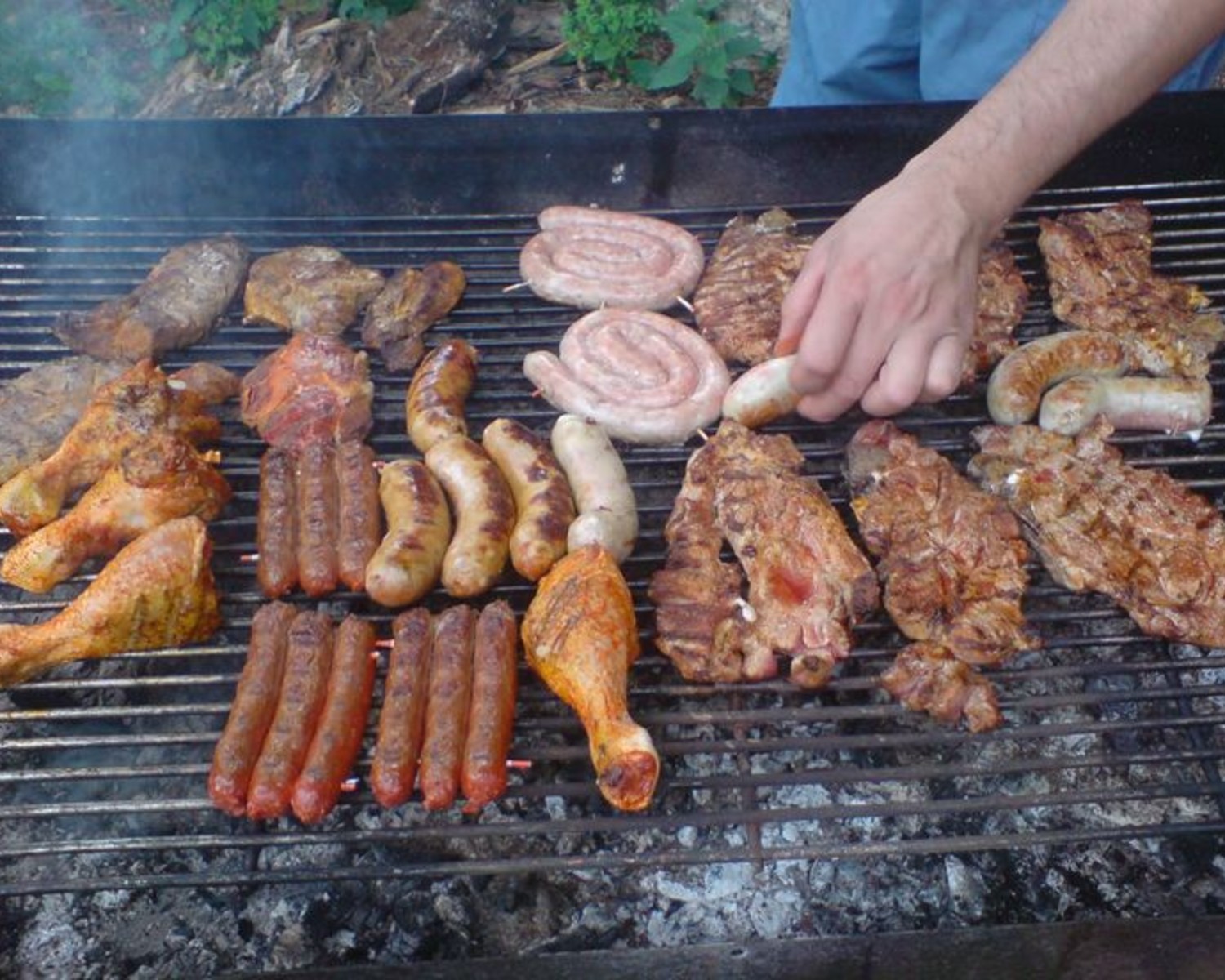
Barbie (BBQ) – Lamb/Beef Steaks & Sausages
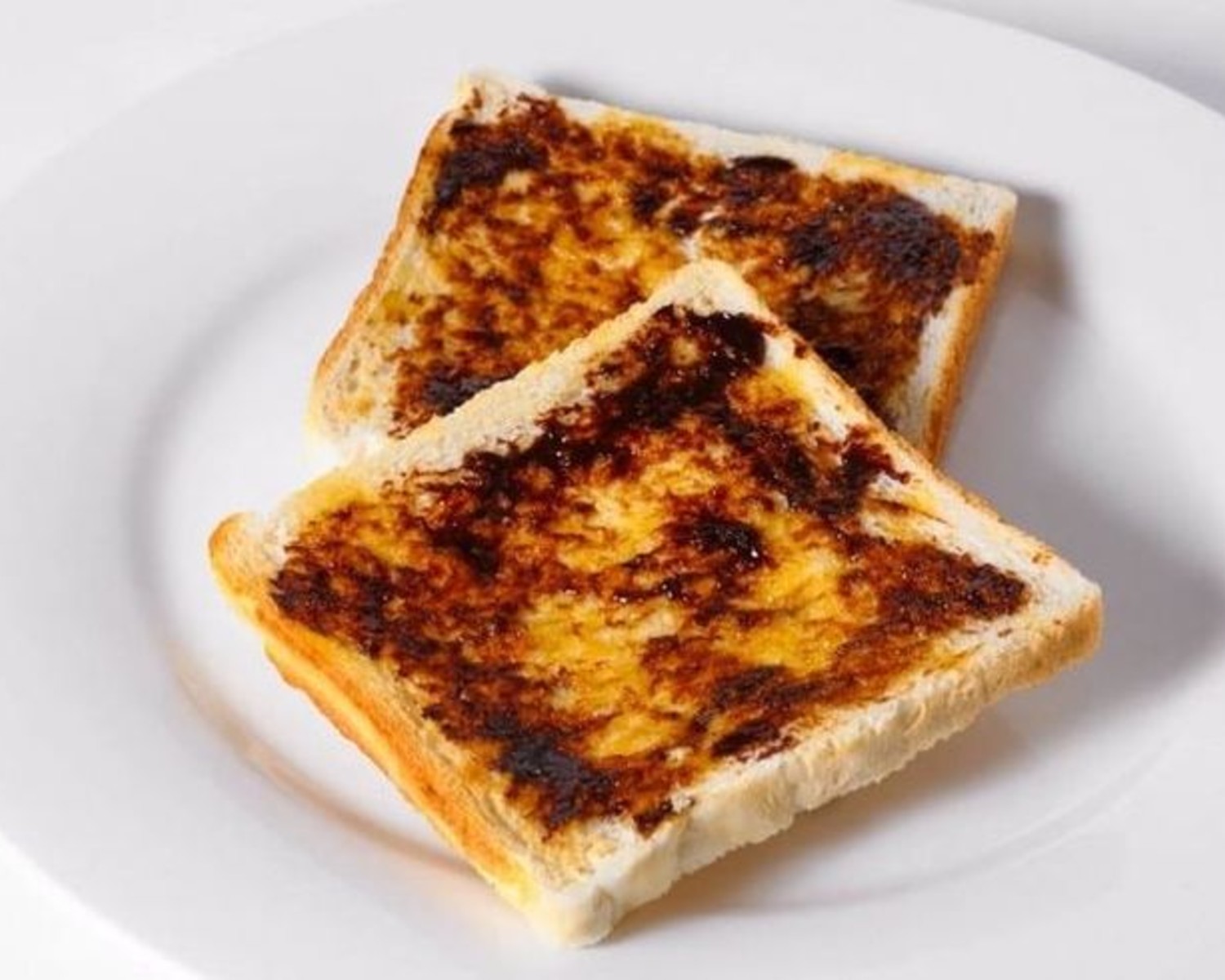
Vegemite on Toast
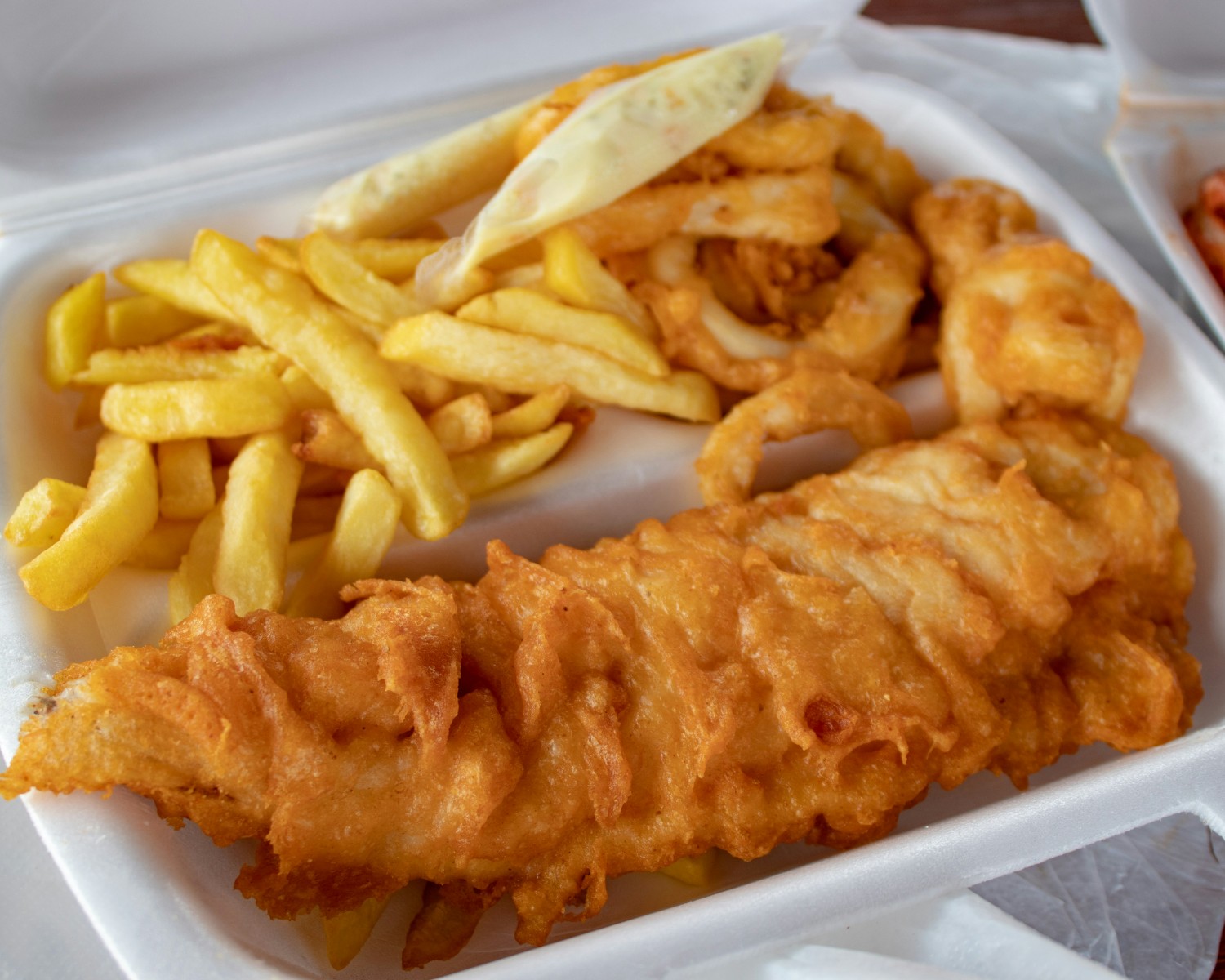
Fish & Chips
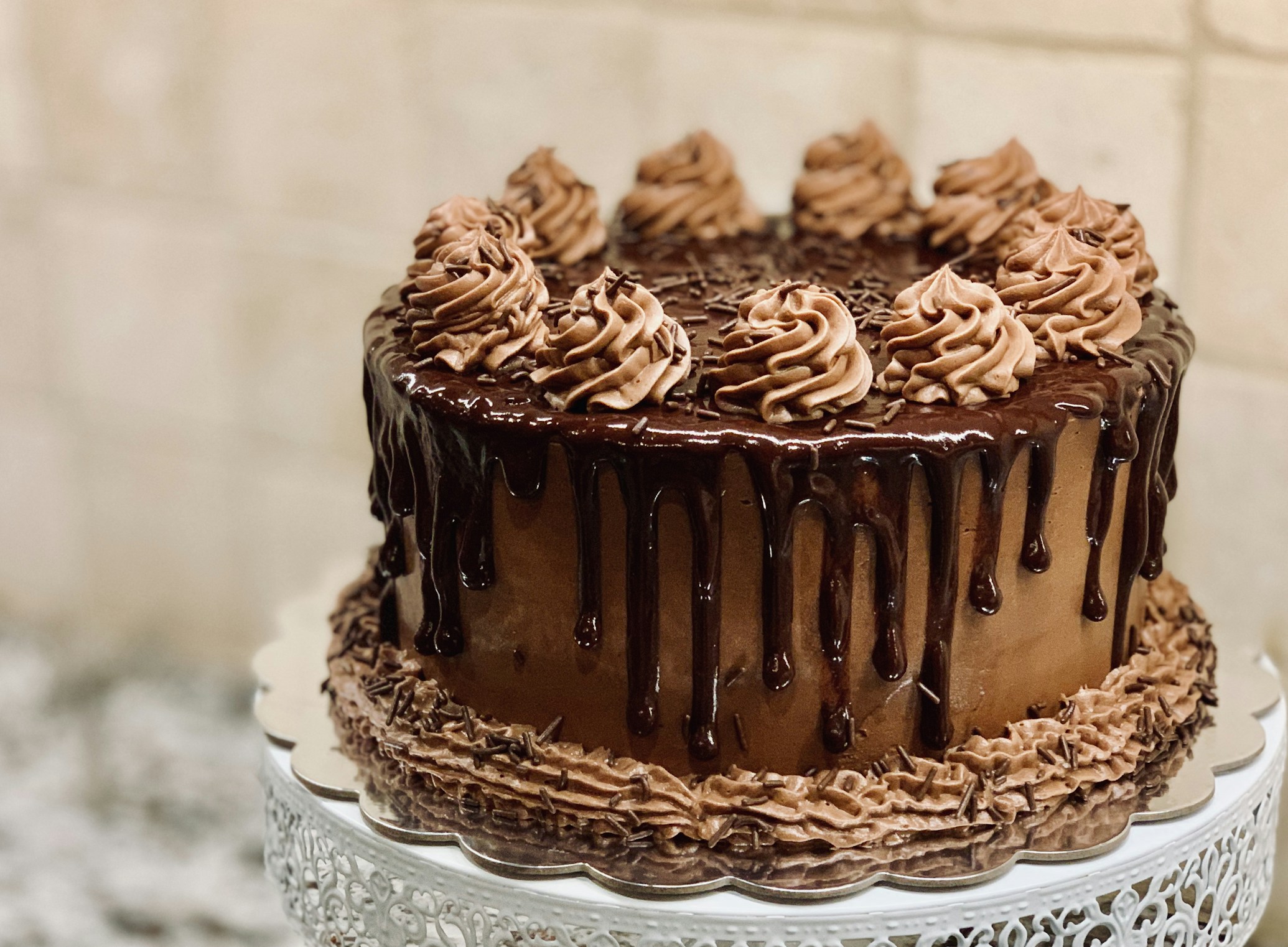
Lamingtons
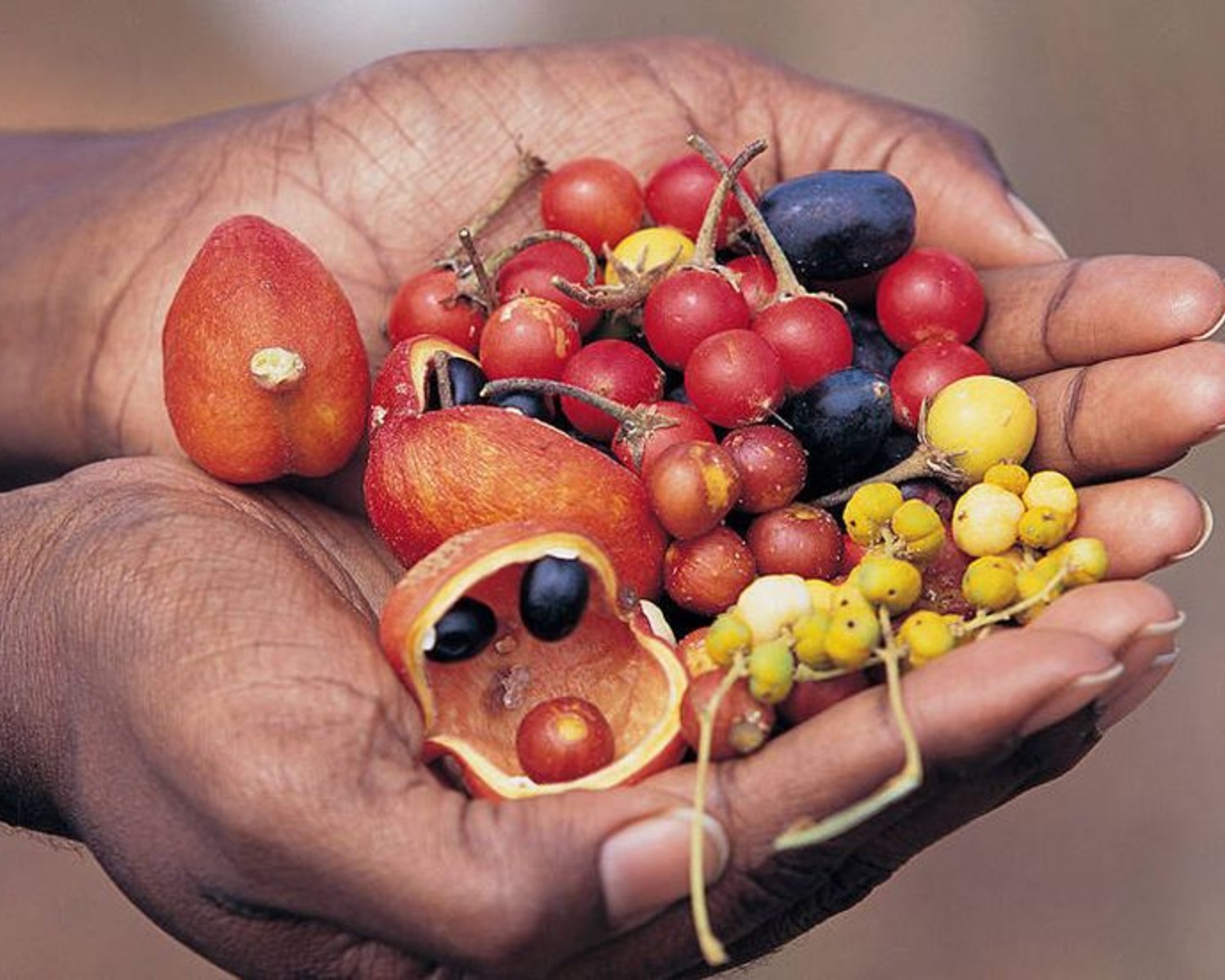
Bush Tucker (Indigenous Foods)

Flat White Coffee
Dining Etiquette
- • Casual dress norm; restaurants range formal to beachy-casual
- • Barbecues: bring meat/drinks if invited; participate enthusiastically
- • Café culture: respect queue, order efficiently, linger over coffee
- • Tipping: 10–15% restaurants, optional elsewhere
- • Seafood abundant/fresh; try local catches (barramundi, flathead, prawns)
- • Indigenous foods: respectfully engage; ask guides about bush tucker traditions
- • Alcohol: widely available, moderate consumption socially acceptable; driving laws strict
- • Outdoor dining: picnics, waterside restaurants common
Signature Drinks
Shop & Bring Home
Australia offers diverse shopping: luxury city precincts (Pitt Street Sydney, Melbourne CBD), boutique laneways (Melbourne hidden gems), markets (farmers, Sunday street), indigenous art galleries, beach casual wear, outdoor gear. Australian designers: Camilla (resort wear), Kookaburra (sportswear), indigenous art (dot paintings, didgeridoos). Shopping reflects outdoor lifestyle, beach culture, multicultural fashion. Markets connect to local communities; art galleries support Indigenous artists.[web:1031][web:1034]
Fashion & Contemporary
AUD 50–500+
- International luxury brands (Gucci, Louis Vuitton, Prada)
- Australian designers (Camilla, Kookaburra, Akubra)
- High street chains (Zara, H&M, Mango)
- Indigenous fashion designers
Pitt Street (Sydney), Melbourne CBD premium hubs; boutiques scattered
Indigenous Art & Crafts
AUD 50–5,000+
- Aboriginal dot paintings
- Bark paintings
- Didgeridoos (hand-crafted)
- Boomerangs
- Indigenous jewelry
Support Indigenous artists; ethical sourcing important
Outdoor & Beach Gear
AUD 30–300+
- Surfboards & wetsuits
- Ugg boots (iconic Australian)
- Beach attire
- Hiking gear
- Outdoor equipment
Australia outdoor lifestyle central; quality brands locally manufactured
Food & Gourmet
AUD 5–100
- Wine (Shiraz, Cabernet)
- Lamingtons & baked goods
- Vegemite
- Native ingredients (wattleseed, bush tomato)
- Macadamia nuts
Markets, specialty shops; takeaway-friendly souvenirs