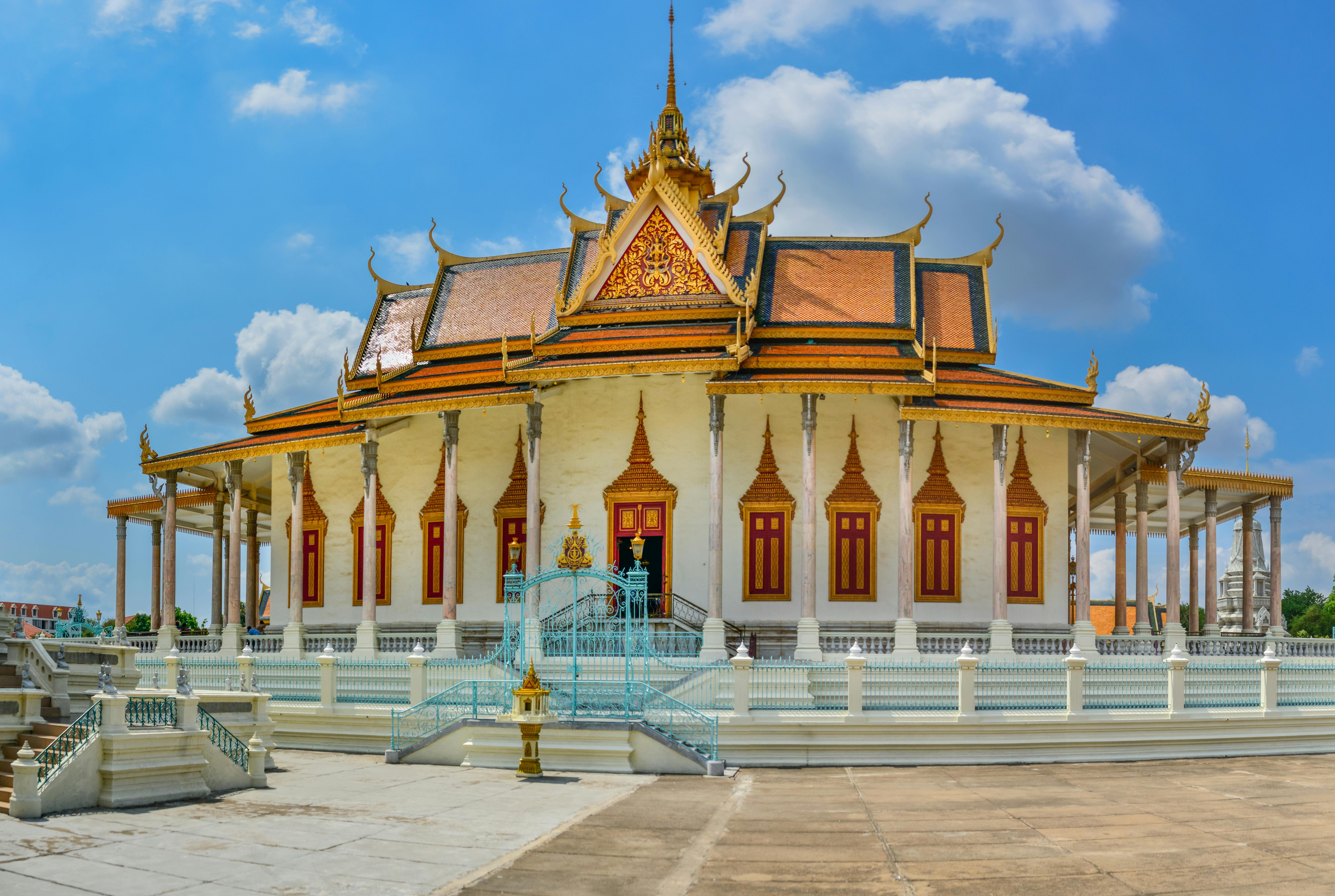
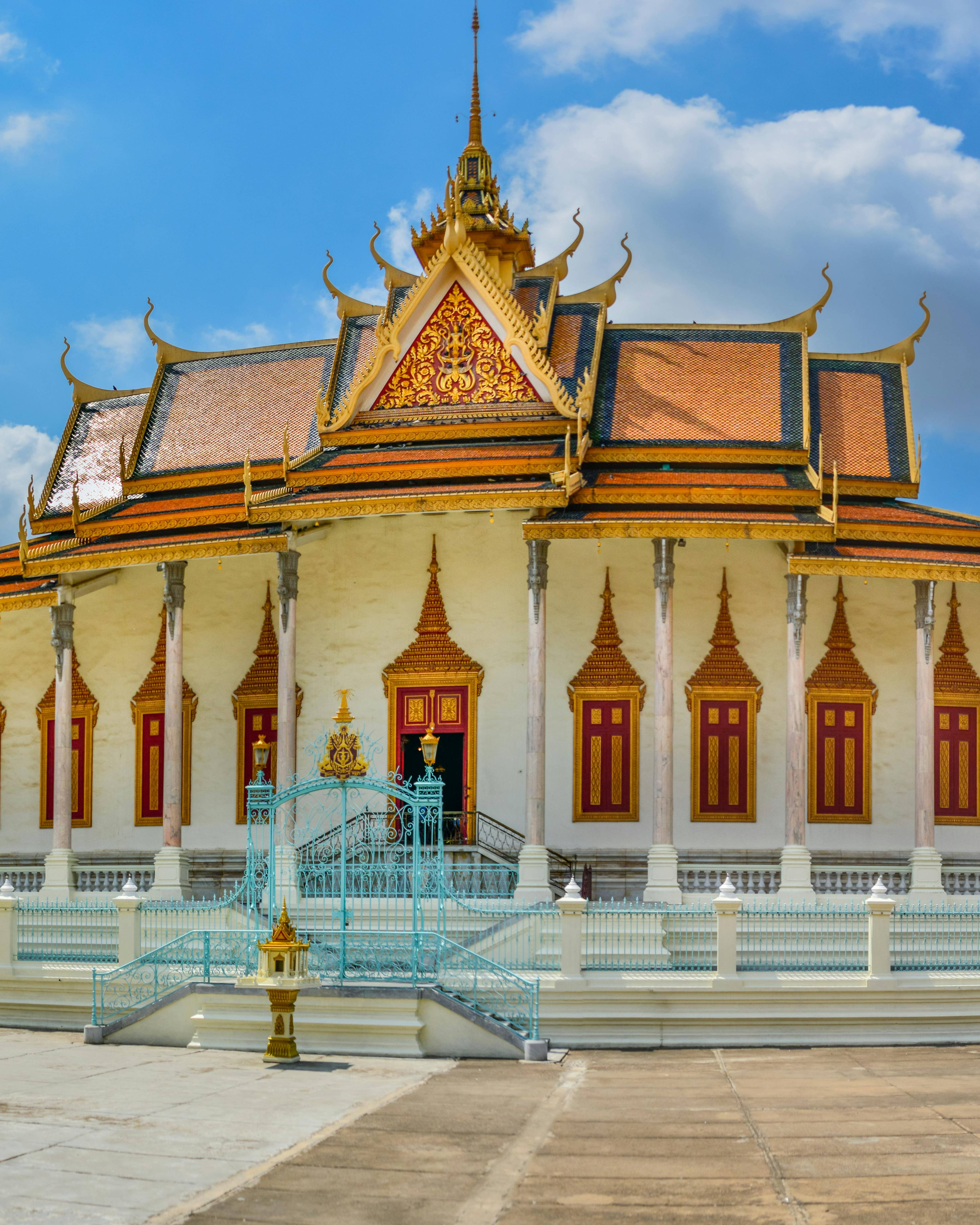
Cambodia
factsheet
Land of ancient temples, living rivers, and timeless smiles at the heart of Southeast Asia.
Complete Cambodia factsheet for Indians: e-Visa $30 (₹2,500), USD currency (KHR official), Nov-May cool season, Angkor Wat UNESCO, Khmer culture.
The Essentials
Best Time
Nov - Mar
Currency
KHR (៛)
Climate
Tropical (2 Seasons)
Time Zone
UTC+7
Language
Khmer
Visa
E-Visa / VOA
Capital
Phnom Penh
Population
17M+
Calling Code
+855
Power Plug
Type A, C & G (230V)
Tipping
5–10% in restaurants (US$1–3 appreciated)
Emergency
117 (Police), 119 (Ambulance)
History & Heritage
Cambodia’s temple belt around Siem Reap is one of the world’s greatest archaeological zones and a must-visit for travelers searching for Cambodia travel guide, Siem Reap itinerary, and Angkor temples tour. Start with Angkor Wat at sunrise, a top result for Angkor Wat sunrise tour and best sunrise spots in Cambodia, then explore Bayon Temple with its 200+ smiling stone faces, one of the most iconic things to do in Siem Reap, Ta Prohm where tree roots engulf temple walls, famous for jungle temple Cambodia and Tomb Raider temple Angkor, and quieter sites like Banteay Srei with its pink sandstone carvings, often searched as hidden temples in Angkor and best temples near Siem Reap. Each complex reveals a different chapter of Khmer art, religion, and ancient engineering, making it ideal for those looking for Angkor Wat itinerary 2–3 days, Cambodia travel tips, and UNESCO World Heritage sites in Cambodia.
Funan & Chenla (1st–8th Century)
Early Indianized kingdoms of Funan and Chenla controlled vital trade routes between India and China, laying the cultural foundations of Khmer script, Hindu-Buddhist worship, and early temple building.
Khmer Empire Rises (802–1431)
In 802 CE, King Jayavarman II declared himself ‘universal monarch’ on Phnom Kulen, founding the Khmer Empire. Over six centuries it built Angkor’s monumental cities, barays (water reservoirs), and temples like Angkor Wat and Bayon.
Angkor Wat (12th Century)
Commissioned by King Suryavarman II as a Hindu temple dedicated to Vishnu, Angkor Wat later became a Buddhist site. Its five towers symbolize Mount Meru, and its bas‑reliefs depict epics like the Ramayana and Mahabharata.
Colonial Protectorate (1863–1953)
Facing pressure from Siam and Vietnam, Cambodia became a French protectorate in 1863. French rule restored interest in Angkor, with École française d’Extrême‑Orient (EFEO) leading conservation and mapping of Angkor’s ruins.
Independence & Conflict (1953–1991)
King Norodom Sihanouk gained independence from France in 1953. After the Vietnam War spillover, the Khmer Rouge seized power in 1975, causing the deaths of an estimated 1.7–2 million people before Vietnamese intervention in 1979.
Modern Kingdom (1993–Present)
The 1991 Paris Peace Agreements paved the way for UN‑supervised elections in 1993. Cambodia became the Kingdom of Cambodia under a constitutional monarchy and has since focused on peace, tourism, and economic development.
Climate & Weather
Cambodia has a hot, tropical climate with little variation in temperature but distinct dry and wet seasons. Expect plenty of sunshine in the dry months and short, heavy downpours in the monsoon.
Time Zone
UTC+7 (Indochina Time)
1 hour 30 minutes ahead of IST (India Standard Time)
Best Months
November to March (Cool & Dry Season)
Cool Dry Season
Nov – Feb
24–30°C
Best time to visit. Lower humidity, clear skies, comfortable for Angkor temple touring and city walks.
Hot Season
Mar – May
30–38°C
Scorching afternoons but great light for sunrise/sunset at Angkor. Coastal areas like Sihanoukville and islands offer breezier relief.
Green (Wet) Season
Jun – Oct
26–32°C
Short, intense showers usually in late afternoons. Rice paddies and temple moats turn lush green; fewer crowds and lower hotel rates.
Seasonal Packing List
Language Guide
Official Language
Khmer (Cambodian)
Khmer is Cambodia’s official language, spoken by the majority of the population. English is widely used in tourism areas, while French lingers in older generations and in some legal and official terms.
Local Signage
Useful Phrases
Hello
soo-uh-sdai
Suosdei
Thank you
ar-koon
Arkun
Goodbye
lee-ah hi
Lea hai
Yes / No
baht / tay; cha / tay
Baat / Teh (for men); Chaa / Teh (for women)
Please
som
Som
Excuse me / Sorry
som-toh
Somtoh
How much?
tlai pon‑maan?
T’lai ponmaan?
Where is...?
now ay?
...now ey?
Also Commonly Spoken
English
Widely spoken in hotels, restaurants, shops, and by younger Cambodians in Phnom Penh, Siem Reap, and Sihanoukville.
French
Legacy of colonial history; still heard among older generations and in some official and educational contexts.
Chinese & Vietnamese
Used within business communities and among ethnic minorities in cities and border regions.
Currency & Money
Official Currency
Cambodian Riel
៛ (KHR) — ៛1,000 ≈ ₹20
Banknotes
50, 100, 500, 1,000, 2,000, 5,000, 10,000, 20,000, 50,000, 100,000 KHR
Coins
Rarely used in daily transactions
US Dollars & Riel
Cambodia runs a dual‑currency system. US dollars are used for hotels, tours, and larger payments; change under US$1 is often given in Riel.
ATMs & Withdrawal
ATMs in major cities dispense US dollars and/or Riel. International Visa/Mastercard widely accepted; small fee applies per withdrawal.
Cards & Cash
Credit/debit cards accepted in mid‑range and upscale hotels, restaurants, and malls. Cash essential for tuk‑tuks, markets, and rural areas.
Daily Budget Estimates
Budget Traveler
US$30–50
Mid-Range Traveler
US$60–100
Luxury Traveler
US$150+
Visa & Entry
Apply online via the official Cambodia e‑Visa portal (evisa.gov.kh) or authorized intermediaries.
Fill in personal details, travel dates, and upload passport photo and passport bio page.
Pay the visa fee (around US$30) securely online.
Receive approved e‑Visa by email within 2–3 working days.
Print the e‑Visa or save a clear digital copy to present at immigration on arrival.
Registration
Longer stays or visa extensions must be arranged at the Department of Immigration or through authorized agents.
Standard tourist stays under 30 days do not require additional registration.
Penalty: Overstays incur fines per day and may affect future entry.
Visa Extension
Apply via immigration office in Phnom Penh or use reputable visa agencies.
Cost: Typical extension fees range from US$30–50 plus service charges.
Requirements
- • Indian passport valid for at least 6 months from date of entry.
- • Recent passport‑size photograph in digital format.
- • Confirmed return or onward flight ticket.
- • Hotel booking confirmation or travel itinerary.
- • Proof of sufficient funds for stay.
- • E‑Arrival form submission may be required prior to arrival (as per latest regulations).
Getting There & Around
Intercity Travel
Tourist Buses & Minivans
Connect Phnom Penh, Siem Reap, Sihanoukville, Battambang. Air‑conditioned services cost around US$10–20 per route.
Private Car & Driver
Best for flexible itineraries and families. Expect US$70–120 per day depending on distance.
Domestic Flights
Limited domestic routes but occasionally available between key hubs when operational.
Getting Around
Tuk‑Tuks
Primary city transport in Phnom Penh and Siem Reap. Negotiate price or use apps for fair fares.
Motorbike Taxis
Fast and cheap for solo travelers; helmets usually provided but safety standards vary.
City Buses
Limited but growing networks in Phnom Penh; signs may only be in Khmer.
Bicycles
Popular in Siem Reap for temple touring. Many hotels rent bikes by day.
Culture & Local Life
Gentle Smiles, Deep Spirituality, Quiet Resilience
Cambodian culture blends Theravada Buddhism, ancient Hindu influences, and village traditions centered on rice farming and family, making it a key interest for those searching Cambodia culture, Khmer traditions, and religion in Cambodia. Despite a painful recent history often explored through Cambodia history and the Khmer Rouge regime, Khmer people are known for their warmth, humility, and ready smiles, which is why many travelers highlight Cambodian people, local culture in Cambodia, and Cambodia travel experience as some of the most memorable aspects of visiting the country.
Buddhist Festivals
Pchum Ben (Ancestors’ Day) and Khmer New Year (Chaul Chnam Thmey) are major holidays when families visit pagodas and make offerings.
Water Festival (Bon Om Touk)
Held in November along the Tonle Sap and Mekong, this festival celebrates the river’s reversal with colorful boat races and fireworks.
Village Life
In rural areas, life follows the rhythm of rice planting and harvest. Stilt houses, communal wells, and shared meals remain central.
Blessings by Monks
Visitors can receive water blessings (sai sin) from monks at certain pagodas—typically involving chanting and sprinkling holy water.
Gifting Etiquette
Small gifts from your home country (sweets, souvenirs) are appreciated. Offer and receive with both hands and a slight bow.
Business Etiquette
Building personal rapport over coffee or meals is important. Punctuality is appreciated, though meetings may start a bit late.
Dining Etiquette
Shared dishes are common. Wait for the host or eldest to start eating. Chopsticks or spoons are used; avoid sticking chopsticks upright in rice, as it resembles funeral offerings.
Food & Drink
Cambodian (Khmer) cuisine is delicate and aromatic, built around rice, freshwater fish, herbs, and subtle spices. Less fiery than Thai food, it balances sweet, sour, salty, and bitter with finesse.
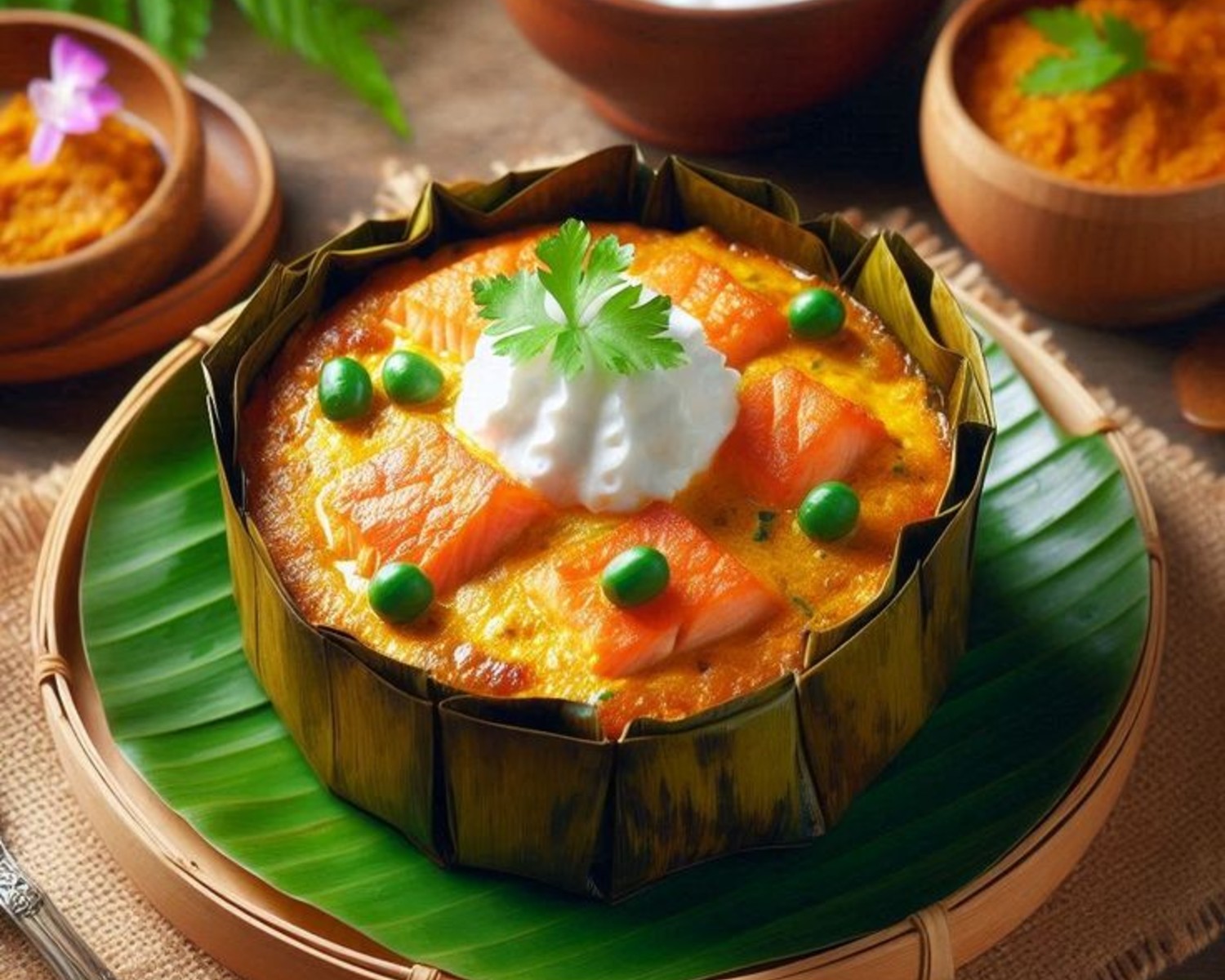
Fish Amok
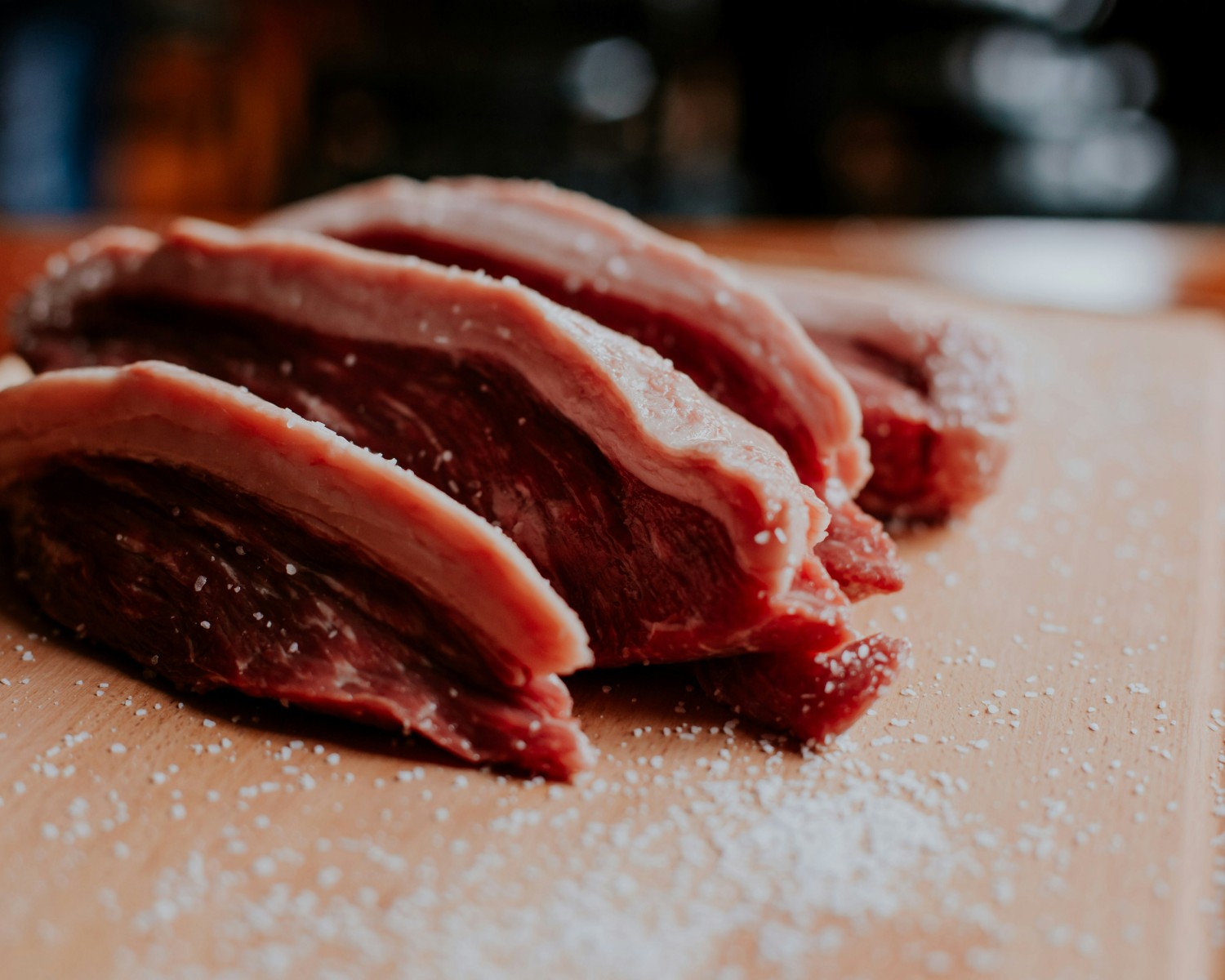
Beef Lok Lak
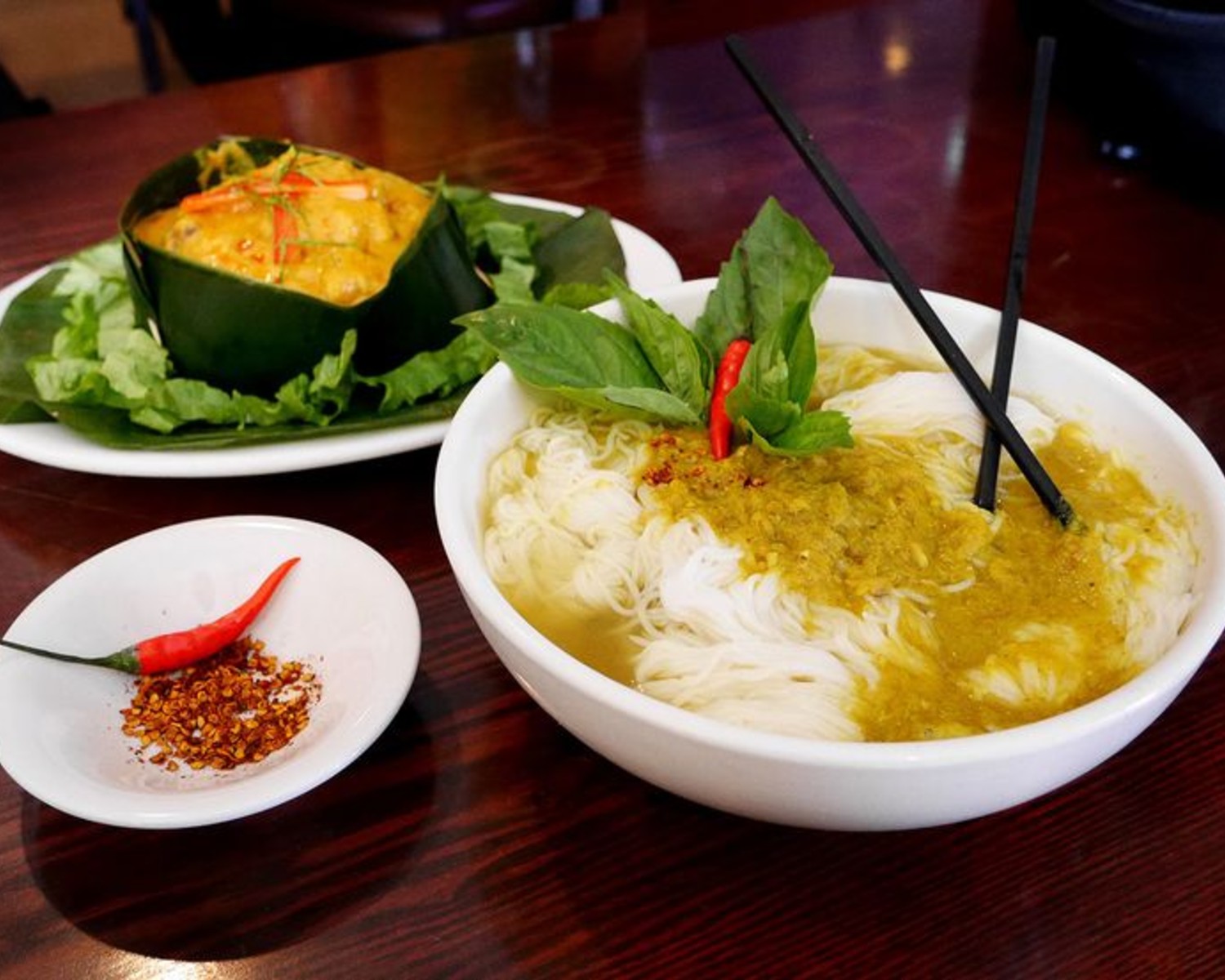
Nom Banh Chok
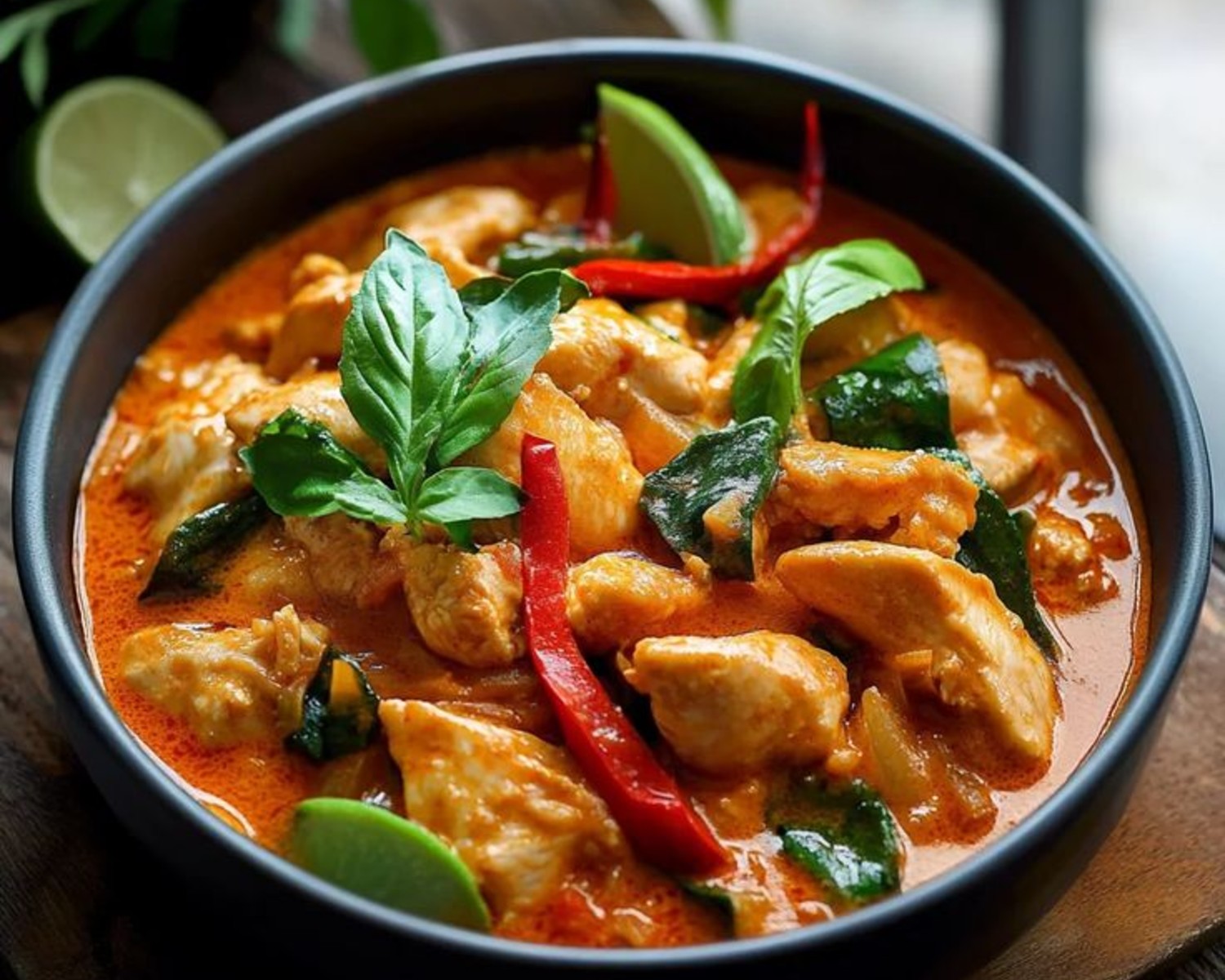
Khmer Red Curry
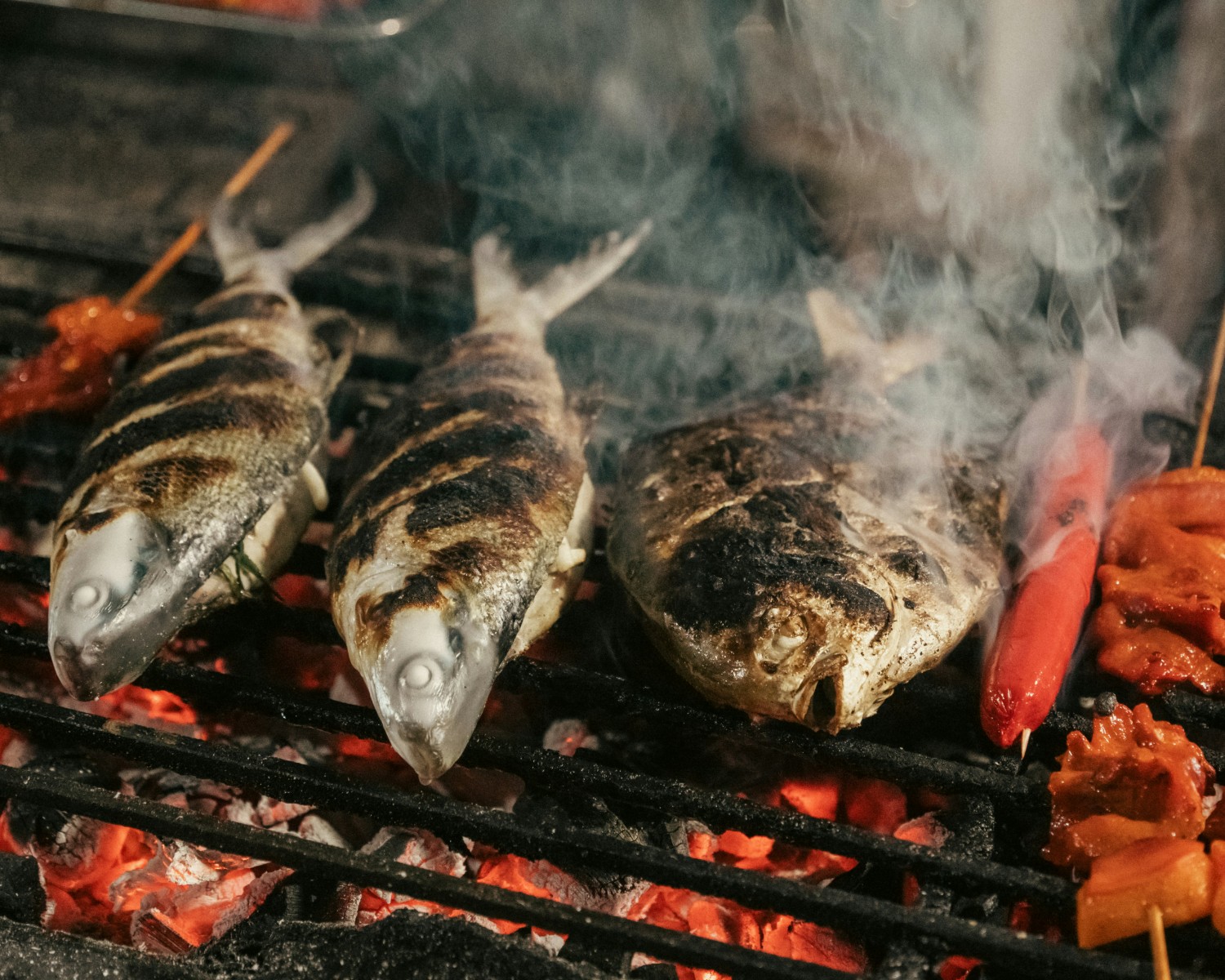
Grilled River Fish
Dining Etiquette
- • Rice is the centerpiece of most meals; dishes are shared family‑style.
- • At local eateries, don’t be surprised if food arrives when ready rather than all at once.
- • Tipping 5–10% in restaurants is appreciated if service charge is not included.
- • Vegetarian options are available in tourist centers; say ‘chay’ to indicate vegetarian.
- • Street food is popular; choose busy stalls with high turnover for freshness.
Signature Drinks
Shop & Bring Home
Cambodia offers soulful souvenirs: hand‑woven silks, silverwork, temple rubbings, and fair‑trade crafts that directly support local communities and artisans.
Silk & Textiles
US$5–150+
- Hand-woven Khmer Silk Scarves
- Traditional Sampot (skirt)
- Cotton Krama Scarves
Artisans d’Angkor and social enterprises ensure fair wages and authentic weaving.
Art & Crafts
US$5–200
- Stone & Wood Carvings
- Temple Rubbings (Angkor motifs)
- Lacquerware
- Hand-painted Artwork
Look for workshops where you can see artisans carving and painting on-site.
Jewellery & Silver
US$15–300+
- Silver Bracelets & Anklets
- Traditional Khmer Designs
- Gemstone Jewelry
Buy from reputable shops that provide information on metal purity.
Spices & Snacks
US$2–30
- Kampot Pepper
- Palm Sugar
- Dried Fruits & Snacks
- Local Coffee
Kampot pepper is GI‑protected and makes an excellent edible souvenir.