Denmark
factsheet
A Scandinavian gem where medieval castles meet modern design, hygge culture embraces you in warmth, and fairy-tale traditions blend seamlessly with world-class cuisine.
Denmark factsheet: Schengen €90/₹8,000 Indians, DKK ₹14, May-Sep sunny (19-21°C), hygge Copenhagen cycling food tips.
The Essentials
Best Time
Jun - Aug, Apr - May
Currency
DKK (kr)
Climate
Temperate Nordic
Time Zone
UTC+1 (CET)
Language
Danish, English
Visa
Schengen Visa
Capital
Copenhagen
Population
≈5.9M
Calling Code
+45
Power Plug
Type C & E (220V)
Tipping
10% appreciated; often included
Emergency
112 (Police/Fire/Ambulance)
History & Heritage
Denmark's history spans from the Viking Age (800–1050 CE) through medieval greatness, colonial ambitions, and into its modern role as a progressive Nordic nation.[web:777][web:783][web:789] Once a great Baltic power under strong rulers like Valdemar the Great and Christian IV, Denmark shaped Northern European politics for centuries.[web:777][web:780][web:786] Today, Denmark stands as a model of social welfare, gender equality, and quality of life, balancing rich traditions with cutting-edge Nordic design and values.[web:783]
Viking Age & Expansion (800–1050 CE)
Danish Vikings emerged as fearless explorers and warriors, raiding and settling across Europe.[web:789] Famous Viking leaders like Sweyn Forkbeard and his son Canute the Great conquered England, making Denmark a major continental power.[web:783][web:789] The spread of Norse culture, trade networks, and military prowess shaped medieval Europe.[web:783]
Medieval Golden Age & Baltic Dominance (1157–1241)
Under Valdemar I (the Great) and his son Valdemar II (the Victorious), Denmark became a dominant Baltic power.[web:777][web:786] Strategic control over the Øresund Strait (Sound) and territories around the Baltic Sea made Denmark wealthy through taxation and trade monopolies.[web:777][web:786] Copenhagen was founded during this era as a strategic fortress settlement (Havn).[web:783]
The Kalmar Union (1397–1523): Nordic Superpower
Denmark, Norway, Sweden, Iceland, Greenland, and the Faroe Islands unified under one crown, creating a vast Nordic realm.[web:783] This union lasted 126 years, though Sweden's independence in 1523 marked the beginning of Denmark-Sweden rivalry that would dominate Nordic history.[web:783][web:777]
Golden Age of Christian IV (1588–1648): Peak Power
Christian IV transformed Denmark into a European great power with ambitions rivaling Sweden.[web:780][web:783] He initiated colonial expansion (founding Tranquebar in India, 1620), built architectural masterpieces (Rosenborg Castle), and maintained a respected navy.[web:780] Denmark was briefly considered Europe's strongest Protestant state.[web:780][web:783]
Decline & Wars with Sweden (1600s–1700s)
Defeats in conflicts with Sweden (1657–1660) cost Denmark Skåne, Halland, and Blekinge—territory that remains Swedish today.[web:777][web:783] These losses marked Denmark's transition from a great power to a regional Nordic player.[web:777] Loss of Norway to Sweden (1814) completed Denmark's territorial shrinkage.[web:783]
Modern Denmark: Democracy, Welfare & Neutrality (1848–Present)
Denmark abolished absolutism (1848) and adopted its first democratic constitution (1849).[web:783] Through the 19th–20th centuries, Denmark developed its famous welfare state, gender equality, and social democracy.[web:783] Denmark remained neutral in World Wars but was occupied by Nazi Germany (1940–1945).[web:783] Post-war Denmark became a founding member of NATO (1949) and the EU (1973), establishing itself as a progressive Scandinavian leader.[web:783]
Climate & Weather
Denmark enjoys a temperate Nordic climate moderated by the Gulf Stream, making it milder than other Scandinavian countries.[web:763][web:769][web:775] Winters are cold but rarely severe; summers are mild and long-daylit. The country experiences four distinct seasons with dramatic daylight variations—from near-24-hour daylight in summer to only 7 hours in December.[web:763][web:769]
Time Zone
UTC+1 (CET - Central European Time); UTC+2 summer (CEST)
5.5 hours behind IST (India Standard Time)
Best Months
June, July, August (peak summer); April, May, September, October (shoulder seasons)
Spring (Forår)
Mar – May
5–16°C
Days lengthen rapidly; wildflowers bloom. March remains wet & cold (5–8°C); April–May bring mild, pleasant weather (8–15°C).[web:763][web:769] Perfect for cycling, outdoor cafes. Fewer tourists than summer; fewer crowds. May offers up to 8 hours of daily sunshine.[web:763]
Summer (Sommer)
Jun – Aug
15–21°C
Peak season with long daylight (4 AM–10 PM).[web:763][web:769] Average temps 19–21°C; warmest, driest months.[web:763] Midnight sun phenomenon; nearly 16–17 hours of daylight.[web:769] Festivals, outdoor concerts, beach season. July and August busiest with tourists; Copenhagen crowded.[web:765]
Autumn (Efterår)
Sep – Nov
14–8°C (declining)
September still pleasant (12–15°C); October–November cool & rainy (8–14°C).[web:763] Fewer crowds than summer; good for sightseeing.[web:769] Vibrant colors; cozy hygge culture begins. Days shorten noticeably; October–November wettest months.[web:763]
Winter (Vinter)
Dec – Feb
2–8°C (cold, rarely below freezing)
Cold, dark, snowy/rainy; shortest days (sun sets 3 PM in December).[web:763][web:769] However, milder than other Scandinavian countries.[web:769] Christmas markets; hygge culture at peak with fireplaces, mulled wine (gløgg).[web:794] January–February coldest; occasional snowfall.[web:769] Budget-friendly travel; fewer tourists.[web:769]
Seasonal Packing List
Language Guide
Official Language
Danish (Dansk)
Danish is a North Germanic language spoken by ~6 million people, primarily in Denmark.[web:793][web:802] Danish is notably difficult for other Scandinavians to understand when spoken due to its phonetics; however, written Danish is easier to understand.[web:796] Most Danes speak excellent English (87% of population); English is taught from elementary school.[web:805][web:799] German (49%) and Swedish (14%) are also common second languages.[web:805] English is the practical lingua franca in tourism, hotels, and restaurants.[web:799]
Local Signage
Useful Phrases
Hello
hi
Hej
Good Morning
GOO-mor-rin
Godmorgen
Thank You
tahk
Tak
Please
vair saw GOO (vair saw VEN-lee)
Vær så god (Vær så venlig)
Goodbye
far-VEL
Farvel
Yes / No
yah / nai
Ja / Nej
Excuse Me
UN-skool
Undskyld
How Much?
vor MEH-et
Hvor meget?
Also Commonly Spoken
English
Spoken by 87% of Danes; primary business & tourism language.[web:805][web:799] Most signs, menus, attractions have English translations. Essential for travelers.[web:799]
German
Spoken by 49% of Danes; useful second language especially in southern Denmark near German border.[web:805]
Swedish
Understood by 14% of Danes; similar to Danish but more mutually intelligible with Norwegian.[web:805][web:796]
French
Spoken by 11% of Danish population; less commonly used than German or English.[web:805]
Currency & Money
Official Currency
Danish Krone
kr (DKK) — 1 DKK = 100 Øre
Banknotes
50, 100, 200, 500, 1,000 DKK
Coins
1, 2, 5, 10, 20, 50 DKK; 25, 50 Øre
ATMs & Cash Withdrawal
ATMs widely available in Copenhagen and major cities; accept international cards (Visa/Mastercard).[web:782] Exchange rates typically good; bank fees minimal (1–2%).[web:778][web:781] Smaller towns/countryside have fewer ATMs; withdraw cash in advance.[web:782]
Credit & Debit Cards
Cards accepted almost everywhere—restaurants, shops, museums, transport.[web:782] Denmark is highly cashless; many smaller shops accept only cards.[web:782] Contactless payments standard and efficient.[web:782]
Tipping Culture
Service charge often included in restaurant bills; additional tipping not mandatory but appreciated (5–10% for exceptional service).[web:782] Rounding up bar bills is customary. Taxi drivers: round up or add 5–10%.
Daily Budget Estimates
Budget Traveler
500–700 DKK (~€67–94)
Mid-Range Traveler
1,000–1,500 DKK (~€134–201)
Luxury Traveler
2,000+ DKK (~€268+)
Visa & Entry
Determine visa category based on purpose (tourism, business, study, family visit).[web:779][web:782]
Schedule appointment at Danish Embassy/Visa Application Center (VFS Global) nearest to residence.[web:779][web:782]
Download & complete Schengen visa application form (C form).[web:779][web:782]
Prepare supporting documents (passport, proof of funds, accommodation, travel itinerary, insurance).[web:779][web:782]
Attend in-person interview at visa center (biometrics, questions).[web:782]
Pay €80 visa fee (waived for minors under 6 and students/researchers in some cases).[web:779][web:782]
Receive visa approval; collect passport with visa sticker (5–10 business days).[web:782]
Registration
For stays over 90 days, apply for long-stay visa (work, study, family reunion) to Danish Immigration Service.
No registration required for tourists staying under 90 days with valid Schengen visa.
Penalty: Overstaying Schengen visa results in fines (€500–5,000), future entry bans, deportation.
Visa Extension
Apply for extension through Danish Immigration Service before visa expiration; unlikely to be approved without exceptional circumstances.
Cost: Extension fees: ~200–500 DKK if approved.
Requirements
- • Valid Indian passport (must be valid for 3+ months after planned departure; prefer 10-year passport).[web:779][web:782]
- • Two recently taken passport-style color photos (35x45mm).[web:779][web:782]
- • Completed Schengen visa application form.[web:779][web:782]
- • Proof of travel purpose (hotel booking, tour itinerary, conference registration, family letter).[web:779][web:782]
- • Flight itinerary (outbound & return tickets).[web:779][web:782]
- • Travel medical insurance covering minimum €30,000 (essential; AXA offers Schengen plans).[web:779][web:782]
- • Proof of funds: €67.24 per day (or 500 DKK) if staying in hotel; €47.07 per day (350 DKK) for cheaper accommodation.[web:782]
- • Proof of residence in India (ID card, ration card, voter ID).[web:782]
- • Bank statements (last 3–6 months) showing financial stability.[web:782]
- • Employment letter or proof of income; if self-employed, business registration & tax documents.[web:782]
- • Marriage certificate (if applicable).[web:779]
Getting There & Around
Intercity Travel
S-trains & IC Trains
Modern, efficient trains to major cities: Aarhus (4.5h), Odense (1.5h), Billund/Legoland (3.5h).[web:765] Comfortable, reliable; book in advance. 150–400 DKK depending on destination.[web:765]
Buses (Flixbus, Regionaltog)
Budget inter-city travel; slower than trains but cheaper (100–250 DKK).[web:765]
Car Rental
International license required; drive on right; speed limits: 50 km/h (city), 80–100 km/h (highway).[web:765] 250–500 DKK daily; petrol readily available.[web:765]
Ferry Tours & Coastal Routes
Scenic ferries between Denmark & Sweden (Øresund region), Bornholm island routes.[web:765]
Culture & Local Life
Hygge Culture: Cozy, Egalitarian & Understated Nordic Design
Danish culture embodies 'hygge' (pronounced 'HOO-gah')—a uniquely Danish concept of coziness, warmth, togetherness, and appreciation for life's simple pleasures.[web:794][web:799][web:800] Denmark is one of the world's happiest countries, reflecting values of equality, work-life balance, gender parity, and social responsibility.[web:794] Danes are known for understated elegance, bicycle culture, design minimalism, and celebration of Danish traditions like Christmas markets and collective dining.[web:794][web:797]
Hygge & Candlelight Culture
Central to Danish life, hygge creates cozy, intimate atmospheres with candles, warm drinks, soft lighting, and quality company.[web:794][web:800] This tradition intensifies during dark winters, especially at Christmas.[web:794]
Christmas Eve (Juleaften): Heart of Holiday Season
Unlike many cultures, Danes open presents on December 24 (Christmas Eve), not December 25.[web:797][web:800] Families gather for traditional meals (roast duck, goose, or pork), sing carols around the Christmas tree, and dance hand-in-hand.[web:797][web:800]
Risalamande & The Lucky Almond
Traditional Christmas dessert—creamy rice pudding with almonds and cherry sauce.[web:797][web:800] One whole almond is hidden inside; whoever finds it wins the 'mandelgave' (almond gift)—a playful tradition adding merriment to the meal.[web:797]
Christmas Markets & Gløgg (Mulled Wine)
Iconic Christmas markets (especially Tivoli Gardens, H.C. Andersen Market in Odense) sell festive crafts, treats, and gløgg (warm mulled wine).[web:794][web:797] Æbleskiver (Danish pancake balls with powdered sugar) are holiday favorites.[web:794][web:806]
Collective Dining & Smørrebrød Tradition
Open-faced sandwiches (smørrebrød) on dark rye bread with toppings are central to Danish social dining.[web:764][web:767][web:773] Meals are communal; shared dishes passed around the table symbolize togetherness.[web:764][web:773]
Gifting Etiquette
Wrap gifts beautifully. Avoid items symbolizing bad luck (knives, handkerchiefs). Practical gifts appreciated. Odd-numbered bouquets (1, 3, 5) for celebrations. Flowers are always welcome; avoid white flowers (associated with funerals).
Business Etiquette
Business cards exchanged formally. Meetings begin with coffee/tea. Email communication is efficient; respect response times. Hierarchies flatter than other cultures; managers accessible. Punctuality crucial; lateness viewed negatively.
Dining Etiquette
Meals are leisurely; rush through eating is disrespectful. Compliment the cook's skills. Sharing food symbolizes friendship. Danes value organic, local, quality ingredients. Danish Christmas meals are elaborate; finishing all food shows appreciation. Danes often dine late (8–9 PM).
Food & Drink
Danish cuisine represents Nordic minimalism—simple, high-quality ingredients prepared with precision.[web:767][web:770] Smørrebrød (open-faced sandwiches on dark rye bread) is iconic; modern New Nordic cuisine elevates traditional fare with techniques and seasonal focus.[web:770][web:775] Copenhagen hosts 15+ Michelin-starred restaurants, while traditional meals celebrate rye bread, smoked fish, cured meats, and seasonal vegetables.[web:765][web:767]
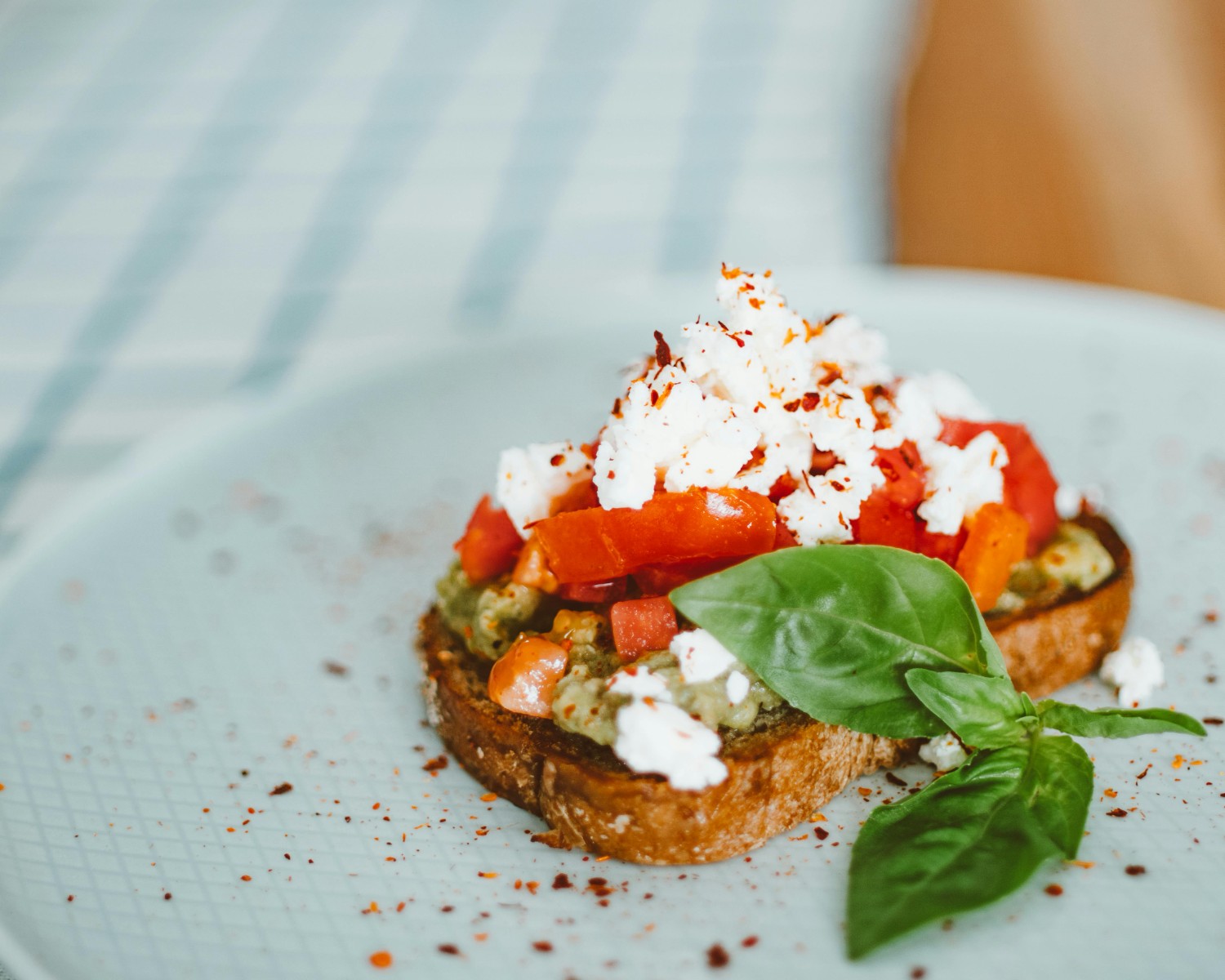
Smørrebrød (Open-Faced Sandwich)
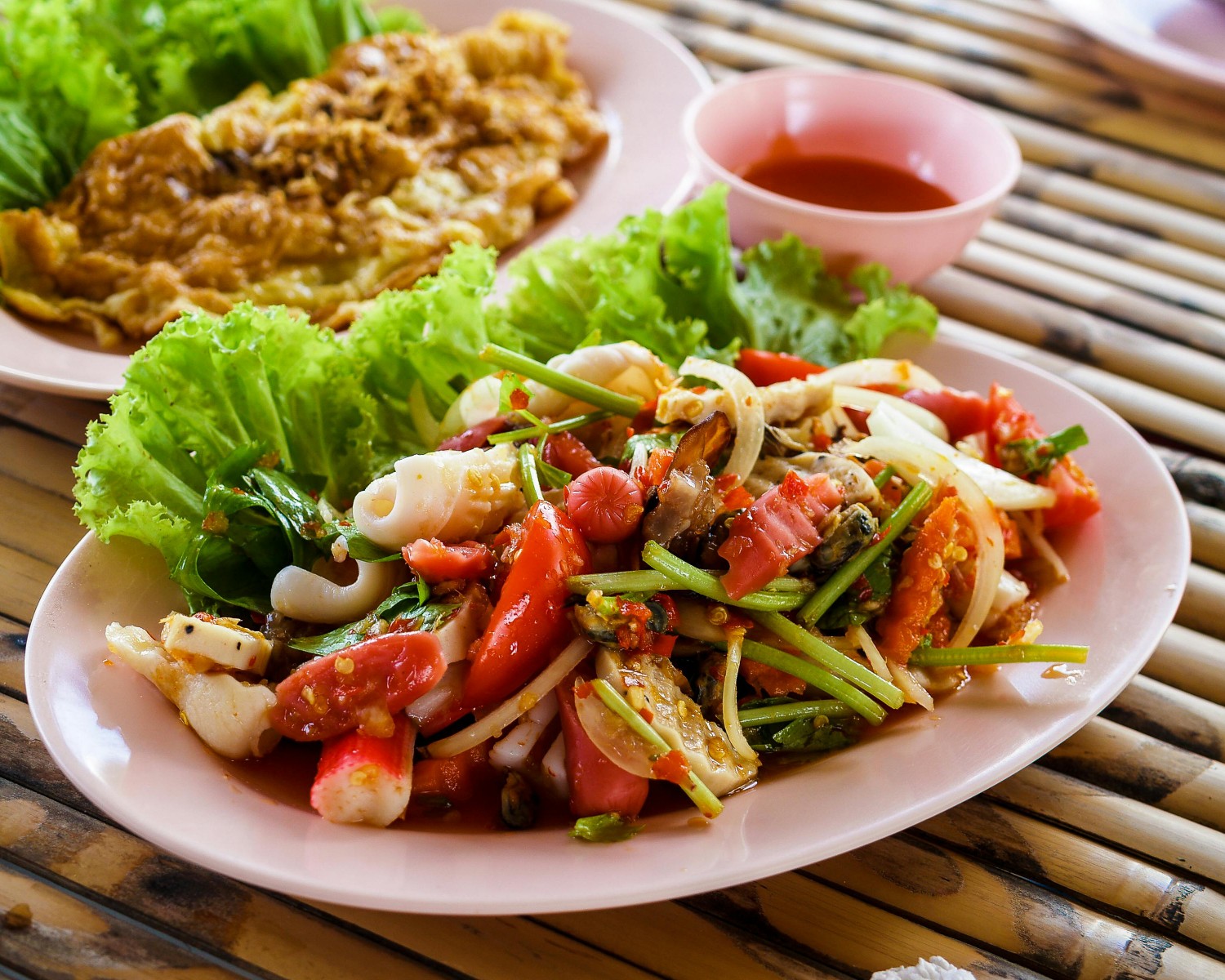
Stjerneskud ('Shooting Stars')
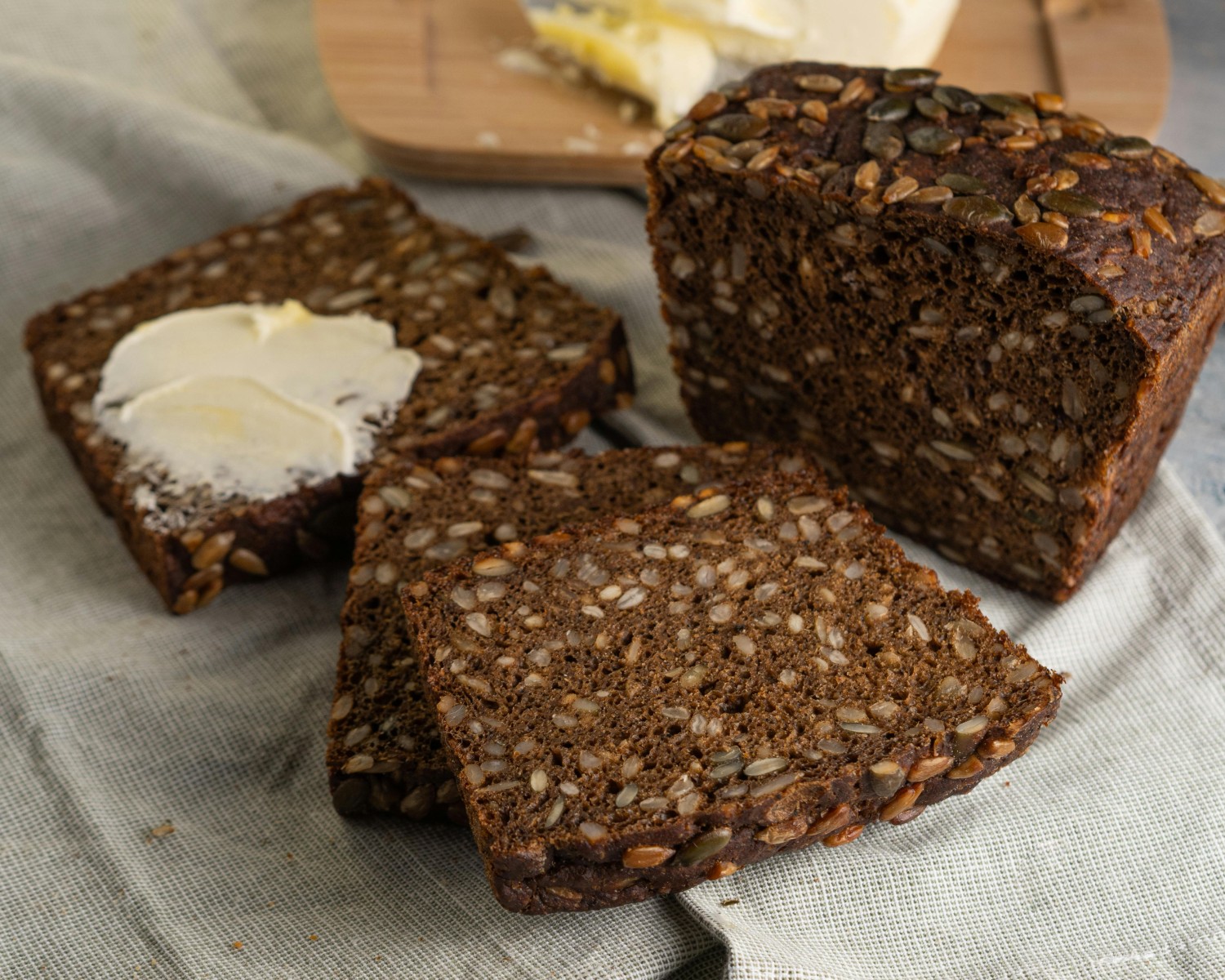
Rugbrød (Rye Bread)
Leverpostej (Liver Pâté)
Flæskesteg (Roast Pork with Crackling Skin)
Dining Etiquette
- • Meals are leisurely social occasions; never rush.[web:794]
- • Compliment cook's skills and ingredients genuinely; Danes value quality.[web:794]
- • Finish all food on plate shows appreciation for the meal.[web:794]
- • Tipping: 10% if not included; appreciated but not mandatory in restaurants.[web:782]
- • Danish dining culture: late dinners (8–9 PM typical); lunch 12–1 PM.[web:799]
- • Shared dining is common; communal passing of dishes symbolizes togetherness.[web:773]
- • Alcohol (beer, wine, snaps) widely available; part of social dining.[web:767][web:799]
- • Vegetarian/vegan options increasingly available; inform restaurants in advance.[web:770]
Signature Drinks
Shop & Bring Home
Danish shopping reflects minimalist Nordic design philosophy—functional, elegant, understated.[web:799] From iconic design brands (Bang & Olufsen, Georg Jensen, Royal Copenhagen) to cozy home decor, Christmas ornaments, and traditional crafts, Denmark offers unique Scandinavian treasures for design enthusiasts.[web:794][web:799]
Nordic Design & Home Decor
300–5,000+ DKK
- Minimalist Furniture (Arne Jacobsen, Hans Wegner)
- Scandinavian Ceramics (Royal Copenhagen, Holmegaard)
- Danish Lamps & Lighting (Poul Henningsen)
- Hygge Candles & Home Goods
Design Museum Shop, Tivoli Boutiques, Strøget (main shopping street) best for authentic pieces.
Christmas & Holiday Goods
50–2,000 DKK
- Christmas Ornaments (mouth-blown glass)
- Festive Decorations (straw ornaments)
- Hygge Candles (Tivoli, Christmas markets)
- Gløgg & Æbleskiver Kits
Tivoli Gardens Christmas Market offers premium holiday items; November–December peak season.
Culinary Delights & Specialty Foods
30–500 DKK
- Danish Pastries (wienerbrød)
- Leverpostej (Liver Pâté)
- Akvavit (Scandinavian Spirit)
- Specialty Chocolate & Candy
Local bakeries, food markets (Torvehallerne), supermarkets offer authentic Danish foods.
Traditional Crafts & Textiles
100–1,500 DKK
- Hand-Woven Textiles
- Ceramic Pottery
- Traditional Craft Items
- Local Art & Prints
Local artisan shops in Copenhagen, Odense; craft fairs seasonal.