Greece
factsheet
The cradle of Western civilization where ancient temples stand eternal, sun-soaked islands beckon, and azure seas inspire timeless romance beneath Mediterranean skies.
Everything you need to know before visiting Greece. Discover the best time to go, visa basics, and suggested itineraries for a seamless Mediterranean holiday.
The Essentials
Best Time
May - Oct
Currency
EUR (€)
Climate
Mediterranean
Time Zone
UTC+2 (EEST)
Language
Greek, English
Visa
Schengen Visa
Capital
Athens
Population
≈10.7M
Calling Code
+30
Power Plug
Type C & F (220V)
Tipping
10% appreciated; often included
Emergency
100 Police | 199 Fire | 166 Ambulance
History & Heritage
Greece is the best destination for Mediterranean travelers who want to visit such attractions as Athens Acropolis and the Parthenon, which were established by ancient Greeks who invented democracy and philosophy. With Greek Islands vacation packages, tourists can experience Santorini’s volcanic scenery, Mykonos nightlife, and Crete turquoise beaches.
Bronze Age Civilizations (3000–1100 BCE)
The Minoan civilization flourished on Crete (c. 2700–1450 BCE), creating advanced palaces and trade networks.[web:822] The Mycenaean civilization on mainland Greece (c. 1600–1100 BCE) developed early Greek culture, Linear B writing, and epic heroic traditions immortalized in Homer's Iliad and Odyssey.[web:822]
Classical Ancient Greece & Democracy (776–323 BCE)
The first Olympic Games (776 BCE) marked the Classical era's beginning.[web:822] Athens emerged as a democratic city-state under Pericles (461–429 BCE), inventing direct democracy and constructing the Acropolis, including the Parthenon—humanity's architectural masterpiece.[web:835][web:841] The Golden Age of Athens produced Socrates, Plato, Aristotle, Sophocles, and Aeschylus.[web:822] The Peloponnesian Wars (431–404 BCE) weakened Greek city-states, leading to Macedonian rise under Philip II and his son Alexander the Great.[web:832]
Hellenistic Era (323–146 BCE)
After Alexander's death (323 BCE), his empire fragmented, spreading Greek culture across Egypt, Persia, and Central Asia—creating the Hellenistic civilization blending Greek and Eastern traditions.[web:822] Greek language, art, philosophy, and science became the intellectual currency of the Mediterranean world.[web:822]
Roman & Byzantine Period (146 BCE–1453 CE)
Greece fell under Roman rule (146 BCE–330 CE), absorbing Greek culture; Romans famously said 'captured Greece captured its victor.'[web:822] In 330 CE, Emperor Constantine moved the Roman capital to Constantinople (modern Istanbul), establishing the Byzantine Empire with Greek as the dominant language and Orthodox Christianity as the state religion.[web:829] For over 1,000 years, Byzantine Greece preserved classical learning during Europe's Dark Ages.[web:827][web:829]
Ottoman Occupation (1453–1821): Four Centuries of Rule
After Constantinople fell to Ottomans (1453), Greece endured nearly 400 years of Ottoman rule—harsh, corrupt, and restrictive.[web:825][web:827] Greeks preserved identity through the Orthodox Church and secret schools; Greek merchants dominated Ottoman commerce and wealth, fueling nationalist consciousness.[web:825][web:827]
Greek War of Independence (1821–1829) & Modern Statehood
On March 25, 1821 (Greek Independence Day), Greeks rebelled against Ottoman rule after inspiring French Revolution ideals.[web:825][web:832] The nine-year war (1821–1829) saw brutal fighting, international support from Romantic European sympathizers (including poet Byron), and Greek victory.[web:825][web:832] The independent Greek state was formally recognized in 1829, later expanding to include more islands and territories, eventually forming modern Greece (1912).[web:827]
Modern Greece: Democracy, EU Membership & Global Tourism (1827–Present)
Greece established a constitutional monarchy, later transitioning to a democratic republic (1974).[web:829] After military dictatorship (1967–1974), democratic elections restored freedom.[web:829] Greece joined NATO (1952), the European Community/EU (1981), and adopted the Euro (2002).[web:829] Today, Greece is a tourism powerhouse with 40+ million annual visitors, hosting 19 UNESCO World Heritage Sites.[web:813][web:835]
Climate & Weather
Greece enjoys a classic Mediterranean climate with warm, dry summers and mild, wet winters.[web:808][web:811] The country experiences dramatic seasonal shifts, with intense summer heat (28–36°C) and pleasant spring/autumn temperatures (20–25°C).[web:808][web:811] Nine of Greece's eleven climate zones ensure diverse weather experiences—from island beaches to mountain peaks.[web:811]
Time Zone
UTC+2 (EEST - Eastern European Summer Time); UTC+1 winter (EET)
3.5 hours behind IST (India Standard Time)
Best Months
May–June, September–October (shoulder season); July–August (warmest, crowded)
Spring (Anoixi)
Mar – May
15–25°C (warming)
March–April: cooler (15–20°C), wildflowers bloom, Easter celebrations.[web:814][web:817] May: ideal (20–25°C), perfect hiking & sightseeing weather.[web:811] Sea temp 19–20°C (cool but swimmable). Spring break-up of winter rains; increasingly sunny.[web:814]
Summer (Kalokairi)
Jun – Aug
28–36°C (peak heat)
Peak season; intense heat especially July–August (28–36°C in Athens, coastal breezes help).[web:808][web:811] Sea temp 24–26°C (perfect swimming).[web:811] June least crowded of summer; June–July ideal before August chaos.[web:811] Minimal rainfall; unrelenting sun.[web:808]
Autumn (Fthinoporo)
Sep – Oct
24–30°C (Sept); 18–25°C (Oct)
September: warmest water (24–25°C), summer weather holds, fewer crowds than July–August.[web:811][web:814] October: golden light, cooler (18–25°C), perfect for sightseeing.[web:811][web:814] Second-best season after spring. Rainy spells begin late October.[web:811]
Winter (Cheimonas)
Nov – Feb
10–15°C (cold)
Rainy, cooler (10–15°C); coldest Jan–Feb.[web:811][web:817] Northern parts occasionally snow; some island services close.[web:811] However, cheaper travel; clear winter skies perfect for sightseeing.[web:814] Skiing possible on northern mountains.[web:811]
Seasonal Packing List
Language Guide
Official Language
Greek (Ελληνικά - Ellenika)
Greek is spoken by ~10.7 million native speakers in Greece and Cyprus.[web:836][web:839] English is widely spoken in tourist areas, hotels, restaurants, and by younger generations (under 40), especially in cities and islands.[web:836][web:839] Greek has been taught in mandatory school curricula since early education.[web:836][web:839] In rural areas, English proficiency decreases; however, staff in tourism industries are typically proficient.[web:836]
Local Signage
Useful Phrases
Hello
yia-sas (formal); yia-su (informal)
Γεια σας (Yia sas)
Good Morning
kah-lee-MEH-rah
Καλημέρα (Kalimera)
Thank You
ef-hah-ree-STOH
Ευχαριστώ (Efharisto)
Please
pah-rah-kah-LOH
Παρακαλώ (Parakaló)
Goodbye
kah-lee-NEEKH-tah (formal goodbye)
Καληνύχτα (Kalinichta)
Yes / No
neh / OH-hee
Ναι / Όχι (Ne / Ohi)
Excuse Me
see-GNOH-mee
Συγγνώμη (Signómi)
How Much?
POH-so koh-STEE-zee
Πόσο κοστίζει; (Póso kostízei?)
Also Commonly Spoken
English
Widely spoken in tourist areas, hotels, restaurants, islands (Santorini, Mykonos, Rhodes).[web:836][web:839] Most young Greeks (under 40) speak fluent English; older generations speak less.[web:836]
Greek
The official language; attempting basic phrases earns sincere local appreciation.[web:836][web:842]
German
Spoken by some Greeks; significant German tourist market.[web:836]
Italian
Historical Italian influence in some regions; limited modern usage.[web:836]
Currency & Money
Official Currency
Euro
€ (EUR) — 1 EUR = 100 Cents
Banknotes
€5, €10, €20, €50, €100, €200, €500
Coins
€0.01, €0.02, €0.05; €0.10, €0.20, €0.50; €1, €2
ATMs & Cash Withdrawal
ATMs widely available in Athens, major cities, and islands; accept international cards (Visa/Mastercard).[web:826] Euro can be exchanged at banks; rates typically favorable.[web:209][web:823] Withdraw in advance; some small villages/remote areas lack ATMs.[web:826]
Credit & Debit Cards
Cards accepted in most hotels, restaurants, malls, archaeological sites in Athens & tourist areas.[web:826] Smaller shops, street vendors, and tavernas may require cash; always carry euros.[web:826] Contactless payments increasingly common.[web:826]
Tipping Culture
Service charge often included (10%); additional tipping not mandatory but appreciated (5–10% for exceptional service).[web:826] Rounding up bills at cafes is customary. Taxi drivers: round up or add 5–10%.
Daily Budget Estimates
Budget Traveler
€50–80 (~₹5,250–8,400)
Mid-Range Traveler
€100–150 (~₹10,500–15,750)
Luxury Traveler
€250+ (~₹26,250+)
Visa & Entry
Determine visa purpose: tourism, business, family visit, study.[web:824][web:826]
Schedule appointment at VFS Global center nearest to residence (Delhi, Mumbai, Bengaluru, Chennai).[web:824][web:826]
Download & complete Schengen visa application form (required).[web:824][web:826]
Prepare supporting documents (passport, photos, insurance, accommodation, flight, financial proof).[web:824][web:826]
Attend interview at visa center (in-person; biometrics required).[web:824][web:826]
Pay €80 visa fee (cash/card at visa center).[web:824][web:826]
Receive passport with visa sticker; typically ready in 10–15 business days.[web:824][web:826]
Registration
For stays exceeding 90 days, apply for long-stay visa (study, work, family reunion) through different process.
No registration required for stays under 90 days with valid Schengen visa.
Penalty: Overstaying Schengen visa: fines €500–5,000, deportation, future entry bans.
Visa Extension
Before expiration, contact Greek Immigration Service; approval rare.
Cost: If approved: €200–500 extension fee.
Requirements
- • Valid Indian passport (minimum 6 months validity beyond departure; minimum 2 blank pages).[web:824][web:826]
- • Two recently taken passport-style color photos (35×45mm).[web:824][web:826]
- • Completed Schengen visa application form (printed & signed).[web:824][web:826]
- • Confirmed flight itinerary (outbound & return tickets).[web:824][web:826]
- • Hotel booking confirmation or accommodation proof for each night.[web:824][web:826]
- • Travel medical insurance: minimum €30,000 coverage (mandatory).[web:824][web:826]
- • Proof of financial means: €50 per day minimum (or €300 total for stays up to 5 days); bank statements, salary slips, sponsorship letter.[web:824][web:826]
- • Proof of residence in India: ID card, voter ID, ration card, or address proof.[web:824][web:826]
- • Bank statements: last 3–6 months showing stable funds.[web:826]
- • Employment letter or proof of income; self-employed: business registration & tax returns.[web:824][web:826]
- • Marriage certificate (if applicable); birth certificate for minors.[web:826]
- • Cover letter: statement of purpose, itinerary, dates of travel.[web:824][web:826]
Getting There & Around
Intercity Travel
Ferries to Greek Islands
Daily ferries from Piraeus (Athens port) to Santorini (12h), Mykonos (5.5h), Naxos (6h), Crete (9h), Rhodes (16h).[web:849][web:840] Blue Star Ferries, Hellenic Seaways major operators; overnight available.[web:839][web:849] €20–80 depending on route/class.[web:840][web:849]
High-Speed Ferries (Flying Dolphins)
Fast catamarans halve travel times; more expensive; useful for short island hops.[web:840]
Trains (ΤΡΑΙΝΟΣΕ)
Modern trains to Thessaloniki (5.5h), Delphi region (2.5h), Peloponnese.[web:838][web:849] Comfortable, scenic; €15–50 depending on route.[web:838]
Intercity Buses (KTEL)
Extensive network; budget option; €10–30 most routes.[web:849] Depart from various bus stations (not centralized like other countries).[web:849]
Car Rental
International license required; drive on right.[web:836] €25–50 daily; petrol readily available; roads improving.[web:836] Driving in Athens chaotic; rent for island/countryside exploration.[web:836]
Culture & Local Life
Warm Mediterranean Hospitality: Philosophy, History & Island Warmth
Greek culture embodies 2,500+ years of philosophical thought, artistic excellence, and Mediterranean warmth.[web:822][web:829] Greeks value family, community, leisurely meals, spirited conversation, and 'philoxenia' (hospitality to strangers as sacred duty).[web:836][web:839] Contemporary Greece blends ancient wisdom with modern island living—from intimate tavernas serving multi-generational family recipes to archaeological wonders that dominate daily consciousness.[web:835][web:838]
Philoxenia (Φιλοξενία): Sacred Hospitality
Greek word combining 'philo' (love) and 'xenos' (stranger); hospitality to guests is sacred duty rooted in ancient mythology.[web:836][web:839] Guests receive best food, seats, warm welcome; host serves guests last.[web:836]
Easter: Most Important Celebration
Greek Orthodox Easter (often different date from Western Easter) is paramount.[web:827] Palm Sunday, Maundy Thursday, Good Friday processions, and midnight resurrection celebrations dominate; red-dyed eggs (symbolizing Christ's resurrection), lamb feasts, candlelit processions.[web:827]
Kefi (Κέφι): Spirited Joy & Music
Quintessential Greek spirit—passionate, expressive joy in celebration, music, dance.[web:836] Bouzouki (stringed instrument), folk dances (sirtaki from 'Zorba the Greek'), spontaneous song characterize Greek celebrations.[web:836]
Greek Coffee (Ελληνικός Καφές) & Social Ritual
Strong, thick coffee brewed in small copper pots (briki) over sand or flame; served unfiltered in tiny cups.[web:839][web:843] Coffee culture central; 'kave' sessions are social, philosophical, leisurely.[web:839]
Gifting Etiquette
Wrap gifts beautifully. Avoid knives (symbolize severing), handkerchiefs (tears), or clocks (death). Odd-numbered flowers (1, 3, 5) for happiness; even numbers for funerals. Small gifts from home country appreciated.
Business Etiquette
Business cards exchanged formally. Meetings begin with coffee/tea. Punctuality valued increasingly; rural areas more relaxed. Hierarchies less formal than some cultures; direct communication valued. Dress: smart casual minimum.
Dining Etiquette
Meals leisurely; never rush. Share dishes passed family-style. Compliment cook's skills generously. Finish all food shows appreciation. Greek dinner starts 8–9 PM. Bread is placed on table, never on plates. Accept ouzo (anise spirit) or wine offered. Tipping: 10% or round up.
Food & Drink
Greek cuisine represents one of humanity's oldest culinary traditions, rooted in Mediterranean simplicity—fresh olive oil, feta cheese, sun-ripened tomatoes, aromatic herbs, and succulent meats.[web:809][web:821] Meals celebrate family, leisure, and seasonal abundance.[web:809][web:821] Moussaka (layered eggplant & meat casserole), Greek salad (horiatiki), souvlaki (grilled meat skewers), and fresh seafood define Greek dining tradition spanning millennia.[web:809][web:815][web:821]
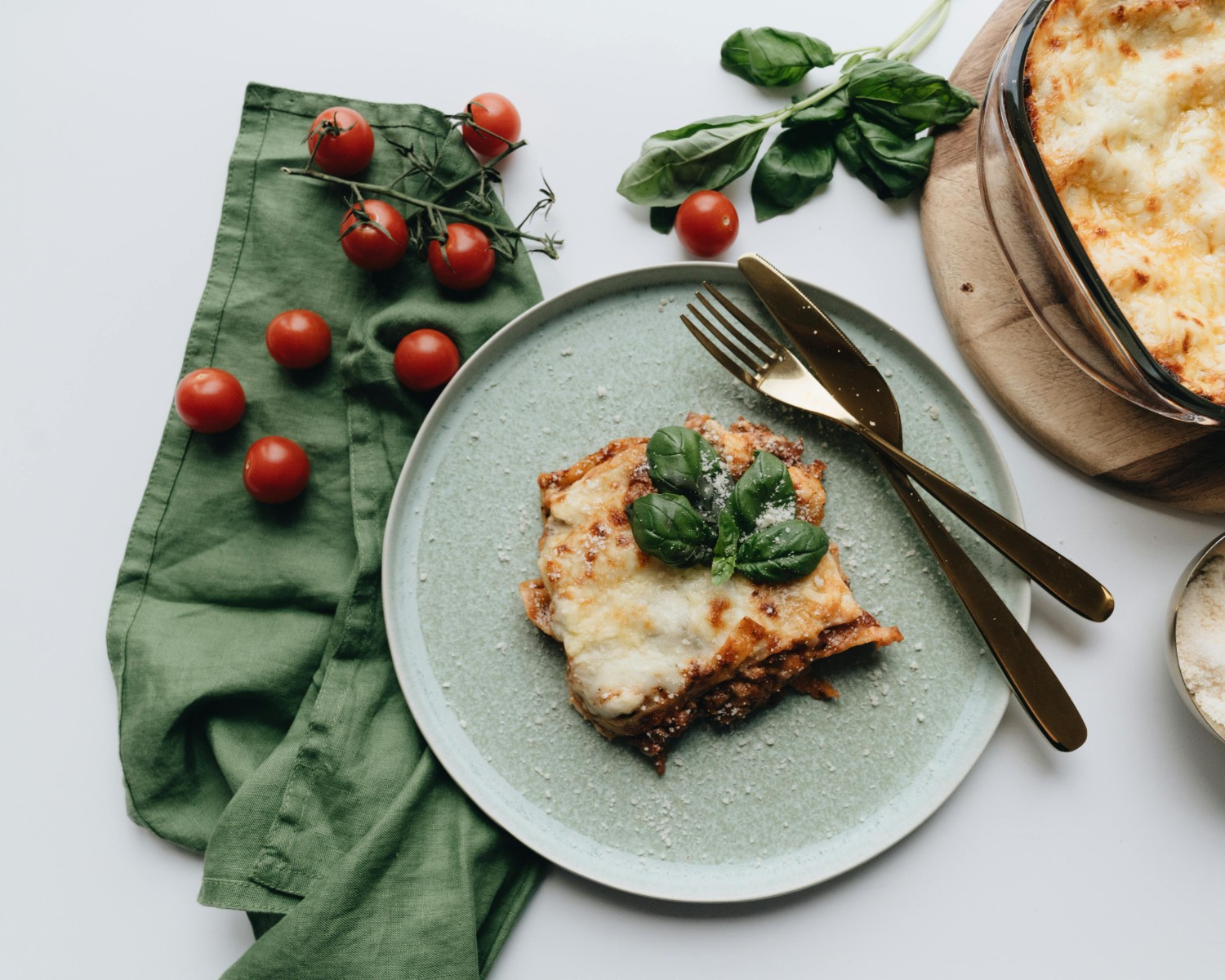
Moussaka
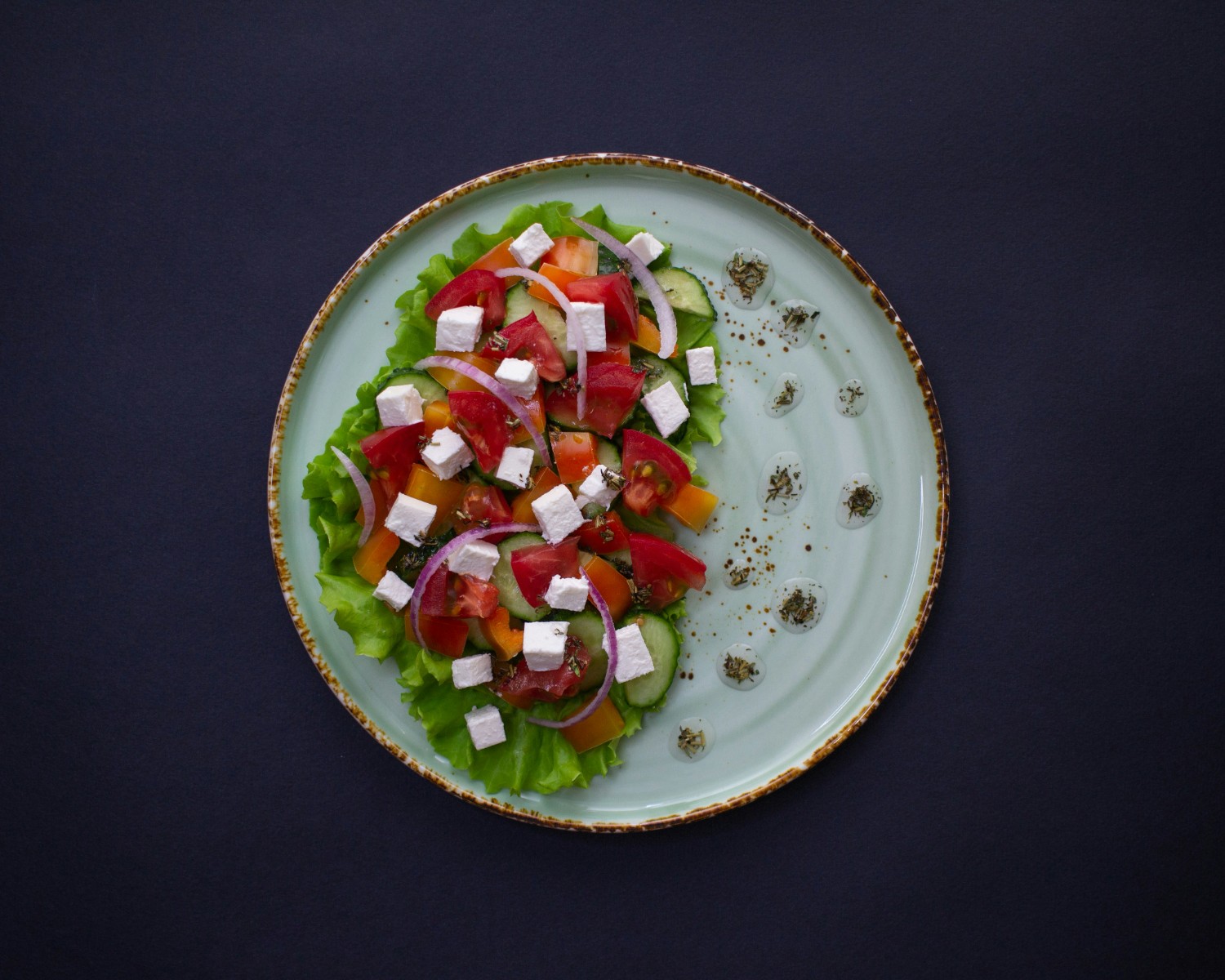
Greek Salad (Horiatiki)
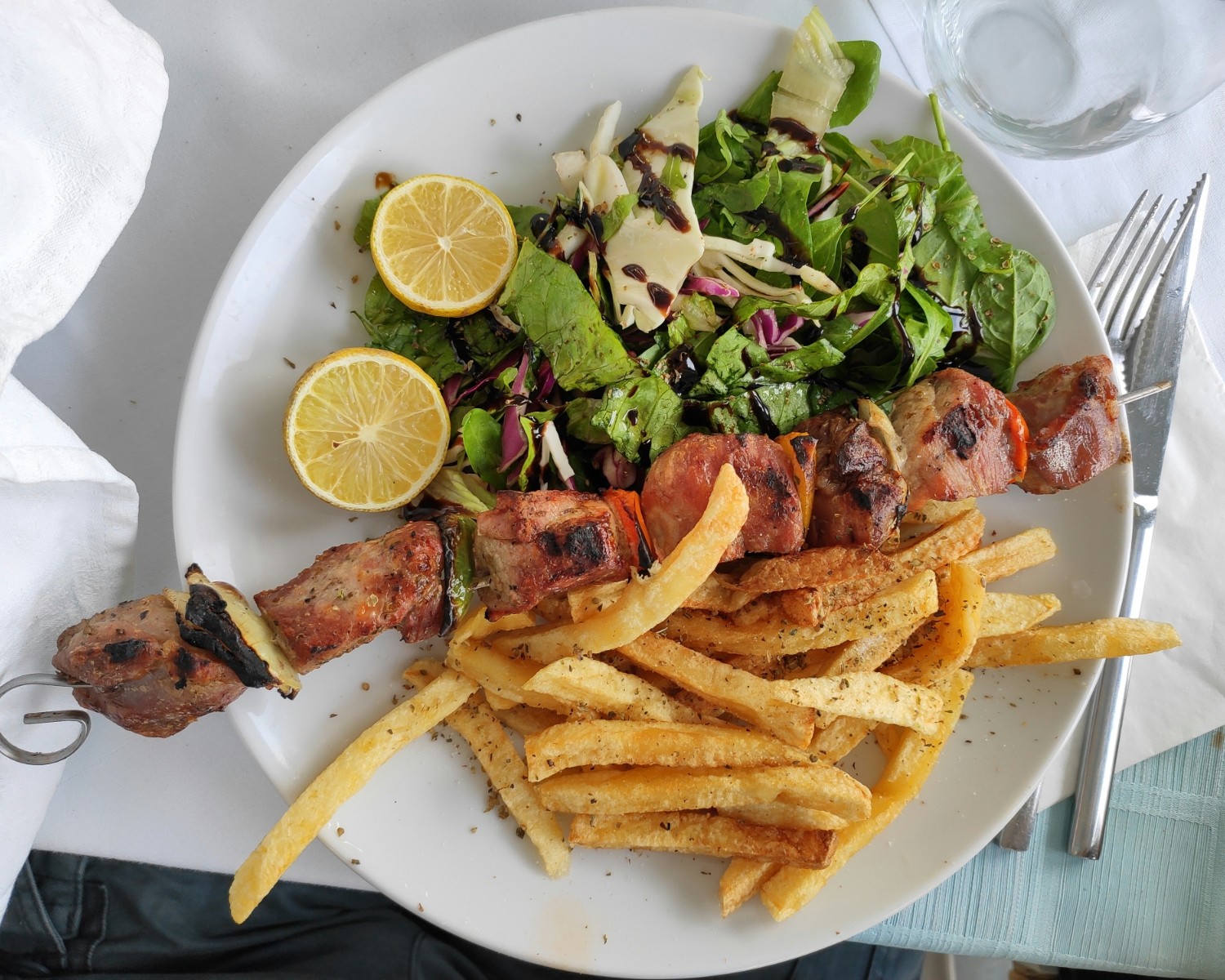
Souvlaki
Tzatziki
Spanakopita (Spinach Pie)
Grilled Fresh Seafood
Dining Etiquette
- • Meals are leisurely social occasions; never rush through food.[web:809][web:836]
- • Share dishes family-style; dishes passed communally.[web:836][web:839]
- • Compliment cook's skills generously; Greeks take pride.[web:809][web:836]
- • Greek dinner starts 8–9 PM; restaurants serve until 11+ PM.[web:836][web:839]
- • Tipping: 10% customary; round up bar bills; not mandatory but welcomed.[web:826]
- • Bread placed on table, never plates; considered sacred.[web:836]
- • Accept offered wine, ouzo, food graciously; refusal insulting.[web:836][web:839]
- • Finish all food shows appreciation; Greeks produce plenty; wasting is disrespectful.[web:836]
Signature Drinks
Shop & Bring Home
Greek shopping reflects 2,500 years of Mediterranean culture—from traditional handcrafted ceramics & olive oil to contemporary fashion, fine jewelry, and iconic blue-domed souvenirs.[web:835][web:837][web:840][web:843] Markets pulse with local life; boutiques showcase Greek designers; archaeological museums have curated gift shops.[web:835][web:837][web:840]
Traditional Crafts & Ceramics
€5–100+
- Hand-Painted Ceramics (Plaka, Mykonos)
- Olive Wood Carvings
- Embroidered Textiles
- Greek Key Pattern Art
Plaka district (Athens) best for authentic; Mykonos expensive tourist mark-up.
Food & Delicacies
€3–50
- Olive Oil (Premium Greek varieties)
- Feta Cheese (Cyclades specialty)
- Honey & Spices
- Greek Coffee
- Loukoumades Mix
Local markets (Varvakios Agora, Athens) best prices; supermarkets available.
Jewelry & Souvenirs
€5–500+
- Greek Gold & Silver Jewelry
- Evil Eye Charms (Matiasma)
- Santorini/Mykonos Replicas
- Island-Themed Prints
Tourist shops expensive; local jewelers better value & quality.
Island-Specific Treasures
€10–200+
- Santorini: Wine, Red Volcanic Soil Products
- Mykonos: Designer Brands
- Crete: Cretan Olive Oil & Herbs
- Rhodes: Pottery
Each island has regional specialties; visit local production sites.