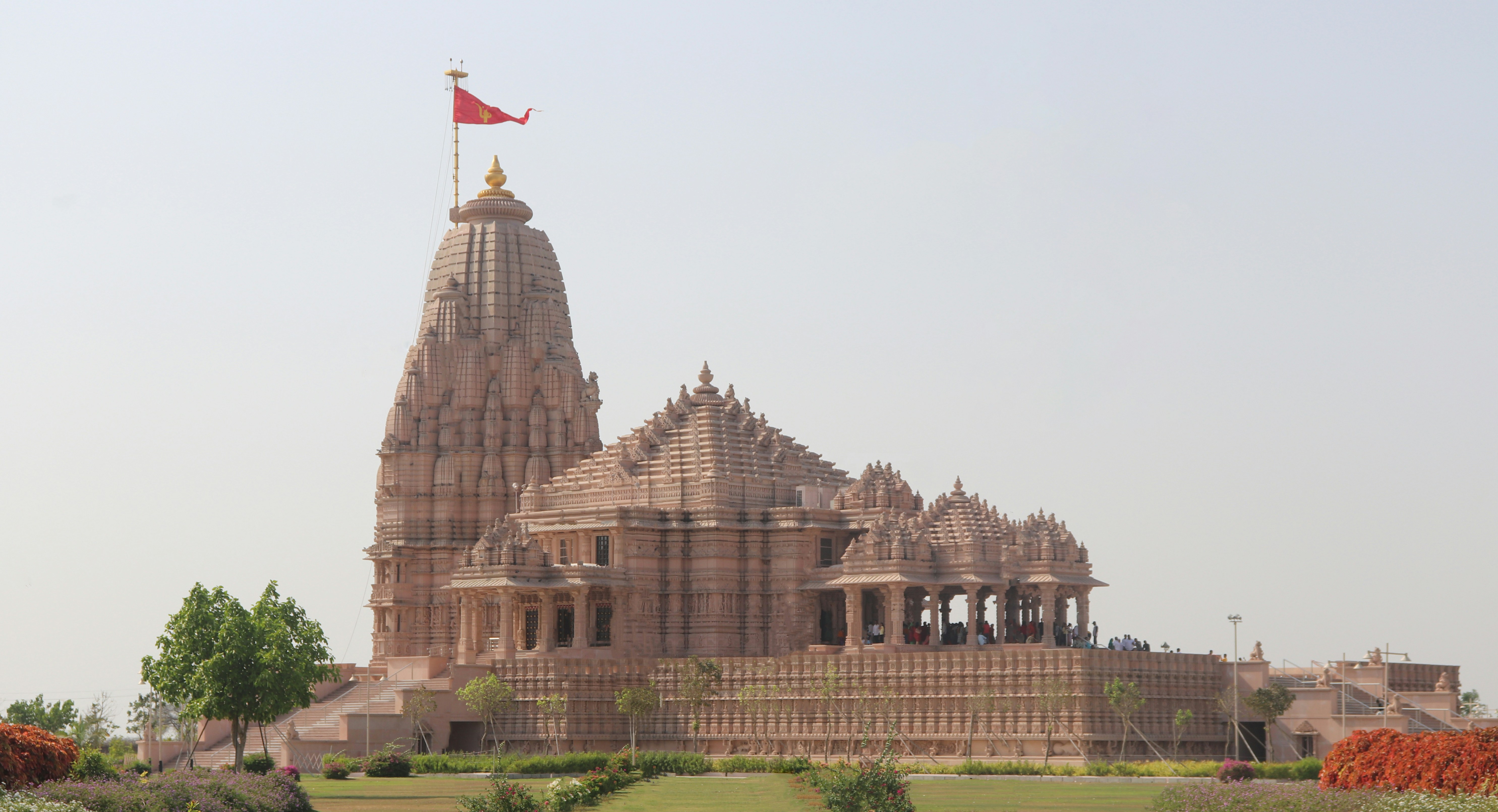
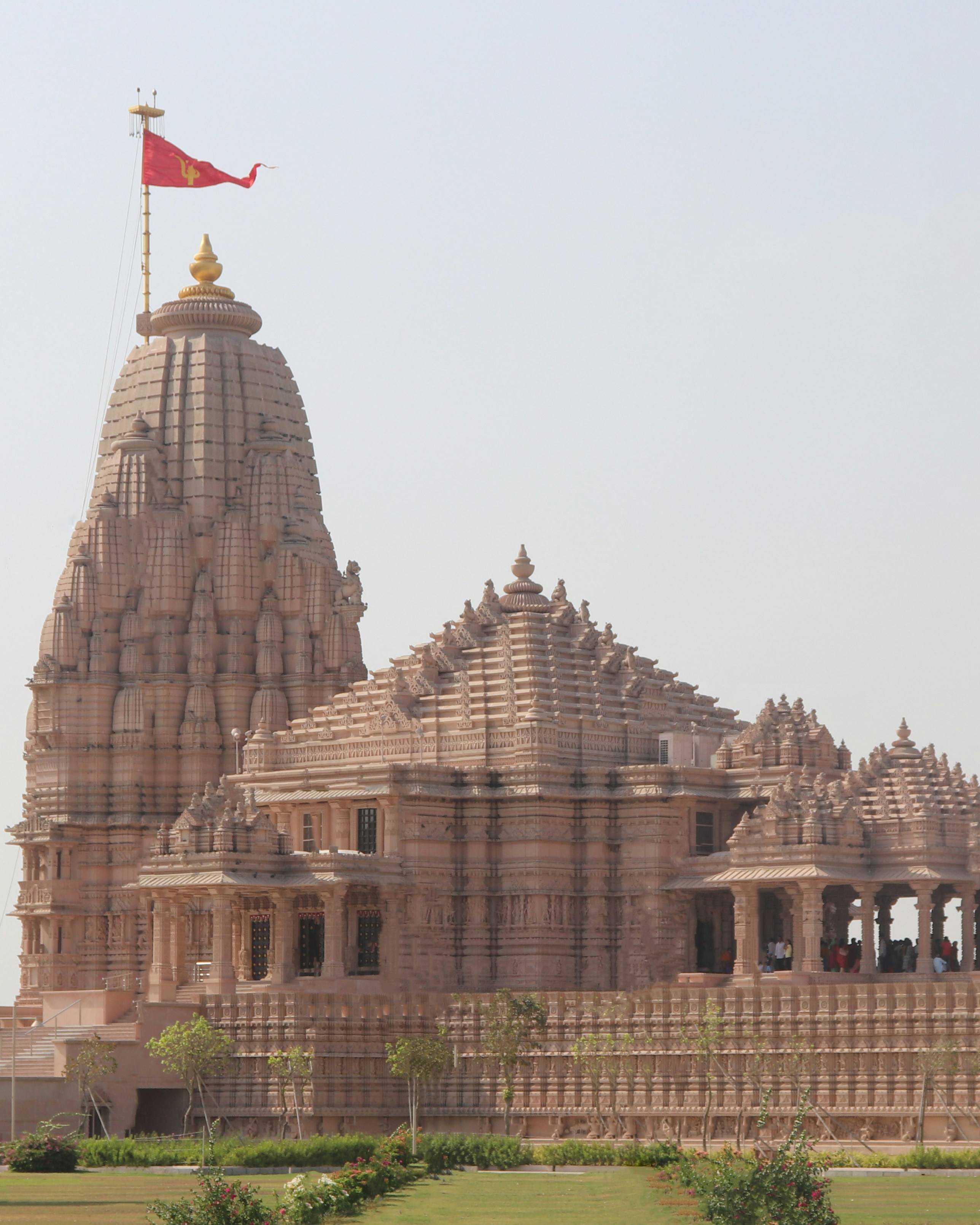
Gujarat
factsheet
Where ancient wisdom meets entrepreneurial spirit, textile heritage breathes through vibrant bazaars, and spiritual sanctuaries echo with timeless devotion.
Key travel facts for Gujarat – visa basics, climate, best time to visit, suggested trip duration and planning tips by Bayard Vacations.
The Essentials
Best Time
Oct - Mar
Currency
INR (₹)
Climate
Semi-Arid to Coastal
Time Zone
IST (UTC+5:30)
Language
Gujarati, Hindi, English
Visa
No Visa (Indian Citizens)
Capital
Gandhinagar
Population
6.0M
Calling Code
+91
Power Plug
Type A, B, C (230V)
Tipping
Optional (₹20-50 appreciated)
Emergency
100 (Police), 101 (Fire), 102 (Ambulance)
History & Heritage
Gujarat, which is the most western part of India, is an excellent place for tourism and is one of the earliest centers of civilization, business, and spirituality. Gujarat continues to be the world center for diamonds, textiles, and pharmaceuticals, where past traditions meet contemporary development.
Indus Valley Civilization (2500-1500 BC)
Gujarat was home to the world's earliest planned cities—Harappa and Mohenjo-daro. Archaeological evidence reveals advanced drainage systems, standardized weights, and seals depicting unknown scripts. This civilization preceded the Vedas, proving Gujarat's role in humanity's earliest urban development.
Mauryan & Ashokan Era (322-185 BC)
Emperor Ashoka's reign brought Buddhism and prosperity. Rock edicts carved on boulders spread his message of dharma across Gujarat. The Edicts of Ashoka represent humanity's earliest state-sponsored moral messages, making Gujarat a philosophical epicenter.
Jain Golden Age (500 BC - 1300 AD)
Gujarat became Jainism's cradle. Mount Girnar and Mount Palitana host thousands of Jain temples carved over centuries. Jain merchants became the wealthiest traders, establishing the mercantile traditions that define Gujarat today. Non-violence (ahimsa) shaped Gujarati ethics permanently.
Sultanate & Mughal Rule (1300-1600)
The Gujarat Sultanate controlled crucial Silk Road trade routes. Ahmedabad emerged as a commercial powerhouse. Mosques, step-wells (baolis), and markets blended Islamic and Hindu architecture. The period saw rise of merchant communities that dominate Gujarat's economy.
Colonial Era & British Rule (1600-1947)
The British East India Company established dominance. Textile industries flourished—Ahmedabad became the 'Manchester of the East.' The colonial period witnessed emergence of industrial entrepreneurs and freedom fighters. Gandhi's Dandi March (1930) began from Gujarat, igniting India's independence.
Modern Independent Gujarat (1947-Present)
Post-independence, Gujarat embraced capitalism and industrialization. From textiles to diamonds (cutting 90% of world's diamonds), from pharmaceuticals to IT, Gujarat became India's economic engine. Today, it leads in entrepreneurship, textile exports, and social enterprises—Narendra Modi's model of 'Gujarat growth' inspired national policies.
Climate & Weather
Gujarat features diverse climates—coastal tropical areas, semi-arid interior plains, and salt marshes (Rann of Kutch). The Arabian Sea influences weather patterns. Monsoons bring heavy rainfall to coastal regions while interior experiences dry, hot summers. Winter offers perfect conditions for exploration.
Time Zone
IST (UTC+5:30) - Indian Standard Time
Same as all India (synchronized across entire nation)
Best Months
October, November, December, January, February, March
Winter (Sheetkal)
Oct – Mar
10–25°C
Best season. Perfect weather 15-25°C. Clear skies ideal for sightseeing. Rann of Kutch Festival (Nov-Feb) celebrates white salt desert with cultural events. Minimal rainfall, comfortable touring.
Spring (Basant)
Feb – May
20–35°C
Vasant Panchami festival (yellow flowers). Warm but bearable. Textile fairs in full swing. Temperatures rising. Some rainfall.
Summer (Garam)
May – Jun
30–45°C
Extremely hot and dry. Not recommended for outdoor exploration. Most attractions less crowded. High humidity in coastal areas. Air-conditioned shopping indoors.
Monsoon (Varsat)
Jul – Sep
25–32°C
Heavy rainfall, especially coastal regions. Lush green landscapes. Indoor attractions (museums, textile mills). Rivers swell. Adventure activities in Kutch region. Budget-friendly travel. Humidity high.
Seasonal Packing List
Language Guide
Official Language
Gujarati (Gujarati Script)
Gujarati is primary language spoken by 5.5+ million Gujarati natives. Hindi and English widely understood throughout the state. English proficiency high among younger generations and in business centers (Ahmedabad, Surat). Gujarati carries unique identity rooted in merchant traditions and entrepreneurial spirit.
Local Signage
Useful Phrases
Hello
nah-mah-STAY
Namaste
Thank you
shoo-KREE-yah / dhan-YA-vahd
Shukriya / Dhanyavaad
Goodbye
ahl-VEE-dah
Alvida
Yes / No
HAHN / NAH
Haan / Na
Please
meh-her-BAH-nee say
Meherbani se
Excuse me
KSHA-mah KAH-row
Kshama karo
How much?
KIT-nay kah HY
Kitne ka hai?
Where is...?
kah-HAHN hye
...kahan hai?
Also Commonly Spoken
Hindi
Widely understood across Gujarat; national language of India. Spoken in business and daily interactions.
English
Growing rapidly, especially in cities (Ahmedabad, Surat, Vadodara) and among youth under 30. Tourism industry English-proficient.
Marathi
Understood in southern regions near Maharashtra border. Some communities speak Marathi as second language.
Sindhi
Spoken by Sindhi merchant communities historically based in Ahmedabad. Cultural minority language.
Currency & Money
Official Currency
Indian Rupee
₹ (INR) — ₹1 = 100 Paisa
Banknotes
₹10, ₹20, ₹50, ₹100, ₹200, ₹500, ₹2,000
Coins
₹1, ₹2, ₹5, ₹10
ATMs & Withdrawal
Abundant in all cities and towns. Most ATMs accept international cards (Visa/Mastercard). No withdrawal fees; local bank charges minimal. Limited ATMs in remote villages—withdraw in cities.
Credit & Debit Cards
Accepted in cities, hotels, restaurants, malls, textile shops. Cash essential for bazaars, street food, small vendors, rural areas. Digital payments (UPI, Google Pay) increasingly popular in urban centers.
Tipping Culture
Not mandatory but appreciated. ₹20-50 for good service in restaurants. ₹100-200 for tour guides and drivers. Rounding up taxi fares customary. Service staff welcome tips graciously.
Daily Budget Estimates
Budget Traveler
₹2,500-₹3,500 (~$29-41 USD)
Mid-Range Traveler
₹6,000-₹9,000 (~$70-105 USD)
Luxury Traveler
₹15,000+ (~$175+ USD)
Visa & Entry
For Indian Citizens: Book flights and accommodation directly. No visa processing needed.
For Foreigners: Apply for Indian visa through official portal or embassy.
Standard Indian e-Visa valid for 30/1 year multiple entry.
Passport valid for 6+ months beyond intended stay required.
No special permits needed for temples, bazaars, or textile mills—open to all registered visitors.
Extended stays (>2 months): Register with Foreigners Regional Registration Office (FRRO) in Ahmedabad.
Registration
Hotels handle foreigner registration automatically. Provide passport copy at check-in.
Not required for Indian citizens. Foreigners staying >180 days should register with FRRO (Ahmedabad office).
Penalty: Minimal—casual enforcement for short-term tourists. Long-term stays require registration.
Visa Extension
Contact local FRRO office or apply online through official Indian government portal.
Cost: Extension fees vary; typically ₹500-₹2,000 for foreigners.
Requirements
- • Valid identity proof (Aadhaar, PAN, Passport, Driving License) for Indian citizens
- • Passport (for foreigners) with 6+ months validity
- • Proof of accommodation (hotel booking or guesthouse address)
- • Contact details of accommodation provider
- • No visa fee for Indian citizens within India
Getting There & Around
Intercity Travel
Indian Railways
Trains to Surat (2.5h), Vadodara (2h), Rajkot (4h). Comfortable, affordable. Book in advance. ₹500-₹2,000 depending on class.
Shared Minibuses (Sumos)
Affordable inter-city travel. Depart when full. Less predictable schedules. Budget option. ₹400-₹1,000 per route.
Private Drivers
Best for customized tours (Rann of Kutch, Palitana, Girnar). Hotels arrange. ₹2,000-₹3,500/day depending on destination.
Car Rental
International license recognized. Drive on left. Roads improving. ₹2,000-₹4,000 daily depending on vehicle.
Culture & Local Life
Entrepreneurial Energy with Spiritual Depth
Gujarat's culture is a unique synthesis—business acumen blended with spiritual devotion, textile artistry, and Jain ethics of non-violence. Gujaratis are India's merchants, innovators, and philanthropists. The state celebrates entrepreneurship while maintaining ancient traditions. From bustling textile bazaars to serene temples, from Rann of Kutch's salt marshes to urban entrepreneurship hubs, Gujarat pulsates with creative energy and spiritual consciousness.
Navratri & Garba Dance
Nine nights celebrating goddess Durga. Colorful Garba (circular folk dance) and Dandiya Raas (stick dance) unite communities. Women wear traditional chaniya-choli. Music, dance, and feasting celebrate feminine divine energy. Gujarat's most vibrant festival.
Pongal & Makar Sankranti
Harvest festival (January 14) celebrating year's abundance. Kite-flying (Uttarayan) fills skies—symbolic battle of kites representing good defeating evil. Til-gul (sesame-jaggery sweets) exchanged, saying 'Til-gul gho aur god-god bolo' (sweetness in words and deeds).
Merchant Heritage
Gujarati business ethics rooted in Jain philosophy of non-violence and fair dealing. Handwritten contracts honored as sacred. Business trust built over generations. Sabarmati Ashram's values of simplicity and integrity define commerce.
Textile Traditions
Hand-weaving, natural dyeing, and block-printing define Gujarat's textile identity. Patola silk, Bandhani tie-dye, and Aahir embroidery represent centuries of craft. Artisans' families preserve techniques across generations—living museums of textile art.
Gifting Etiquette
Avoid knives, clocks, or sharp objects (symbolize broken relationships/death). Wrap gifts beautifully. Odd numbers (1, 3, 5) auspicious. Accept gifts with right hand. Sweets and handicrafts safe choices.
Business Etiquette
Business cards exchanged formally. Initial meetings establish personal relationships before transactions. Verbal commitments as binding as written contracts. Entrepreneurship deeply respected—asking about business ventures shows genuine interest.
Dining Etiquette
Remove shoes before sitting on floor (traditional style). Right hand used for eating. Finishing all food shows appreciation. Burping not considered rude—indicates satisfaction. Generous hospitality: hosts provide abundant portions.
Food & Drink
Gujarati cuisine is vegetarian-dominant, emphasizing regional variations from coastal seafood to desert spices. The food culture blends Jain (purely vegetarian), Hindu, and Islamic influences. Sweet, sour, salty, and spicy elements harmonize in every dish. Millet-based preparations, groundnut curries, and elaborate sweet preparations define the culinary landscape. Every meal celebrates agricultural abundance and community sharing.
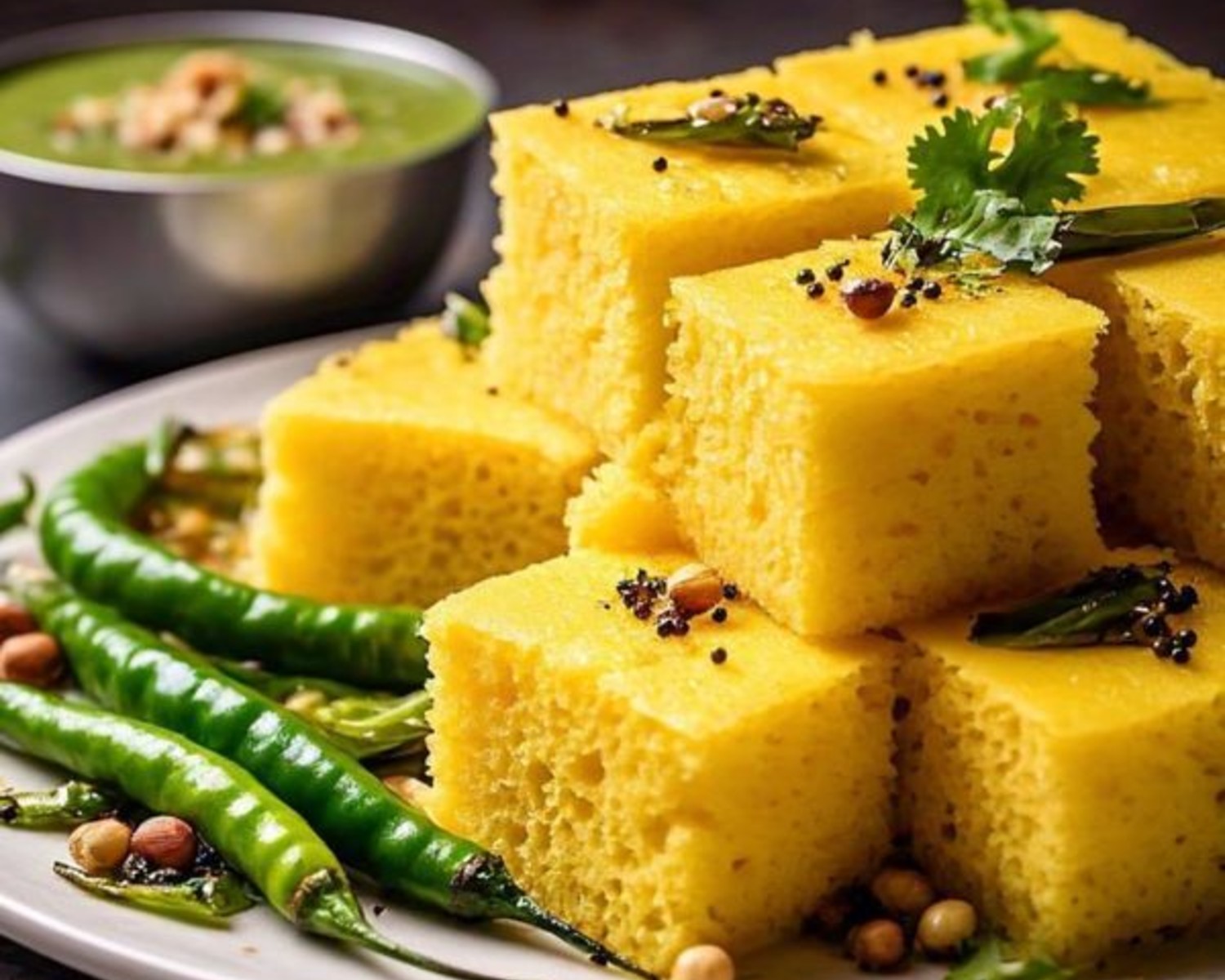
Dhokla
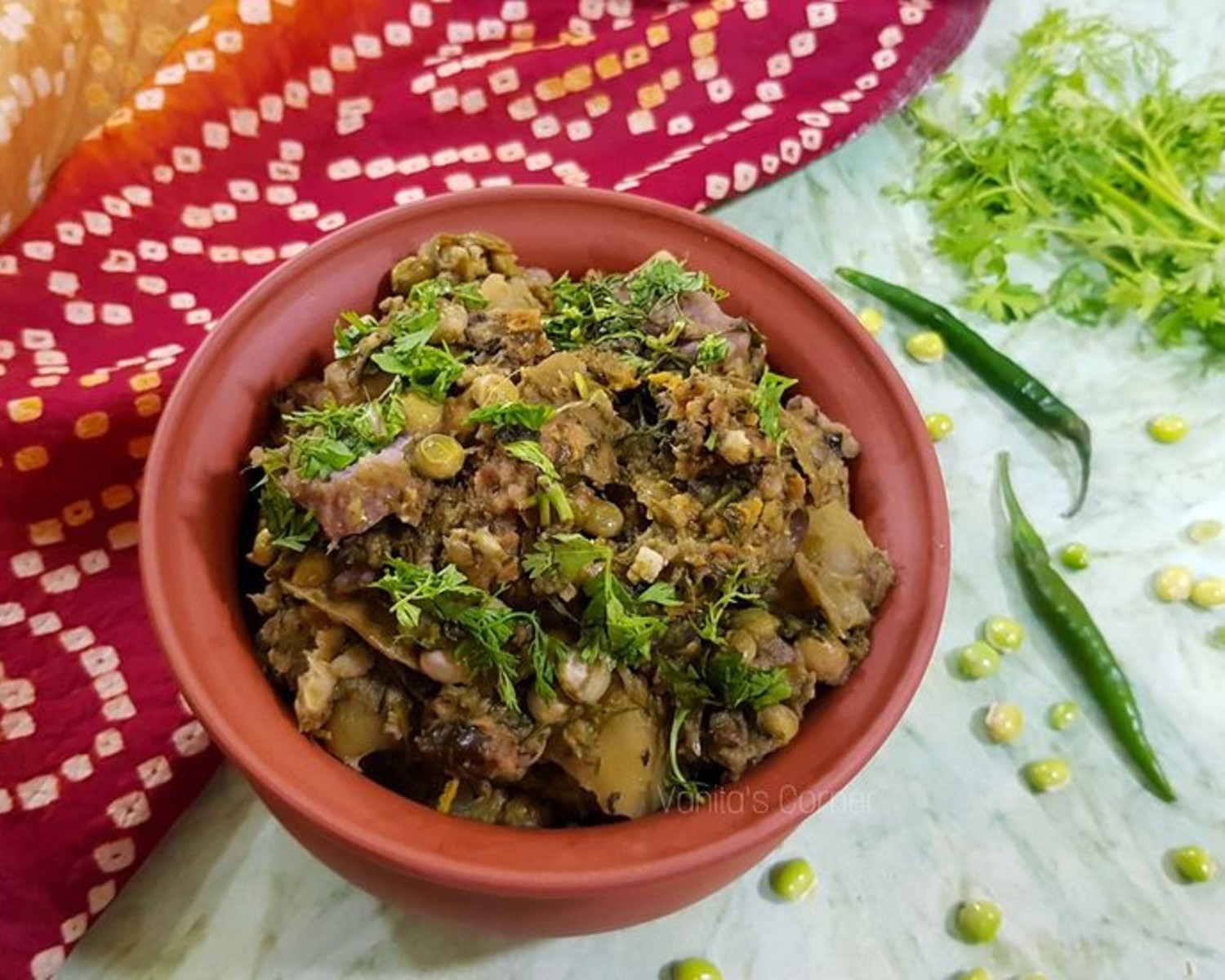
Undhiyu
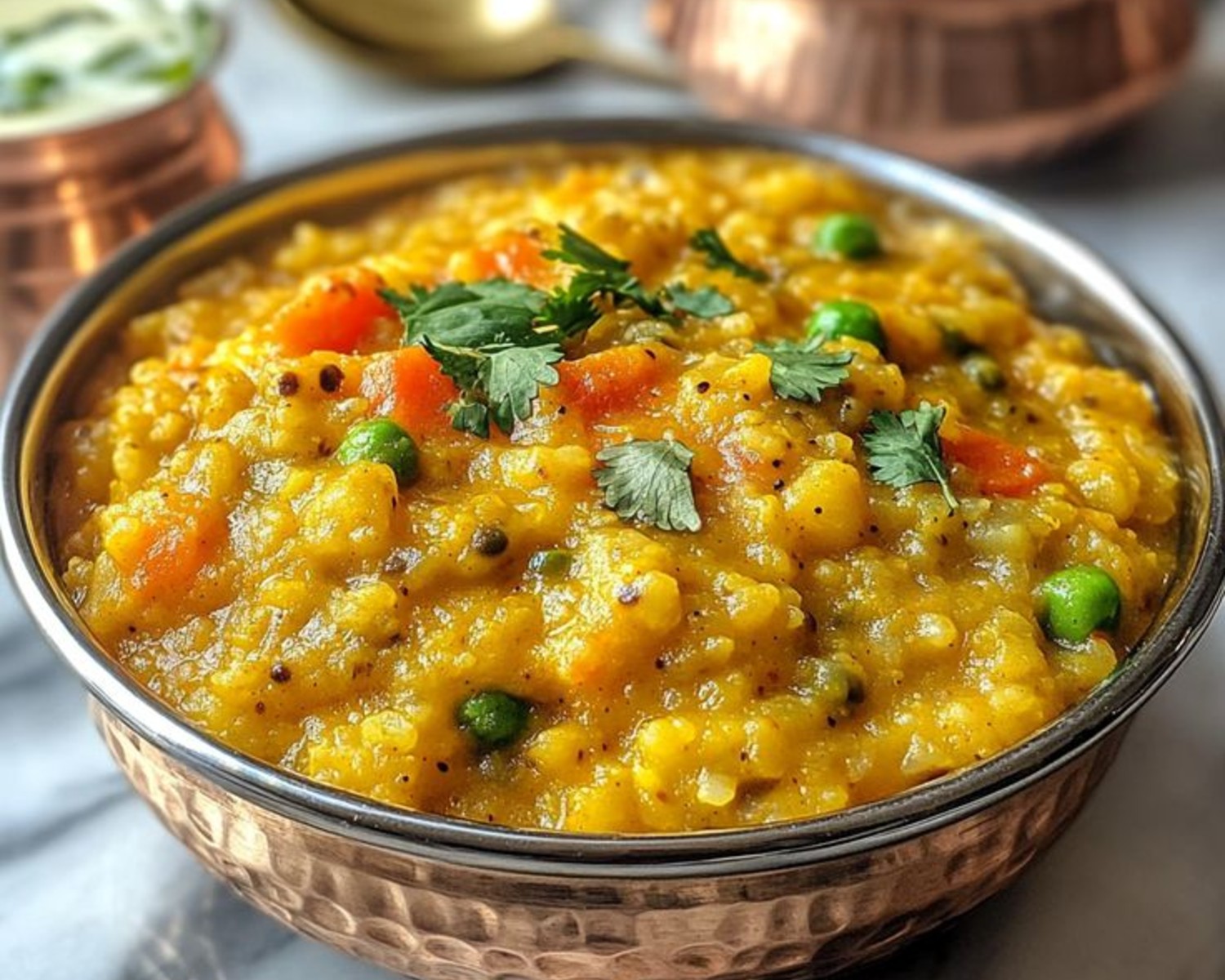
Khichdi
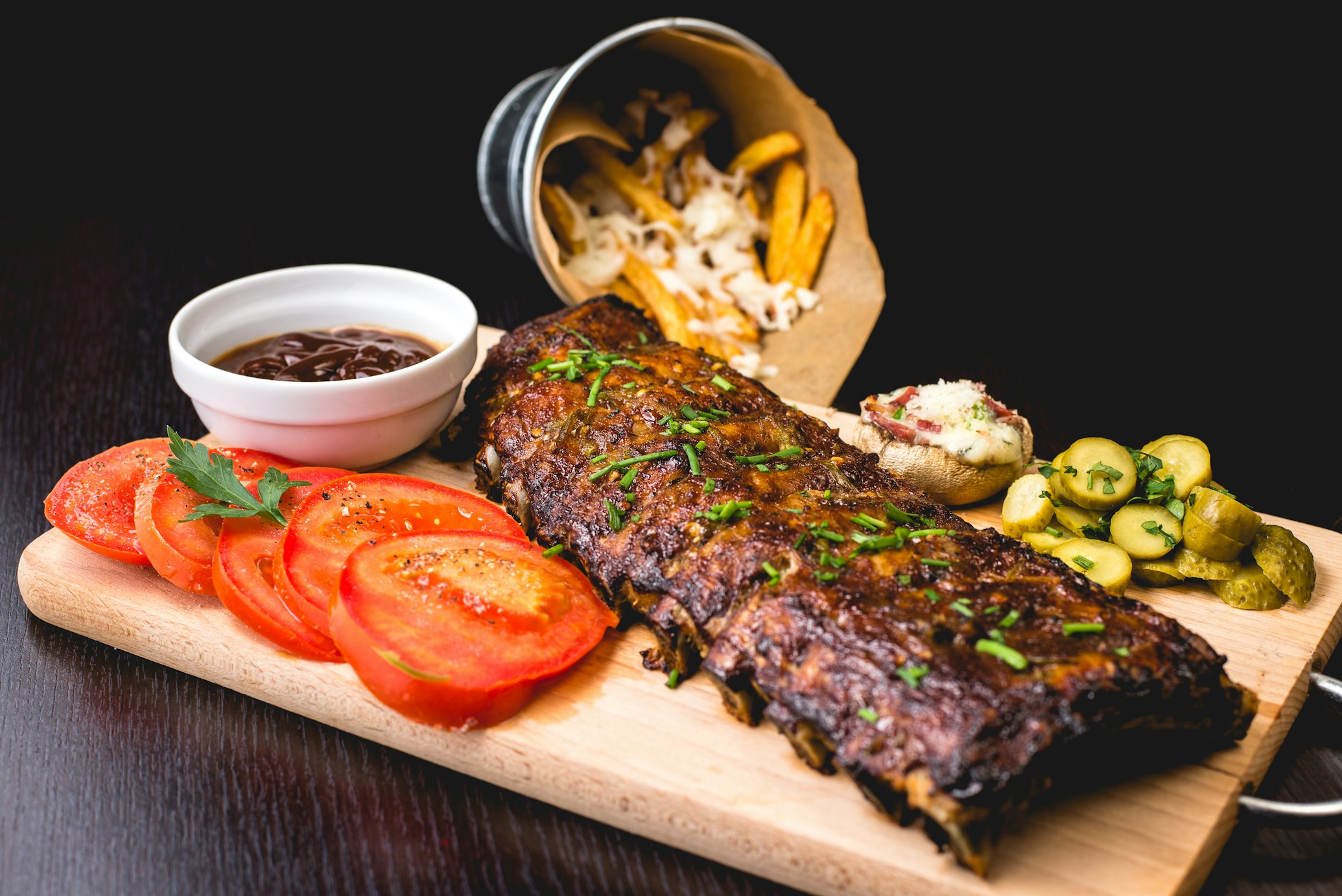
Fafda-Jalebi

Thepla

Handvo

Ghari
Dining Etiquette
- • Meals are community and family occasions—no rushing through food.
- • Rice/bread base with vegetables, dal, and pickles. Meat dishes less common due to Jain influence.
- • Right hand used for eating (if tradition observed). Many urban Gujaratis use utensils.
- • Tipping not mandatory but appreciated (₹20-50 for good service in restaurants).
- • Most eateries open 7 AM-10 PM; street food available throughout day.
- • Vegetarian options abundant—meat restaurants exist but less dominant.
- • Sharing meals from common serving bowl indicates family unity.
- • Sweets integral to meals—meals incomplete without sweet finish.
Signature Drinks
Shop & Bring Home
Gujarat's shopping is legendary—world-class textiles, diamonds, jewelry, and handicrafts. From hand-block printed fabrics to intricate embroidery, from brilliant diamond cutting to traditional bandhani tie-dye, every purchase supports centuries-old artisanal traditions. Shopping blends bustling wholesale bazaars with specialized artisan communities—a living marketplace of heritage.
Textiles & Fabrics
₹500-₹50,000+ for authentic pieces
- Hand-Block Printed Cotton
- Bandhani (Tie-Dye) Silk
- Patola Silk Sarees
- Aahir Embroidered Fabrics
- Jamdani Weaves
Authentic handwoven/hand-printed textiles are investments. Buy directly from weavers or certified shops.
Diamonds & Jewelry
₹5,000-₹500,000+
- Surat Diamond Cuts
- Kundan Jewelry
- Polki Ornaments
- Gold & Silver Pieces
- Temple Jewelry
Surat cuts 90% of world's diamonds. Certified dealers only. Authenticity certificates essential.
Handicrafts & Artisan Goods
₹300-₹5,000
- Terracotta Pottery
- Brass & Copper Ware
- Mirror Work Embroidery
- Mud Toys (Ghumra)
- Traditional Metalwork
Support artisan communities. Each piece tells craft heritage stories.
Spices & Food Products
₹200-₹2,000
- Groundnut Oil (Cold-Pressed)
- Sesame Oil
- Spice Mixes (Gujarati Masala)
- Jaggery & Gur
- Dried Fruits & Nuts
Best bought from local markets. Grocery bazaars offer authenticity and best prices.