Hungary
factsheet
The thermal heart of Europe, where Austro-Hungarian grandeur meets contemporary sophistication, all cradled by the legendary Danube River.
Hungary factsheet: Schengen €90/₹8,000 +VFS Indians, HUF ₹2.6, Apr-Oct baths (15-28°C), Budapest Danube tips.
The Essentials
Best Time
May - Sep
Currency
HUF (Ft)
Climate
Temperate Continental
Time Zone
UTC+1 (CET)
Language
Hungarian
Visa
Schengen Visa
Capital
Budapest
Population
9.7M
Calling Code
+36
Power Plug
Type C & F (220V)
Tipping
10-15% standard (300-500 Ft appreciated)
Emergency
112
History & Heritage
Hungary, a Central European nation of extraordinary cultural richness, boasts a history spanning nearly a millennium. From its medieval Kingdom (1000–1526) through the Austro-Hungarian Empire (1867–1918) to modern democracy, Hungary evolved into Europe's intellectual and artistic powerhouse. Budapest, the "Pearl of the Danube," epitomizes imperial elegance transformed into vibrant contemporary culture. Indian tourism to Hungary shows promising growth: 29,000+ visitors in H1 2024 (+14% YoY), with 26,000+ staying in Budapest, spending nearly 2.17 billion HUF (₹530M+). Hungary targets becoming a year-round destination beyond a transit stopover, with strategic focus on India as a high-potential market.[web:890]
Medieval Kingdom Foundation (1000–1526)
King Stephen I's coronation (~1000 AD) established the Catholic Kingdom of Hungary. The Árpád dynasty ruled for 300 years; by the 12th century, Hungary emerged as a European power. The Kingdom controlled vast Central European territories, rivaling contemporary empires. Medieval Hungary produced scholars, artists, and powerful feudal structures that shaped Central Europe.
Ottoman Partition & Habsburg Rise (1526–1699)
The Battle of Mohács (1526) devastated Hungary; Ottoman forces conquered central/southern territories. The country partitioned into three parts: Habsburg Royal Hungary, Ottoman Hungary, and semi-independent Transylvania. The Habsburg dynasty assumed Hungarian throne, initiating 400-year rule. Wars against Ottoman expansion intensified; the Great Turkish War (1683–1699) saw Hungary liberated, territories reunited under Habsburg control.
Habsburg Absolutism & War of Independence (1699–1867)
Following Ottoman expulsion, Habsburgs centralized control, sparking repeated Hungarian independence revolts (1604–06, 1703–11, 1848–49). The Hungarian Revolution of 1848 sought autonomy; though crushed by Austrian military, it awakened Hungarian national consciousness. Rákóczi's War (1703–11) and Kossuth's revolutionary movement challenged Vienna's absolutism, setting stage for compromise.
Austro-Hungarian Empire—Dual Monarchy (1867–1918)
The Austro-Hungarian Compromise (1867) created the Dual Monarchy—Austria-Hungary. Hungary gained its own parliament, prime minister, cabinet; shared foreign policy, defense, and finances with Austria. This arrangement elevated Hungary to partnership status. Budapest flourished as imperial capital; Austro-Hungarian culture (music, art, architecture) achieved global prominence. World War I's end (1918) dissolved the empire; Hungary became independent republic.
20th Century Turmoil & Modern Democracy (1918–Present)
Post-WWI Hungary lost 2/3 territory (Treaty of Trianon, 1920); subsequent communist rule (1949–1989), Soviet occupation (1956 revolution brutally suppressed), and Cold War tensions followed. The 1989 collapse of communism restored democracy. Hungary joined European Union (2004), NATO (1999), Schengen Area (2007). Today, democratic Hungary balances European integration with cultural preservation. Tourism surges: 29,000 Indian visitors H1 2024; government targets year-round, multi-night stays.[web:890]
Climate & Weather
Hungary experiences continental climate with four distinct seasons. Summers warm and pleasant; winters cold with occasional snow. Spring brings wildflower blooms; autumn golden foliage. Danube Valley moderates temperatures; Lake Balaton region warmer. No monsoons; moderate rainfall year-round. The best time balances warm weather (15–27°C) with manageable crowds.[web:892][web:895][web:897][web:899][web:902]
Time Zone
UTC+1 (CET - Central European Time); UTC+2 (CEST - during summer daylight saving)
4.5 hours ahead of IST (India Standard Time)
Best Months
May, June, July, August, September
Spring (Március–Május)
Mar – May
4–22°C (40–72°F)
Pleasant, breezy weather. Wildflowers bloom; outdoor cafés reopen. Budapest Spring Festival (April). Cherry Blossom & Paprika Festivals. May ideal (18–22°C). Shoulder season: fewer crowds, good prices. Perfect for sightseeing, cycling, Danube River activities.[web:892][web:899][web:902]
Summer (Június–Augusztus)
Jun – Aug
14–35°C (57–95°F); peaks 27–32°C
Peak season: warm, sunny, long daylight. Perfect outdoor exploration. Balaton Festival, Budapest Folk Arts Festival, St Stephen's Day celebrations. Sziget Music Festival (August) world-famous. Lake Balaton water activities ideal. Hotels/restaurants busiest; book ahead. High prices but vibrant atmosphere.[web:892][web:899][web:902]
Autumn (Szeptember–November)
Sep – Nov
12–24°C (54–75°F)
Scenic, cooler temperatures. September-October ideal (15–20°C). Golden foliage, grape harvest (wine region), pleasant weather. Budapest Wine Festival, Sausage Festival. Fewer tourists than summer. Wine tasting at Villány, Eger regions. November cooling (10–12°C); increasing rain.[web:895][web:897][web:899]
Winter (November–Február)
Nov – Feb
-9–8°C (16–46°F)
Cold, gray; occasionally snowy. Christmas markets magical (Nov-Dec). Thermal baths popular (contrast warm pools vs. cold air). Ice skating City Park. New Year's Gala Ball. Budget-friendly season. Less ideal for outdoor sightseeing but indoor attractions thrive. Cozy café culture.[web:895][web:899][web:902]
Seasonal Packing List
Language Guide
Official Language
Hungarian (Magyar)
Hungarian is a Finno-Ugric language, linguistically distinct from Indo-European languages; challenging for English speakers. However, English increasingly spoken in Budapest, tourism sector, and among youth under 35. German understood by older generations. Hungarian efforts to attract Indian tourists include hospitality staff training. Learning basic phrases earns warm appreciation from locals.
Local Signage
Useful Phrases
Hello
SEE-ah / HAH-lo
Szia / Halló
Thank you
KÖ-sö-nom
Köszönöm
Goodbye
VIS-lah-t
Viszlát
Yes / No
EE-gen / Nem
Igen / Nem
Please
KAY-rem
Kérem
Excuse me
el-NAY-zesht KAY-rek
Elnézést kérek
How much?
MEN-nyee-beh KER-ul
Mennyibe kerül?
Where is...?
Hol vahn
Hol van...?
Also Commonly Spoken
English
Widely spoken in Budapest, hotels, restaurants, tourist sites, and among youth under 35. Growing proficiency in tourism sector. Convenient for Indian travelers.[web:890]
German
Understood by older generations; Austrian/German heritage. Secondary language in business/tourism.
Hungarian (Magyar)
Official language; challenging for non-speakers. Learning basics appreciated by locals. Government-sponsored tourism initiatives include English translations, multilingual signage.
Currency & Money
Official Currency
Hungarian Forint
Ft (HUF) — 1 HUF = 1 unit
Banknotes
500, 1,000, 2,000, 5,000, 10,000, 20,000 HUF
Coins
1, 2, 5, 10, 20, 50, 100, 200 HUF
ATMs & Cash Withdrawal
ATMs abundant in Budapest and major cities. Most accept Visa/Mastercard. Withdrawal fees typically 200–500 HUF per transaction. Hungary increasingly cashless, but cash essential for markets, smaller shops, tipping. Withdraw HUF immediately upon arrival; easier than exchanging EUR.[web:905][web:908]
Credit & Debit Cards
Widely accepted in hotels, restaurants, malls, tourist sites. Contactless payments (Apple Pay, Google Pay) common in Budapest. Smaller establishments and markets prefer cash. Mix of card and cash recommended. EUR sometimes accepted (unfavorable rates); use HUF.[web:905][web:914][web:916]
Tipping Culture
Tipping customary; 10–15% restaurants if service charge not included. Rounding up bills acceptable. Hotel staff, tour guides appreciate small tips (500–1,000 HUF). Taxis: 10% customary. Not mandatory but appreciated.[web:905][web:914]
Daily Budget Estimates
Budget Traveler
6,000–8,000 HUF (~$20–27)
Mid-Range Traveler
12,000–18,000 HUF (~$40–60)
Luxury Traveler
25,000+ HUF (~$83+)
Visa & Entry
Visit Hungarian embassy/consulate website in your jurisdiction; identify visa category (tourism, business, family)
Schedule biometric appointment at embassy/consulate (mandatory; collect fingerprints, photo)
Gather required documents: completed application form, passport, photos, proof of accommodation, bank statements, travel insurance, flight bookings
Appear in person for biometric data collection; submit documents
Pay visa fee (₹7,243–7,500 via debit/credit card or bank transfer)
Receive approval decision via email/phone (15 calendar days standard)
Collect passport with visa sticker from embassy/consulate or arrange courier delivery
Present visa and passport at Hungarian airport immigration upon arrival[web:903][web:906][web:909][web:912]
Registration
Immigration officers register electronically at Hungarian border entry
Automatic upon arrival; no separate registration required for tourists under 90 days
Penalty: Overstays: fines 5,000–50,000 HUF (~$17–170), deportation, future entry bans
Visa Extension
Contact Hungarian Immigration Authority (BM) before visa expiration
Cost: Extension fees typically 5,000–10,000 HUF if approved
Requirements
- • Valid Indian passport (3+ months validity beyond intended departure; less than 10 years old; 2 blank pages)
- • Schengen visa application form (completed, signed)
- • Two recent biometric passport-sized photographs (45×35mm, white background)
- • Bank statements (last 6 months; official, stamped, signed)
- • Income Tax Returns (2–3 years) or Form 16
- • Salary slips (last 3 months for employed)
- • Proof of funds (fixed deposits, savings certificates, mutual fund statements)
- • Hotel booking confirmation or accommodation letter
- • Return or onward flight reservation
- • Schengen travel insurance (minimum €30,000 medical coverage; valid entire Schengen stay)
- • Proof of ties to India (property, family, employment documents)
- • Employment/educational/retirement documentation (NOC from employer, enrollment certificate, pension proof)
- • Biometric data collection (fingerprints, photo) mandatory[web:903][web:906][web:909]
Getting There & Around
Intercity Travel
MÁV National Railway
Efficient connections: Budapest to Vienna (2.5h), Debrecen (2.5h), Lake Balaton (1.5–2.5h). Modern, comfortable trains. Book online via MÁV app. Discounts for advance bookings. 2,000–10,000 HUF depending on destination.
Long-Distance Buses (Volánbusz)
Budget alternative; routes across Hungary. Slower than trains. 1,500–5,000 HUF depending on destination. Economical for regional exploration.
Car Rental / Self-Drive
International license required. Excellent roads; scenic drives (Lake Balaton, Danube Bend). 5,000–12,000 HUF daily. Parking challenging in Budapest; use park-and-ride.
Organized Tours / Private Drivers
Hotels arrange day tours to Danube Bend, Lake Balaton, wine regions. Multilingual guides, comfortable vehicles. 10,000–30,000 HUF per person depending on itinerary.
Culture & Local Life
Refined Elegance with Thermal Relaxation & Cultural Depth
Hungarian culture blends imperial grandeur, Danube-inspired romance, thermal bath traditions, and intellectual sophistication. Budapest's café culture reflects centuries of Austro-Hungarian refinement. Society values tradition, family, and cultural pride. Hospitality generous; locals warm once acquainted. Contemporary Hungary balances EU modernization with preservation of regional folk customs, goulash traditions, and wine heritage. Thermal baths embody Hungarian identity—wellness and community intertwined.
Goulash Preparation & Tradition
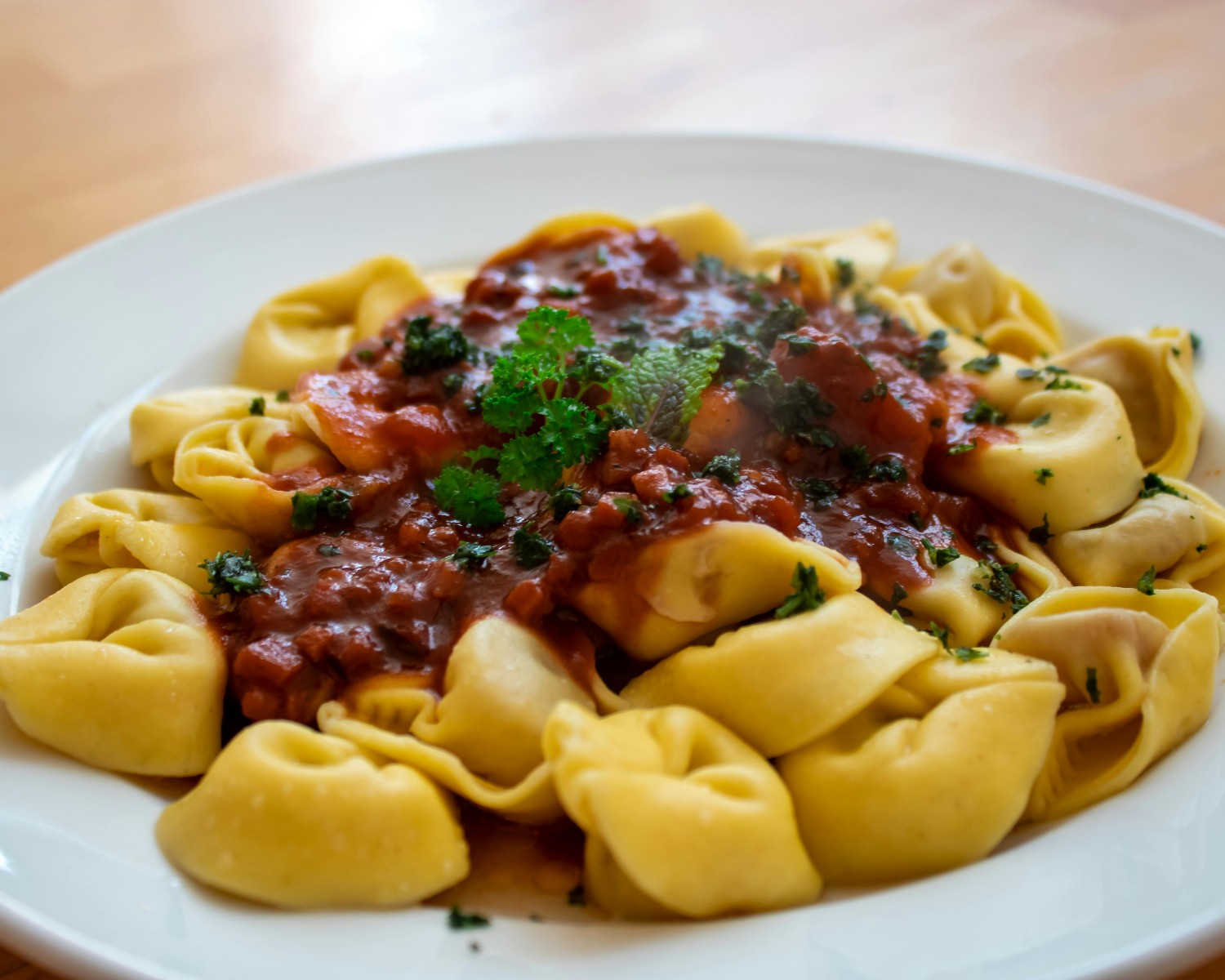
Hungarian goulash (gulyás) originated with 9th-century shepherds; evolved into national comfort dish. Hearty stew: beef/pork, potatoes, carrots, onions, paprika (defining spice). Regional variations across Hungary (northern beans, southern spicier). Family gatherings feature goulash in large cauldrons. Paprika arrived 16th century; transformed cuisine. Goulash symbolizes Hungarian identity, resilience, community.[web:904][web:907][web:910][web:913]
Thermal Bath Ritual
Centuries-old wellness tradition: Romans built baths; Ottomans expanded. Today's iconic baths (Széchenyi, Gellért, Rudas) blend Art Nouveau architecture with geothermal waters (77°C+). Bathing socially significant: relaxation, health, community. Locals spend hours; tourists often brief. Winter/summer ritual; therapeutic mineral water treats arthritis, skin conditions.[web:895][web:915]
Austro-Hungarian Café Culture
Budapest's legendary cafés (Gerbeaud, New York, Central) preserve imperial elegance. Lingering over coffee/pastry—philosophizing, working, socializing—reflects cultural values. Sachertorte, dobos cake, strudel accompany coffee rituals. Café culture represents intellectual discourse, artistic gatherings, romantic rendezvous. UNESCO recognition of 'Viennese Coffee House Culture' includes Budapest's cafés.[web:913][web:915]
Wine & Harvest Traditions
Hungary's wine regions (Tokaj, Eger, Villány) boast centuries-old traditions. Harvest celebrations feature regional wines, festivals. Tokaji wine (golden, sweet) legendary. Wine tasting, vineyard tours integral to autumn tourism. Wine reflects terroir, history, family heritage.
Gifting Etiquette
Avoid knives (cutting friendship), even numbers of flowers (funerals), chrysanthemums (death). Wrap neatly. Wine, chocolates, flowers (odd numbers: 1,3,5) appropriate. Accept graciously. Present with both hands.
Business Etiquette
Business cards exchanged formally. Meetings begin with coffee/tea. Punctuality valued. Hierarchy respected; use titles initially. Austere first impression softens with rapport. Intellectual discussion appreciated.
Dining Etiquette
Soup starts every meal (tradition). Wait for host to begin. Compliment cook. Finish most food. Use knife/fork properly. Don't rush between courses. Request seconds welcomed. Tip 10–15%. 'Good appetite' phrase marks meal start.
Food & Drink
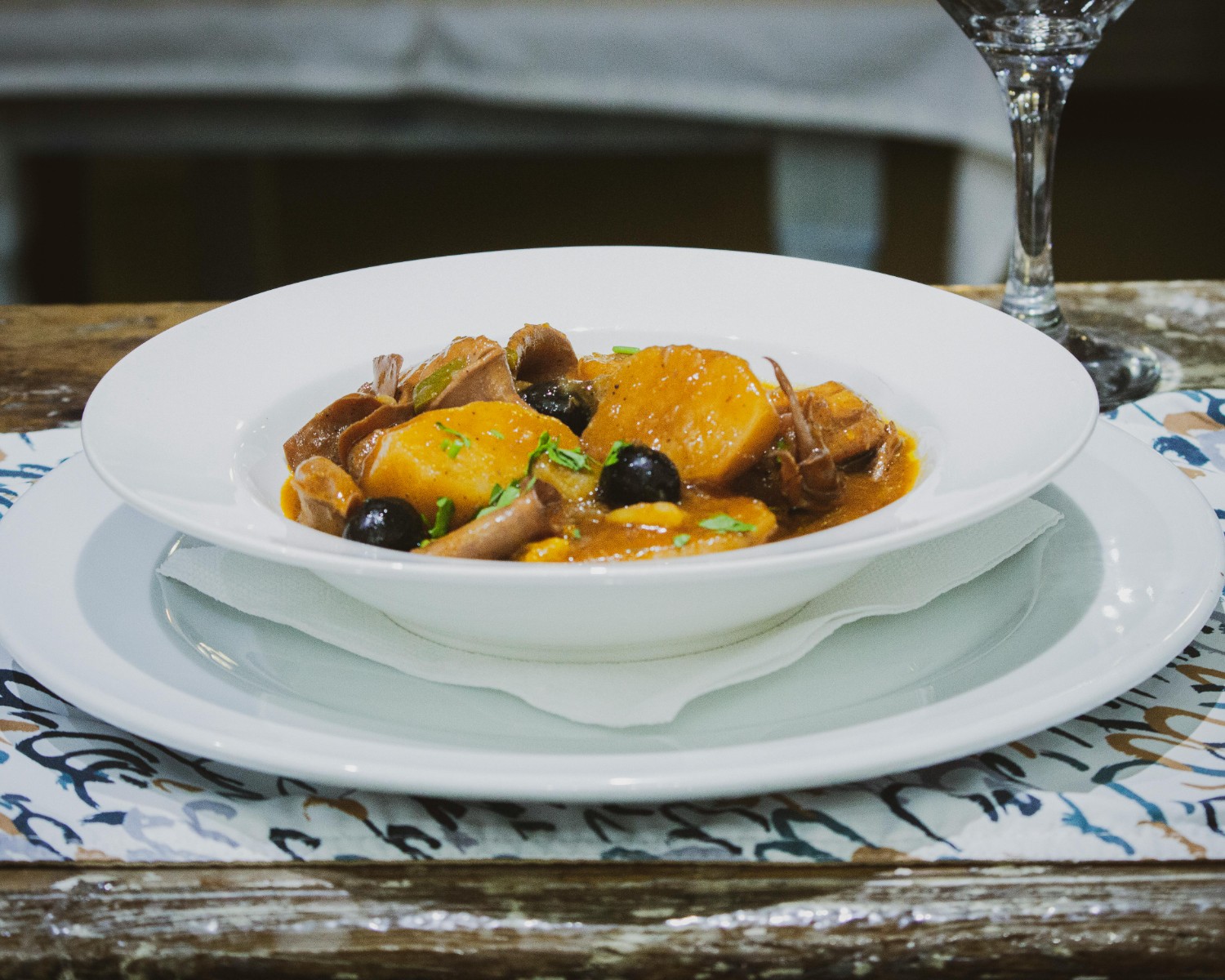
Hungarian cuisine is hearty, flavorful, rich—centered on paprika, game meats, river fish, and slow-cooked stews. Meals social, leisurely events reflecting Austro-Hungarian refinement and peasant tradition. Goulash represents national identity; thermal bath culture influences dining (warm mineral water believed curative). Street food (lángos—fried dough) casual; fine dining refined. Seasonal ingredients; wine integral to meals. Vegetarian options exist but meat-dominant historically.
Goulash (Gulyás)
Pörkölt
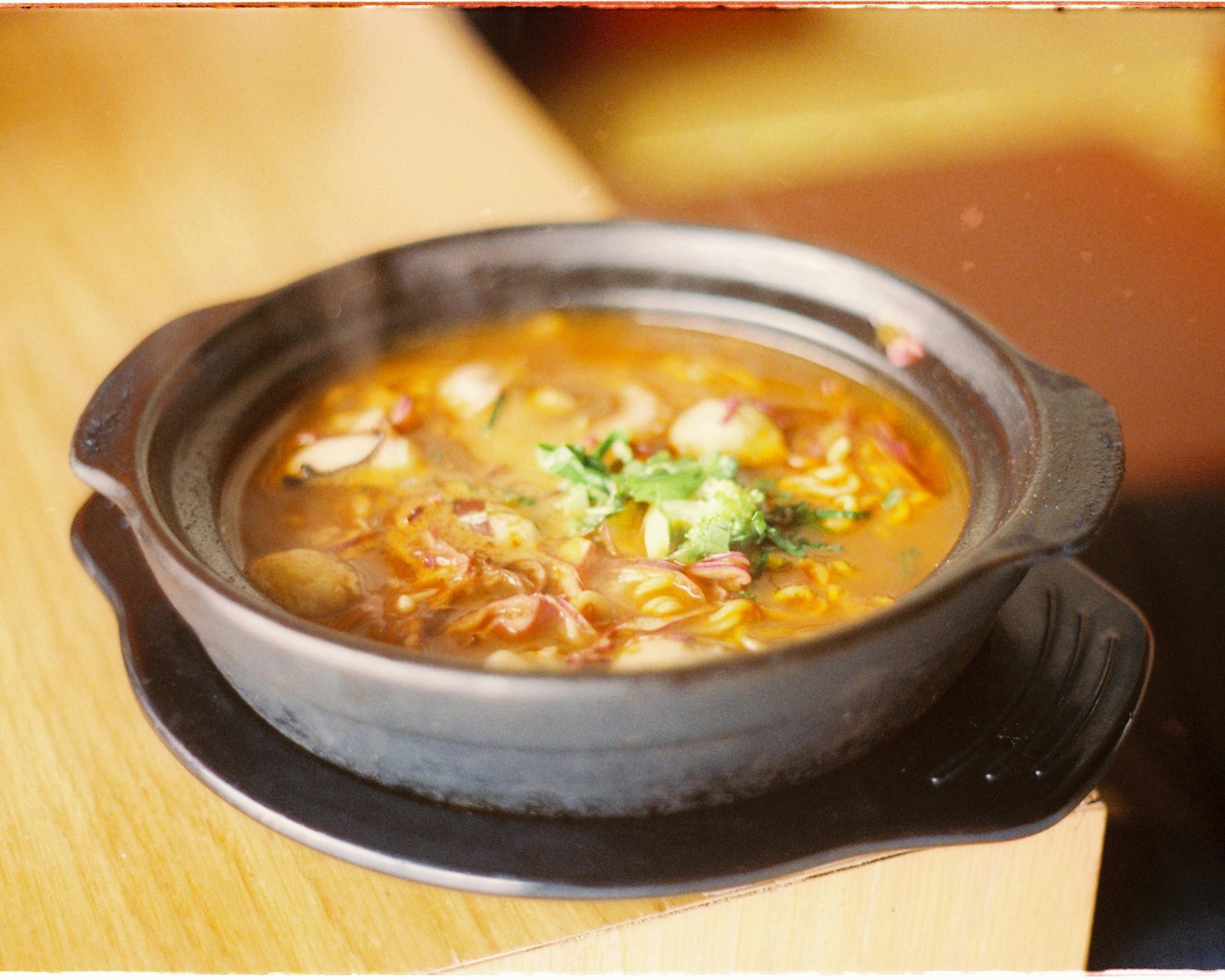
Halászlé (Fisherman's Soup)
Töltött Káposzta (Stuffed Cabbage)
Dobos Torte (Dobostorta)
Lángos
Dining Etiquette
- • Meals begin when host/honored guest starts eating
- • Soup always first course—traditional structure
- • Compliment cook generously
- • Finish most food on plate (waste disrespectful)
- • Take leisurely meal pace; rushing discouraged
- • Request seconds welcomed; validates appreciation
- • Tipping 10–15% standard for good service
- • Don't clink beer glasses (tradition reserved for wine/spirits)
- • 'Jó étvágyat' (good appetite) marks meal beginning
Signature Drinks
Shop & Bring Home
Budapest offers diverse shopping: Vaci Street (Europe's most attractive pedestrian retail), thermal bath markets, antique districts, wine shops, folk craft markets. Hungary balances traditional craftsmanship with contemporary European retail. VAT refunds available for non-EU residents (€75+ purchases). Shopping reflects imperial heritage, regional traditions, and modern sensibilities.
Traditional Crafts & Antiques
2,000–50,000+ HUF
- Hand-embroidered textiles
- Folk ceramics
- Wooden carvings
- Antique furniture
- Porcelain collectibles
Support local artisans; ethical, cultural immersion. Negotiation possible at markets.
Wine & Spirits
3,000–30,000 HUF per bottle
- Tokaji wine (golden, sweet)
- Eger wines (reds)
- Villány wines
- Pálinka (fruit brandy)
Premium gift items; export restrictions check before purchase. Wine-tasting tours in regions.
Food & Gourmet
500–5,000 HUF
- Paprika (genuine Hungarian)
- Goulash spice blends
- Salami/kolbász
- Honey, preserves
Central Market Hall (Vásárcsarnok) best selections. Light, easily transportable souvenirs.
Fashion & Contemporary
5,000–100,000+ HUF
- Hungarian designers
- Luxury brands
- Vintage clothing
- Street art/local designers
Vaci Street premium district; boutiques scattered throughout Budapest. VAT refunds available.