Indonesia
factsheet
From Bali's temples and rice terraces to Komodo dragons and Javanese volcanoes, the world's largest archipelago in one guide.
Planning a trip to Indonesia? Get essential facts on visa on arrival for Indians, best time to visit, climate, currency and expert planning tips for Indian travelers.
The Essentials
Capital
Jakarta
Population
~280 million
Calling Code
+62
Power Plug
Type C & F (230V)
Tipping
Not mandatory; 5–10% appreciated if no service charge
Emergency
112 (police 110, ambulance 118/119)
Main Airports
Bali (DPS), Jakarta (CGK), Yogyakarta (YIA)
Stay Allowed
30 days on VOA, extendable once by 30 days
Best Time
Apr – Oct
Currency
Rupiah (Rp)
Climate
Tropical
Visa
VOA / e-VOA
Time Zone
UTC+7 to UTC+9
Language
Bahasa Indonesia
History & Heritage
Indonesia's story is written across more than 17,000 islands, shaped by ancient kingdoms, sea trade and centuries of cultural exchange. Traders and scholars from India brought Hinduism and Buddhism, which inspired monuments like Borobudur and Prambanan, and later waves of Islam, European colonisation and a hard-won independence in 1945 added further layers. Today the country is the world's largest archipelago nation and a vibrant democracy. For Indian travellers there is an added connection, as the Ramayana and Mahabharata still live on in Javanese and Balinese art, dance and shadow puppetry.
Early Humans (Prehistoric)
Fossils of Homo erectus ("Java Man") show that the islands have been inhabited for well over a million years.
Indianised Kingdoms (4th – 14th c.)
Trade with India brought Hinduism, Buddhism, Sanskrit words and temple architecture, reflected in the Ramayana stories still performed today.
Srivijaya Empire (7th – 13th c.)
A Buddhist maritime empire based in Sumatra that controlled key sea trade routes across Southeast Asia.
Borobudur & Prambanan (8th – 9th c.)
Java's Sailendra and Mataram dynasties built the world's largest Buddhist temple (Borobudur) and the grand Hindu temple complex of Prambanan.
Majapahit Empire (1293 – c. 1500)
The last major Hindu-Buddhist empire in the archipelago, whose legacy lives on in Bali's culture and religion.
Spread of Islam (13th – 16th c.)
Traders and scholars gradually spread Islam, and it became the dominant faith across most of the islands.
Colonial Era (1602 – 1942)
The Dutch East India Company and later the Dutch state ruled the archipelago for centuries as the Dutch East Indies.
Japanese Occupation (1942 – 45)
Japan occupied the islands during World War II, weakening colonial control.
Independence (17 August 1945)
Sukarno and Hatta proclaimed independence. The Netherlands recognised sovereignty in 1949 after a four-year struggle.
Reformasi & Democracy (1998 onwards)
After the fall of Suharto's long rule, Indonesia became a democracy with direct presidential elections from 2004.
Climate & Weather
Indonesia sits on the equator, so temperatures stay warm all year, typically 26–33°C on the coasts and cooler in the highlands. The main difference between seasons is rainfall: a drier season from roughly April to October and a wetter one from November to March. Patterns vary across the islands.
Time Zone
Three zones: WIB (UTC+7) for Java and Sumatra, WITA (UTC+8) for Bali, Lombok and Sulawesi, WIT (UTC+9) for Maluku and Papua.
1h30 ahead of IST (Jakarta), 2h30 ahead (Bali), 3h30 ahead (Papua)
Best Months
April, May, June, July, August, September & October (best for Bali, Lombok, Komodo and Java)
Peak Dry Season
Jun – Aug
26–31°C
Sunny days, low humidity and the best beach and trekking conditions. Busiest and most expensive time, so book early.
Shoulder Season
Apr – May, Sep – Oct
26–32°C
Good weather, fewer crowds and better prices. Ideal for Bali and Komodo.
Wet Season
Nov – Mar
25–32°C
Warm and humid with heavy, often short afternoon showers. Lush landscapes and lower prices, but some sea crossings may be disrupted.
Seasonal Packing List
Most of Bali, Java and Nusa Tenggara are driest between April and October, and the rainy season peaks between December and February. Some regions, including parts of Sumatra and Maluku, follow different patterns, so check before booking multi-island trips.
Language Guide
Official Language
Most of Bali, Java and Nusa Tenggara are driest between April and October, and the rainy season peaks between December and February. Some regions, including parts of Sumatra and Maluku, follow different patterns, so check before booking multi-island trips.
Bahasa Indonesia is the national language and is used across the country's 17,000-plus islands. Hundreds of local languages, including Javanese, Sundanese and Balinese, are also spoken. English is widely understood in Bali, Jakarta and major tourist areas, while it can be limited in rural regions. Bahasa Indonesia is written in the Latin alphabet and is considered one of the easier Asian languages to pick up.
Local Signage
Useful Phrases
HAH-loh
Halo
Hello
seh-LAH-maht PAH-gee
Selamat pagi
Good morning
tuh-REE-mah KAH-see
Terima kasih
Thank you
SAHM-pai JOOM-pah
Sampai jumpa
Goodbye
YAH / TEE-dahk
Ya / Tidak
Yes / No
TOH-long
Tolong
Please (requesting)
per-MEE-see / MAH-af
Permisi / Maaf
Excuse me / Sorry
buh-RAH-pah har-GAH-nyah
Berapa harganya?
How much?
Also Commonly Spoken
Currency & Money
Official Currency
Indonesian Rupiah
Rp (IDR) — ₹1 ≈ IDR 170–190 ⚠️ (check the live rate)
Use authorised money changers with visible rates and receipts, or bank ATMs. Avoid roadside changers offering unusually good rates. Count your notes before leaving the counter. Cards are widely accepted in hotels, malls, and many restaurants and spas in tourist areas. Small warungs, markets, local transport and temple donations are usually cash-only.
Banknotes
Rp 1,000; 2,000; 5,000; 10,000; 20,000; 50,000; 100,000
Coins
Rp 100, 200, 500, 1,000
Cash (Rupiah)
Essential for warungs, markets, drivers, tips and entry fees.
Credit / Debit Cards
Accepted at larger venues. A foreign transaction fee may apply, so carry an international Visa or Mastercard.
ATMs
Widely available in tourist areas. Use ATMs inside banks or malls and check for card skimmers.
Forex Cards
Convenient for Indian travellers and often carry lower fees. Carry a backup.
QRIS
Indonesia's QR payment system is common locally, but is generally used with Indonesian apps.
Daily Budget Estimates
Budget
₹3,000 – 5,000 (≈ IDR 550,000 – 950,000)
Mid-Range
₹8,000 – 15,000 (≈ IDR 1.5 – 2.8 million)
Luxury
₹25,000+ (≈ IDR 4.5 million+)
Visa & Entry
Entry rules in brief: Indian passport holders must obtain a Visa on Arrival or an e-VOA before entering Indonesia, and there is no visa-free entry. The visa on arrival costs IDR 500,000, and a separate Bali tourist levy of IDR 150,000 applies for Bali visitors. The visa allows a stay of up to 30 days and can be extended once for another 30 days, and the passport must be valid for at least six months. Reports indicate that the All Indonesia Arrival Card became mandatory for all air arrivals from 16 July 2026 and should be submitted within 72 hours before arrival.
Check that your passport is valid for at least 6 months from arrival and has blank pages.
Apply for an e-VOA online through the official Indonesian immigration portal, or plan to get the Visa on Arrival at the airport counter.
Pay the visa fee. Portal payments need an internationally enabled Visa or Mastercard, and some Indian cards, including RuPay, may not work ⚠️.
Complete the All Indonesia Arrival Card online within 72 hours before landing.
If visiting Bali, pay the Bali Tourist Levy through the official portal (or at the airport) and keep the QR code or receipt.
At immigration, show your passport, e-VOA or VOA receipt, return ticket and arrival card QR code.
Note your permitted stay end date and leave before it expires.
Registration
Hotels and villas register guests' passport details as part of check-in. Carry a copy of your passport and visa.
Handled by accommodation providers. No separate tourist registration in most cases.
Penalty: Overstaying is punishable with a daily fine collected at departure and can lead to deportation or entry bans.
Visa Extension
Apply in person at the local immigration office (for example in Bali) before the visa expires, with biometrics taken. Allow several working days. ⚠️
Cost: About IDR 500,000 ⚠️
Requirements
- • Passport valid for at least 6 months with blank pages
- • e-VOA or Visa on Arrival payment
- • Confirmed return or onward flight ticket
- • All Indonesia Arrival Card (online, within 72 hours of arrival)
- • Bali Tourist Levy payment (for Bali visits)
- • Hotel booking or address in Indonesia
- • International Visa/Mastercard for online payments
- • Travel insurance (recommended)
- • Some proof of funds, which may occasionally be requested
Getting There & Around
Getting There
Bali (Ngurah Rai) is the most popular gateway for Indian travellers, followed by Jakarta. Direct flights to Bali operate from select Indian cities, and one-stop options run via Singapore, Kuala Lumpur, Bangkok and other hubs. Check the latest airline schedules before booking ⚠️.
Intercity Travel
✈️ Domestic Flights
The fastest way between islands, for example Bali to Yogyakarta or Labuan Bajo (Komodo). Carriers include Garuda, Citilink, Lion Air, Batik Air and AirAsia.
🚄 Trains
Java has an extensive rail network. The Jakarta–Bandung high-speed rail cuts the journey to under an hour.
⛴️ Fast Boats & Ferries
Fast boats link Bali with Nusa Penida, Nusa Lembongan, the Gili Islands and Lombok. Public ferries run between Bali and Java and Lombok.
🚌 Tourist Shuttles & Buses
Shared shuttles connect Bali's main tourist areas, and buses cover long routes in Java.
🚗 Private Car with Driver
The most comfortable way to cover long distances, and popular for full-day tours.
Getting Around
🚗 Car with Driver
Popular in Bali for day trips. Fixed daily rates are usually negotiable.
📱 Ride-hailing
Grab and Gojek operate in Jakarta and Bali, though some tourist zones restrict pickups.
🚕 Metered Taxis
Blue Bird taxis are reputed to be reliable. Insist on the meter.
🛵 Scooter Rentals
Cheap and popular in Bali. An international driving permit and helmet are required, and traffic can be chaotic.
🚇 Jakarta MRT & TransJakarta
Modern, air-conditioned and the best way to avoid Jakarta's traffic.
🛺 Becak & Andong
Cycle rickshaws and horse carts in Yogyakarta and other Javanese towns. Agree the price beforehand.
🚤 Boats
Essential for island hopping, snorkelling and dive trips.
Culture & Local Life
Indonesian culture is a rich mosaic of hundreds of ethnic groups, each with its own language, dress and traditions, held together by the national motto "Unity in Diversity." Life is warm, community-minded and deeply spiritual, from Bali's daily flower offerings and temple ceremonies to the Islamic traditions that shape much of the rest of the country. Music, dance, textiles and puppetry are living arts rather than museum pieces, and travellers are often welcomed into festivals and ceremonies. Respect for elders, modest dress and a calm, polite manner go a long way.
Unity in Diversity
Indonesia's national motto reflects hundreds of ethnic groups and languages living together.
Balinese Hinduism
Bali is a Hindu-majority island where daily offerings (canang sari), temple ceremonies and processions shape everyday life.
Nyepi (Day of Silence)
Bali's New Year is marked by a full day of silence, when the whole island shuts down, including the airport. Plan around it.
Galungan & Kuningan
Major Balinese festivals celebrating the victory of good over evil, with penjor bamboo poles lining the roads.
Wayang Kulit & Gamelan
Shadow puppet theatre, often telling scenes from the Ramayana and Mahabharata, accompanied by gamelan orchestras. Both are recognised by UNESCO.
Batik
Traditional wax-resist textiles, especially from Java, worn for ceremonies and recognised by UNESCO.
Eid al-Fitr (Lebaran)
The biggest national celebration, when millions travel home. Transport is very busy and prices rise.
Independence Day (17 August)
Celebrated nationwide with flag ceremonies, games and parades.
- • Drug laws in Indonesia are extremely strict, with severe penalties. Never carry or use illegal drugs.
- • Be careful with alcohol, especially locally distilled arak, which has caused poisoning incidents.
- • Bargain politely at markets, but not in fixed-price shops.
- • Avoid public displays of affection outside tourist areas.
- • Do not touch or sit on sacred objects, and never feed wild monkeys.
- • Respect drone rules, and check whether permits are needed at temples and parks.
Food & Drink
Indonesian food is bold, aromatic and endlessly varied, built on rice, coconut, chilli, lemongrass, turmeric and rich peanut and spice pastes. Every island has its own specialities, from Sumatra's slow-cooked rendang to Java's sweet-savoury dishes and Bali's fragrant roast duck. Most meals revolve around rice with a mix of small dishes, and eating at a local warung (family-run eatery) is the best way to taste the real thing. Vegetarian and vegan options are easy to find, especially in Bali, and spice levels can usually be adjusted on request.
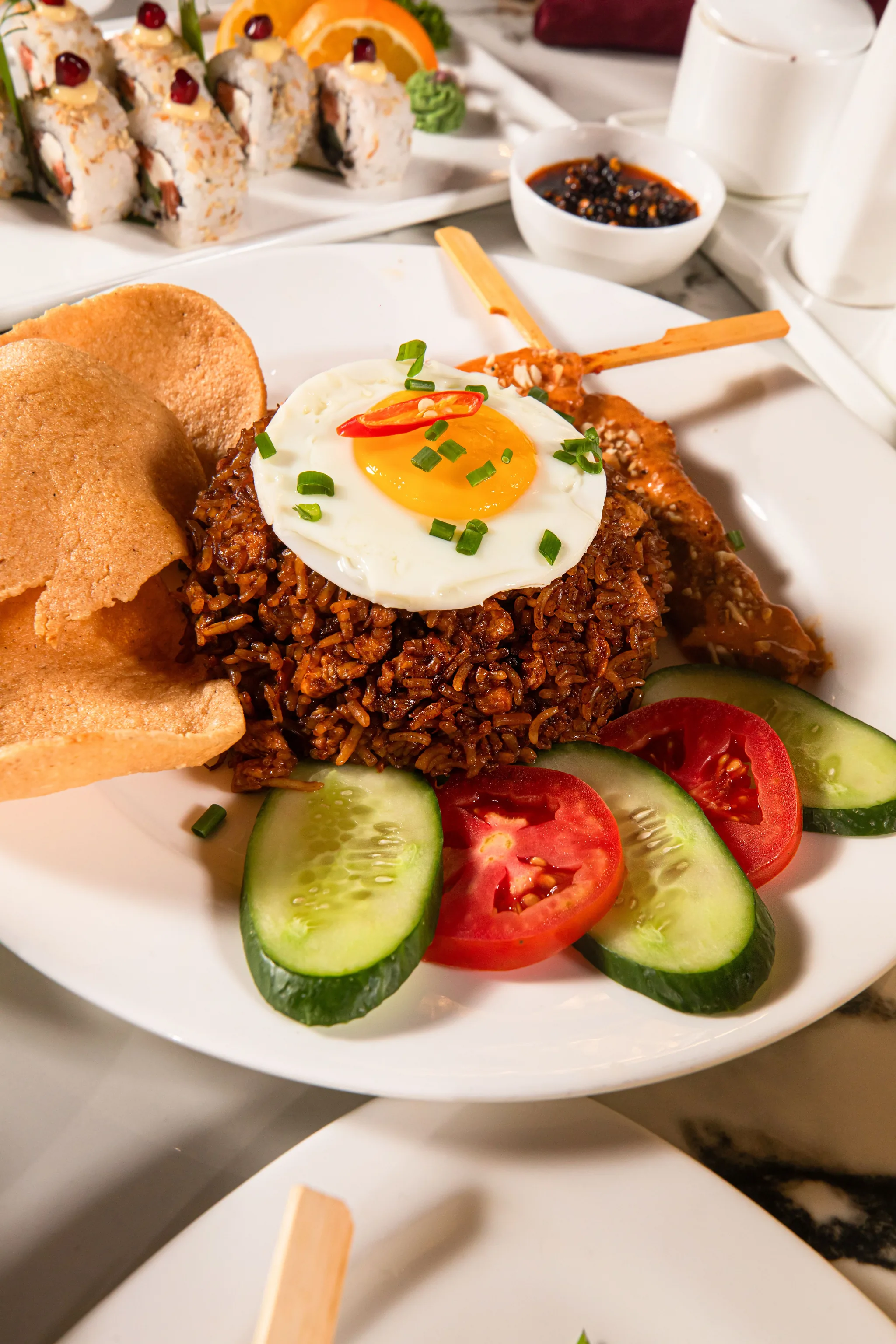
Nasi Goreng
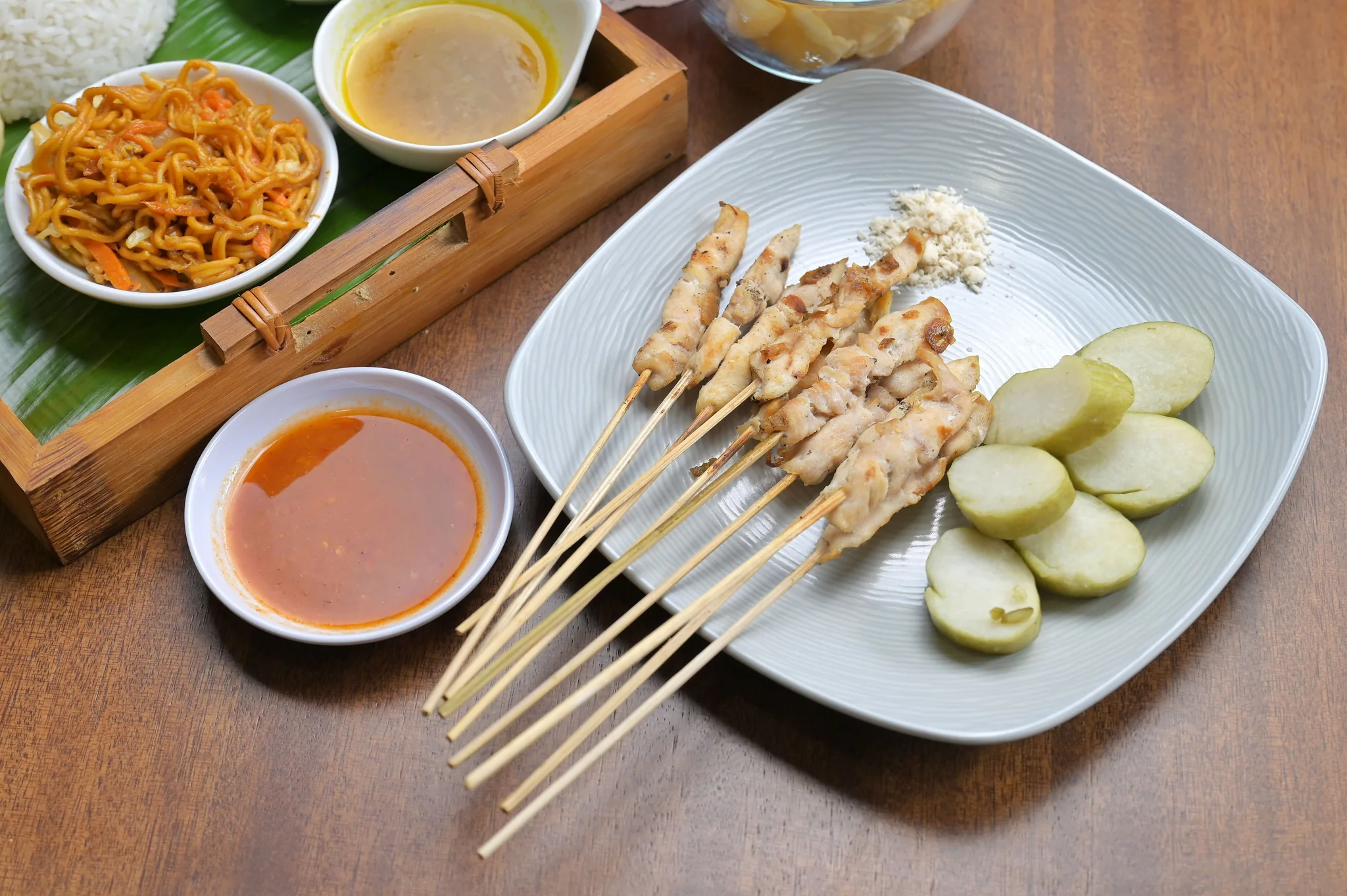
Sate (Satay)
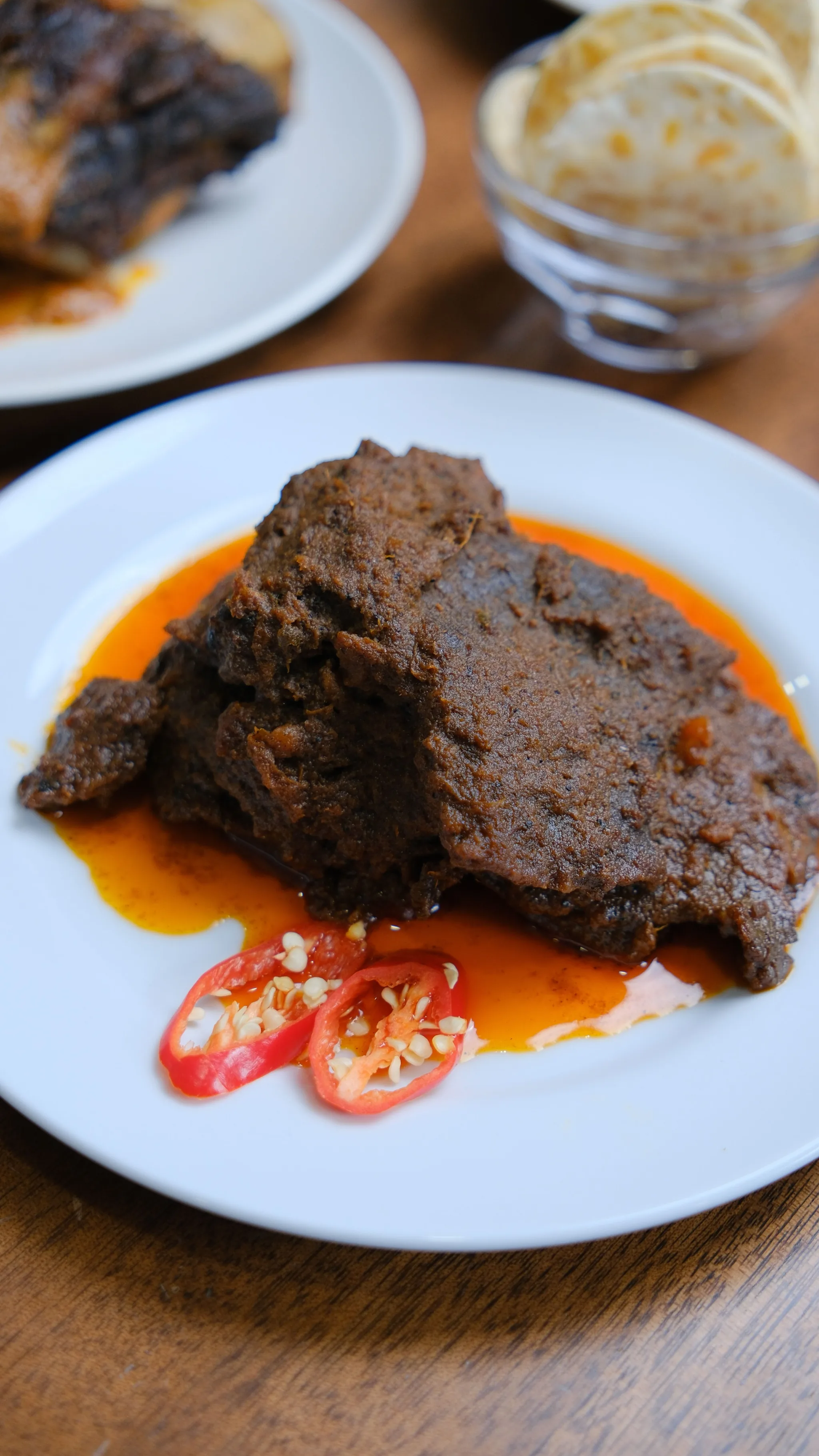
Rendang
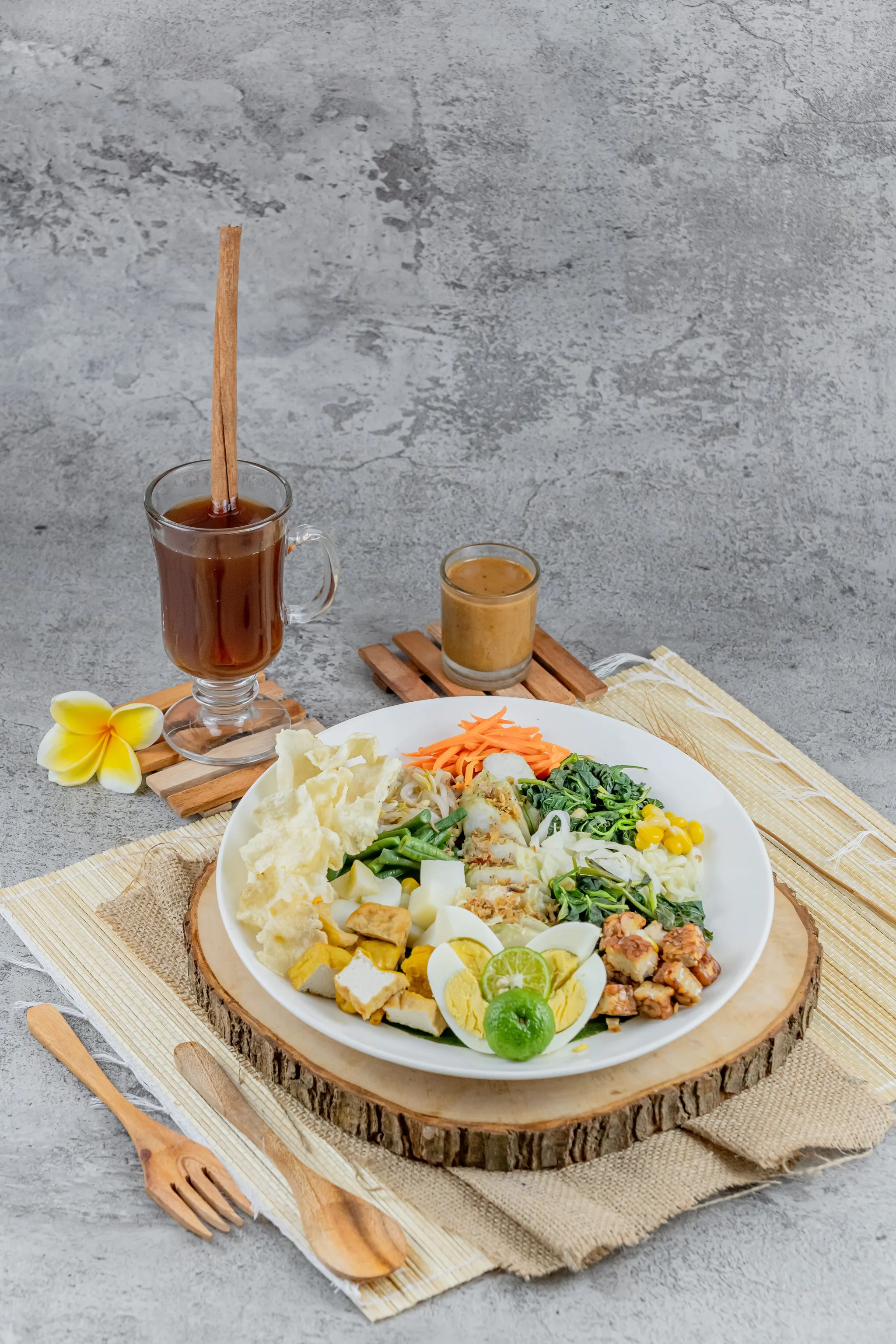
Gado-gado
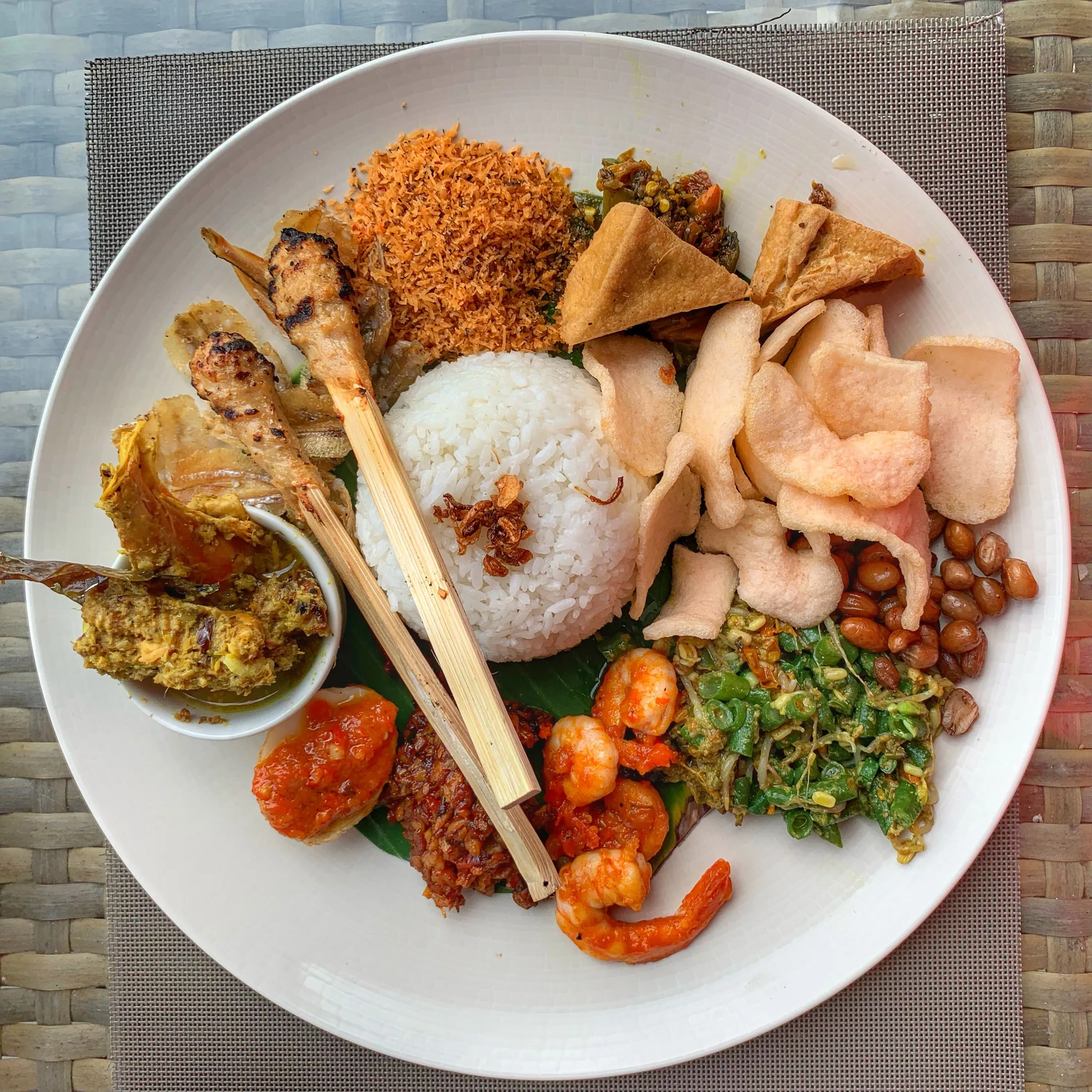
Nasi Campur
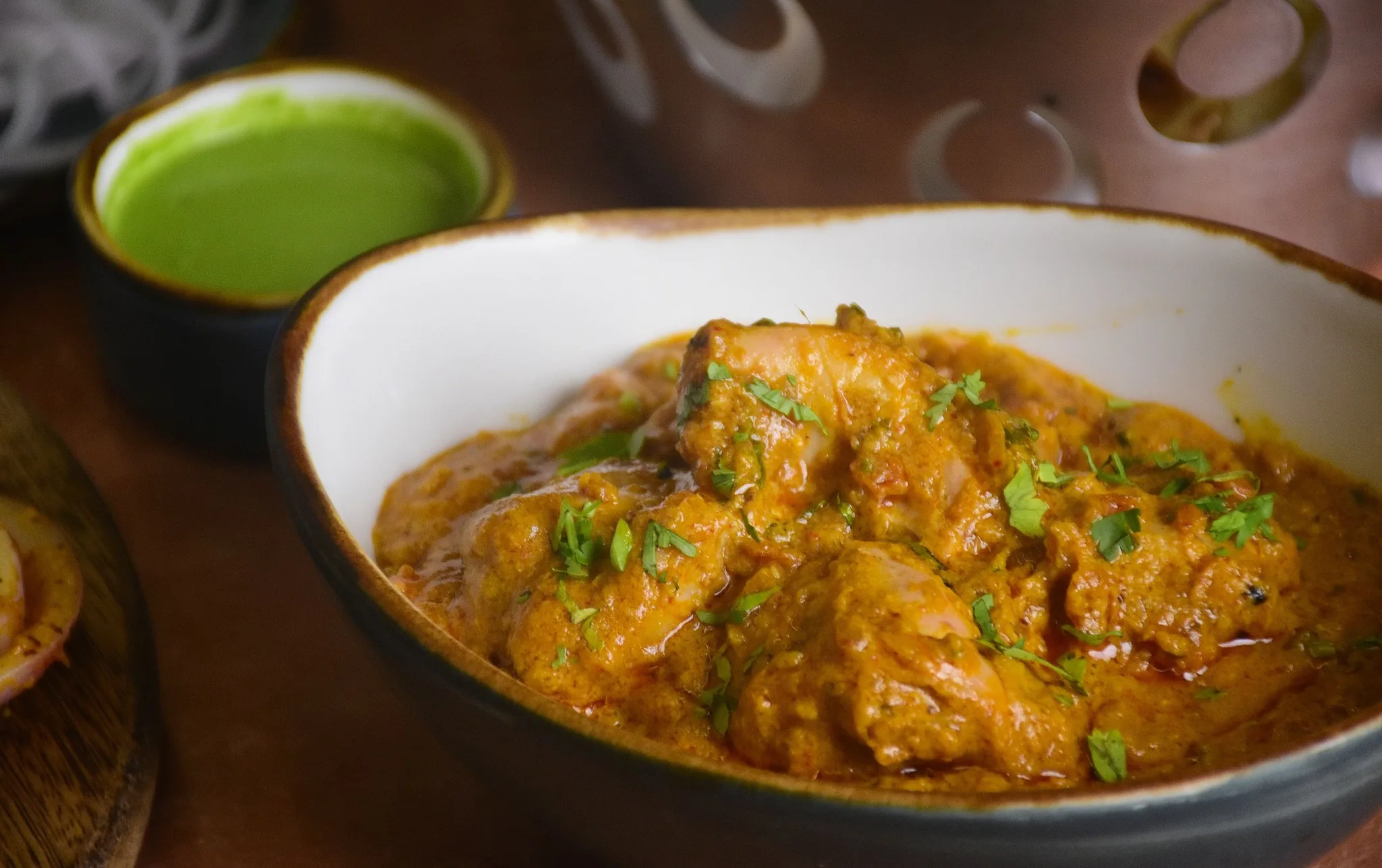
Soto Ayam
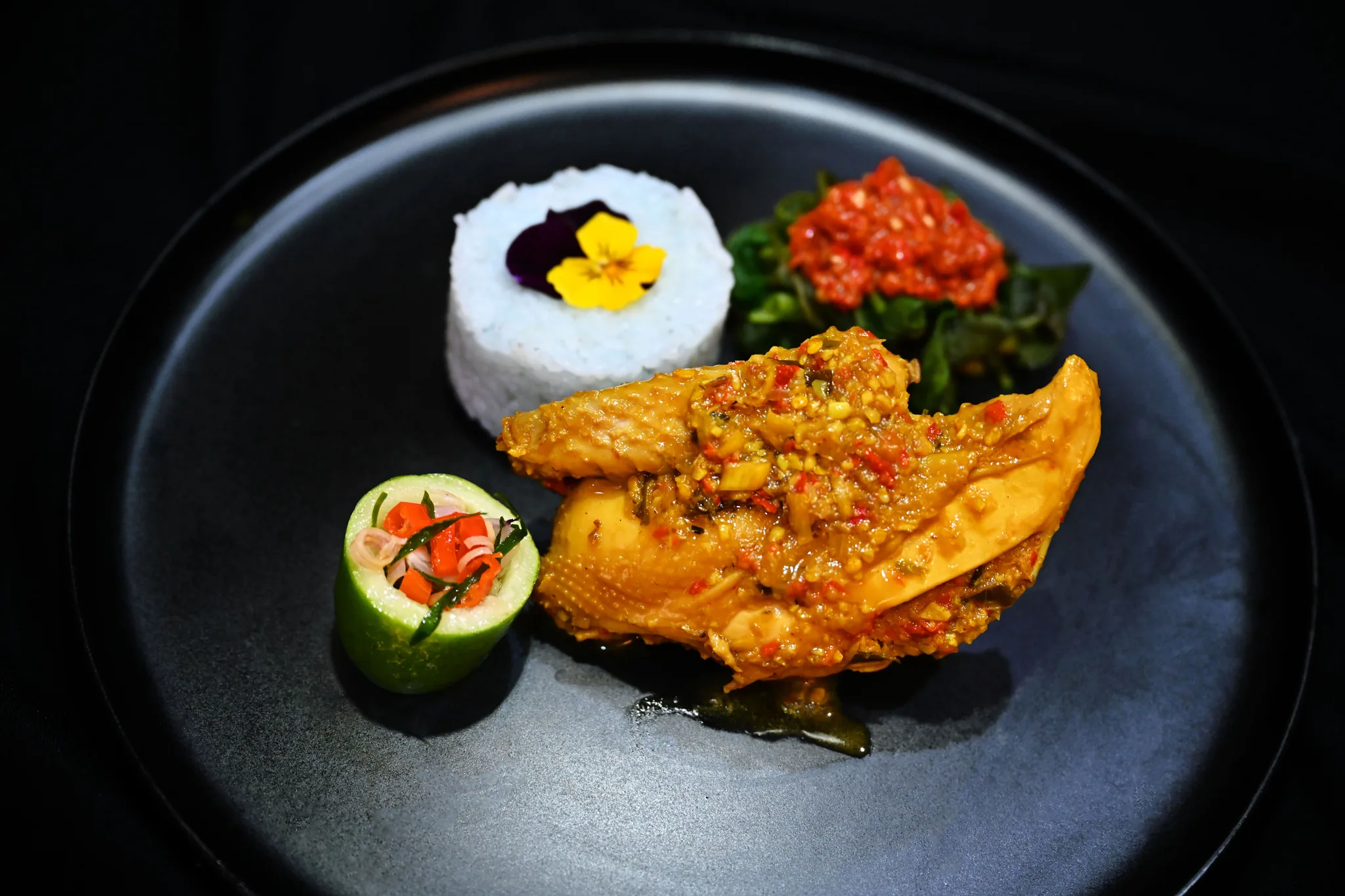
Bebek Betutu
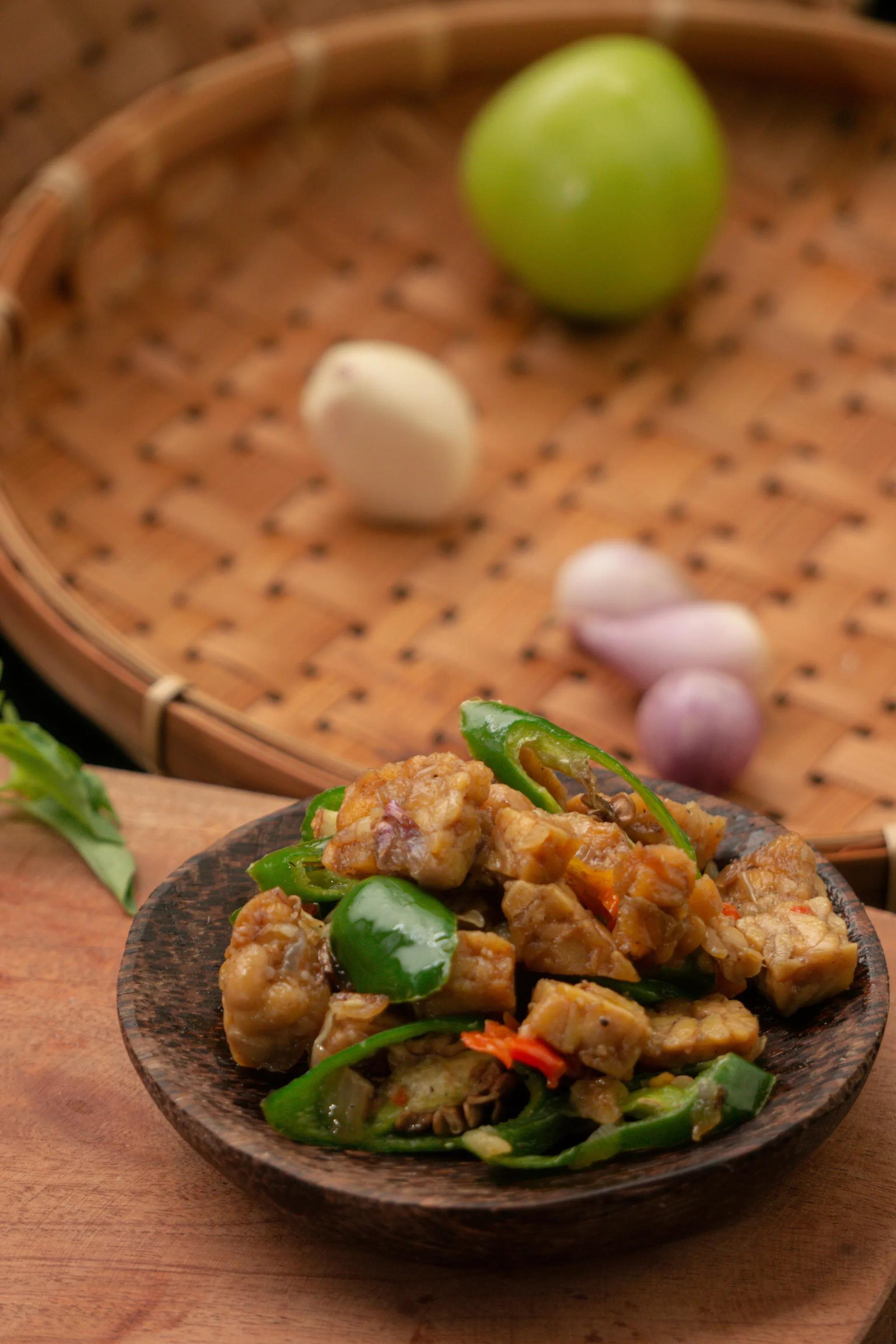
Tempeh & Tahu
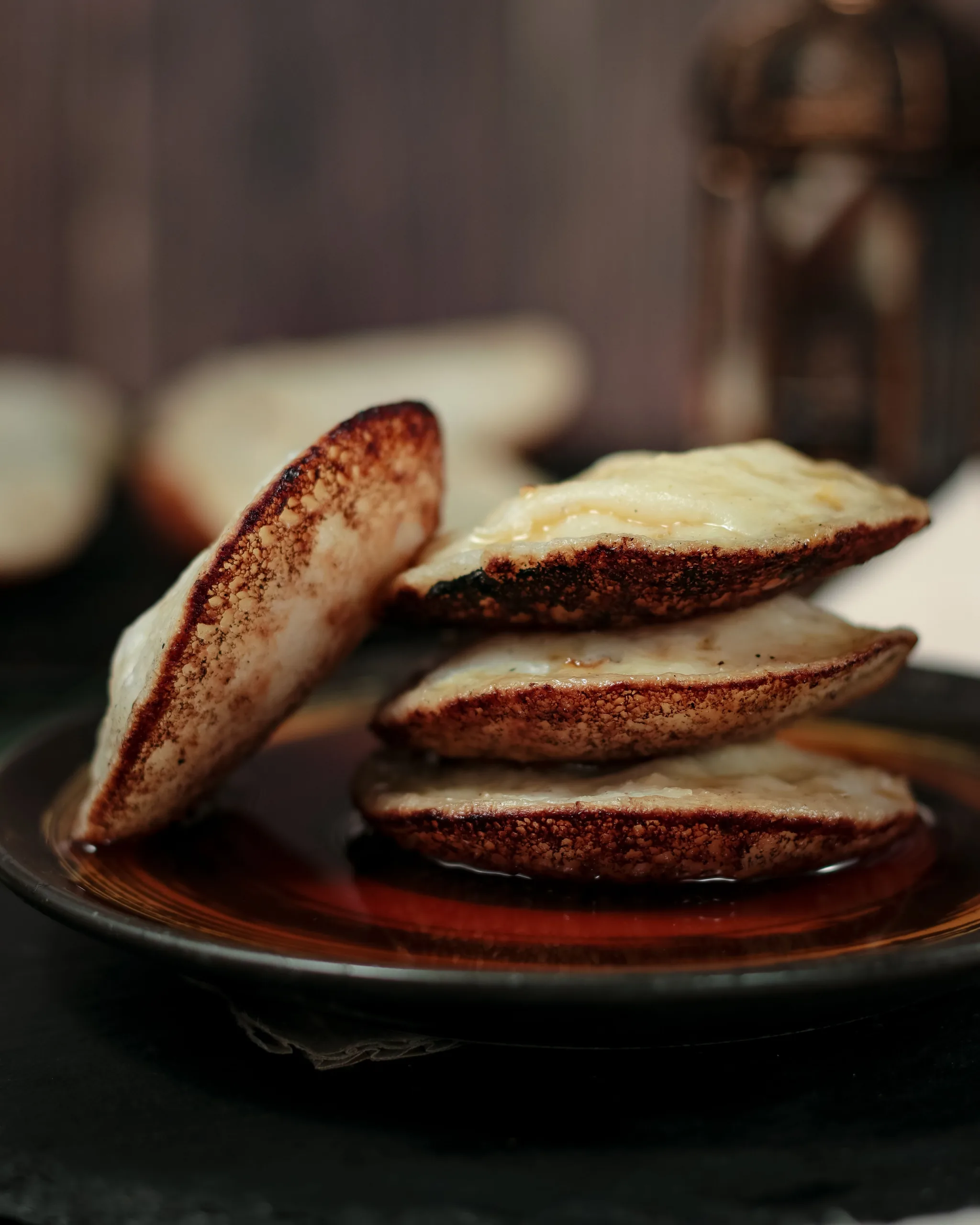
Martabak
Dining Etiquette
- • Vegetarian and vegan options are widely available, especially in Ubud, Canggu and Seminyak. Say "tanpa daging" (without meat).
- • Indian restaurants operate in Bali's main tourist areas and Jakarta for familiar flavours ⚠️.
- • Ask for "tidak pedas" (not spicy) if you prefer milder food. Sambal chilli sauce can be very hot.
- • Small local eateries (warungs) offer the best value and authentic taste.
- • Street food is popular, so choose busy stalls with freshly cooked food.
- • Wash your hands before eating, as much of the food is eaten by hand in some regions.
- • Drink only bottled or filtered water and avoid ice from unknown sources.
Signature Drinks
Shop & Bring Home
Shopping in Indonesia is a chance to bring home genuine, handmade craftsmanship. Java is known for batik textiles, Bali for silver jewellery, woodcarvings and paintings, and markets across the islands sell spices, coffee, sarongs and wellness products at friendly prices. Bargaining is expected at traditional markets and roadside stalls, while malls and boutiques have fixed prices. Look for authentic pieces from craft villages and avoid anything made from protected wildlife, coral or turtle shell, which is illegal to buy or export.
Batik & Textiles
IDR 100,000 – 1,500,000+
Batik shirts, sarongs, ikat fabrics, scarves
Woodcarvings & Crafts
IDR 50,000 – 2,000,000+
Masks, statues, bowls, baskets, decor
Silver Jewellery
IDR 150,000 – 5,000,000
Handmade silver from Celuk, pendants, rings
Art & Paintings
IDR 200,000 – 5,000,000+
Traditional and contemporary paintings from Ubud
Coffee, Tea & Spices
IDR 30,000 – 300,000
Bali coffee, cocoa, spice mixes, vanilla
Wellness Products
IDR 30,000 – 500,000
Essential oils, soaps, spa products, herbal balms
Beachwear & Surf
IDR 100,000 – 1,000,000
Swimwear, sarongs, board shorts, sandals
Souvenirs
IDR 20,000 – 300,000
Magnets, keychains, wind chimes, wooden items
Where to Shop
Traveler Insights
Capital
Jakarta (Nusantara under development) ⚠️
Population
~280 million
Area Sq Km
~1,904,000
Islands
17,000+
Provinces
38 ⚠️
Official Language
Bahasa Indonesia
Local Languages
700+
Currency
Indonesian Rupiah (IDR)
Calling Code
+62
Highest Peak
Puncak Jaya, 4,884 m
Active Volcanoes
~120+ ⚠️
Unesco Sites
10 ⚠️