Kazakhstan
factsheet
Vast steppes meet ultra-modern cities, where ancient Silk Road heritage converges with cutting-edge innovation and boundless natural beauty.
Book your dream Kazakhstan trip! Enjoy visa-free, stunning alpine lakes, and custom tour packages. Expertly designed by Bayard Vacations for Indian families.
The Essentials
Best Time
May - Sep
Currency
KZT (₸)
Climate
Continental, Varied
Time Zone
UTC+6/+7
Language
Kazakh, Russian
Visa
E-Visa / Visa on Arrival
Capital
Astana (Nur-Sultan)
Population
19.4M
Calling Code
+7
Power Plug
Type C & F (220V)
Tipping
Not customary but appreciated (5-10% optional)
Emergency
112 (Police), 101 (Ambulance)
History & Heritage
Kazakhstan spans centuries of nomadic glory, Silk Road prominence, Russian imperial conquest, Soviet dominance, and modern independence. Discovering the best time to visit Kazakhstan typically the pleasant spring or autumn months allows you to fully appreciate how this powerhouse stands as Central Asia’s economic and political leader, balancing tradition with rapid modernization
Ancient Nomadic Era (8th Century BC – 13th Century AD)
Scythian, Saka, and later Turkic tribes dominated the steppes as fearless horse-warriors and traders. The region became a crucial crossroads of the Great Silk Road, connecting East and West through cities like Samarkand and Bukhara.
Mongol Conquest & Silk Road Peak (13th–15th Centuries)
Genghis Khan's Mongol Empire unified the region under one rule. Kazakhstan flourished as a major Silk Road hub, with thriving trade cities and cultural exchange. The Golden Horde controlled the steppes.
Kazakh Khanate (15th–18th Centuries)
The Kazakh Khanate emerged as an independent power, with three major hordes (zhuzes). Nomadic pastoralism dominated; khans ruled with traditional authority. The culture, language, and traditions solidified during this era.
Russian Imperial Conquest (1730s–1920)
Russia gradually annexed Kazakhstan through military campaigns and treaties. By 1920, the entire region fell under Russian control. The Semirechye region and southern cities were subdued last. Cultural suppression began but trade developed.
Soviet Era (1920–1991)
Kazakhstan became the Kazakh Soviet Socialist Republic. Forced collectivization, industrial development, and nuclear testing devastated the population. However, World War II and Cold War investments built infrastructure and education. The Virgin Lands campaign transformed agriculture.
Independence & Modernization (1991–Present)
On December 16, 1991, Kazakhstan declared independence. Under President Nursultan Nazarbayev, the nation diversified its economy, leveraged oil wealth, and built ultra-modern cities like Astana. Today, Kazakhstan is Central Asia's economic powerhouse.
Climate & Weather
Kazakhstan experiences extreme continental climate with vast regional variations. Northern steppes are cold and dry; southern regions warmer; mountain areas have distinct alpine zones. Summer heat contrasts sharply with winter cold.
Time Zone
UTC+6 (West Kazakhstan) & UTC+7 (East Kazakhstan)
1.5–2.5 hours behind IST (India Standard Time)
Best Months
May, June, September, October (Spring & Autumn)
Spring (Көктем)
Mar – May
5–20°C
Nauryz festival (March 20-22) marks traditional New Year with celebrations; wildflowers bloom; unpredictable weather; mud roads in rural areas.
Summer (Жаз)
Jun – Aug
20–35°C (hot, dry)
Very hot in southern regions; Caspian beaches popular; endless daylight; perfect for steppe exploration and mountain hiking; low rainfall.
Autumn (Күз)
Sep – Oct
10–22°C
Golden landscapes; crisp, clear weather; ideal for sightseeing; milder temperatures; fewer tourists; beautiful light for photography.
Winter (Қыс)
Nov – Feb
-10–0°C (north), 0–10°C (south)
Harsh in north; heavy snow; skiing opportunities; frozen lakes; budget-friendly; challenging travel in remote areas; fewer tourists.
Seasonal Packing List
Language Guide
Official Language
Kazakh (Қазақ тілі) & Russian (Русский)
Kazakh is the state language; Russian widely spoken by all generations. English growing among youth in major cities. Kazakh belongs to Turkic language family with 12+ million speakers globally.
Local Signage
Useful Phrases
Hello
SAY-lem
Сәлем (Selem)
Thank you
RAH-met
Рахмет (Rahmet)
Goodbye
sow baw-LIN-yz
Сау болыңыз (Sau bolıñız)
Yes / No
ee-yuh / ZHOAK
Иә / Жоқ (Iye / Joq)
Please
uh-TIN-eh-min
Өтінемін (Ötinemin)
Excuse me
keh-SHIR-in-giz
Кешіріңіз (Keshiringiz)
How much?
bool NAY-shuh TU-gin
Бұл неше түгін? (Bul neshe tugin?)
Where is...?
KAY-dah
...қайда? (...Kayda?)
Also Commonly Spoken
Russian
Spoken fluently by all generations; widely understood and used in business, education, and daily life. Russian signage common in major cities.
English
Growing among youth in Astana and Almaty; less common in rural areas. Hotel and tourism staff speak English in major cities.
Kazakh
State language; increasingly taught to younger generations. Respect for Kazakh culture appreciated; attempts to speak it welcomed.
Currency & Money
Official Currency
Kazakhstani Tenge
₸ (KZT) — ₸100 ≈ ₹15–20
Banknotes
₸1,000, ₸2,000, ₸5,000, ₸10,000, ₸20,000, ₸50,000
Coins
₸1, ₸5, ₸10, ₸20, ₸50, ₸100
Cash & ATMs
ATMs abundant in major cities; accept international Visa/Mastercard. Cash essential for bazaars, taxis, and rural areas. Bank charges minimal (1–2%).
Credit & Debit Cards
Widely accepted in Astana and Almaty; increasingly accepted in regional cities. Rural areas and small shops prefer cash. Contactless payments growing.
Mobile Payments
Kaspi.kz QR code payments becoming popular in cities. International mobile payment apps work in major urban areas.
Daily Budget Estimates
Budget Traveler
₸20,000–35,000 (~USD$40–70)
Mid-Range Traveler
₸50,000–80,000 (~USD$100–160)
Luxury Traveler
₸120,000+
Visa & Entry
Option 1 (e-Visa): Visit official e-Visa portal (evisa.mid.gov.kz), fill application, upload documents, pay fee. Approval within 1–5 days via email.
Option 2 (Visa on Arrival): Arrive at airport immigration counter with required documents. Officer issues visa immediately (1–2 hours).
Present e-Visa approval (printed or digital) or collect visa stamp at immigration.
Proceed through immigration clearance.
Registration
Hotels typically handle registration automatically. Provide copy of passport and hotel booking.
Stays exceeding 15 days require registration at local Migration Police office.
Penalty: Failure to register can result in fines (₸10,000–50,000) or deportation.
Visa Extension
Contact Migration Police or authorized visa agents 5–7 days before expiration. Requires valid reason.
Cost: Extension fees typically ₸15,000–25,000 depending on extension duration.
Requirements
- • Valid Indian passport with at least 6 months validity beyond intended stay.
- • Recent passport-size photograph (digital for e-Visa; physical for on-arrival).
- • Return or onward flight ticket.
- • Proof of accommodation (hotel booking or invitation letter).
- • Proof of sufficient funds (bank statements or credit cards).
- • Completed application form (provided online or at airport).
- • Travel insurance recommended (not mandatory).
Getting There & Around
Intercity Travel
Long-Distance Trains
Comfortable, affordable train network connecting Astana, Almaty, Karaganda, Aktau. Sleeper cars available. Book in advance. ₸5,000–25,000 depending on distance and class.
Intercity Buses
Budget option; less comfortable than trains but cheaper. Modern buses with air-conditioning. ₸3,000–15,000.
Domestic Flights
Air Astana, SCAT Airlines connect major cities. Affordable and time-saving for long distances. ₸20,000–50,000.
Private Drivers / Car Rental
Best for exploring remote areas (mountains, steppes). Hotels can arrange drivers. ₸50,000–100,000+ per day.
Getting Around
Astana Metro (Subway)
Modern, clean metro system (2 lines operational, more planned). Affordable (₸100 per journey). Runs 6 AM–midnight. Not all areas covered yet.
Buses & Minibuses (Marshrutka)
Extensive network covering entire cities. Affordable (₸100–200 per journey). Can be crowded; routes not always clear for visitors.
Taxis & Ride-Hailing
Yandex Taxi, Uber available in Astana and Almaty. Metered taxis also common. ₸2,000–8,000 for typical city journeys.
Walking & Biking
Astana very walkable with wide boulevards. Bike rental available; growing cycling infrastructure.
Culture & Local Life
Nomadic Spirit Meets Modern Ambition
Kazakhs blend ancient nomadic traditions with progressive modernity. The culture honors family, respects elders, and values hospitality while embracing technology and global trends. Islam coexists with Soviet-era secularism in a unique synthesis.
Nauryz Festival (March 20-22)
Ancient spring festival marking Kazakh New Year. Families gather, wear traditional clothes, and celebrate with horse races, wrestling, and 'Nauryz kozhе' (nine-ingredient ceremonial porridge).
Eagle Hunting (Berkutchi)
Ancient nomadic tradition unique to Kazakhstan and Kyrgyzstan. Hunters train golden eagles for hunting wild animals. Demonstrated at festivals; deeply spiritual practice.
Hospitality Ritual (Dastarkhan)
Elaborate meal spread honoring guests. Tea served first, then bread, sweets, and main courses. Lingering over meals and conversation is valued.
Horseback Culture
Horses central to Kazakh identity. Traditional sports like kokpar (horseback rugby with animal carcass) and barymayskhan (wrestling on horseback) celebrated.
Gifting Etiquette
Avoid knives (cutting relationships), clocks (death symbolism), or empty wallets. Gifts presented with both hands. Odd numbers preferred.
Business Etiquette
Punctuality increasingly valued in Astana. Formal handshakes. Business cards exchanged. Tea served at meetings. Building personal relationships before business important.
Dining Etiquette
Wait for host or eldest to begin. Bread placed on table, never upside down. Accept offered tea and sweets. Compliment the food generously. Finishing meals shows appreciation.
Food & Drink
Kazakhstani cuisine reflects nomadic pastoral heritage—meat-heavy with minimal vegetables (though this is changing). Traditional dishes like beshbarmak and kumiss showcase hospitality and ancestral traditions. Meals are communal celebrations.
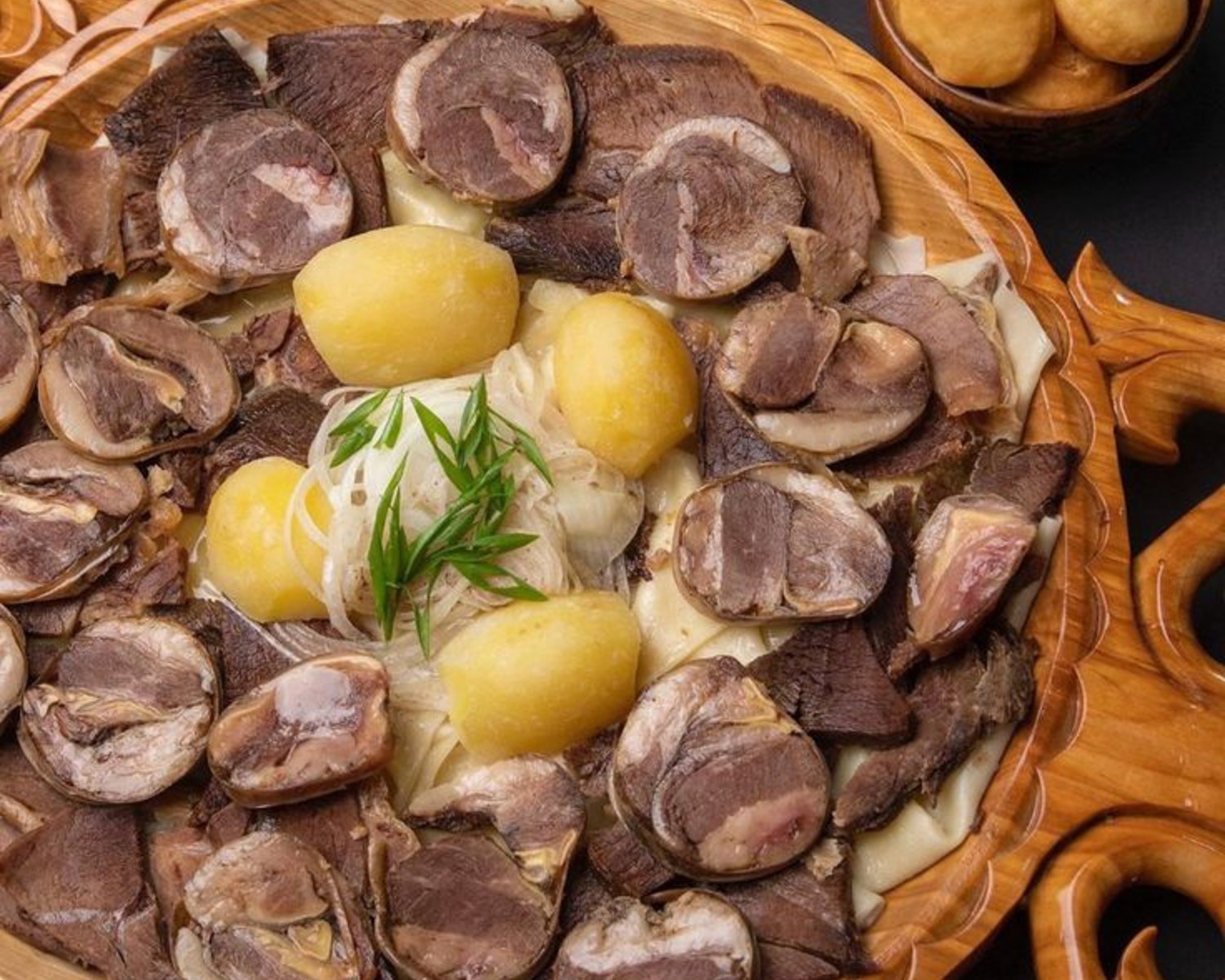
Beshbarmak
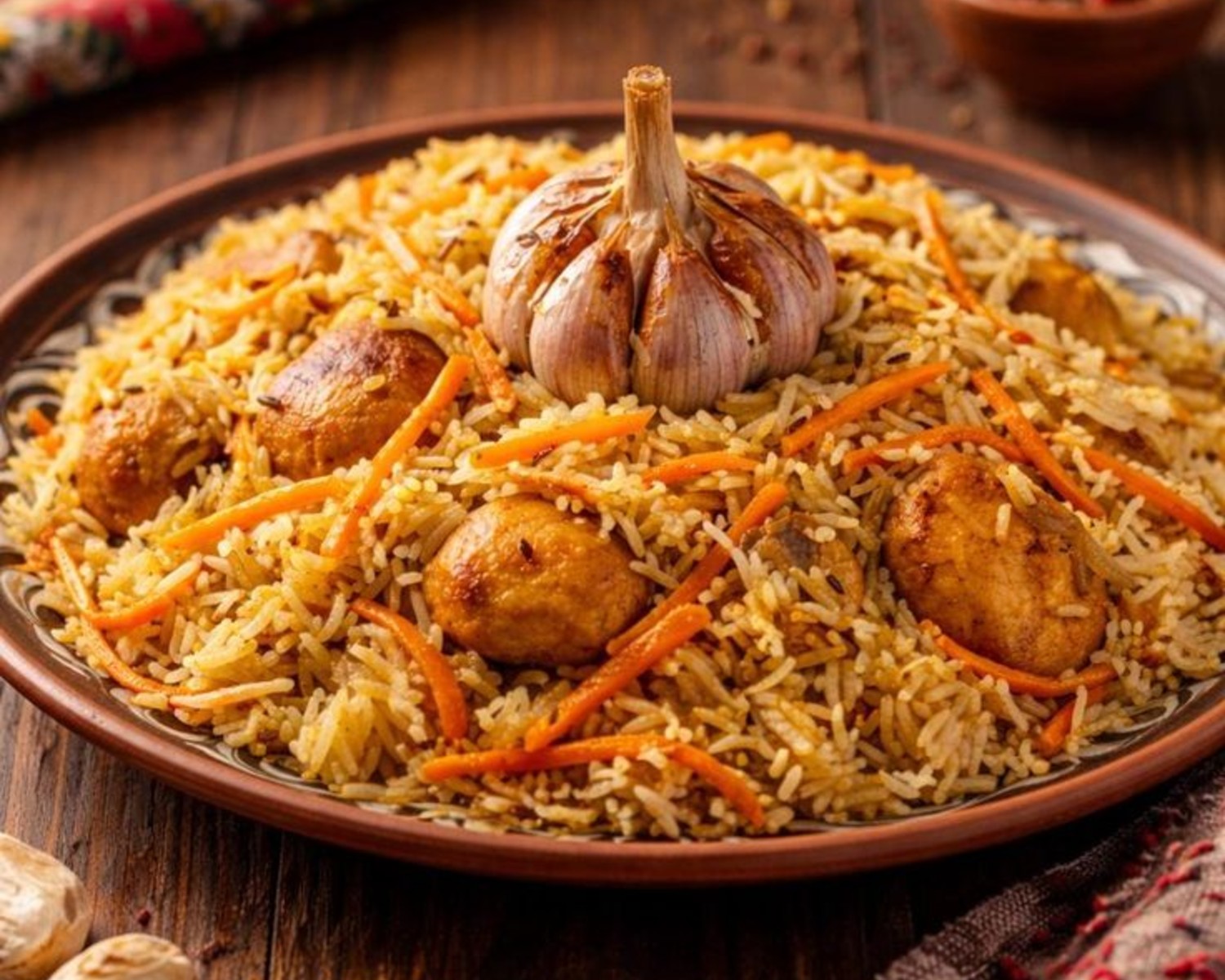
Plov (Pilaf)
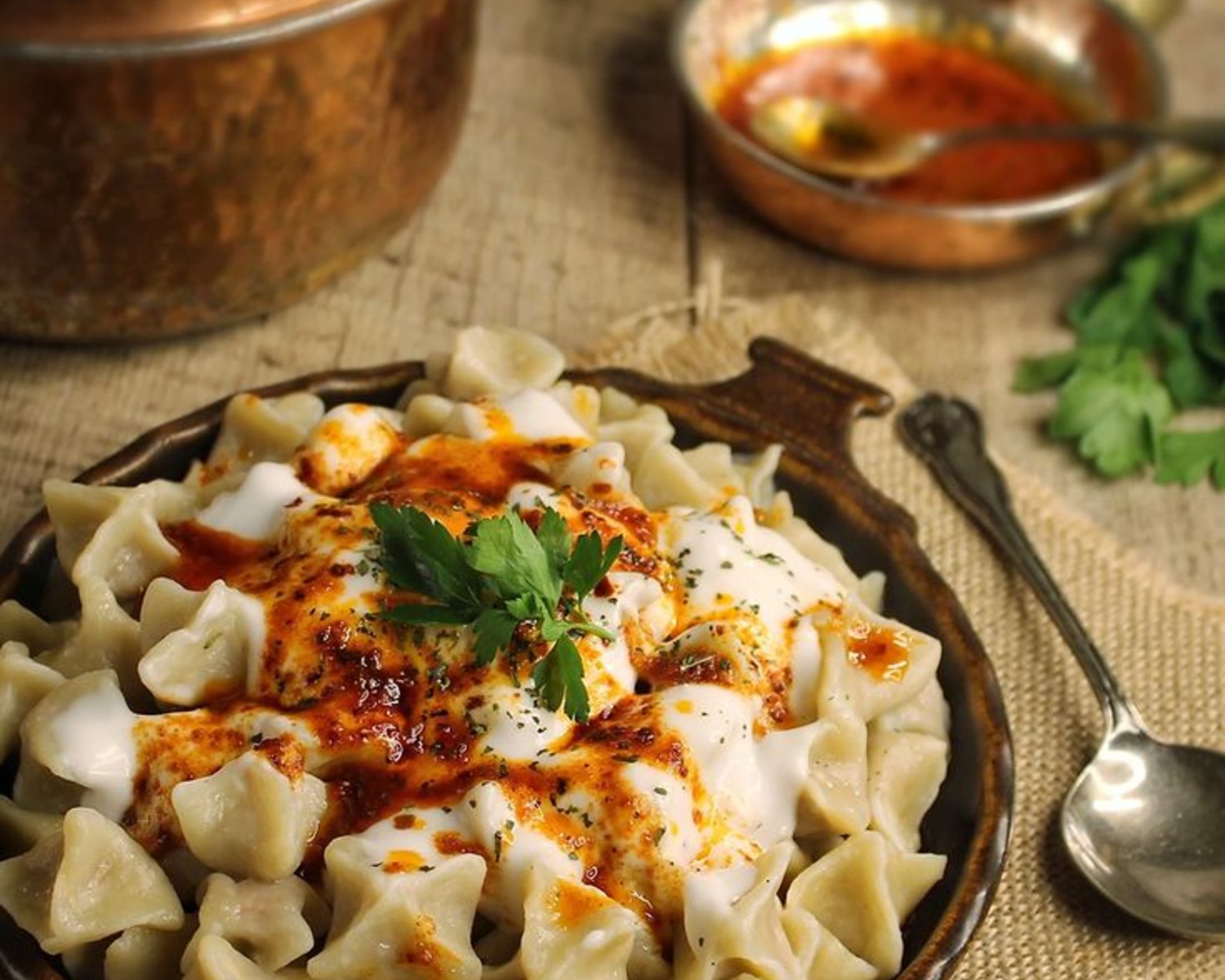
Manti
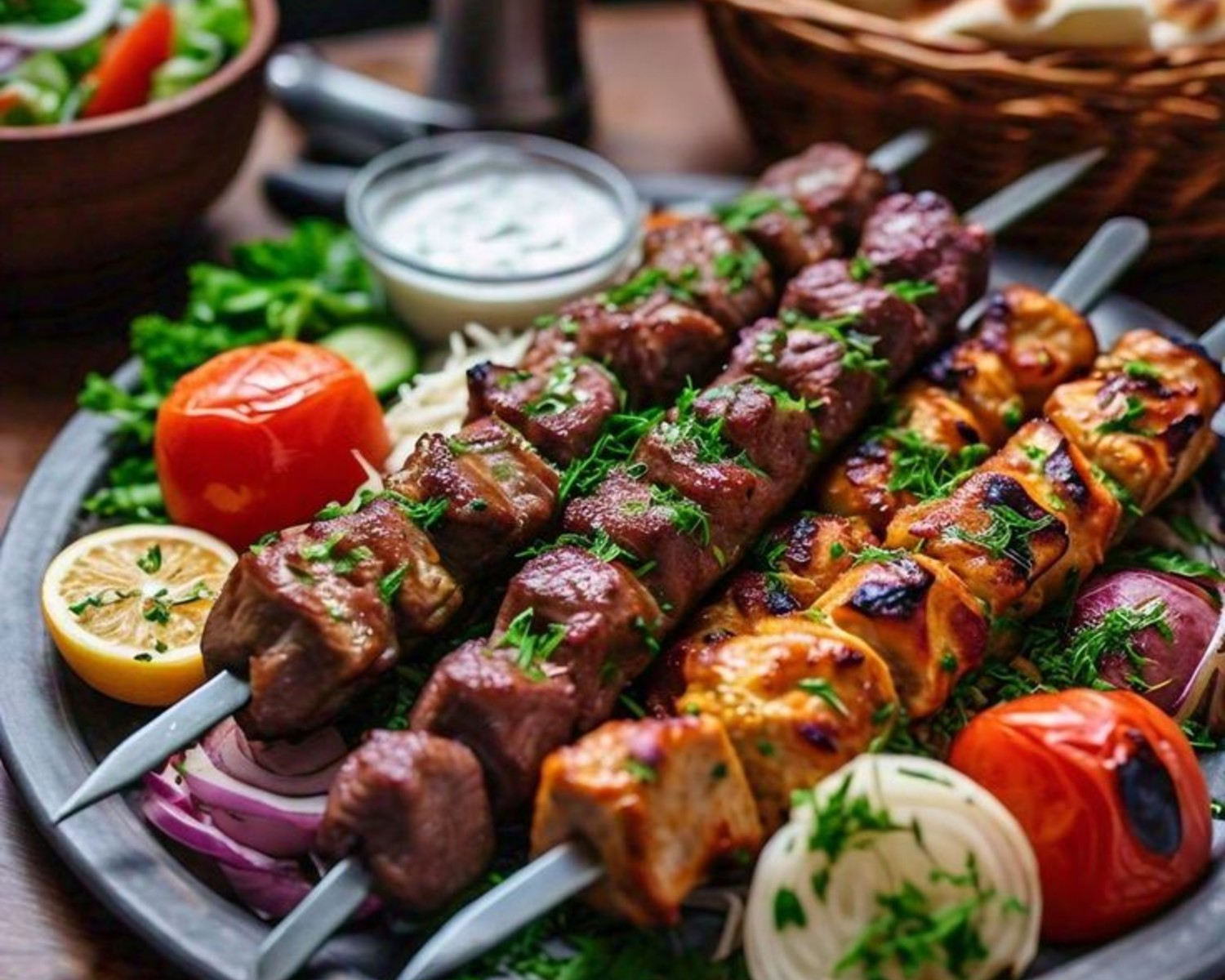
Shashlik (Kebab)
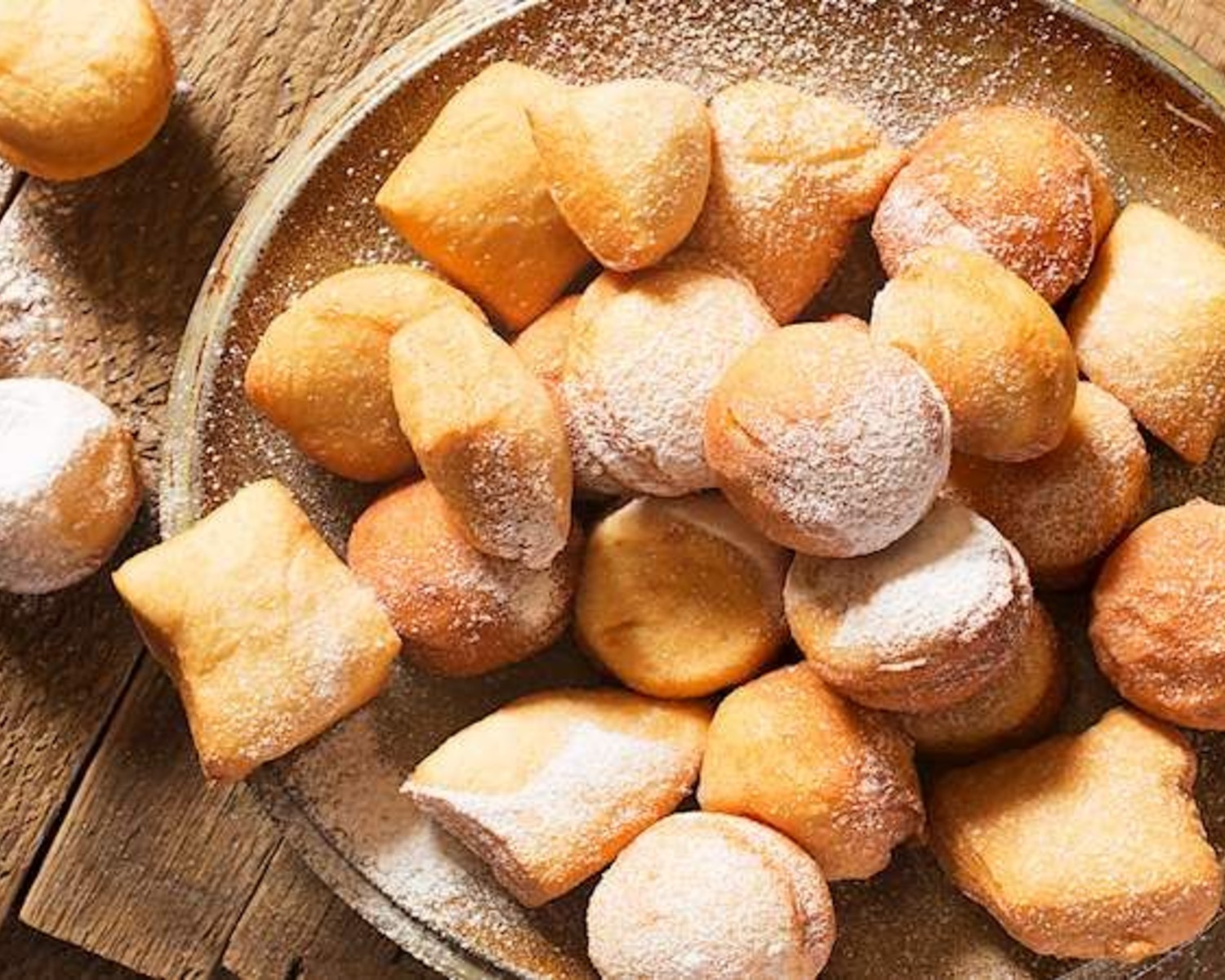
Bauyrsak
Nauryz Kozhе
Dining Etiquette
- • Meals are communal affairs; sharing is central. Elders served first.
- • Bread sacred; never waste or place upside down.
- • Accept all food offered; refusing is insulting to host.
- • Tea served first; drink at least one cup as courtesy.
- • Tipping not customary but 5–10% appreciated for good service.
- • Restaurants often small and family-run; hours flexible.
- • Meat-heavy cuisine dominates; vegetarian options limited.
Signature Drinks
Shop & Bring Home
Kazakhstan offers unique shopping experiences blending ancient bazaar traditions with cutting-edge modern malls. From traditional crafts and Silk Road artifacts to contemporary brands, the country's shopping reflects its cultural duality.
Traditional Crafts & Textiles
₸5,000–200,000+
- Kazakh Carpets & Kilims
- Felt Products (Shyrdaks)
- Leather Goods
- Traditional Clothing (Tobe, Cherkesska)
Authentic crafts from bazaars; modern shops often overpriced.
Souvenirs & Artifacts
₸2,000–50,000
- Eagle Hunting Reproductions
- Nomadic Artifacts
- Silk Road Ceramics
- Traditional Musical Instruments
Taraz and Turkestan have authentic historical pieces.
Food & Spices
₸1,000–20,000
- Dried Fruits & Nuts
- Kazakh Tea
- Spices
- Traditional Sweets (Bauyrsak)
Bazaars offer authentic products at fair prices.
Contemporary & Fashion
₸10,000–500,000+
- International Brands
- Russian Fashion
- Local Designer Goods
- Tech & Electronics
Astana and Almaty have world-class modern malls.