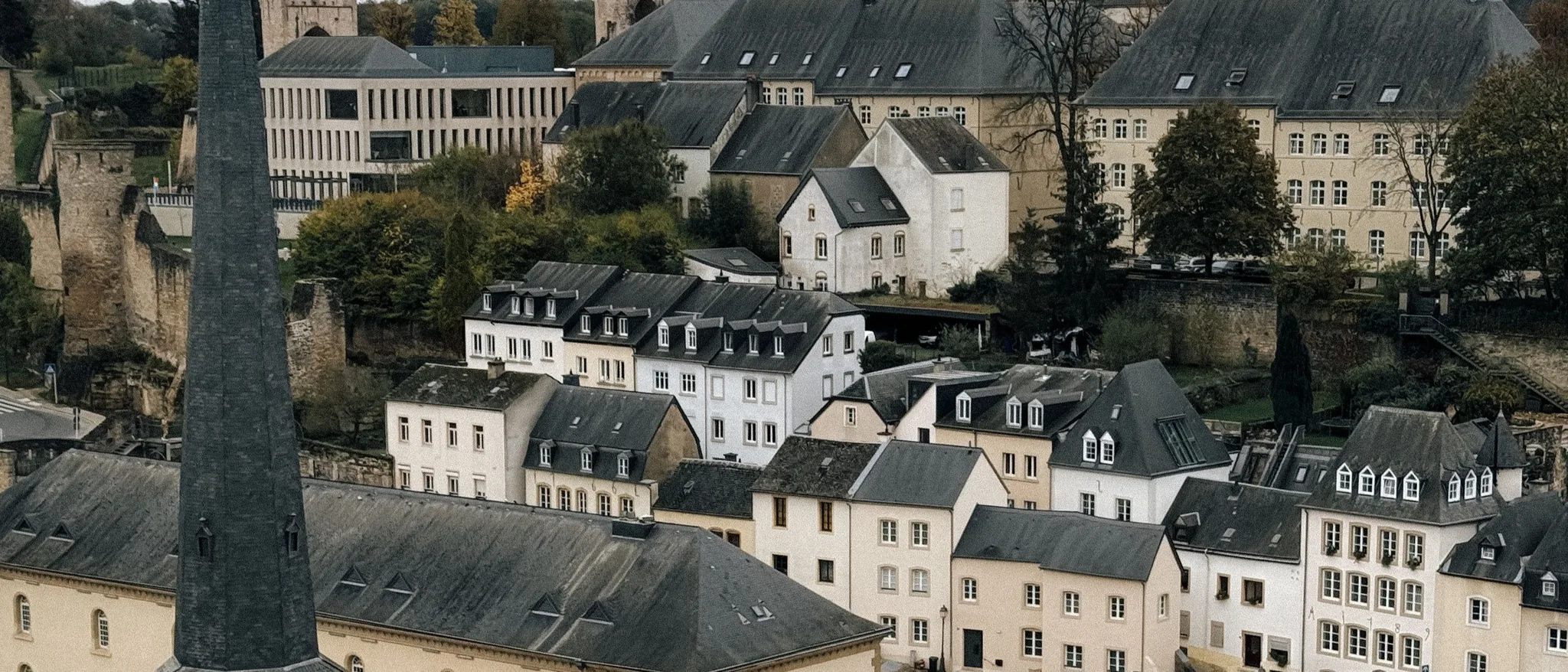
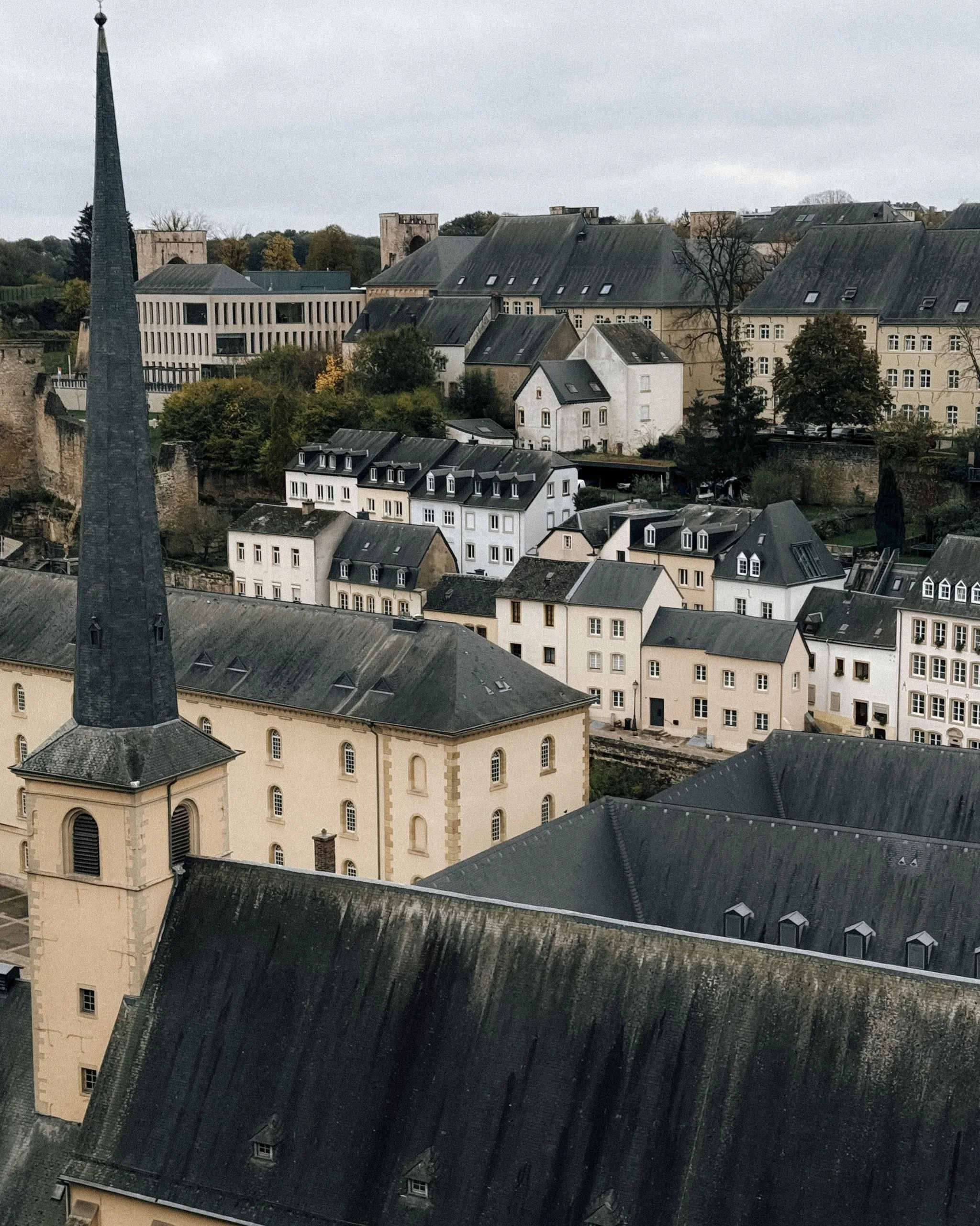
Luxembourg
factsheet
Fairytale castles, UNESCO-listed fortifications and free public transport in Europe's only Grand Duchy.
Planning a trip to Luxembourg? Get essential facts on Schengen visa requirements for Indians, best time to visit, climate, currency and expert planning tips.
The Essentials
Capital
Luxembourg City
Population
~670,000
Calling Code
+352
Power Plug
Type C & F (230V)
Tipping
Service included; rounding up 5–10% is appreciated
Emergency
112 (police 113)
Main Airport
Luxembourg Findel (LUX)
Public Transport
Free nationwide (2nd class) ⚠️
Schengen Stay
Up to 90 days in any 180 days
Best Time
May – Sep
Currency
Euro (€)
Climate
Temperate oceanic
Visa
Schengen Visa
Time Zone
UTC+1 / UTC+2 (summer)
Language
Luxembourgish, French, German
History & Heritage
Luxembourg's story begins with a single castle on a rocky outcrop in 963 and grows into one of Europe's most fascinating small nations. Its position between France and Germany made it a prized fortress for centuries, earning it the nickname "Gibraltar of the North". It became a Grand Duchy in 1815, secured independence and neutrality in 1867, and endured two world wars before becoming a founding member of NATO and the European Union's earliest institutions. It is also the birthplace of the Schengen Agreement, which created Europe's border-free travel area.
Founding of Luxembourg (963)
Count Siegfried acquired a small fortress on the Bock rock, the origin of Luxembourg City and the country's name.
Fortress Europe (15th – 18th c.)
Ruled by Burgundy, Spain, France and Austria in turn, Luxembourg became one of Europe's strongest fortresses, nicknamed the "Gibraltar of the North".
Grand Duchy Created (1815)
The Congress of Vienna raised Luxembourg to a Grand Duchy, initially linked to the Dutch crown.
Partition (1839)
The western, French-speaking part of the territory went to Belgium, leaving the country roughly at its present size.
Independence & Neutrality (1867)
The Treaty of London confirmed independence and neutrality, and the fortress was dismantled over the following years.
World Wars (1914 – 1945)
Luxembourg was occupied in both wars. American forces liberated most of the country in September 1944, and the Battle of the Bulge was fought nearby that winter.
Climate & Weather
Luxembourg has a temperate oceanic climate with mild summers, cool winters and rain spread through the year. Weather can change quickly, so layers are useful in every season. The Ardennes in the north is hillier and a little wetter and colder than the south.
Time Zone
CET (UTC+1), CEST (UTC+2) during summer time (late March to late October)
4 hours 30 minutes behind IST in winter; 3 hours 30 minutes behind IST in summer
Best Months
May, June, July, August & September
Spring
Mar – May
4–17°C
Blossoms, fresh greenery and gardens in bloom. Showers are common, and it warms up by May.
Summer
Jun – Aug
13–25°C
Long daylight, outdoor festivals and hiking. Occasional hot spells above 30°C and thunderstorms. Busiest season.
Autumn
Sep – Nov
5–18°C
Golden vineyards on the Moselle and forests in colour. Cooler and wetter from late October.
Winter
Dec – Feb
−2–5°C
Cold, grey days with occasional snow. Christmas markets and lights in Luxembourg City are the highlight.
Seasonal Packing List
Rain falls throughout the year with no true dry season, with slightly higher totals in autumn and winter. Carry a waterproof layer even in summer.
Language Guide
Official Language
Luxembourgish, French, German
Luxembourg is one of the few countries with three official languages. Luxembourgish is the national language, French is used for legal and administrative matters, and German is common in media and education. English is widely understood in hotels, restaurants, attractions and business settings, so visitors rarely have trouble. A greeting in Luxembourgish or French is always appreciated.
Local Signage
Useful Phrases
Hello
MOY-en
Moien
Thank you
mehr-SEE
Merci
Goodbye
EH-dee
Äddi
Yes / No
YOH / NAYN
Jo / Neen
Please
vahn ekh geh-LIFT
Wann ech gelift
Excuse me
ent-SHUH-legt
Entschëllegt
How much is it?
vay fill kasht daht
Wéi vill kascht dat?
Where is...?
voh ahss
Wou ass...?
Also Commonly Spoken
Currency & Money
Official Currency
Euro
€ (EUR) — €1 ≈ ₹100–110 ⚠️ (check the live rate)
Exchange rates change daily. Forex cards and bank transfers generally give better rates than airport counters. Avoid carrying large amounts of cash. Cards and contactless payments are accepted almost everywhere, including small cafés and shops. Carry a little cash for tips, markets and public toilets.
Banknotes
€5, 10, 20, 50, 100, 200
Coins
1, 2, 5, 10, 20, 50 cents; €1, €2
Credit / Debit Cards
Widely accepted, with Visa and Mastercard the most common. Inform your bank before travelling.
Contactless & Mobile Pay
Tap-to-pay, Apple Pay and Google Pay are common.
Forex / Travel Cards
Convenient for Indian travellers and often carry lower fees.
ATMs
Widely available. Choose to be charged in euros, not rupees, to avoid poor conversion rates.
Cash
Handy for small tips and occasional cash-only venues.
Daily Budget Estimates
Budget
€80 – 120
Mid-Range
€150 – 250
Luxury
€350+
Visa & Entry
Indian citizens need a Schengen visa to visit Luxembourg, and the application must go to the country of your main destination. The Embassy of Luxembourg in New Delhi handles applications, which are submitted at Luxembourg's Visa Application Centres run by VFS Global. The embassy recommends applying at least four weeks before travel, and six weeks during the March–June peak season. The adult visa fee is €90, with €45 for children aged 6–12 and free for those under 6.
Plan your itinerary and confirm Luxembourg is your main destination (or first entry if nights are equal).
Complete the Schengen application form and gather documents.
Book an appointment at the Luxembourg VFS centre through the official portal.
Attend the appointment in person for document submission and biometrics.
Pay the visa fee and VFS service charge.
Track your application online.
Collect your passport and check visa dates and validity before travelling.
Registration
Hotels handle guest registration at check-in. For private stays, confirm with your host whether any local declaration is needed. ⚠️
Handled by accommodation providers for short tourist stays.
Penalty: Overstaying a Schengen visa can lead to fines, deportation and future entry bans.
Visa Extension
Extensions are granted only in exceptional circumstances and must be requested from Luxembourg's immigration authorities before the visa expires. ⚠️
Cost: Fees vary; confirm with authorities.
Requirements
- • Passport valid for at least 3 months beyond departure (ideally 6 months) with blank pages ⚠️
- • Recent passport-size photographs
- • Completed Schengen visa application form
- • Flight reservation and hotel bookings
- • Travel insurance (minimum €30,000 coverage)
- • 3–6 months of bank statements and ITR
- • Cover letter and day-wise itinerary
Getting There & Around
Getting There
Luxembourg Findel Airport (LUX) is small, and most Indian travellers arrive with one stop via a European or Gulf hub. Many also fly into Frankfurt, Brussels or Paris and continue by train or road. No regular nonstop flights operate from India ⚠️.
Intercity Travel
🚆 Trains within Luxembourg
Regular trains connect Luxembourg City with Esch-sur-Alzette, Ettelbruck, Clervaux and Wasserbillig. Second class is free ⚠️.
🚄 Trains to Neighbours
Paris takes about 2h15, Brussels about 3 hours, Metz about 45 minutes and Trier under an hour ⚠️.
🚌 Long-distance Buses
FlixBus and regional buses link Luxembourg with Paris, Brussels, Frankfurt and other cities.
🚗 Car Rental
Useful for the Moselle valley, the Mullerthal region and the Ardennes. Border crossings are open.
Getting Around
🚌 Buses & Trams
Public transport across the country is free ⚠️. Luxembourg City's modern tram serves key areas such as Kirchberg and the station.
🚆 Trains
Frequent, clean and free in second class.
🛗 Panoramic Lifts & Funicular
Connect the Grund, Pfaffenthal and Kirchberg to the upper city.
🚲 Vël'oh Bikes
City bike-sharing with docking stations across Luxembourg City.
🚕 Taxis & Ride-hailing
Available but expensive, so public transport is usually easier.
🚶 On Foot
The old town is compact and best explored on foot.
Culture & Local Life
Luxembourg is a small country with a large, international personality. Nearly half its residents come from abroad, and most people speak three languages with ease, giving daily life a relaxed, multicultural feel. Traditions such as the Schueberfouer funfair, the Echternach dancing procession and Christmas markets sit comfortably alongside a modern, cosmopolitan capital. Politeness, punctuality and respect for quiet are valued, and locals take pride in their motto of remaining what they are.
National Day (23 June)
Celebrates the Grand Duke's official birthday with a torchlit procession, fireworks and concerts.
Schueberfouer (late Aug – Sep)
A traditional funfair in Luxembourg City with roots in the 14th century, famous for its rides, food and festive atmosphere.
Emaischen (Easter Monday)
A pottery fair in Luxembourg City where locals buy the traditional bird-shaped whistle called the Péckvillercher.
Echternach Dancing Procession (Whit Tuesday)
A unique religious procession with dancing, recognised by UNESCO.
Buergbrennen (first Sunday of Lent)
Villages light large bonfires to mark the end of winter.
Christmas Markets (late Nov – Dec)
Winterlights markets in Luxembourg City with mulled wine, lights and local crafts.
Food & Drink
Luxembourg's cuisine blends French finesse with hearty German-style comfort food, built around pork, potatoes, beans, river fish and dairy. National dishes include smoked pork with broad beans, green bean soup and crispy potato fritters, followed by plum tart in autumn. The Moselle valley produces crisp white wines and a respected sparkling Crémant, and the capital has a strong café and fine-dining scene. Vegetarian options and international cuisines, including Indian, are easy to find in the city.
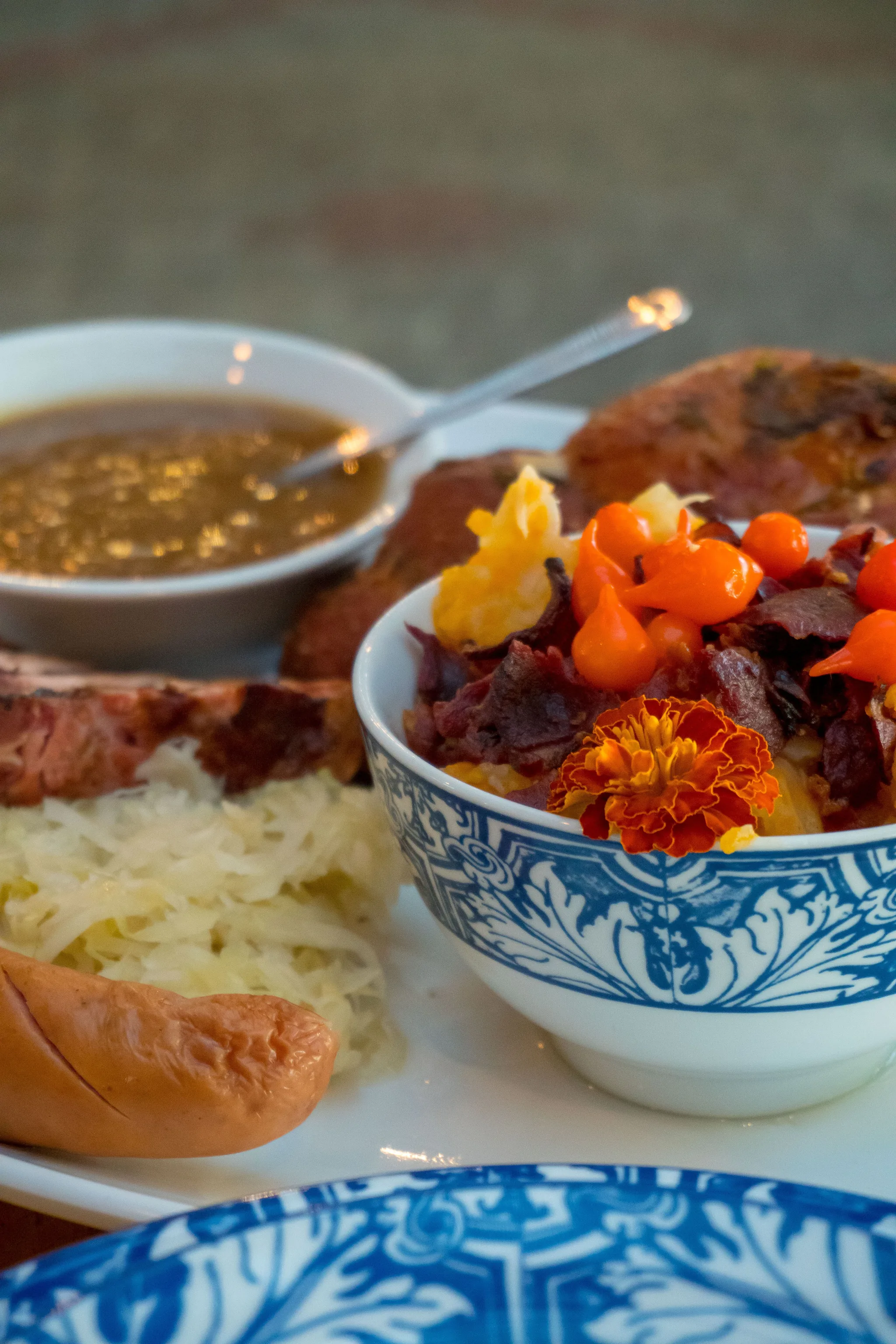
Judd mat Gaardebounen
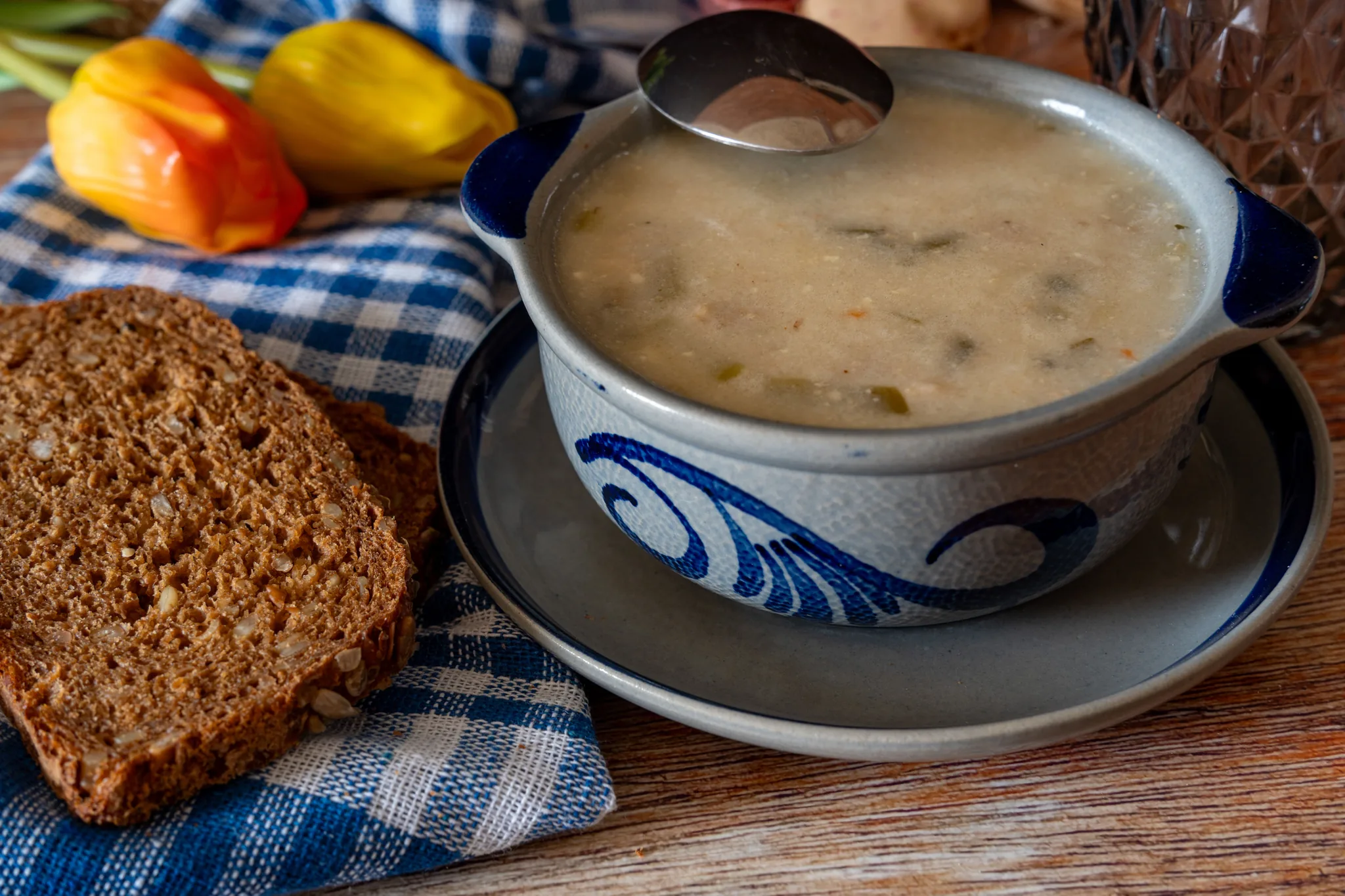
Bouneschlupp
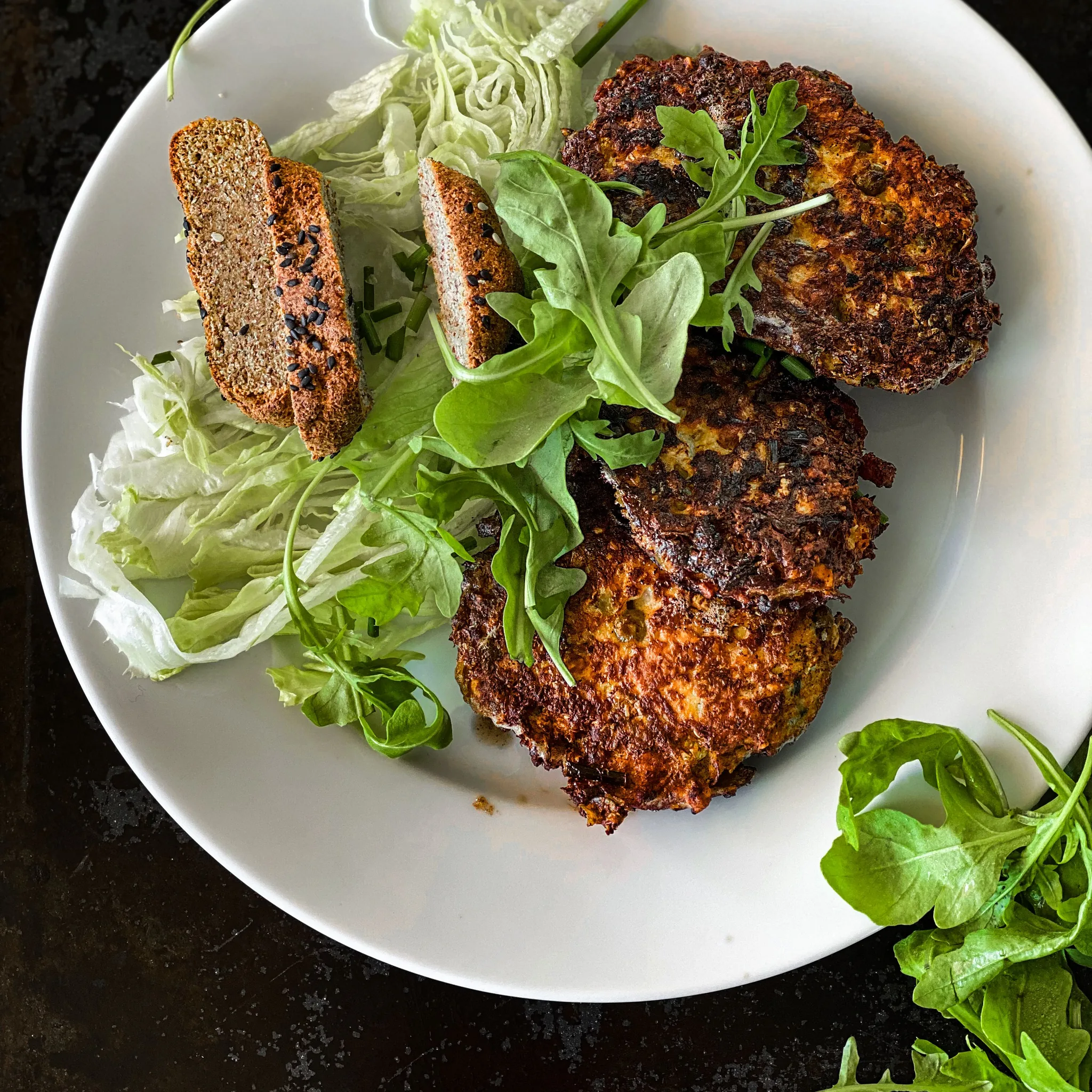
Gromperekichelcher
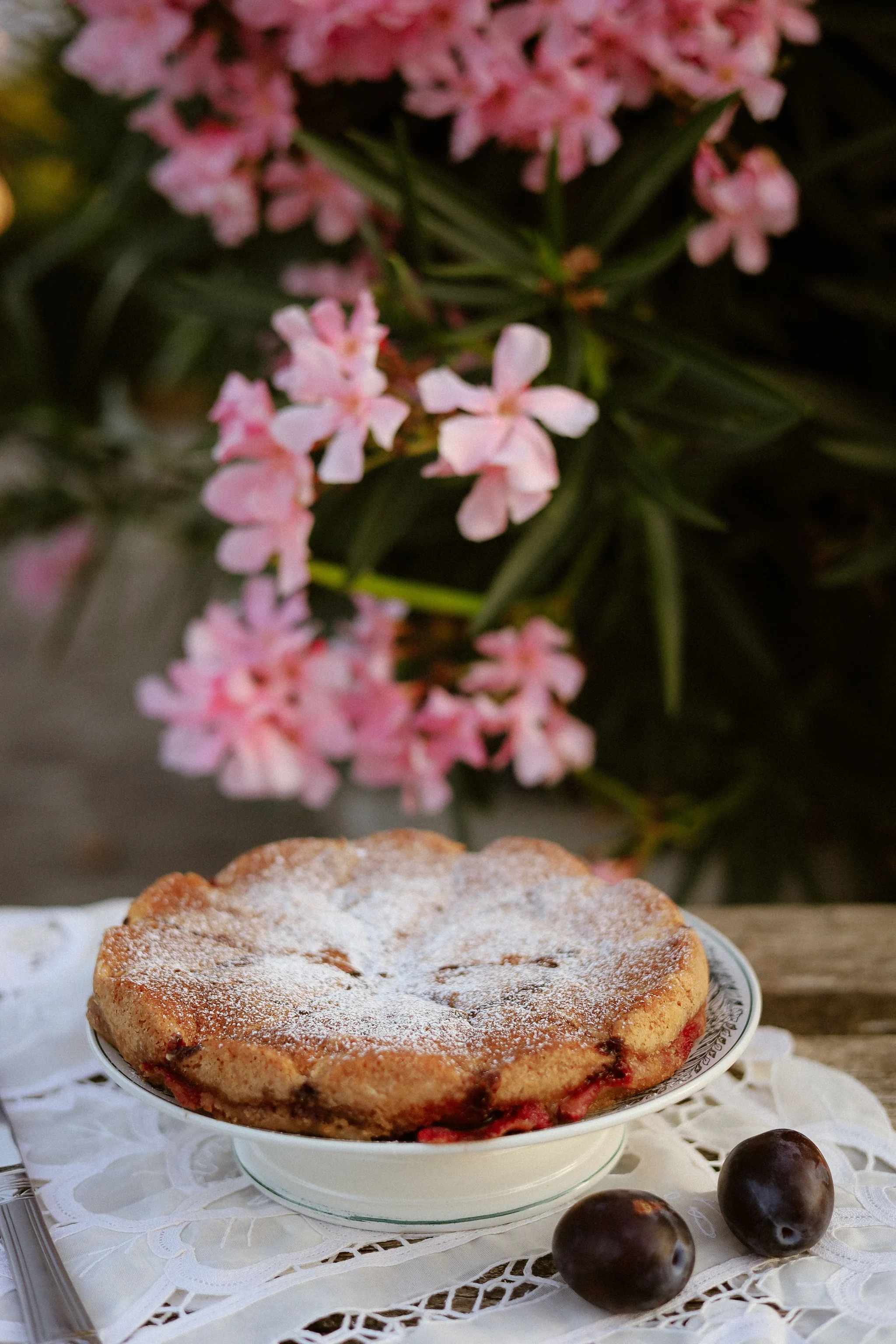
Quetschentaart
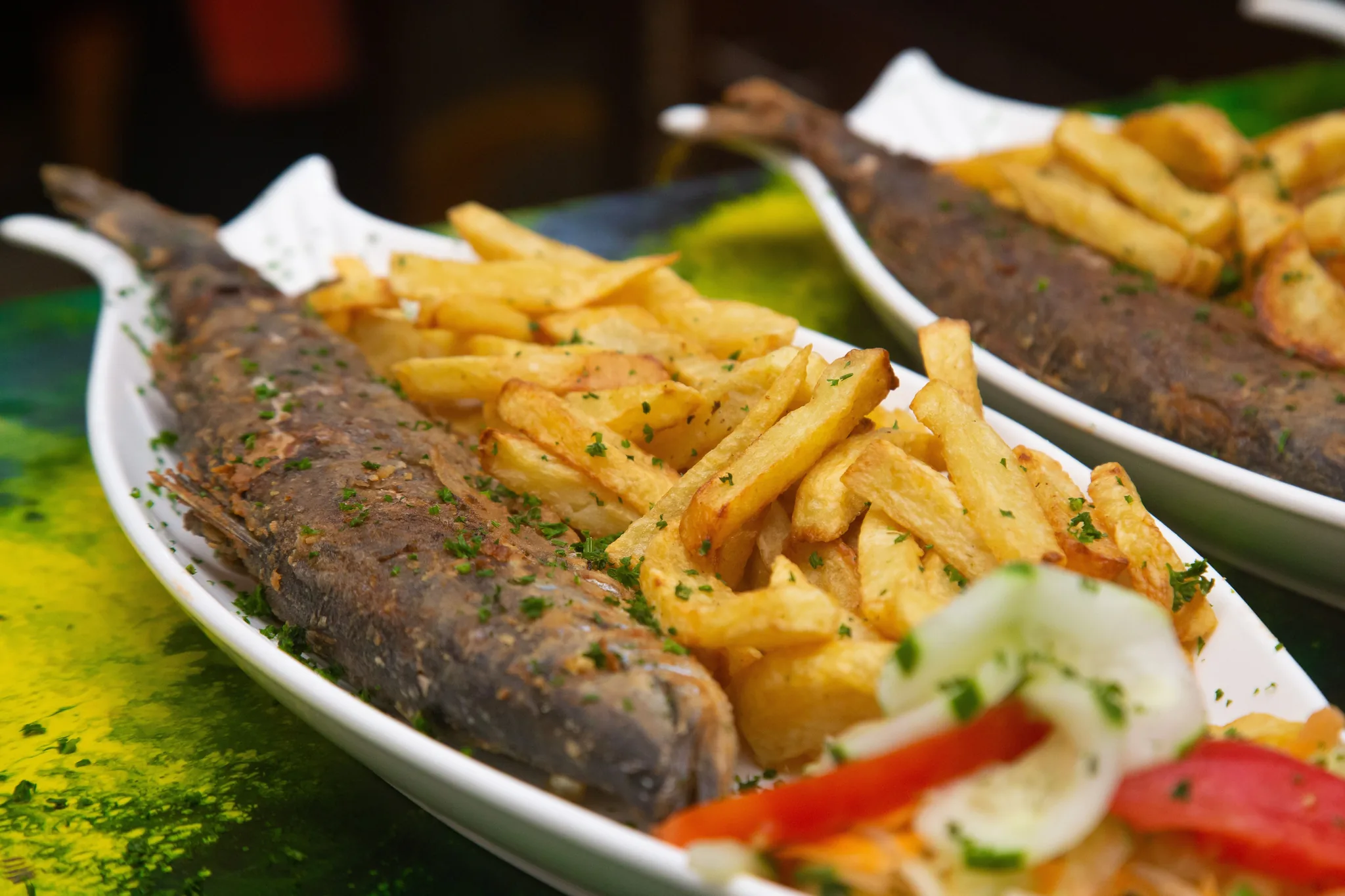
Friture de la Moselle
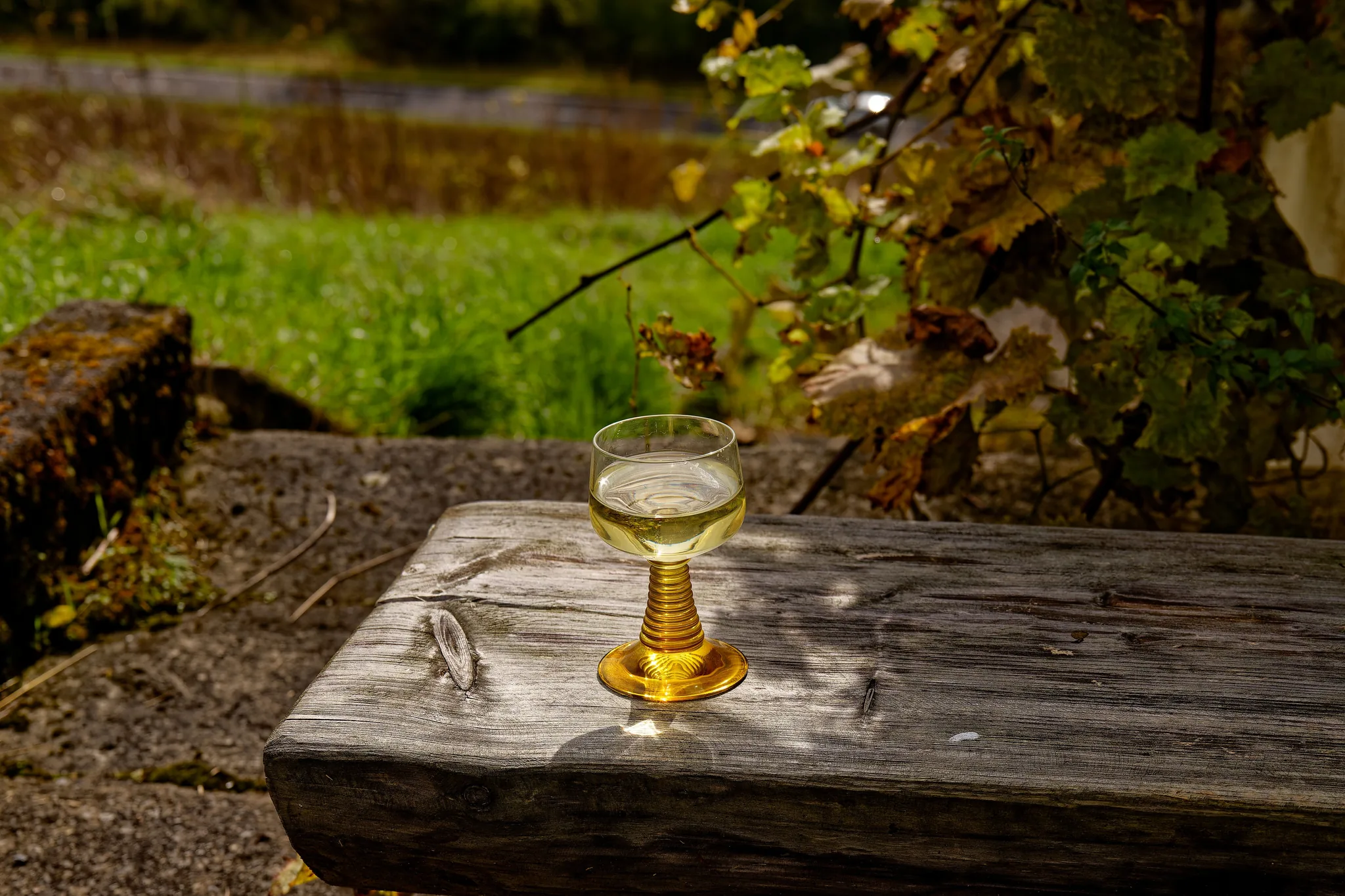
Rieslingspaschtéit
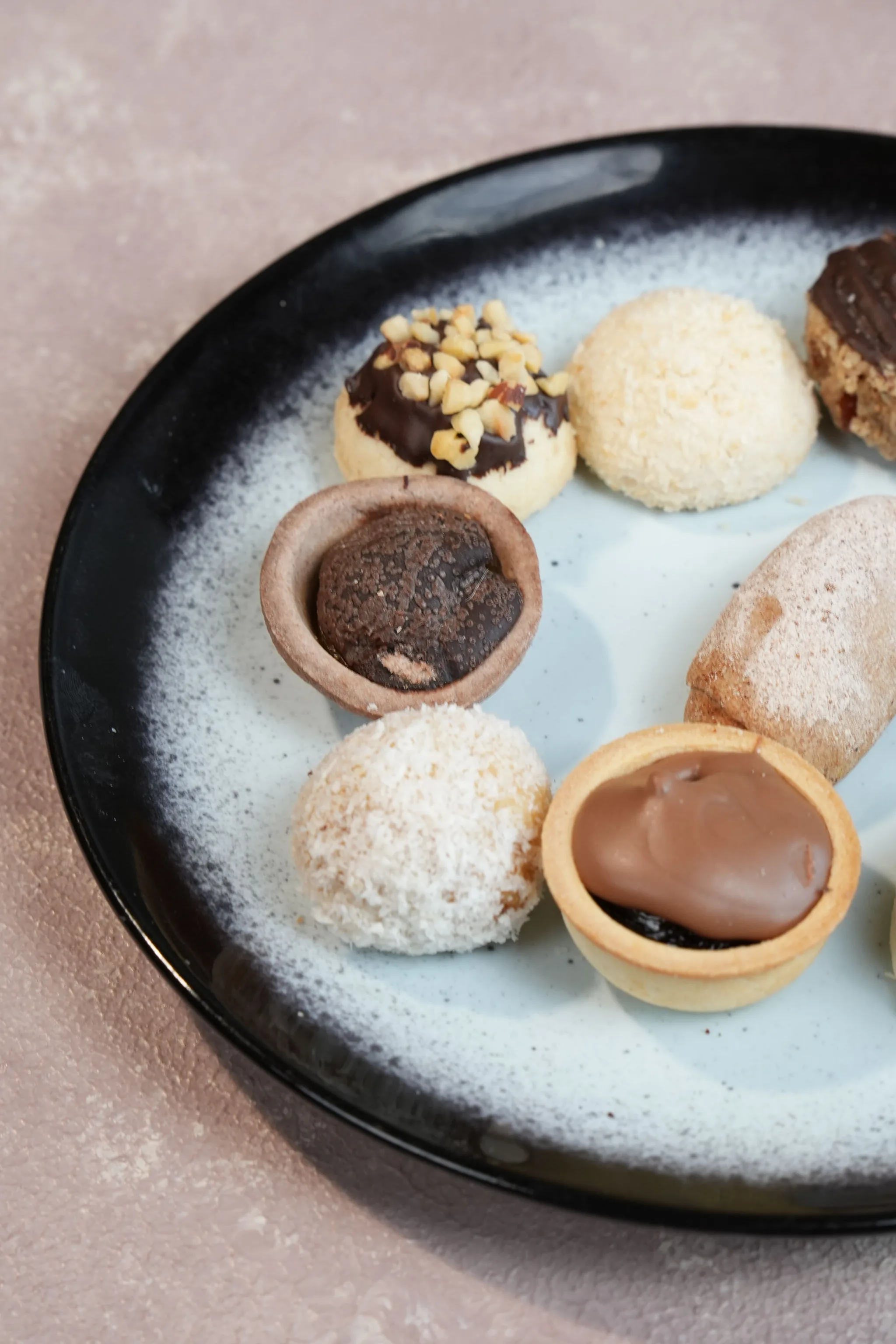
Pastries & Chocolates
Dining Etiquette
- • Pork, beef and rich meat dishes are common. Vegetarian options exist, but ask for meat-free versions of traditional dishes.
- • Indian and other Asian restaurants are available in Luxembourg City for familiar flavours ⚠️.
- • Halal meat is available in some restaurants, but confirm before ordering.
- • Menus often include "menu du jour" lunch sets that offer better value.
- • Portions are generous, so sharing starters is common.
Signature Drinks
Shop & Bring Home
Shopping in Luxembourg is about quality rather than quantity. Luxembourg City's pedestrian streets mix international brands with elegant boutiques, chocolatiers, patisseries and wine merchants, and the low VAT rate helps on some purchases. Good souvenirs include local chocolates, Crémant and Moselle wines, Mirabelle brandy and the traditional Péckvillercher bird whistle. Most shops close on Sundays, and non-EU visitors can often claim a VAT refund on eligible purchases.
Chocolates & Pastries
€5 – 50
Pralines, chocolate boxes, biscuits, local patisserie
Wine & Spirits
€10 – 100+
Crémant, Moselle wines, Mirabelle and Quetsch eau-de-vie
Ceramics & Homeware
€15 – 300+
Villeroy & Boch tableware, decorative items
Traditional Crafts
€5 – 40
Péckvillercher bird whistles, pottery, wooden crafts
Fashion & Luxury
€50 – 1,000+
Designer boutiques and high-street brands
Jewellery & Watches
€50 – 5,000+
Fine jewellery and watches from established shops
Local Food Gifts
€4 – 30
Kachkéis, mustard, preserves, biscuits
Souvenirs
€3 – 30
Magnets, postcards, castle-themed items
Where to Shop
Traveler Insights
Capital
Luxembourg City
Population
~670,000
Area Sq Km
2,586
Government
Constitutional monarchy (Grand Duchy)
Official Languages
Luxembourgish, French, German
Currency
Euro (EUR)
Calling Code
+352
Foreign Residents
Nearly half of the population ⚠️
Highest Point
Kneiff, 560 m
Schengen Member
Yes (birthplace of the Schengen Agreement)
Public Transport
Free nationwide (2nd class) ⚠️