Maldives
factsheet
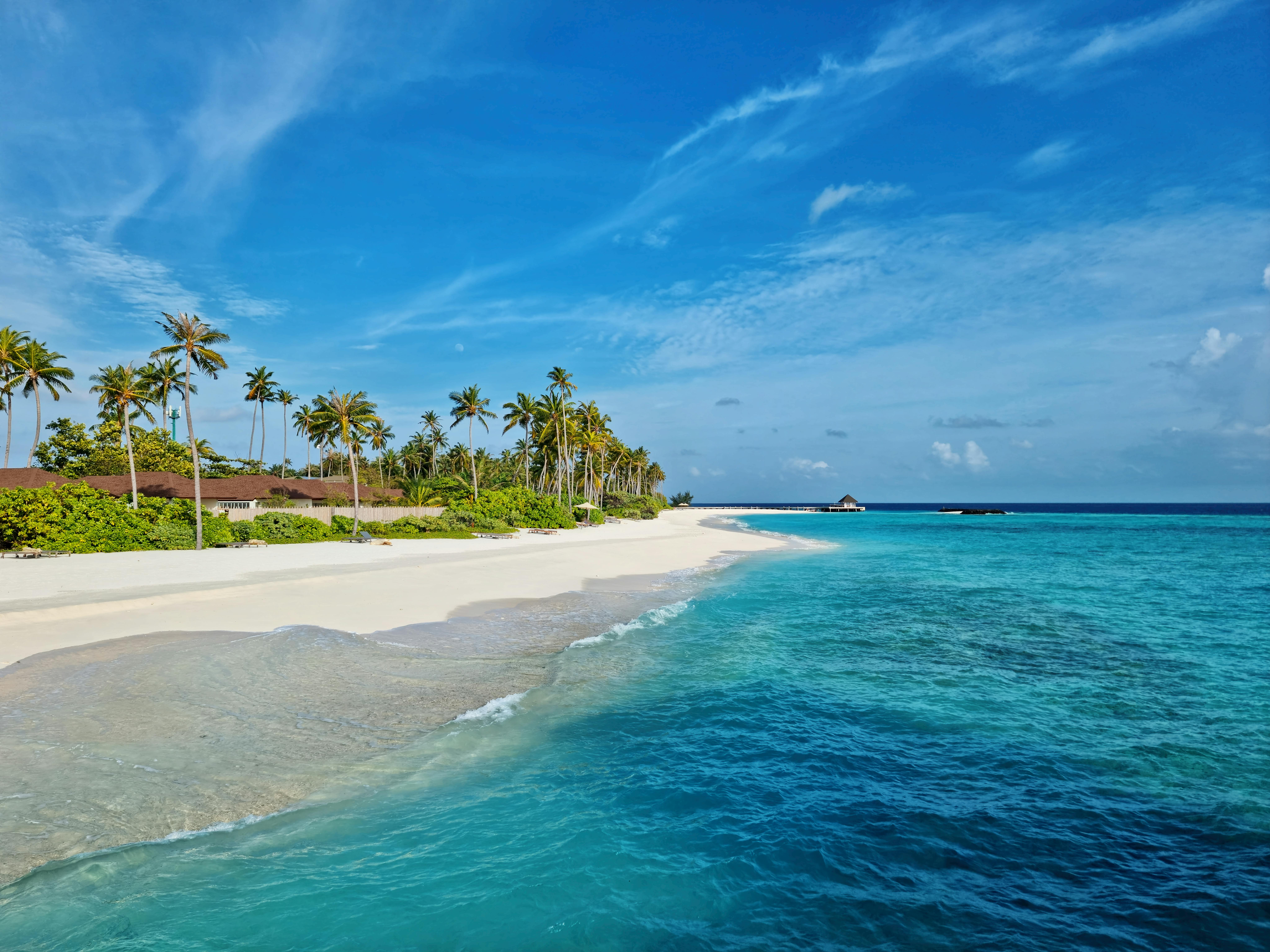
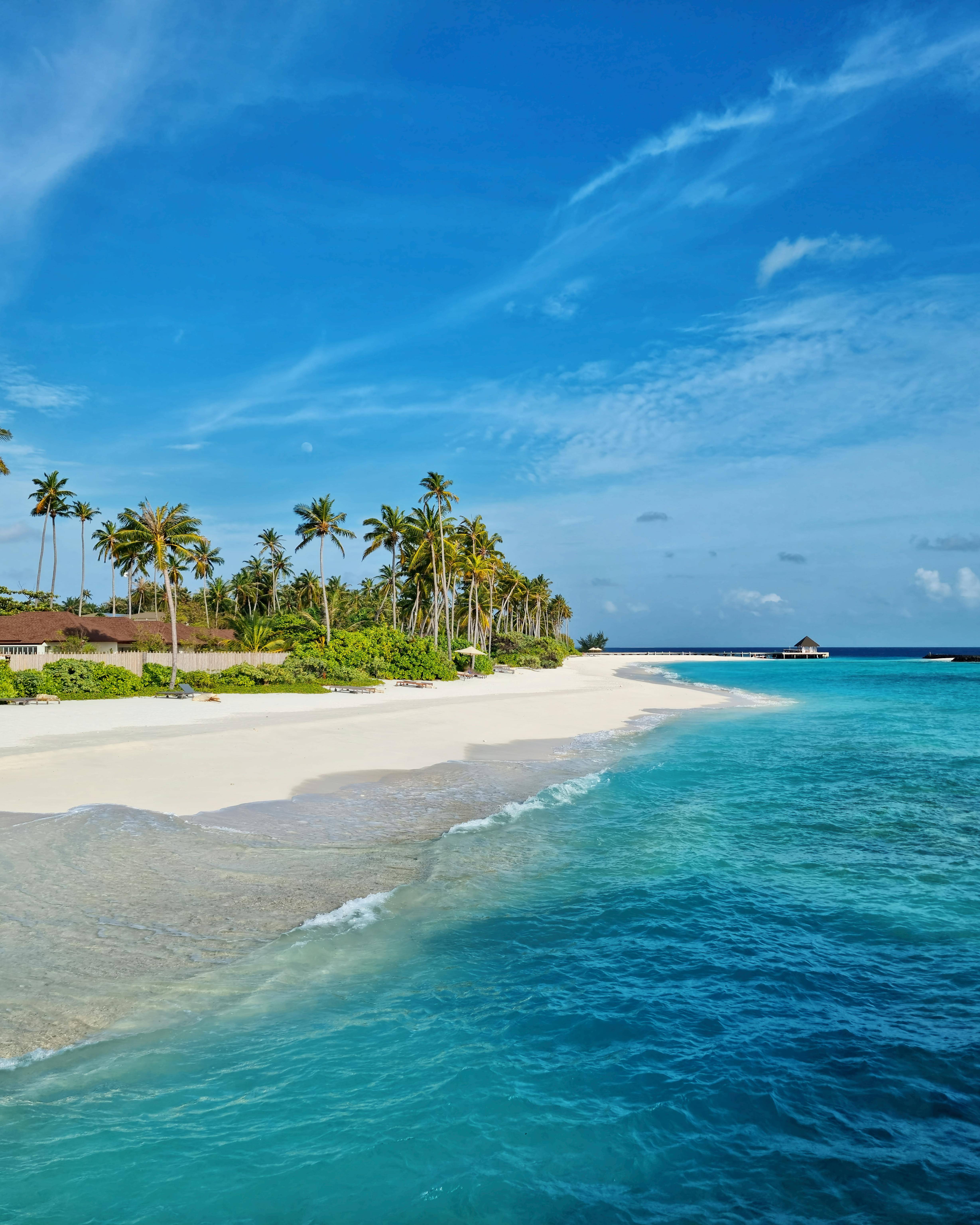
Paradise found—turquoise lagoons, white sand beaches, and underwater coral kingdoms in the Indian Ocean.
Complete Maldives factsheet: FREE 30-day visa-on-arrival Indians (passport 1+ month), USD primary currency, Nov-Apr dry honeymoon season, 209k Indian visitors 2023.
The Essentials
Best Time
Nov - Apr
Currency
MVR (ރ.)
Climate
Tropical (2 Seasons)
Time Zone
UTC+5
Language
Dhivehi
Visa
Visa on Arrival (Free)
Capital
Malé
Population
557K
Calling Code
+960
Power Plug
Type G & D (230V)
Tipping
Service charge included; tips optional (USD$1–5)
Emergency
119 (Police & Ambulance)
History & Heritage
The Maldives, an archipelago of 1,190 coral islands scattered across the Indian Ocean, has a 2,000+ year history as a Buddhist kingdom, Islamic sultanate, and colonial outpost. Today it stands as an independent island nation and world's premier luxury tropical destination.
Ancient Kingdom (4th Century BC – 12th Century AD)
Early inhabitants arrived from Sri Lanka and India. The Maldives thrived as a Buddhist kingdom, later documented by travelers like Ibn Battuta. Ancient stupas and ruins scattered across islands testify to this rich heritage.
Islamic Sultanate (1153–1968)
Islam arrived in 1153, marking a cultural transformation. The Maldives became an Islamic sultanate, with its own currency, sultanate governance, and strategic control of Indian Ocean trade routes linking Middle East, Africa, and Asia.
Colonial Era (1887–1965)
Under British protection as a protectorate, the Maldives retained autonomy over internal affairs while Britain controlled defense and foreign policy. This period saw modernization of infrastructure and governance systems.
Independence & Republic (1965–Present)
The Maldives gained independence on July 26, 1965, transitioning from a sultanate to a republic in 1968. Today, it is a presidential democracy with a strategic location in global maritime commerce.
Tourism Boom (1972–Present)
With no mineral resources, the Maldives pivoted to tourism in 1972, establishing luxury resorts on separate islands. Tourism now comprises over 60% of GDP and is the lifeblood of the nation's economy.
Environmental Advocacy
As a nation most vulnerable to climate change and rising sea levels, the Maldives has become a global voice for environmental protection, climate action, and sustainable island development.
Climate & Weather
The Maldives has a tropical climate with two distinct seasons: dry (November–April) and wet/monsoon (May–October). Located near the equator, it experiences consistent warm temperatures and abundant sunshine year-round.
Time Zone
UTC+5 (Maldives Standard Time)
1.5 hours ahead of IST (India Standard Time)
Best Months
November–April (Dry Season, Northeast Monsoon)
Dry Season (High Season)
Nov – Apr
24–31°C
Peak tourist season with clear skies, calm seas, and excellent visibility for diving and water sports. Perfect for island hopping and snorkeling.
Monsoon Season (Wet Season)
May – Oct
25–31°C
Heavy rainfall, rough seas, and reduced visibility. Best month for surfers and budget travelers seeking discounted rates. Manta rays and whale sharks are more active.
Seasonal Packing List
Language Guide
Official Language
Dhivehi (Mahl)
Dhivehi is spoken by locals and is heavily influenced by Arabic, Hindi, and Tamil due to historical trade. English is widely spoken in tourism, hotels, and restaurants. Arabic is taught in schools for religious purposes.
Local Signage
Useful Phrases
Hello
ah‑sah‑LAH‑moo ah‑LAI‑koom
Assalamu alaikum
Thank you
shoo‑KOO‑ryah
Shukuryaa
Goodbye
KOO‑dah HAH‑feez
Khuda hafiz
Yes / No
AH / NOON
Aa / Noon
Please
kah‑ROO‑nah KOH‑reh
Karuna kore
Excuse me / Sorry
MAHF KOH‑reh
Maaf kore
How much?
kee‑HAH KOS‑toh ay
Kihaa kosto ey?
Where is...?
KOH‑hee
... kohee?
Also Commonly Spoken
English
Widely spoken in resorts, restaurants, shops, and among younger Maldivians; essential for tourism.
Arabic
Understood due to Islamic teachings; some staff in resorts speak basic Arabic.
Hindi/Urdu
Spoken by migrant workers from South Asia; basic phrases understood in markets and local shops.
Currency & Money
Official Currency
Maldivian Rufiyaa
ރ. (MVR) — ₨1 ≈ ₹4.50–5.00
Banknotes
₨5, ₨10, ₨20, ₨50, ₨100, ₨500, ₨1,000
Coins
₨1, ₨2, ₨5, ₨10, ₨25, ₨50
Cash & Currency
Most transactions use Rufiyaa (local currency). US dollars widely accepted in resorts and tourist areas. ATMs in Malé dispense Rufiyaa; limited ATMs on resort islands.
Credit & Debit Cards
Accepted in mid-range and luxury resorts, restaurants, and shops in Malé. Budget guesthouses prefer cash. Contactless payments growing but not universal.
Tipping & Service Charge
Service charge (usually 10%) is automatically added to resort and restaurant bills. Tips are optional but appreciated for exceptional service (USD$1–5).
Daily Budget Estimates
Luxury Resort Traveler
USD$300–500+
Mid-Range (Resort + Local Island)
USD$150–250
Budget Traveler (Guesthouses)
USD$50–100
Visa & Entry
Arrive at Ibrahim Nasir International Airport (MLE) with your passport.
Proceed to Immigration counter; no pre-approval needed.
Present your passport (valid for 6+ months), return flight ticket, and accommodation details.
Immigration officer stamps your passport with a 30-day tourist visa (often extended to 90 days for Indians).
Collect your passport and enter the Maldives immediately.
Registration
Immigration processes entry upon arrival; hotels register guests automatically.
No separate registration required for tourist visa stays up to 90 days.
Penalty: Overstays incur fines (USD$50+ per day) and may result in deportation.
Visa Extension
Apply at the Department of Immigration in Malé or through your accommodation 2–3 days before expiration.
Cost: Extension fees vary; typically USD$50–100 for 30 days.
Requirements
- • Valid Indian passport with at least 6 months validity from date of arrival.
- • Confirmed return or onward flight ticket.
- • Proof of accommodation (hotel booking, resort confirmation, or guesthouse reservation).
- • Sufficient funds to cover your stay (USD$50 per day as a guideline).
- • Completed Traveller Declaration Form (IMUGA, submitted online or on arrival).
- • Travel insurance recommended (not mandatory but advised for medical emergencies).
- • Yellow fever vaccination certificate if arriving from endemic countries.
Getting There & Around
Intercity Travel
Domestic Seaplanes
Scenic flights to distant resorts and atolls. USD$150–400 per route depending on distance.
Speedboat Networks
Connect major resort islands and local islands. Bookable through resorts or local operators.
Cargo & Public Boats
Slower but cheaper option for inter-island travel; schedules less predictable.
Getting Around
Speedboats & Water Taxis
Primary transport between islands. Fast, scenic, and available from resort docks.
Ferries
Affordable public transport connecting Malé to local islands; operates on schedules.
Local Taxis & Motorcycles
In Malé and larger local islands. Taxis metered or negotiate fare beforehand.
Bicycles & Scooters
Popular on small islands; rentals available at guesthouses and shops.
Culture & Local Life
Laid-Back Paradise with Islamic Values
Maldivian culture blends island relaxation, Islamic traditions, and modern hospitality. Locals are warm and welcoming; resorts maintain a casual luxury vibe. The culture respects Islamic values while embracing global tourism.
Ramadan Fasting
Most of the nation observes Ramadan, fasting during daylight hours. Resorts continue service, but local islands may have reduced hours. Tourists are not expected to fast.
Dhoni Fishing Culture
Traditional wooden dhoni fishing boats remain iconic. Many locals are fishermen; fishing is a vital cultural and economic activity celebrated in local festivals.
Bodu Beru Drum Dance
Traditional drum music and dance performed at celebrations, with rhythmic beats and energetic movements reflecting island joy and community spirit.
Island Hospitality
Maldivians are renowned for warmth and hospitality. Visiting a local island home and being invited for tea (çay) is a genuine gesture of friendship.
Gifting Etiquette
Small gifts from your home country are appreciated. Avoid gifting alcohol or items depicting pigs. Wrap gifts neatly and present with both hands.
Business Etiquette
Business cards are exchanged with both hands. Meetings begin with tea. Punctuality is increasingly valued in modern Malé.
Dining Etiquette
Eat with your right hand or fork/spoon. Accepting tea or food offered is polite. In local restaurants, shared platters are common. Finishing food shows appreciation.
Food & Drink
Maldivian cuisine celebrates fresh seafood, coconut, rice, and spices reflecting its Indian Ocean location and South Asian heritage. Meals are social, with an emphasis on tropical fruits and locally caught fish.
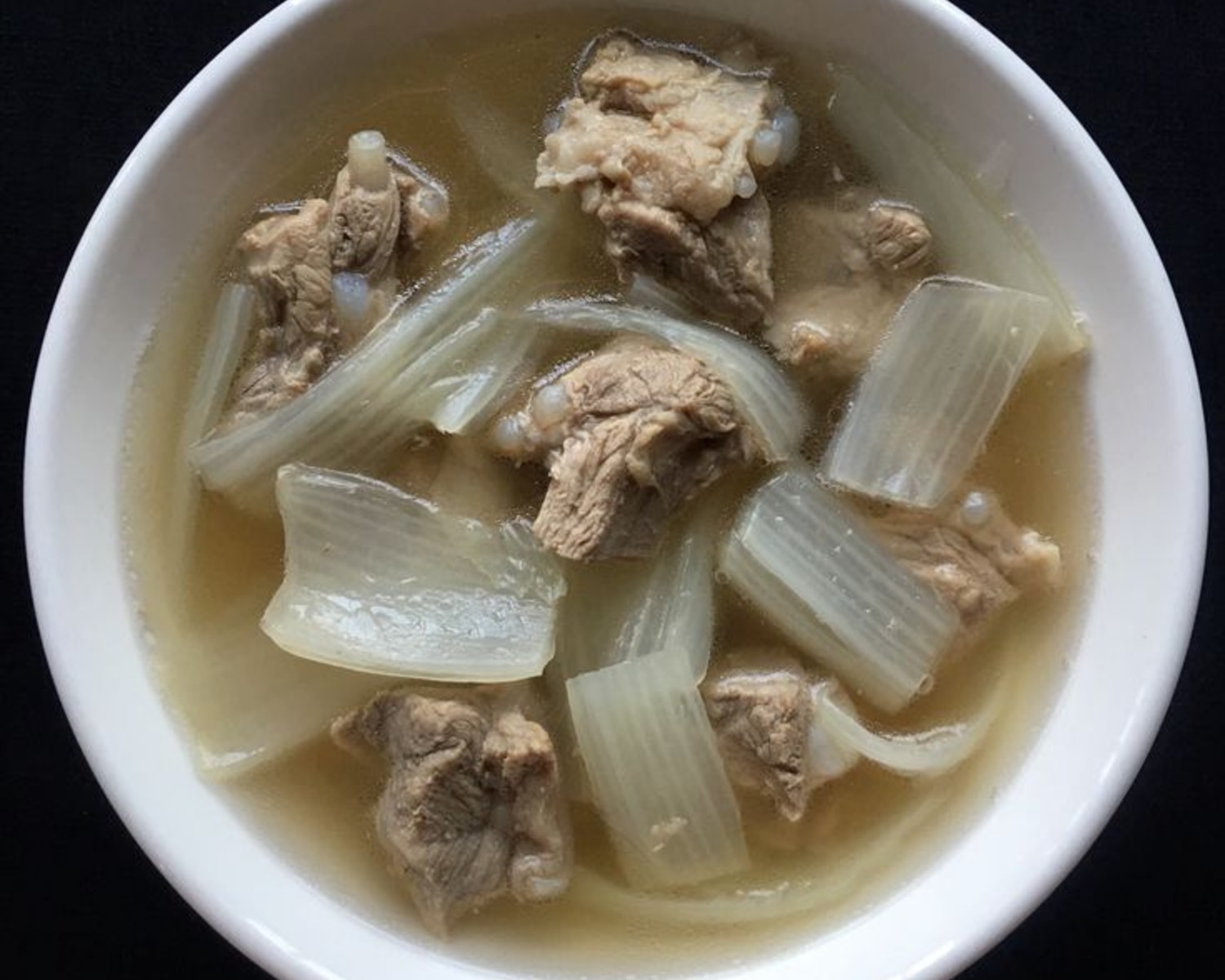
Garudhiya
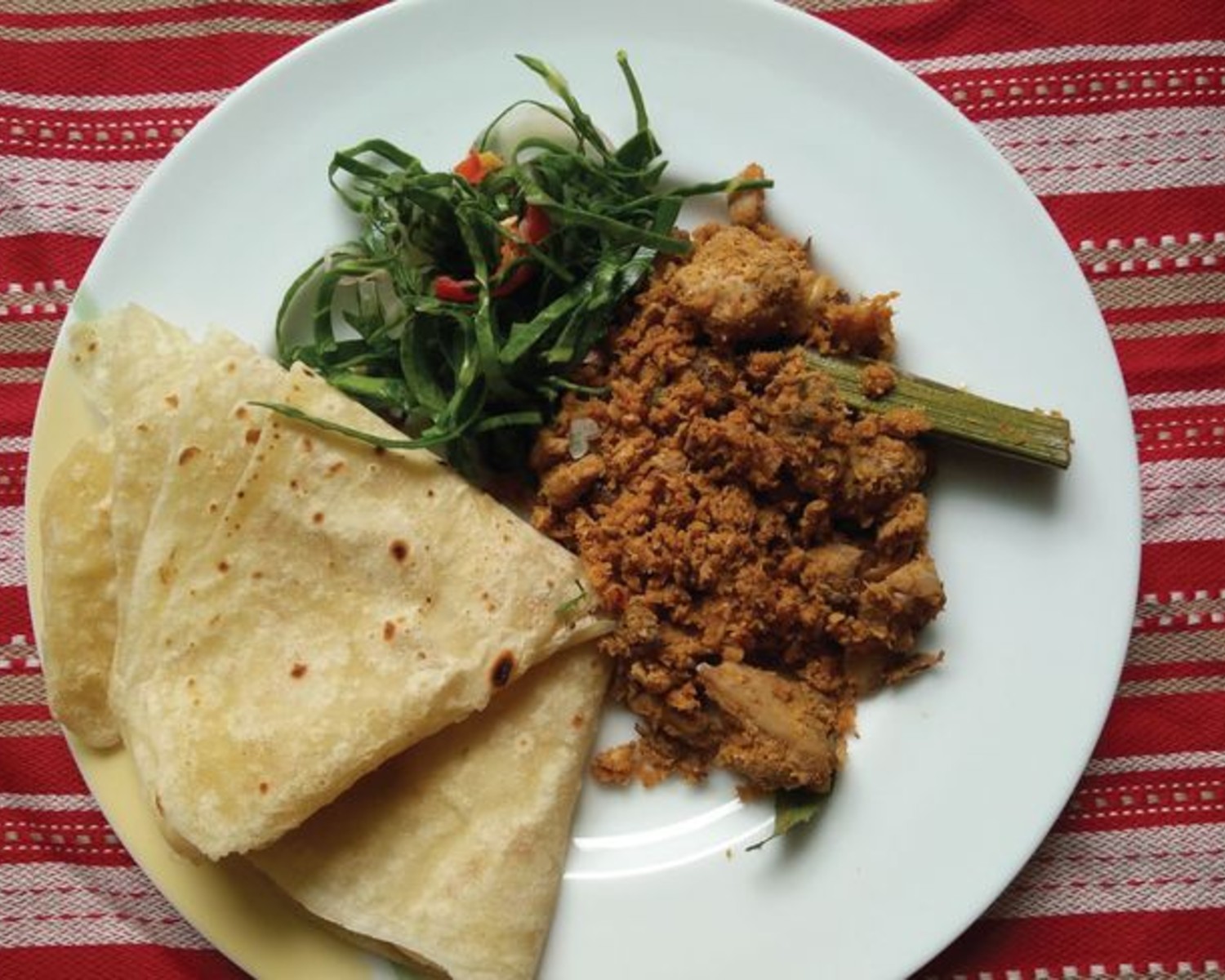
Mas Huni
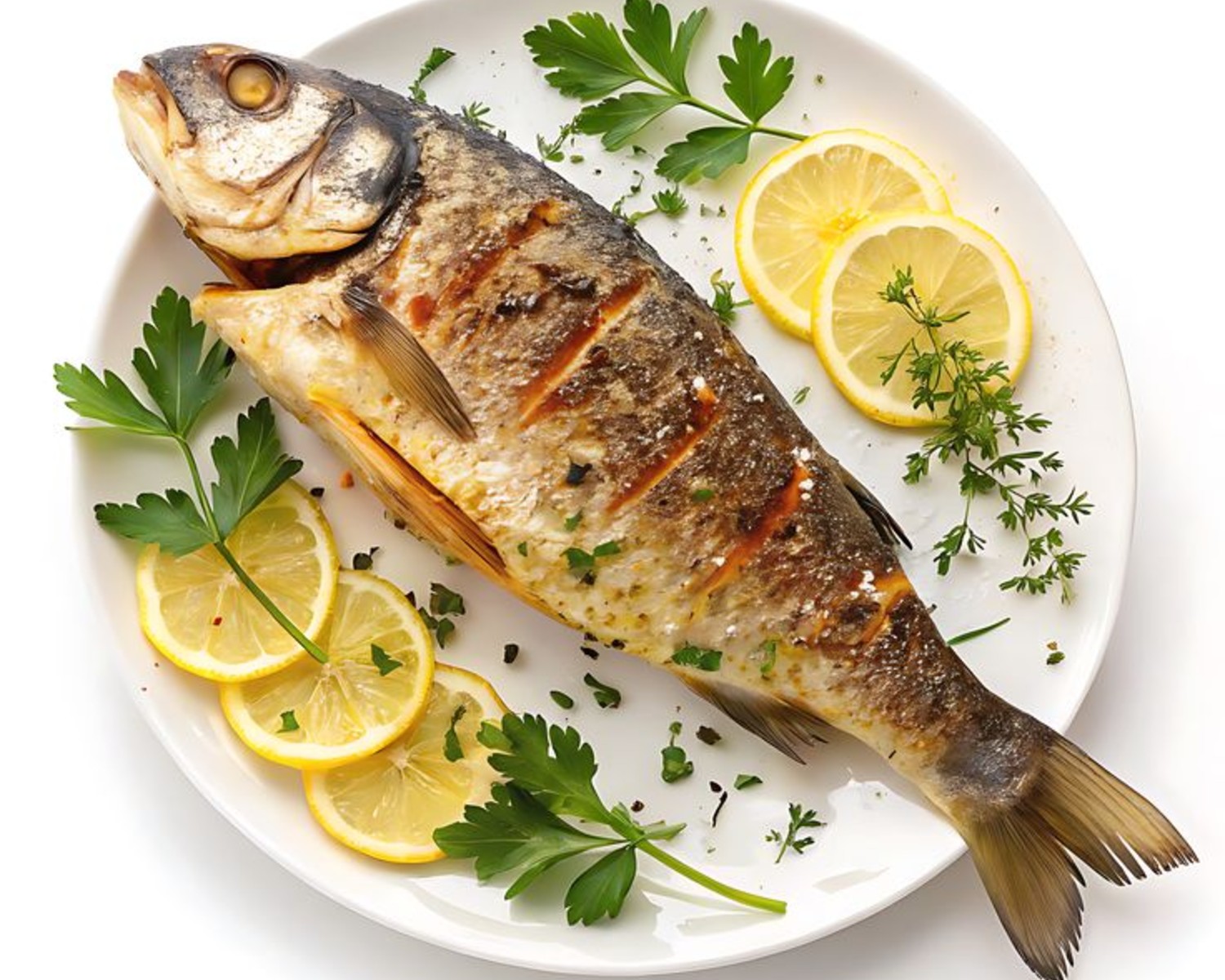
Fihunu Mas
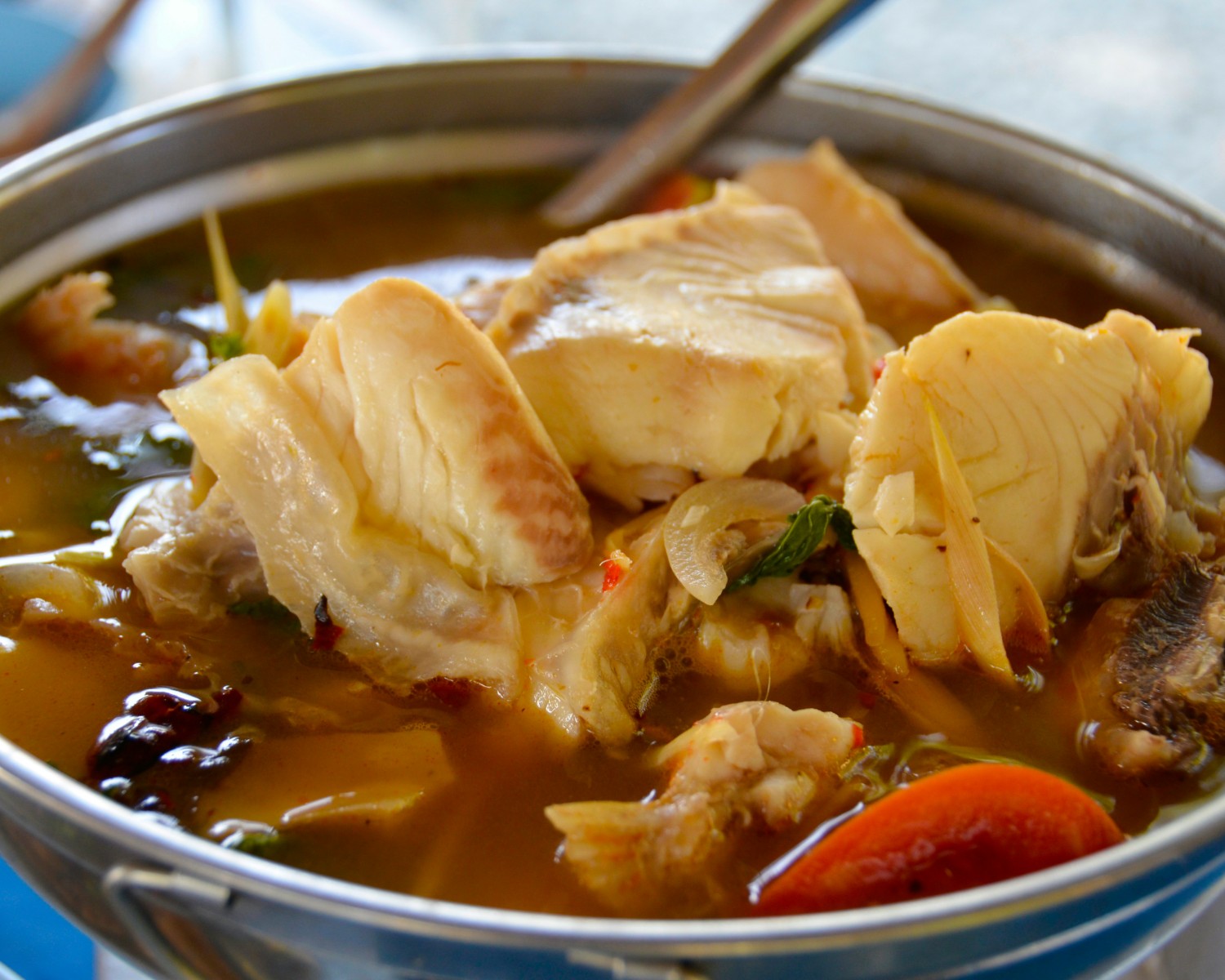
Kukulhu Mas Curry
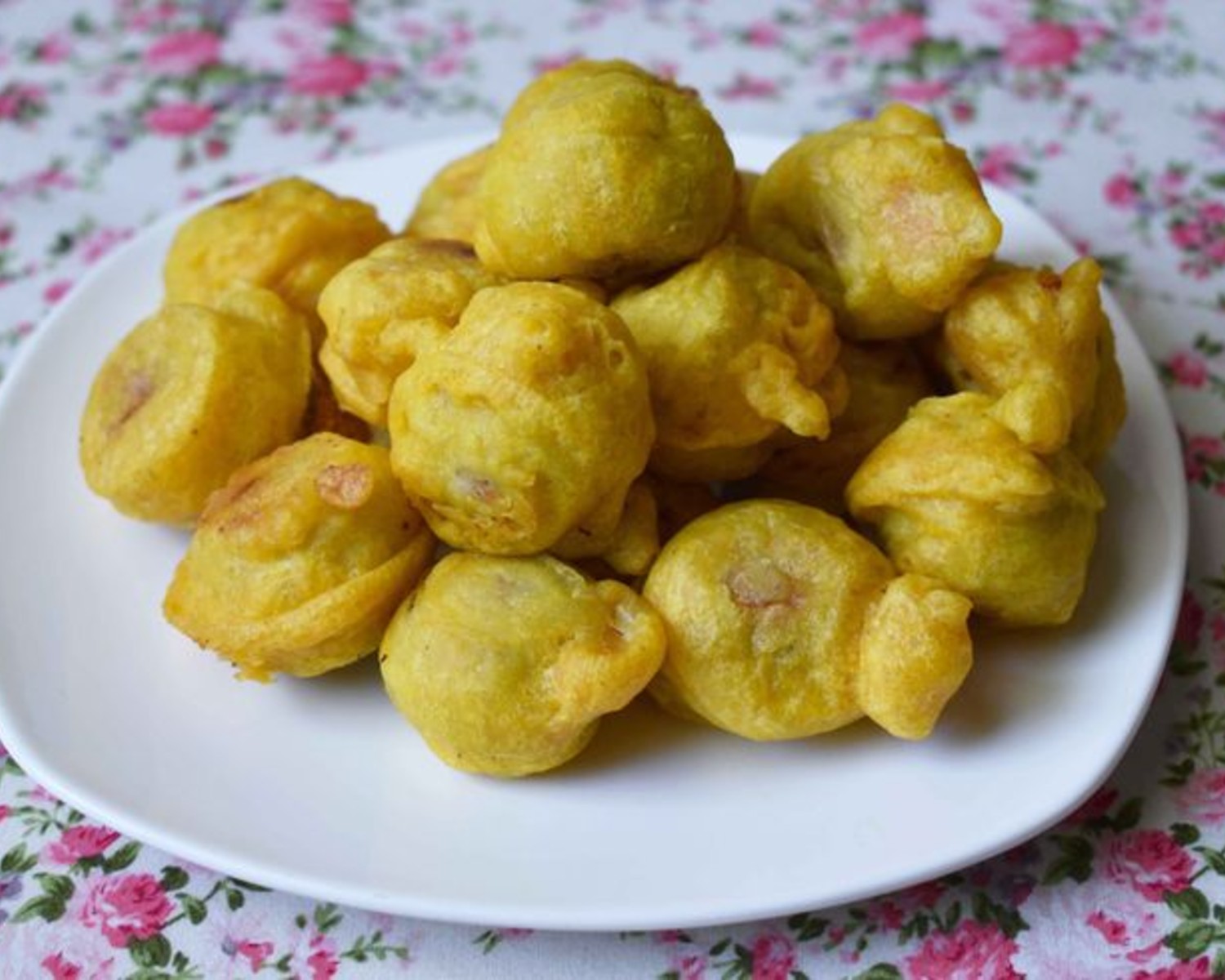
Hedhikaa (Snacks)
Dining Etiquette
- • Eating is social; take your time and enjoy conversations.
- • Use right hand for eating when using hands.
- • Alcohol is served in resorts but not in local islands outside resorts.
- • Tipping is included in bills; extra tips appreciated for exceptional service.
- • Vegetarian options available but seafood dominates. Inform restaurants of restrictions in advance.
Signature Drinks
Shop & Bring Home
The Maldives offers duty-free shopping, local crafts, and luxury goods. From handmade jewelry to lacquerware and coconut products, souvenirs celebrate island life.
Local Crafts
USD$5–100
- Lacquerware (Dhoni boats, decorative boxes)
- Coral Jewelry & Shells
- Woven Mats & Baskets
- Hand-carved Wooden Items
Support local artisans; avoid purchasing endangered coral or sea turtle products.
Fashion & Textiles
USD$10–200
- Sarongs & Wraps
- Embroidered Fabrics
- Designer Resort Wear
- Traditional Maldivian Dress
Maldivian sarongs (local 'Dhivehi' wraps) are popular colorful souvenirs.
Spices & Foods
USD$5–30
- Coconut-based Snacks
- Local Dried Fish
- Spice Blends
- Tropical Jams
Great for bringing authentic flavors home; check airline regulations for food items.
Duty-Free & Luxury
USD$20–1,000+
- Designer Brands
- Electronics & Watches
- Fragrances & Cosmetics
- Jewelry
Malé and airport duty-free shops offer competitive prices on international brands.