Meghalaya
factsheet
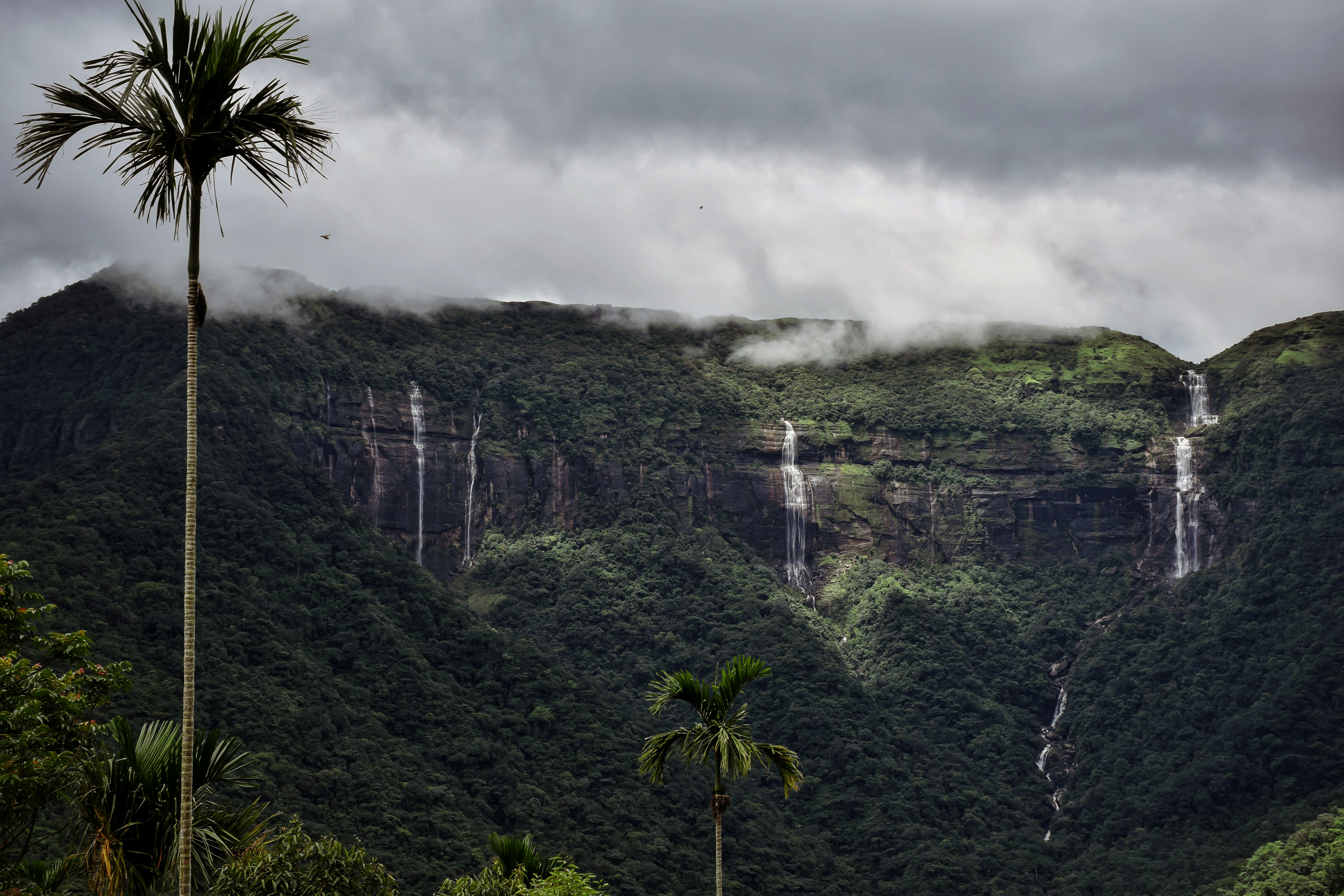
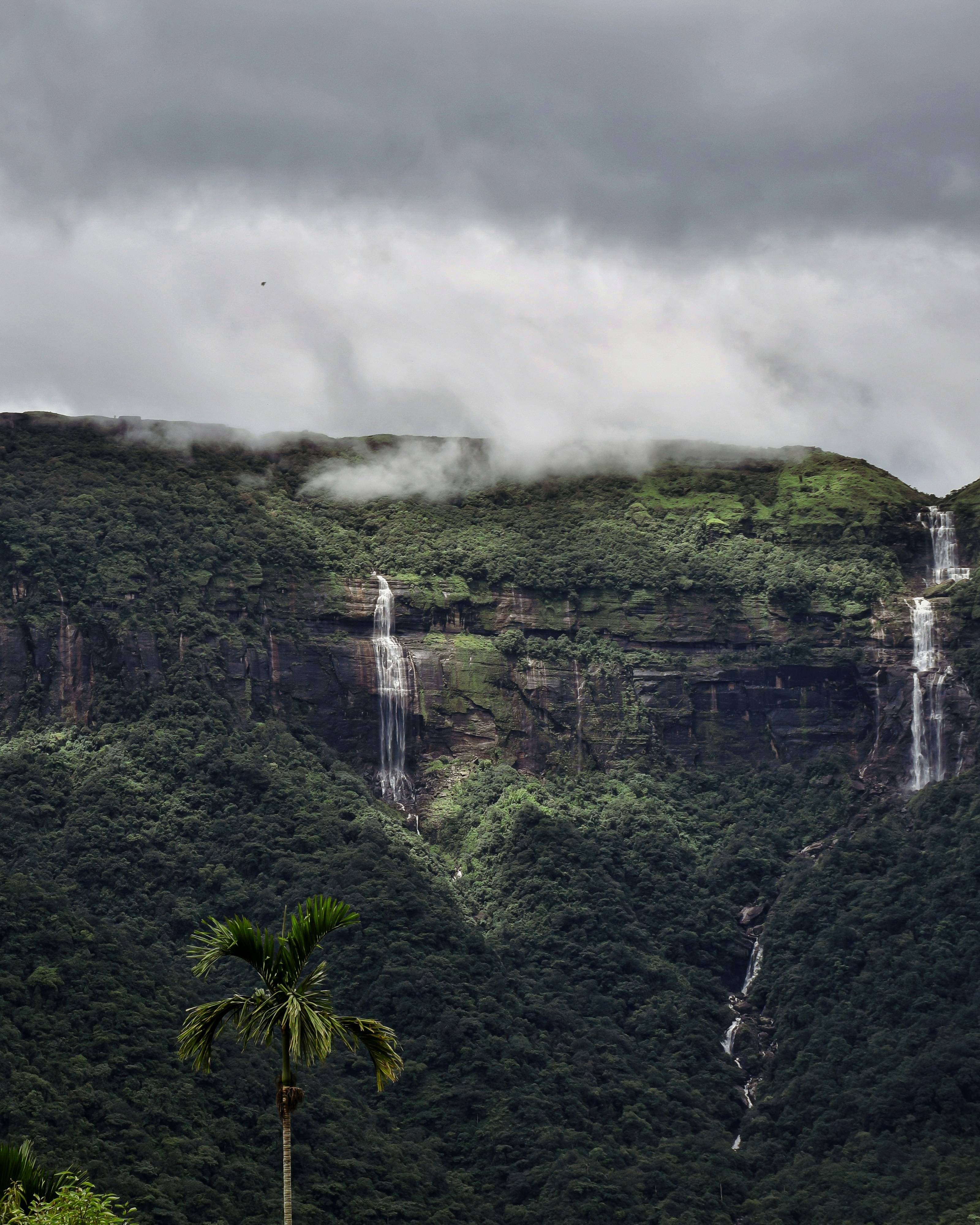
The abode of clouds and sacred groves, where matriarchal traditions thrive, waterfalls cascade endlessly, and the world's wettest place whispers ancient stories.
Key travel facts for Meghalaya – visa basics, climate, best time to visit, suggested trip duration and planning tips by Bayard Vacations.
The Essentials
Best Time
Oct - May
Currency
INR (₹)
Climate
Tropical Humid Subtropical
Time Zone
IST (UTC+5:30)
Language
Khasi, Garo, English
Travel Pass
Indian Passport / Visa
Capital
Shillong
Population
3.0M
STD Code
+91-364 (Shillong), +91-1732 (Cherrapunji)
Power Plug
Type A, C, D, M (230V)
Tipping
Optional (₹50-100 appreciated)
Emergency
100 (Police), 101 (Fire), 102 (Ambulance)
History & Heritage
Meghalaya, the "Abode of Clouds," is a premier northeast India tourism destination. Steeped in tribal culture, the state preserves the unique matriarchal society of the Khasi, Garo, and Jaintia hills, where indigenous traditions and sacred groves flourish alongside colonial history. Meghalaya offers an unparalleled blend of adventure travel, eco-tourism, and rich heritage sites for modern travelers.
Pre-Classical & Ancient Tribal Period (3000 BC–15th Century)
Khasi, Garo, Jaintia tribal kingdoms governed Meghalaya. Decentralized clan-based systems; village elders (Khyndaittnia) governed. Sacred groves (law kyntang) protected forests; environmental stewardship integral. Trade with Tibet, China (tea, silk routes). Oral traditions preserved history; no written records early period. Agriculture (rice, millet) foundational; animistic spirituality dominant.
Medieval Period & Kingdom Consolidation (15th–18th Centuries)
Khasi Kingdom emerged (Khasi Hills); Garo Kingdom consolidated territory. Matriarchal clan systems solidified (Khasis); lineage through mother (Ka Khyndai = mother). Stone megaliths erected (commemorative structures); archaeological significance. Trade networks expanded; merchant communities developed. Hindu, Islamic influences limited; indigenous traditions dominated. Sacred sites: Um Kynrem (ancestral shrine), Khasi temples.
British Colonial Period (1824–1947)
British East India Company conquered region (Treaty of Yandaboo, 1826). Shillong established as hill station (1864); British summer refuge. Colonial administration imposed; disrupted traditional governance. Christian missionaries arrived; conversion campaigns started. Education introduced (colonial schools, colleges). Tea plantations established (marginal). Infrastructure: railways, roads developed. Indigenous resistance movements (Khasi uprising 1829–1833 Siang War against British).
Independence & Statehood (1947–1972)
India independence (1947); Meghalaya union territory within Assam. Movement for separate statehood strong. Meghalaya State achieved (1972); capital Shillong. Administrative reorganization; tribal culture preservation recognized. Education expansion; modern infrastructure development. Matriarchal traditions legally protected (clan inheritance laws). Sacred groves conservation initiated.
Modern Era—Eco-Tourism & Cultural Revival (1972–Present)
Meghalaya transformed into Northeast adventure destination (last 30 years): trekking, waterfall tourism, caving, rock climbing. Eco-tourism emphasis; sustainable practices promoted. Sacred groves (UNESCO Biosphere consideration); biodiversity hotspot. Cultural revival: tribal festivals, traditional crafts celebrated. Khasi language revival efforts; indigenous governance respected. Modern infrastructure; education centers; tech emerging.
Climate & Weather
Meghalaya world's wettest region; monsoon-dominated (June–September heavy rainfall). Plateaus (1,000–1,600m elevation) experience cool temperatures, frequent clouds. Rainfall distributes unevenly (Cherrapunji wettest; Shillong moderate). Winter mild; summer warm, humid.
Time Zone
IST (Indian Standard Time, UTC+5:30)
Same timezone throughout India
Best Months
October–May (post-monsoon, dry season)
Dry Season (Markonshngai)
Oct – May
10–25°C (hills); 15–30°C (foothills)
Ideal tourist season. Clear skies, pleasant weather. Waterfalls full (monsoon water), misty mornings. Winter cool (Dec–Jan); sweater needed. Spring flowers (April–May). Trekking optimal; visibility excellent. Low rainfall.
Pre-Monsoon (Mongailoh)
Mar – May
15–28°C
Spring transition; flowers bloom (rhododendrons, orchids). Temperature increasing. Pre-monsoon showers (occasional). Last chance dry weather. Adventure season peak. Humidity building. Pollen season (allergies possible).
Monsoon (Lynbei)
Jun – Sep
15–25°C (hills); 20–30°C (foothills)
Heavy rainfall (world's wettest place). Cherrapunji 10,794mm annual rain. Lush green landscapes; waterfalls spectacular. Roads damaged; landslides possible. Visibility poor (clouds, mist). Challenging trekking; boots essential. Few tourists; quiet beauty. Rainfall up to 100mm per day.
Post-Monsoon (Wanroh)
Oct – Nov
12–22°C
Monsoon retreats; clear skies emerge. Golden landscapes; morning mist stunning. Waterfalls peak flow (post-monsoon abundance). Weather stabilizing. Festivals: Nongkrem Dance (Nov), Wangala (harvest). Ideal sightseeing; pleasant trekking. Transition season; variable weather.
Seasonal Packing List
Language Guide
Official Language
Khasi, Garo (official); English widely understood; Hindi presence
Khasi language (Austro-Asiatic, 1.5+ million speakers); Garo language (Sino-Tibetan, 1+ million speakers). English widespread (colonial legacy, education). Hindi liaison language (union language). Local tribal dialects vary by region. Language preservation efforts active (tribal pride).
Local Signage
Useful Phrases
Hello
KOO-blay / KOO-mohm
Khublei / Kumom
Thank you
SWEET-nee-ah KOO-blay / TAH-roh
Suitnia khublei / Taro
Goodbye
kho-DAH hah-FEEZ / bah-NOR KOO-blay
Khoda Hafiz / Banor khublei
Yes / No
HAW / AH-in
Haw / Ah-in
Please
SWEET-nee-ah KOO-blay
Suitnia khublei
Excuse me
ah-PAH-loh-jee / BYN-nee-oh KOO-blay
Apology / Bynnioh khublei
How much?
KIT-nay / AH-klah
Kitne? / Ah-kla?
Where is...?
KID AH
...kid ah?
Also Commonly Spoken
Khasi
Official language; 1.5+ million speakers. Khasi Hills primary; educated population bilingual (Khasi-English). Tribal pride; language preservation efforts.
Garo
Official language (Garo Hills); 1+ million speakers. Garo community dominant. Different linguistic family (Sino-Tibetan). Coexists with Khasi; regional variation.
English
Colonial legacy; widely understood (educated population, tourism, business). Shillong highly English-speaking; hill stations moderate. Schools teach English; younger generation fluent.
Hindi
Union language; understood but not primary. Business communities use. Educational medium limited. Northeast regional preference for English.
Currency & Money
Official Currency
Indian Rupee
₹ (INR) — ₹1 = 100 paise
Banknotes
₹10, 20, 50, 100, 200, 500, 2,000
Coins
₹1, 2, 5, 10
Cash & ATMs
Cash preferred in Meghalaya. ATMs available in Shillong, Cherrapunji, major towns. Rural/remote areas: limited ATM access; carry cash. SBI, ICICI, HDFC networks available. Withdraw ₹10,000–15,000 for multi-day treks.
Digital Payments (UPI)
UPI revolution (Google Pay, PhonePe, Paytm) emerging in Shillong. Many merchants accept QR codes. Smaller towns less developed. Adventure operators increasingly digital-friendly. Rural areas cash-only.
Credit & Debit Cards
Upscale hotels, restaurants accept cards. Local eateries, adventure operators, small shops cash-only. Card infrastructure developing. Carry backup cash always.
Daily Budget Estimates
Budget Traveler (Backpacker)
₹1,500–2,500 (~USD$18–30)
Mid-Range Traveler
₹3,000–5,000 (~USD$36–60)
Luxury Traveler
₹7,000+ (~USD$84+)
Visa & Entry
For Indians: Carry state photo ID (Aadhaar, Driving License, Voter ID, Passport).
For International visitors: Apply Indian visa at embassy/consulate or e-visa portal (indianvisaonline.gov.in).
Register at hotels/accommodations (auto-registered by management).
Inner Line Permit (ILP): NOT required for Meghalaya (unlike Arunachal Pradesh, Mizoram, Nagaland).
Registration
Arrive at police station (usually automatic via hotel); provide passport copy, accommodation details.
Registration not required for stays under 14 days. Longer stays: register at local police station (hotels usually handle).
Penalty: Non-registration no serious consequences for tourists; legally enforceable for visa overstay.
Visa Extension
Submit application 7 days before expiration; provide justification (medical, force majeure).
Cost: Extension fees: typically ₹500–2,000.
Requirements
- • Valid passport (international travelers; 6+ months validity).
- • Passport photos (digital copy; specifications per visa type).
- • Completed visa application form.
- • Employment proof/student ID.
- • Travel itinerary, hotel bookings.
- • Bank statements (proving financial capacity).
- • Return flight ticket.
- • Travel insurance (recommended).
Getting There & Around
Intercity Travel
State Buses (MSTC)
Meghalaya State Transport Corporation; regional routes. Shillong to Cherrapunji (3–4h), Mawsynram (4h), North Bengal. ₹150–400 depending on route. Frequent, budget-friendly.
Private Coaches
Private operators; longer routes (Assam, Bengal connections). Shillong to Guwahati (3h), Silchar (4h). ₹200–600 comfort varies.
Shared Minibuses & Sumo
Local transport between towns; shared seats. Cheap (₹100–300). Depart when full; unpredictable schedules. Authentic local experience.
Private Cabs & Personal Drivers
Best customized tours, reaching remote areas (waterfalls, living root bridges, sacred sites). Hotels arrange. ₹1,500–3,000 per day depending on distance, vehicle. Comfortable; flexible timing; highly recommended.
Getting Around
Shared Taxis (Auto-Rickshaws, Taxis)
Local taxis shared routes. ₹50–150 city journeys. Negotiate fare (non-metered). App taxis scarce; informal taxis common. Crowded, chaotic.
State Buses
Government buses; local routes. Basic amenities. ₹5–20 per journey. Frequent, unreliable timing. Cash payment.
Walking & Exploring
Shillong walkable (neighborhood exploration). Street life vibrant. Comfortable shoes essential. Hilly terrain; steep climbs.
Two-Wheelers & Motorcycles
Motorbike rentals available (Shillong). Local transportation; adventurous. ₹300–500 per day. Mountain roads challenging; experience required.
Culture & Local Life
Matriarchal Harmony with Spiritual Depth & Adventure Spirit
Meghalaya culture blends matriarchal traditions, animistic spirituality, tribal customs, and contemporary adventure ethos. Warm hospitality, respect for nature, community-centric values central. Gender equality embedded; women economically empowered. Sacred groves, tribal festivals, traditional governance preserved.
Nongkrem Dance & Tribal Festivals
Nongkrem Dance (sacred Khasi ceremony, November). Young women dance ritual honoring goddess; cultural pride. Wangala (Garo harvest festival, September–October) celebrates agricultural abundance. Shad Suk Mynsiem (spring festival). Traditional music, costumes, community gatherings. Spiritual significance; tourist participation respectful.
Matriarchal Property & Family Systems
Youngest daughter (Ka Khyndai) inherits ancestral home; brothers maintain paternal family but reside wife's home. Property through mother; inheritance through female line. Women merchants, farmers, property owners. Economic independence embedded. Modern pressures: changing patterns; traditions adapting.
Sacred Groves & Animistic Spirituality
Sacred groves (law kyntang) community forests; spirits protect. Illegal logging; local enforcement strong. Environmental stewardship traditional; indigenous knowledge. Animistic beliefs: nature sacred; reciprocal relationship humans-nature. Sacred mountains, springs, trees venerated. Living tradition; modern conservation efforts.
Tribal Governance & Village Councils
Traditional clan system (Khasa/Khatduh); village elders govern. Democratic participation; consensus decision-making. Women included (matriarchal influence). Modern administration coexists traditional systems. Community forests managed collectively. Traditional justice (informal dispute resolution); modern courts parallel system.
Gifting Etiquette
Avoid knives (cutting friendship), clocks (death symbolism), leather (sensitivity). Wrap gifts simply. Handmade, local items appreciated. Open gifts immediately. Odd numbers preferred; even numbers less common.
Business Etiquette
Business cards exchanged respectfully. Handshakes firm. First names used after invitation. Meetings relational; personal connections important. Shillong business culture: relaxed, discussion-oriented.
Dining Etiquette
Eat/drink with right hand (left unclean). Wait for elders to start eating. Rice staple; vegetables, fish curries accompaniment. Compliment cook's skills. Meals leisurely; rushing disrespectful. Tribal dishes: jadoh (rice with pork), khichdi staples. Bamboo shoots, local greens seasonal.
Food & Drink
Meghalaya cuisine rooted tribal traditions: rice staple, bamboo shoots, pork, fish. Organic, locally-sourced ingredients. Minimal spice (compared regional cuisines); fresh herbs dominant. Tea culture central. Street food minimal; home-cooked, restaurant meals prevalent.

Jadoh (Meat Rice)
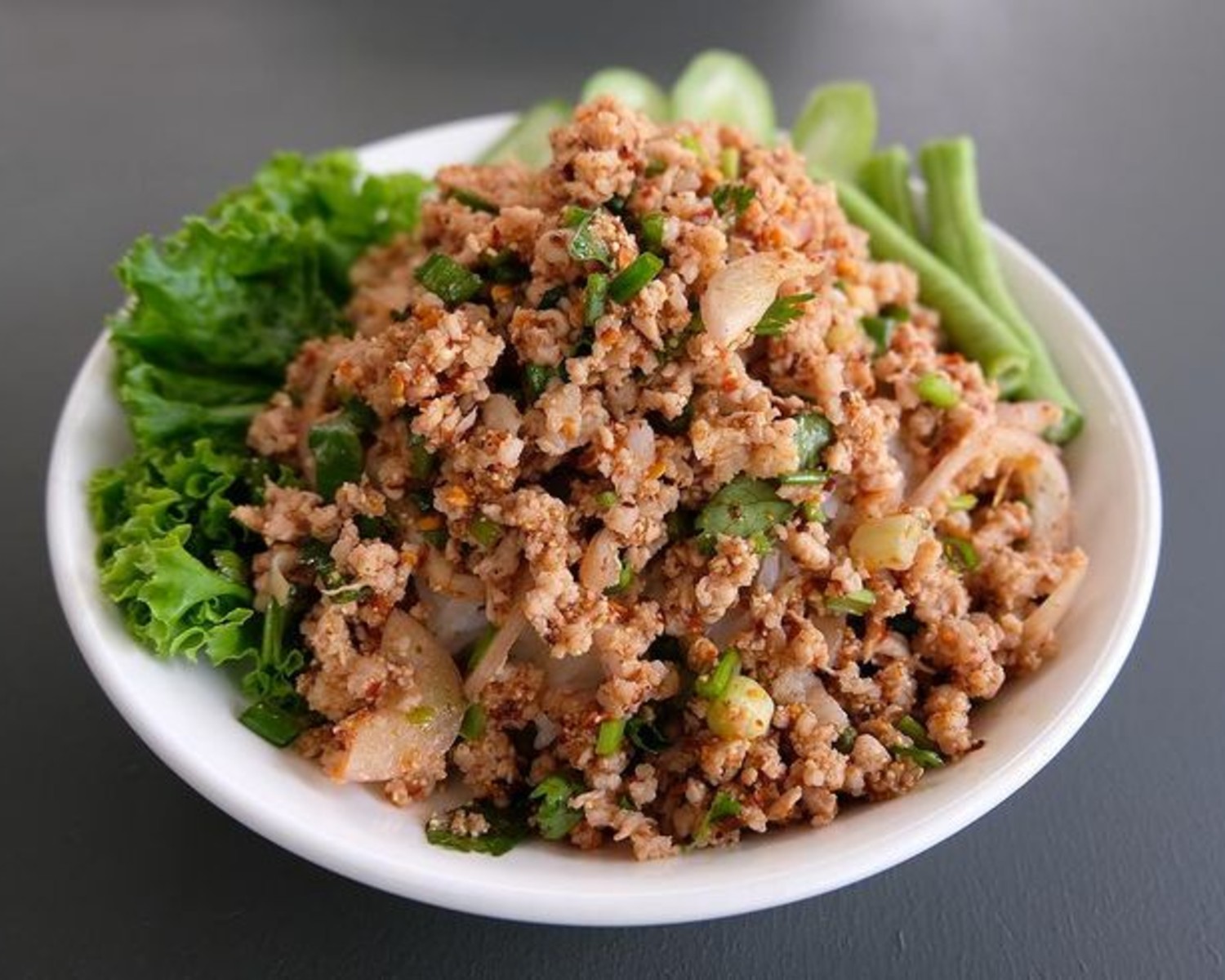
Dohkhlieh (Pork Salad)
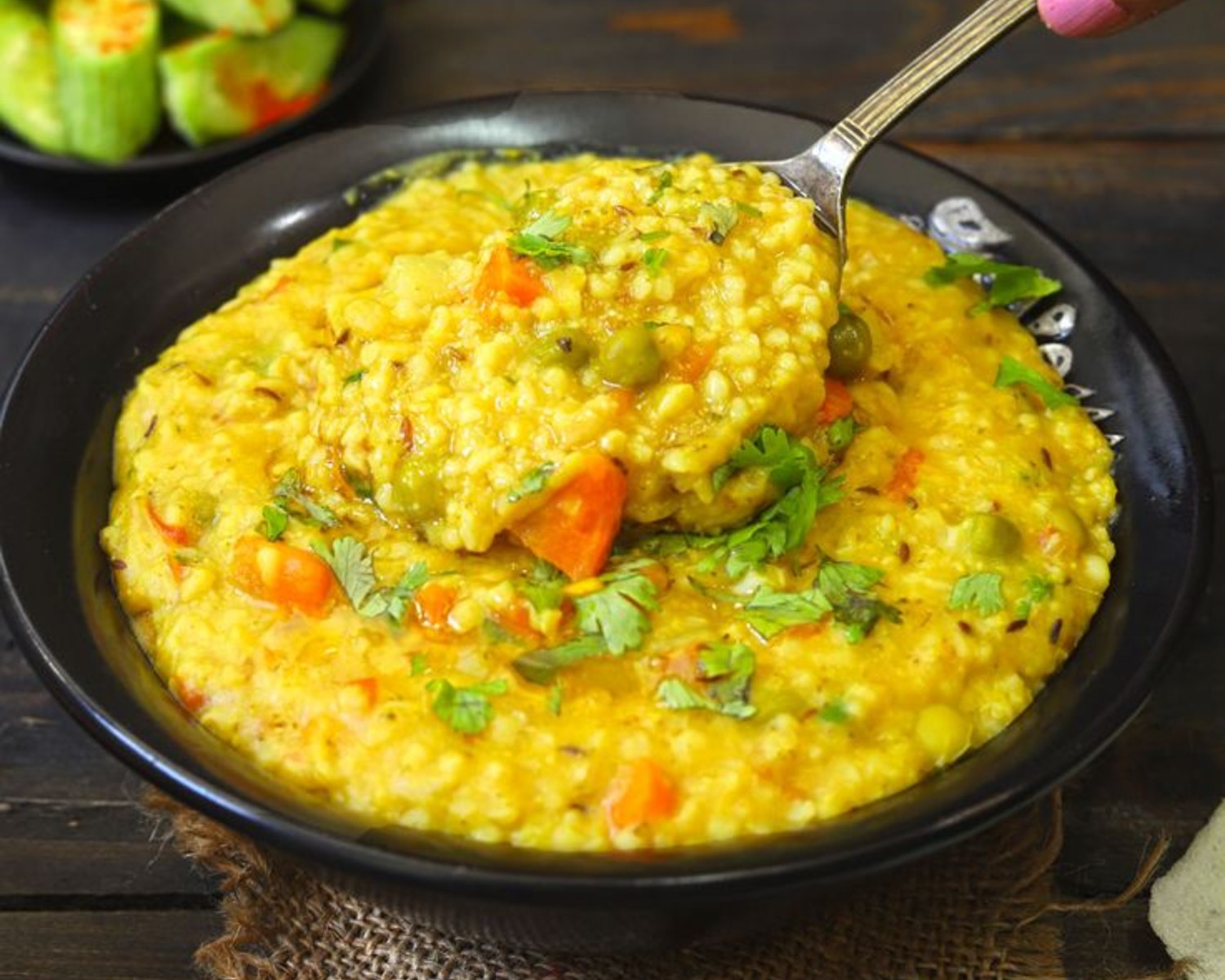
Khichdi (Vegetable Rice)
Bamboo Shoot Curry (Sohdoh)
Fish (Local Rivers)
Paan Khyndai (Betel Leaf Preparation)
Local Sweets & Desserts
Dining Etiquette
- • Eat/drink with right hand (left unclean; left-handed travelers exception allowed).
- • Wait for elders/honored guests to start eating.
- • Finish all food on plate (waste insulting; 'Anna Brahma' = food is sacred).
- • Compliment cook's skills generously.
- • Meals leisurely; rushing disrespectful.
- • Rice, vegetables staple; meat accompaniment seasonal.
- • Tea ritual: accept offered tea (refuse insulting).
- • Tipping: not customary; rounding up appreciated (₹20–50 per meal).
Signature Drinks
Shop & Bring Home
Meghalaya offers unique handicrafts, bamboo products, handloom textiles, tribal artifacts, local honey. Shopping supports indigenous artisans; ethical sourcing emphasized. Shillong markets blend modern malls with tribal craft centers.
Handicrafts & Bamboo Products
₹200–5,000+
- Bamboo baskets, weaving (Khasi traditional)
- Bamboo furniture, decorative items
- Tribal masks, wooden artifacts
- Beaded jewelry, tribal ornaments
Handmade, artisan-produced. Unique, culturally significant. Support tribal communities; fair trade important.
Handloom Textiles
₹500–8,000+
- Traditional shawls, scarves (hand-woven)
- Bamboo silk blends
- Tribal dress items (Ka Jainsen, traditional attire)
- Blankets, throws (handwoven)
Quality varies; authentic items premium-priced. Support weavers directly; fair trade principles.
Local Honey & Products
₹300–1,500+ (honey per jar)
- Pure organic honey (local bees)
- Honeycomb products
- Herbal honey preparations
- Forest products (spices, dried herbs)
Organic, sustainable products. Direct from apiaries affordable. Gift-worthy quality; therapeutic properties.
Souvenirs & Local Items
₹50–2,000
- Tribal masks, sculptures
- Waterfall-themed items
- Living Root Bridge replicas
- Meghalaya-themed magnets, postcards
Tourist-friendly items; quality varies. Shillong shops offer contemporary. Bazaars authentic; bargaining expected.