Norway
factsheet
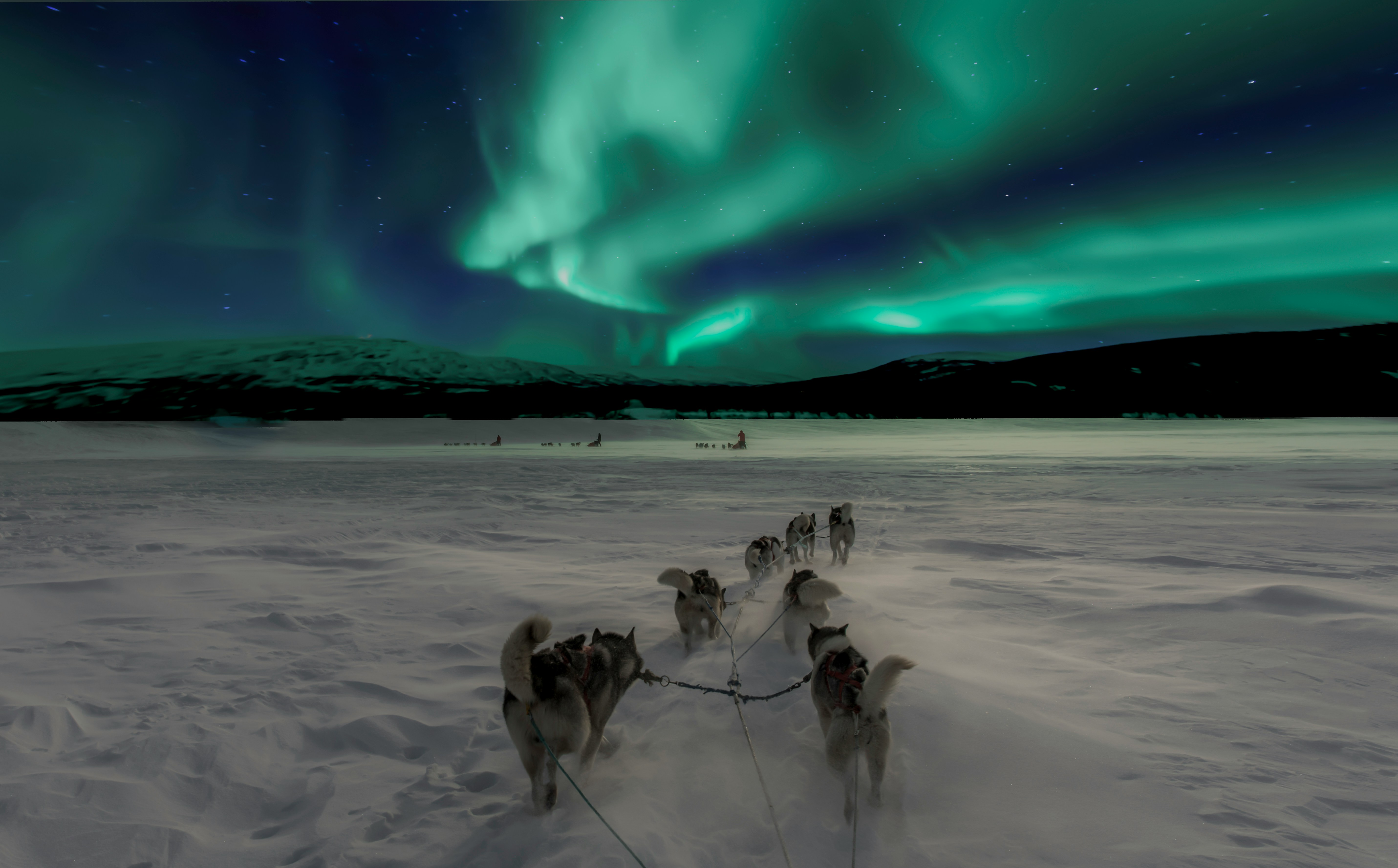
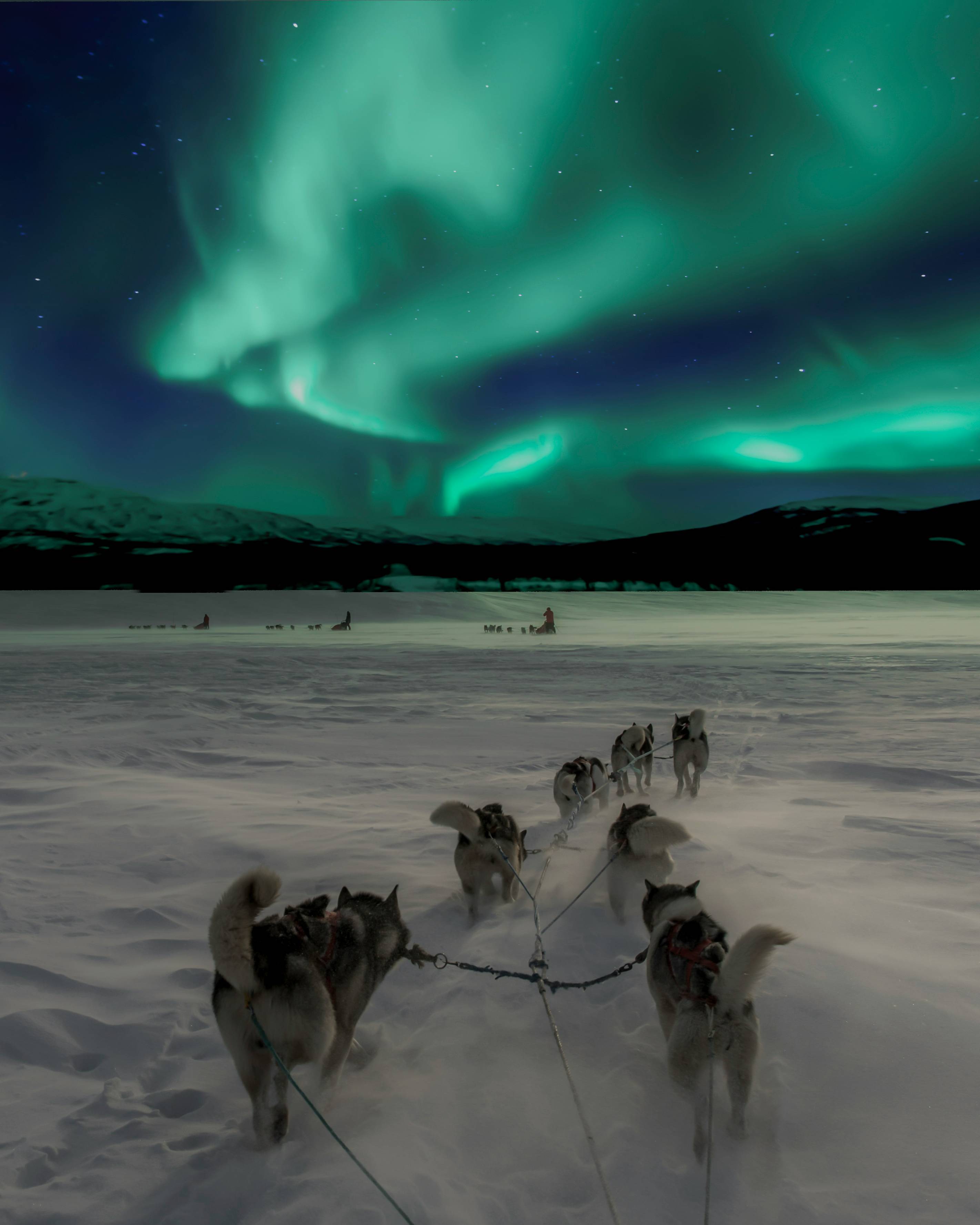
Land of dramatic fjords, Viking heritage, and Arctic magic where Northern Lights dance above snow-capped peaks and ancient sagas inspire modern explorers.
Norway factsheet: Schengen €90/₹9,100 + VFS (~₹10k Indians), NOK 1=₹9, Sep-Apr Northern Lights (Tromsø/Lofoten peak), fjords tips.
The Essentials
Best Time
May-Sep, Nov-Jan
Currency
NOK (kr)
Climate
Temperate-Subarctic
Time Zone
UTC+1 (CET)
Language
Norwegian
Visa
Schengen Visa
Capital
Oslo
Population
5.5M
Calling Code
+47
Power Plug
Type C & F (230V)
Tipping
Not mandatory; 10% appreciated
Emergency
112
History & Heritage
Norway's history spans over 1,100 years from the Viking Age (793-1066) through medieval kingdoms to modern independence (1905). Viking explorers settled Iceland, Greenland, and founded Dublin. Medieval Norway thrived as a trading power before centuries of union with Denmark and Sweden. The peaceful dissolution of the Swedish-Norwegian union in 1905 marked Norway's emergence as a sovereign nation. Today, Norway balances ancient Nordic traditions with modern prosperity, Nordic values, and pioneering sustainability.
The Viking Age (793-1066)
Norwegian Vikings became legendary explorers and raiders. They established settlements across the British Isles (founding Dublin c. 840), reached Iceland, Greenland, and reportedly North America. Harald Fairhair unified coastal areas around 900 AD, becoming the first King of Norway. This era shaped Norwegian maritime culture and exploration legacy.
Christianization & Medieval Kingdom (1000-1387)
King Olav Tryggvason introduced Christianity around 1000 AD, transforming Norway into a Christian kingdom. Medieval Norway flourished as a major trading power along the Hanseatic routes. The 13th century saw the establishment of stable borders and strong monarchy, earning Norway the status of a respected Nordic power in European affairs.
Kalmar Union (1397-1523)
Norway entered the Kalmar Union with Denmark and Sweden in 1397, ending as an independent kingdom. For over 400 years, Denmark ruled Norway while Sweden pursued independence. This period limited Norway's sovereignty but preserved Norwegian language, culture, and identity despite Danish dominance.
Danish-Norwegian Union (1523-1814)
When Sweden left the Kalmar Union in 1523, Norway remained under Danish rule for nearly 300 years. This era saw economic stagnation, but Norwegian culture persisted. The Norwegian language, traditions, and identity remained strong despite foreign rule—laying groundwork for future independence movements.
Union with Sweden (1814-1905)
After Denmark sided with Napoleon, Norway was ceded to Sweden in the 1814 Treaty of Kiel. However, Norway declared independence and adopted the Norwegian Constitution on May 17, 1814. Though quickly forced into union with Sweden, this date became National Day. Tensions rose throughout the 1800s as Norway demanded sovereignty and representation.
Independence & Modern Nation (1905-Present)
On June 7, 1905, the Norwegian Parliament voted to dissolve the union with Sweden. A referendum passed with 99.5% approval. The Treaty of Karlstad (August 23, 1905) formally established Norwegian independence. Denmark's Prince Carl became King Haakon VII. Since 1905, Norway developed into a modern constitutional monarchy, joining NATO in 1949 and the EEA in 1994, while maintaining independence from EU.
Climate & Weather
Norway's climate varies dramatically by region and latitude. The Gulf Stream moderates coastal areas (Bergen, Oslo) creating surprisingly mild temperatures. Northern regions (Tromsø, Lofoten) experience extreme seasonal variation: midnight sun in summer, polar night in winter. Alpine and mountain areas are cold year-round. Weather changes rapidly; preparation essential.
Time Zone
CET (UTC+1, CEST UTC+2 in summer)
5 hours 30 minutes behind IST (India Standard Time)
Best Months
May-September (summer), November-January (Northern Lights)
Spring (Vår)
Mar – May
0–10°C (32–50°F)
Days lengthen rapidly. Hiking season begins. Birch forests bloom. Snow melts creating spectacular waterfalls. Easter skiing still possible. Perfect spring weather by May.
Summer (Sommer)
Jun – Aug
15–20°C (59–68°F)
Midnight sun (continuous daylight June-July in north). White nights in south. Peak hiking season. Fjord cruising ideal. Midnight sun phenomena. Low rainfall, long daylight for exploration.
Autumn (Høst)
Sep – Oct
8–15°C (46–59°F)
Northern Lights start late September. Golden foliage. Clear crisp days perfect for hiking. Fewer tourists. Colder than summer but milder than winter. Darkness gradually increases.
Winter (Vinter)
Nov – Feb
-5–0°C (23–32°F) coastal; -10–-5°C elsewhere
Optimal Northern Lights viewing (dark skies). Ski season (Lillehammer, Bansko). Polar night in far north. Snowy landscapes. Dark/cozy atmosphere. Magical winter atmosphere.
Seasonal Packing List
Language Guide
Official Language
Norwegian (Norsk)
Norwegian is a North Germanic language with ~5.5 million speakers. Closest to Swedish and Danish (mutually intelligible to degree). Uniquely, Norwegian has a 'singing' quality due to pitch accent system (two distinct tonal patterns). English proficiency is extremely high (85%+ in cities, 70%+ overall), especially among youth. Swedish and Danish widely understood. Norwegian has distinctive pronunciation with melodic intonation.
Local Signage
Useful Phrases
Hello
HAHL-lo / HEY
Hallo / Hei
Thank you
TAHK
Takk
Thank you very much
TOO-sun TAHK
Tusen takk
Goodbye
YAH dah / hah DAY
Ja da / Ha det
Yes / No
YAH / NAY
Ja / Nei
Please
VAIR shaw SHNILL / TAHK
Vær så snill / Takk
Excuse me
OON-shyld
Unnskyld
How much?
VOOR MEE-uh KOS-tar day?
Hvor mye koster det?
Also Commonly Spoken
English
Extremely high proficiency. Scandinavian youth (under 30) nearly universally fluent. Older Norwegians also generally speak excellent English. Most signs bilingual.
Swedish
Mutually intelligible; Norwegians understand Swedish well. Combined with Danish creates Nordic language family.
German
Spoken by some, less common than English or Swedish. Growing among younger Norwegians.
Nordic Languages
Norwegian shares North Germanic roots with Swedish, Danish, Icelandic, Faroese. Similar history and cultural connections.
Currency & Money
Official Currency
Norwegian Krone
kr (NOK) — 1 NOK = 100 Øre
Banknotes
50, 100, 200, 500, 1,000 NOK
Coins
1, 5, 10, 20 NOK (rarely used, mostly digital)
Cards Dominant
Norway is nearly cashless. Visa/Mastercard/American Express accepted everywhere. Contactless payments ubiquitous. Tapping card readers standard even for small amounts.
ATMs
Available throughout Norway. Accept international cards. Minimal fees (1-2%). Cash withdrawals possible but less necessary than other countries.
Mobile Payments
Apple Pay, Google Pay, and Vipps (local payment app) extremely popular. Vipps used for everything—restaurants, shops, peer-to-peer. Digital payments preferred.
Cash
Rarely needed. Many establishments 'cash optional' or credit-card-only. Carrying backup cash recommended (some rural areas or older vendors may prefer it).
Daily Budget Estimates
Budget Traveler
600-800 NOK (~₹5,350-7,150 or $57-76 USD)
Mid-Range Traveler
1,200-1,800 NOK (~₹10,700-16,100 or $114-171 USD)
Luxury Traveler
2,500+ NOK (~₹22,350+ or $238+ USD)
Visa & Entry
Contact VFS Global website to check appointment availability (slots limited)
Download and complete Schengen visa application form (Form C)
Prepare required documents as per checklist (see requirements section)
Book visa interview appointment at VFS Global India center (New Delhi, Mumbai, Bangalore, Pune, etc.)
Attend in-person appointment with documents, biometrics, and interview
Submit completed application and supporting documents
Wait 15 calendar days for processing decision
Collect passport with visa or receive refusal notice
Visa issued as sticker in passport; valid for entry to Norway and entire Schengen Area
Registration
Immigration automatically registers upon entry/exit.
No separate registration required for Schengen visa holders. Standard tourism up to 90 days auto-registered.
Penalty: Overstaying Schengen visa results in: Schengen-wide entry ban (5-10 years), fines (€500-5,000+), deportation
Visa Extension
Request to UDI (Norwegian Immigration) if emergency (medical, family death, etc.). Requires strong justification.
Cost: No fixed extension fee; variable by situation. Legal proceedings may be involved.
Requirements
- • Valid passport (minimum 3 months validity beyond planned return date, 2+ blank pages)
- • Completed Schengen visa application form (Form C, signed)
- • Two recent passport-size color photos (35mm x 45mm, white background)
- • Proof of accommodation (hotel booking, Airbnb confirmation, invitation from resident)
- • Round-trip flight tickets or flight booking confirmation
- • Schengen travel insurance (minimum €30,000 medical coverage, mandatory)
- • Bank statements or proof of financial means (~€900/month for stay duration)
- • Employment certificate (if employed) or letter from employer
- • Proof of residence in India (utility bill, voter ID, driving license)
- • Cover letter explaining purpose of visit and itinerary
Getting There & Around
Intercity Travel
Trains (NSB/Vy)
Modern electric trains to Bergen (7h), Trondheim (7h), Kristiansand (4.5h). Scenic routes. Comfortable; food/drinks available. 200-600 NOK depending on distance.
Buses (Flixbus, Nettbuss)
Cheaper than trains. Longer journey times. €20-50 (~150-375 NOK). Less comfortable for long distances.
Self-Drive (Car Rental)
Excellent road infrastructure. Spectacular fjord/mountain drives. E6, E39, E45 scenic routes. Petrol ~20 NOK/liter (~$1.90/liter). Tolls on some roads.
Flights
Quick access to remote areas (Tromsø, Lofoten). Scandinavian Airlines, Norwegian Air. €50-150 (~375-1,125 NOK). Sometimes cheaper than trains.
Fjord Cruises
Iconic experience. Bergen-Flåm scenic railway + fjord cruise popular. €80-200+ (~600-1,500+ NOK) depending on package.
Culture & Local Life
Egalitarian, Outdoor-Focused, and Reserved-Yet-Warm
Norwegian culture emphasizes equality, nature connection, and work-life balance. Norwegians value simplicity, authenticity, and respect for personal space. Outdoor activities (hiking, skiing, fjord exploration) are central to lifestyle. Society is highly egalitarian—first-name basis is standard even with authority figures. Reserved initially, Norwegians warm quickly once rapport established. Friluftsliv ('open-air living') philosophy embodies connection to nature and simple pleasures. Modern Norway balances ancient Viking traditions with progressive Nordic values.
Friluftsliv (Open-Air Living)
Central to Norwegian identity. Embrace time in nature: hiking, skiing, picnicking. 'There's no such thing as bad weather, only bad clothing' is Norwegian philosophy. Connection to nature defines quality of life.
Constitution Day (May 17)
National holiday celebrating 1814 Norwegian Constitution. Children's parades, traditional costumes (bunad), flag-waving, street festivities. Most important national celebration. Ice cream and cream cakes traditional.
Allemannsretten (Everyman's Right)
Ancient principle allowing public access to wilderness for hiking, foraging, camping (wild camping permitted 1+ km from residences). Requires respect for nature and others' property. Reflects Norwegian democratic values.
Hygge & Koselig
Danish concept of cozy warmth, Norwegian 'koselig.' Winter tradition: dim lighting, candles, tea/hot chocolate, gathering with loved ones indoors. Represents finding joy in simple pleasures during dark winters.
Viking Heritage
Modern Norwegians proud of Viking ancestors. Museums, historical sites, reenactments celebrate Viking Age. Norse mythology, sagas, and seafaring traditions remain culturally significant.
Gifting Etiquette
Bring small gift when visiting homes (flowers, wine, chocolates, quality food item). Present with both hands as sign of respect. Don't give knives (cutting relationship), sharp objects, or overly personal gifts. Gifts opened immediately (unlike some cultures). Quality over cost valued.
Business Etiquette
Formal initially, quickly becomes informal. Business cards exchanged ceremonially. First names used quickly. Meetings start/end punctually. Egalitarian approach; no 'pecking order.' Consensus-based decision making valued. Direct communication preferred over subtle hints.
Dining Etiquette
Wait for host to invite you to begin eating. Say 'Vel bekomme' (Enjoy your meal) before starting. Finish your plate to show appreciation. Remove shoes when entering homes (hosts provide slippers). Tipping not mandatory (10% appreciated for exceptional service). Service included in menu prices.
Food & Drink
Norwegian cuisine evolved from Viking preservation techniques (smoking, drying, fermentation) applied to abundant seafood and game. Salmon is iconic—world's finest farmed salmon comes from Norwegian fjords. Traditional dishes like gravlaks, rakfisk, and lutefisk reflect ancient methods. Modern Nordic cuisine innovates traditional ingredients. Fresh, simple, high-quality preparations characterize Norwegian food. Seasonal variation important; dark winters historically limited fresh vegetables. Contemporary Norway embraces farm-to-table movements.
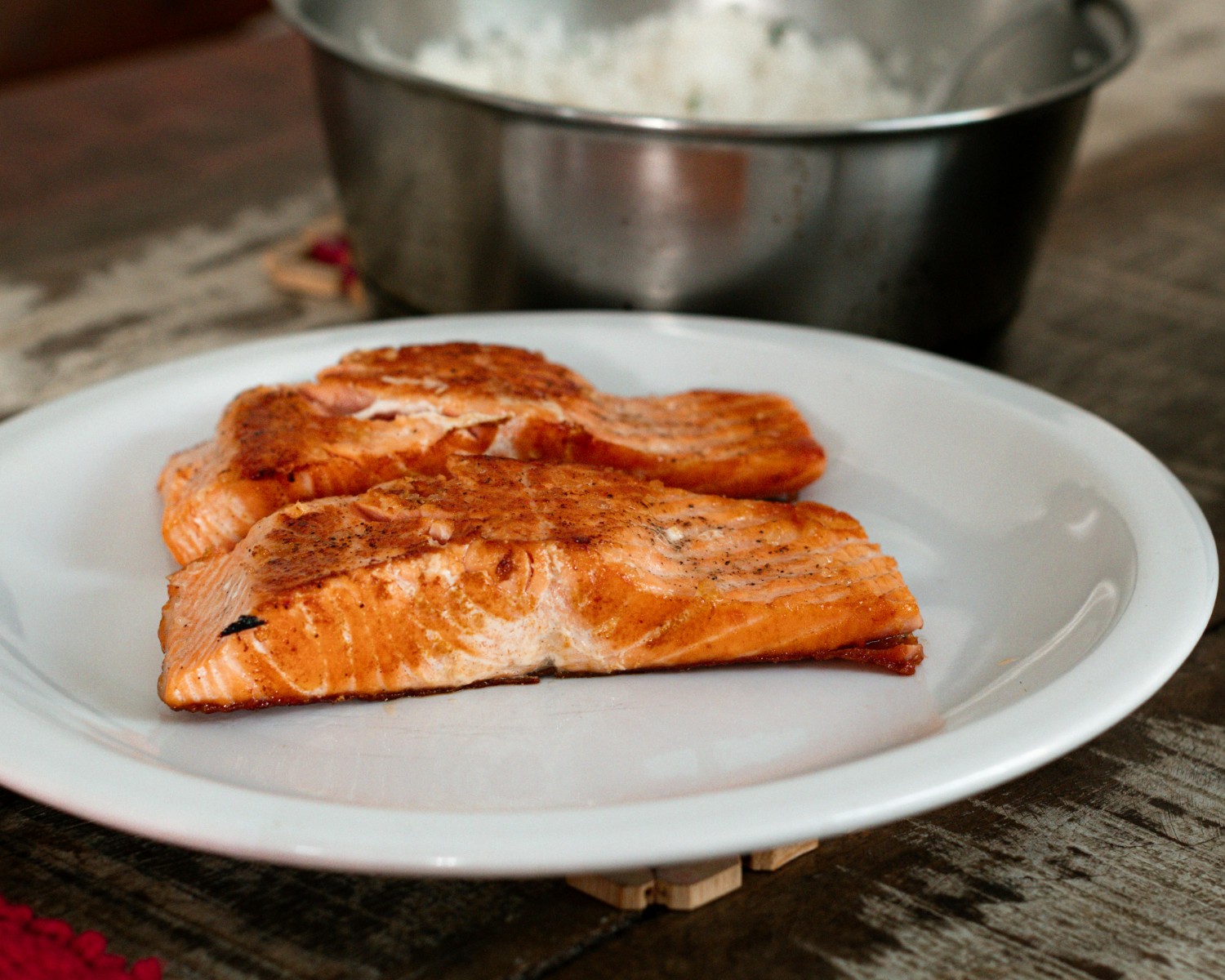
Salmon (Laks)
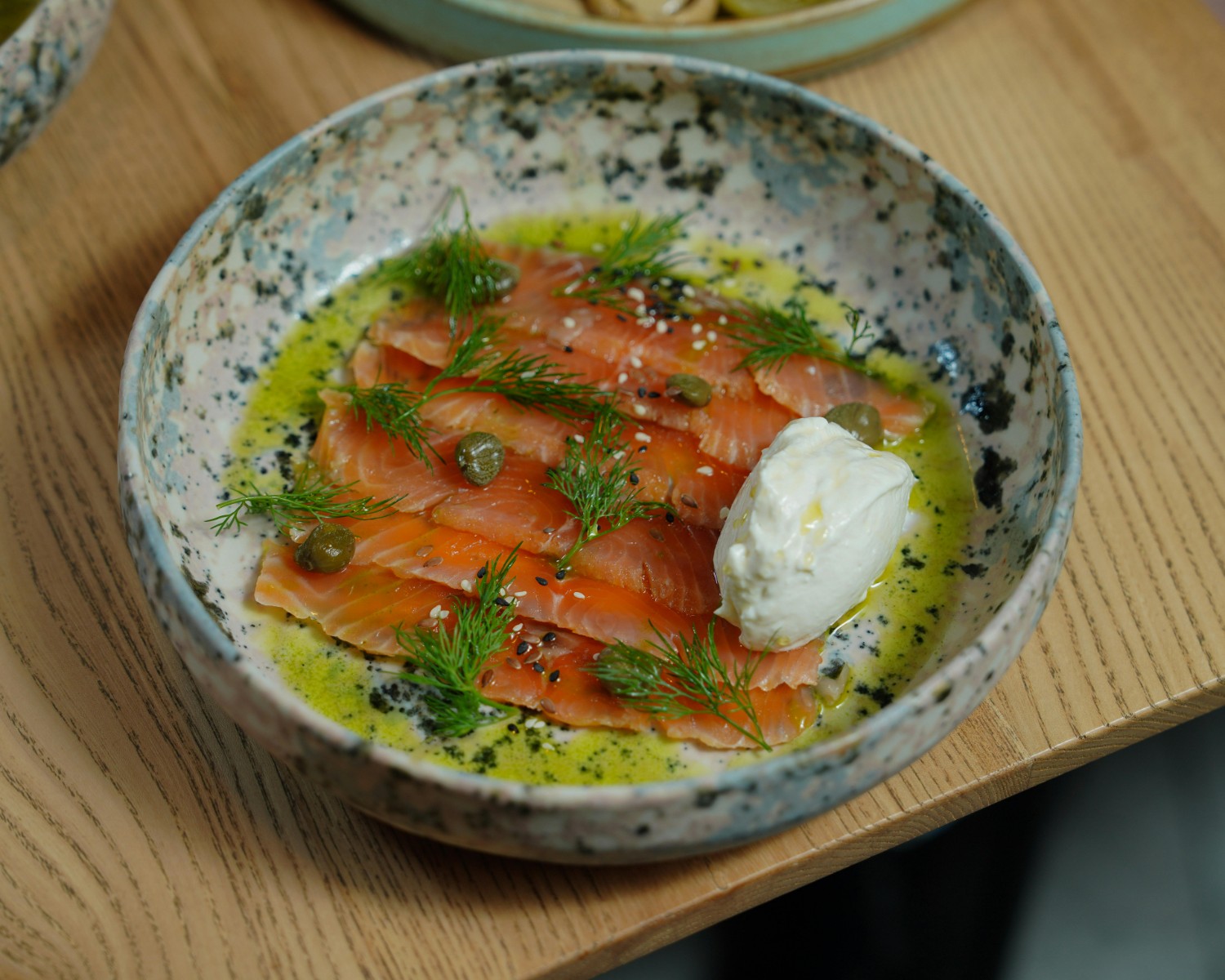
Gravlaks (Cured Salmon)
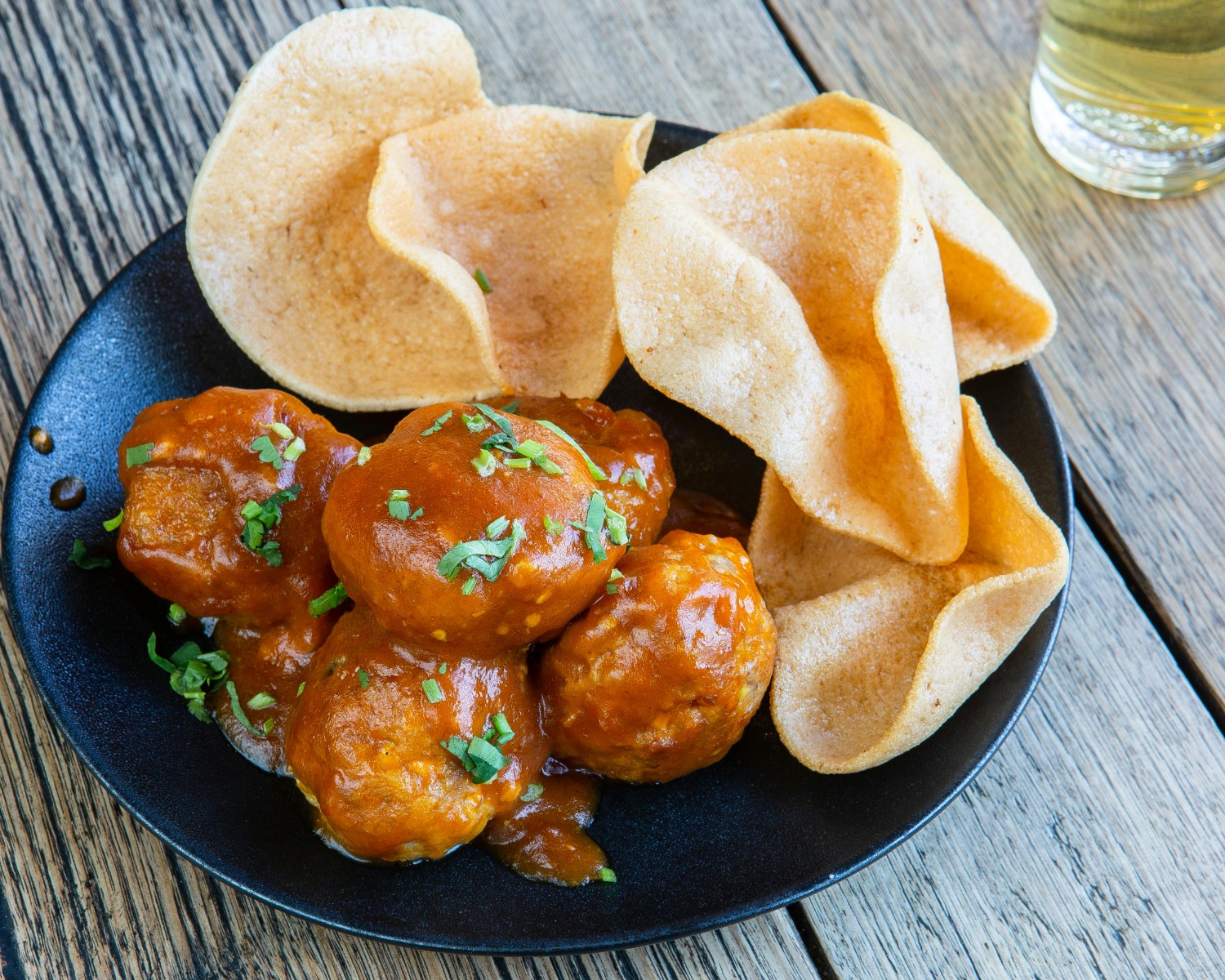
Kjøttkaker (Meatballs)
Fiskeboller (Fish Balls)
Lutefisk (Lye Fish)
Rakfisk (Fermented Fish)
Tørrfisk (Dried Fish)
Dining Etiquette
- • Remove shoes when entering homes (hosts provide slippers or indoors-only shoes)
- • Wait for host to invite you to begin eating. Don't start before others.
- • Say 'Vel bekomme' (Enjoy your meal) before beginning; hosts say it to guests
- • Finish your plate to show appreciation of meal and host's effort
- • Tipping: 10% appreciated for exceptional service; not mandatory as service included
- • Restaurant hours: Lunch 11 AM-2 PM, Dinner 5 PM-10 PM (dinner service starts later than many countries)
- • Coffee/tea typically follows meal in homes and some restaurants
- • Alcohol available; wine, beer, aquavit common at meals and celebrations
- • Vegetarian/vegan options increasingly available but meat/fish dominant cuisine
Signature Drinks
Shop & Bring Home
Norway's shopping reflects Nordic minimalism, quality craftsmanship, and design excellence. Hand-knitted wool sweaters (lusekofte), carved wooden items, Viking-inspired jewelry, and traditional trolls are popular souvenirs. Contemporary Scandinavian design shops showcase innovation. Oslo hosts upscale boutiques alongside artisan markets. Prices notably high (Nordic economy expensive), but quality justifies cost. Sustainable, locally-made items valued.
Wool Sweaters & Textiles
400-2,000 NOK
- Hand-knitted Lusekofte (traditional sweaters)
- Wool Scarves & Mittens
- Norwegian Wool Blankets
- Sámi Woven Crafts
Hand-knitted sweaters authentic and valuable investments. Check maker tags. Authentic craftsmanship evident.
Viking & Nordic Crafts
150-1,500 NOK
- Viking-Inspired Silver Jewelry (Thor's hammer, runes)
- Hand-Carved Wooden Figures
- Wooden Spoons & Utensils
- Norse Mythology Art Prints
Local silversmiths create unique pieces. Woodworking traditional craft.
Modern Nordic Design
300-5,000+ NOK
- Contemporary Scandinavian Furniture
- Minimalist Home Décor
- Designer Ceramics & Glassware
- Modern Art & Prints
Oslo/Bergen design districts showcase latest Nordic aesthetics. Quality over quantity philosophy.
Sámi Handicrafts (Duodji)
200-1,000 NOK
- Hand-Stitched Leather Goods
- Sámi Silver Jewelry
- Traditional Mittens (Sámi-made)
- Woven Belts & Textiles
Support indigenous Sámi artisans. Ancient techniques. Meaningful purchases.