Philippines
factsheet
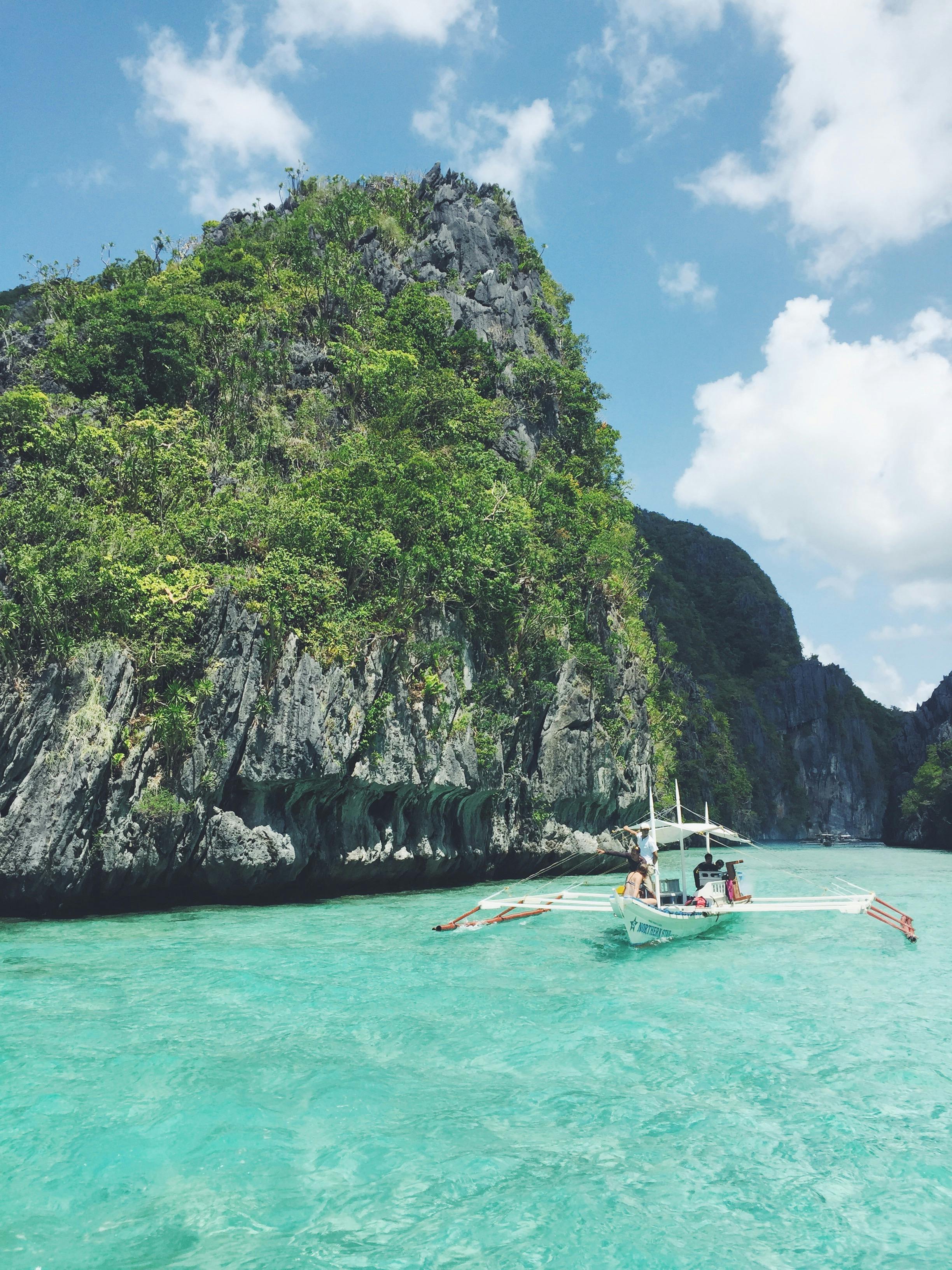
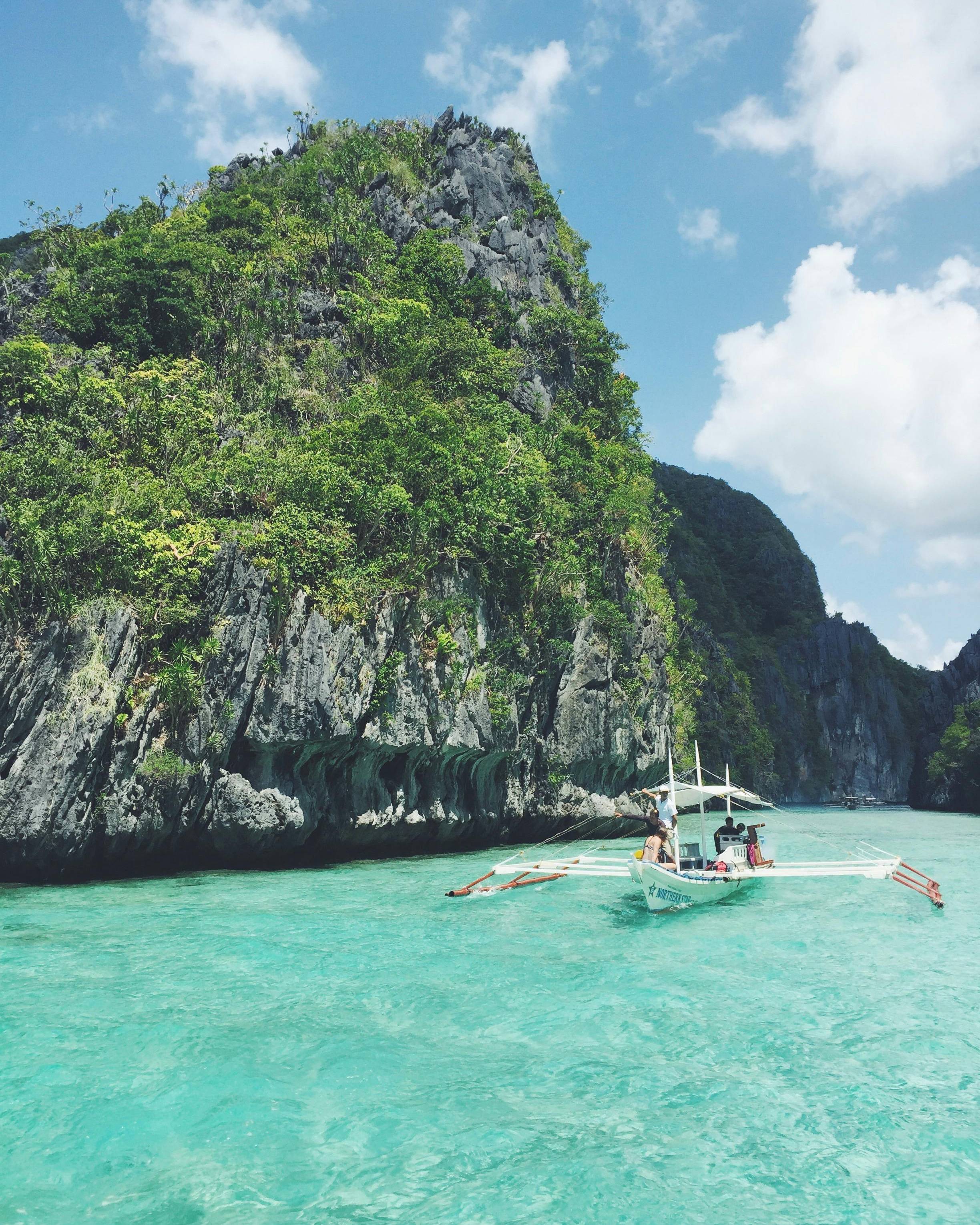
7,600 islands of pristine beaches, vibrant culture, world-class diving, and tropical paradise living.
Planning a trip to the Philippines? Get essential travel facts from Bayard Vacations, including the best time to visit, weather guides, packing lists, and expert tips.
The Essentials
Best Time
Dec - Apr
Currency
PHP (₱)
Climate
Tropical Monsoon
Time Zone
UTC+8 (PHT)
Language
Filipino, English
Visa
30-Day Visa-Free / E-Visa
Capital
Manila
Population
115.7M
Calling Code
+63
Power Plug
Type A & B (220V)
Tipping
10% appreciated (50-100 PHP small amounts)
Emergency
911 (Police), 117 (Tourist Police)
History & Heritage
The Philippines, an archipelago of 7,600 islands, has a rich tapestry of history spanning indigenous Austronesian cultures, Spanish colonialism (1565–1898), American occupation (1898–1946), and modern independence. Today, it stands as the only predominantly Christian nation in Asia with a unique blend of Malay, Spanish, American, and Chinese influences. From world-class natural beauty to thriving urban centers, the Philippines represents one of Asia's most dynamic and welcoming destinations for Indian travelers.
Pre-Colonial Era (9th–16th Century)
The Philippines was home to advanced indigenous civilizations including the Tondo and Cebu kingdoms, with sophisticated maritime trade networks spanning Asia. Barangay (village) systems, Islamic sultanates in Mindanao, and diverse indigenous cultures flourished before European contact.
Spanish Colonial Period (1565–1898)
Ferdinand Magellan arrived in 1521; Spanish colonization began officially in 1565. The 333-year Spanish rule profoundly transformed the archipelago: Catholicism became dominant (97% of population today), Spanish architectural heritage (churches, forts) remains iconic, and the Spanish language left linguistic marks. Manila became one of Asia's major colonial cities.
American Period (1898–1946)
Following the Spanish-American War, the US occupied the Philippines for 48 years. American influence introduced the English language (now widely spoken), democratic institutions, education systems, and infrastructure development. This period solidified English as the 2nd official language, unique in Asia.
Japanese Occupation & WWII (1941–1945)
During World War II, Japan occupied the Philippines. The period saw significant destruction and loss of life but also strengthened Filipino national identity and resilience. Post-war reconstruction with American aid accelerated modernization.
Independence & Modern Era (1946–Present)
The Philippines gained independence on June 12, 1946. The post-independence period saw democratic governance (despite brief martial law 1972–1986), economic growth, and emergence as a major Asian economy. Today, the Philippines is the 2nd-largest economy in Southeast Asia after Indonesia.
Tourism Boom & Strategic Partnership (2024–Present)
In 2024, the Philippines welcomed 78,995 Indian tourists (12.4% growth from 2023). In June 2024, the Philippines launched visa-free travel for Indians (14 days). Air India resumed direct Delhi–Manila flights in October 2024 after 10 years, marking a strategic India–Philippines partnership.[web:736][web:739][web:742]
Climate & Weather
The Philippines has a tropical monsoon climate with distinct dry and rainy seasons. The dry season (November–May) is ideal for tourism with warm weather, low rainfall, and calm seas. Peak season is December–February when temperatures are coolest and humidity lowest. The rainy season (June–October) brings typhoons and heavy rainfall but fewer crowds and lower prices.[web:738][web:741][web:744][web:747][web:749]
Time Zone
UTC+8 (PHT - Philippine Standard Time)
3.5 hours behind IST (India Standard Time)
Best Months
December, January, February, March, April
Cool-Dry (Nov–Feb)
Nov – Feb
24–31°C
Peak season with coolest temperatures and lowest humidity. December–February ideal with minimal rainfall. Clear skies perfect for beach days, island hopping, diving, hiking rice terraces. High tourist traffic and premium prices.[web:738][web:741][web:747][web:749]
Hot-Dry (Mar–May)
Mar – May
25–33°C, peaks 34°C in Apr
Still dry but progressively hotter. March–April see temperatures exceed 30°C with high humidity. Not ideal for outdoor activities during midday. April marks end of dry season; May brings heat and humidity rise. Good for underwater activities and nightlife.[web:738][web:741][web:749]
Rainy/Monsoon (Jun–Oct)
Jun – Oct
26–32°C
Heavy rainfall, especially July–September. Southwest monsoon (habagat) brings storms and occasional typhoons. Disruptions to flights, ferries, and outdoor activities. Tourist numbers drop sharply; prices reduced. Waterfalls dramatic, landscapes lush green. Best for experienced travelers.[web:738][web:741][web:749]
Shoulder Season (May & Nov)
May & Nov
25–32°C
Transition months with moderate crowds and prices. May marks end of dry season; November begins new dry season. Weather variable but improving (Nov) or deteriorating (May). Good compromise for budget travelers seeking decent weather.[web:738][web:741]
Seasonal Packing List
Language Guide
Official Language
Filipino (Tagalog) & English
Filipino (Tagalog) is the official language; English is co-official and widely spoken. The Philippines has the highest English proficiency in Southeast Asia. Over 180 indigenous languages exist across regions. For Indian travelers, English fluency makes Philippines extremely accessible—far easier than other Southeast Asian countries.[web:736][web:742]
Local Signage
Useful Phrases
Hello
ka-MOOS-tah
Kamusta
Thank you
sa-LA-mat
Salamat
Goodbye
pa-AH-lam
Paalam
Yes / No
OH / HUN-dee
Oo / Hindi
Excuse me
POO-way-day / san-DAH-lee
Puwede / Sandali
How much?
mag-KA-no
Magkano?
Where is...?
nah-SAH-ahn ang
Nasaan ang...?
Please
pah-kee-OO-sap
Pakiusap
Also Commonly Spoken
English
Highly fluent among all age groups and across all sectors (hotels, restaurants, attractions, public transport). Most signs bilingual. Philippines has highest English proficiency in Southeast Asia—extremely convenient for Indian travelers.[web:736]
Tagalog/Filipino
Official language; learning basic phrases appreciated but not necessary. Younger generations bilingual in English and Filipino.
Regional Languages
Cebuano (Visayas), Ilocano (North), Bicolano (Bicol). English and Filipino understood almost universally, so regional languages rarely needed for tourists.
Spanish
Minimal; not widely spoken despite 333 years of Spanish colonization. English replaced Spanish as lingua franca.
Currency & Money
Official Currency
Philippine Peso
₱ (PHP) — 1 PHP = 100 Centavos
Banknotes
20, 50, 100, 200, 500, 1,000 PHP
Coins
1, 5, 10, 25 centavos; 1, 5, 10 pesos
ATMs & Cash Withdrawal
ATMs widely available in Manila, Cebu, tourist hubs, and major cities. Less common in remote islands. Most accept Visa/Mastercard. Withdrawal fees vary (typically 200–300 PHP per transaction). Withdraw adequate cash; rural areas may have limited ATM access.
Credit & Debit Cards
Accepted in upscale hotels, malls, restaurants, and tourist attractions in major cities. Cash essential for street food, local eateries, taxis, island tours, and small villages. Digital payments (e-wallets) growing but not universal. Many local businesses cash-only.
Tipping Culture
Tipping not mandatory but appreciated. Service charge (10%) often included in upscale restaurants. Rounding up bills or leaving 50–100 PHP for good service is polite. Hotel staff, tour guides, and drivers appreciate tips (100–500 PHP). Small change coins (1–5 PHP) often left or given to street children.
Daily Budget Estimates
Budget Traveler
₱1,500–2,500 (~$26–44)
Mid-Range Traveler
₱3,000–5,000 (~$53–88)
Luxury Traveler
₱8,000+ (~$141+)
Visa & Entry
Arrive at airport with valid passport and completed arrival card (provided on plane).
Present passport to immigration; no pre-approval visa needed for 30-day stay.
Receive 30-day tourist visa stamp immediately (usually takes 5–10 minutes).
For 60-day e-visa: Apply online at BI website, submit documents, pay fee, receive approval before travel.
Keep visa stamp copy safe; required for departure and in-country transactions.
Registration
Immigration automatically registers you upon arrival.
No mandatory registration for 30-day tourists.
Penalty: Overstays incur fines (₱500 per day), deportation for serious violations, and future entry bans.
Visa Extension
Visit Bureau of Immigration office in Manila, Cebu, or other cities. Submit application, photos, fees.
Cost: Extension typically costs ₱3,130 for 30-day extension (prices vary).
Requirements
- • Valid Indian passport (6+ months validity beyond return date)
- • Completed Arrival Card TM.6 (provided on aircraft or at airport)
- • Return or onward flight ticket
- • Hotel booking or contact address in Philippines
- • Sufficient funds for stay (no exact amount specified but advised to have budget)
- • Travel insurance (recommended but not mandatory)
Getting There & Around
Intercity Travel
Ferries & Boats
Backbone of inter-island transport. Daily ferries connect major islands (Manila–Cebu: 10–16 hours, ₱300–2,000 depending on class). Some overnight with cabins. Scenic journeys.
Budget Airlines
Cebu Pacific, AirAsia, Philippin Airlines offer cheap flights (₱500–3,000) between islands. Fast (1–2 hours) but fares fluctuate. Book in advance.
Buses & Coaches
Long-distance buses connect towns on major islands. Comfortable (some with air-con) but slow on mountain roads. ₱500–1,500 for long journeys.
Private Van Rental
Self-drive or driver-hire option. Convenient for groups. Costs ₱2,000–4,000/day with driver. Roads improving; standard precautions advised.
Culture & Local Life
Warm Hospitality with Christian Values & Island Spirit
Filipinos are renowned for warmth, hospitality, and strong family bonds. The nation is predominantly Catholic, reflecting 333 years of Spanish influence. Filipino culture blends Malay traditions, Spanish customs, American influences, and Chinese heritage. The concept of 'bayanihan' (communal unity) and 'kapwa' (shared identity) defines social interactions. Filipinos are festive, music-loving, and welcoming to strangers—making the Philippines exceptionally tourist-friendly.
Bayanihan (Community Unity)
Ancient tradition of communal work where community members gather for communal tasks (building, harvesting). Reflects collective spirit and mutual support—still practiced in many regions.
Fiesta (Religious Festivals)
Every town celebrates patron saint fiestas with processions, food, music, dancing. December Christmas season spans Sept–Jan. These vibrant celebrations reflect deep Catholic faith and community pride.
Family & Compadre System
Godparent (compadre) relationships create extended family bonds. Family gatherings, celebrations, and meals are central to social life. Respect for elders (seniors) is paramount; they eat first, given best seats.
Mano Ritual
Showing respect to elders by taking their hand and bringing it to forehead ('mano' gesture). Simple but deeply meaningful sign of deference and gratitude.
Gifting Etiquette
Gifts appreciated but not mandatory. Avoid knives (cutting friendship), cutting tools, or handkerchiefs (associated with tears). Wrap gifts nicely. Opening gifts immediately shows appreciation. Small gifts (chocolates, coffee) always welcomed.
Business Etiquette
Business cards exchanged with both hands. Meetings often begin with pleasantries and coffee/snacks. Respect hierarchies. Firm handshakes and eye contact important. Punctuality increasingly valued; however, Filipino time (slight lateness) still observed socially.
Dining Etiquette
Wait for elders or hosts to start eating. Food often shared communally from central platters. Use spoon and fork (or hands for certain dishes). Compliment the cook. Finish most of your plate—leaving food on plate suggests poor quality. Eating slowly and conversing is valued over rushing.
Food & Drink
Filipino cuisine blends Malay, Spanish, Chinese, and American influences—reflecting the nation's complex history. Meals are communal, generous, and often feature rice, seafood, and bold flavors (soy sauce, vinegar, garlic, chili). The Philippines' archipelago geography means fresh seafood dominates. From humble street food to refined dishes, Filipino food culture is accessible, delicious, and deeply satisfying for Indian travelers familiar with communal dining and rice-based meals.
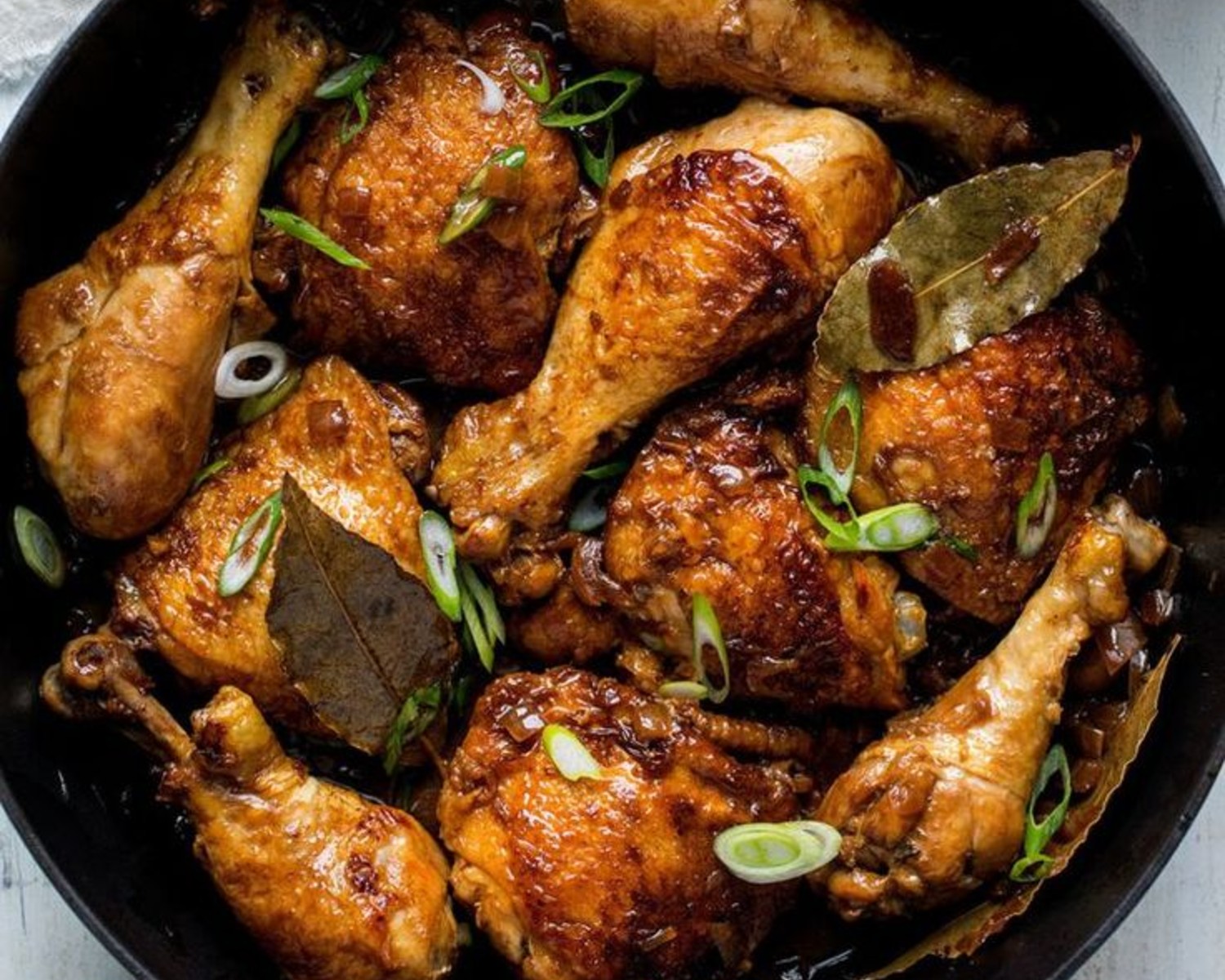
Adobo
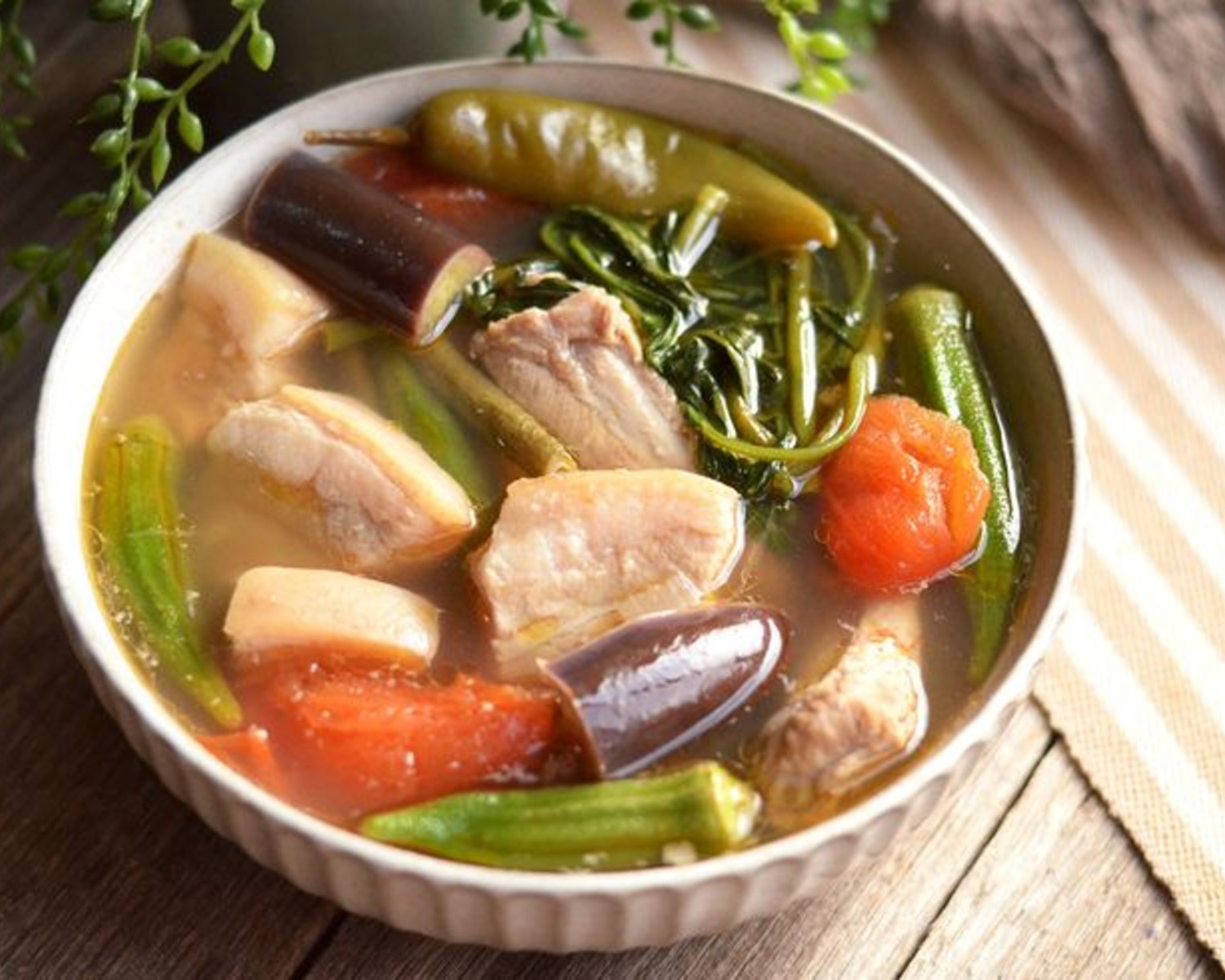
Sinigang
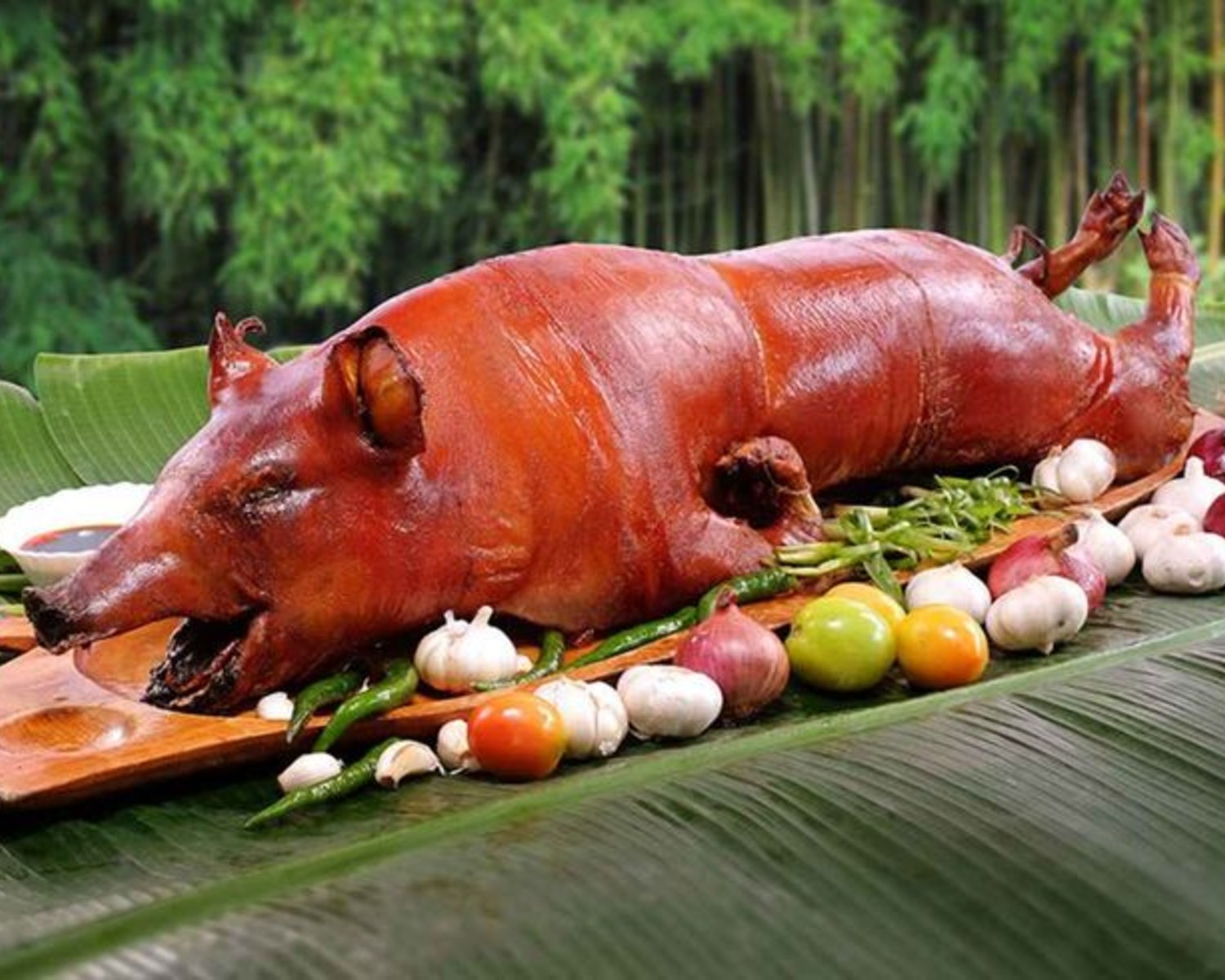
Lechon
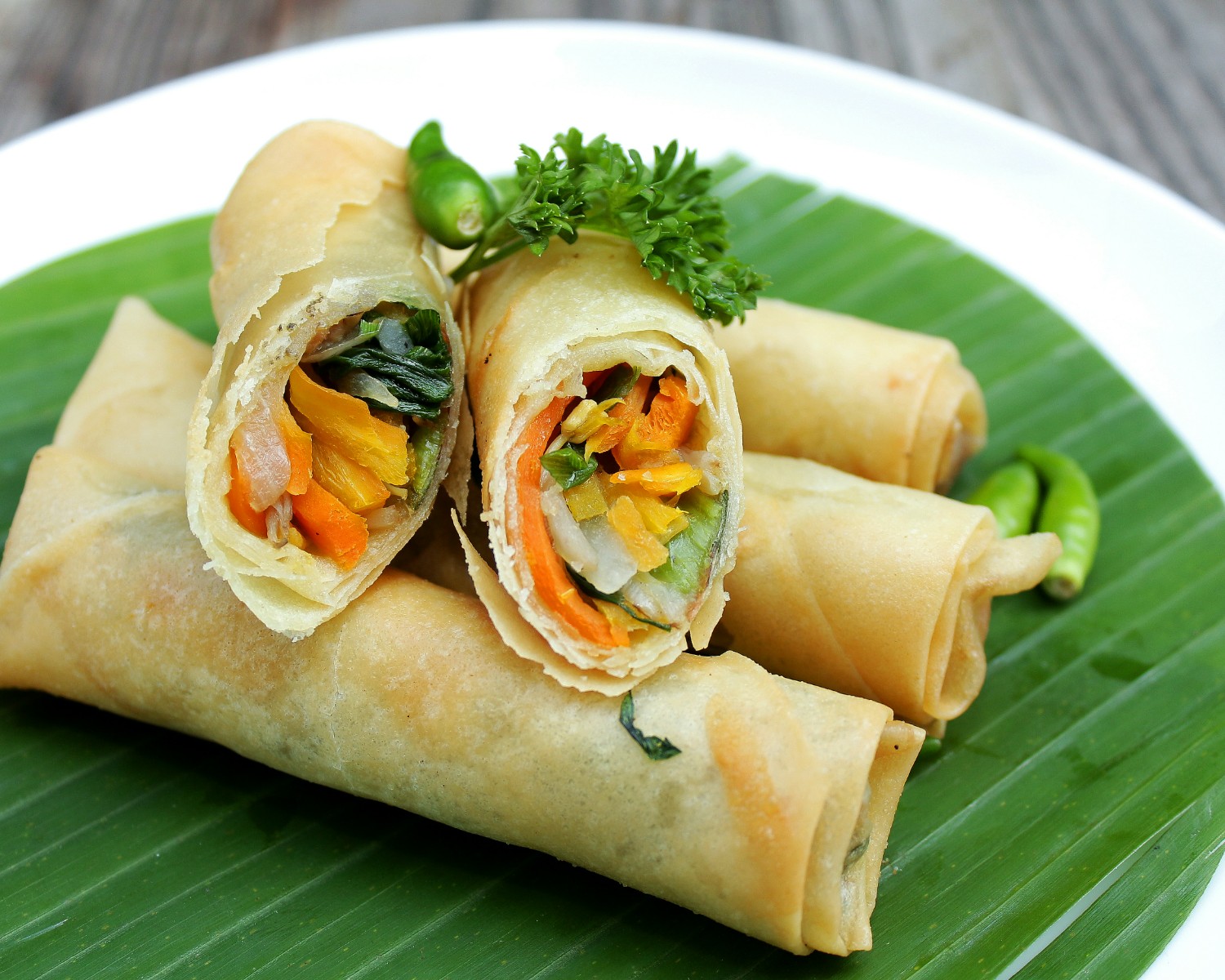
Lumpia
Kare-Kare
Fish Soup (Sinigang na Isda)
Dining Etiquette
- • Meals are communal; dishes placed in center for sharing. Rice is staple carbohydrate at every meal.
- • Eat with spoon and fork (less common than in Asia, but used). Some dishes eaten by hand.
- • Accept food offerings; refusing is considered rude and rejecting hospitality.
- • Slurping soups/noodles is normal and expected—shows enjoyment.
- • Don't stick chopsticks upright in rice (resembles funeral ritual).
- • Leave small amount on plate or cup if very full (suggests abundance/quality of hospitality).
- • Vegetarian and vegan options readily available (unlike some Asian cuisines); inform venues of dietary preferences.
- • Eating late (8–10 PM) common; Filipino dinner often later than Indian standards.
Signature Drinks
Shop & Bring Home
Philippines shopping ranges from modern mega-malls (Makati, Cebu) to vibrant street markets and artisan workshops. Traditional crafts (woven goods, shell items), premium coffee, local chocolates, and island souvenirs offer unique take-home gifts. Bayanihan and haggling culture make markets engaging social experiences.
Local Crafts & Souvenirs
₱200–3,000
- Woven placemats & textiles (T'boli, Cordillera)
- Shell items & beach jewelry
- Wooden carved figurines
- Bamboo products
Support indigenous artisans by buying directly from workshops or fair-trade vendors.
Coffee & Food Products
₱100–1,500
- Barako coffee (Batangas)
- Davao chocolate & cacao products
- Mango (dried, fresh)
- Seafood snacks
Philippine coffee among world's finest; buy fresh roasted beans. Davao chocolate excellent quality.
Fashion & Contemporary
₱500–5,000
- Local designer clothes
- Leather bags & sandals
- Barong Tagalog (traditional shirt)
- Beach wear & resort clothing
Malls offer fixed prices; street markets negotiable.
Religious & Cultural Items
₱300–2,000
- Madonnas & Catholic statues
- Anting-anting (amulets)
- Indigenous spiritual items
- Fiesta memorabilia
Respect cultural/religious significance; avoid inappropriate handling or commercialization.