Portugal Factsheet
factsheet
Where Europe meets the Atlantic, in a blend of azulejo-tiled cities, golden coastlines and centuries of seafaring history.
Planning a trip to Portugal? Get essential facts on Schengen visa requirements, best time to visit, climate guides, and expert planning tips for Indian travelers.
The Essentials
Capital
Lisbon
Population
~10.6 million
Calling Code
+351
Power Plug
Type C & F (230V)
Tipping
5–10% appreciated, not mandatory
Emergency
112
Main Airports
Lisbon (LIS), Porto (OPO), Faro (FAO)
Schengen Stay
Up to 90 days in any 180 days
Best Time
Apr – Jun, Sep – Oct
Currency
Euro (€)
Climate
Mediterranean & Atlantic
Time Zone
UTC+0 / UTC+1 (summer)
Language
Portuguese
Visa
Schengen Visa
History & Heritage
Portugal is one of Europe's oldest nation-states, with borders that have barely shifted since the 13th century. Its position on the Atlantic edge of Europe pushed it out to sea, and in the 15th and 16th centuries Portuguese navigators mapped routes to Africa, Asia and the Americas. That legacy still shapes the country's architecture, cuisine and character. It also links Portugal directly to India, through Vasco da Gama's arrival in 1498 and the Portuguese presence in Goa, Daman and Diu.
Lusitanians & Romans (Pre-Roman – 5th c.)
Celtic and Iberian peoples settled the region, followed by Roman rule from the 2nd century BC. Roman roads, bridges and ruins still survive.
Moorish Rule (711 – 1249)
Muslim rule brought new farming, architecture and place names. Faro, the last Moorish stronghold, fell in 1249, completing the reconquest.
Birth of the Kingdom (1139)
Afonso Henriques declared himself King of Portugal, founding a kingdom that was recognised soon afterwards.
Age of Discovery (15th – 16th c.)
Under Prince Henry the Navigator and later kings, Portuguese explorers charted the African coast and opened sea routes to the East.
Vasco da Gama Reaches India (1498)
The explorer arrived at Calicut, opening a direct sea route between Europe and India.
Goa, Daman & Diu (1510 – 1961)
Portuguese influence in parts of India lasted for centuries and left a lasting mark on food, faith and architecture.
Great Lisbon Earthquake (1755)
A massive earthquake and tsunami destroyed much of Lisbon. The city was rebuilt with the grid-style Baixa district.
Republic (1910)
The monarchy ended and Portugal became a republic.
Carnation Revolution (25 April 1974)
A largely peaceful military coup ended decades of dictatorship and led to democracy.
EU & Euro (1986 / 2002)
Portugal joined the European Community in 1986 and adopted the euro in 2002.
Climate & Weather
Portugal has a Mediterranean climate in the south and an Atlantic influence in the north. Summers are warm and dry, winters mild and wetter, and the coast stays cooler than the interior. Madeira and the Azores enjoy mild weather year-round.
Time Zone
WET (UTC+0), UTC+1 during summer time (late March to late October)
5 hours 30 minutes behind IST in winter; 4 hours 30 minutes behind IST in summer
Best Months
April, May, June, September & October
Spring
Mar – May
12–22°C
Blooming countryside, pleasant sightseeing weather and smaller crowds. Occasional showers, especially in the north.
Summer
Jun – Aug
25–35°C
Beach season with long daylight and lively festivals. The Alentejo interior can exceed 38°C. Peak prices and crowds.
Autumn
Sep – Nov
15–25°C
Warm sea, harvest season in the Douro and fewer tourists. Rain increases from November.
Winter
Dec – Feb
8–15°C
Cool, rainy stretches, especially in the north. Good for city breaks, budget stays and Christmas lights in Lisbon and Porto.
Seasonal Packing List
The north (Porto, Minho) is the wettest region, with most rain between October and March. Lisbon sees moderate winter rain, and the Algarve is sunny for much of the year. Summers are dry across the mainland.
Language Guide
Official Language
Portuguese
Portuguese is spoken by over 250 million people worldwide. English is widely understood in hotels, restaurants and tourist areas, especially among younger people in Lisbon, Porto and the Algarve. Learning a few phrases is warmly appreciated.
Local Signage
Useful Phrases
oh-LAH
Olá
Hello
oh-bree-GAH-doo / -dah
Obrigado (m) / Obrigada (f)
Thank you
ah-DEH-oosh
Adeus
Goodbye
SEEM / NOWM
Sim / Não
Yes / No
poor fah-VOR
Por favor
Please
kom lee-SEN-sah
Com licença
Excuse me
KWAN-too KOOSH-tah
Quanto custa?
How much?
ON-deh FEE-kah
Onde fica...?
Where is...?
Also Commonly Spoken
Currency & Money
Official Currency
Euro
€ (EUR) — €1 ≈ ₹90–100 ⚠️ (check the live rate)
Exchange rates change daily. Forex cards and bank exchange usually give better rates than airport counters. Avoid carrying large amounts of cash. Visa and Mastercard are widely accepted, and contactless is common. Carry some cash for small cafés, markets and rural areas.
Banknotes
€5, 10, 20, 50, 100, 200
Coins
1, 2, 5, 10, 20, 50 cents; €1, €2
Credit / Debit Cards
Widely accepted in hotels, restaurants, shops and attractions. Inform your bank before travelling.
Forex / Travel Cards
Convenient for Indian travellers and often carry lower fees.
ATMs (Multibanco)
Common in cities and towns. Choose to be charged in euros, not rupees, to avoid poor conversion rates.
Cash
Useful for small cafés, tips, markets and public toilets.
Daily Budget Estimates
Budget
€60 – 90
Mid-Range
€120 – 200
Luxury
€300+
Visa & Entry
Indian passport holders need a Schengen visa to visit Portugal. The Type C short-stay visa allows stays of up to 90 days within a 180-day period. Applications in India go through VFS Global, and the adult visa fee is €90 with a lower fee for children aged 6–12. Applicants can apply up to 180 days before travel, and travel insurance with minimum €30,000 coverage is mandatory. Processing times vary by season, so apply well in advance.
Plan your itinerary and check that Portugal is your main destination.
Complete the Schengen application form online and book a VFS appointment.
Gather documents: passport, photos, bank statements, ITR, flight and hotel bookings, and insurance.
Attend the VFS appointment for document submission and biometrics.
Pay the visa fee and VFS service fee.
Track the application with your VFS reference number.
Collect your passport and check the visa dates before travelling.
Registration
Hotels normally complete entry registration at check-in. Guests staying in private accommodation should confirm the requirement with their host. ⚠️
Handled by accommodation providers in most cases.
Penalty: Non-compliance can lead to fines or issues at departure, so keep your booking and passport copies handy.
Visa Extension
Extensions are granted only in exceptional circumstances and should be requested from the Portuguese immigration authorities before the visa expires. ⚠️
Cost: Fees vary; confirm with authorities.
Requirements
- • Passport valid for at least 3 months beyond departure (ideally 6 months) with blank pages
- • Completed Schengen visa application form
- • Recent passport-size photographs
- • Flight reservation and hotel bookings
- • Travel insurance (minimum €30,000 coverage)
- • 3–6 months of bank statements and ITR
- • Employment or business proof (NOC or leave letter, company registration)
- • Cover letter and day-wise itinerary
- • Note: the EU's Entry/Exit System (biometric border registration) may apply on arrival ⚠️
Getting There & Around
Getting There
Portugal is well connected to India through one-stop routes via the Gulf, Europe or the UK. Lisbon is the main international gateway, followed by Porto and Faro. No regular nonstop flights currently operate from India ⚠️.
Intercity Travel
🚄 Trains (CP)
Fast Alfa Pendular and Intercidades trains link Lisbon with Porto (about 3 hrs), Coimbra and Faro. Comfortable and scenic.
🚌 Long-distance Buses
Rede Expressos and FlixBus serve most towns, including places without a train.
🚗 Car Rental
Best for the Douro, Alentejo and Algarve. International driving permit needed. Toll roads are common, so ask about toll transponders.
✈️ Domestic Flights
Regular flights connect the mainland with Madeira and the Azores.
⛴️ Ferries
Boats cross the Tagus in Lisbon and run to the Setúbal peninsula.
Getting Around
🚇 Metro
Lisbon has four lines and Porto a six-line light metro network. Fast and affordable.
🚋 Trams
Lisbon's Tram 28 and Porto's heritage trams are scenic. Beware of pickpockets on Tram 28.
🚕 Taxis & Ride-hailing
Uber, Bolt and Free Now operate in major cities and are affordable.
🚡 Funiculars & Elevators
Historic lifts help with hilly streets, including Bica, Glória and Santa Justa.
🚆 Suburban Trains
Frequent trains connect Lisbon to Sintra and Cascais.
🚶 On Foot
Historic centres are compact, but expect steep hills and cobbles.
🚌 City Buses
Extensive city networks. Use a reloadable card (Navegante in Lisbon, Andante in Porto) for savings.
Culture & Local Life
Portuguese culture is warm, understated and deeply tied to the sea. Life is social, with long meals, café conversations and family gatherings. The national character is captured by saudade, a bittersweet longing that inspires fado music and poetry. Football, festivals and Catholic traditions remain part of everyday life, while Lisbon and Porto have also grown into creative, cosmopolitan cities.
Fado
The soulful music of longing and fate, recognised by UNESCO. Best heard in small, intimate venues in Alfama (Lisbon) and Coimbra.
Azulejos
Hand-painted ceramic tiles cover churches, stations and house façades and tell stories of Portuguese history.
Saudade
A uniquely Portuguese feeling of nostalgic longing, expressed in music, literature and everyday life.
Santos Populares (June)
Street festivals for Saint Anthony, Saint John and Saint Peter, with grilled sardines, music and dancing, especially in Lisbon (12–13 June) and Porto (23–24 June).
Café Culture
Coffee and pastries are a daily ritual. Locals linger over a bica (espresso) at neighbourhood cafés.
Fátima Pilgrimage
Thousands of pilgrims visit Fátima each year, especially on 13 May and 13 October.
Football
A national passion, with big-club rivalries such as Benfica, Sporting and Porto.
- • Greet people with "Bom dia" (good morning) or "Boa tarde" (good afternoon) when entering shops.
- • Dress smart-casual in restaurants and modestly in churches (cover shoulders and knees).
- • Beware of pickpockets in crowded areas, including trams and tourist sites.
- • Avoid stepping into fado houses while a performance is underway. Silence is expected.
Food & Drink
Portuguese cuisine is hearty, honest and centred on the sea, with olive oil, garlic and simple, high-quality ingredients. Salted cod (bacalhau) is the national obsession, grilled sardines define summer, and custard tarts have become a global icon. Regional dishes range from Porto's indulgent francesinha to the Algarve's seafood cataplana, all best paired with local wines. Meals are relaxed and generous.
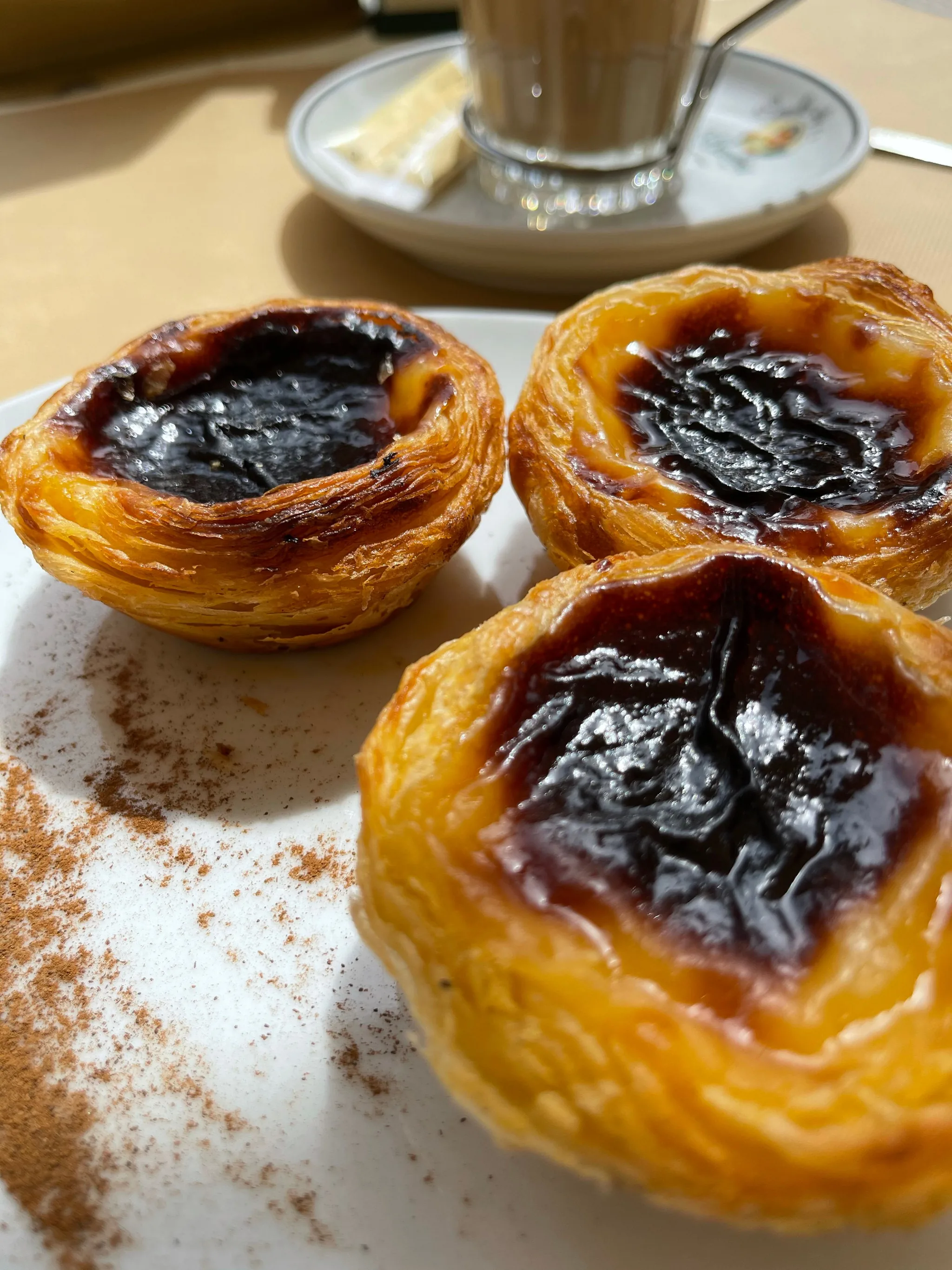
Pastel de Nata
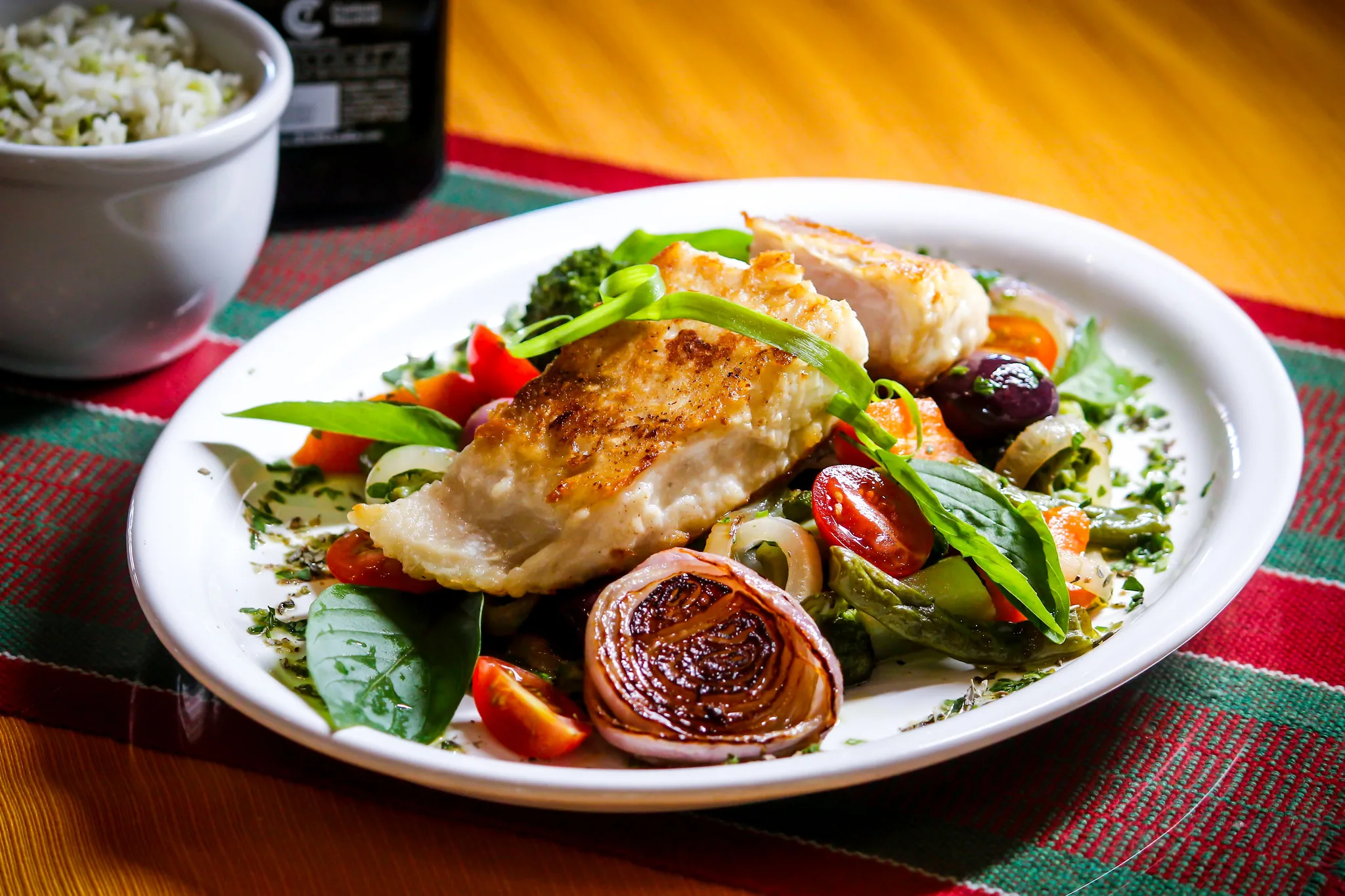
Bacalhau
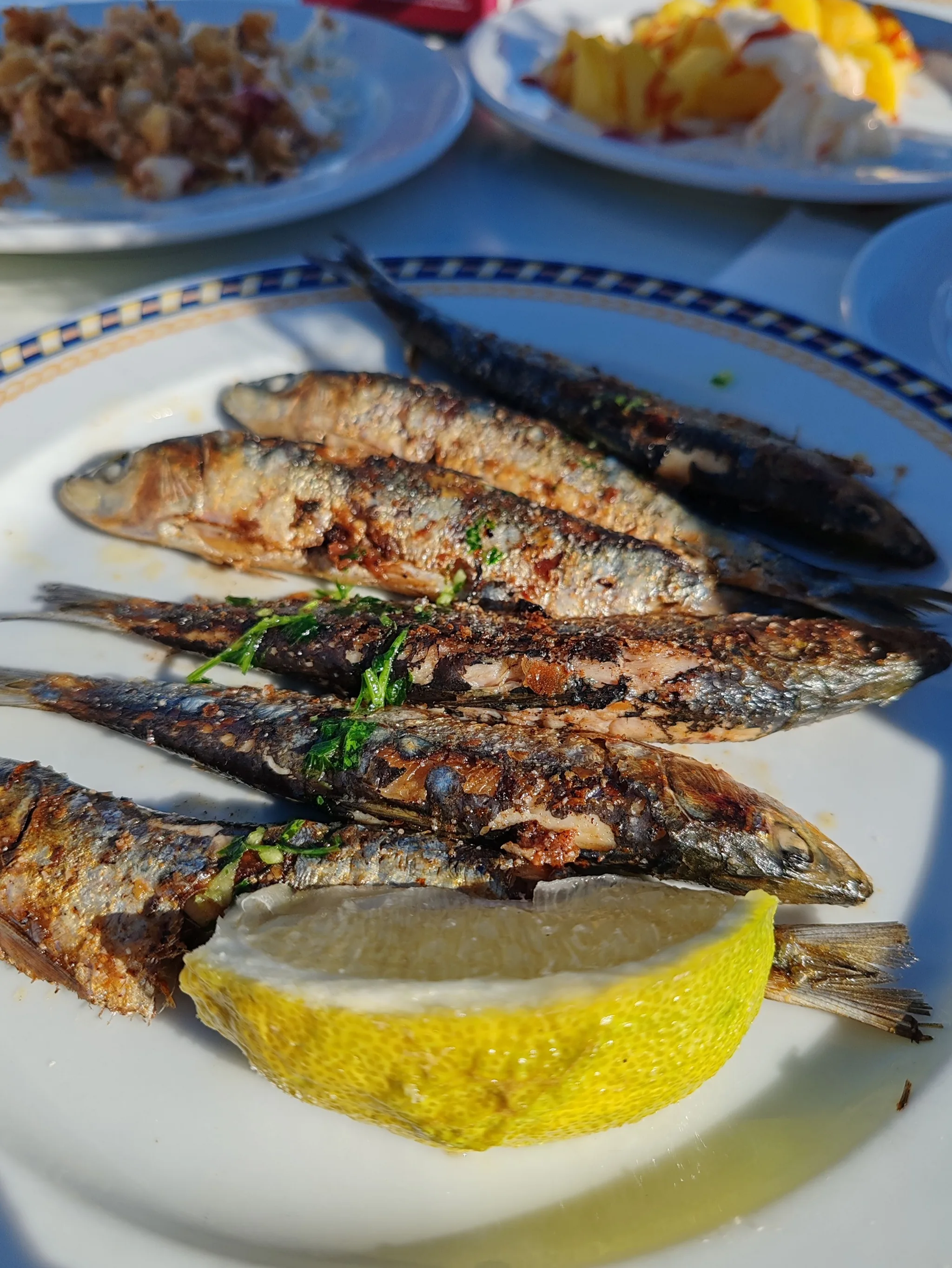
Sardinhas Assadas
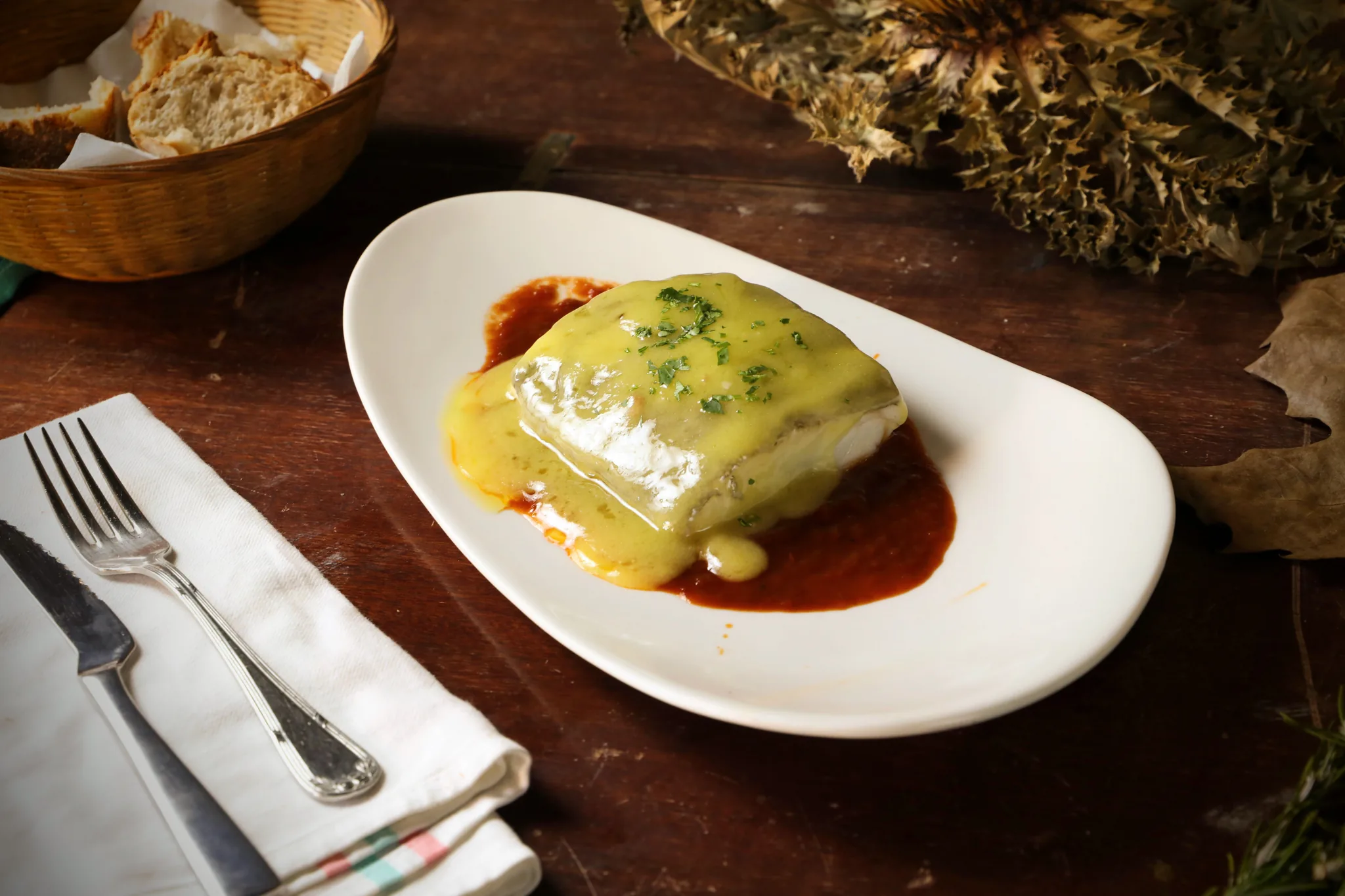
Francesinha
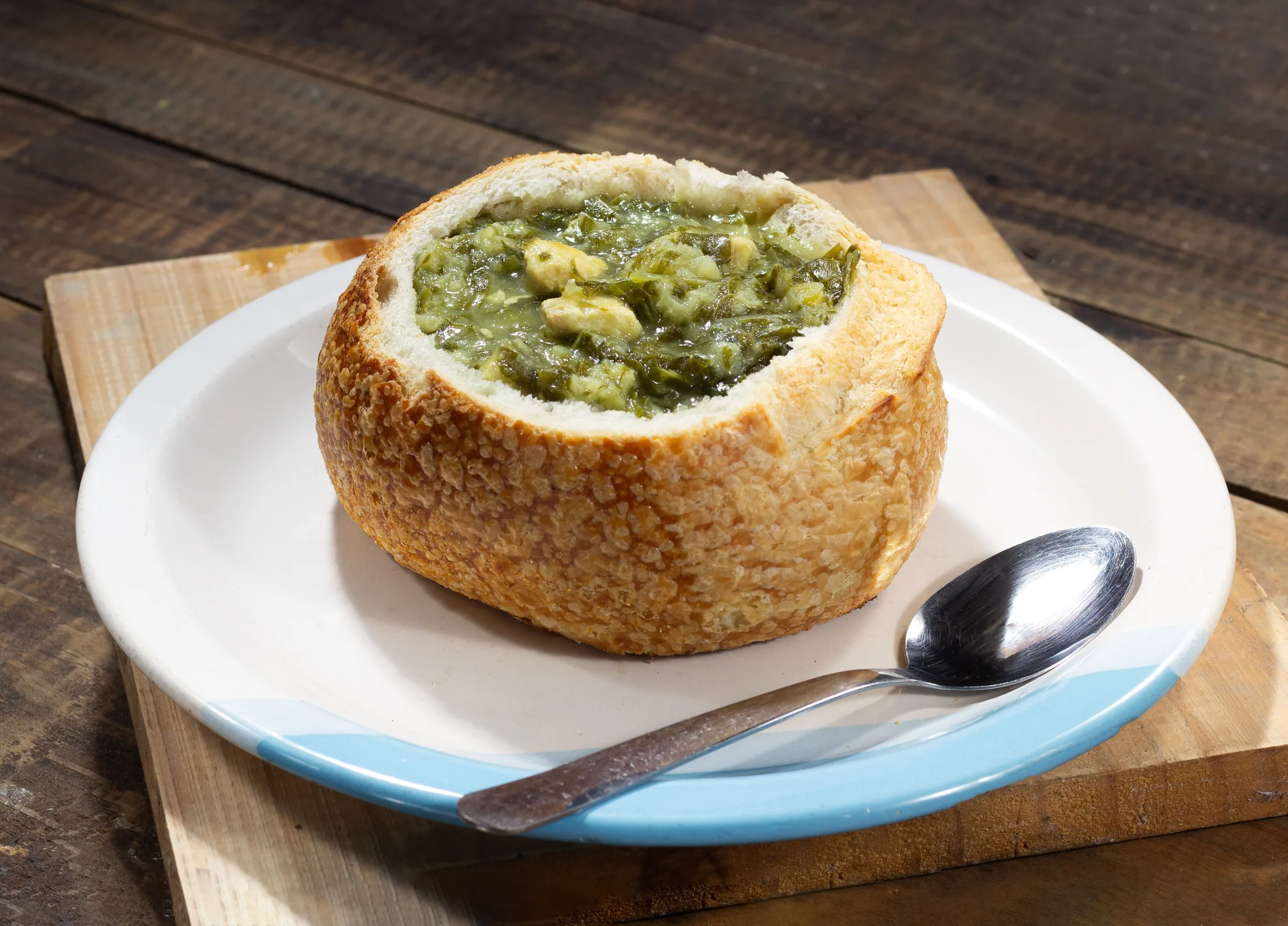
Caldo Verde
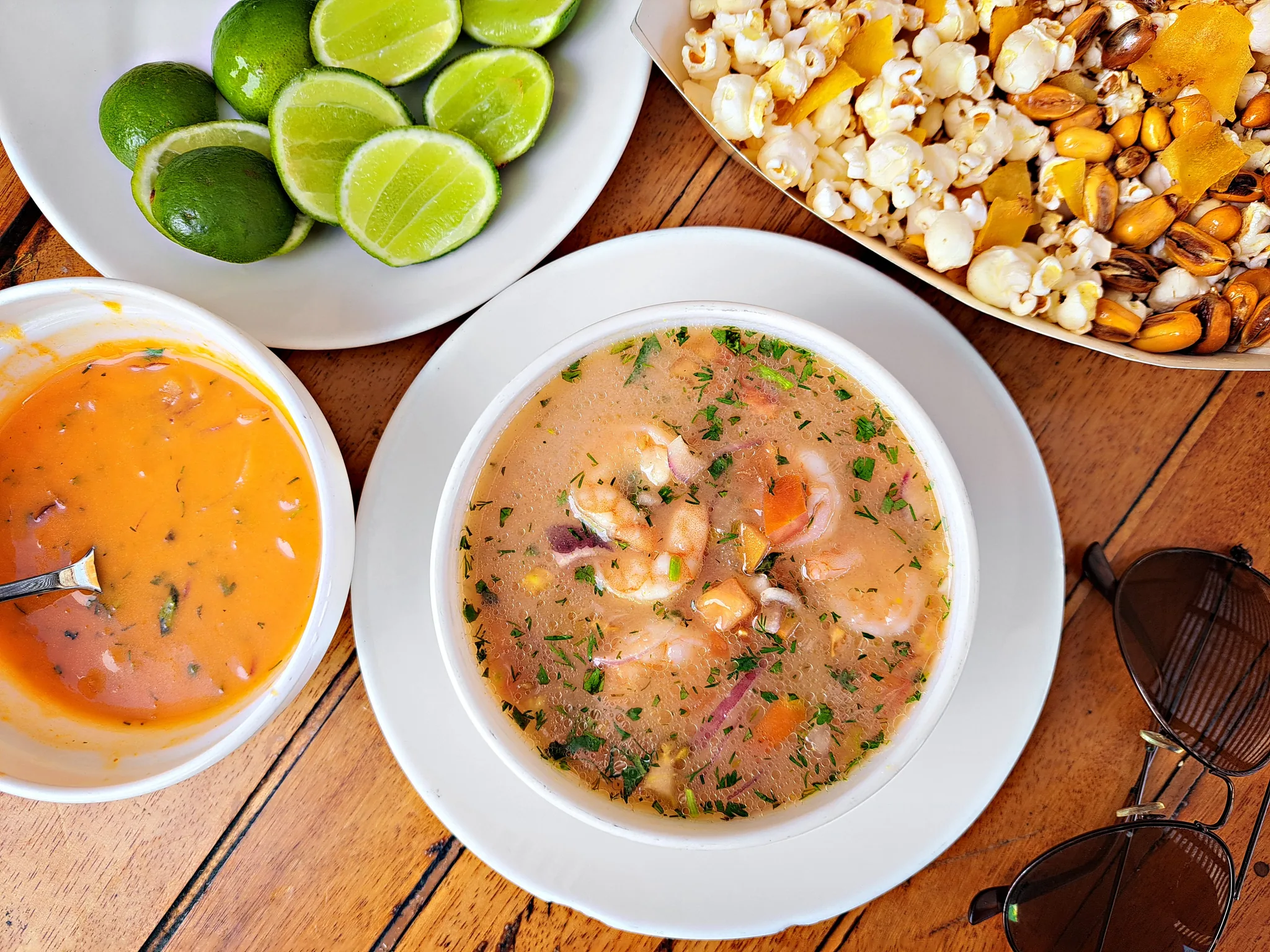
Cataplana de Marisco
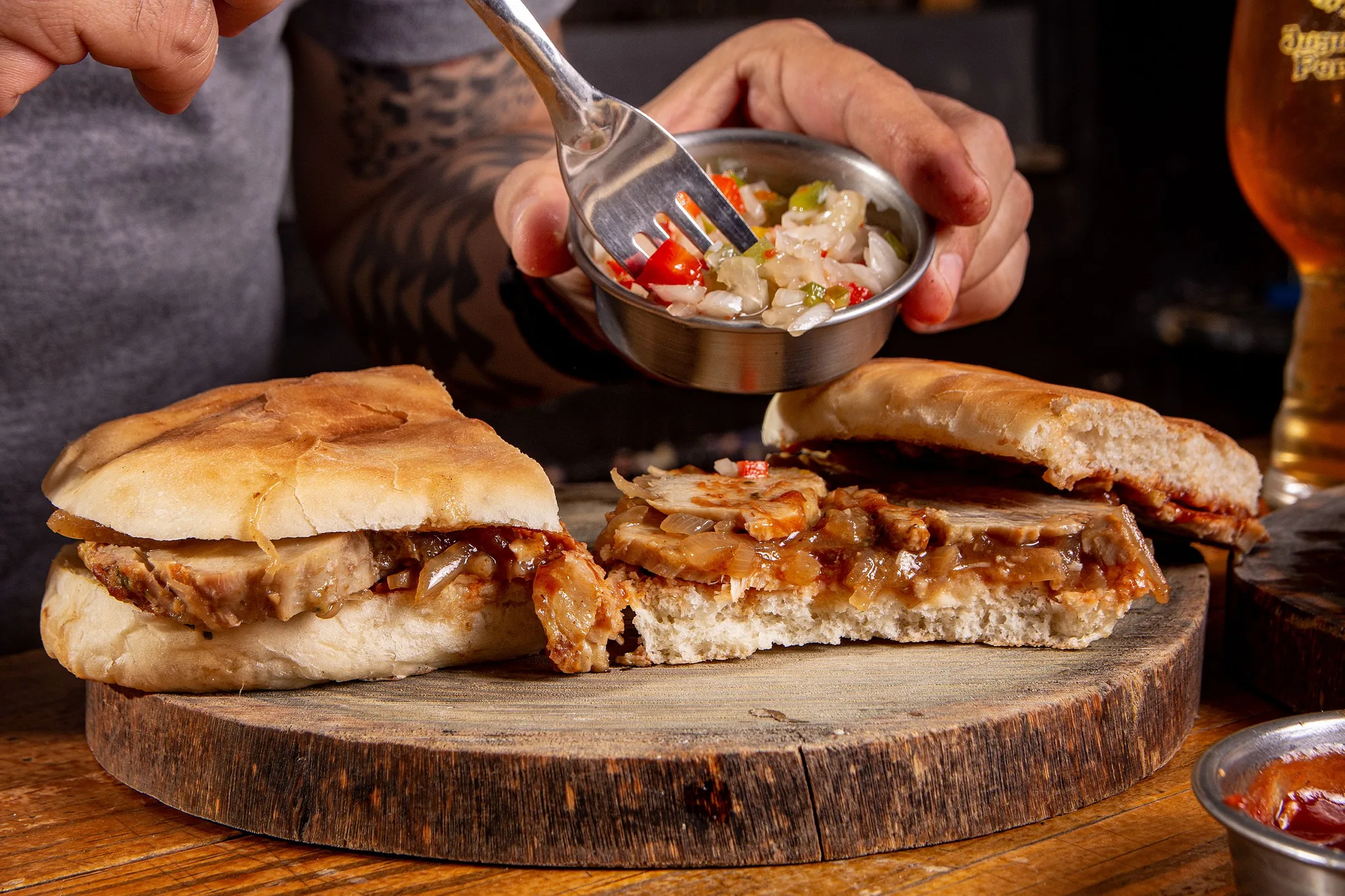
Bifana
Dining Etiquette
- • Vegetarian options are growing but limited. Ask for dishes without meat or fish, and check for hidden stock or ham.
- • Indian restaurants exist in Lisbon and Porto, including in the Martim Moniz area, for those seeking familiar flavours. ⚠️
- • Portuguese restaurants may serve appetisers you did not order. You are only charged for what you eat.
- • Tap water is safe to drink in most areas.
- • Service is not always fast. Meals are meant to be enjoyed slowly.
- • Restaurants often close between lunch and dinner and on Sundays or Mondays, so check hours.
Signature Drinks
Shop & Bring Home
Portugal offers craft-driven shopping, with tiles, cork, ceramics and regional specialities that make memorable gifts. Lisbon and Porto blend historic boutiques with modern concept stores and markets, while regional towns keep centuries-old crafts alive. Visitors from outside the EU can often claim a VAT refund on eligible purchases, so keep receipts and ask shops about tax-free shopping.
Azulejos & Ceramics
€5 – 200+
Look for handmade tiles from established workshops. Fakes are common at souvenir stands.
Wine & Spirits
€10 – 200+
Check airline liquid limits and EU/India customs allowances before packing.
Cork Products
€5 – 100
Portugal is the world's leading cork producer. Cork items are light, durable and vegan.
Tinned Fish (Conservas)
€3 – 15
A stylish, packable and inexpensive gift.
Filigree Jewellery
€30 – 500+
Buy from reputable jewellers with clear hallmarks.
Food Gifts
€3 – 40
Check that food items can be carried through Indian customs.
Where to Shop
Traveler Insights
Capital
Lisbon
Population
~10.6 million
Area Sq Km
~92,000
Official Language
Portuguese
Currency
Euro (EUR)
Calling Code
+351
Government
Parliamentary republic
Schengen Member
Yes
Unesco Sites
17 ⚠️