Scotland
factsheet
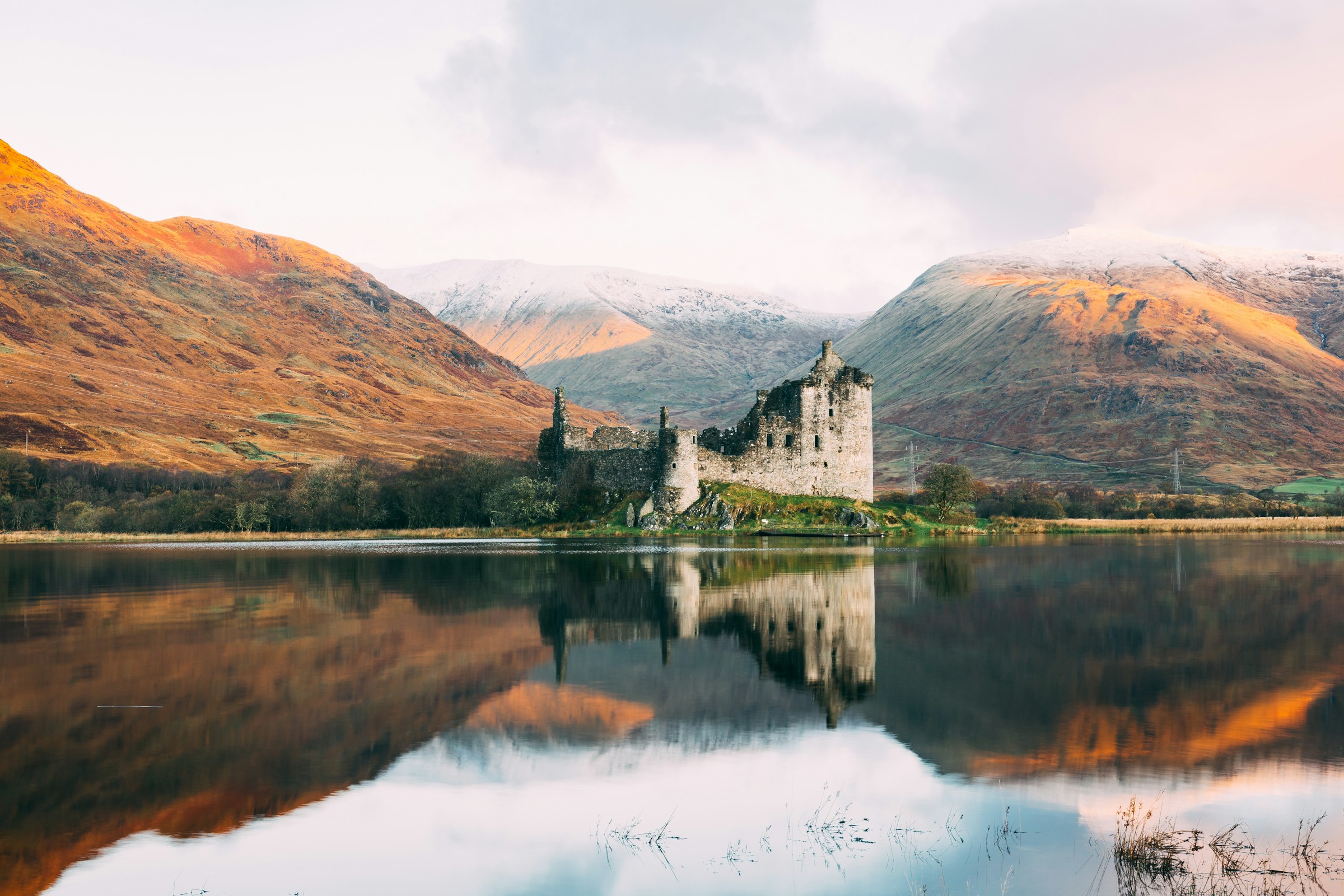
Land of misty highlands, ancient castles, dramatic clans, and timeless traditions where nature's raw beauty meets a spirited, proud heritage.
Everything you need to know before visiting Scotland. Learn about visa basics, weather updates, and recommended trip durations for a seamless holiday. Book Now!
The Essentials
Best Time
May - Oct
Currency
GBP (£)
Climate
Maritime Temperate
Time Zone
UTC+0 (GMT/BST)
Language
English, Scots, Gaelic
Visa
UK Standard Visitor
Capital
Edinburgh
Population
≈5.4M
Calling Code
+44 (131 Edinburgh, 141 Glasgow)
Power Plug
Type G (230V, 50Hz)
Tipping
10% restaurants; 5% taxis (not mandatory)
Emergency
999 (Police, Fire, Ambulance)
History & Heritage
Scotland emerged as a distinct kingdom in the 9th century, when Kenneth MacAlpin, often ranked among the most important Scottish kings, united fragmented clans against Viking invaders and became arguably the first King of Scotland. For centuries, Scotland remained fiercely independent, resisting English conquest through legendary figures like William Wallace (Braveheart) and Robert the Bruce, two of the most famous Scottish heroes. The Acts of Union (1707) merged Scotland and England into Great Britain, though Scotland retained its legal system, church, and strong national identity. From Highland clan warfare to industrial Glasgow, from Enlightenment Edinburgh to Scottish devolution (1999), Scotland continues to balance ancient traditions, rich history, and modern British identity making it one of the most historically significant nations in Europe.
Ancient & Medieval Era (Picts through 9th Century)
The region's indigenous Picts and subsequent waves of settlers (Scots from Ireland, Angles, Norse) competed for dominance.[web:920] In the 9th century, Kenneth MacAlpin united the fragmented clans into the Kingdom of Scotland, defending against Viking invasions.[web:920][web:923] By the 11th century, Scotland was recognized in Latin as 'Scotia.'[web:920]
Wars of Scottish Independence (1296–1357): Wallace & Bruce
English King Edward I ('Hammer of the Scots') invaded Scotland, prompting William Wallace's rebellion (1297–1305).[web:915][web:920] Though executed, Wallace became a symbol of resistance.[web:920] Robert the Bruce continued the fight, defeating the English at Bannockburn (1314)—a defining victory.[web:915][web:920] By 1357, Scottish independence was formally recognized.[web:920]
The Stuart Dynasty & Clan Culture (1371–1707)
The Stuart family ruled Scotland for 336 years, with frequent conflict between monarchs and Highland clans.[web:914][web:920] The Highlands became synonymous with clan warfare, blood feuds, and romantic warrior culture.[web:917] Mary Queen of Scots, the famous royal caught between Scotland and England, embodied the nation's turbulent era.[web:914]
Union of the Crowns (1603) & Political Instability
When Elizabeth I died without heirs, Scotland's James VI inherited the English throne (James I of England), joining monarchies under one crown.[web:911][web:914] However, Scotland and England maintained separate parliaments, governments, and legal systems.[web:911][web:914] This uncomfortable arrangement lasted until 1707.[web:911]
Acts of Union (1707): The Political Marriage
Economic hardship and English threats (Alien Act 1705) pressured Scotland into union.[web:911][web:914] The Scottish Parliament voted itself out of existence May 1, 1707, merging with England to form Great Britain.[web:911][web:914][web:920] Scotland retained its legal system, Church of Scotland (Presbyterian), and distinct identity—a union more negotiated than conquered.[web:911][web:914]
Industrial Revolution & Modern Era (1800–Present)
Glasgow became the 'Second City of the Empire,' driving industrial revolution shipbuilding and manufacturing.[web:905] Edinburgh underwent Scottish Enlightenment (18th century), producing philosophers David Hume and Adam Smith.[web:914] In 1999, Scotland gained its own Parliament (devolution), reclaiming partial self-governance; in 2025, Gaelic and Scots recognized as official languages.[web:930]
Climate & Weather
Scotland's maritime temperate climate is characterized by mild, wet winters and cool summers with frequent rainfall year-round.[web:897][web:900][web:903][web:909] The Highlands remain cooler than lowlands; wind and unpredictable weather are hallmarks. 'There are two seasons in Scotland: June and winter,' actor Billy Connolly famously quipped.[web:903]
Time Zone
UTC+0 (GMT - Greenwich Mean Time); UTC+1 summer (BST - British Summer Time)
5.5 hours behind IST (India Standard Time)
Best Months
May–June, September–October (ideal shoulder seasons)
Spring (Earrach)
Mar – May
6–15°C (warming gradually)
March–April unpredictable (rain, snow). May ideal: daffodils bloom, lambs/calves roam, temps 10–15°C, World Whisky Month events. Beat summer crowds. Midges (insects) absent.[web:903][web:909]
Summer (Samhradh)
Jun – Aug
12–19°C (best weather)
June longest daylight (doesn't get dark until 10 PM); up to 18 hours in far north.[web:903][web:906][web:909] Peak season: July–August warm (15–19°C), festivals (Edinburgh Fringe, Tattoo), outdoor activities peak. Midges can be bothersome. Crowded, expensive.[web:903][web:906]
Autumn (Foghar)
Sep – Oct
9–16°C (cooling gradually)
September glorious: warm, clear skies, fewer crowds, golden light, Highland Games. October: vibrant foliage, 'Scotch Mist' (fine drizzle), cooler.[web:897][web:900][web:903][web:909] Many tourist facilities close Oct 31–April 1; autumn wettest season.[web:903]
Winter (Geamhradh)
Nov – Feb
2–8°C (cold, damp)
Coldest, greyest time; Highlands occasionally snow.[web:897][web:900][web:903] December–February skiing in Cairngorms National Park possible.[web:903][web:909] Hogmanay (New Year) celebrated enthusiastically. Shortest daylight; indoor culture (museums, whisky, pubs) shine. Budget-friendly; eerie atmospheric beauty.[web:903][web:909]
Seasonal Packing List
Language Guide
Official Language
English, Scots (Lowlands), Scottish Gaelic (Highlands & Islands)
English is primary language spoken by 99%+ of Scots.[web:927][web:930] Scottish Gaelic, a Celtic language spoken by ~130,000 people (2.4% of population), experienced recent revival; in 2025, Gaelic and Scots officially recognized as languages.[web:927][web:930][web:939] Scots, derived from Middle English, distinct from Scottish English, spoken in Lowlands and colloquially throughout country.[web:927][web:930][web:936][web:939]
Local Signage
Useful Phrases
Hello
HEH-loh / HI-yuh (English); Scottish Gaelic: Halò
Hello / Hiya
Thank You
THANK yoo / CHEERZ
Thank you / Cheers
Please
PLEEZ
Please
Goodbye
guhd-BYE / CHEERZ
Goodbye / Cheers
Yes / No
AYE (Scottish) / NAW
Aye / Naw
Excuse Me
eks-KYOOS mee / SAR-ee
Excuse me / Sorry
How Much?
HOW much?
How much?
Cheers (Toast)
SLAHN-chuh
Sláinte! (Gaelic: health)
Also Commonly Spoken
English
Universal; English is primary language of all Scottish residents; everyone speaks English fluently.[web:927][web:930]
Scottish Gaelic
Spoken by ~130,000 (2.4%); Hebrides stronghold; experiencing revival; now official language (2025).[web:927][web:930][web:933][web:939]
Scots
Lowland language distinct from English; colloquially used by Scots speakers; now official language (2025).[web:927][web:930][web:939]
Scottish English
Local English accent & dialect; distinct pronunciation (r-rolling, vowel differences) but mutually intelligible.[web:927][web:936]
Currency & Money
Official Currency
British Pound Sterling
£ (GBP) — 1 GBP = 100 Pence
Banknotes
£5, £10, £20, £50 (Bank of England); Scotland issues £1, £5, £10, £20, £50, £100 (Royal Bank of Scotland, Bank of Scotland, Clydesdale Bank)
Coins
1p, 2p, 5p, 10p, 20p, 50p; £1, £2
ATMs & Cash Withdrawal
ATMs abundant in Edinburgh, Glasgow, cities, towns; accept Visa/Mastercard.[web:912][web:915] Withdrawal fees typically £1–2 per transaction. Pounds Sterling standard; no exchange needed.[web:912]
Credit & Debit Cards
Cards widely accepted (Visa/Mastercard) in hotels, restaurants, shops, attractions throughout Scotland.[web:912] Contactless payment (£100 limit without PIN) increasingly common; small villages/remote areas may require cash.[web:912]
Tipping Culture
Tipping not mandatory but appreciated. Restaurants: 10% good service; often included in bill.[web:913][web:916] Taxis: 5–10% or round up. Hotel staff, tour guides: £2–5 appreciated. Less formalized than US tipping.[web:913]
Daily Budget Estimates
Budget Traveler
£50–75 (~₹6,050–9,080)
Mid-Range Traveler
£100–150 (~₹12,110–18,165)
Luxury Traveler
£300+ (~₹36,330+)
Visa & Entry
Determine visa category: tourism, business, family visit, etc.[web:916][web:919][web:925]
Apply online at UK government visa website (visas-immigration.service.gov.uk).[web:916][web:919]
Fill application form with passport, travel dates, accommodation details.[web:916][web:919][web:922]
Pay visa fee (£127) via debit/credit card online.[web:916][web:919][web:922]
Book appointment at visa application center (Delhi, Mumbai, Bengaluru, Chennai, Hyderabad, Kolkata, Pune).[web:916][web:919]
Attend appointment: submit documents, provide biometrics (fingerprints, photo).[web:916][web:919]
Receive passport with visa sticker; typically ready in 10–15 working days.[web:916][web:919]
Registration
For longer stays or work/study, different visa categories required.
No registration required for stays under 6 months with valid visa.
Penalty: Overstaying visitor visa: £1,000+ fines, UK entry ban, deportation possible.
Visa Extension
Contact UKVI; approval very rare unless medical emergency/force majeure.
Cost: If approved: £156 extension fee.
Requirements
- • Valid Indian passport (whole stay validity; at least one blank page).[web:916][web:919]
- • Completed Standard Visitor visa application form (printed, signed).[web:916][web:919]
- • Passport-style color photos (35×45mm, taken within 6 months).[web:916][web:919]
- • Proof of financial means: £945 minimum (roughly £47/day × 20 days) or employer/sponsor letter showing financial capability.[web:916][web:919][web:922]
- • Flight itinerary: round-trip tickets (confirmed or tentative).[web:916][web:919]
- • Accommodation proof: hotel bookings or invitation letter for family visits.[web:916][web:919]
- • Employment letter or proof of income (salary slips, tax returns, business registration).[web:916][web:919][web:922]
- • Bank statements: 3–6 months showing stable finances.[web:916][web:919][web:922]
- • Travel insurance (recommended but not mandatory; can help visa approval).[web:916][web:919]
- • Proof of ties to India: property ownership, family documents, employment verification.[web:916][web:919][web:922]
Getting There & Around
Intercity Travel
Trains (ScotRail)
Modern trains to Glasgow (50 min), Inverness (3.5h), Highlands.[web:926][web:929][web:932] Book online for discounts; scenic journeys; £15–50 depending on route.[web:926][web:932]
Buses (Stagecoach, Citylink)
Budget intercity option; slower than trains; £10–30 typical routes.[web:926][web:931]
Tour Buses
2–3 day Highlands tours (Eilean Donan, Loch Ness, Glencoe) popular, all-inclusive; £150–300 with accommodation.[web:926][web:929][web:932][web:935]
Car Rental
International license required; drive on left; £30–60/day.[web:913][web:931] Useful for Highlands exploration, not urban areas (parking expensive, traffic congested).[web:913]
Culture & Local Life
Proud Independence & Warm Hospitality: Ancient Warrior Spirit Meets Contemporary Progressivism
Scottish culture pulses with pride in its distinct identity—hard-won through centuries of struggle for independence.[web:915][web:920][web:923] Scots are warm, welcoming, witty, and fiercely loyal to their heritage, from clan tartans and kilts to whisky and Highland games.[web:917][web:931] Contemporary Scotland balances ancient traditions (ceilidhs, bagpipes, whisky distilleries) with progressive values (environmental leadership, cultural innovation, inclusive society).[web:930][web:933][web:939]
Hogmanay (New Year Celebration): Fires, First-Footing & Whisky
Scotland's version of New Year's Eve is raucous, joyful, and steeped in tradition.[web:903][web:909] 'First-footing' (first person to enter a home after midnight) brings luck; tall dark strangers traditionally desired. Shortbread, whisky, and street parties dominate.[web:903][web:907]
Burns Night (January 25): Haggis & Scots Poetry Celebration
National celebration honoring poet Robert Burns; haggis recitation, whisky toasts, ceilidhs, and Scots poetry readings characterize the evening.[web:901][web:907][web:910] Haggis is ceremonially piped in and addressed with dramatic verses.[web:901][web:910]
Highland Games: Sports, Bagpipes & Clan Gatherings
Summer events (May–September) featuring caber toss, hammer throwing, tug-of-war, sheaf tossing, bagpipe competitions, and Highland dancing.[web:903] Roots in ancient clan warfare; now community celebrations preserving Gaelic heritage.[web:903][web:933]
Ceilidh: Folk Music & Traditional Dancing
Gaelic social gatherings featuring folk music (fiddles, accordion, pipes), traditional dancing (Strip the Willow, Dashing White Sergeant), and storytelling.[web:933] Participation expected; joy & community valued over skill.[web:933]
Gifting Etiquette
Wrap gifts neatly. Shortbread, whisky, Edinburgh Crystal appreciated. Avoid cheap tartan trinkets. Unwrap immediately in front of giver. Sincere gifts from home country valued.
Business Etiquette
Friendly, direct; handshake standard. First names used quickly. Casual dress acceptable even formal meetings. Punctuality valued. Scottish humor present even in professional settings; don't misread banter as rudeness. Consensus-building vs. hierarchical.
Dining Etiquette
Scottish meal culture hearty & social. Breakfast substantial (full Scottish: black pudding, sausage, bacon, eggs, toast). Dinner relaxed, conversational. Compliment cook's effort warmly. Tipping: 10% good service (often included). Pubs: order at bar, find own seat. Whisky: 'dram' (small pour) offered; accepting gracious.
Food & Drink
Scottish cuisine emphasizes hearty comfort, fresh local ingredients (lamb, beef, seafood), and warming preparations suited to cold climate.[web:898][web:901][web:904][web:907] Traditional dishes carry centuries of history; modern Scottish cuisine blends tradition with contemporary techniques.[web:898][web:901][web:904] Food is social, celebratory, and integral to cultural identity—from haggis on Burns Night to casual fish & chips.[web:898][web:901][web:910]
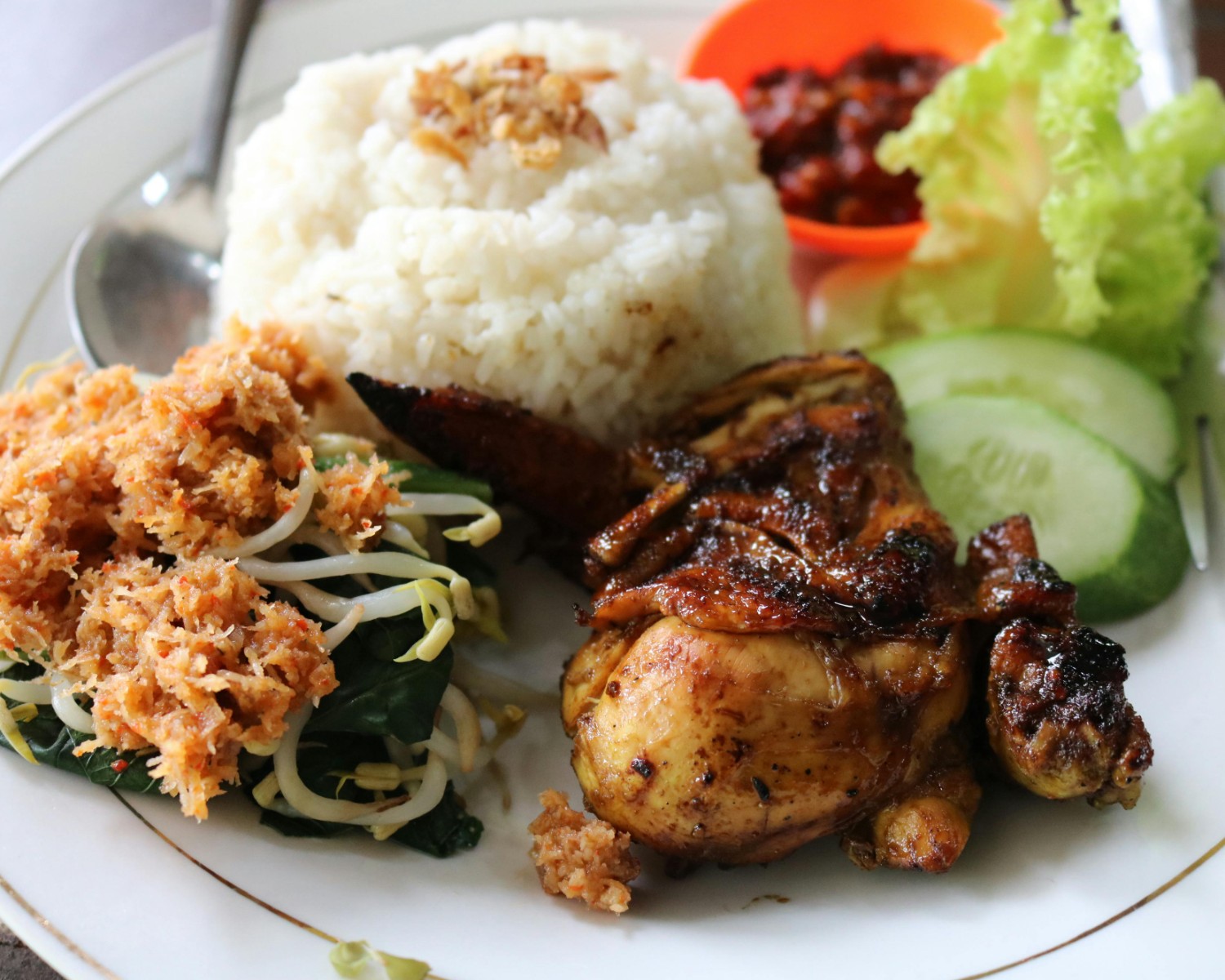
Haggis (National Dish)
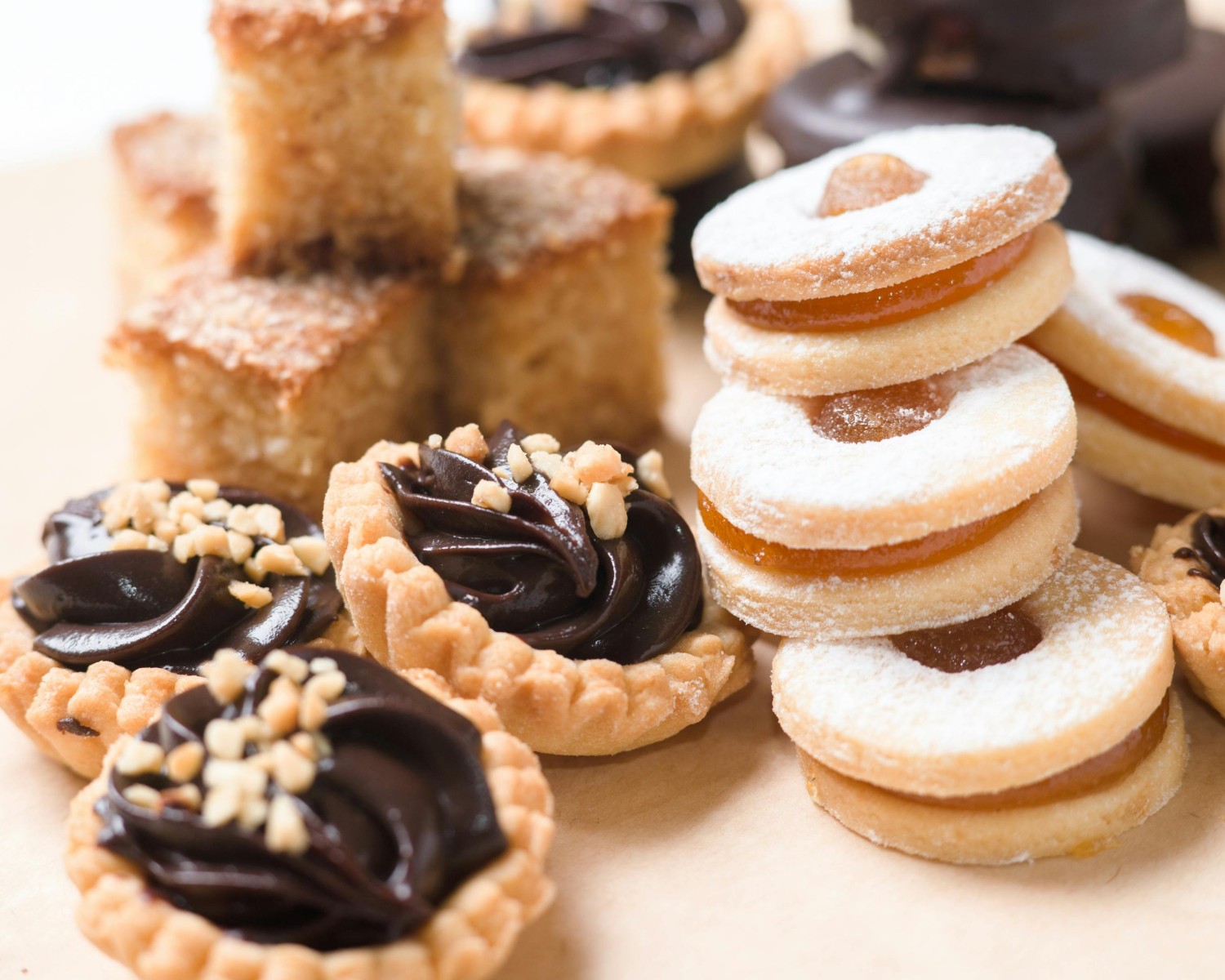
Shortbread (Iconic Sweet)
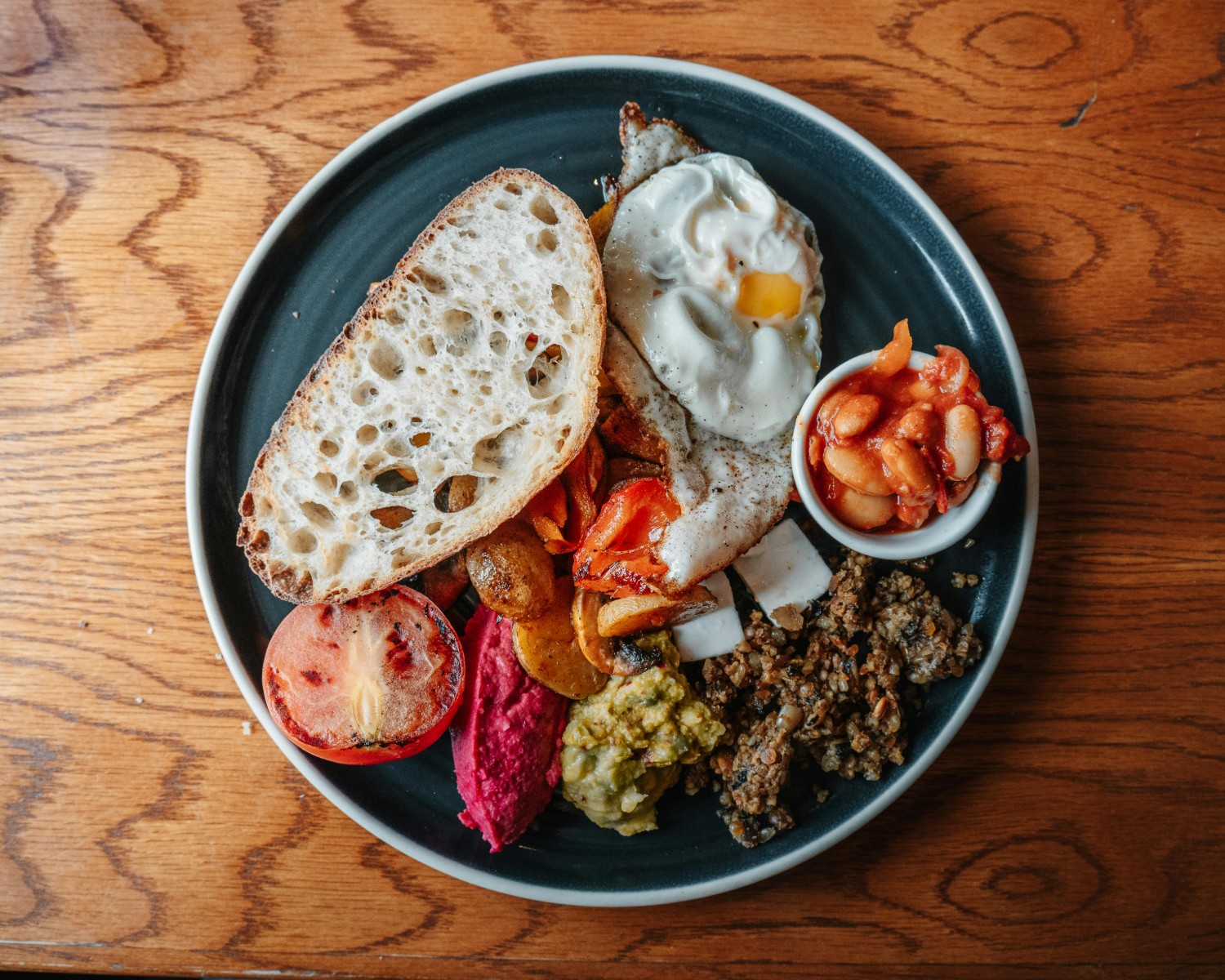
Full Scottish Breakfast

Cullen Skink

Fish & Chips (Battered Fish)
Scotch Broth
Dining Etiquette
- • Meals social events; linger over food, enjoy conversation.[web:898][web:901][web:907]
- • Scottish hospitality generous; hosts may offer seconds multiple times.[web:901][web:910]
- • Breakfast hearty; dinner (evening meal) main meal time (6–8 PM).[web:904][web:907]
- • Tipping: 10% restaurants if service good; often included in bill.[web:898][web:901]
- • Pubs: order at bar, find seat yourself; casual, egalitarian.[web:901][web:907]
- • Whisky offered as aperitif or digestif; accepting gracious.[web:898][web:931]
- • Haggis: despite off-putting ingredients, generally appreciated; trying demonstrates cultural respect.[web:898][web:904][web:910]
Signature Drinks
Shop & Bring Home
Scottish shopping showcases 2,000 years of heritage—from hand-woven tartans and genuine kilts to premium Scotch whisky, Harris Tweed, and modern Scottish design.[web:928][web:931][web:934][web:937][web:940] Edinburgh's Royal Mile epitomizes touristy souvenir shops alongside artisanal boutiques; Glasgow's Buchanan Street offers contemporary high street brands.[web:928][web:931][web:934]
Tartan & Clan Heritage
£5–800+ (fabric £10–20/yard; quality kilts investment pieces)
- Authentic Tartan Fabric (clan-specific patterns)
- Hand-Made Kilts (custom £200–800)
- Sporran (pouches worn with kilts)
- Crest Badges (family clan crests)
Heritage of Scotland shop (Lawnmarket) & reputable makers verify authenticity; tourist shops sell cheap imitations.
Scotch Whisky & Spirits
£20–500+ (standard £25–50, aged/rare £100–500+)
- Premium Single Malts (age statements: 10yr, 15yr, 18yr+)
- Blended Whiskies
- Distillery-Exclusive Bottlings
- Gift Sets with tasting glasses
Distillery shops competitive prices; Royal Mile Whiskies (premium selection); duty-free at airport excellent value.[web:931][web:937]
Scottish Crafts & Textiles
£15–500+ (scarves £20–50, tweed £50–150, crystal £30–200)
- Harris Tweed (hand-woven fabrics from Outer Hebrides)
- Cashmere scarves & sweaters
- Edinburgh Crystal (cut glassware)
- Hand-knitted woolen goods
Tartan Weaving Mill (authentic machine-woven tartan); artisan markets showcase local makers.[web:937][web:940]
Food & Delicacies
£2–15 (shortbread tins £5–10, tablets £3–5, specialty items £10–20)
- Shortbread (Walker's brand iconic)
- Scottish Tablet (fudge-like sweet)
- Haggis (canned for travel)
- Scottish Tea & Whisky-Flavored Treats
Farmers Market (Edinburgh Saturdays) for artisan producers; generic stores ubiquitous.[web:931][web:934]
Celtic Jewelry & Souvenirs
£8–500+ (tourist jewelry £5–30, quality silver £50–200)
- Celtic Cross Pendants
- Sgian-Dubh (ornate knife worn with kilt)
- Quaich (silver drinking cup)
- Tartan-Patterned Accessories
Tourist shops overpriced; Heritage of Scotland, specialized jewelers better value.[web:934][web:937]