Seychelles
factsheet
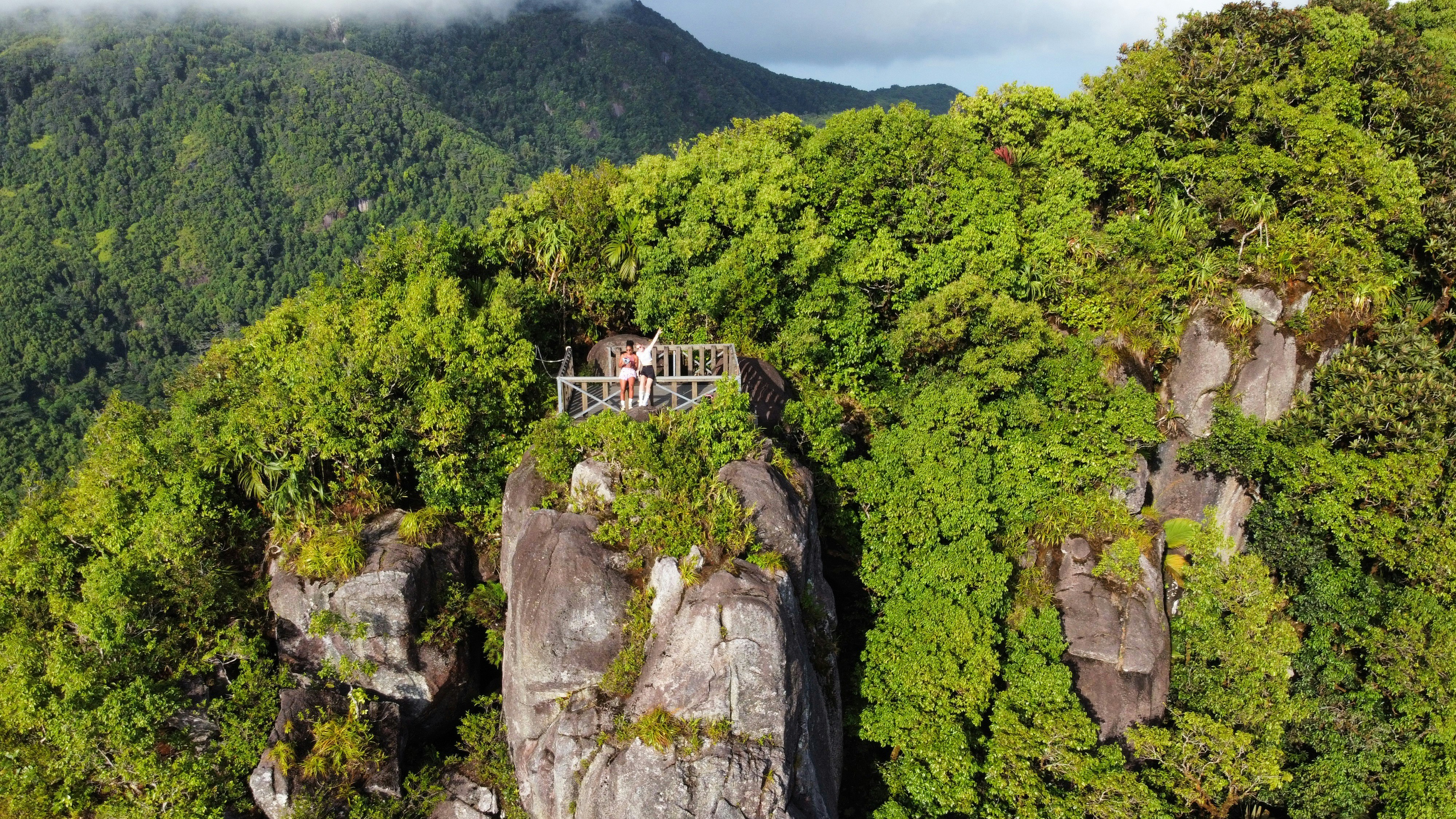
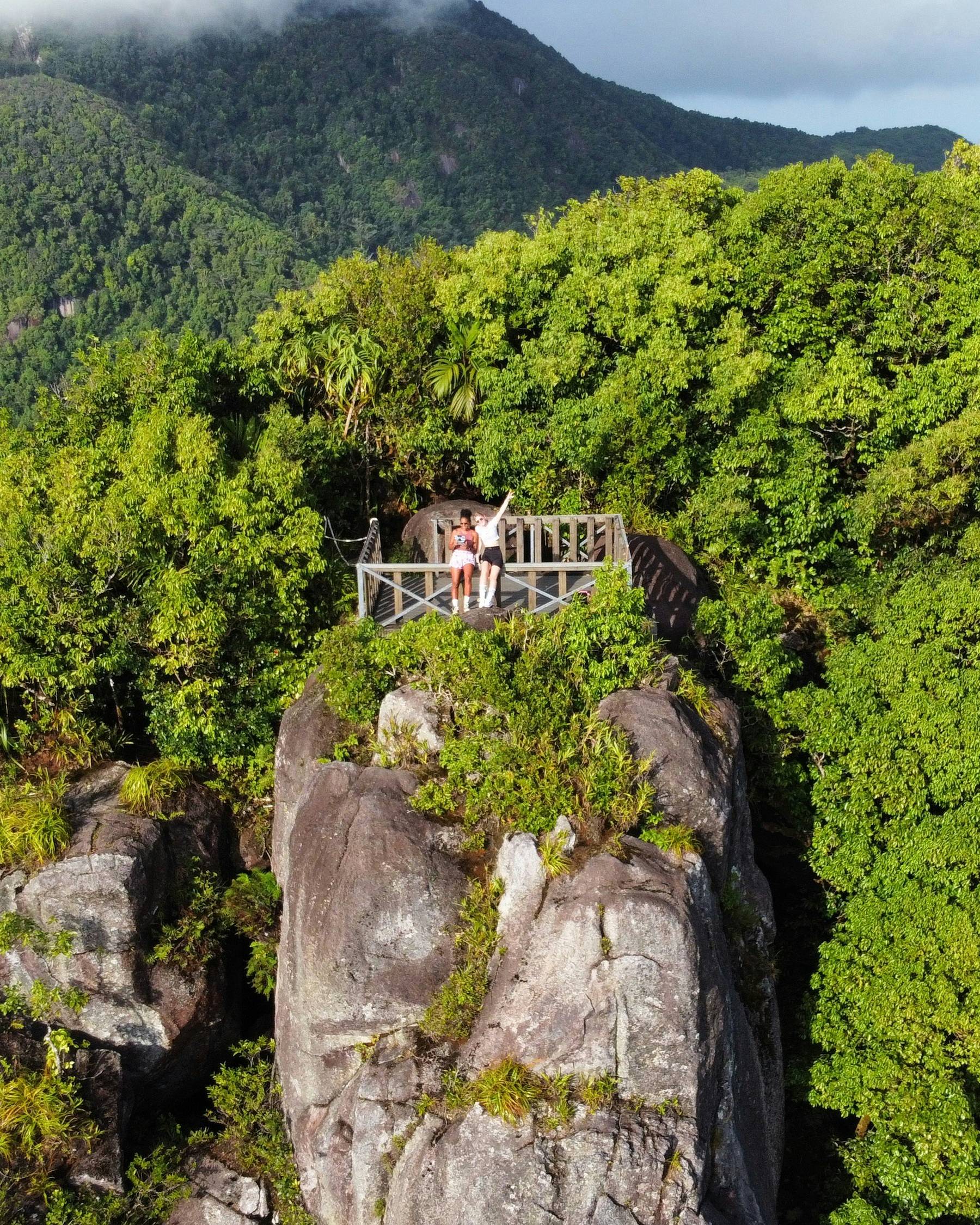
A pristine tropical paradise of 115 granite and coral islands where turquoise waters, white-sand beaches, rare wildlife, and creole warmth create an island escape unlike anywhere else on Earth.
Your ultimate Seychelles factsheet. Discover the ideal trip duration, tropical weather, and mandatory Travel Authorization tips for a seamless island getaway.
The Essentials
Best Time
Apr - May, Oct - Nov
Currency
SCR (₨)
Climate
Tropical Year-Round
Time Zone
UTC+4 (SCT)
Language
Creole, English, French
Visa
Visa-Free for Indians
Capital
Victoria, Mahé
Population
≈98,000
Calling Code
+248
Power Plug
Type G (220V)
Tipping
10% in restaurants; not mandatory
Emergency
999 Police | 128 Fire | 141 Ambulance
History & Heritage
Seychelles, the world's youngest nation by African standards, has a remarkably brief but colorful history spanning only 250+ years of human settlement. Unlike most African nations with millennia of indigenous heritage, Seychelles was uninhabited until 1770, when French settlers arrived with enslaved Africans and Indians, creating a unique multicultural identity—making it an increasingly popular destination in Seychelles travel packages. This fusion of African, French, British, and Indian influences shaped the archipelago's distinctive Creole culture, language, and spirit of hospitality.
Pre-European Era: Arab Trade Routes (7th–16th Centuries)
Arab navigators likely knew of Seychelles' existence for centuries, trading prized coco de mer nuts across the Indian Ocean.[web:732][web:744] Portuguese explorer Vasco da Gama sighted the islands on March 15, 1503, noting them as 'The Seven Sisters,' but no permanent settlement was established.[web:732][web:741]
First European Landing (1609)
The first recorded European landing occurred in January 1609 when the British East India Company ship Ascension arrived, but the crew did not settle.[web:732][web:741] The islands remained uninhabited for another 161 years.
French Exploration & Annexation (1742–1756)
French navigator Lazare Picault explored Seychelles in 1742 and 1744, returning with favorable reports.[web:735][web:744] In 1756, France formally annexed the archipelago, naming it 'Séchelles' after French politician Jean Moreau de Séchelles.[web:735][web:744]
French Settlement Era (1770–1794)
On August 27, 1770, the French ship Thélémaque arrived with the first permanent settlers: 15 white colonists, enslaved Africans, and Indians.[web:738][web:744] This diverse population created Seychellois Creole (Seselwa) language—a fusion of French, African, and Indian linguistic roots—reflecting the multicultural identity that endures today.[web:738][web:748]
British Conquest & Colonial Rule (1794–1976)
During Napoleonic Wars, Britain captured Seychelles in 1794.[web:735] The Treaty of Paris (1814) formally ceded Seychelles to Britain.[web:735][web:744] British rule lasted 162 years, though French culture, language, and practices persisted.[web:744] The abolition of slavery in the 1830s shifted the economy from cotton/grains to coconut, vanilla, and cinnamon cultivation.[web:735]
Modern Independence & Republic (1976–Present)
Seychelles achieved independence on June 29, 1976, becoming Africa's youngest independent nation.[web:732][web:741] From 1977–1993, a socialist one-party state governed; democratic elections since then have maintained stability.[web:732] Today, Seychelles welcomes 360,000+ tourists annually (2025), making tourism the lifeblood of the island economy.[web:717][web:723]
Climate & Weather
Seychelles experiences a tropical climate year-round with two monsoon seasons governed by trade winds, creating distinct but warm seasons.[web:718][web:721][web:724] Temperatures remain consistently balmy (24–31°C), making it an all-year destination, though some seasons offer calmer seas and better conditions for specific activities.[web:721][web:727]
Time Zone
UTC+4 (Seychelles Time, SCT)
Same as IST (India Standard Time); no time difference
Best Months
April–May (transition); October–November (transition); December–March (warm/humid); May–September (dry/cool)
Northeast Monsoon (Hot & Humid)
Dec – Mar
26–31°C (warm)
Peak tourist season despite humidity and occasional showers.[web:721][web:730] Northwest trade winds bring warmer, humid conditions. January–February are the wettest months.[web:718][web:721] Sea turtles nest on beaches (Jan–Feb), attracting wildlife enthusiasts.[web:730] Lush vegetation; vibrant festivals like Seychelles Carnival (January–February).[web:721]
Transitional Spring (Ideal)
Mar – Apr
24–29°C (pleasant)
One of the best times to visit.[web:724][web:730] Late March sees end of monsoon with decreasing rain but high temperatures remain.[web:724] Less windy than other seasons; calm seas; fewer crowds than peak season.[web:724]
Southeast Trade Wind (Dry & Cool)
May – Sep
24–27°C (mild)
Second-best season for tourism; dry, mild weather; southeast trade winds blow.[web:718][web:721] May–October is the dry season with less rainfall; excellent for trekking, diving, snorkeling.[web:721][web:727] Sea Turtle Festival in August.[web:721] Windy conditions perfect for sailing; rougher seas on exposed coasts.[web:718]
Transitional Autumn (Variable)
Oct – Nov
25–30°C (warming)
Another ideal transition period.[web:724][web:730] October offers best balance: winds decrease, weather stabilizes, fewer tourists.[web:724] November marks shift toward summer monsoon with occasional showers increasing.[web:718] Creole Festival in October celebrates local heritage.[web:721]
Seasonal Packing List
Language Guide
Official Language
Seychellois Creole (Seselwa), English & French
Seychellois Creole (Seselwa) is the everyday language of ~95% of Seychellois, while English and French are widely understood and taught in schools.[web:748][web:754] English is the primary language in tourism, hotels, and with international visitors.[web:748][web:754] Creole, rooted in French with African and Indian influences, is the cultural heartbeat and appears in the national anthem.[web:748][web:754]
Local Signage
Useful Phrases
Good Morning
bon-ZUR
Bonzour (បូនលូ)
Good Evening
bon-SWAR
Bonswar (បូនស្វា)
Hello
ah-LOO
Allo (អាឡូ)
Thank You
MER-see
Mersi (មេស៊ី)
Goodbye
or-ay-VWAR
Orevwar (អូរេវ័រ)
Yes / No
wee / nohn
Wi / Non (វី / នូន)
Please
seel-VOO-play
Silvouple (ស៊ីលវូផ្លេ)
How Much?
KOM-bee-yen sah
Konbyen sa? (កុនប្យេន ស)
Also Commonly Spoken
Seychellois Creole (Seselwa)
Everyday language; 95% of population speaks it. French-rooted with African & Indian influences. Unique cultural identity.[web:748][web:754] Learning phrases earns sincere local appreciation.
English
Widely understood in tourism, hotels, restaurants, businesses, and among younger generations.[web:748][web:754] Primary language for international visitors.
French
Spoken by many Seychellois; used in education and government. Linguistically close to Creole; helps with communication.[web:754]
Hindi
Growing presence due to Indian tourism and diaspora; some hospitality staff recognize basic Hindi.
Currency & Money
Official Currency
Seychellois Rupee
₨ (SCR) — ₨1 = 100 Cents
Banknotes
₨25, 50, 100, 200, 500
Coins
₨1, 5, 10; 1, 5, 10, 25, 50 Cents
ATMs & Cash Withdrawal
ATMs available in Victoria (Mahé capital) and major tourist areas; accept Visa/Mastercard.[web:747] Exchange rates: ₨1 = ~₹5–6.5 or 1 INR = ₨0.15 (fluctuates).[web:747][web:750][web:753] SCR not easily exchanged in India; convert INR to EUR/USD first, then to SCR in Seychelles for better rates.[web:747] Limited ATM availability on outer islands; plan withdrawals carefully.
Credit & Debit Cards
Cards accepted in upscale hotels, restaurants, malls in Victoria and tourist resorts.[web:749][web:751] Cash absolutely essential for bazaars, street food, small shops, inter-island ferries, and local experiences.[web:749] Many small vendors don't accept cards; carry sufficient SCR cash.
Tipping Culture
Tipping (10%) appreciated but not mandatory in restaurants; included in many bills.[web:734] Guides, drivers, and hospitality staff appreciate ₨50–200 tips daily. Currency exchange can be done at banks and authorized money changers; avoid airport counters (high fees).
Daily Budget Estimates
Budget Traveler
₨1,500–2,500 (~$120–200 USD)
Mid-Range Traveler
₨4,000–6,000 (~$320–480 USD)
Luxury Traveler
₨8,000+ (~$640+ USD)
Visa & Entry
No pre-visa required; travel with valid passport and required documents.[web:734][web:737]
Fill online Travel Authorisation form before departure (if available; check official site).[web:737]
Arrive in Seychelles with all required documents; proceed to immigration counter.[web:734][web:737]
Present passport (valid 6+ months), return ticket, hotel booking, proof of funds.[web:734][web:737]
Immigration officer verifies documents and issues Visitor's Permit immediately (usually within 5–10 minutes).[web:734][web:737]
Stamp received in passport; permit allows 30-day stay.[web:734][web:737]
Carry permit at all times during stay; present when departing.[web:734]
Registration
For extension beyond 30 days, apply at Immigration Office in Victoria. Extension up to 3 months total is possible; must apply 5–7 days before permit expiration.
Stays exceeding 30 days require extension; tourist permit covers 30 days.
Penalty: Overstaying the permit results in fines (₨500–2,000), deportation risk, and future entry bans.
Visa Extension
Apply at Immigration Office, Victoria, Mahé. Submit extension request 5–7 days before permit expiration. Extension approval usually swift.
Cost: Extensions typically ₨500–2,000 (≈$40–160 USD) depending on duration requested.
Requirements
- • Valid Indian passport (must be valid at least 6 months beyond departure date).[web:734][web:737]
- • Return flight ticket or onward travel confirmation.[web:734][web:737]
- • Hotel booking confirmation or accommodation proof (or invitation letter if staying with friend/family).[web:734][web:737]
- • Proof of sufficient funds: at least $150–163 USD per person per day for duration of stay.[web:734][web:737] Show via bank statements, traveler's checks, or cash.[web:734][web:737]
- • Travel insurance (highly recommended given Seychelles' remote location and high medical costs).[web:734]
- • Online Travel Authorisation form (if required; check with immigration).[web:737]
Getting There & Around
Intercity Travel
Fast Ferries (Inter-Island)
Daily fast ferries connect Mahé ↔️ Praslin (1 hour) and Praslin ↔️ La Digue (15 min).[web:742][web:751] Comfortable, reliable; book in advance during peak season.[web:749] ₨100–400 depending on route and class.[web:742][web:751]
Helicopter Tours
Scenic helicopter flights between islands and viewing tours; expensive but spectacular.[web:749] ₨2,000–4,000+ per person; book through tour operators.[web:749]
Speedboat & Private Charters
Private speedboat charters for island hopping, snorkeling, diving trips.[web:742][web:751] ₨1,500–3,000+ depending on itinerary.[web:749]
Fishing Boats & Local Transport
Traditional methods still used for inter-island transport; cultural experience.[web:751]
Getting Around
Taxis (White Metered/Negotiated)
Metered taxis in Victoria; outside capital, negotiate fares.[web:749][web:751] ₨40–150 for most journeys depending on distance.[web:749] Safe and convenient; ask hotels to call reliable companies.
Public Buses
Extensive network in Victoria; ₨5–15 per ride depending on route.[web:749] Colorful buses; crowded during rush hours; authentic local experience.[web:749]
Car Rental & Chauffeur
Rent cars on Mahé/Praslin; international license required.[web:749] ₨300–600 daily for vehicle; drive on left side (British legacy).[web:749] Private drivers available through hotels.[web:749]
Bicycles & Scooters
Available for rent on islands (especially La Digue, which bans cars).[web:742][web:749] La Digue uses ox-carts and bicycles for transport—charming, car-free island.[web:742]
Culture & Local Life
Relaxed Island Warmth, Creole Hospitality & Multicultural Harmony
Seychellois culture embodies 'Creole spirit'—a laid-back yet warm hospitality rooted in African, French, and Indian heritage blended seamlessly over 250 years.[web:741][web:744][web:748] The phrase 'Dousman' (take it easy) captures the island's philosophy: life moves at a slower, more enjoyable pace.[web:751] Seychellois are known for genuine friendliness, tolerance of all religions and backgrounds, and pride in their unique multicultural identity.[web:732][web:741] Contemporary Seychelles balances traditional Creole values with modern island development, maintaining strong family ties and respect for elders.[web:741][web:744]
Creole Festival (October): Cultural Pride
Annual celebration of Creole heritage featuring traditional music, dance, food, crafts, and ceremonies.[web:721] Locals dress in traditional attire; the atmosphere is festive and inclusive, welcoming visitors to celebrate multicultural identity.[web:721]
Sea Turtle Festival (August): Marine Conservation
Celebrates Seychelles' efforts to protect endangered sea turtles nesting on beaches.[web:721][web:733] Educational and community-oriented; combines conservation awareness with cultural celebration.[web:721]
Seychelles Carnival (December–January): Music & Joy
Vibrant celebration with parades, music, costumes, and street parties.[web:721] Reflects African, French, and Indian influences in celebration style.[web:721] Visitors encouraged to participate in the joyous atmosphere.[web:721]
Creole Cuisine: Family Meals & Hospitality
Food is central to Creole culture; meals are communal and social events.[web:722][web:725][web:728] Hospitality is expressed through generous food portions and sharing; accepting meals offered is essential.[web:722][web:725]
Gifting Etiquette
Small gifts from your home country are appreciated (chocolates, crafts, tea, photos from your country). Bring gifts when invited to local homes or celebrations. No strong taboos, but avoid gifts suggesting criticism of local customs.
Business Etiquette
Seychellois business culture is relaxed; meetings begin casually. Punctuality appreciated but flexible. Build personal relationships first; business follows trust. Professional but warm attire expected.
Dining Etiquette
Meals are leisurely social occasions; rushing is disrespectful. Accept food offered warmly. Compliment the cook's skills. Seafood and coconut-based curries are staples; many dishes are fiercely spiced. Tip 10% if not included; appreciated but not mandatory.
Food & Drink
Seychellois cuisine is a celebration of the ocean's bounty, tropical fruits, and multicultural heritage blended into bold, aromatic Creole dishes. Fresh seafood (fish, octopus, crab, prawns) dominates menus; coconut milk, curry spices, and ginger create rich, flavorful sauces—making it a highlight of any Seychelles food experience. Meals reflect African, French, and Indian influences, with strong spicing and generous use of local ingredients. Dining is a relaxed, social ritual celebrating island life and fresh flavors.
Fresh Grilled Fish
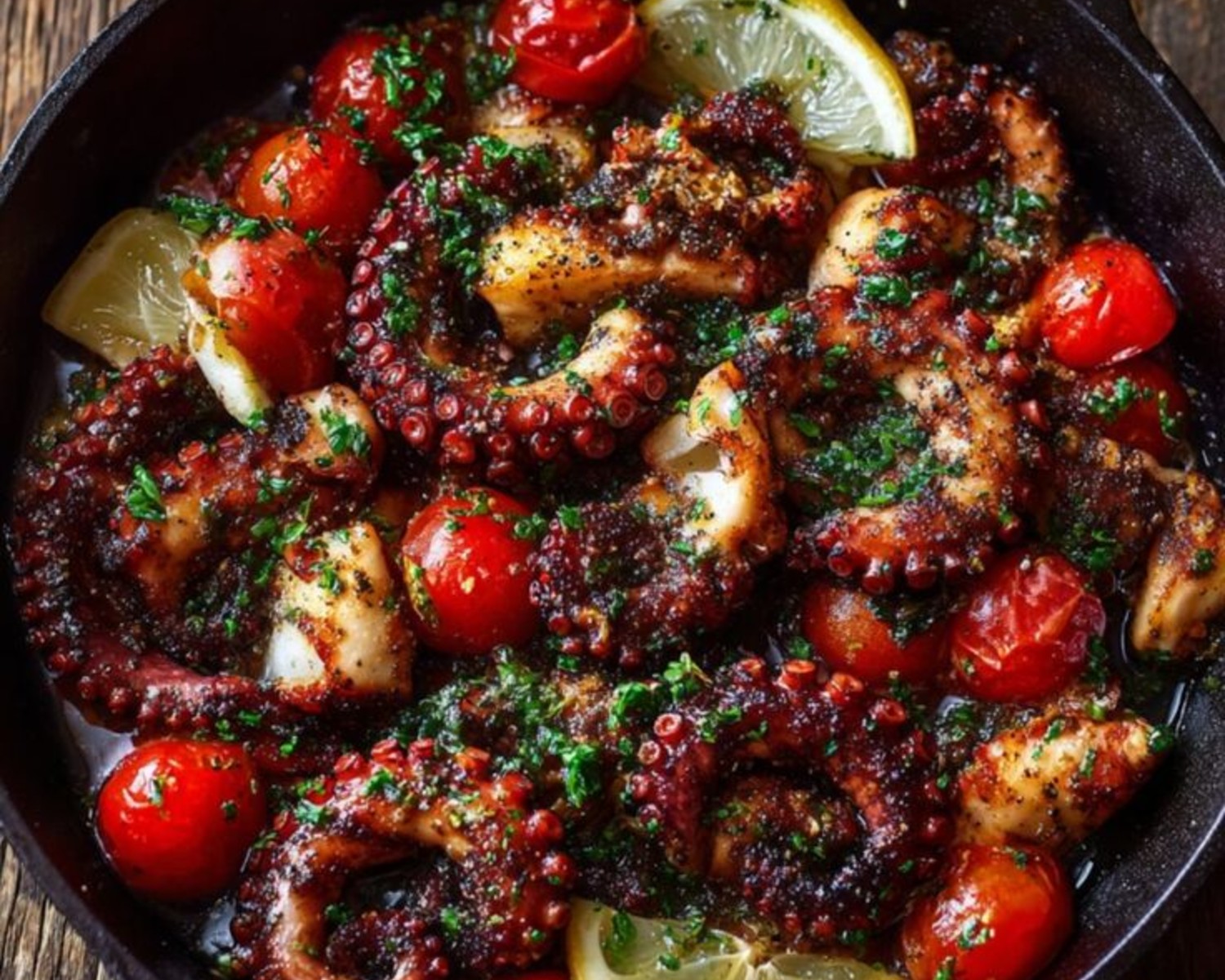
Creole Curry (Octopus/Fish/Chicken)
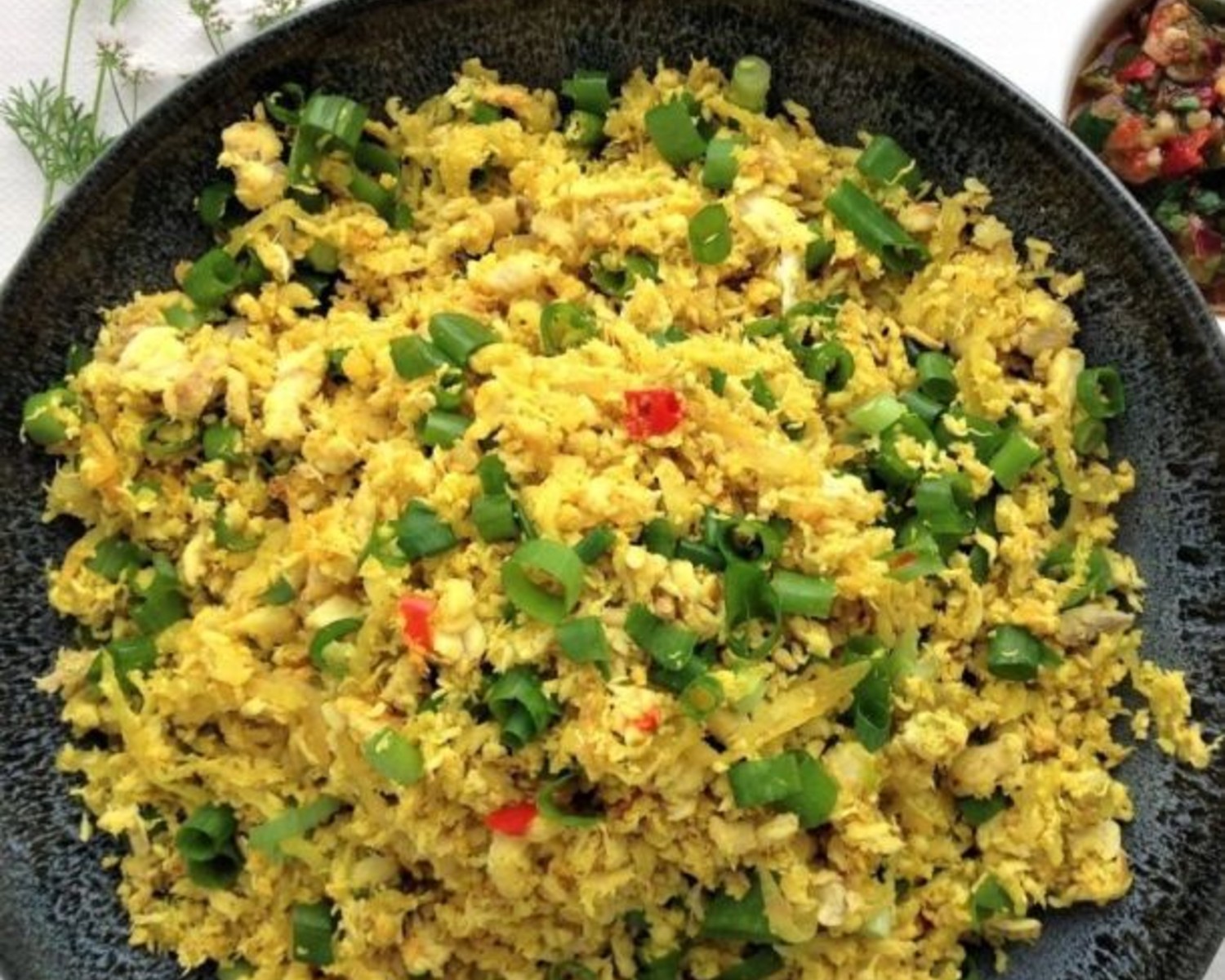
Shark Chutney (Satini Reken)
Ladob
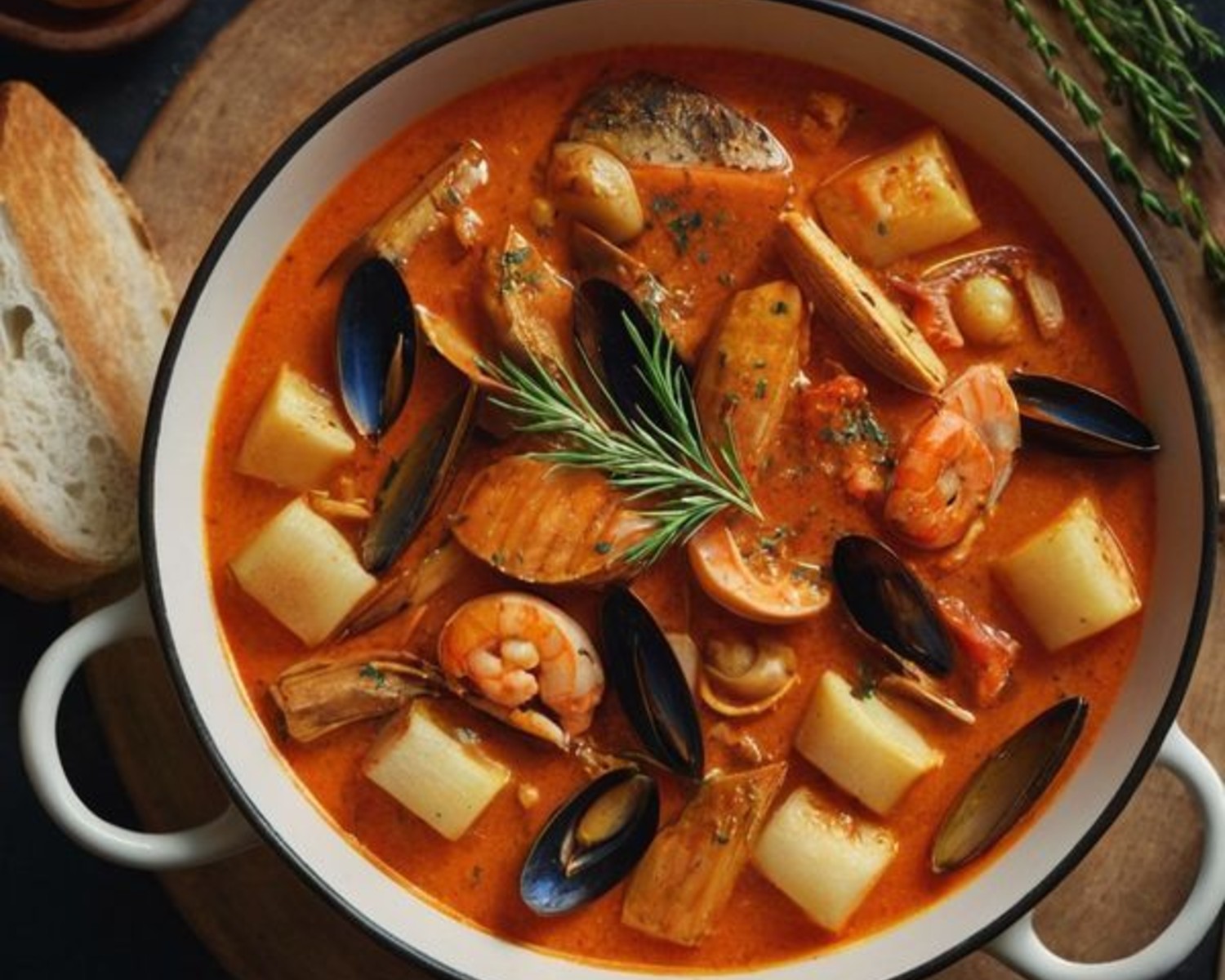
Bouyon Bred (Fish Soup)
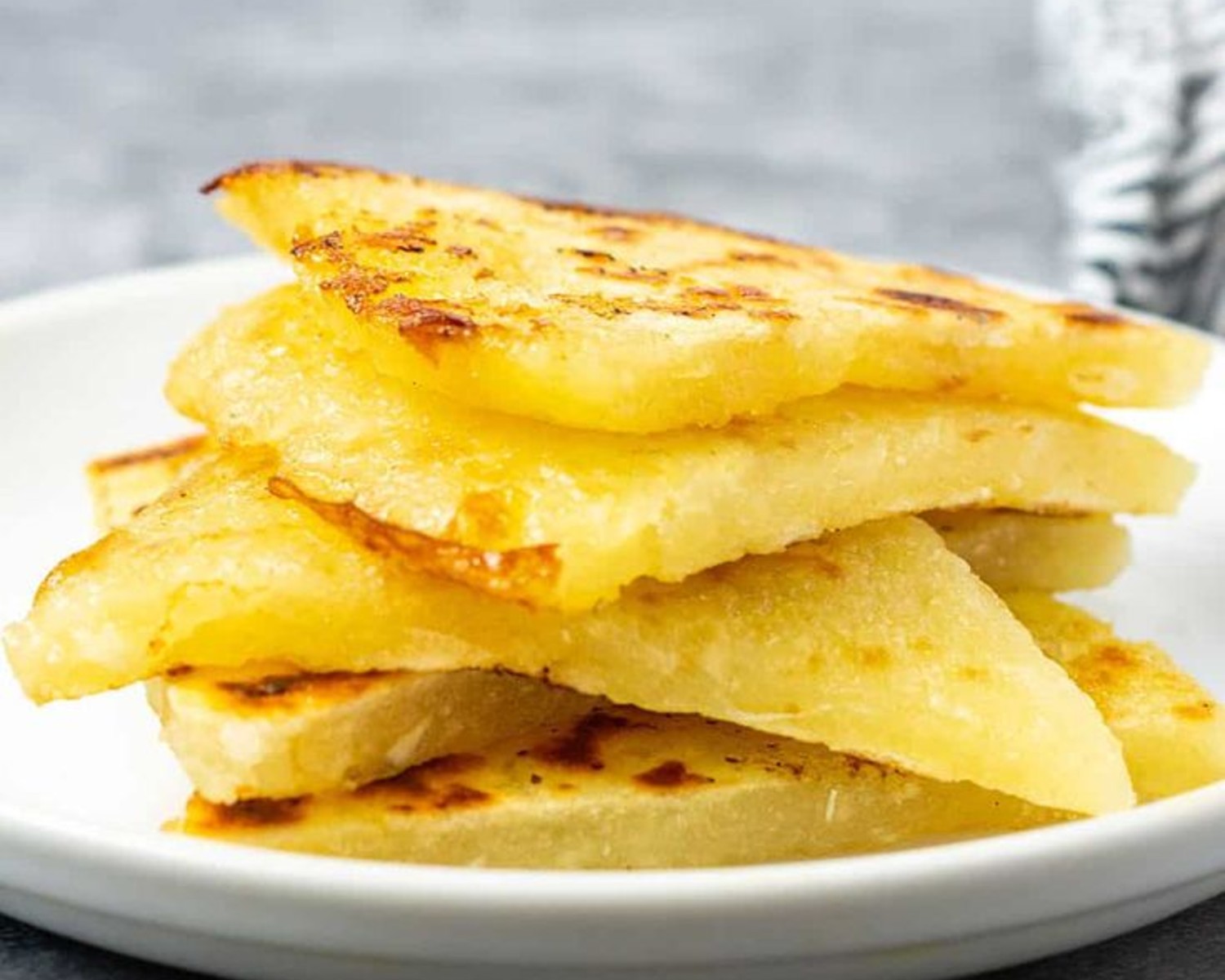
Breadfruit & Cassava Dishes
Dining Etiquette
- • Meals are relaxed, leisurely social events; rushing is disrespectful.[web:722][web:725]
- • Accept food offered warmly; sharing meals symbolizes friendship.[web:722]
- • Seafood is primary; Creole curries dominate menus; coconut milk in many dishes.[web:725][web:731]
- • Spice levels can be high; inform restaurants of tolerance.[web:722][web:728]
- • Tipping: 10% if not included; additional tips appreciated (₨50–200).[web:734]
- • Restaurants open casual in beach settings; reservations recommended for fine dining.[web:722]
- • Alcohol widely available; no restrictions (unlike some Muslim-majority nations).[web:722]
- • Vegetarian options limited (seafood-centric); inform in advance.[web:722]
Signature Drinks
Shop & Bring Home
Seychelles shopping reflects island life: handcrafted items, local artwork, endemic Coco de Mer nuts, luxury black pearls, and colorful Creole fashion create unique souvenirs.[web:749][web:752][web:754] Markets pulse with local culture; boutiques showcase contemporary Seychellois design; luxury offerings reflect the islands' upscale tourism sector.[web:749][web:751][web:752]
Coco de Mer & Endemic Souvenirs
₨200–5,000+
- Coco de Mer Nuts (world's largest seed)
- Model Boats (handcrafted wood)
- Endemic Plant Products
- Seychellois Spices & Seasonings
Coco de Mer nuts authentic only from Seychelles; available at La Plaine St André on Mahé.[web:749] Verify authenticity; official certificates available.[web:749]
Black Pearls & Jewelry
₨1,000–20,000+
- Tahitian Black Pearls (farmed in Seychelles)
- Pearl Jewelry & Accessories
- Local Gold & Silver Crafts
- Coral-based Jewelry (sustainably sourced)
Black Pearl Praslin Ocean Farm offers exquisite pieces; luxury souvenirs.[web:749] Request certificates of authenticity.[web:749]
Textiles & Creole Fashion
₨300–2,000
- Handmade Batik Clothing
- Traditional Creole Prints
- Colorful Scarves & Wraps
- Local Designer Collections
Victoria Market bustling on Saturdays; best selection and local atmosphere.[web:749][web:752] Craft workshops offer hands-on experiences and direct-from-artist purchases.[web:749]
Art & Handicrafts
₨200–5,000+
- Original Paintings & Prints
- Local Sculptures & Woodcarvings
- Handmade Jewelry & Accessories
- Cultural Art Pieces
Seychelles Craft Village offers authentic artisan-made items; watch craftspeople at work.[web:749]