Turkey (Türkiye)
factsheet
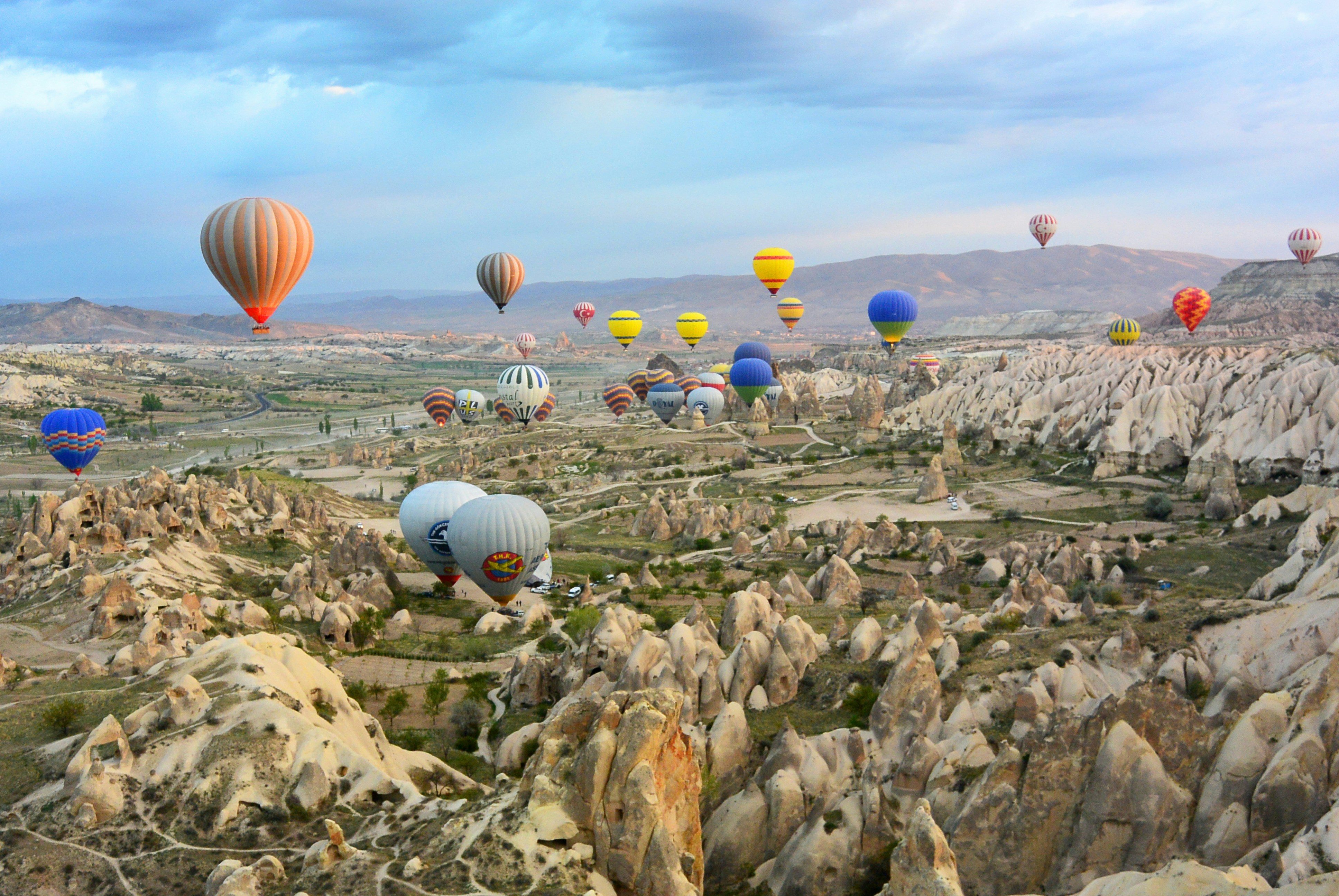
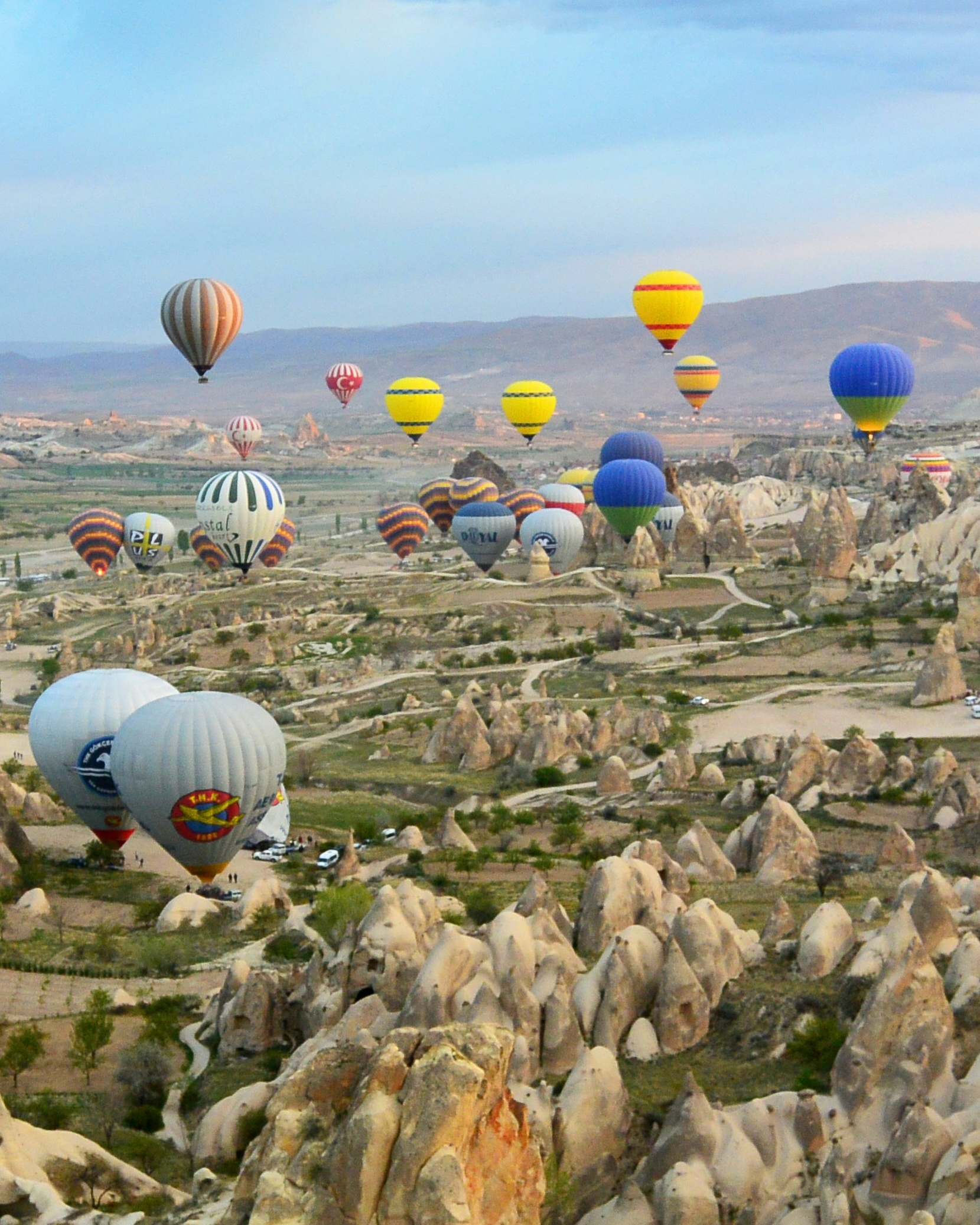
Where ancient empires rise from earth, hot air balloons drift above fairy-tale valleys, and two continents converge in a timeless dance of history, culture, and culinary magic.
Turkey factsheet: e-Visa ₹4,500 (30 days) OR sticker visa, TRY 1=₹2.09, Apr-May spring perfect (16-28°C), 126k Indians H1 2024 (+34%). Istanbul, Cappadocia, Antalya guide.
The Essentials
Best Time
Apr - Oct (Spring & Autumn)
Currency
Turkish Lira (₺)
Climate
Mediterranean to Continental
Time Zone
UTC+3 (EET)
Language
Turkish
Visa
E-Visa or Sticker Visa (Indians)
Capital
Ankara (Admin) / Istanbul (Cultural)
Population
85.3M
Calling Code
+90
Power Plug
Type C & F (220V)
Tipping Culture
5-10% in restaurants; rounding up common
Emergency
112 (Police), 155 (Fire), 112 (Ambulance)
History & Heritage
Turkey's history is an epic tapestry woven from the threads of countless civilizations. From the earliest Paleolithic settlements to the Ottoman Empire's grandeur and the modern Turkish Republic, the land has witnessed the rise and fall of empires, the birth of monotheistic religions, and the evolution of human culture itself.
Paleolithic Era (10,000 BCE)
Göbekli Tepe in southeastern Turkey stands as the world's oldest known temple complex (9500 BCE), suggesting sophisticated spiritual beliefs predating agriculture. Settlements along the Fertile Crescent indicate human civilization's birthplace.
Hittite Empire (1600-1200 BCE)
The Hittites established the first imperial state in Anatolia, with their capital at Hattusa. They were skilled ironworkers, created the first written peace treaty (Treaty of Kadesh, 1259 BCE), and their advanced military innovations shaped ancient warfare.
Lydia, Persia & Greek Kingdoms (600-333 BCE)
Lydia introduced coined money (~650 BCE). Greek city-states flourished on coastal Anatolia. Ephesus became one of the Seven Wonders of the Ancient World (Temple of Artemis). Alexander the Great conquered the region (333 BCE), spreading Hellenism.
Roman & Byzantine Era (133 BCE - 1453 CE)
Anatolia became the heartland of the Roman Empire. Constantinople (Istanbul), founded 330 CE by Emperor Constantine, became the capital of the Byzantine Empire. For 1,100+ years, it was Christendom's greatest city, center of Orthodox Christianity, and bridge between East and West.
Ottoman Empire (1299-1923)
Rising from a small Anatolian kingdom, the Ottomans built history's longest-lived empire, spanning three continents. At its peak (16th-17th centuries), it dominated the Mediterranean, Black Sea, and Middle East. The Topkapi Palace housed sultans who ruled 30 million people. Ottoman culture—architecture, cuisine, governance—remains globally influential.
Modern Turkey (1923-Present)
Mustafa Kemal Atatürk founded the Turkish Republic (1923), transforming a declining empire into a modern nation-state. Secularization, industrialization, and democratization reshaped society. Today, Turkey balances Islamic heritage with Western modernity, Eurasian geopolitics with European aspirations.
Climate & Weather
Turkey's climate varies dramatically by region: Mediterranean coast (hot, dry summers; mild, wet winters), Central Anatolia/Cappadocia (continental—cold winters with snow, hot summers), Black Sea coast (rainy, humid year-round), Aegean (Mediterranean climate). Most tourists visit spring/autumn when weather is perfect and crowds manageable.[web:127][web:133][web:137]
Time Zone
UTC+3 (Eastern European Time / EET)
4.5 hours behind IST (India Standard Time)
Best Months
April, May, September & October (Spring & Autumn ideal; mild temps, low rainfall)
Spring (İlkbahar)
Mar – May
10–26°C
Peak tourist season begins. Wildflowers bloom. Perfect hiking & sightseeing. Occasional rain. Istanbul: 15–20°C. Cappadocia: 10–18°C. Best time for hot air balloon rides with clear skies.
Summer (Yaz)
Jun – Aug
24–48°C
Hot and dry, especially Cappadocia (35–40°C). Crowded peak season. Beach season on Mediterranean coast (water 24–26°C). Istanbul more bearable (28–32°C). Risky for Cappadocia balloon rides due to heat turbulence.
Autumn (Sonbahar)
Sep – Oct
15–25°C
Second-best season. Clear skies, fewer crowds than summer. Perfect Cappadocia weather (18–28°C). Ideal for hot air balloons, trekking, sightseeing. Grape harvest season. Comfortable temperatures.
Winter (Kış)
Nov – Feb
2–8°C
Cold and rainy, especially Cappadocia & Central Anatolia (snow possible, roads sometimes blocked). Istanbul mild (5–10°C). Fewer tourists, budget prices. Not ideal for balloon rides or outdoor sightseeing.
Seasonal Packing List
Language Guide
Official Language
Turkish (Türkçe)
Turkish is a Turkic language with 88+ million native speakers globally. Mutually intelligible with Azerbaijani (~80%), understandable to Turkmen speakers. English is growing among youth (under 35) and in tourism sector, especially Istanbul. Russian understood by older generations. Minority languages (Kurdish, Arabic, Greek) spoken regionally.[web:128][web:131]
Local Signage
Useful Phrases
Hello
mer-HA-bah
Merhaba
Thank you
teh-shuh-KUR eh-der-im
Teşekkür ederim
Goodbye
HOSH-chah kah-LIN
Hoşça kalın
Yes / No
eh-VET / hah-YIR
Evet / Hayır
Please
LOOT-fen
Lütfen
Excuse me
ahf-fed-er-SIN-iz
Affedersiniz
How much?
neh kah-DAR
Ne kadar?
Where is...?
neh-REH-deh
... nerede?
Currency & Money
Official Currency
Turkish Lira
₺ (TRY)
Cash (Turkish Lira)
Essential for bazaars, street food, smaller restaurants, taxis. ATMs widely available in cities. Withdraw from ATMs (better rates than money changers). Most accept international Visa/Mastercard.[web:136]
Credit & Debit Cards
Accepted in hotels, malls, fine dining restaurants, major tourist attractions. Contactless payments growing. However, cash essential for authenticity—bazaar haggling, street food, tips.[web:136]
Money Exchange
Airport exchanges available but poor rates. Use ATMs in city (Bank of Turkey, Garanti Bank, Türkiye Finansal). Money changers in Sultanahmet, Beyoğlu overcharge tourists—avoid.
Tipping Culture
Service charge (often 10-15%) included in restaurant bills—check receipt. Additional rounding up or 5% tip appreciated. Taxis: round up fare. Tour guides: ₺50-100 for full-day tours. Hotel staff: ₺5-10.
Visa & Entry
Getting There & Around
Culture & Local Life
Warm Hospitality & Entrepreneurial Energy
Turkish culture is a fascinating blend of Islamic faith, secular governance, Ottoman grandeur, Central Asian nomadic traditions, and Mediterranean influence. Turks are known for exceptional hospitality—the concept of 'misafirperverlik' (guest-friendship) is deeply embedded. Contemporary Turkey balances modernity with tradition, Islamic values with secular laws, European aspirations with Asian roots. Istanbul's night clubs pulse alongside Blue Mosque prayers; contemporary art flourishes in Beyoğlu galleries while traditional çay (tea) culture thrives in neighborhood kahvehanes (coffeehouses).[web:131][web:142]
Tea Culture (Çay Saati)
Turkish tea (çay) served throughout the day in tulip-shaped glasses with no handle, often with sugar cubes. Tea is sacred hospitality—offered upon arrival, during business meetings, after meals. Lingering over tea while conversing is cultural ritual. Turkish coffee (kahve) served after dinner, strong and sweet, in small cups.
Hammam (Turkish Bath)
Centuries-old bathing ritual combining hot steam, scrubbing, massage, and relaxation. Social experience where locals gather. Visitors should wear privacy wraps. Mixed hammams segregated by gender or time. Essential cultural experience offering glimpse into Ottoman-era wellness traditions.
Bread as Life
Bread (ekmek) is sacred. Never throw away, place upside down, or waste bread. Breaking bread together symbolizes friendship and trust. Ottoman tradition: bread served at every meal. Street bakeries (fırın) where locals buy fresh-baked pide, simit (sesame rings), and lavash daily.
Guest Treatment Philosophy
Turkish saying: 'Misafir medeniyetin başıdır' (A guest is the head of civilisation). Hosts serve best food, best chairs, best hospitality. Refusing food/drink insulting. Guests often receive gifts. This ancient Silk Road trading tradition remains core to Turkish identity.[web:142][web:145]
Gifting Etiquette
Bring small gift when invited (baklava, pastries, flowers, wine). Wrap beautifully. Avoid sharp objects (knives), clocks (symbolize death), or yellow flowers (symbolize infidelity).[web:142]
Business Etiquette
Business cards exchanged formally. Meetings begin with tea/coffee. Titles respected. Punctuality important in modern Istanbul but rural areas more relaxed.
Dining Etiquette
Wait for eldest/host to begin eating. Bread placed on table center, never on plates. Compliment cook generously. Finishing food shows appreciation. Family-style sharing expected—reach respectfully, use serving utensils. Pace slowly; meals are social events, not rushed. Two-three glasses of tea post-dinner common.[web:145][web:148]