United Arab Emirates Factsheet
factsheet
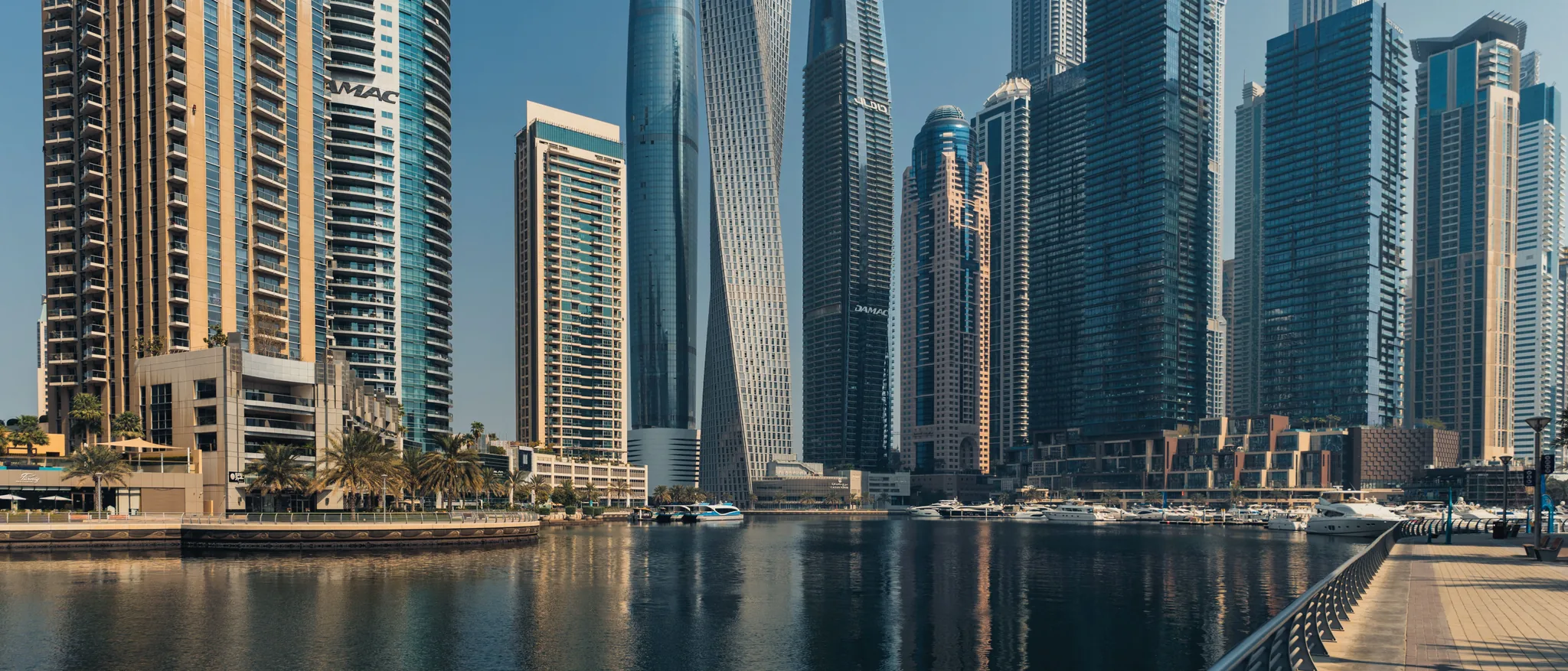
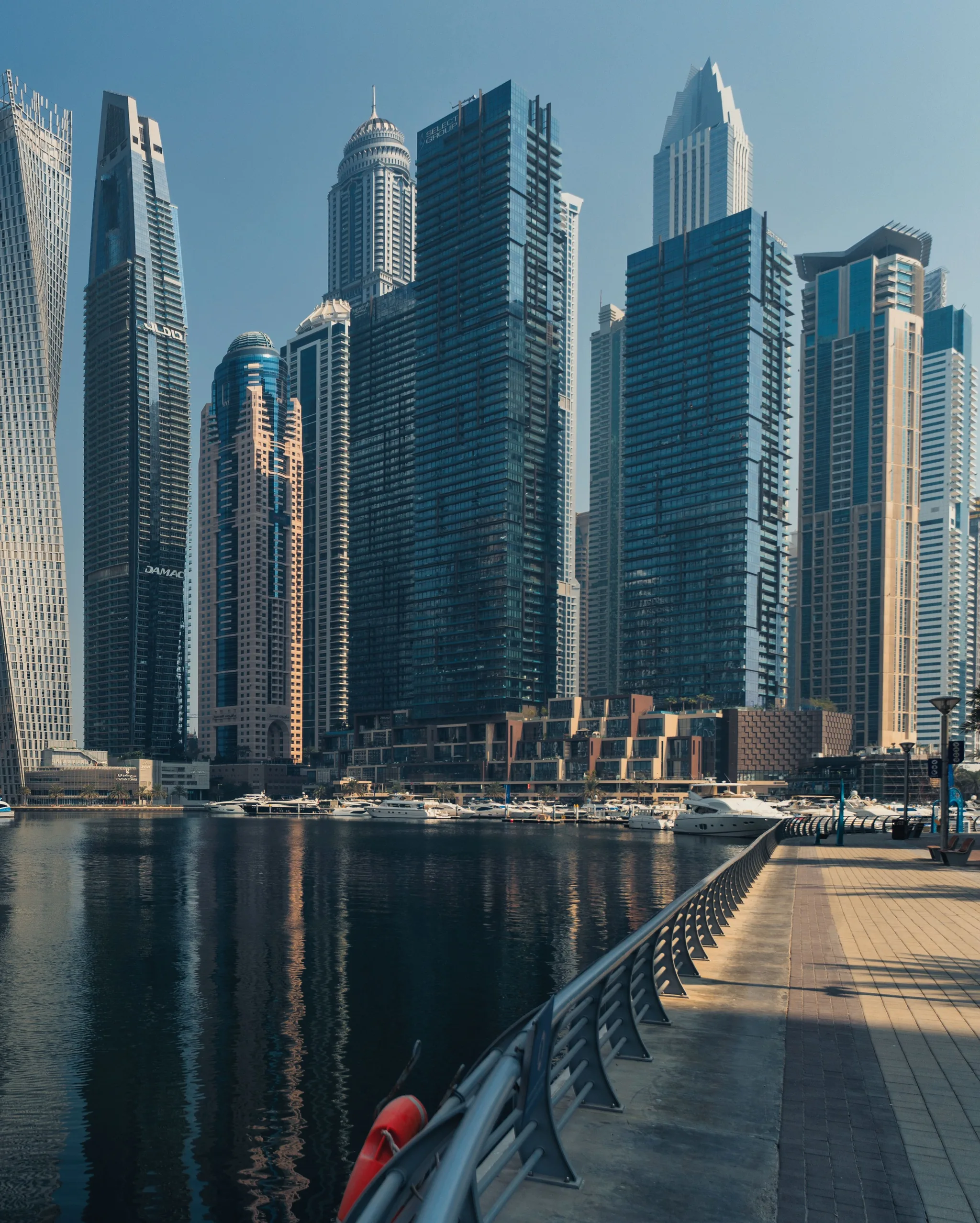
Futuristic skylines, golden deserts, world-class shopping and warm Arabian hospitality, just a four-hour flight from India.
Planning a trip to the UAE? Get essential facts on visa for Indians, best time to visit, climate, currency and expert planning tips for Indian travelers.
The Essentials
Capital
Abu Dhabi
Largest City
Dubai
Population
~11 million (about 88% expatriates) ⚠️
Calling Code
+971
Power Plug
Type G (230V); adapter needed
Tipping
10–15% appreciated if no service charge
Emergency
999 (police), 998 (ambulance), 997 (fire)
Flight from India
About 3.5–4 hours nonstop
Weekend
Saturday and Sunday (Friday half-day) ⚠️
Time Difference
1h30 behind IST
Best Time
Nov – Mar
Currency
v
Climate
Hot desert
Visa
e-Visa (VOA if eligible)
Time Zone
UTC+4
Language
Arabic (English widely spoken)
History & Heritage
The UAE's story moves from ancient trading settlements and pearl-diving villages to one of the world's most dynamic modern nations. For centuries, coastal communities thrived on the sea, with strong trade links to India, Persia and East Africa. The discovery of oil in the 1950s and 1960s transformed the region, and in 1971 six emirates united under Sheikh Zayed and Sheikh Rashid, with a seventh joining in 1972. Today the UAE is a global hub for trade, tourism and innovation, and its long ties with India remain strong.
Ancient Trade & Bronze Age (c. 3000 – 1300 BCE)
Early settlements such as Umm Al Nar and Hili traded copper and pearls across the Gulf and with the Indus Valley.
Pearls & Maritime Trade (Middle Ages – early 20th c.)
Coastal communities lived by pearl diving, fishing and trade, with strong sea links to India and East Africa.
Trucial Coast (1820 – 1971)
Treaties with Britain gave the sheikhdoms protection and led to the name "Trucial States".
Oil Discovered (1958 – 1966)
Oil was found in Abu Dhabi in 1958 and Dubai in 1966, transforming the region's economy.
Birth of the UAE (2 December 1971)
Sheikh Zayed and Sheikh Rashid led the union of six emirates. Ras Al Khaimah joined in early 1972, completing the seven.
Modern Boom (1980s – 2000s)
Dubai diversified into trade, tourism and aviation, while Abu Dhabi invested oil wealth in infrastructure and culture.
Burj Khalifa (2010)
The world's tallest building, at 828 metres, opened in Dubai and became a symbol of the new UAE.
Louvre Abu Dhabi (2017)
A major cultural landmark bringing a world-class museum to Saadiyat Island.
Expo 2020 & Hope Probe (2021 – 2022)
Dubai hosted Expo 2020, and the UAE's Hope Probe reached Mars, marking a new era of space ambition.
India–UAE Ties (2022 – 2024)
A trade agreement (CEPA) strengthened business links, and the BAPS Hindu Mandir opened in Abu Dhabi in 2024.
Climate & Weather
The UAE has a hot desert climate with very hot, humid summers and pleasantly warm winters. Rain is rare and usually short, and most attractions have air conditioning, which makes summer travel possible, though outdoor sightseeing is best from November to March.
Time Zone
Gulf Standard Time (UTC+4), with no daylight saving time
1 hour 30 minutes behind IST
Best Months
November, December, January, February & March
Peak Season
Nov – Mar
15–30°C
Perfect weather for beaches, deserts and outdoor sightseeing. Includes the Dubai Shopping Festival (Dec–Jan) and New Year fireworks. Book early.
Spring Shoulder
Apr
24–36°C
Warming up but still comfortable, with fewer crowds and better prices.
Summer
May – Sep
30–48°C
Very hot and humid. Great hotel deals and indoor attractions, but avoid midday outdoor activities.
Autumn Shoulder
Oct
26–38°C
Heat eases, outdoor life resumes and Global Village reopens ⚠️.
Seasonal Packing List
Rain is rare, with most falling between December and March in short showers. Occasional heavy storms can cause temporary flooding and travel disruption, so check forecasts and travel insurance cover.
Language Guide
Official Language
Arabic
Arabic is the official language, but English is used almost everywhere in business, tourism and signage. With a large Indian community, Hindi, Malayalam, Tamil, Urdu and other Indian languages are commonly heard in shops, restaurants and services, so Indian travellers are rarely at a loss. A few Arabic greetings are always appreciated.
Local Signage
Useful Phrases
Hello
MAR-ha-ba
Marhaba
Peace be upon you (greeting)
as-sa-LAA-mu a-LAY-kum
As-salamu alaykum
Thank you
SHUK-ran
Shukran
Goodbye
ma-a sa-LAA-ma
Ma'a as-salama
Yes / No
NA-am / LAA
Na'am / La
Please
min FAD-lak
Min fadlak
How much is this?
kam HAA-tha
Kam hatha?
Where is...?
WAYN
Wayn...?
Let's go / Hurry up
YAL-la
Yalla
God willing
in-SHAA-llah
Inshallah
Also Commonly Spoken
Currency & Money
Official Currency
UAE Dirham
د.إ (often written AED) (AED) — AED 1 ≈ ₹23–26 ⚠️ (check the live rate)
The dirham is pegged to the US dollar, so its value stays steady. Exchange offices in Dubai often offer better rates than airports, and rupee-to-dirham conversion is easy through forex cards or exchange houses. Cards and contactless payments are accepted almost everywhere, including malls, restaurants and taxis. Carry some cash for souks, tips and small vendors.
Banknotes
AED 5, 10, 20, 50, 100, 200, 500, 1,000
Coins
25 fils, 50 fils, AED 1
Credit / Debit Cards
Visa and Mastercard are widely accepted. Contactless and Apple/Google Pay are common.
UPI
Indian UPI payments work at select UAE merchants and malls through partner terminals. Confirm at the point of sale ⚠️.
Cash (Dirhams)
Useful for souks, small shops, tips and taxi rides.
Forex / Travel Cards
Convenient for Indian travellers, often with better rates. Carry a backup card.
ATMs
Widely available. Check foreign withdrawal fees with your bank.
Daily Budget Estimates
Budget
₹6,000 – 9,500 (about AED 250–400)
Mid-Range
₹14,000 – 24,000 (about AED 600–1,000)
Luxury
₹35,000+ (about AED 1,500+)
Visa & Entry
Indian citizens can't enter the UAE visa-free and need a visa in advance. Indian passport holders with a valid visa or residence permit from countries such as the US, UK, EU/Schengen, Australia, Canada, Japan, New Zealand, Singapore or South Korea may qualify for a visa on arrival, which grants a 14-day stay. Everyone else applies for a tourist e-visa, commonly available for 30 or 60 days, with typical processing of two to five working days.
Check whether you qualify for a visa on arrival using a valid eligible visa or residence permit.
If not, choose a 30- or 60-day tourist e-visa through an airline, licensed agent or official portal.
Upload a scanned passport copy and a recent photo, plus any documents requested (return ticket, hotel booking, bank statements).
Pay the visa fee and track your application.
Download the approved e-visa and carry a printed copy.
Complete any airline verification (such as "OK to Board"), if requested, before departure ⚠️.
Present your passport, e-visa and return ticket at UAE immigration.
Registration
Hotels register guests automatically at check-in. Carry your passport and visa copy.
Handled by accommodation providers. No separate registration for tourists.
Penalty: Overstaying leads to daily fines and possible entry bans. Always leave before your visa expires.
Visa Extension
Extensions are usually handled through licensed agents or the official immigration portals, or by exiting and re-entering. Apply before expiry ⚠️.
Cost: Varies by visa type; the VOA can be extended once for a fee ⚠️
Requirements
- • Passport valid for at least 6 months with blank pages
- • Recent passport-size photograph (white background)
- • Confirmed return or onward flight ticket
- • Hotel booking or address in the UAE
- • Bank statements or proof of funds (may be requested) ⚠️
- • Copy of eligible visa or residence permit (for visa on arrival)
- • Travel insurance (recommended)
- • Airline "OK to Board" clearance, if requested by your carrier ⚠️
Getting There & Around
Getting There
The UAE is one of the best-connected destinations from India. Nonstop flights from most major Indian cities take about 3.5–4 hours, and airlines include Emirates, Etihad, flydubai, Air Arabia, IndiGo, Air India and Air India Express ⚠️.
Intercity Travel
🚌 Intercity Buses
Regular buses link Dubai, Abu Dhabi, Sharjah and Ajman. Dubai to Abu Dhabi takes about 1.5–2 hours and is very affordable.
🚕 Taxis & Ride-hailing
Convenient for longer transfers such as Dubai to Abu Dhabi, at a higher cost than buses.
🚗 Car Rental
Popular for exploring several emirates, deserts and mountains. Roads are excellent, and an International Driving Permit may be needed ⚠️.
🚆 Etihad Rail
The UAE's national rail network is preparing to add passenger services. Check the latest schedule and launch status ⚠️.
⛴️ Ferries & Water Taxis
Boats connect parts of Dubai and Sharjah, and cross Dubai Creek.
Getting Around
🚇 Dubai Metro
Fast, air-conditioned and clean, serving Downtown, the airport, Marina and more. Use a Nol card for fares.
🚋 Tram & Monorail
Dubai Tram serves Marina and JBR, and the Palm Monorail links Palm Jumeirah.
🚕 Taxis
Metered and reliable across the UAE. Official taxis are easy to find.
📱 Ride-hailing
Uber and Careem operate in the main cities.
⛵ Abra Boats
Traditional wooden boats crossing Dubai Creek for about AED 1.
🚌 Public Buses
Extensive and inexpensive in Dubai and Abu Dhabi.
🚶 On Foot
Great in cooler months, but summer heat limits walking.
Culture & Local Life
Emirati culture is rooted in Bedouin traditions of hospitality, family and faith, and it sits alongside one of the world's most multicultural societies, where more than 200 nationalities live and work. Guests are welcomed with Arabic coffee and dates, falconry and camel racing keep heritage alive, and religious and national holidays shape the calendar. Respectful dress, courtesy and awareness of local laws are part of visiting, and travellers who follow them are received warmly.
Arabian Hospitality
Guests are welcomed with Arabic coffee (gahwa) and dates, and refusing a first offer can seem impolite.
Majlis
A traditional gathering space for conversation, hospitality and community.
Falconry
A centuries-old desert tradition recognised by UNESCO, seen at heritage centres and desert camps.
Ramadan & Eid
The holy month of fasting and its celebrations shape daily life, with festive iftar meals and special hours.
UAE National Day (2 Dec)
Celebrates the union of the emirates with fireworks, parades and decorated streets.
Camel Racing & Heritage
Camels remain part of Emirati identity, with races, heritage villages and desert experiences.
Dubai Shopping Festival (Dec – Jan)
A month of discounts, fireworks and entertainment across the city.
Multicultural Society
Over 200 nationalities live in the UAE, and Indian festivals such as Diwali are widely celebrated ⚠️.
- •
Food & Drink
Emirati cuisine features fragrant spiced rice dishes, slow-cooked meats, fresh seafood and dates, but the UAE's dining scene is a true global melting pot. Arabic mezze, Lebanese grills and street shawarma sit alongside some of the world's best Indian food, and fine dining ranges from celebrity-chef restaurants to seaside cafés. Most food is halal, vegetarian options are plentiful, and karak chai is the drink to try.
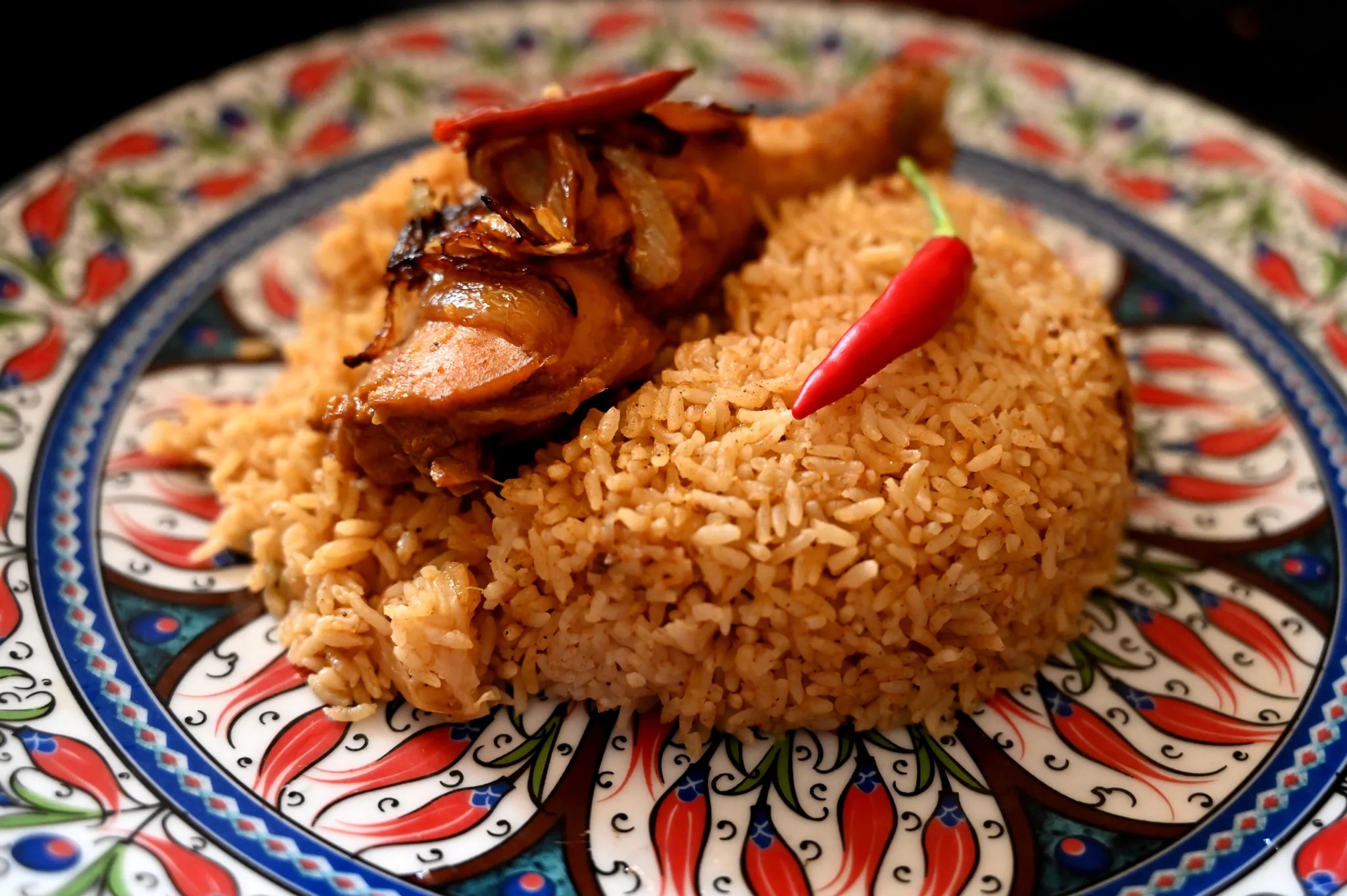
Machboos
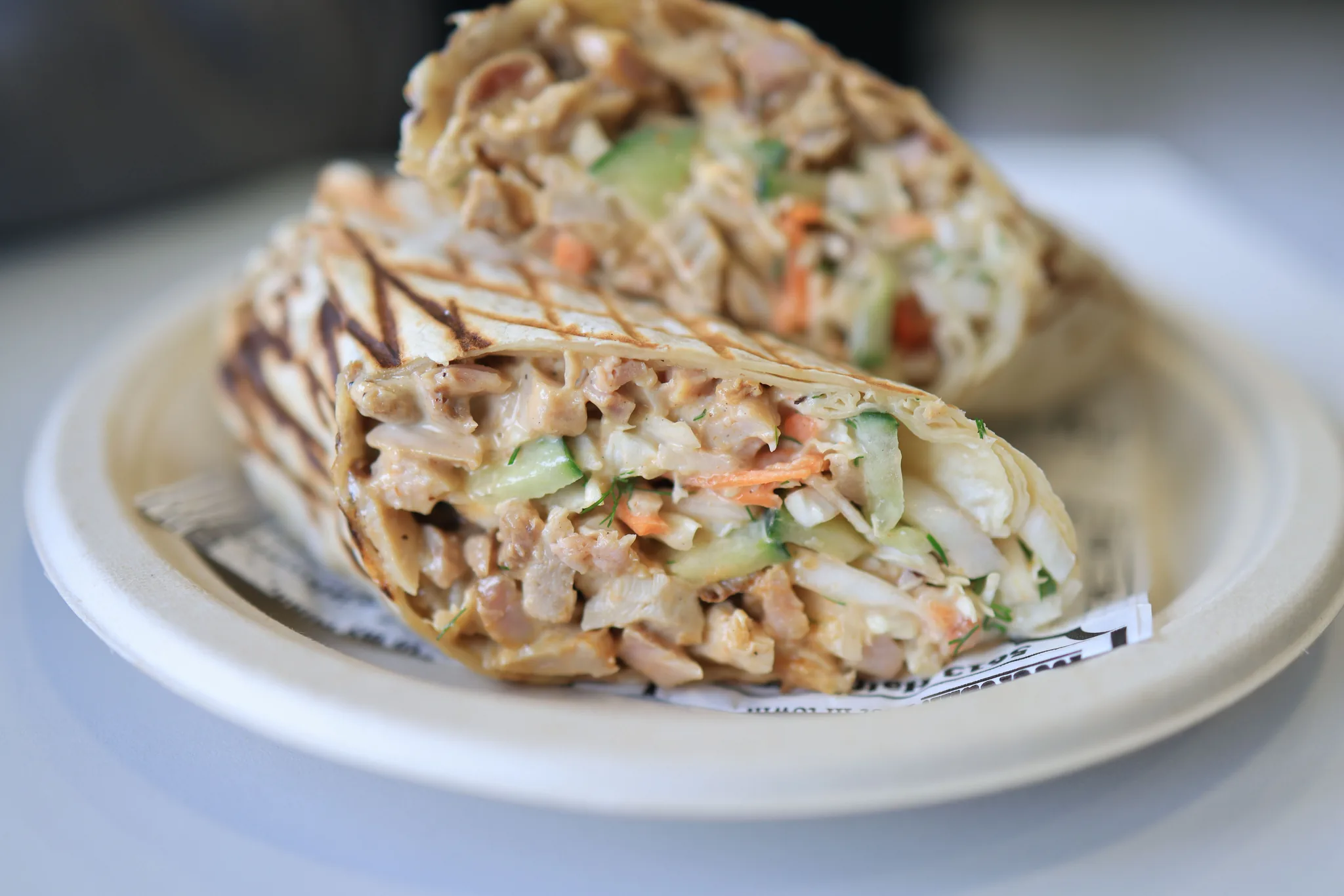
Shawarma
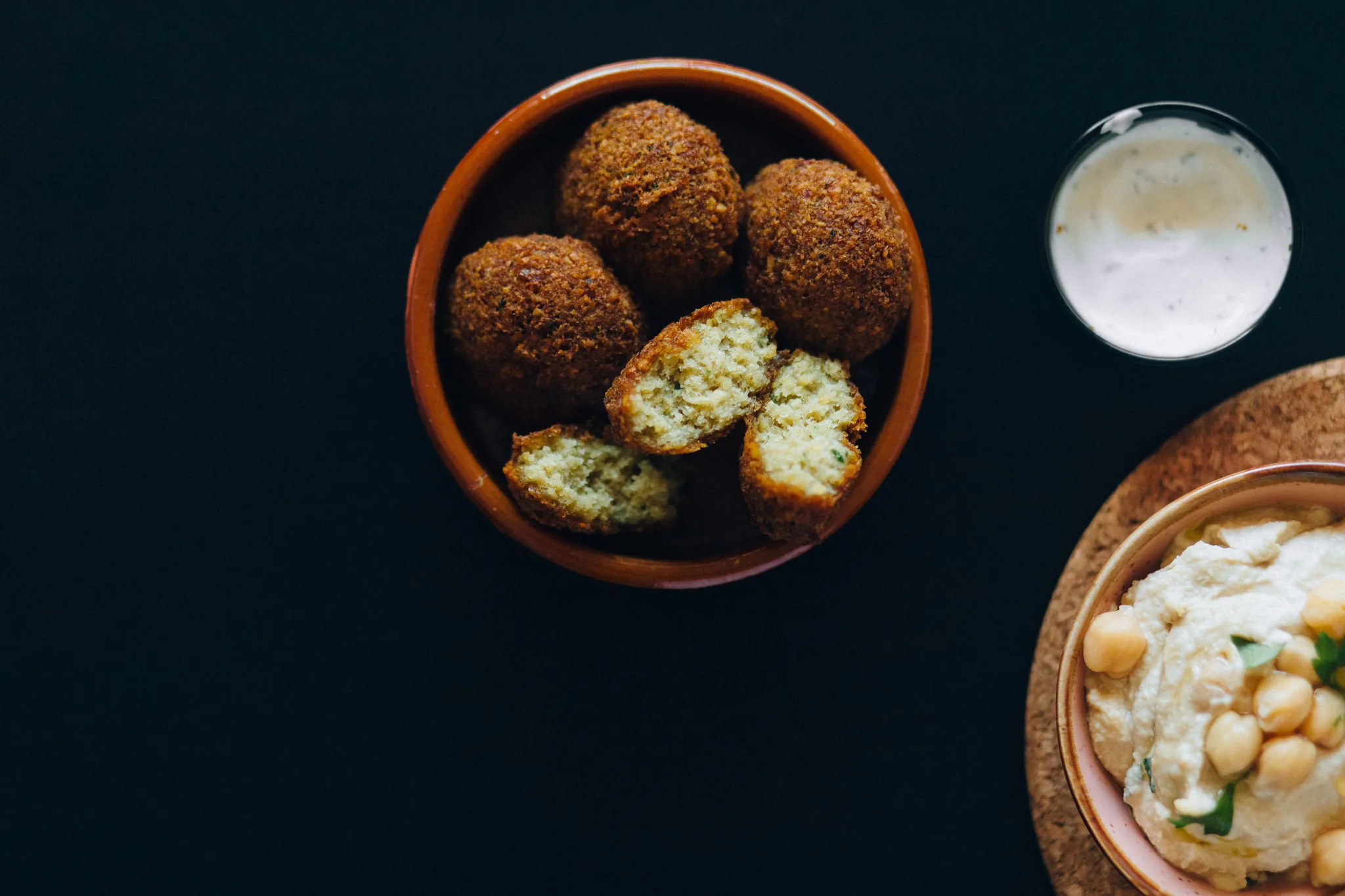
Falafel & Hummus
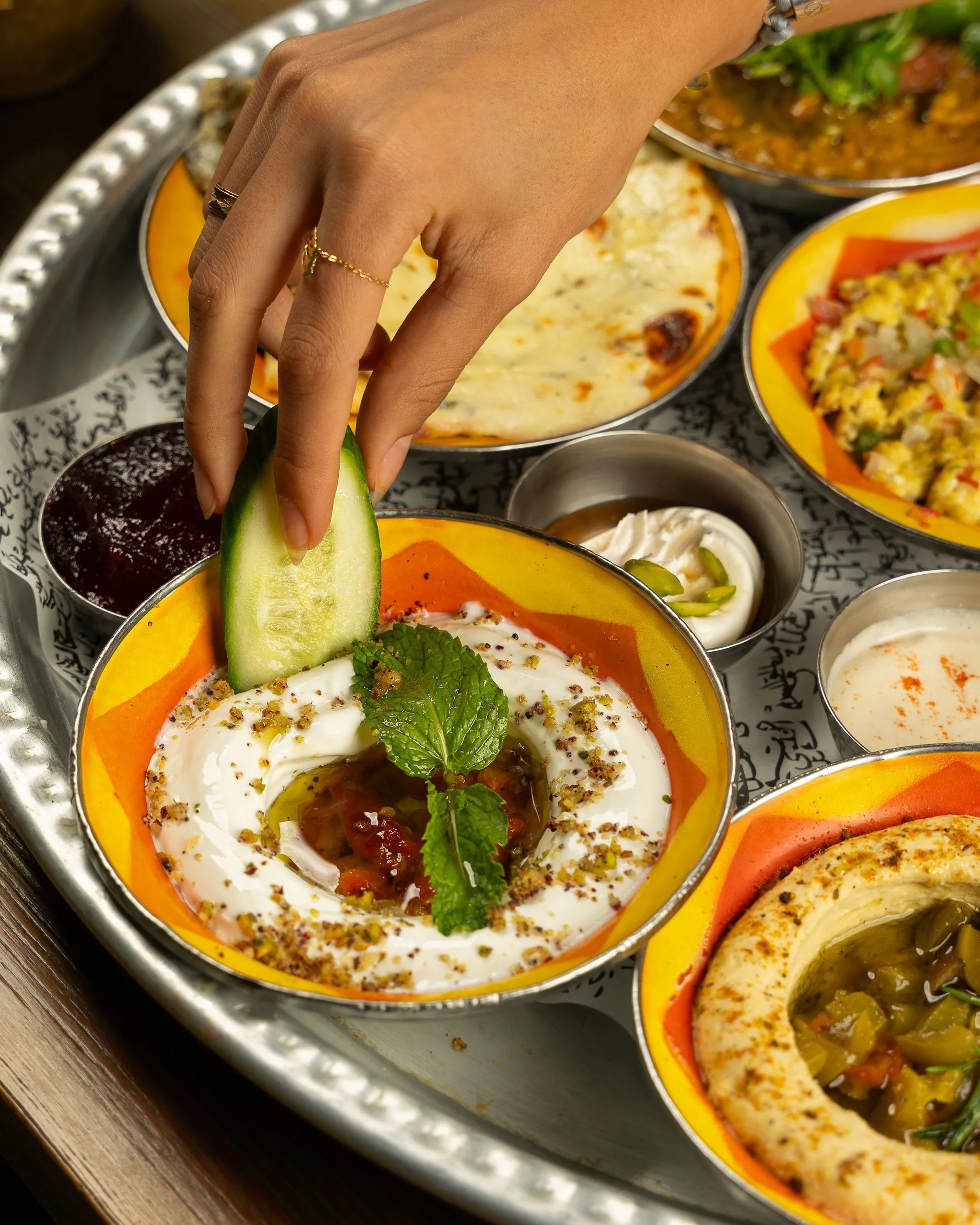
Mezze Platter
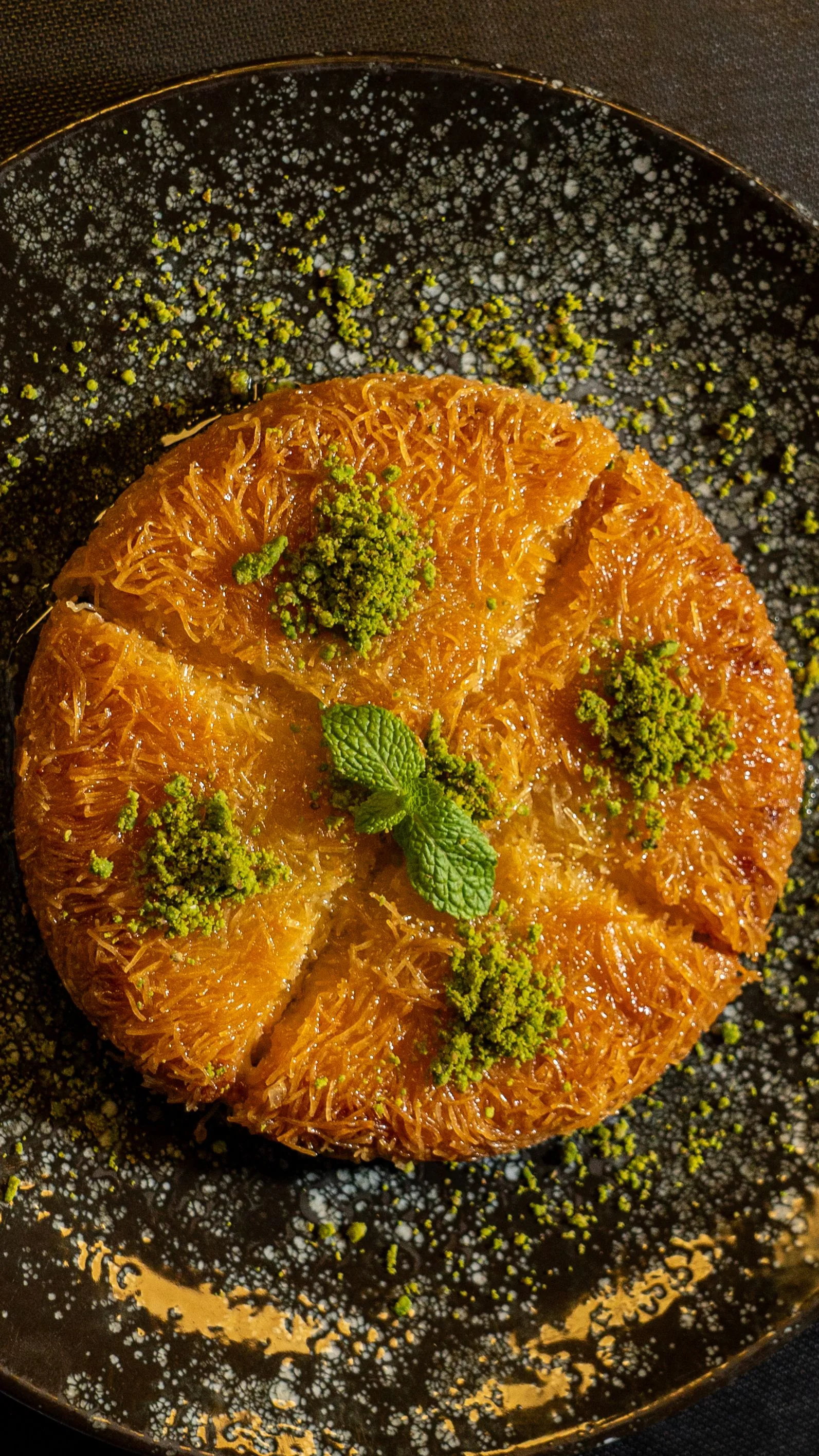
Kunafa
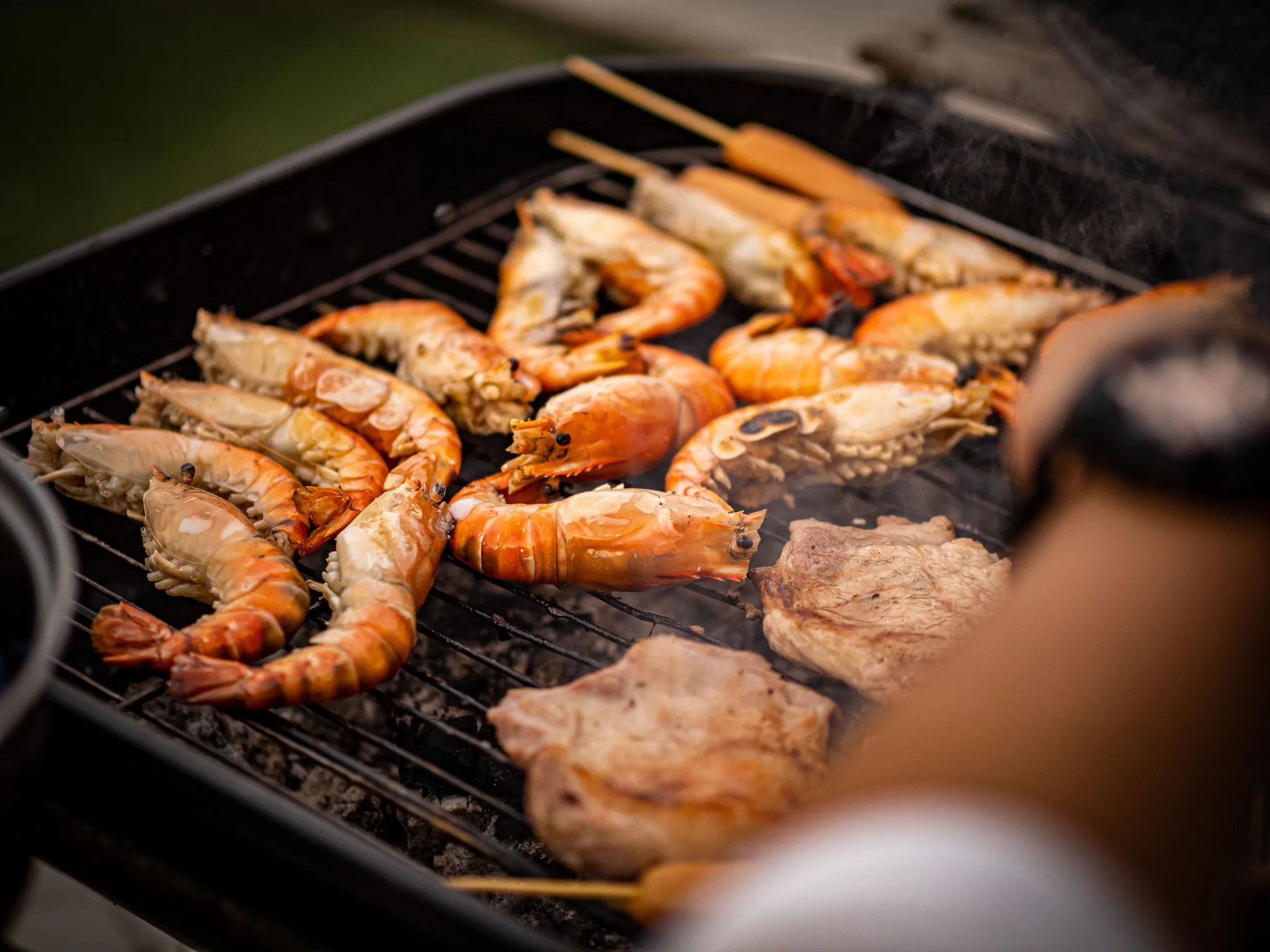
Grilled Seafood
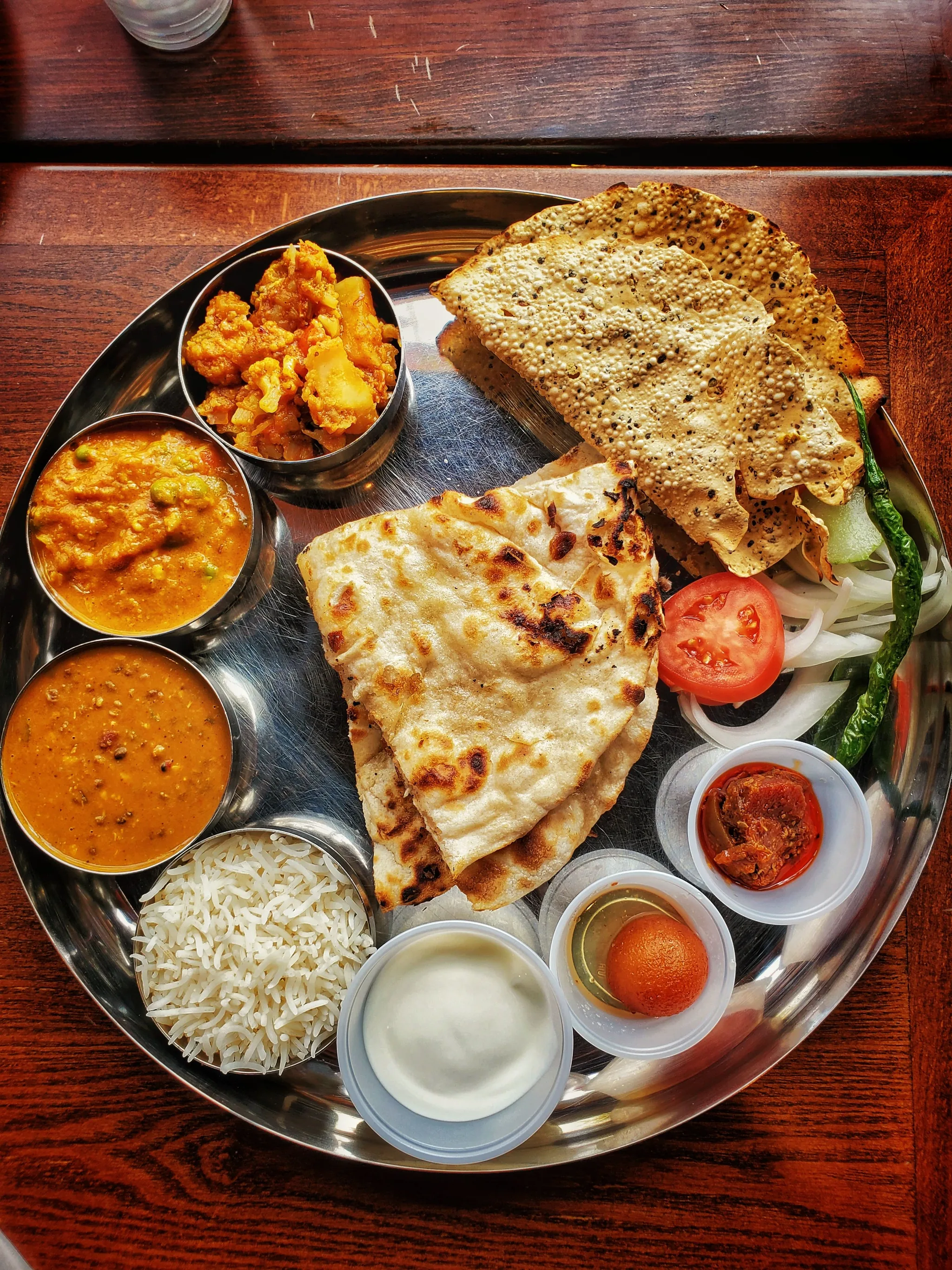
Indian Cuisine
Dining Etiquette
- • Most restaurants serve halal food. Pork is available only in select licensed outlets.
- • Vegetarian options are plentiful, particularly in Indian, Lebanese and Arabic restaurants.
- • Indian restaurants are found in almost every neighbourhood, so familiar flavours are never far away.
- • A 10–15% tip is appreciated if a service charge isn't added to the bill.
- • Eat with your right hand, and wait for the host to begin at a home meal.
- • Friday brunch is a well-known Dubai tradition, but check alcohol-free options if needed.
- • Tap water is safe, but most people drink bottled water.
Signature Drinks
Shop & Bring Home
Shopping is one of the UAE's biggest attractions, from vast air-conditioned malls to atmospheric traditional souks. Dubai's Gold Souk, Spice Souk and Textile Souk offer authentic Arabian shopping and lively bargaining, while Dubai Mall and Mall of the Emirates bring luxury and high-street brands under one roof. Perfumes, oud, gold, dates, spices and electronics are popular buys, and the Dubai Shopping Festival brings major discounts each winter.
Gold & Jewellery
AED 300 – 50,000+
Priced by weight and daily rate. Buy from reputable jewellers, and check India's customs limits before buying ⚠️.
Perfumes & Oud
AED 50 – 2,000+
Arabian attars and oud blends make distinctive gifts.
Arabian attars and oud blends make distinctive gifts.
AED 30 – 500
Bargain in the Textile Souk in Bur Dubai.
Electronics
AED 200 – 5,000+
Compare prices and check warranty coverage for India before buying ⚠️.
Dates & Sweets
AED 20 – 200
Premium dates, chocolates and Arabic sweets in gift boxes.
Spices & Tea
AED 10 – 100
Saffron, cardamom and blended teas from the Spice Souk.
Fashion & Luxury
AED 100 – 10,000+
Designer brands in Dubai Mall and Mall of the Emirates.
Souvenirs & Crafts
AED 10 – 200
Dhow models, camel toys, lanterns and rugs.
Where to Shop
Traveler Insights
Capital
Abu Dhabi
Largest City
Dubai
Emirates
7
Population
~11 million ⚠️
Expatriate Percent
About 88% ⚠️
Indian Population
Roughly 3.5 million+ ⚠️
Area Sq Km
~83,600
Official Language
Arabic
Currency
UAE Dirham (AED), pegged to USD
Calling Code
+971
Tallest Building
Burj Khalifa, 828 m
Highest Point
Jebel Jais, ~1,934 m
Government
Federation of seven emirates