South Korea
About South Korea
Ancient temples meet neon-lit cities, K-pop beats blend with traditional arts in Asia's most dynamic nation.
South Korea’s history spans thousands of years, from ancient kingdoms through periods of foreign influence, including the Japanese occupation of Korea, followed by the devastation of the Korean War and the subsequent division of the peninsula. Despite these challenges, South Korea has transformed into one of the world’s most technologically advanced democracies. Today, it skillfully balances deep reverence for tradition with cutting-edge innovation, making it a compelling destination for those exploring a South Korea history and culture guide.
Why Choose South Korea?
Joseon Dynasty Legacy
The 500-year Joseon Dynasty created a golden age of Korean culture—Hangul script, ceramics, calligraphy, and Confucian philosophy. Palaces like Gyeongbokgung still stand as monuments to this era.
Hangul—The World's Easiest Script
Invented by King Sejong in 1443, Hangul is a scientific, phonetic alphabet designed for all people to learn. UNESCO recognizes it as the most logical writing system ever created.
The Miracle on the Han River
In 60 years, South Korea transformed from one of the world's poorest nations (per capita income $87 in 1962) to a high-income country (₩36,000+ per capita by 2024), a feat called the 'Miracle on the Han River.'
K-Culture Global Phenomenon
K-pop (BTS, BLACKPINK), K-dramas (Squid Game, Crash Landing on You), and Korean cinema dominate global culture. South Korean soft power rivals major Western nations.
Must-Experience Attractions
South Korea Tour Packages from India
South Korea is one of the most rewarding trips in Asia for Indian travellers palaces and neon in Seoul, coastline and street food in Busan, volcanic landscape on Jeju, and K-culture everywhere. It is also the destination where a little planning makes the biggest difference, starting with the visa.
Indian passport holders need a visa for mainland South Korea. It is a straightforward, well-defined process, but it needs starting three to four weeks before you travel. There is one important exception: Jeju Island can be visited visa-free for up to 30 days, under conditions we explain in full below. And there is one direct flight Delhi to Seoul, nonstop, about seven and a half hours.
Most Bayard travellers choose a 5-night Seoul break, a 6-night Seoul and Busan trip, or a 7-night route that adds Jeju. Below, we set out exactly what the visa involves and what it costs, which flight routing makes sense from your city, how to choose between Busan and Jeju, and what a DMZ tour does and does not include in 2026.
Get a South Korea quote →
South Korea trip at a glance
Field | Detail |
Ideal duration | 5–6 nights for Seoul with day trips, or Seoul plus Busan; 7–9 nights to add Jeju or Gyeongju properly |
Cost from India | Varies mainly with whether international flights are bundled and how many cities you include. See the breakdown below — and ask us for a fixed quote for your dates |
Best season | Late March to May for cherry blossom and mild weather; September to November for autumn colour. Both are peak; summer is humid, winter is cold and clear |
Entry for Indians | Visa required for mainland Korea — the C-3-9 short-term tourist visa, applied for in person, typically 5–10 working days. K-ETA is not available to Indian passport holders. Jeju Island is visa-free for up to 30 days under specific conditions. Last verified 2 September 2026 — full section below |
Flight from India | Direct Delhi–Seoul (Incheon) with Air India and Korean Air, about 7.5 hours. From Mumbai, Bengaluru, Chennai, Hyderabad and Kochi, one stop via Singapore, Bangkok, Hong Kong or a Gulf hub |
Main entry point | Seoul Incheon (ICN). Domestic travel is by KTX high-speed train to Busan and Gyeongju, and by short domestic flight to Jeju |
Do Indians need a visa for South Korea in 2026?
Yes, for Seoul, Busan and anywhere else on the Korean mainland, Indian passport holders need a visa arranged before travel. There is no visa on arrival. The one exception is Jeju Island, covered separately below.
Please note: K-ETA is not available to Indian travellers
This is the most common and most costly misunderstanding about Korea. K-ETA (Korea Electronic Travel Authorization) is a quick online authorisation — but it is only for citizens of countries that already have visa-free access to Korea, and India is not one of them. You cannot use K-ETA instead of a visa, and any website offering to process a K-ETA for an Indian passport is not legitimate. If you have been told otherwise, that advice is out of date or wrong.
What you actually need: the C-3-9 short-term tourist visa
• Applied for in person at a Korea Visa Application Centre or the Korean Embassy/Consulate. Centres operate in Delhi, Mumbai, Chennai, Kolkata and Bengaluru.
• Processing typically takes five to ten working days. We advise applying three to four weeks before departure so there is room for a query or a re-submission.
• The visa allows a stay of up to 90 days, in single or multiple-entry form.
• Fees start from around ₹3,400 for single entry, plus service charges. The Korean Embassy in India revised its fee schedule with effect from 1 August 2026, so confirm the current amount when you apply rather than relying on older figures.
What you will be asked for
A passport valid at least six months beyond travel, the completed application form and photographs to Korean specification, confirmed flight and hotel bookings, a day-wise itinerary, three months of bank statements, salary slips or business registration, income tax returns, and a covering letter explaining the purpose of your trip. Bayard prepares the itinerary and booking documentation as part of your package, which removes most of the work from your side.
The Jeju exception: one part of Korea you can visit visa-free
Jeju Island operates its own visa-waiver scheme, and Indian passport holders can visit for up to 30 days without a visa. It is a genuine option and almost nobody explains it properly — but the conditions are strict and getting them wrong has real consequences.
The conditions, exactly
• You must arrive on a direct international flight into Jeju International Airport (CJU). Since there is no service from India, this means routing through a third-country hub and flying into Jeju without clearing immigration on the Korean mainland.
• You cannot enter through Incheon, Gimpo or Busan and then claim the waiver. Entering at a mainland airport means mainland rules apply, and you will need a visa.
• You cannot travel from Jeju to the mainland on the waiver. Doing so is illegal and can result in a future entry ban.
• The stay is for tourism only, capped at 30 days, and cannot be extended.
• Entry is not guaranteed. Immigration officers at Jeju airport have sole discretion, and travellers who cannot clearly explain their plans, show a return ticket, confirmed accommodation and adequate funds have been refused and sent back on the next flight.
The Embassy of India in Seoul maintains a standing advisory on this scheme following entry refusals involving Indian travellers worth reading before you commit: Advisory for Indian Nationals Travelling to Jeju Island.
Should you use it?
If you want to see Seoul, it is not for you — apply for the visa. If your trip is short, your dates are tight, or the visa timeline does not work, a Jeju-only holiday is a real and beautiful alternative: volcanic peaks, coastal drives, waterfalls, tea fields and some of the best seafood in the country. Talk to us about it specifically, because the routing has to be built correctly for the waiver to apply at all.
What a South Korea trip from India actually costs
Korea is a mid-to-premium Asian destination. Unlike some countries, there are no significant hidden government charges for a short-stay tourist — the price is driven by a small number of things you can see and control.
What moves the number
• Whether international airfare is bundled. This is the single largest line, and the difference between a land-only and an all-in quote.
• How many cities. Each additional city means a KTX sector or a domestic flight, plus transfers. Seoul and Busan is cheaper than Seoul and Jeju for the same number of nights, because the train replaces a flight.
• Hotel category, which varies more in Seoul than anywhere else in Korea — location and star rating both move the price sharply.
• Season. Cherry blossom weeks in spring and the autumn foliage peak are the two most expensive windows of the year, and they book out earliest.
• Whether you add Japan or Taiwan. A combined itinerary is a different product at roughly double the cost, not an upgrade to this one.
The costs to remember beyond the package
• The visa: from around ₹3,400 per person plus service charges, an in-person appointment, and five to ten working days of processing.
• Meals not listed in your inclusions, entry tickets to optional attractions, and transport within cities — Seoul's subway is excellent and cheap, and a T-money card covers subway, bus and taxis.
• Travel insurance, which we recommend on every Korea itinerary.
One thing that works in your favour: Korea operates a tax-refund scheme for foreign visitors on eligible retail purchases above a minimum spend. If shopping is part of your trip — and in Korea it usually is — keep your receipts and ask us how to claim at the airport.
Travel style | Typical duration | What's included | Approx. price (per person) |
Seoul short break | 4 nights | Seoul hotel, city tour, DMZ or theme-park day, transfers, breakfast | [Insert from Bayard package sheet] |
Seoul and Busan | 5–6 nights | Both cities, KTX high-speed train sector, guided sightseeing, breakfast | [Insert from Bayard package sheet] |
Seoul and Jeju | 6 nights | Both, with domestic flights to and from Jeju, island touring, breakfast | [Insert from Bayard package sheet] |
Classic Korea | 7–8 nights | Seoul, Busan or Gyeongju and Jeju, trains and domestic flights, fuller sightseeing | [Insert from Bayard package sheet] |
Price placeholders must be filled from Bayard's live package sheet before publishing. The current page shows a single package marked On Request, so no figures could be carried over — see Defects 3, 5 and 6 in Step 1. Publishing a visible from-price is the single highest-impact commercial change available on this page.
Get a fixed, all-in price for your dates →
Busan or Jeju — which second stop is right for you?
Almost every Korea trip is Seoul plus one more place. The two contenders are genuinely different, and the choice is not really about budget.
• Busan suits travellers who want more city. It is two and a half hours from Seoul on the KTX with no flight involved, which keeps both cost and travel fatigue down. You get beaches at Haeundae and Gwangalli, the painted hillside of Gamcheon Culture Village, the seaside temple at Haedong Yonggungsa, and Jagalchi fish market. Good for couples, families and anyone whose trip is on the shorter side.
• Jeju suits travellers who want landscape and quiet. It needs a domestic flight each way, which adds cost and roughly half a day in each direction, and in exchange you get Seongsan Ilchulbong's crater, lava tubes, waterfalls, tea fields and coastal drives. Best for honeymooners, photographers, and anyone who wants the pace to drop after Seoul.
• Gyeongju is the third option, and the one most people have not considered. The old Silla capital is reachable by KTX and gives you temples, royal tombs and museums in a way Seoul cannot. Worth including for culture-led travellers on a 7-night-plus trip.
• Our rule of thumb: on 5 or 6 nights, choose Busan. On 7 or more, Jeju earns its flights. Trying to fit Seoul, Busan and Jeju into six nights is the most common way a Korea itinerary goes wrong.
Choose your South Korea itinerary
Seoul Highlights — 5 Days / 4 Nights
Best for first-time visitors and short breaks
• Day 1: Arrive in Seoul, check in, evening in Myeongdong or Hongdae.
• Day 2: Gyeongbokgung Palace and the guard-changing ceremony, Bukchon Hanok Village, Insadong, and N Seoul Tower at dusk.
• Day 3: DMZ day tour — Imjingak, the Third Infiltration Tunnel and Dora Observatory.
• Day 4: Your choice — Lotte World or Everland, K-drama filming locations, or a Gangnam and Myeongdong shopping day.
• Day 5: Departure.
Customise this itinerary →
Seoul & Busan — 7 Days / 6 Nights
Best for first-timers who want a city-and-coast contrast without a domestic flight
• Days 1–3: Seoul as above — palaces, Bukchon, N Seoul Tower and the DMZ.
• Day 4: KTX to Busan, about two and a half hours; evening at Haeundae Beach.
• Day 5: Busan sightseeing — Gamcheon Culture Village, Haedong Yonggungsa, Jagalchi market, Gwangalli at night.
• Day 6: Free day for coastal walks, cafés or Gyeongju as a day trip.
• Day 7: Return to Seoul or fly out of Busan if your routing allows.
Seoul & Jeju — 7 Days / 6 Nights
Best for couples and honeymooners who want landscape as well as city
• Days 1–3: Seoul city, palaces, markets and views.
• Day 4: Fly to Jeju, check in, evening on the coast.
• Day 5: East Jeju — Seongsan Ilchulbong, Manjanggul lava tube, coastal viewpoints.
• Day 6: West and south Jeju — waterfalls, tea fields, scenic drives.
• Day 7: Fly back to Seoul and depart.
Note: this itinerary enters Korea at Incheon, so it requires the full C-3-9 visa. The Jeju visa waiver applies only to trips that fly directly into Jeju and stay there.
Classic South Korea — 8 to 9 Days
Best for travellers who want the full picture in one trip
Three or four nights in Seoul, Busan and Gyeongju for coast and culture, and two or three nights on Jeju, linked by KTX and a domestic flight. This is the fullest version of Korea that still feels paced rather than rushed, and it pairs naturally with Japan for anyone planning a longer Asia trip.
Build a longer Korea itinerary →
Getting to South Korea from your city
There is one nonstop route between India and South Korea: Delhi to Seoul Incheon, flown by both Air India and Korean Air, roughly ten departures a week between them and about seven and a half hours in the air. From every other Indian city the trip is one stop.
From (India) | Routing | Approx. journey time |
Delhi | Air India or Korean Air, nonstop to Incheon | About 7.5 hours eastbound, around 8–9 hours on the return |
Mumbai | One stop via Singapore, Bangkok, Hong Kong or a Gulf hub | About 12–16 hours including layover |
Bengaluru | One stop via Singapore, Bangkok or Hong Kong, or connect through Delhi | About 12–16 hours including layover |
Chennai | One stop via Singapore, Bangkok or Hong Kong | About 12–16 hours including layover |
Hyderabad | One stop via Singapore, Bangkok or a Gulf hub | About 13–17 hours including layover |
Kochi | One stop via Singapore or a Gulf hub | About 14–18 hours including layover |
Inside Korea
The KTX high-speed train is the backbone of any multi-city trip: Seoul to Busan takes about two and a half hours and is more comfortable and more punctual than flying. Jeju needs a domestic flight, roughly an hour from Seoul, with very frequent service. Within cities, Seoul's subway is one of the best in the world; a T-money card works on subway, bus and taxi and is the simplest way to pay.
A routing tip
If you are flying one-stop, the hub matters more than the airline. A well-timed Singapore or Hong Kong connection can save four or five hours against a poorly-timed one on the same total fare. Tell us your city and we will price the routings side by side rather than defaulting to the cheapest headline number.
Get a quote for your city →
Best time to visit South Korea
Korea has four genuinely distinct seasons, and the season shapes the trip more than in most Asian destinations.
Season | What it's like | Verdict |
Spring (late March–May) | Mild, bright, and the cherry blossom window. Bloom moves north — Jeju and Busan first in late March, Seoul usually early to mid April | Prime season. Book early; blossom weeks sell out months ahead |
Autumn (September–November) | Clear, dry and comfortable, with foliage colour peaking through late October and into November | The other prime season, and often the more reliable of the two for weather |
Summer (June–August) | Hot and humid with a monsoon spell; cities remain very doable, long outdoor days less pleasant | Cheaper and less crowded; fine for a city-focused trip |
Winter (December–February) | Cold, often below freezing, dry and bright, with snow and a full ski season | Excellent value and genuinely beautiful, but needs proper winter clothing |
An honest note on cherry blossom
Peak bloom lasts only about a week in any given city and the exact dates shift by a week or so each year with the weather. Forecasts firm up only a few weeks ahead, long after most people have booked. If blossom is the reason for your trip, the practical approach is to travel in the first half of April, include both Seoul and a southern city so you have two chances at it, and accept that nobody — including us — can guarantee peak bloom on specific dates. We would rather tell you that now than after you have paid.
Top places to include in your South Korea package
Seoul
The centre of almost every Korea itinerary, and a city that genuinely rewards three or four days. Gyeongbokgung Palace with the guard-changing ceremony, the tiled lanes of Bukchon Hanok Village, Insadong for crafts and tea, N Seoul Tower for the view, and Myeongdong, Hongdae and Gangnam for shopping, cafés and nightlife. Hiring a hanbok gets you free palace entry and is genuinely fun rather than merely touristy. Best for: everyone, and especially first-timers and K-culture fans.
The DMZ — what is open and what is not
Worth understanding before you book, because two different things get called the same name. The standard DMZ day tour from Seoul — Imjingak Park, the Third Infiltration Tunnel, Dora Observatory looking across into North Korea, and the Unification Village — runs normally and is the tour included in most packages, including ours. It is genuinely absorbing and needs no special permissions beyond your passport.
What is not currently available is the JSA at Panmunjom: the blue conference huts straddling the border line that you will have seen in films and K-dramas. Civilian tours there have been suspended since July 2023 and have not resumed on any dependable basis. Any operator promising JSA access should be treated with caution. If it reopens, we will tell you.
Busan
Korea's second city and its most relaxed one — a port town of beaches, hillside neighbourhoods and seafood. Haeundae and Gwangalli for the sand and the night skyline, Gamcheon Culture Village for the painted terraces, Haedong Yonggungsa for a temple that sits directly on the rocks above the sea, and Jagalchi market for the fish. Two and a half hours from Seoul by KTX, so it costs you no flight. Best for: couples, families and shorter trips.
Jeju Island
Volcanic, green and slower. Seongsan Ilchulbong rising straight out of the sea, the Manjanggul lava tube, waterfalls, tea plantations and a coast road worth driving for its own sake. Also, for Indian travellers, the one part of Korea reachable without a visa — under the specific conditions set out above. Best for: honeymooners, nature travellers, and anyone whose visa timeline is tight.
Gyeongju & the cultural regions
The capital of the Silla kingdom for nearly a thousand years, and often called a museum without walls: royal burial mounds, Bulguksa temple, the Seokguram grotto and one of the country's best national museums. Reachable by KTX and easily paired with Busan. Best for: travellers who want history rather than another skyline.
Practical notes for Indian travellers
Vegetarian and Jain food
Worth planning for honestly: Korea is one of the harder Asian countries for strict vegetarians. Anchovy and beef stock, fish sauce and shrimp paste appear in many dishes that look vegetarian, including some kimchi and most soups. Seoul is manageable — there are Indian restaurants, a growing vegan scene, and Buddhist temple-cuisine restaurants that are genuinely excellent — but options thin out in smaller cities. Tell us your requirements when you book and we will build hotel and restaurant choices around them rather than leaving you to work it out at the table. For Jain travellers in particular, please raise this early.
Money and payments
The Korean Won (KRW) is the currency. Korea is close to cashless — cards work almost everywhere, including taxis and convenience stores — but carry some cash for markets and small vendors. A T-money card, bought at any convenience store, handles subway, bus and taxi and is the single most useful thing to pick up on arrival.
Language and getting around
English signage is good on the subway, at stations and in tourist areas, and translation apps handle the rest comfortably. Korea is also one of the safest countries you can travel in, including for solo women and for late-night movement in Seoul and Busan.
Shopping and tax refunds
Korea runs a tax-refund scheme for foreign visitors on eligible retail purchases above a minimum spend. Keep your receipts and your passport with you when shopping, and claim at the airport before departure — on a K-beauty or fashion-heavy trip this adds up.
Common mistakes to avoid
• Assuming K-ETA covers you. It does not apply to Indian passport holders, and sites offering it to Indians are not legitimate.
• Leaving the visa too late. Apply three to four weeks out; the appointment is in person and processing takes five to ten working days.
• Assuming the Jeju waiver covers a Seoul trip. It applies only to direct arrivals into Jeju, and does not permit onward travel to the mainland.
• Booking a DMZ tour expecting the blue huts at Panmunjom, which have been closed to civilian visitors since 2023.
• Squeezing Seoul, Busan and Jeju into six nights. Pick one second city and enjoy it.
• Booking cherry blossom dates on the assumption that peak bloom is guaranteed. It is a one-week window that shifts each year.
• Not flagging vegetarian or Jain requirements at the time of booking, when they are easy to design around.
What's included in a Bayard South Korea package
Included | Not included |
Hotel stays in Seoul and your chosen cities, 3-star to premium | International airfare from India, unless explicitly bundled |
Daily breakfast, and selected meals as specified in your itinerary | Visa fees and visa service charges |
Airport transfers and intercity travel — KTX sectors and domestic flights as listed | Optional experiences: theme parks, K-pop and K-drama specials, ski days, premium dining |
Guided sightseeing and entrance tickets to the attractions named in your plan | Travel insurance — recommended on every Korea itinerary |
Visa documentation support: itinerary and booking confirmations prepared for your application | Personal expenses: shopping, tips, extra meals and city transport |
On-trip support and coordination across cities | Anything not explicitly listed in your confirmed itinerary |
Why book South Korea with Bayard Vacations
• Correct visa guidance, which is rarer than it should be on this destination — including why K-ETA does not apply to you, and what the Jeju waiver really covers.
• Visa documentation prepared as part of your package: the day-wise itinerary and confirmed bookings your application needs, ready to submit.
• Routing that respects your time. We use the KTX where it beats flying, and we will tell you when a third city is a bad idea for your number of nights.
• Straight answers on the choices that matter: Busan or Jeju, spring or autumn, DMZ expectations, and whether a Korea-plus-Japan trip is worth the jump in cost.
• Dietary requirements handled at the planning stage rather than improvised on the ground.
Talk to a South Korea specialist →
South Korea package FAQs
Do Indians need a visa for South Korea?
Yes. For Seoul, Busan and anywhere on the Korean mainland, Indian passport holders must obtain a C-3-9 short-term tourist visa before travelling. There is no visa on arrival. The single exception is Jeju Island, which has its own visa-waiver scheme with specific conditions.
Can Indians use K-ETA instead of a visa?
No. K-ETA is only available to citizens of countries that already have visa-free access to Korea, and India is not one of them. Any website offering K-ETA processing for Indian passport holders is not legitimate. Indians need the full C-3-9 visa.
How long does the Korean visa take, and what does it cost?
Typically five to ten working days, applied for in person at a Korea Visa Application Centre in Delhi, Mumbai, Chennai, Kolkata or Bengaluru. Fees start from around ₹3,400 for single entry plus service charges, and the Embassy revised its fee schedule effective 1 August 2026 confirm the current amount when you apply. We advise starting three to four weeks before departure.
Is Jeju Island really visa-free for Indians?
Yes, for up to 30 days — but only if you arrive on a direct international flight into Jeju International Airport and remain on the island. If you enter Korea through Incheon, Gimpo or Busan, mainland rules apply and you need a visa. Travelling from Jeju to the mainland without a visa is illegal. Entry is also at the discretion of immigration officers at Jeju airport and is not guaranteed.
Can I do Seoul and Jeju on the Jeju visa waiver?
No. Any itinerary including Seoul requires the full C-3-9 visa. The waiver covers Jeju only.
Are there direct flights from India to South Korea?
Yes, from Delhi. Air India and Korean Air both fly Delhi to Seoul Incheon nonstop, around ten departures a week between them, taking about seven and a half hours. From Mumbai, Bengaluru, Chennai, Hyderabad and Kochi the routing is one stop, usually via Singapore, Bangkok, Hong Kong or a Gulf hub.
How many days do I need for South Korea?
Four or five nights covers Seoul properly. Six nights allows Seoul plus Busan comfortably. Seven or more is what you need if you want to add Jeju, since it costs a domestic flight in each direction.
Should I choose Busan or Jeju as my second stop?
Busan if your trip is on the shorter side — it is two and a half hours by KTX with no flight, and adds beaches, markets and hillside neighbourhoods. Jeju if you have seven nights or more and want volcanic landscape and a slower pace. Trying to fit both alongside Seoul in six nights is the most common planning mistake.
What is the best time to visit South Korea?
Late March to May for cherry blossom and mild weather, or September to November for autumn colour and reliably clear skies. Summer is humid, winter is cold but beautiful and much better value.
Can you guarantee I will see the cherry blossoms?
No, and neither can anyone else. Peak bloom lasts about a week and the dates shift each year with the weather, firming up only a few weeks ahead. Travelling in the first half of April and including both Seoul and a southern city gives you the best odds.
Can I visit the DMZ, and will I see the blue border huts?
You can visit the DMZ — standard day tours from Seoul covering Imjingak, the Third Infiltration Tunnel and Dora Observatory run normally. The blue conference huts at the JSA in Panmunjom are a separate, more restricted tour, and civilian access has been suspended since July 2023 with no reliable reopening date.
Is South Korea good for vegetarians?
It takes planning. Fish and beef stock, anchovy and shrimp paste appear in many dishes that look vegetarian. Seoul has Indian restaurants, a growing vegan scene and excellent Buddhist temple cuisine; smaller cities have fewer options. Tell us your requirements when booking, especially if you are Jain, and we will build the itinerary around them.
How do I get around inside Korea?
KTX high-speed trains between cities — Seoul to Busan is about two and a half hours — and a short domestic flight to Jeju. Within cities, the subway is excellent; a T-money card covers subway, bus and taxi and can be bought at any convenience store.
Is South Korea safe for families and solo travellers?
Yes. It is among the safest countries you can travel in, with very low crime rates, reliable public transport and good English signage in tourist areas and on the subway.
Can I claim a tax refund on shopping?
Yes. Korea operates a tax-refund scheme for foreign visitors on eligible retail purchases above a minimum spend. Keep your receipts, carry your passport when shopping, and claim at the airport before departure.
What is included in a Bayard South Korea package?
Hotels, daily breakfast, intercity travel by KTX and domestic flights as listed, airport transfers, guided sightseeing with the entrance tickets named in your plan, visa documentation support, and on-trip coordination. International airfare, visa fees, insurance, optional experiences and personal expenses are quoted separately unless bundled.
Planning a South Korea holiday?
Tell us your city, your dates and who's travelling. We'll send back a costed itinerary with the right flight routing from your airport, a realistic city plan for your number of nights, and the visa paperwork prepared so the application is the easy part.
Enquire now · WhatsApp · Call
South Korea Packages

We Are Bayard Vacations
Not just another travel company. We're dreamweavers, adventure architects, and memory makers.
Explore

Meet Bayard Buddy – Advanced AI Chatbot for Everyday Help
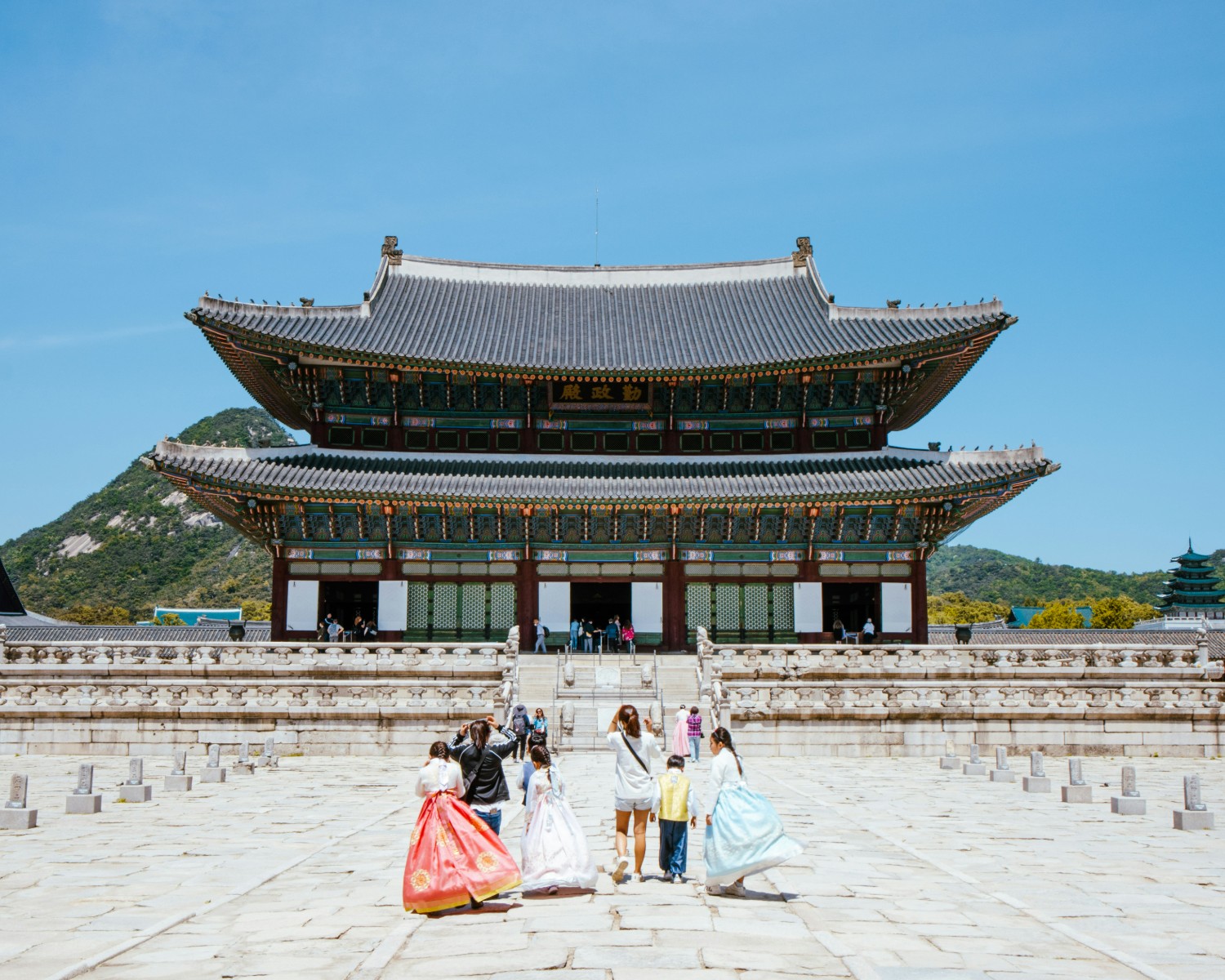
Gyeongbokgung Palace with ornate gates and traditional architecture
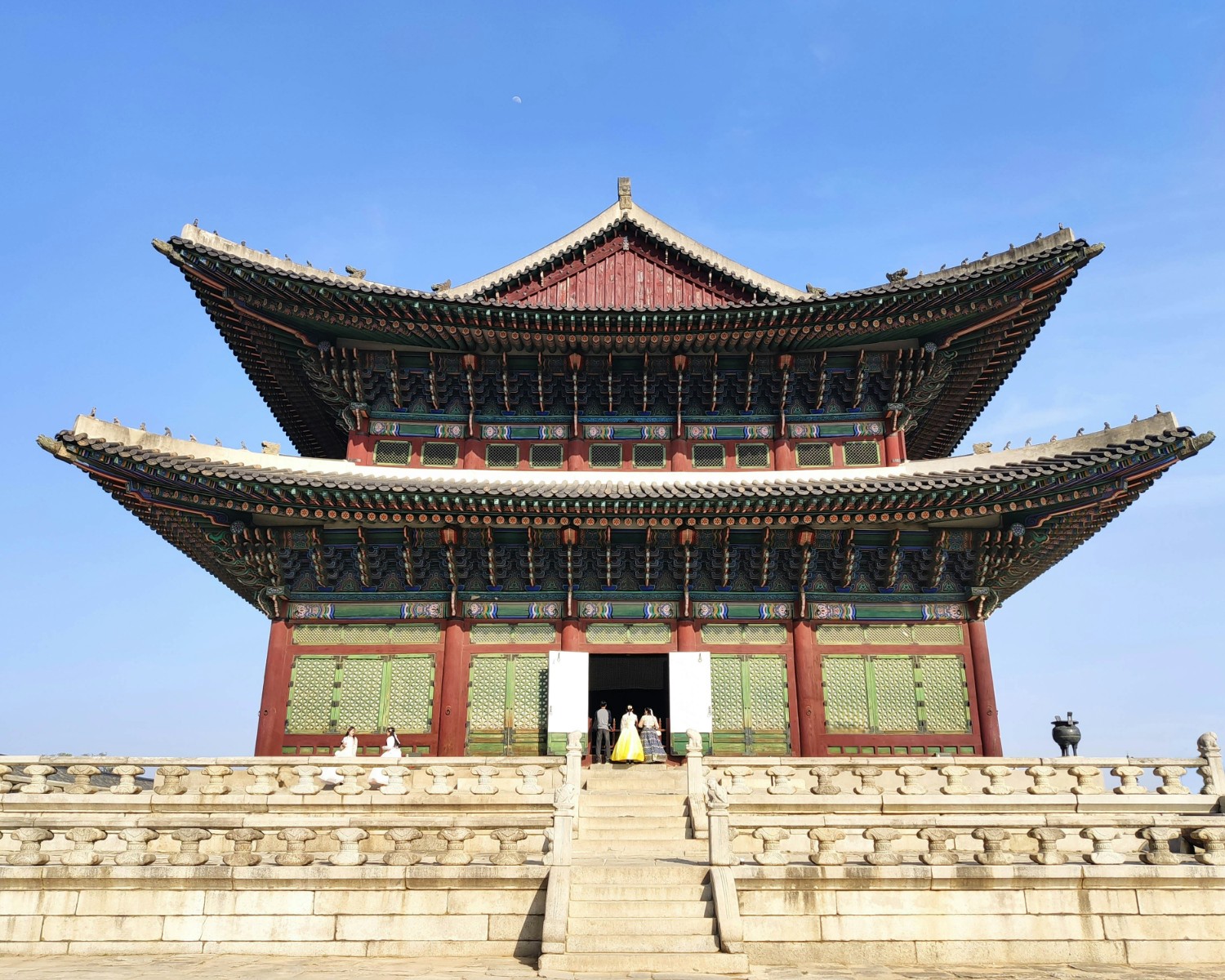
Bulguksa Temple with stone pagodas and mountain backdrop
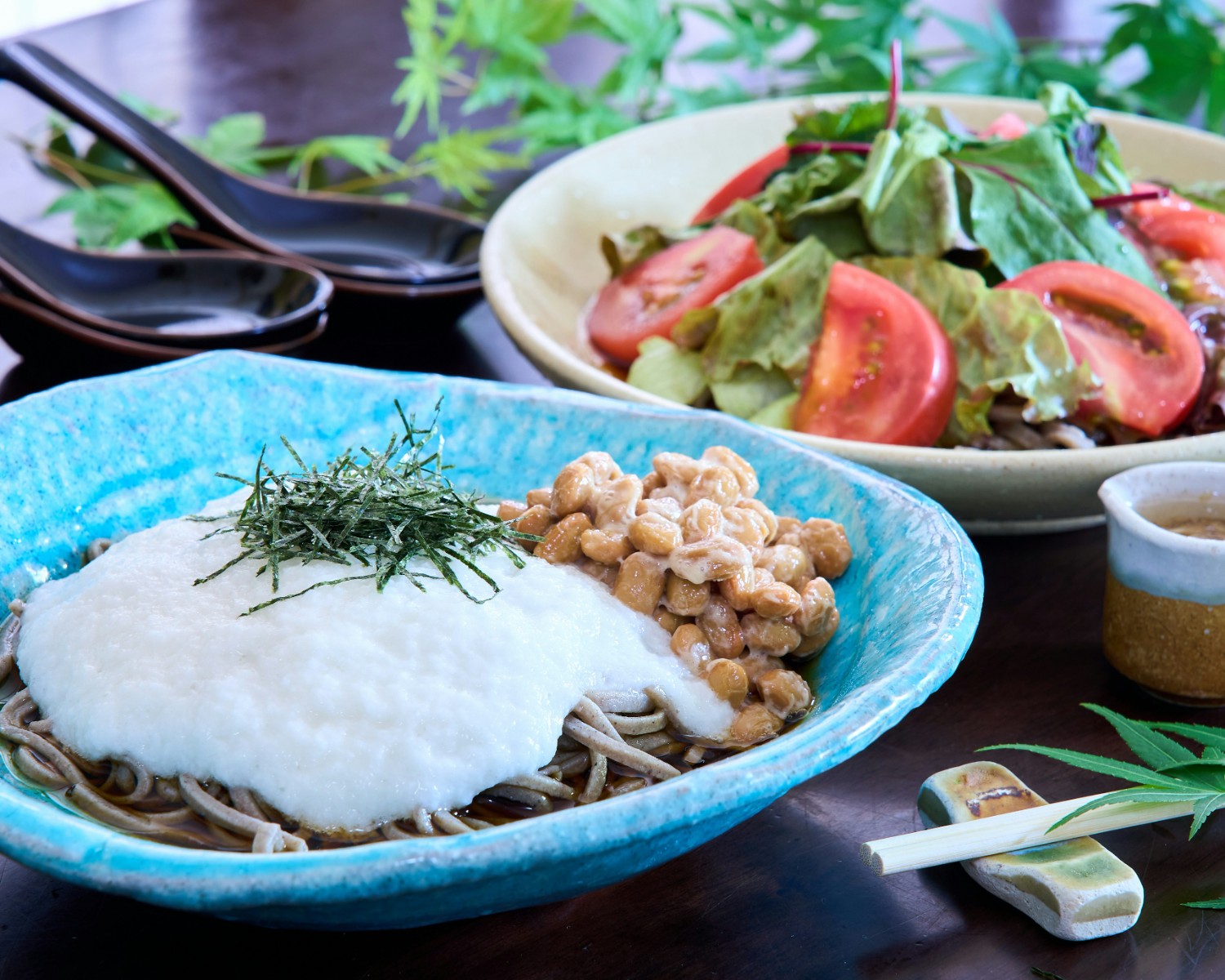
Social dining experience with groups sharing BBQ feast
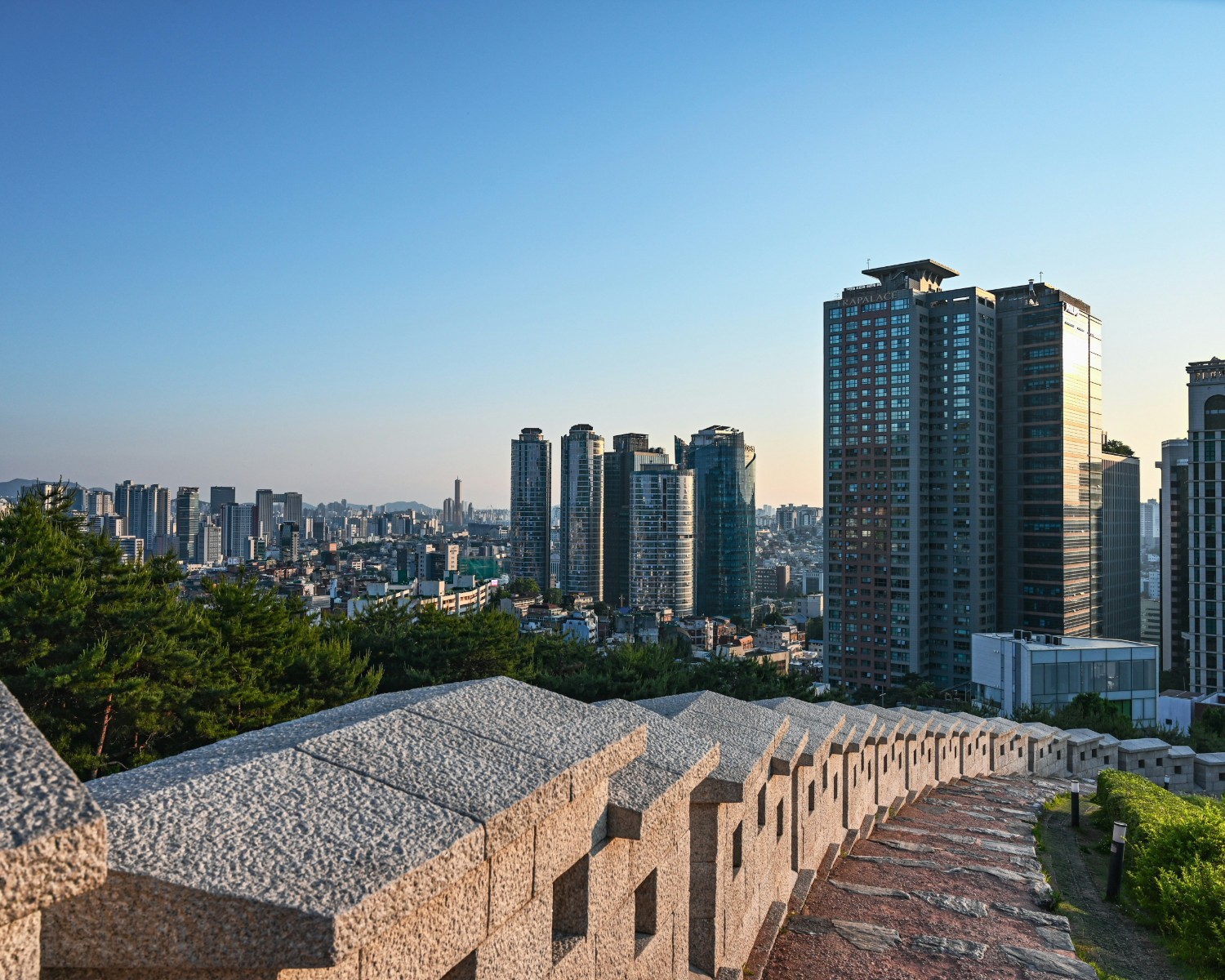
Seoul skyline with 100+ story skyscrapers and ultramodern towers
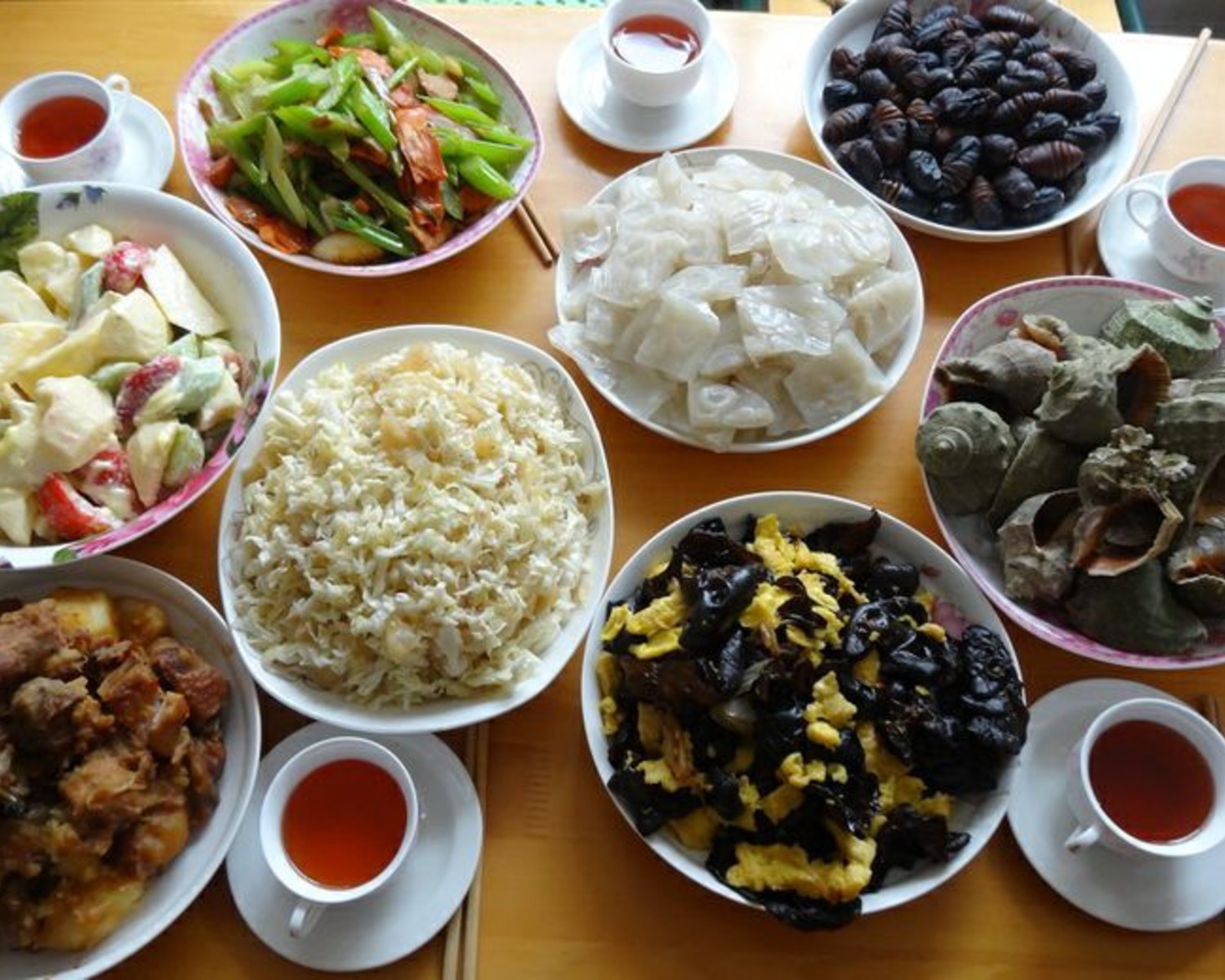
Simple vegetarian meal service in monastic refectory
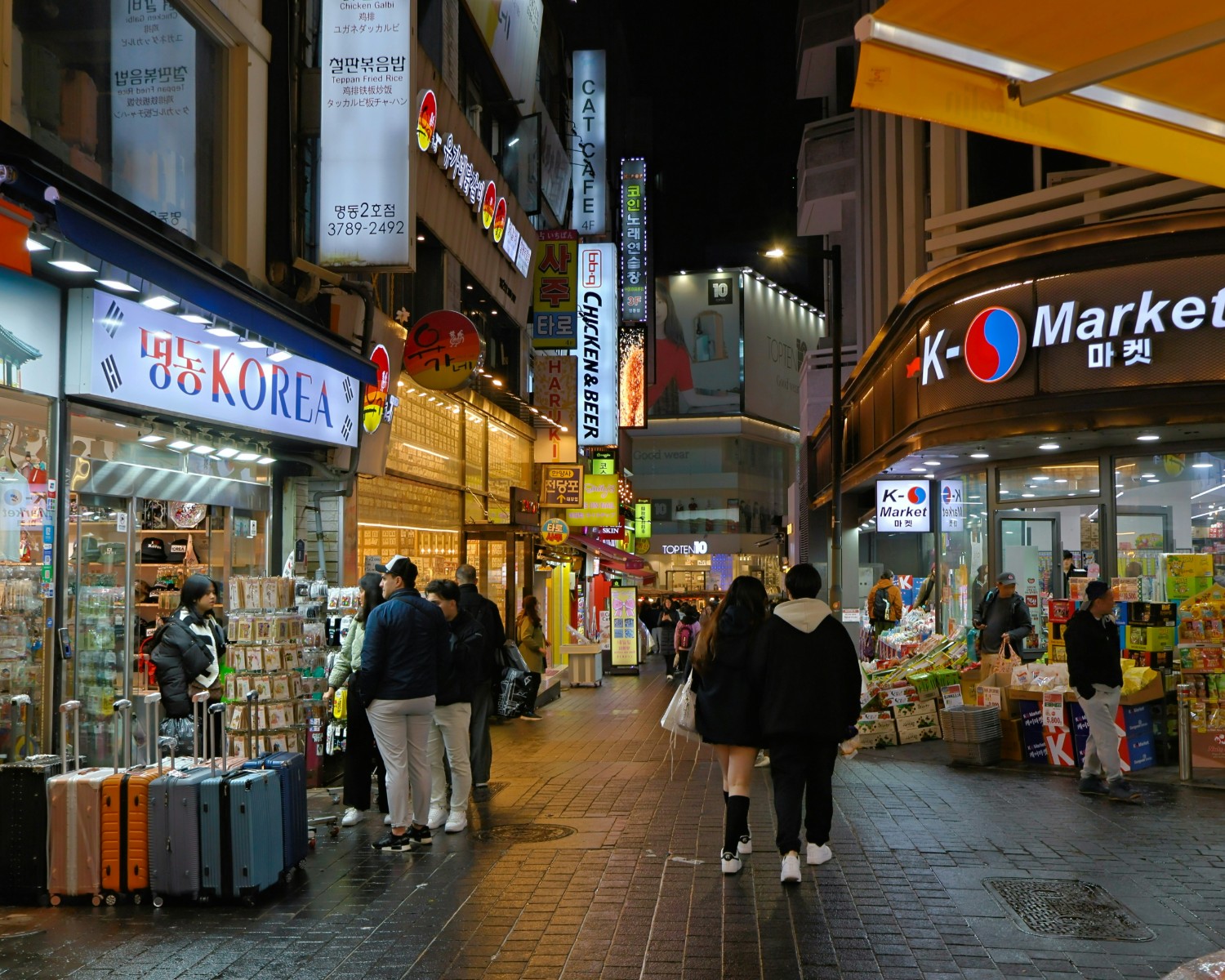
K-beauty products display in cosmetic shop
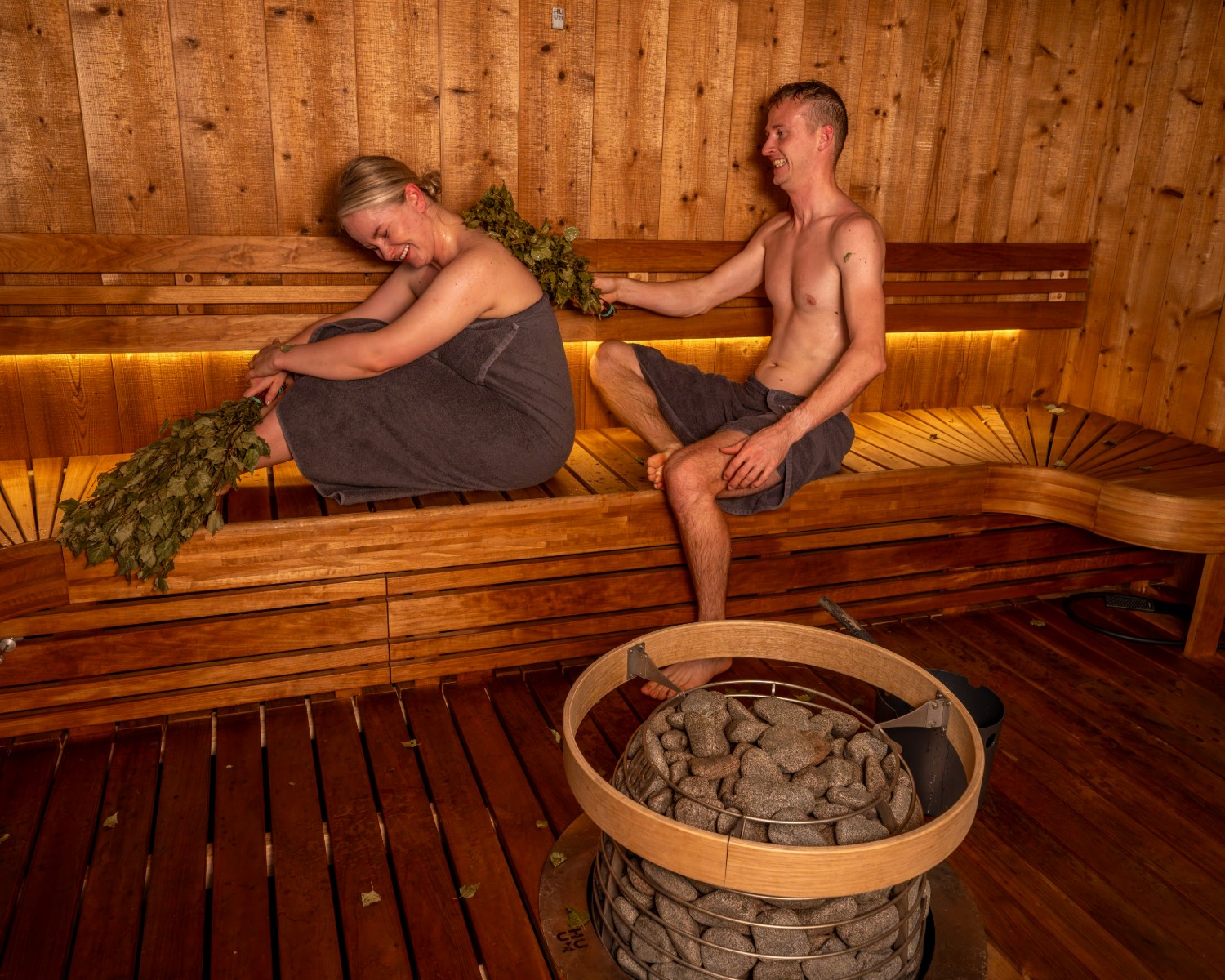
Traditional body scrub service with vigorous skin removal massage
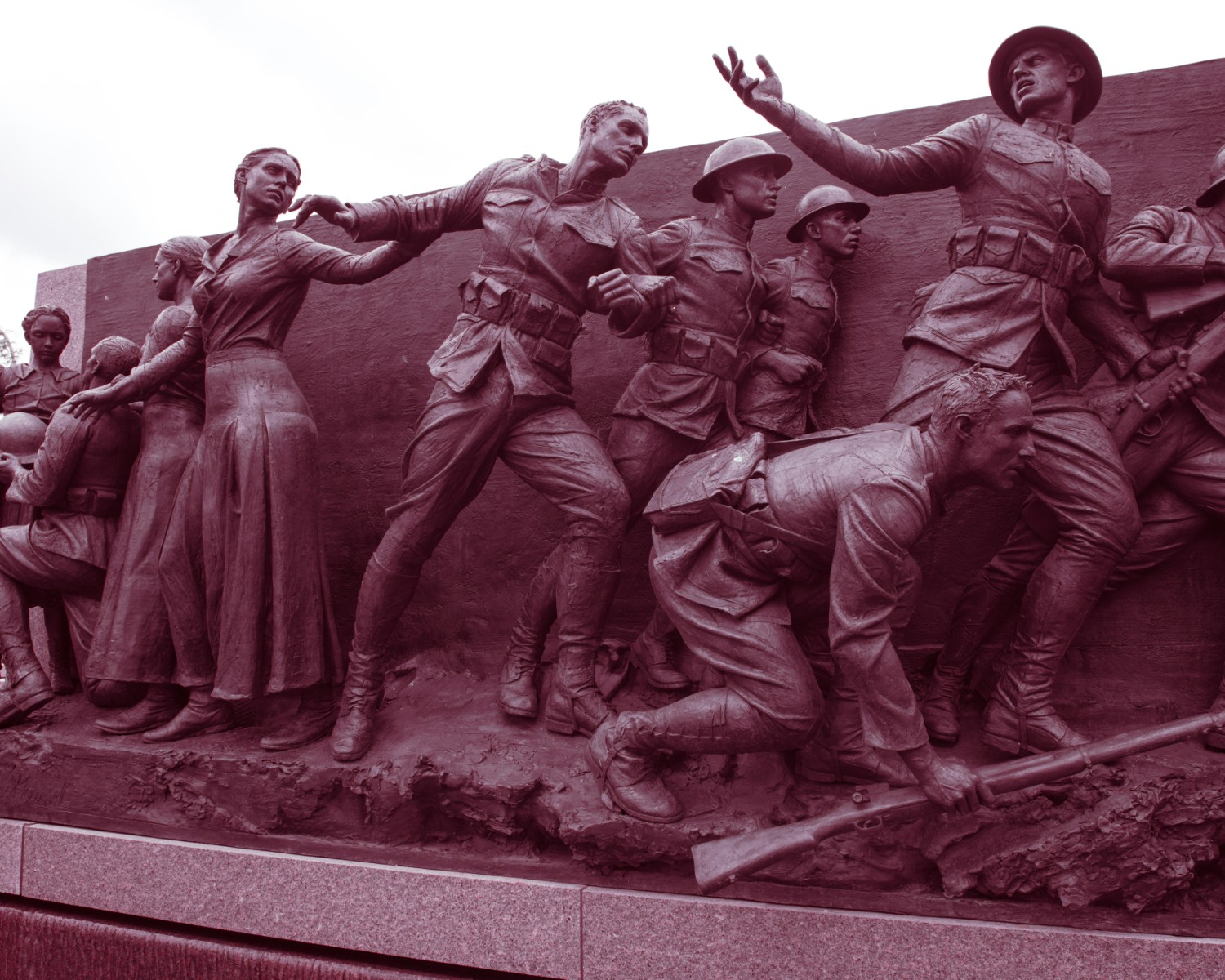
Dora Observatory viewing North Korean territory and propaganda villages
Travel Stories & Tips
Get inspired for your next adventure to South Korea


.png&w=2560&q=75)

Guest Stories
Join 25,000+ happy travelers who explored South Korea with us.